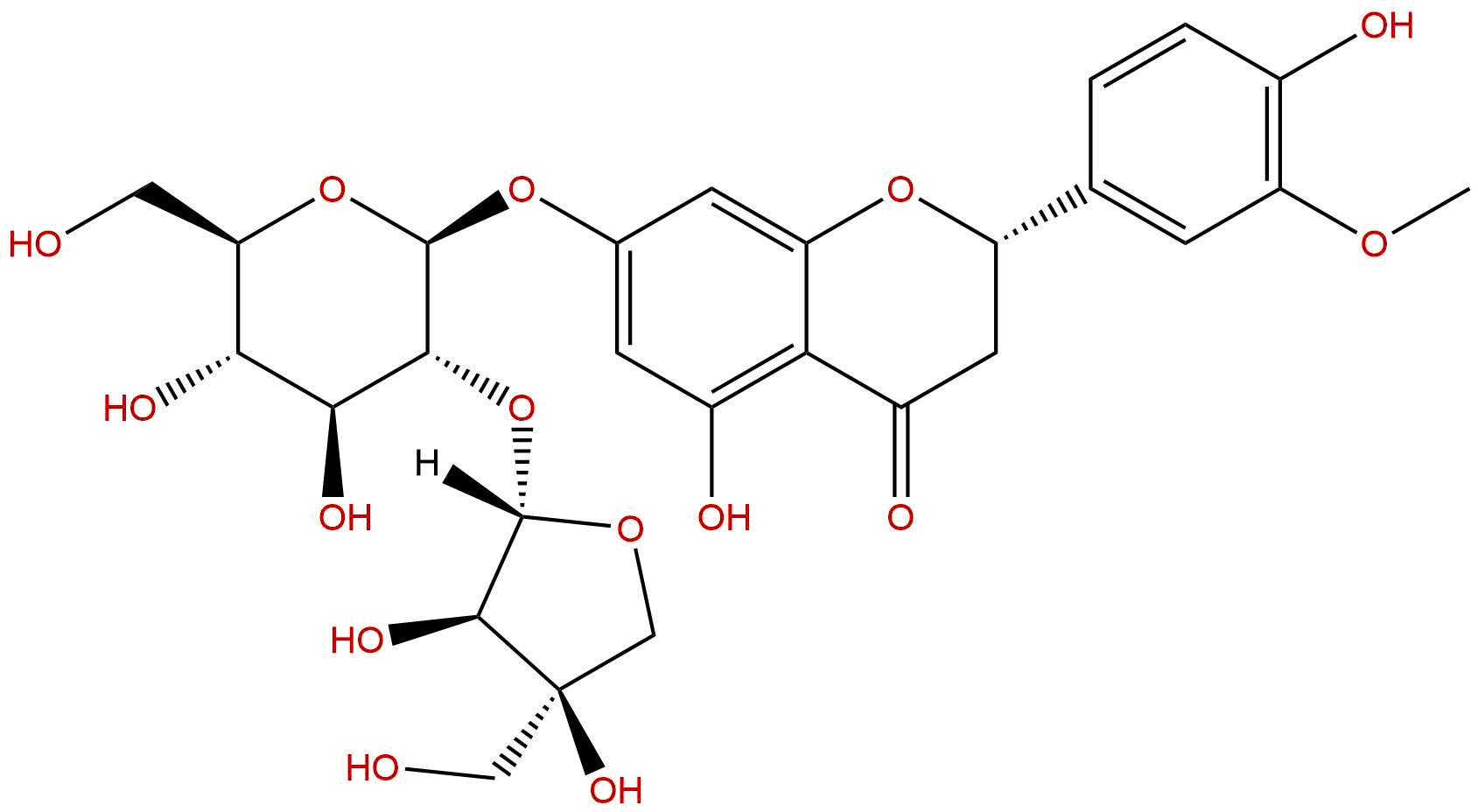
Storage conditions:Short-term storage at 2~8℃, long-term storage at -20 ~ -80℃
234.2900
-.3685
-.4006
3.4059
.5777
.1583
Low
74.5950
4.8257
No
No
No
No
No
No
0.0
Yes
No
Yes
No
Natural products, as an important source of drug discovery, play an indispensable role in the long history of human fight against diseases. From classic aspirin to complex paclitaxel, the chemical diversity inherent in nature provides endless inspiration and lead compounds for modern drug development. Among numerous natural products with biological activity, mistletoe, a traditional medicinal plant, is the source(Viscum The compound group of species has long attracted the attention of researchers due to its unique chemical structure and extensive pharmacological activity. As a semi parasitic plant, mistletoe has been used in traditional medical systems, especially in Europe and East Asia, to treat hypertension, atherosclerosis, cancer, immune system diseases and other diseases. Modern pharmacological research has revealed that its extracts and active ingredients have multiple effects such as anti-tumor, immune regulation, antioxidant, and cardiovascular protection.
In the complex chemical composition spectrum of mistletoe, flavonoids are one of the important active components. Viscumnoside III (hereinafter referred to as VN III) is a dihydroflavonoid O-glycoside with significant biological activity isolated and identified from mistletoe. Its unique chemical structure endows it with a series of remarkable pharmacological properties. Early studies have found that VN III can effectively inhibit tyrosinase, with a half maximal inhibitory concentration (IC50) of 0.5 mM. Tyrosinase is a key rate limiting enzyme in melanin biosynthesis, and its abnormally high activity is closely related to pigmentation diseases such as melasma and freckles. Therefore, VN III has shown potential application value in the fields of skin whitening and pigmentation disorder treatment.
More importantly, subsequent studies have revealed the protective role of VN III in the cardiovascular system, particularly its anti angina activity. Angina pectoris is a common clinical manifestation of coronary atherosclerotic heart disease (CHD). Its pathophysiological core lies in the imbalance between myocardial oxygen supply and consumption. The anti angina effect of VN III suggests that it may regulate cardiovascular function through multiple mechanisms, which is consistent with the experience of mistletoe in traditional medicine for treating cardiovascular diseases. In addition, based on the correlation analysis between its chemical structure and known targets, VN III is predicted to act on multiple targets closely related to the pathogenesis of hypertension, such as angiotensin-converting enzyme (ACE), α 1A adrenergic receptor (ADRA1A), β 2-adrenergic receptor (ADRB2), endothelial nitric oxide synthase (NOS3), L-type calcium channel Cav1.2 subunit (CACNA1C), angiotensin II receptor type 1 (AGTR1), endothelin 1 (EDN1), β 1-adrenergic receptor (ADRB1), renin (REN), and thiazide sensitive sodium chloride cotransporter (SLC12A3). These targets cover multiple key aspects of blood pressure regulation, including the renin angiotensin aldosterone system (RAAS), sympathetic nervous system, endothelial function, and ion channel regulation, suggesting that VN III may be a natural candidate molecule for blood pressure reduction with multi-target action characteristics.
Given that VN III possesses both tyrosinase inhibitory activity and potential cardiovascular protective effects, especially its extensive association with antihypertensive targets, systematic and in-depth research on it has important scientific significance and translational value. This article aims to comprehensively review the research progress of VN III, including its chemical structure and physicochemical properties, plant sources and extraction methods, pharmacological activity, mechanism of action, drug evaluation, and clinical application prospects. A systematic review and analysis will be conducted to provide reference for the in-depth development and utilization of this natural product.
The chemical structure of Viscumnoside III is the cornerstone of its biological activity. From a taxonomic perspective, VN III belongs to dihydroflavonoid O-glycosides. Dihydroflavones are an important subclass of flavonoids, with their basic parent nucleus being 2-phenylchromanone. Compared to flavonoids, the C2-C3 double bond is saturated, giving the entire molecule higher flexibility and stereochemical complexity. The glycoside part of VN III is dihydroflavonoid, while the sugar part is connected to a specific hydroxyl group of the glycoside through an O-glycosidic bond.
Regarding its precise chemical structure, literature reports that the aglycone of VN III is eriodictyol or a dihydroflavonoid with a similar structure to it. The B ring of Holy Grass Phenol has 3 ', 4' - dihydroxy substitution, while the A ring has 5,7-dihydroxy substitution. The sugar moiety is usually a disaccharide chain composed of monosaccharides such as glucose and xylose, connected to the hydroxyl group at position 7 of the aglycone. This glycosylation modification not only increases the water solubility of the molecule, but may also affect its interaction with biological targets, metabolic stability, and bioavailability. The specific sugar chain composition, connection mode (such as 1 → 2 or 1 → 6 connection), and the configuration of the terminal carbon (α or β) are the core elements that determine the precise structure of VN III. Different plant sources or extraction methods may result in slight differences in the sugar chain details of the isolated VN III, which requires precise identification using modern spectroscopic techniques such as nuclear magnetic resonance (NMR) and mass spectrometry (MS).
From the perspective of physicochemical properties, VN III exhibits typical natural glycoside characteristics. Its molecular weight is 596.5380 Da, which is a medium-sized molecule. The lipid water partition coefficient LogP is -0.3685, which is a negative value, indicating that VN III has strong hydrophilicity and good solubility in water. This characteristic is highly consistent with the presence of multiple polar hydroxyl and sugar moieties in its structure. Its water solubility parameter is 3.4059, further confirming its good water solubility. The polar surface area (TPSA) is as high as 234.2900 Å ², far exceeding the recommended upper limit of 140 Å ² for oral medications. A high TPSA value usually indicates high molecular polarity, which is not conducive to passive transmembrane diffusion, consistent with its predicted low blood-brain barrier (BBB) penetration ability. Low BBB penetration can sometimes actually reduce the risk of central nervous system side effects for drugs targeting peripheral targets such as the cardiovascular system. In addition, the predicted results showed that VN III had no inhibitory effect on hERG potassium channels, and the Ames test result was negative (0.0), indicating a low risk of cardiac and genetic toxicity, providing a positive signal for its safety as a candidate drug. Overall, the physicochemical properties of VN III determine that it may be mainly absorbed through active transport or cellular bypass pathways, and its distribution in vivo may be mainly limited to blood and extracellular fluid, making it difficult to enter the central nervous system.
The new glycoside III of mistletoe (VN III) is mainly derived from the mistletoe genus in the Loranthaceae family(Viscum)Plants, with the most common source being European mistletoe(Viscum album L. ) and its subspecies, as well as the commonly used mistletoe in East Asia(Viscum coloratum (Kom.) Nakai)。 These plants are widely parasitic on various trees, such as apple trees, poplar trees, willow trees, oak trees, etc. It is worth noting that the type of host plant may affect the composition and content of secondary metabolites in mistletoe. Therefore, in order to obtain stable and high levels of VN III, it is crucial to choose suitable hosts and harvest seasons. Usually, mistletoe is harvested in winter or early spring, when its active ingredient content is relatively high.
Extracting and purifying VN III from mistletoe plants is a typical natural product chemistry research process, which typically includes the following key steps:
Raw material pretreatment and extraction Fresh or dried mistletoe whole plants (including stems, leaves, and berries) collected are crushed to appropriate particle size. Given that VN III is a highly polar glycoside, polar solvents are often used for extraction. The most commonly used method is to use methanol or ethanol water mixed solvents (such as 70% or 80% ethanol) for heating reflux extraction or room temperature percolation extraction. In order to improve extraction efficiency and selectivity, modern technologies such as ultrasound assisted extraction or microwave-assisted extraction are sometimes used. After filtration and vacuum concentration of the extract, the total extract is obtained.
Preliminary separation and enrichment The total extract is usually suspended in water and then subjected to liquid-liquid extraction using organic solvents of different polarities (such as petroleum ether, ethyl acetate, n-butanol) in sequence. Due to the high polarity of VN III, it is mainly enriched in the n-butanol extraction layer or water layer. After vacuum concentration, the n-butanol extract becomes a crude extract rich in flavonoid glycosides.
Chromatographic Separation and Purification This is the core step in obtaining high-purity VN III. The strategy of combining multiple chromatographic techniques is usually adopted.
Throughout the entire extraction and separation process, structural identification is crucial for confirming whether the final product is VN III. This usually requires the comprehensive use of ultraviolet spectroscopy (UV), infrared spectroscopy (IR), mass spectrometry (MS, especially high-resolution mass spectrometry HR-MS for determining the molecular formula), as well as one-dimensional and two-dimensional nuclear magnetic resonance spectroscopy (1D - and 2D-NMR, such as ¹ H-NMR, ¹ ³ C-NMR, HSQC, HMBC, COSY, etc.) techniques. By comparing or analyzing the new structure with literature data, its chemical structure, including glycoside type, glycosylation composition, connection position and configuration, is finally determined.
Although the pharmacological activity research of VN III in mistletoe is not as extensive and in-depth as its parent plant mistletoe extract, existing studies have revealed its significant effects in several key areas, especially in tyrosinase inhibition and cardiovascular protection.
1. Tyrosinase inhibitory activity
This is one of the earliest reported and confirmed pharmacological activities of VN III. Tyrosinase is a copper containing oxidase and a key rate limiting enzyme in the melanin biosynthesis pathway. It catalyzes two important reactions: tyrosine hydroxylation to dopa (DOPA) and dopa oxidation to dopaquinone. Dopaoquinone further undergoes a series of enzymatic and non enzymatic reactions to generate melanin. Therefore, inhibiting the activity of tyrosinase is the main strategy for developing skin whitening agents and treating hyperpigmentation disorders such as melasma, freckles, and age spots.
Research has shown that VN III can effectively inhibit the activity of tyrosinase, with a half maximal inhibitory concentration (IC50) of 0.5 mM. Although this activity is weaker than potent whitening agents widely used in the market such as Kojic acid (IC50 typically in the micromolar range) or Hydroquinone, as a natural product, its safety may be higher and its side effects may be smaller. The inhibitory mechanism may be related to the ability of the phenolic hydroxyl group on the dihydroflavonoid skeleton of VN III to chelate copper ions in the tyrosinase active center, or to compete with the enzyme substrate for binding. In addition, VN III may indirectly inhibit melanin synthesis by clearing reactive oxygen species (ROS) generated during melanin production through its antioxidant activity. This discovery provides new candidate molecules for the development of mild and safe whitening active ingredients derived from natural plants.
2. Anti angina and cardiovascular protective effects
Angina pectoris is a typical symptom of coronary heart disease, and its pathological mechanism is insufficient blood supply to the coronary arteries, leading to rapid and temporary ischemia and hypoxia of the myocardium. VN III has been reported to have anti angina activity, which is highly consistent with its traditional applications and modern pharmacological predictions. Its anti angina effect may be achieved through one or more of the following mechanisms:
3. Potential antihypertensive activity
Based on computer-aided drug design or network pharmacology analysis, VN III is predicted to interact with multiple classic antihypertensive drug targets. These targets include:
- RAAS System:ACE、AGTR1、REN。 Inhibiting ACE or blocking the binding of Ang II to AT1 receptors is the core strategy for treating hypertension. VN III may exert antihypertensive effects by inhibiting renin activity or blocking AT1 receptors.
- Sympathetic nervous system:ADRA1A、ADRB1、ADRB2。 Blocking alpha 1 receptors can dilate small arteries and reduce peripheral resistance; Blocking the β 1 receptor can slow down heart rate and reduce cardiac output. VN III may have an antagonistic effect on these receptors.
- vascular endothelial function:NOS3。 Activating eNOS and promoting the production of nitric oxide (NO) is an important vasodilation mechanism. VN III may promote NO release and dilate blood vessels by upregulating eNOS expression or activity.
- ion channel CACNA1C (L-type calcium channel). Blocking the L-type calcium channels of vascular smooth muscle and myocardial cells can simultaneously dilate blood vessels and reduce myocardial contractility, which is a classic antihypertensive mechanism.
- humoral regulation EDN1 (endothelin-1). Antagonising the endothelin receptor can inhibit its powerful vasoconstrictive effect.
- Electrolyte transport SLC12A3 (thiazide sensitive sodium chloride co transporter). Inhibiting this transporter can promote urinary sodium excretion, reduce blood volume, and thus lower blood pressure.
The diversity of these predicted targets suggests that VN III may be a natural antihypertensive substance with multiple targets and pathways, and its mode of action is similar to the concepts of "multi-target drugs" or "network pharmacology". It may achieve stable and long-lasting antihypertensive effects through synergistic effects, and may bring additional benefits beyond simply lowering blood pressure, such as target organ protection. However, these predictions still need to be validated through rigorous in vitro enzyme activity experiments, receptor binding experiments, and in vivo animal models.
The pharmacological action of mistletoe glycoside III (VN III) is the result of its interaction with specific biomolecules. Although in-depth research on its mechanism of action is not yet sufficient, a possible molecular mechanism map can be outlined by combining existing pharmacological data and computer predictions.
1. Molecular mechanism of tyrosinase inhibition
The mechanism by which VN III inhibits tyrosinase activity is most likely through chelation with copper ions in the enzyme's active center. The active center of tyrosinase contains two copper ions (CuA and CuB), which coordinate with surrounding tissue acid residues (such as histidine) to form a binuclear copper active site responsible for binding and oxidizing substrates tyrosine or L-DOPA. The ortho dihydroxy groups in the VN III molecular structure (such as the 3 ', 4' - dihydroxy group in the B ring) or the 5,7-dihydroxy group in the A ring have strong metal chelating ability. The oxygen atoms on these hydroxyl groups can provide lone pair electrons, forming stable coordination bonds with the copper ions in the active center of tyrosinase, thereby competitively inhibiting the proximity and binding of substrates to enzymes, ultimately blocking the synthesis of melanin. In addition, VN III may also act as a mixed inhibitor, binding to both free enzymes and enzyme substrate complexes simultaneously. Molecular docking simulation studies can provide more intuitive evidence for predicting the binding mode and key interaction sites of VN III in the tyrosinase active pocket.
2. Molecular mechanisms of cardiovascular protection and anti hypertension
The protective effect of VN III on the cardiovascular system, particularly its potential antihypertensive activity, may involve a complex, multi-target signaling network.
Regulation of RAAS system Renin (REN) is the initiating enzyme of the RAAS system, catalyzing the conversion of angiotensinogen to angiotensin I (Ang I). VN III may inhibit the enzymatic activity of renin by binding to its active site, thereby reducing the generation of Ang I at the source. Angiotensin converting enzyme (ACE) converts Ang I into the potent vasoconstrictor angiotensin II (Ang II). VN III may mimic the action of ACE inhibitors, such as Captopril, by binding to the zinc ion active center of ACE and inhibiting its activity. The main receptor of Ang II is AT1 receptor (AGTR1), which mediates vasoconstriction, aldosterone secretion, water sodium retention and other pressor effects. VN III may act as an antagonist of the AT1 receptor, blocking the binding of Ang II to the receptor and reversing its pressor effect.
Regulation of the sympathetic nervous systemα 1A adrenergic receptors (ADRA1A) are mainly distributed on vascular smooth muscle, and their activation leads to vascular constriction. VN III may act as an antagonist of this receptor, blocking the action of norepinephrine, causing vasodilation, and reducing peripheral resistance. β 1-adrenergic receptors (ADRB1) are mainly distributed in the heart, and activation increases heart rate and myocardial contractility. VN III may act like a beta blocker by antagonizing β 1 receptors, slowing down heart rate and reducing cardiac output, thereby reducing myocardial oxygen consumption and lowering blood pressure. β 2-adrenergic receptors (ADRB2) are mainly distributed in vascular and bronchial smooth muscles, and their activation causes relaxation. The effect of VN III on ADRB2 is not yet clear and may be a partial agonist or antagonist, requiring further research.
The impact on endothelial function of blood vessels Endothelial nitric oxide synthase (NOS3) is a key enzyme in endothelial cells that produces nitric oxide (NO). NO is the most important endogenous vasodilator in the body. VN III may promote the generation and release of NO by activating the PI3K/Akt signaling pathway, phosphorylating and activating eNOS. NO diffuses into vascular smooth muscle cells, activates guanylate cyclase (sGC), increases cGMP levels, and ultimately leads to vascular smooth muscle relaxation and vasodilation.
The role of ion channels L-type calcium channels (CACNA1C) are highly expressed in cardiomyocytes and vascular smooth muscle cells, and their opening mediates calcium ion influx, triggering myocardial and vascular contractions. VN III may act as a calcium channel blocker, binding to channel proteins to prevent calcium ion influx, resulting in negative muscle strength, negative frequency, and vasodilation effects, similar to the mechanism of action of classical dihydropyridine calcium antagonists.
Effects on other targets VN III may antagonize the binding of endothelin-1 (EDN1) to its receptor, inhibiting its potent vasoconstrictive effect. At the same time, it may also inhibit the sodium chloride cotransporter (SLC12A3) in the renal distal tubules, promote urinary sodium excretion, reduce blood volume, and thus produce a blood pressure lowering effect similar to thiazide diuretics.
In summary, the mechanism of action of VN III exhibits typical "multi-target, multi pathway" characteristics. It may simultaneously act on multiple key aspects of blood pressure regulation, including the RAAS system, sympathetic nervous system, endothelial function, ion channels, and electrolyte transport, achieving overall cardiovascular protection through synergistic effects. This multi-target mode of action is its potential advantage over single target synthetic drugs, which may bring more comprehensive efficacy and lower risk of side effects.
To develop the natural product VN III into a clinical drug, a systematic evaluation of its drug like and pharmacokinetic properties (ADME, i.e. absorption, distribution, metabolism, excretion) is necessary. The existing physical and chemical parameters and computer prediction results provide us with preliminary evaluation basis.
1. Evaluation of drug properties
The evaluation of drug properties aims to assess whether a compound possesses the basic chemical and physical properties to become an oral medication. The classic "Lipinski Rule of Five" is a commonly used screening criterion: molecular weight<500, LogP<5, The number of hydrogen bond donors is less than 5, and the number of hydrogen bond acceptors is less than 10. Compare the parameters of VN III with these rules:
- molecular weight:596.54 Da, Exceeding the threshold of 500.
- LogP-0.37, far below 5, in compliance with the rules.
- Hbond donor The VN III structure contains multiple phenolic hydroxyl groups and hydroxyl groups on sugars, and the number of hydrogen bond donors is likely to exceed 5 (for example, the aglycone has 4 hydroxyl groups, plus hydroxyl groups on sugars, the total number may reach 8-9).
- Number of hydrogen bond acceptors Similarly, with a large number of oxygen atoms, the number of hydrogen bond acceptors (including hydroxyl and ether oxygen) is likely to exceed 10.
From this, it can be seen that VN III clearly violates two of Lipinski's five rules (molecular weight and number of hydrogen bond donors/acceptors). This usually means that its oral bioavailability may be poor. However, Lipinski's rule mainly targets passive diffusion, while many natural products (especially glycosides) can be absorbed through active transport mechanisms (such as glucose transporter SGLT1 or peptide transporter PEPT1 in the intestine). In addition, the high TPSA (234.29 Å ²) and low LogP of VN III are consistent with its low membrane permeability prediction.
In terms of other pharmacological indicators:
- Blood-brain barrier (BBB) penetration The prediction is low, which is consistent with its high polarity. For cardiovascular drugs, low BBB penetration may be an advantage as it can reduce the risk of central nervous system side effects such as dizziness and drowsiness.
- HERG inhibition Predicted as no. Inhibition of hERG potassium channels is the main cause of drug-induced long QT syndrome and fatal arrhythmias (apical torsion ventricular tachycardia). A negative predictive result is an important safety advantage.
- Ames test The result is 0.0, indicating that no mutagenicity was observed in the bacterial recovery mutation test, suggesting a low risk of genetic toxicity.
Overall, the pharmaceutical challenge of VN III mainly lies in its potential poor oral absorption. Its advantage lies in its good preliminary safety signal (no hERG inhibition, no Ames toxicity).
2. Pharmacokinetic (ADME) characteristics
At present, there is very limited in vivo pharmacokinetic research data on VN III, and most of the information comes from computational predictions and inferences of similar compounds.
Summary The ADME characteristics of VN III may manifest as poor oral absorption, low bioavailability, rapid metabolism in the body, and mainly excreted in the form of metabolites. This poses a major obstacle to its development as an oral medication. Future research requires the use of sensitive analytical techniques such as LC-MS/MS to conduct detailed in vivo pharmacokinetic experiments in animal models (such as rats and mice), to determine their blood concentration time curves, bioavailability, half-life, tissue distribution, and excretion pathways, providing key data for subsequent formulation design and dosing regimen optimization. For example, new drug delivery systems such as prodrugs, liposomes, and nanoparticles can be developed to improve their oral bioavailability.
The unique chemical structure and multifaceted pharmacological activities of mistletoe glycoside III (VN III) have laid the foundation for its application prospects in multiple therapeutic fields, but it also faces many challenges in transitioning from laboratory research to clinical application.
1. Skin whitening and pigmentation treatment
Based on its clear tyrosinase inhibitory activity, VN III has direct application potential in the fields of skin care and skin disease treatment. Compared with the widely used but safety concerns of hydroquinone or highly irritating quercetin, VN III, as a natural product, may have higher safety and less irritation. It can be developed as a new, mild whitening active ingredient and added to skin care products such as sunscreen, essence liquid, face cream, etc. to prevent and improve pigmentation, such as chloasma, freckles and post inflammation pigmentation. Future research should focus on:
- Efficacy Verification Further confirm its whitening effect through cell models (such as B16 melanoma cells, human primary melanocytes) and human skin models, and compare it with existing whitening agents.
- safety assessment Conduct systematic skin irritation and allergy tests to ensure its safety for use on the skin.
- Formula development Study how to stably add it to cosmetic formulas and ensure its transdermal absorption efficiency.
2. Prevention and treatment of cardiovascular diseases
The anti angina activity and wide range of predicted anti hypertensive targets of VN III make it a potential candidate drug for the treatment of cardiovascular diseases, particularly hypertension and coronary heart disease. Its multi-target mode of action may bring the following advantages:
- Collaborative voltage reduction Simultaneously acting on multiple systems such as RAAS, sympathetic nervous system, calcium channels, etc., may achieve a smoother and more effective antihypertensive effect, especially suitable for patients with refractory hypertension or multiple complications.
- Target organ protection By improving endothelial function, antioxidant, anti-inflammatory and other effects, it may provide additional protective effects on hypertensive target organs such as the heart, brain, and kidneys, surpassing the benefits of simply lowering blood pressure.
- Less side effects As a natural multi-target drug, its effect is relatively mild, which may avoid the common side effects of single target potent drugs (such as dry cough of ACE inhibitors and edema of calcium antagonists).
However, developing it into a cardiovascular drug faces significant challenges:
- The issue of bioavailability This is the biggest bottleneck. It is necessary to significantly improve its oral absorption rate through drug chemical modification (such as prodrug design) or advanced drug delivery systems (such as nanoparticles, liposomes, phospholipid complexes).
- Confirmation of mechanism of action The targets predicted by computers need to be rigorously validated through in vitro experiments (such as enzyme activity detection, receptor binding experiments, cell function experiments) and in vivo animal models (such as spontaneously hypertensive rat SHR, angiotensin II induced hypertension models).
- Pharmacodynamic research It is necessary to systematically evaluate its antihypertensive effect, protective effect on angina models, and impact on pathological changes of target organs (heart, kidney, blood vessels) in multiple animal models.
- Toxicological research Comprehensive acute and chronic toxicity experiments are required to evaluate the safety of long-term use.
3. Future research directions
Looking ahead, research on VN III should focus on the following directions:
As a dihydroflavonoid O-glycoside derived from the traditional medicinal plant mistletoe, Viscumnoside III demonstrates the enormous potential of natural products in drug discovery due to its unique chemical structure and multifaceted biological activities. From the whitening effect of inhibiting tyrosinase to its anti angina and predicted broad-spectrum anti hypertensive effects, VN III targets multiple key physiological and pathological processes, including melanin synthesis, renin-angiotensin system, sympathetic nervous system, calcium ion channels, and endothelial function, exhibiting typical "multi-target, multi pathway" action characteristics.
However, the journey from natural products to clinical drugs for VN III remains long and challenging. Its inherent defect as a glycoside compound - low oral bioavailability - is the primary obstacle to its pharmacological development. In addition, its complex pharmacological mechanism still requires further experimental verification, and comprehensive pharmacokinetic and toxicological data urgently need to be supplemented.
Nevertheless, the unique value demonstrated by VN III cannot be ignored. It not only provides candidate molecules for the development of new and safe skin whitening agents, but also offers new ideas and lead compounds for the treatment of cardiovascular diseases, especially hypertension and coronary heart disease. Future research should fully utilize the interdisciplinary advantages of modern medicinal chemistry, pharmacology, pharmacy, and systems biology, focusing on overcoming the bottleneck of drug development, deeply elucidating its mechanism of action, and exploring its synergistic effects with other drugs. We have reason to believe that with the continuous deepening of research, mistletoe glycoside III and its derivatives are expected to occupy a place in the development of natural medicines in the future and contribute to human health. The continuous exploration of such natural products is not only a wise move to return to nature and seek new drugs, but also a scientific interpretation and development of traditional medical wisdom.
Batch can search by a CAS number,one per line