Introduction/Overview
Natural products, as an important source of drug discovery, play an irreplaceable role in the long history of human struggle against diseases. In the field of treating cardiovascular disease (CVD), the leading cause of death worldwide, active ingredients derived from traditional medicinal plants have demonstrated unique value. Danshen (Salvia miltiorrhiza)(Salvia miltiorrhiza Bunge), As a representative drug in traditional Chinese medicine theory that promotes blood circulation, removes blood stasis, and relieves pain, it has a long history of clinical application, especially in the prevention and treatment of cardiovascular diseases such as coronary heart disease, angina pectoris, and myocardial infarction, with definite therapeutic effects. The chemical composition of Danshen is complex and diverse, mainly including fat soluble Tanshinones and water-soluble Salvianolic acids. For a long time, components such as Tanshinone IIA and Salvianolic acid B have attracted much attention due to their significant pharmacological activities. However, within the active ingredient family of Salvia miltiorrhiza, there is also a class of structurally unique and highly active members - Salvia neoquinones.
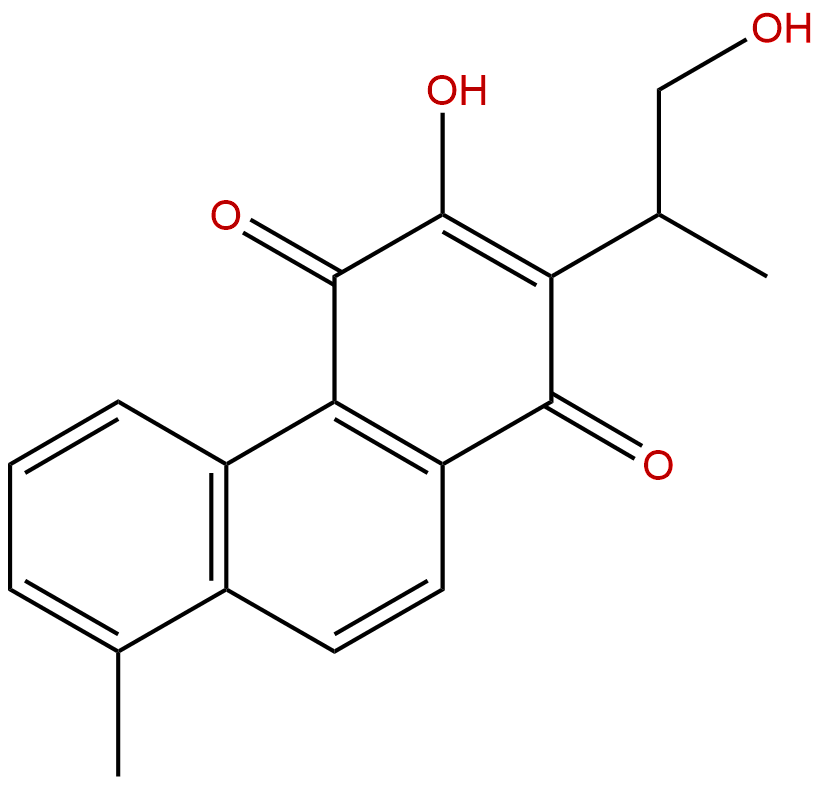
Danshenxinkun A, CAS number 65907-75-7, is a typical representative of Danshenxinkun compounds. Compared with the more in-depth research on tanshinones, the study of tanshinone A started relatively late. However, its unique chemical skeleton and increasingly evident biological functions, especially its potential in the study of heart related diseases, are gradually attracting attention from the academic community. Early research focused on the identification of salvianolic acid A as a minor component in Salvia miltiorrhiza. However, in recent years, with the advancement of separation technology and the refinement of pharmacological screening models, the effects of salvianolic acid A on anti myocardial ischemia-reperfusion injury, inhibition of myocardial fibrosis, and regulation of lipid metabolism have gradually been revealed. Its mechanism of action involves multiple key signaling pathways and molecular targets closely related to the pathological process of cardiovascular disease, such as AMPK, STAT3, TLR4, etc., exhibiting a complex mode of action regulated by multiple targets and pathways.
This article aims to provide a systematic review of the current research status of salvianolic acid quinone A. Starting from its chemical structure and physicochemical properties, we will sort out its plant origin and extraction methods, deeply explore its cardiovascular protection and other pharmacological activities, elaborate on its mechanism of action and molecular targets, and conduct preliminary evaluations based on its pharmacological parameters. Finally, we will look forward to its clinical application prospects and challenges as a lead compound or candidate drug. Through this review, it is expected to provide comprehensive references for the in-depth research and development of salvianolic acid A, and to reveal the potential value of this natural product in precision treatment of cardiovascular diseases.
Chemical structure and physicochemical properties
The chemical structure of salvianolic acid A is the basis for its unique biological activity. From a chemical classification perspective, it belongs to the Abietane class of diterpenes, with its core skeleton being a phenanthrene ring system with ortho - or para quinone structures. Unlike tanshinone compounds (such as tanshinone IIA with a furan ring structure), the structural feature of salvianolic quinone A is the presence of specific substituent groups attached to its parent nucleus, forming a "new quinone" structure. Specifically, the molecular formula of salvianolic acid A is C ₁₈ H ₁₆ O ₄, and its structure is usually described as 1,2,6,7,8,9-hexahydro-1,6,6-trimethyl-pheno [1,2-b] furan-10,11-ddione, or more concisely, a phenanthrenequinone derivative with an isopropyl side chain and two methoxy (- OCH ∝) substituents. This unique polycyclic quinone structure endows it with rich chemical reactivity and potential for interaction with biomolecules.
From the perspective of physicochemical properties, the molecular weight of salvianolic acid A is 296.3220 Da, belonging to the category of small molecule compounds, which provides convenience for its transmembrane transport and binding to intracellular targets. The coefficient of lipid water partition (LogP) is 2.9029, indicating that the compound has moderate lipophilicity. This characteristic makes it easy to dissolve in organic solvents such as ethanol, ethyl acetate, chloroform, etc., but its solubility in water is low, with a calculated water solubility value of only 0.0188 mg/mL. This low water solubility is a common characteristic of many natural fat soluble active ingredients, and it is also one of the key bottlenecks restricting their bioavailability and formulation development. The topological polar surface area (TPSA) is 74.6000 Å ², which is at a moderate level. TPSA is an important parameter for predicting drug oral absorption and blood-brain barrier penetration ability. It is generally believed that molecules with TPSA less than 140 Å ² have good oral absorption potential, while molecules with TPSA less than 90 Å ² are more likely to penetrate the blood-brain barrier. The TPSA value of salvianolic acid A indicates that it has good oral absorption potential, but its blood-brain barrier penetration ability is evaluated as "low", suggesting that its application in central nervous system diseases may be limited. However, for cardiovascular diseases that mainly act on peripheral organs such as the heart, this may be an advantageous characteristic that can reduce central nervous system side effects.
In addition, two key safety indicators in the drug efficacy evaluation showed that the hERG (human Ether - à - go Related Gene) inhibition prediction result was "no", which means that the risk of Danshenxin quinone A causing cardiac QT interval prolongation and fatal arrhythmias (such as apical torsion ventricular tachycardia) at conventional doses is low, which is an important safety advantage. The Ames test predicts a value of 0.9, which is usually considered negative (non mutagenic) if it is less than 0.5. A value of 0.9 is in the critical or weakly positive range, indicating a possible genetic toxicity risk that needs to be given special attention and validation in subsequent toxicology studies. Overall, Danshenxin quinone A has the basic physicochemical characteristics as a lead compound for oral medication, but its poor water solubility and potential genetic toxicity are the core issues that need to be addressed.
Plant sources and extraction methods
The main plant source of salvianolic acid A is Salvia miltiorrhiza, a plant of the Salvia genus in the Lamiaceae family(Salvia miltiorrhiza Bunge's dried roots and rhizomes. Danshen is widely distributed in China, mainly produced in Sichuan, Shandong, Henan, Shaanxi and other places, and is a commonly used bulk traditional Chinese medicine in clinical practice. The content of salvianolic acid A in Danshen is usually low and belongs to the category of minor active ingredients. Its content is much lower than that of major tanshinone compounds such as Danshenketone IIA and cryptotanshinone. Therefore, its extraction and separation purification pose certain challenges, usually requiring the use of modern chromatographic techniques to obtain high-purity monomers.
Traditional methods for extracting active ingredients from Danshen often use organic solvent reflux extraction. Due to the lipophilic characteristics of salvianolic acid A, ethanol, methanol, or ethyl acetate are often used as extraction solvents. For example, after crushing Danshen medicinal herbs, they are refluxed and extracted several times with 95% ethanol or anhydrous ethanol under heating conditions, and the extracted liquids are combined and concentrated under reduced pressure to obtain the extract. This method is easy to operate and has low cost, but the extraction efficiency is limited, and it will simultaneously dissolve a large amount of other fat soluble components, resulting in cumbersome subsequent separation and purification steps.
In order to improve extraction efficiency and selectivity, some modern extraction techniques have been applied to the extraction of salvianolic acid A in recent years. Ultrasonic assisted extraction (UAE) utilizes the cavitation effect and mechanical vibration of ultrasound to effectively destroy plant cell walls, accelerate solvent penetration and solute dissolution, thereby achieving efficient extraction at lower temperatures and reducing the degradation of thermosensitive components. Microwave assisted extraction (MAE) utilizes microwave energy to selectively heat polar molecules, causing a rapid increase in intracellular temperature and pressure, leading to cell rupture and rapid release of target components. Compared to traditional reflux extraction, these methods typically shorten extraction time, improve yield, and reduce solvent consumption.
The crude extract after extraction needs to undergo a series of separation and purification steps to obtain Danshenxin quinone A monomer. The classic separation process includes: first, dispersing the alcohol extract in water, and sequentially performing liquid-liquid extraction with solvents of different polarities such as petroleum ether, ethyl acetate, n-butanol, etc. Danshen quinone A is mainly enriched in the ethyl acetate extraction layer. Subsequently, preliminary separation is carried out using silica gel column chromatography (CC), usually using mixed solvents such as petroleum ether ethyl acetate or chloroform methanol for gradient elution, and similar fractions are combined based on thin layer chromatography (TLC) detection results. The stream rich in danshen neoquinone A can be further purified by Sephadex LH-20 gel column chromatography, and the pigment and impurities can be removed by molecular sieve. Finally, by combining preparative high-performance liquid chromatography (Pre HPLC) technology and using a reverse phase C18 chromatography column with acetonitrile water or methanol water systems for isocratic or gradient elution, salvianolic acid quinone A monomer with a purity of over 98% can be obtained. The entire separation process requires precise structural identification and purity confirmation of the target compound using techniques such as ultraviolet detection, mass spectrometry (MS), and nuclear magnetic resonance (NMR).
Pharmacological activity research
The pharmacological activity research of salvianolic acid A mainly focuses on its traditional application field - cardiovascular disease, and gradually expands to other disease models.
1. Cardiovascular protective effect
This is the core research direction of salvianolic acid quinone A. Multiple in vitro and in vivo experiments have confirmed its cardioprotective potential.
- Anti myocardial ischemia/reperfusion (I/R) injury In the myocardial cell hypoxia/reoxygenation (H/R) model and animal myocardial ischemia-reperfusion model, Danshenxin quinone A pretreatment can significantly reduce myocardial cell apoptosis, decrease the release of lactate dehydrogenase (LDH) and creatine kinase isoenzyme (CK-MB), and shrink the myocardial infarction area. Its protective effect is closely related to inhibiting oxidative stress, reducing endoplasmic reticulum stress, and mitochondrial dysfunction.
- Anti myocardial fibrosis In the model of cardiac fibroblasts (CFs) induced by angiotensin II (Ang II) or transforming growth factor - β 1 (TGF - β 1), tanshinone A can inhibit the proliferation, migration, and differentiation of CFs into myofibroblasts, reducing the synthesis and deposition of collagen I and III. This indicates its potential to delay or reverse myocardial fibrosis and improve cardiac remodeling.
- Regulation of lipid metabolism and anti atherosclerosis: Preliminary research shows that tanshinone A may affect the formation of foam cells by regulating lipid metabolism related pathways. For example, it may play an anti atherosclerotic role by activating AMPK signaling pathway, promoting the outflow of cholesterol from macrophages, and reducing the uptake of oxidized low-density lipoprotein (ox LDL).
2. Anti inflammatory and immune regulatory effects
Chronic inflammation is the core pathological link of cardiovascular disease and many other diseases. Danshen quinone A exhibits clear anti-inflammatory activity. In the macrophage model stimulated by lipopolysaccharide (LPS), it can significantly inhibit the production of pro-inflammatory cytokines such as tumor necrosis factor - α (TNF - α), interleukin-6 (IL-6), and interleukin-1 β (IL-1 β). The mechanism may be related to the inhibition of Toll like receptor 4 (TLR4) - mediated activation of the nuclear factor kappa B (NF - κ B) signaling pathway.
3. Neuroprotective effect
Although the blood-brain barrier penetration is low, there are still studies exploring the neuroprotective potential of salvianolic acid neoquinone A. In cell models related to Alzheimer's disease (AD), it has been found to inhibit the activity of β - secretase 1 (BACE1), thereby reducing the production of β - amyloid protein (A β). In addition, it can counteract A β - induced neuronal toxicity by regulating the expression of apoptosis related protein Bcl-2 family. These findings suggest that it may have auxiliary value in the treatment of neurodegenerative diseases.
4. Antitumor activity
Some studies have reported the inhibitory effect of salvianolic acid neoquinone A on certain tumor cells. For example, in breast cancer cells, it may inhibit cell proliferation and induce apoptosis by acting on estrogen receptor beta (ESR2) or regulating STAT3 signaling pathway. However, research in this area is not yet in-depth, and its anti-tumor spectrum and specific mechanisms need further clarification.
Mechanism of action and molecular targets
The pharmacological activity of salvianolic acid A is the result of multi-target and multi pathway synergistic effects. According to existing research, its key mechanism of action and the molecular targets involved can be summarized as follows:
1. Regulating energy metabolism and oxidative stress: AMPK and APEX1
- AMPK(PRKAA1)AMP activated protein kinase (AMPK) is a core sensor of cellular energy metabolism. Danshen quinone A has been found to activate AMPK. Activated AMPK can inhibit acetyl CoA carboxylase (ACC), promote fatty acid oxidation, and improve energy metabolism disorders in myocardial cells; Meanwhile, the activation of AMPK also enhances the activity of antioxidant enzymes (such as SOD and CAT) and reduces oxidative stress damage by upregulating downstream molecules such as SIRT1. This is one of the key mechanisms by which it exerts myocardial protective effects.
- APEX1 Purine/pyrimidine endonuclease 1 (APEX1) is a key enzyme in the base excision repair (BER) pathway and also a redox regulator. Danshen quinone A may affect the cell's ability to repair oxidative DNA damage by regulating the expression or activity of APEX1, thereby protecting genomic stability in myocardial I/R injury.
2. Regulating cell apoptosis and survival: BCL2 and STAT3
- BCL2 The Bcl-2 protein family is the core of regulating the mitochondrial apoptosis pathway in B-cell lymphoma. Danshen quinone A can upregulate the expression of anti apoptotic protein Bcl-2 and downregulate the expression of pro apoptotic protein Bax, thereby stabilizing mitochondrial membrane potential, inhibiting the release of cytochrome c and the activation of caspase cascade reaction, and ultimately inhibiting cardiomyocyte apoptosis.
- STAT3 Signal transducer and activator of transcription factor 3 (STAT3) is involved in various processes such as cell proliferation, differentiation, and apoptosis. In cardiac protection, phosphorylation activation of STAT3 is considered a part of the "survival signal". Danshen quinone A has been shown to promote the phosphorylation of STAT3, activate the expression of downstream target genes such as Survivor and Bcl xL, thereby enhancing the survival ability of myocardial cells in ischemic and hypoxic environments.
3. Regulating inflammatory response: TLR4 and PTPN1
- TLR4 Toll like receptor 4 (TLR4) is a key pattern recognition receptor that mediates inflammatory responses. In myocardial I/R injury, damage associated molecular patterns (DAMPs) activate TLR4, which in turn initiates downstream NF - κ B and MAPK signaling pathways, leading to the release of a large number of inflammatory factors. Danshenxin quinone A can inhibit the expression of TLR4 or its binding with ligands, thereby blocking the cascade amplification of inflammatory signals and reducing the damage of myocarditis.
- PTPN1 Protein tyrosine phosphatase non receptor type 1 (PTPN1, also known as PTP1B) is a negative regulator of the insulin and leptin signaling pathways. Recent studies have found that PTPN1 is also involved in regulating inflammatory responses. The inhibitory effect of salvianolic acid A on PTPN1 may indirectly exert cardiovascular protection by enhancing insulin sensitivity (improving metabolism) and regulating inflammation related pathways such as JAK/STAT.
4. Regulating other key targets
- BACE1β - secretase 1 (BACE1) is a key rate limiting enzyme for A β production. The inhibitory effect of salvianolic acid A on BACE1 is an important molecular basis for its neuroprotective activity.
- ESR2 Estrogen receptor beta (ESR2) is expressed in both the cardiovascular and central nervous systems. Salvia neoquinone A may play an estrogen like cardiovascular protective role as a ligand or regulator of ESR2, and may participate in its anti breast cancer activity.
- SERPINE1 Plasminogen activator inhibitor-1 (PAI-1, encoded by the SERPINE1 gene) is a key inhibitor of the fibrinolytic system, and its elevated levels are closely associated with thrombosis and fibrosis. Danshen quinone A may promote fibrinolysis, inhibit thrombosis and myocardial fibrosis by downregulating the expression of SERPINE1.
- PRKCA Protein kinase C alpha (PKC alpha) is involved in various cellular signaling pathways. In the heart, excessive activation of PKC α is associated with myocardial hypertrophy and heart failure. Danshen quinone A may affect the contractile function and pathological remodeling of cardiomyocytes by regulating the activity of PKC α.
Evaluation of drug properties and pharmacokinetics
Based on the aforementioned physicochemical parameters and preliminary pharmacological activity, a comprehensive evaluation of the pharmacological properties of salvianolic acid quinone A is conducted.
Advantage:
1. Clear pharmacological activity It has shown significant protective effects in multiple cardiovascular disease-related models, and the mechanism of action involves multiple key targets, which is in line with the concept of multi-target therapy for complex diseases.
2. A good starting point for security The low risk of hERG inhibition indicates a lower risk of cardiac toxicity, which is an important advantage in the development of cardiovascular drugs.
3. Moderate molecular weight and LogP Meets most of the criteria of Lipinski's "Five Rules" (molecular weight<500, LogP<5) and has the basic chemical space to become an oral medication.
4. Clear natural product sources Derived from the traditional Chinese medicine Danshen, it has a long history of clinical application and its safety is supported by a certain traditional medical background.
Disadvantages and challenges:
1. Very poor water solubility The water solubility of 0.0188 mg/mL is the biggest obstacle to development. This will result in poor oral absorption, low bioavailability, and difficulty in achieving effective therapeutic concentrations in the body. Solid dispersion, liposomes, cyclodextrin inclusion complexes, nanocrystals and other formulation technologies are needed to improve their solubility and bioavailability.
2. Potential genetic toxicity The predicted result of Ames test is 0.9, which is a signal that requires high vigilance. A comprehensive genetic toxicity test (such as in vivo micronucleus test, chromosome aberration test) must be conducted to confirm or exclude this risk. If genetic toxicity is confirmed, it will seriously hinder its development as a long-term oral drug.
3. Pharmacokinetic properties unknown Currently, there is a severe lack of publicly available research data on the absorption, distribution, metabolism, and excretion (ADME) process of salvianolic acid quinone A in the body. How is its metabolic stability? What are the main metabolites? What is the plasma protein binding rate? How long is the half-life? These are the key information that determine whether it can become a drug. Subsequent research must systematically conduct pharmacokinetic studies.
4. Low content, high extraction cost The low content in Danshen results in high extraction and purification costs, which is not conducive to large-scale production. Efficient and low-cost synthetic biology or total synthetic routes need to be developed to meet potential drug development needs in the future.
Clinical application prospects and prospects
Despite facing many challenges, the unique chemical structure and clear pharmacological activity of salvianolic acid quinone A make it attractive for clinical applications in the following areas:
-
Cardiovascular disease adjuvant therapy drugs As the active ingredient of Danshen, its most direct application prospect is the development of adjuvant drugs for the treatment of diseases such as coronary heart disease, myocardial infarction, and heart failure. Especially its anti myocardial fibrosis effect has important value in improving cardiac remodeling after myocardial infarction and delaying the progression of heart failure. If the problem of its bioavailability can be successfully solved, it is expected to become a new type of "multi target cardioprotectant".
-
lead optimization The phenanthrene quinone skeleton of salvianolic acid A is an ideal template for structural modification by medicinal chemists. By modifying the substituents on its parent nucleus, such as introducing hydrophilic groups (such as phosphate groups, amino acids, sugar groups) to improve water solubility, or modifying the quinone ring to reduce potential toxicity, it is expected to obtain a series of derivatives with better drug properties. These derivatives may have stronger activity, better pharmacokinetic properties, and lower adverse reactions.
-
Tool molecules for studying the mechanism of action Due to its ability to act on multiple key signaling nodes such as AMPK, STAT3, TLR4, etc., tanshinone A can serve as an excellent chemical biology tool for exploring the complex regulatory networks of these targets in cardiovascular disease, metabolic disease, and inflammatory disease.
Suggestions for future research directions:
- Systematic pharmacokinetic study This is currently the most urgent task. A sensitive and reliable LC-MS/MS biological sample analysis method needs to be established to comprehensively study its absorption, distribution, metabolism, and excretion characteristics in animal bodies.
- In depth toxicological evaluation Develop standardized genetic toxicity test combinations in response to the Ames test prompts. At the same time, acute toxicity, subchronic toxicity, and toxicity evaluation of major organs such as the heart and liver should be conducted.
- Pharmaceutical research Focusing on improving its oral bioavailability, exploring new drug delivery systems such as lipid nanoparticles, polymer micelles, phospholipid complexes, etc.
- Structure Activity Relationship (SAR) Study A series of analogues of salvianolic acid quinone A were synthesized by the system, and their key pharmacophores were elucidated through activity evaluation, providing guidance for subsequent drug design.
- Preclinical pharmacodynamic studies Validate its efficacy in animal models that are closer to clinical settings, such as the myocardial ischemia model in miniature pigs and the heart failure model in spontaneously hypertensive rats, and explore its synergistic effects with other cardiovascular drugs, such as statins and beta blockers.
Conclusion
Danshen quinone A, as a natural product derived from traditional Chinese medicine Danshen, has shown significant research value and development potential in the field of cardiovascular disease treatment due to its unique chemical structure and multi-target pharmacological activity. It exerts a comprehensive cardioprotective effect by regulating a series of molecular targets closely related to energy metabolism, cell apoptosis, inflammatory response, and fibrosis, such as AMPK, BCL2, STAT3, TLR4, etc. Its pharmacological parameters show that the compound has both advantages and challenges: moderate lipid solubility and low hERG inhibition risk are its highlights, while extremely poor water solubility and potential genetic toxicity are the obstacles it must overcome to move towards clinical application.
Future research should focus on addressing its pharmacokinetic deficiencies and verifying its safety, while utilizing modern medicinal chemistry methods to optimize its structure. The research process of salvianolic acid A is a microcosm of the modernization of traditional Chinese medicine research: from discovering active ingredients, elucidating the mechanism of action, to evaluating drug properties, each step is full of challenges, but also contains huge opportunities for discovering new drugs. We have reason to believe that with the continuous deepening of research, salvianolic acid quinone A and its derivatives have the potential to provide new and more effective strategies for the prevention and treatment of cardiovascular diseases, and contribute to the cause of human health.