Introduction/Overview
Natural products have always been an important source of drug discovery and development, and their unique chemical structures and diverse biological activities provide endless inspiration for modern pharmacological research. Among the vast treasure trove of natural products, chromones and their derivatives are a highly regarded class of oxygen-containing heterocyclic compounds. The core skeleton of chromogens is benzo - γ - pyranone, which is widely present in plants, microorganisms, and marine organisms, forming the mother nucleus of many natural products with significant physiological activity. Among them, 7-Hydroxychromone (7-HC), as a relatively simple but functionally critical member of the chromone family, has gradually become a hot topic in medicinal chemistry and pharmacology research in recent years.
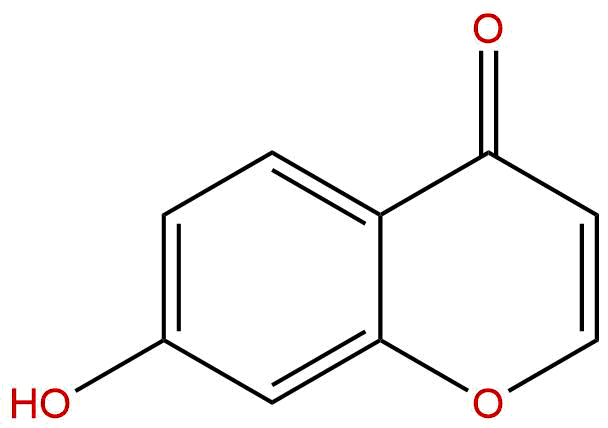
7-Hydroxychromene-4-one, chemical name 7-hydroxy-4H-chromene-4-one, CAS number 59887-89-7. Its molecular structure is characterized by the presence of a hydroxyl group (- OH) attached to the 7th carbon position (C-7) of the chromone parent nucleus. This seemingly simple structural modification endows the molecule with unique chemical properties and biological activity. The presence of 7-hydroxyl not only enhances the polarity of the molecule and its ability to form hydrogen bonds, but more importantly, it becomes a key site for further structural modification and derivatization of the molecule. In nature, 7-hydroxychromenone does not exist in isolation. It often serves as the core structural unit of more complex chromenone compounds (such as bischromenone, chromenone glycosides, etc.) and participates in plant secondary metabolism processes.
From the perspective of pharmacological activity, 7-hydroxychromenone and its derivatives exhibit a wide spectrum of biological activities, particularly in the field of antibacterial activity. With the increasingly severe problem of antibiotic resistance worldwide, finding antibiotics with novel mechanisms of action has become a top priority. Research has shown that 7-hydroxychromenone has inhibitory effects on various pathogenic bacteria and fungi, targeting key nodes such as bacterial DNA gyrase (GYRA/GYPB), cell division protein FTSZ, acyl ACP reductase (FABI), dihydrofolate reductase (DHFR), as well as fungal lanosterol 14 α - demethylase (ERG11/CYP51A1) and resistance related protein (CDR1). This multi-target action characteristic makes 7-hydroxychromenone potentially advantageous in dealing with drug-resistant strains, and less prone to complete resistance caused by single target mutations.
In addition, 7-hydroxychromone also has a good pharmaceutical basis. Its molecular weight is only 162.14 Da, far below the threshold of 500 Da in the "Five Rules for Drug like Drugs"; The lipid water partition coefficient (LogP) is 1.06, indicating that it has moderate lipophilicity and is conducive to transmembrane transport; The topological polar surface area (TPSA) is 50.44 Å ², which is within a good range for oral drug absorption. Preliminary pharmacokinetic predictions indicate that the compound has a high blood-brain barrier permeability and a low risk of inhibiting hERG potassium channels. Ames test results suggest that its genetic toxicity risk is controllable. These physicochemical properties and pharmacological parameters indicate that 7-hydroxychromone is a highly promising lead compound skeleton.
This article will provide a systematic review of the research progress of 7-hydroxychromenone from multiple dimensions, including chemical structure and physicochemical properties, plant sources and extraction methods, pharmacological activity research, mechanism of action and molecular targets, drug evaluation and pharmacokinetics, clinical application prospects and prospects, aiming to provide comprehensive academic references for the in-depth research and development of this compound.
Chemical structure and physicochemical properties
The chemical structure of 7-hydroxychromenone belongs to the benzo - γ - pyranone system, specifically, it is composed of a benzene ring (A ring) fused with a γ - pyranone ring (C ring). Its parent nucleus is 4H chromene-4-one, which is connected to a phenolic hydroxyl group at position 7 (the carbon atom opposite to the oxygen atom on the A ring). The molecular formula is C ₉ H ₆ O ∝, with a molecular weight of 162.1440 g/mol. From the perspective of structural characteristics, 7-hydroxychromone exhibits dual reactivity with aromatic phenolic compounds and α, β - unsaturated ketone compounds. The presence of phenolic hydroxyl groups makes them prone to derivatization reactions such as acylation, alkylation, and glycosylation, while the 4-carbonyl group on the γ - pyranone ring is an electrophilic center that can participate in Michael addition reactions. This structural multifunctionality provides abundant possibilities for drug chemical modification based on 7-hydroxychromenone.
In terms of physical and chemical properties, 7-hydroxychromenone exhibits good drug like characteristics. Its lipid water partition coefficient (LogP) is 1.0605, indicating that the molecule has moderate lipophilicity. This value ensures a certain solubility in aqueous environments such as blood and cytoplasm, while also endowing it with the ability to cross biological membranes such as cell membranes and the blood-brain barrier. The topological polar surface area (TPSA) is 50.44 Å ², which is lower than the recommended upper limit of 140 Å ² for oral drugs, indicating its good oral absorption potential. The water solubility parameter is 1.1567 (usually measured in mg/mL or LogS), indicating that it has a certain solubility in water, which provides favorable conditions for its transport and distribution in organisms.
Of particular note is the blood-brain barrier (BBB) penetration ability of 7-hydroxychromone. According to calculations, the compound is predicted to have "high" blood-brain barrier permeability. This characteristic is of great significance for the treatment of central nervous system infections or neurological diseases. For example, certain bacterial or fungal infections may affect the central nervous system, and many antibiotics have limited efficacy due to their inability to effectively penetrate the blood-brain barrier. The high BBB permeability of 7-hydroxychromone suggests that it may become a candidate drug for the treatment of intracranial infections. However, this characteristic also needs to be treated with caution, as non selective central nervous system exposure may pose potential neurotoxic risks, which need to be validated through animal experiments in subsequent studies.
In terms of safety related parameters, the predicted result of hERG inhibition is' no ', which is a positive signal. The inhibition of hERG potassium channels is one of the main causes of drug-induced long QT syndrome and fatal arrhythmias, leading to the delisting of many marketed drugs. The low inhibitory risk of 7-hydroxychromenone on hERG channels greatly reduces its potential risk of cardiac toxicity. In addition, the Ames test result is 1.2, which is usually considered to have a low genetic toxicity risk if the Ames test result is less than 2. This indicates that 7-hydroxychromoprimone did not show significant mutagenicity in the standard bacterial recovery mutation test, and its genetic toxicity risk is controllable.
Overall, the chemical structure of 7-hydroxychromone is simple and functional, with excellent physicochemical properties, meeting the basic requirements of "drug like properties". Its moderate molecular weight, reasonable lipid water distribution, good water solubility, high blood-brain barrier permeability, and low risk of cardiac toxicity and genetic toxicity together form a solid foundation for its use as a drug lead compound. These properties have laid a solid material foundation for its subsequent pharmacological activity research and drug development.
Plant sources and extraction methods
7-hydroxychromenone is widely distributed in nature and mainly exists in higher plants, especially in plant groups such as legumes, Asteraceae, Umbelliferae, and Rubiaceae. It often exists in free form or as a structural unit of more complex chromogenic ketones. For example, in the fruit of the leguminous plant Amorpha fruticosa, compounds containing 7-hydroxychromenone skeleton were isolated from the fruit of Amorpha fruticosa; Multiple derivatives of 7-hydroxychromenone have also been found in Inula Britanica, a plant in the Asteraceae family. In addition, the presence of this compound has also been reported in certain medicinal fungi and marine organisms. However, the content of 7-hydroxychromone in plants is usually low and often coexists with various structurally similar chromone compounds, which poses certain challenges for its efficient extraction and purification.
The traditional extraction method mainly relies on organic solvent extraction. Given that 7-hydroxychromone has a phenolic hydroxyl group, is weakly acidic, and has a certain polarity, commonly used extraction solvents include polar solvents such as methanol, ethanol, ethyl acetate, acetone, etc. Usually, dried plant materials are crushed and subjected to multiple extractions with 80% -95% ethanol or methanol at room temperature or heating conditions. The extracted liquids are combined and concentrated under reduced pressure to obtain the crude extract. Subsequently, using liquid-liquid extraction method, preliminary separation was carried out based on the polarity difference of the target compound. For example, suspend the crude extract in water and extract it sequentially with petroleum ether, ethyl acetate, and n-butanol. 7-Hydroxychromone is usually enriched in the ethyl acetate extraction site or n-butanol extraction site due to its moderate polarity.
Further separation and purification usually rely on various chromatographic techniques. Silica gel column chromatography is the most commonly used method, which uses solvent systems such as chloroform methanol or petroleum ether ethyl acetate for gradient elution. Due to the presence of phenolic hydroxyl groups in 7-hydroxychromenone, irreversible adsorption may occur on silica gel columns. Therefore, polyamide column chromatography is sometimes used, which has better separation efficiency for phenolic compounds. In addition, Sephadex LH-20 gel column chromatography is also commonly used for the purification of chromogenic ketones, and impurities are removed according to the molecular sieve effect. High performance liquid chromatography (HPLC), especially preparative HPLC, is used to obtain high-purity monomeric compounds. In recent years, new separation technologies such as high-speed countercurrent chromatography (HSCCC) have also been applied to the separation of chromogenic ketones, which have the advantages of high sample recovery and avoiding irreversible adsorption.
During the extraction process, special attention should be paid to the stability of 7-hydroxychromone. This compound is sensitive to light, heat, and oxygen, especially under alkaline conditions, and its γ - pyranone ring may undergo ring opening reactions. Therefore, the extraction process should be carried out as much as possible under light avoidance, low temperature, and inert gas protection. In addition, the selection of extraction solvents should also be cautious, avoiding the use of strong acids or bases to prevent structural damage.
With the promotion of the concept of green chemistry, some environmentally friendly extraction techniques have also been applied to the extraction of 7-hydroxychromone. For example, ultrasound assisted extraction (UAE) and microwave-assisted extraction (MAE) can significantly shorten extraction time, improve extraction efficiency, and reduce the use of organic solvents. Supercritical fluid extraction (SFE), especially using carbon dioxide as an extractant, has shown unique advantages in extracting thermosensitive natural products due to its non-toxic, residue free, and low operating temperature. Although there are currently few studies on the SFE of 7-hydroxychromone, this technology is expected to become an important means for its efficient and green extraction in the future.
It is worth noting that due to the usually low content of 7-hydroxychromenone in plants, the cost of extracting large amounts directly from plants is relatively high. Therefore, chemical synthesis methods are also an important way to obtain this compound. 7-hydroxychromenone can be efficiently prepared through simple organic synthesis reactions, such as the Kostanecki Robinson reaction, which involves the condensation of resorcinol with β - ketoesters. The synthesis method not only has high yield and controllable cost, but also facilitates subsequent structural modification and derivatization, which is an important guarantee for the in-depth research of this compound.
Pharmacological activity research
The pharmacological activity research of 7-hydroxychromone mainly focuses on its antibacterial effect, while there are also sporadic reports on its anti-inflammatory, antioxidant, anti-tumor and other activities. Among them, antibacterial activity is currently the most in-depth and systematic field of research.
Antibacterial activity
7-hydroxychromone exhibits broad-spectrum inhibitory activity against various pathogenic bacteria and fungi. In terms of bacteria, it has varying degrees of inhibitory effects on Gram positive bacteria such as Staphylococcus aureus, Staphylococcus epidermidis, Bacillus subtilis, as well as Gram negative bacteria such as Escherichia coli and Pseudomonas aeruginosa. It is worth noting that for clinically isolated methicillin-resistant Staphylococcus aureus (MRSA) strains, 7-hydroxychromoprimone also exhibits inhibitory activity, suggesting that its mechanism of action may be different from traditional β - lactam antibiotics, and it is not easy to develop cross resistance.
In terms of fungi, 7-hydroxychromone also has inhibitory effects on common pathogenic fungi such as Candida albicans, Cryptococcus neoformans, and Aspergillus fumigatus. Especially for Candida albicans, research has found that 7-hydroxychromidone not only inhibits the growth of its planktonic cells, but also effectively suppresses the formation of its biofilm. Biofilm is one of the important mechanisms of Candida resistance, and compounds that can inhibit biofilm formation have significant value in the clinical treatment of recurrent Candida infections.
anti-inflammatory activity
In addition to its antibacterial effect, 7-hydroxychromone also exhibits certain anti-inflammatory activity. Research has shown that this compound can inhibit the production of nitric oxide (NO) and prostaglandin E ₂ (PGE ₂) in macrophages stimulated by lipopolysaccharide (LPS), and its mechanism may be related to the downregulation of inducible nitric oxide synthase (iNOS) and cyclooxygenase-2 (COX-2) expression. In addition, 7-hydroxychromone can also inhibit the release of pro-inflammatory cytokines such as tumor necrosis factor - α (TNF - α) and interleukin-6 (IL-6). These anti-inflammatory activities may have a synergistic effect with their antibacterial activity, providing a dual advantage in the treatment of infectious inflammation.
antioxidant activity
Chromogenic ketone compounds generally have antioxidant activity, and 7-hydroxychromogenic ketones are no exception. The phenolic hydroxyl group in its molecule can effectively scavenge free radicals, such as DPPH free radicals, ABTS cationic free radicals, etc. In addition, it can chelate transition metal ions (such as Fe ² ⁺, Cu ² ⁺), thereby inhibiting the hydroxyl radicals generated by the Fenton reaction. The antioxidant activity helps to alleviate the damage of oxidative stress to body tissues, which may also be a partial mechanism basis for its anti-inflammatory and anti-tumor activities.
Antitumor activity
Preliminary studies have found that 7-hydroxychromone has cytotoxic effects on some tumor cell lines (such as human hepatoma cell line HepG2, human breast cancer cell line MCF-7) and can induce apoptosis. The mechanism may be related to the activation of caspase pathway, upregulation of Bax/Bcl-2 ratio, and induction of reactive oxygen species (ROS) production. However, compared with antibacterial activity, its anti-tumor activity is relatively weak and the selectivity is not high. Therefore, it is currently mostly used as lead compounds for structural optimization in order to obtain more active and selective anti-tumor candidate drugs.
Other activities
In addition, there are reports that 7-hydroxychromone has antiviral, anti allergic, and hepatoprotective activities. For example, it can inhibit the activity of influenza virus neuraminidase and has a certain inhibitory effect on the H1N1 influenza virus. In terms of anti allergy, it can inhibit the release of histamine from mast cells. These diverse biological activities further expand the application prospects of 7-hydroxychromone.
Overall, the pharmacological activity spectrum of 7-hydroxychromone is broad, with antibacterial activity being the most prominent. Its multi-target action characteristics and ability to resist drug-resistant strains make it an ideal lead compound for developing new antibacterial drugs. However, most of the current research is still in the in vitro experimental stage, and in vivo pharmacological, pharmacokinetic, and toxicological studies are not yet sufficient, which will be the focus of future research.
Mechanism of action and molecular targets
The antibacterial mechanism of 7-hydroxychromone is the core content of its pharmacological research. Unlike many traditional antibiotics that act on a single target, 7-hydroxychromenone exhibits multi-target effects, which may be an important reason for its broad antibacterial spectrum and difficulty in developing resistance. According to existing research, the molecular targets involved mainly include the following categories:
Bacterial DNA gyrase (GYRA/GYPB)
DNA gyrase is an important type II topoisomerase in bacteria, responsible for introducing negative supercoils during DNA replication to alleviate the twisting stress of DNA double strands. This enzyme consists of two subunits, GyrA and GyrB, with GyrA responsible for DNA breakage and recombination, and GyrB responsible for ATP hydrolysis to provide energy. 7-hydroxychromenone is predicted to bind to DNA gyrases, possibly by inserting into DNA enzyme complexes to form stable ternary complexes, thereby inhibiting enzyme activity, hindering DNA replication, and ultimately leading to bacterial death. This mechanism of action is similar to fluoroquinolone antibiotics, but the chemical structure of 7-hydroxychromoprimone is completely different, suggesting that it may have different binding modes, thus maintaining activity against fluoroquinolone resistant strains.
Bacterial Topoisomerase IV (GYPB)
Topoisomerase IV is another type II topoisomerase, mainly responsible for separating offspring chromosomes at the end of DNA replication. Its ParC and ParE subunits are homologous to GyrA and GyrB, respectively. 7-hydroxychromone may also inhibit the activity of topoisomerase IV, producing a synergistic effect with the inhibition of DNA gyrase, further enhancing its antibacterial effect.
Cell division protein FTSZ
FTSZ is a key protein in bacterial cell division and is a prokaryotic homolog of microtubule proteins. It aggregates to form a Z-ring during cell division, providing a skeleton for cell division. 7-hydroxychromone can bind to FTSZ, inhibit its polymerization activity, thereby blocking bacterial cell division and leading to bacterial growth arrest. The advantage of FTSZ as an antibacterial target lies in its low homology with eukaryotic microtubule proteins, high selectivity, and low risk of toxic side effects. The inhibitory effect of 7-hydroxychromone on FTSZ adds a new dimension to its antibacterial mechanism.
Oleoyl ACP Reductase (FABI)
FABI is a key enzyme in the bacterial fatty acid synthesis pathway, catalyzing the reduction of acyl ACP to acyl ACP. This enzyme is an important target for the development of antibacterial drugs, and isoniazid (anti tuberculosis) used clinically works by inhibiting FABI. 7-hydroxychromone is predicted to bind to FABI, inhibit its enzymatic activity, thereby blocking the synthesis of bacterial cell membrane phospholipids and disrupting the integrity of the cell membrane.
Dihydrofolate reductase (DHFR)
DHFR is a key enzyme in the folate metabolism pathway, catalyzing the reduction of dihydrofolate to tetrahydrofolate, which is an essential coenzyme for nucleic acid synthesis. Inhibition of DHFR can lead to obstruction of bacterial DNA and RNA synthesis. The inhibitory effect of 7-hydroxychromenone on DHFR is similar to that of trimethoprim (TMP), but with different chemical structures, it may have different binding properties.
Fungal targets: ERG11/CYP51A1 and CDR1
In terms of antifungal activity, the main target of 7-hydroxychromenone is lanosterol 14 α - demethylase (ERG11/CYP51A1). This enzyme is a key enzyme in the biosynthesis pathway of ergosterol in fungal cell membranes and a classic target for azole antifungal drugs. 7-hydroxychromenone can coordinate with the heme iron ion of ERG11, inhibit its enzymatic activity, hinder ergosterol synthesis, accumulate toxicity, and thus damage the structure and function of fungal cell membranes.
In addition, 7-hydroxychromone can also inhibit the fungal drug resistance related protein CDR1 (Candida Drug Resistance 1). CDR1 is an ABC transporter protein responsible for pumping drugs out of cells and is one of the main mechanisms by which fungi develop multidrug resistance. Inhibiting CDR1 can increase the accumulation of drugs in fungal cells, thereby reversing drug resistance. This discovery is particularly important because 7-hydroxychromoprimone not only has antifungal activity on its own, but also exhibits synergistic effects with other antifungal drugs such as fluconazole to overcome resistance.
The advantages of multi-target action
The simultaneous action of 7-hydroxychromone on multiple bacterial and fungal targets has important clinical significance. Firstly, multi-target action makes it difficult for bacteria or fungi to develop complete drug resistance through a single gene mutation, as multiple target genes need to be mutated simultaneously to escape the inhibitory effect of the drug. Secondly, the synergistic effect between different targets can enhance overall antibacterial activity and reduce effective inhibitory concentration. Finally, the multi-target effect ensures that 7-hydroxychromoprimone remains effective against strains that have developed resistance to traditional single target drugs.
However, multi-target action also brings some challenges. For example, non selective inhibition of multiple targets may increase potential toxicity to host cells. Therefore, future research needs to improve the selectivity of 7-hydroxychromenone towards microbial targets through structural modification, reduce its impact on host homologous proteins such as eukaryotic topoisomerases, microtubules, etc., in order to obtain candidate drugs with higher therapeutic indices.
Evaluation of drug properties and pharmacokinetics
The evaluation of drug properties is a crucial link between lead compounds and candidate drugs, involving multiple aspects such as the physicochemical properties, pharmacokinetic characteristics, and safety of the compounds. 7-hydroxychromenone has shown good pharmacological basis in the above aspects, but there are also some shortcomings that need to be optimized.
Physical and chemical properties and drug like properties
As mentioned earlier, the molecular weight (162.14 Da), LogP (1.06), and TPSA (50.44 Å ²) of 7-hydroxychromenone all comply with Lipinski's "Five Rules for Drug Analogy", indicating that it has the basic conditions to become an oral medication. Its water solubility (1.1567) is moderate, ensuring dissolution in the gastrointestinal tract while not being difficult to absorb across membranes due to excessive polarity. These physicochemical properties provide favorable conditions for its oral administration.
Pharmacokinetic prediction
According to the pharmacokinetic model prediction, 7-hydroxychromoprimone has the following characteristics:
- absorb Oral bioavailability may be high due to its small molecular weight, moderate lipid solubility, and easy absorption through passive diffusion in the gastrointestinal tract.
- distribution The distribution volume may be large and can be widely distributed in various tissues throughout the body. Of particular concern is its high blood-brain barrier permeability, suggesting that the compound may reach effective concentrations in the central nervous system.
- Metabolism The metabolism of 7-hydroxychromenone may mainly occur in the liver, involving glucuronic acid binding, sulfate binding, and cytochrome P450 enzyme mediated oxidative metabolism. Phenolic hydroxyl groups are the main metabolic sites and may undergo phase II metabolic reactions.
- excretion It may be mainly excreted in the form of metabolites through the kidneys, and some may be excreted through bile.
safety evaluation
In terms of safety, 7-hydroxychromoprimone exhibits lower potential risks. HERG inhibition is predicted as' no ', greatly reducing the risk of cardiac toxicity. The Ames test result is 1.2, indicating a low risk of genetic toxicity. These preliminary safety data are encouraging, but it should be noted that these results are mainly based on computer predictions and limited in vitro experiments, and still need to be validated through systematic in vivo toxicology studies (such as acute toxicity, subchronic toxicity, reproductive toxicity, carcinogenicity, etc.).
Challenges and optimization directions
Although 7-hydroxychromenone has a good pharmacological basis, there are still some challenges that need to be overcome:
-
Metabolic stability The presence of phenolic hydroxyl groups makes it prone to phase II metabolism (glucuronic acid binding, sulfuric acid binding), which may result in a short half-life and a rapid clearance rate in the body. By structural modification, such as methylation of phenolic hydroxyl groups or introduction of other substituents, metabolic stability may be improved.
-
selectivity Although multi-target action is beneficial for antibacterial activity, it may also bring off target effects. It is necessary to improve the selectivity towards microbial targets and reduce the impact on host cells through structural optimization.
-
Water solubility Although the water solubility is moderate, further increasing the water solubility may help improve the formulation process and bioavailability. Introducing polar groups (such as amino and carboxyl groups) or preparing salts may be effective strategies.
-
Blood-brain barrier permeability High BBB permeability is both an advantage and a risk. This is advantageous for treating central nervous system infections; But if used to treat peripheral infections, it may lead to unnecessary CNS exposure. By regulating lipid solubility, its BBB permeability can be regulated.
Structural modification strategy
Based on the above challenges, the main strategies for structural modification of 7-hydroxychromone include:
- Modification of phenolic hydroxyl groups To form ethers, esters, glycosides, etc., to regulate polarity and metabolic stability.
- Modification of C-ring Introduce different substituents at positions 2 and 3 to regulate activity and selectivity.
- Modification of A-ring Introducing halogens, alkyl groups, aryl groups, etc. at positions 5, 6, and 8 to regulate physicochemical properties and target binding ability.
- Molecular hybridization Splicing 7-hydroxychromenone with other pharmacophores (such as quinolones, azoles, etc.) in order to obtain novel hybrid molecules with synergistic effects.
In summary, 7-hydroxychromoprimone is a lead compound with a good pharmacological basis. Through reasonable structural modifications and systematic pharmacokinetic studies, it is expected to develop antibacterial candidate drugs with clinical application value.
Clinical application prospects and prospects
7-hydroxychromone, as a natural product with multi-target antibacterial activity, has broad clinical application prospects, especially in the context of increasingly severe antibiotic resistance, making it even more precious. However, there is still a long way to go from laboratory research to clinical application.
Potential clinical application areas
-
Treatment of drug-resistant bacterial infections Given the activity of 7-hydroxychromoprimone against MRSA, fluconazole resistant Candida albicans and other drug-resistant strains, its most direct clinical application prospect is as a candidate drug for the treatment of drug-resistant bacterial infections. Especially its multi-target mechanism of action makes it difficult to induce bacterial resistance, and it is expected to become a new weapon against "superbugs".
-
combination therapy 7-hydroxychromone can inhibit fungal efflux pump CDR1, indicating its potential as a "resistance reversal agent" when used in combination with traditional antifungal drugs such as fluconazole to restore sensitivity to resistant strains. This combination therapy strategy can reduce the dosage of traditional drugs, minimize toxic side effects, and prolong the lifespan of existing drugs.
-
Central nervous system infection The high blood-brain barrier permeability of 7-hydroxychromone gives it a unique advantage in the treatment of central nervous system infections such as bacterial or fungal meningitis and brain abscess. At present, the types of antibacterial drugs available for intracranial infections in clinical practice are limited, and most drugs have poor BBB permeability. 7-hydroxychromidone is expected to fill this gap.
-
Topical preparations for local use For superficial fungal or bacterial infections of the skin and mucous membranes, 7-hydroxychromoprimone can be developed into topical creams, ointments, or washes. Its low toxicity and good skin permeability make it suitable for local application.
-
Anti biofilm preparation 7-Hydroxychromone can inhibit the formation of Candida albicans biofilm, which is of great significance for the treatment of medical device related infections such as catheter-related infections and artificial joint infections. It can be coated on the surface of medical devices or developed into a biofilm dispersant.
Challenges and Solutions Faced
Despite the promising prospects, the clinical translation of 7-hydroxychromoprimone still faces many challenges:
-
In vivo efficacy verification Currently, most of the activity data comes from in vitro experiments, lacking systematic in vivo pharmacological studies. In the future, it is necessary to validate its in vivo antibacterial activity in various animal infection models (such as mouse peritonitis model, thigh infection model, systemic candidiasis model, etc.), determine effective dosage and administration regimen.
-
Pharmacokinetic optimization As mentioned earlier, 7-hydroxychromoprimone may have issues with poor metabolic stability and short half-life. It is necessary to improve its pharmacokinetic characteristics through prodrug design, structural modification, or novel formulation technologies such as liposomes and nanoparticles.
-
toxicological evaluation Although the preliminary safety data is good, comprehensive toxicological studies are needed, including acute toxicity, long-term toxicity, reproductive toxicity, genetic toxicity, immunotoxicity, etc., to evaluate the safety of its clinical application.
-
Large scale synthesis and formulation development We need to develop efficient, low-cost, and environmentally friendly synthetic processes to meet the needs of future clinical research and large-scale production. At the same time, it is necessary to develop suitable formulation forms (such as tablets, capsules, injections, topical preparations, etc.) to ensure the stability, bioavailability, and patient compliance of the drug.
Future research directions
Looking ahead to the future, research on 7-hydroxychromone should focus on the following directions:
-
Structure Activity Relationship (SAR) Study Systematically investigate the effects of different site substituents on the antibacterial activity, selectivity, and pharmacokinetic properties of 7-hydroxychromenone, establish a comprehensive structure-activity relationship model, and guide subsequent structural optimization.
-
Target confirmation and in-depth study of mechanisms Through techniques such as molecular docking, surface plasmon resonance (SPR), isothermal titration calorimetry (ITC), and X-ray crystallography, the direct binding of 7-hydroxychromenone to various predicted targets was confirmed, and its binding modes were analyzed. Meanwhile, utilizing omics techniques such as transcriptomics and proteomics to comprehensively reveal its functional network.
-
lead optimization Based on the study of structure-activity relationships, a series of 7-hydroxychromenone derivatives were designed and synthesized, and candidate compounds with stronger activity, higher selectivity, and better pharmacokinetic properties were screened.
-
Research on Combination Medication Scheme Systematically study the synergistic effect of 7-hydroxychromoprimone with existing antibiotics (such as β - lactams, fluoroquinolones, azoles, etc.), optimize the combination therapy plan, and provide a basis for clinical treatment.
-
Development of new formulations Explore the use of nanotechnology (such as liposomes, polymer nanoparticles, solid lipid nanoparticles, etc.) to encapsulate 7-hydroxychromenone or its derivatives, in order to improve their bioavailability, targeting, and therapeutic efficacy.
Conclusion
7-hydroxychromenone, a structurally simple natural chromogenic ketone compound, has shown significant research value in the field of natural product pharmacology due to its unique chemical structure and multi-target pharmacological activity. It is not only the core structural unit of many complex natural products, but also a highly promising antibacterial lead compound. Its broad-spectrum antibacterial activity, effectiveness against drug-resistant strains, multi-target mechanism of action, and good pharmacological basis collectively constitute its core competitiveness as a novel antibacterial candidate drug.
However, the transition from "lead compounds" to "clinical drugs" is a challenging path. The key issues regarding the in vivo efficacy, pharmacokinetics, and toxicology of 7-hydroxychromoprimone still require systematic answers. Future research needs to be based on a deep understanding of its structure-activity relationship and mechanism of action, and overcome its shortcomings such as poor metabolic stability and need for improved selectivity through reasonable structural modification and formulation techniques, ultimately transforming it into a clinical drug that can truly benefit patients.
In today's increasingly severe global crisis of antibiotic resistance, in-depth research on natural products with novel mechanisms of action such as 7-hydroxychromenone will undoubtedly inject new vitality into the field of antibacterial drug development. We have reason to believe that with the continuous deepening of research, 7-hydroxychromoprimone and its derivatives are expected to become important weapons in the future to combat drug-resistant bacterial infections and contribute to human health.