Equol: A systematic review of soy isoflavone metabolites and multifunctional natural estrogen regulators
Introduction/Overview
Equol (CAS number: 531-95-3) is a naturally occurring hydroxyflavone compound, which belongs to the metabolic products of isoflavone plant estrogens. Since its first isolation and identification from horse urine in the 1930s, estrone has gradually become a research hotspot in the fields of natural product pharmacology and nutritional science due to its unique estrogen receptor selectivity, antioxidant activity, and multiple biological functions. Compared with the parent compound Daidzein, estrol has stronger estrogen receptor binding affinity, higher bioavailability, and a wider pharmacological activity spectrum, earning it the title of "super plant estrogen".
The unique feature of estradiol lies in its stereochemical structure - the naturally occurring S-estradiol (S-Equol) has high selectivity towards the estrogen receptor β (ER β), which allows it to avoid the common side effects of traditional estrogen replacement therapy when regulating the estrogen signaling pathway. In recent years, with the deepening understanding of the relationship between gut microbiota and host health, estrone, as a key metabolite of soy isoflavones converted by gut microbiota, has attracted widespread attention for its potential value in the prevention and adjuvant therapy of hormone related diseases such as menopausal syndrome, osteoporosis, cardiovascular disease, and certain types of cancer.
This article will provide a systematic review of the research progress on estrone from the aspects of chemical structure, plant origin, pharmacological activity, molecular mechanism, medicinal evaluation, and clinical application prospects, aiming to provide comprehensive scientific basis for the in-depth research and development of this natural product.
Chemical structure and physicochemical properties
Chemical structural characteristics
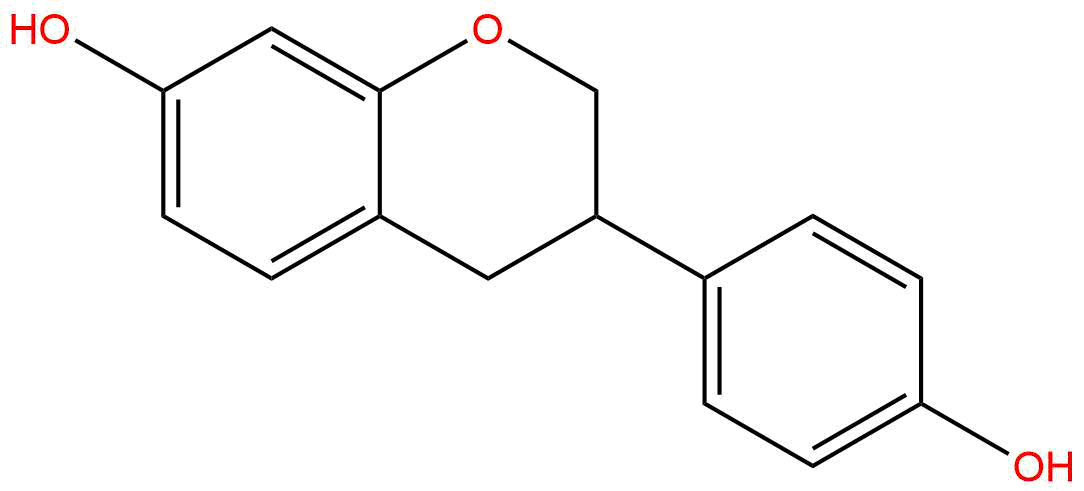
The chemical name of estrone is 4 ', 7-dihydroxyisoflurane, with a molecular formula of C15H14O4 and a molecular weight of 242.2740 Da. Its core skeleton is an isoflurane structure, consisting of two benzene rings (A ring and B ring) connected by an oxygen-containing pyran ring (C ring). Compared with isoflavones such as daidzein, estrone has a saturated C-ring structure (without C2-C3 double bonds), which significantly affects its molecular conformation and biological activity.
There are two enantiomers of estradiol: S-estradiol (S-Equol) and R-estradiol (R-Equol). In its natural state, the human gut microbiota mainly produces S-estradiol, while R-estradiol is less common. The C3 position of S-estradiol is in the S configuration, which allows it to bind to the estrogen receptor β (ER β) with high affinity, while its affinity for ER α is relatively low. This selective binding property is a key characteristic that distinguishes estrogens from other plant estrogens.
Physical and chemical property parameters
According to the analysis of pharmacological parameters, estrone exhibits the following physicochemical characteristics:
- Lipid water partition coefficient (LogP)3.0695 indicates moderate lipophilicity, which is beneficial for crossing cell membranes and the blood-brain barrier.
- Topological Polarity Surface Area (TPSA)49.6900 Å ², meeting the general requirements for oral medication (<140 Å ²), indicating good membrane permeability.
- Water solubility:0.1465 mg/mL, It belongs to low water solubility compounds, which to some extent limits its oral bioavailability.
- Blood-brain barrier permeability Evaluated as' high ', indicating that estrone can enter the central nervous system and may have an impact on neurodegenerative diseases and cognitive function.
- HERG inhibition Negative indicates a low risk of cardiac toxicity.
- Ames test The result is 0.0, indicating no mutagenicity and low risk of genetic toxicity.
These physicochemical properties provide favorable conditions for the development of estrone as a candidate drug, especially its high blood-brain barrier permeability and low risk of cardiac toxicity, making it uniquely advantageous in the treatment of neurological and hormone related diseases.
Plant sources and extraction methods
natural source
Estrogen is not directly present in plants at high concentrations in nature, but mainly exists as an intestinal metabolite of soy isoflavones (especially daidzein). However, certain specific plant and microbial sources have been shown to directly produce estrone:
- Leguminous plants Trace amounts of estradiol can be detected in the seeds and rhizomes of certain leguminous plants (such as clover plants), but the content is extremely low.
- Microbial fermentation products Some strains of lactic acid bacteria and bifidobacteria can convert daidzein into estrol, so fermented soy products (such as fermented soybean, miso, natto) may contain small amounts of estrol.
- Human gut microbiota Specific bacterial communities in the human gut, such as Lactobacillus, Bifidobacterium, Clostridium, etc., can metabolize ingested daidzein into estrone. It is worth noting that not all individuals have the ability to produce estradiol, which depends on the composition of the gut microbiota. This phenomenon is known as the distinction between "estradiol producers" and "non producers".
Extraction and purification methods
Due to the extremely low content of estradiol in natural plants, it is currently mainly obtained through chemical synthesis or biotransformation methods. The extraction and purification methods mainly include:
- Chemical Synthesis Using daidzein as raw material, the C2-C3 double bond is reduced through catalytic hydrogenation reaction, and then S-estrol is obtained through chiral separation. This method has high yield, but the chiral separation process is complex and costly.
- Biotransformation method Utilizing recombinant Escherichia coli or yeast to express key enzymes such as Daidzein reductase, achieving efficient conversion from daidzein to estrol. This method has the advantages of environmental friendliness and high stereo selectivity.
- Chromatographic separation technology For crude products extracted from natural products, separation and purification can be performed using silica gel column chromatography, high-performance liquid chromatography (HPLC), or high-speed countercurrent chromatography (HSCCC). The commonly used stationary phases include C18 reverse phase columns and chiral chromatography columns, while the mobile phase is mostly methanol water or acetonitrile water system.
- Solvent Extraction Method Extract estrol from fermentation products or plant extracts using organic solvents such as ethyl acetate and ethanol, and then obtain pure product through vacuum concentration and recrystallization.
Pharmacological activity research
Estrogen like activity and selectivity
The most significant feature of estrone is its selective excitatory effect on the estrogen receptor (ER). Compared with 17 β - estradiol, S-estradiol has a much higher affinity for ER β (Ki ≈ 0.73 nM) than ER α (Ki ≈ 200 nM), with a selectivity index of about 270 times. This selectivity enables it to effectively activate ER β - mediated anti-inflammatory, antioxidant, and neuroprotective pathways without activating the ER α - mediated breast and uterine proliferation signaling pathways.
Antioxidant and anti-inflammatory effects
The phenolic hydroxyl structure of estrone endows it with strong free radical scavenging ability. Research has shown that estrone can:
-Inhibit lipid peroxidation reaction and protect cell membrane integrity
-Upregulation of the expression of antioxidant enzymes such as superoxide dismutase (SOD) and glutathione peroxidase (GPx)
-Inhibit the nuclear factor kappa B (NF - κ B) signaling pathway and reduce the release of pro-inflammatory cytokines such as TNF - α, IL-6, IL-1 β
-Activate Nrf2/ARE pathway to enhance cellular antioxidant defense system
Cardiovascular protective effect
Epidemiological surveys have shown that the risk of cardiovascular disease is significantly lower in estrogen producing individuals than in non producing individuals. Its cardiovascular protection mechanism includes:
-Improving blood lipid profile: reducing low-density lipoprotein cholesterol (LDL-C) and triglyceride levels, and increasing high-density lipoprotein cholesterol (HDL-C)
-Inhibit the proliferation and migration of vascular smooth muscle cells
-Promote the production of nitric oxide (NO) and improve endothelial function of blood vessels
-Inhibit platelet aggregation and thrombus formation
Bone protection function
Estrogen has a bidirectional regulatory effect on bone metabolism:
-Promote osteoblast differentiation and mineralization, increase bone formation
-Inhibit osteoclast activity and reduce bone resorption
-Upregulation of osteoprotegerin (OPG) expression and downregulation of nuclear factor kappa B receptor activator ligand (RANKL) expression
-In the model of ovarian osteoporosis, estradiol can significantly increase bone density and bone strength
Neuroprotective effect
Due to its high blood-brain barrier permeability, the potential application of estrone in neurological diseases has attracted much attention:
-Inhibition of β - amyloid (A β) aggregation and tau protein hyperphosphorylation
-Protecting hippocampal neurons from oxidative stress and excitotoxic damage
-Improve cognitive function, enhance learning and memory abilities
-Regulating the neurotransmitter system and exerting antidepressant and anti anxiety effects
Antitumor activity
Estrogen has inhibitory effects on various hormone related tumors:
- breast cancer: Inhibit the proliferation of breast cancer cells such as MCF-7 and induce apoptosis by activating ER β signaling pathway
- prostate cancer Inhibition of androgen receptor (AR) signaling pathway and reduction of prostate-specific antigen (PSA) levels
- colorectal cancer Inhibiting tumor growth by regulating Wnt/β - catenin and PI3K/Akt pathways
- endometrial cancer Inhibition of estrogen induced proliferation of endometrial cells
Mechanism of action and molecular targets
Estrogen receptor signaling pathway
The core mechanism of action of estrone is to exert selective estrogen receptor modulator (SERM) function by binding to the estrogen receptor (ER). Specifically:
- Selective activation of ER βS-estradiol forms stable hydrogen bonds and hydrophobic interactions with the ligand binding domain (LBD) of ER β, inducing receptor conformational changes and promoting the recruitment of co activators such as SRC-1 and CBP/p300, thereby activating downstream gene transcription.
- ER α antagonistic effect At high concentrations, estrol competitively inhibits the binding of 17 β - estradiol to ER α, exerting partial antagonistic effects and reducing ER α - mediated pro proliferative signals.
- Non genomic effects Estrogen can rapidly activate the MAPK/ERK and PI3K/Akt signaling pathways through membrane associated ER (such as GPER1), regulating cell proliferation, differentiation, and survival.
Regulation of sex hormone binding globulin (SHBG)
Estrogen can upregulate the expression and secretion of SHBG in the liver. SHBG is the main sex hormone binding protein in the blood, and its elevated levels can reduce the bioavailability of free estradiol and testosterone, thereby indirectly regulating hormone activity. This mechanism is of great significance in preventing hormone dependent tumors.
Aromatase (CYP19A1) inhibition
Estrogen has a moderate inhibitory effect on aromatase (CYP19A1) (IC50 ≈ 10-50 μ M). Aromatase is a key enzyme that catalyzes the conversion of androstenedione to estrone. Its inhibition of activity can reduce the synthesis of endogenous estrogen, which has potential therapeutic value for estrogen dependent breast cancer.
Regulation of androgen receptor (AR)
Estrogen can bind to androgen receptors (AR) and exert partial antagonistic effects. In prostate cancer models, estradiol reduces the expression of AR target genes (such as PSA and TMPRSS2) by inhibiting AR nuclear translocation and co activation factor recruitment.
Other signaling pathways
- NF - κ B pathway Inhibition of I κ B α phosphorylation and degradation, reduction of NF - κ B nuclear translocation
- MAPK pathway Regulating the phosphorylation levels of ERK1/2, JNK, and p38 MAPK
- PI3K/Akt/mTOR pathway Inhibition of Akt phosphorylation, induction of autophagy and apoptosis
- Wnt/β - catenin pathway Promote β - catenin degradation and inhibit downstream target gene transcription
Evaluation of drug properties and pharmacokinetics
Drugability assessment
Based on Lipinski's Five Rules and Veber's Rules, the pharmacological parameters of estrone are as follows:
| parameter |
Numerical |
Evaluation |
| molecular weight |
242.27 Da |
<500, compliant |
| LogP |
3.07 |
<5, compliant |
| Hbond donor |
2 |
<5, compliant |
| Number of hydrogen bond acceptors |
4 |
<10, compliant |
| TPSA |
49.69 Ų |
<140, compliant |
| Number of rotatable keys |
1 |
<10, compliant |
Overall, estrone has good oral drug like properties and conforms to the classical drug formulation rules. Its low hERG inhibition risk and negative Ames test results further support its safety.
Pharmacokinetic characteristics
- absorb After oral administration, estrone is rapidly absorbed in the intestine, but its absolute bioavailability is limited by its low water solubility and first pass effect. Compared with daidzein, the absorption rate of estrone is faster, but there are significant individual differences.
- distribution Estrogen is widely distributed in tissues throughout the body, including liver, kidney, heart, brain tissue, etc. Its high blood-brain barrier permeability enables it to reach effective concentrations in the central nervous system.
- Metabolism The main metabolic pathways include glucuronidation and sulfation, generating complexes such as estrol-7-glucuronide and estrol-4 '- sulfate. These complexes can re-enter the systemic circulation through the enterohepatic circulation.
- excretion Mainly excreted in the form of conjugates through urine and bile. The half-life of plasma is about 6-8 hours, and multiple daily doses can maintain steady-state blood drug concentration.
safety evaluation
- acute toxicity LD50>2000 mg/kg (oral administration to rats), with high safety
- Chronic toxicity Long term administration did not observe significant organ toxicity
- Reproductive toxicity High doses may affect reproductive function, but therapeutic doses have good safety
- Drug interactions There may be interactions with drugs such as warfarin and tamoxifen, and caution should be exercised when using them
Clinical application prospects and prospects
Management of menopausal syndrome
Estrogen, as a natural SERM, has significant advantages in alleviating menopausal symptoms. Compared with traditional hormone replacement therapy (HRT), estrol can effectively improve symptoms such as hot flashes, night sweats, insomnia, and emotional fluctuations, while avoiding stimulating effects on the breast and uterus. Multiple clinical trials have confirmed that daily supplementation of 20-40 mg of estradiol can significantly reduce menopausal symptom scores.
Prevention and Treatment of Osteoporosis
Based on its bone protective effect, estrone can be used as an adjuvant therapy for osteoporosis. In postmenopausal women, estrogen supplements can increase lumbar and hip bone density and reduce levels of bone turnover markers. The combination with bisphosphonates may produce synergistic effects.
Cardiovascular disease prevention
The cardiovascular protective effect of estrol makes it a potential candidate drug for atherosclerosis prevention. By improving blood lipid profile, inhibiting inflammatory response, and protecting endothelial function, estradiol can reduce the risk of coronary heart disease and stroke.
Neurodegenerative diseases
Given its high blood-brain barrier permeability and neuroprotective activity, estrone has potential for development in the treatment of Alzheimer's disease and Parkinson's disease. Preclinical studies have shown that estrol can improve cognitive function, reduce A β deposition and tau protein phosphorylation.
Cancer adjuvant therapy
As a selective agonist of ER β, estrol has unique value in adjuvant therapy of breast cancer and prostate cancer. Combined use with endocrine therapy drugs such as tamoxifen and aromatase inhibitors may enhance efficacy and reduce drug resistance.
Challenges and Prospects
Although estrone has broad application prospects, it still faces the following challenges:
1. individual differences Differences in gut microbiota composition lead to significant differences in biological effects between "estrogen producers" and "non producers"
2. bioavailability Low water solubility limits oral absorption, requiring the development of new formulations such as nanoemulsions, liposomes, and cyclodextrin inclusion complexes
3. Dose Optimization The optimal therapeutic dose for different disease states still needs to be further determined
4. Long term safety A larger scale and longer cycle clinical trial is needed to evaluate its long-term safety
Future research directions include:
-Develop efficient and highly selective derivatives of estrone
-Exploring the synergistic application strategy of estradiol and probiotics
-Establish an individualized medication plan based on gut microbiota characteristics
-Conduct multicenter, large-scale clinical translational studies
Conclusion
Estrogen, as a gut metabolite of soy isoflavones, has become a research hotspot in the field of natural product pharmacology due to its unique ER β selective activation activity, excellent pharmacological parameters, and extensive pharmacological activity. From a chemical structure perspective, its saturated isoflurane skeleton endows it with stereoselectivity and receptor binding properties that distinguish it from the parent compound; From the perspective of pharmacological activity, its multifunctional effects in estrogen regulation, antioxidant, anti-inflammatory, cardiovascular protection, bone protection, and neuroprotection have shown great potential in the prevention and treatment of various hormone related diseases.
However, the transformation of estrone from laboratory research to clinical application still faces many challenges. The inconsistency of therapeutic efficacy caused by differences in gut microbiota among individuals, the bioavailability issues caused by low water solubility, and the lack of long-term safety data are all key bottlenecks restricting its clinical promotion. In the future, with the deepening development of interdisciplinary fields such as microbiome, medicinal chemistry, and formulation, estradiol is expected to become a new natural medicine for treating menopausal syndrome, osteoporosis, cardiovascular diseases, and neurodegenerative diseases through the development of new drug delivery systems, optimization of gut microbiota regulation strategies, and precision medicine research.
In summary, the study of estrogens not only deepens our understanding of the mechanism of action of plant estrogens, but also provides an important template for the development of selective estrogen receptor modulators based on natural products. In the context of the modernization of natural medicine and precision nutrition, the research and application of estrone will inevitably usher in broader development prospects.