Introduction/Overview
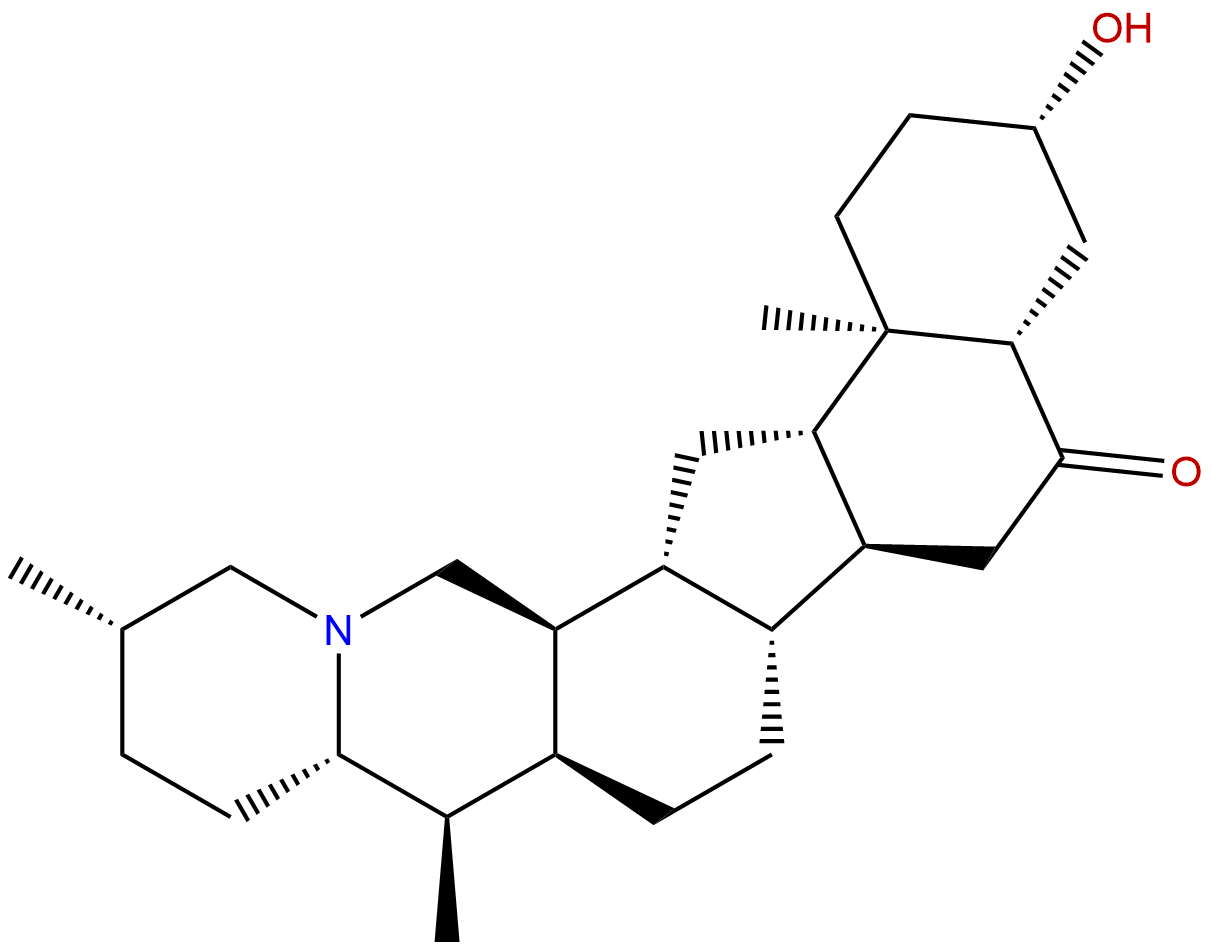
Natural products have always been an important source of innovative drug discovery, among which alkaloid compounds have attracted much attention due to their structural diversity and significant biological activity. Delavinone, also known as Sinpeinine A (CAS number: 96997-98-7), is an isoquinoline alkaloid isolated from traditional medicinal plants. In recent years, with a deeper understanding of the pathogenesis of inflammation related diseases, the search for highly effective and low toxicity anti-inflammatory drugs has become a research hotspot. Inflammation is the fundamental pathological process by which the body responds to injury or infection, but its excessive or sustained activation is a common pathological basis for various chronic diseases such as rheumatoid arthritis, inflammatory bowel disease, neurodegenerative diseases, and cancer. Although traditional nonsteroidal anti-inflammatory drugs and biologics are effective, they often come with side effects such as gastrointestinal injury, cardiovascular risk, or immune suppression. Therefore, it is of great value to explore candidate molecules with novel mechanisms of action from natural products. Preliminary studies have shown that Sophora flavescens alkaloids exhibit multi-target and multi pathway anti-inflammatory activity, involving the regulation of key inflammatory mediators such as IL-6, STAT3, TNF - α, etc., suggesting their potential to be developed into novel anti-inflammatory therapeutic drugs. This article aims to systematically review the chemical properties, plant sources, pharmacological activities, molecular mechanisms of action, and medicinal properties of Sophora flavescens alkaloids, and to provide prospects for their clinical applications.
Chemical structure and physicochemical properties
The molecular formula of Sophora flavescens alkaloids is C ₂₄ H ∝₁ NO ₄, with a molecular weight of 413.6460 Da. Its core structure belongs to the isoquinoline alkaloids, specifically derivatives of benzylisoquinoline. Structural analysis shows that its molecule contains a four ring skeleton system, fused with isoquinoline rings and multiple saturated ring systems, and connected with substituents such as methoxy. This unique structure is the material basis for its biological activity.
Its physicochemical properties have a decisive impact on its bioavailability and pharmacological effects. The calculated lipid water partition coefficient (LogP) is 4.0330, indicating that the compound has high lipophilicity, which is beneficial for its penetration of cell membranes, but may also affect its water solubility. Its topological polar surface area (TPSA) is 40.5400 Å ², which is relatively small, further confirming its good membrane permeability. The water solubility value is 0.0473 mg/mL, which belongs to poorly soluble compounds, which may be one of the main challenges faced by their oral administration. In the aspect of drug detection, the molecule of fritillarine base contains protonated nitrogen atoms, which makes it suitable for mass spectrometry analysis in the positive ion mode of electric spray ionization (ESI), which facilitates its quantitative analysis in vivo and in vitro. Based on its physical and chemical parameters, Sophora flavescens alkaloids comply with multiple of the "five rules" for drug properties, but water solubility is a key property that needs to be optimized.
Plant sources and extraction methods
The main source of Fritillaria alkaloids is Fritillaria plants, especially Fritillaria delavayi and its related species. Plants of the Fritillaria genus have the effects of clearing heat, moistening the lungs, resolving phlegm, and relieving cough in traditional Chinese medicine theory. They are commonly used to treat respiratory diseases, and their medicinal parts are mostly dry bulbs. Modern plant chemistry research has isolated various alkaloids from this genus of plants, and Sophora flavescens alkaloid is one of them.
Its extraction and separation usually follow the classic process of natural product chemistry. Firstly, the dried bulbs of Fritillaria thunbergii are crushed and subjected to cold soaking or reflux extraction using methanol, ethanol, or acidic water (such as dilute acetic acid) to fully extract the alkaloid components. After concentration, the extract is dissolved in acidic water, and insoluble impurities are filtered out. The acidic water is then alkalized (usually with ammonia water) to free the alkaloids, and then extracted with organic solvents such as chloroform and dichloromethane to obtain the total alkaloid fraction. Further purification relies on various chromatographic techniques. Silica gel column chromatography is commonly used for preliminary separation, with gradient elution using chloroform methanol mixed solvents in different ratios. The fraction containing sulfonamide base is further purified by reverse phase silica gel (such as C18) column chromatography, preparative thin layer chromatography, or high performance liquid chromatography (HPLC) to obtain high-purity monomer compounds. Structural identification involves the comprehensive use of nuclear magnetic resonance (NMR, including ¹ H, ¹ ³ C, and 2D NMR), mass spectrometry (MS), as well as spectroscopic methods such as infrared (IR) and ultraviolet (UV).
Pharmacological activity research
Numerous in vitro and in vivo pharmacological experiments have confirmed that the core pharmacological activity of saikosapone alkaloids is concentrated in the anti-inflammatory field and has shown therapeutic potential in related disease models.
1. In vitro anti-inflammatory activity:
In various inflammatory cell models, such as lipopolysaccharide (LPS) - stimulated macrophage RAW264.7, mouse peritoneal macrophages, and human monocyte THP-1, saikosaponin can dose dependently inhibit the production of inflammatory mediators such as nitric oxide (NO) and prostaglandin E2 (PGE2). Meanwhile, it can significantly downregulate the mRNA expression and protein secretion of inflammatory factors such as tumor necrosis factor - α (TNF - α), interleukin-6 (IL-6), and interleukin-1 β (IL-1 β). These effects indicate that it has a wide range of anti-inflammatory effects.
2. In vivo anti-inflammatory and disease model activity:
In acute inflammation models induced by carrageenan or acetic acid in mice (such as toe swelling and increased intra-abdominal capillary permeability), oral or intraperitoneal administration of sorafenone alkaloids can effectively reduce swelling and exudation, and the effect is comparable or better than the positive drug indomethacin. In chronic inflammation models, such as the rat arthritis model induced by Freund's complete adjuvant, treatment with sorafenone alkaloids can significantly improve joint redness, reduce arthritis index, and alleviate pathological damage to joint tissue. In addition, in the LPS induced mouse acute lung injury model, the compound can reduce pulmonary inflammatory cell infiltration and alveolar septal thickening, and lower the levels of inflammatory factors in lung tissue. These results strongly support the application prospects of saikosaponin in the treatment of inflammatory diseases.
3. Other potential activities:
Based on its anti-inflammatory mechanism, research has also preliminarily explored its effects in other disease models. For example, inflammation plays a key role in neuropathic pain and the development of certain cancers, and the effect of saikosapone alkaloids on targets such as TRPV1 and STAT3 suggests its potential for analgesic and anti-tumor adjuvant therapy, but further research is needed to confirm this.
Mechanism of action and molecular targets
The anti-inflammatory effect of Sophora flavescens alkaloids is not achieved through a single pathway, but exhibits multi-target and multi-level regulatory characteristics, which provides advantages for its response to complex inflammatory networks.
1. Inhibition of NF - κ B signaling pathway:
Nuclear factor kappa B (NF - κ B) is the core transcription factor in inflammatory response. Research has shown that saikosapone can inhibit the activation of LPS induced I κ B kinase (IKK, encoded by IKBKB), prevent the phosphorylation and degradation of I κ B α, and thus inhibit the nuclear translocation of NF - κ B p65 (RELA) subunit. This directly leads to a decrease in transcription of numerous downstream inflammatory factors (TNF - α, IL-6, IL-1 β, NOS2) genes.
2. Regulating the JAK/STAT signaling pathway:
This compound can effectively inhibit the JAK/STAT3 signaling pathway activated by cytokines such as IL-6. It not only reduces the secretion of IL-6, but also directly or indirectly inhibits the phosphorylation (activation) of STAT3 and the expression of downstream target genes. The sustained activation of STAT3 is closely related to chronic inflammation and tumorigenesis, therefore this effect has a dual significance.
3. Regulating inflammasome activity:
The activation of inflammasomes (such as NLRP3) leads to the cleavage and maturation of caspase-1 (CASP1), which in turn promotes the maturation and release of IL-1 β and IL-18. The study suggests that berberine may reduce the secretion of IL-1 β by inhibiting the assembly of NLRP3 inflammasomes or the activity of caspase-1.
4. Affects pain related ion channels:
Transient receptor potential vanillic acid subtype 1 (TRPV1) and transient receptor potential anchor protein subtype 1 (TRPA1) are key ion channels involved in the perception of inflammatory pain. It has been confirmed that saikosapone alkaloids can antagonize the activity of these channels, which may partially explain their analgesic effects in inflammatory models.
5. Inhibit inflammation related enzymes:
This compound also has a certain inhibitory effect on the expression or activity of cyclooxygenase-1 (PTGS1/COX-1) and nitric oxide synthase (NOS2/iNOS), which are respectively related to reducing the excessive production of prostaglandins and NO.
In summary, Sophora flavescens alkaloids synergistically act on multiple key nodes such as NF - κ B, STAT3, and inflammasomes, and affect pain signal transduction, constructing a three-dimensional anti-inflammatory network that effectively inhibits the inflammatory cascade reaction.
Evaluation of drug properties and pharmacokinetics
Despite its significant pharmacological activity, whether it can be used as a drug still requires a systematic pharmacological evaluation.
1. Physical and chemical properties and preliminary ADMET properties:
As mentioned earlier, its molecular weight is moderate (413.65), but its LogP value (4.03) is high and its water solubility is poor (0.0473 mg/mL), which is the main obstacle affecting its oral absorption. Its TPSA is relatively small (40.54 Å ²), indicating good membrane permeability. The computer prediction model shows that its blood-brain barrier (BBB) permeability is "high", indicating that it may have therapeutic potential for inflammatory diseases of the central nervous system, but potential central side effects should also be noted. Importantly, preliminary toxicity predictions indicate no significant inhibitory risk on hERG potassium channels (hERG inhibition: No), indicating a lower risk of inducing cardiac QT interval prolongation. The Ames test predicted a result of 0.0 (negative), indicating that it may not have direct genetic toxicity, but this requires experimental verification.
2. Prospects for pharmacokinetic (PK) research:
At present, there are insufficient reports on the pharmacokinetic studies of the Sophora flavescens alkaloid system, which is a gap that must be filled in its development process. Based on its properties, it can be inferred that after oral administration, its low water solubility may lead to slow dissolution rate, incomplete absorption, and low bioavailability. In the body, its high lipophilicity may lead to widespread distribution, especially towards adipose tissue, and may enter the central nervous system through passive diffusion. In terms of metabolism, as an alkaloid, it is likely to undergo phase I (such as oxidation by cytochrome P450 enzymes) and phase II (such as glucuronidation and sulfation) metabolism in the liver. The activity and toxicity of its metabolites need to be clarified. The excretion pathway may mainly be through bile and kidneys. Future research needs to clarify key PK parameters such as absolute bioavailability, distribution volume, half-life, clearance rate, and major metabolites through in vitro and in vivo experiments.
3. Optimization strategy for drug properties:
To improve its medicinal properties, the following strategies can be considered: ① Structural modification By introducing hydrophilic groups (such as hydroxyl and amino groups) or making prodrugs, water solubility and LogP values can be improved. ② Formulation technology Utilizing advanced formulation technologies such as solid dispersion, cyclodextrin inclusion, nanocrystals, liposomes, etc., to improve their solubility and oral bioavailability. ③ Exploration of administration routes Given its potential high BBB permeability, nasal or injectable administration for brain diseases can be explored.
Clinical application prospects and prospects
As a multi-target anti-inflammatory natural product, the clinical application prospects of Sophora flavescens alkaloids are broad, but the road ahead is long.
1. Potential therapeutic areas:
* Chronic inflammatory diseases Such as rheumatoid arthritis, osteoarthritis, inflammatory bowel disease (Crohn's disease, ulcerative colitis). Its multi-target characteristics may have a synergistic therapeutic effect on such complex diseases.
* Respiratory system diseases Due to its traditional use derived from plants, it may have therapeutic effects on respiratory diseases such as chronic obstructive pulmonary disease (COPD), asthma, and pulmonary fibrosis accompanied by inflammation.
* Neuroinflammatory related diseases Its high BBB permeability makes it highly promising for the treatment of Alzheimer's disease, Parkinson's disease, multiple sclerosis, and neuropathic pain.
* Assisted anti-tumor therapy By inhibiting inflammatory pathways such as STAT3 and NF - κ B that are associated with tumor occurrence, development, and chemotherapy resistance, it may serve as an adjuvant drug for tumor treatment.
2. Development challenges and future research directions:
* In depth mechanism research It is necessary to use techniques such as gene knockout and eutectic structure analysis to accurately elucidate its direct interaction mode with key targets such as STAT3 and IKK.
* Systematic Pharmacology and PK/PD Research Validate therapeutic efficacy in animal models closer to human diseases, such as humanized mouse models, and establish pharmacokinetic pharmacodynamic (PK/PD) models to guide the design of dosing regimens.
* Comprehensive evaluation of safety Conduct standardized preclinical safety evaluations, including acute toxicity, long-term toxicity, reproductive toxicity, mutagenicity and carcinogenicity tests, with particular attention to their potential central nervous system effects.
* Exploration of combination therapy Study whether its combination with existing anti-inflammatory drugs (such as NSAIDs, biologics) can enhance efficacy or reduce side effects.
* Sustainable sources and synthesis Fritillaria plants grow slowly and have limited resources. It is necessary to develop plant cell culture technology or explore its full synthesis and semi synthesis routes to ensure the supply of raw materials for future large-scale production.
Conclusion
Delavinone is an isoquinoline alkaloid with significant multi-target anti-inflammatory activity isolated from the traditional medicinal plant Delavinone. It exhibits good therapeutic potential in various inflammatory disease models by synergistically inhibiting the NF - κ B and JAK/STAT3 signaling pathways, regulating inflammasome activity, and affecting TRP channels. Although it faces challenges such as poor water solubility in terms of drug development, it is expected to be overcome through structural optimization and formulation strategies. The pharmacokinetic and toxicological studies of the system, as well as in-depth molecular mechanism analysis, will be the key to promoting its transformation from active compounds to candidate drugs. With the continuous deepening of research, sulfonamide alkaloids are expected to provide important lead compounds for the development of a new generation of multi-target, low toxicity anti-inflammatory drugs, and exert their unique therapeutic value in chronic inflammatory diseases, neurodegenerative diseases, and other fields, demonstrating the sustained vitality of natural products in innovative drug research and development.