Introduction/Overview
Ophiopogone C is a natural flavonoid product isolated from the tubers of Ophiopogon japonicus. As one of the important active ingredients in Ophiopogon japonicus, high flavonoid C in Ophiopogon japonicus has received widespread attention in pharmacology and natural product chemistry in recent years due to its unique chemical structure and potential biological activity. As a traditional Chinese medicinal herb, Ophiopogon japonicus has always been used for various clinical indications such as nourishing yin and moistening lungs, clearing the heart and calming the mind. Its pharmacological effects involve multiple aspects such as anti-inflammatory, antioxidant, immune regulation, and metabolic regulation. As one of the representatives of active ingredients in this plant, ophiopogon japonicus high flavone C shows significant potential in hypoglycemic effect, and has become a hot spot in the research of diabetes and related metabolic diseases.
This article aims to systematically review the chemical structure and physicochemical properties, plant sources and extraction methods, pharmacological activity and mechanism of action, pharmacological evaluation, pharmacokinetic characteristics, and clinical application prospects of Ophiopogon japonicus flavonoids C. By integrating recent research results, comprehensively evaluate the development value and challenges of Ophiopogon japonicus high flavonoid C as a potential hypoglycemic drug, and provide theoretical basis and reference for subsequent basic and clinical research.
Chemical structure and physicochemical properties
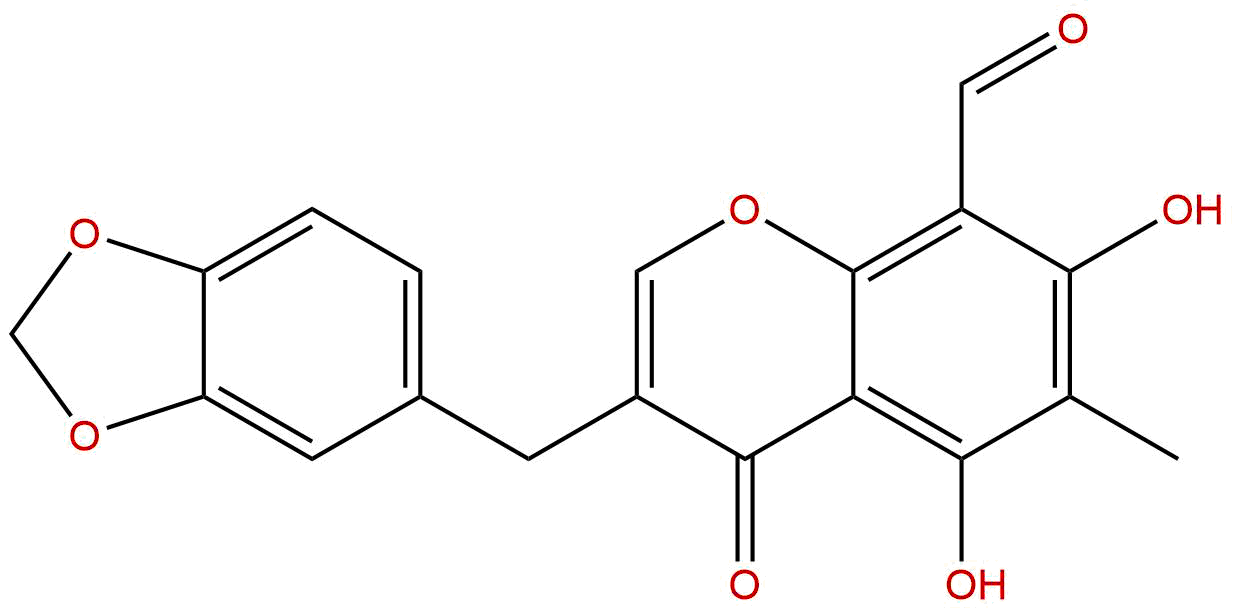
Ophiopogon japonicus flavonoids C (CAS number: 477336-77-9) belong to the flavonoid class, with a molecular formula of C2H_18O7 and a molecular weight of 354.3140. Its structural characteristics include a typical isoflavone skeleton with multiple hydroxyl and methoxy substituents, giving it a good basis for biological activity.
In terms of physicochemical properties, the LogP value of Ophiopogon japonicus flavonoids C is approximately 1.9613, indicating its moderate lipid solubility, which is beneficial for membrane penetration and bioavailability. The polar surface area (TPSA) is 106.2 Å ², indicating that it has a certain polarity that facilitates binding to target proteins. The water solubility is relatively low, about 0.0433 mg/mL, indicating limited solubility in the aqueous phase, which may affect oral absorption and formulation design. The low penetration ability of the blood-brain barrier indicates its limited distribution in the central nervous system, reducing the risk of central side effects. The hERG channel inhibition experiment showed a negative result, indicating a low risk of cardiac toxicity. The Ames mutagenicity test score is 1.2, indicating a low risk of genotoxicity and meeting safety requirements.
In summary, the physicochemical properties of Ophiopogon japonicus flavonoids C are suitable for its development as an oral drug, but its water solubility and bioavailability still need to be optimized through pharmaceutical methods.
Plant sources and extraction methods
Ophiopogon japonicus, a perennial herbaceous plant belonging to the Liliaceae family and the Ophiopogon genus, is the main source of high flavonoid C in Ophiopogon japonicus. It is an important component of traditional Chinese medicinal materials. Ophiopogon japonicus tubers are rich in various bioactive components, including saponins, polysaccharides, flavonoids, and isoflavone compounds. Among them, Ophiopogon japonicus high flavonoid C, as one of the representative components of isoflavones, although not as abundant as polysaccharides and saponins, has become a research focus due to its unique biological activity.
The extraction method usually uses ethanol as a solvent for reflux extraction or ultrasound assisted extraction. The specific steps include:
- Raw material pretreatment: Dry and crush Ophiopogon japonicus tubers, and screen for suitable particle size.
- Extraction: 70% -95% ethanol is used for reflux extraction, with a typical extraction time of 2-4 hours and 1-3 extractions.
- Concentration: The extract is concentrated under reduced pressure to an appropriate volume.
- Separation and purification: Further separation and purification are carried out using liquid-liquid extraction, column chromatography (silica gel, C18 reverse phase column) and other methods, and finally identified and quantified by high performance liquid chromatography (HPLC).
In recent years, the application of ultrasound assisted extraction and microwave-assisted extraction technologies has improved the extraction efficiency and purity of high flavonoid C from Ophiopogon japonicus, providing technical support for its large-scale preparation. In addition, the development of molecular imprinting technology and efficient separation processes is expected to achieve higher purity and more stable product quality.
Pharmacological activity research
The pharmacological activity research of Ophiopogon japonicus flavonoids C mainly focuses on its hypoglycemic effect and related metabolic regulation functions. Both in vitro and in vivo experiments show that the compound can significantly improve the glucose metabolism disorder, and has a potential anti diabetes effect.
Hypoglycemic effect
Ophiopogon japonicus high flavonoid C regulates blood glucose levels through multiple targets and pathways. Animal model studies showed that after administration of ophiopogon japonicus high flavone C, the fasting blood glucose of diabetes rats was significantly reduced, glucose tolerance was improved, and the function of pancreatic islet β cells was protected. In addition, high flavonoid C in Ophiopogon japonicus can promote insulin sensitivity and increase tissue uptake and utilization of glucose.
Antioxidant and anti-inflammatory effects
The occurrence and development of diabetes is closely related to oxidative stress and chronic inflammation. Ophiopogon japonicus flavonoids C exhibit excellent antioxidant activity, capable of scavenging free radicals and reducing oxidative damage. At the same time, it inhibits the expression of inflammatory factors, reduces inflammatory response, and helps to improve tissue damage related to diabetes.
Other potential activities
Some studies suggest that high flavone C of ophiopogon japonicus may have the effects of regulating lipid metabolism, protecting cardiovascular system and improving liver function, which are important aspects of prevention and treatment of diabetes and its complications, showing its broad pharmacological potential.
Mechanism of action and molecular targets
The hypoglycemic effect of Ophiopogon japonicus flavonoids C involves multiple key targets and signaling pathways, mainly including:
-
Glucokinase (GCK)As a key enzyme in liver and pancreatic beta cells, GCK regulates glucose phosphorylation and metabolism. Ophiopogon japonicus flavonoids C activate GCK, promote glucose metabolism, and lower blood sugar levels.
-
Peroxisome proliferator activated receptor gamma (PPARG)PPARG is a regulatory factor for lipid metabolism and insulin sensitivity. Ophiopogon japonicus high flavonoid C can activate PPARG, improve insulin resistance, and promote fatty acid metabolism.
-
Dipeptidyl peptidase-4 (DPP4)DPP4 is involved in the degradation of glucagon like peptide-1 (GLP-1). Ophiopogon japonicus high flavonoid C inhibits DPP4 activity, prolongs GLP-1 action time, and promotes insulin secretion.
-
Insulin receptor substrate 1 (IRS1)IRS1 is a key molecule involved in insulin signaling. Ophiopogon japonicus high flavonoid C enhances the phosphorylation of IRS1, promotes insulin signaling, and improves insulin sensitivity.
-
Glucose transporter 4 (SLC2A4)SLC2A4 mediates glucose entry into muscle and adipocytes. Ophiopogon japonicus high flavonoid C promotes its expression and translocation, enhancing tissue uptake of glucose.
-
Insulin receptor (INSR)INSR is the starting point of insulin action. Ophiopogon japonicus high flavonoid C enhances the activity of INSR and promotes the activation of insulin signaling.
Through the coordinated regulation of the above multiple targets, ophiopogon japonicus high flavone C can effectively improve the glucose metabolism disorder, showing the potential of multi target treatment of diabetes.
Evaluation of drug properties and pharmacokinetics
From the perspective of medicinal properties, Ophiopogon japonicus high flavonoid C has good potential for drug development:
- Molecular weight (354.3140)Complies with Lipinski's rules and is beneficial for oral absorption.
- LogP(1.9613)Moderate, with both lipid solubility and water solubility, it is beneficial for penetrating cell membranes.
- TPSA(106.2)Although slightly higher, it is still within an acceptable range, supporting good target binding.
- Water solubility (0.0433)Low, indicating the need to improve bioavailability through formulation optimization.
- Low blood-brain barrier permeability Reduce the risk of central nervous system side effects.
- HERG inhibition negative Low risk of cardiac toxicity.
- Ames test results are safe The risk of genotoxicity is relatively low.
In terms of pharmacokinetics, existing research is relatively limited. Preliminary in vivo experiments have shown that Ophiopogon japonicus high flavonoid C is absorbed quickly after oral administration, and the peak time of plasma concentration is moderate, but its bioavailability is limited by water solubility and first pass effect. Its metabolic pathway may involve phase I and phase II metabolic enzymes in the liver, mainly excreted through the kidneys. In the future, further systematic research is needed on its absorption, distribution, metabolism, and excretion (ADME) characteristics to clarify its in vivo dynamic behavior.
Clinical application prospects and prospects
As a natural isoflavone hypoglycemic active ingredient, ophiopogon japonicus isoflavone C has the advantages of multi target and multi mechanism synergy, which meets the needs of modern comprehensive treatment of diabetes. Its good safety and potential multiple pharmacological effects provide strong support for the development of new oral hypoglycemic drugs.
The future clinical application prospects are mainly reflected in:
-
Prevention and treatment of diabetes and its complications By regulating insulin signaling pathway, improving insulin resistance and protecting islet β cells, ophiopogon japonicus high flavone C is expected to become an effective drug for basic treatment and complication prevention of diabetes.
-
Management of metabolic syndrome Its regulatory effect on lipid metabolism makes it potentially applicable in metabolic diseases such as obesity and hyperlipidemia.
-
Combination therapy strategy Can be used in conjunction with existing hypoglycemic drugs to enhance efficacy, reduce dosage and side effects.
However, current research is mostly focused on in vitro and animal experiments, and clinical research data is still lacking. In the future, it is necessary to strengthen preclinical safety evaluation, conduct systematic pharmacokinetic and toxicological studies, design reasonable clinical trials, and verify their efficacy and safety.
In addition, to address the issues of low water solubility and limited bioavailability, pharmaceutical improvements are needed, such as the development of new drug delivery systems such as nanocarriers and solid dispersions, to enhance the feasibility and effectiveness of clinical applications.
Conclusion
Ophiopogon japonicus high flavonoid C, as a representative natural flavonoid product in Ophiopogon japonicus, exhibits significant hypoglycemic and metabolic regulatory activities. Its multi target mechanism and good safety make it a powerful candidate drug in the field of diabetes and metabolic disease treatment. Although there are still some challenges in extraction, purification, pharmacokinetics, and clinical validation, with the development of modern medicinal chemistry, pharmacology, and pharmacy technologies, the drug development prospects of Ophiopogon japonicus high flavonoid C are broad.
In the future, we should strengthen its mechanism research, improve the preclinical and clinical trial design, promote its transformation from natural products to clinical drugs, provide more safe and effective treatment options for diabetes patients, and promote the innovative development of natural product pharmacology.