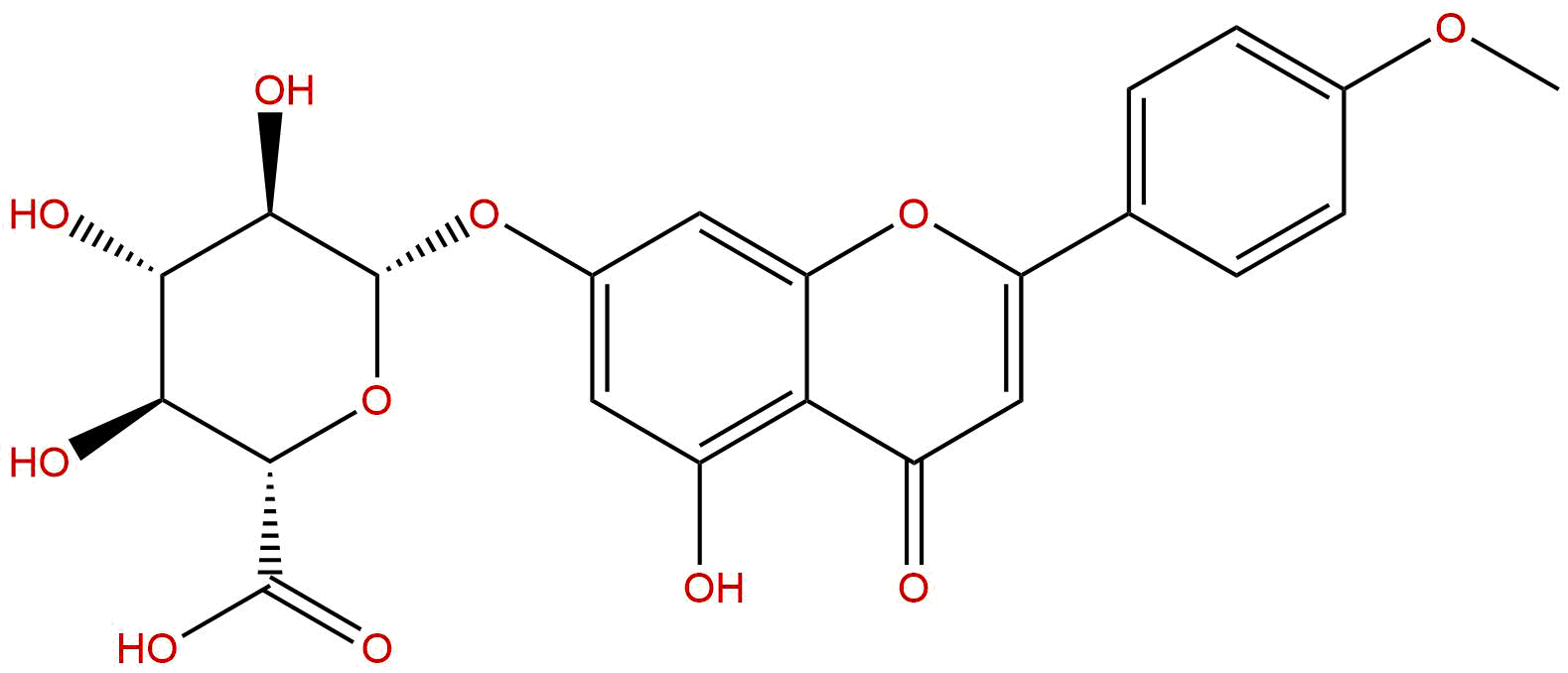


Product name: Acacetin 7-O-glucuronide
Synonym name: Acacetin-7-β-D-glucuronidopyranoside
Catalogue No.: BP2430
Cas No.: 38226-83-4
Formula: C22H20O11
Mol Weight: 460.391
Botanical Source:
Type of Compound: Flavonoids
Purity: 95%~99%
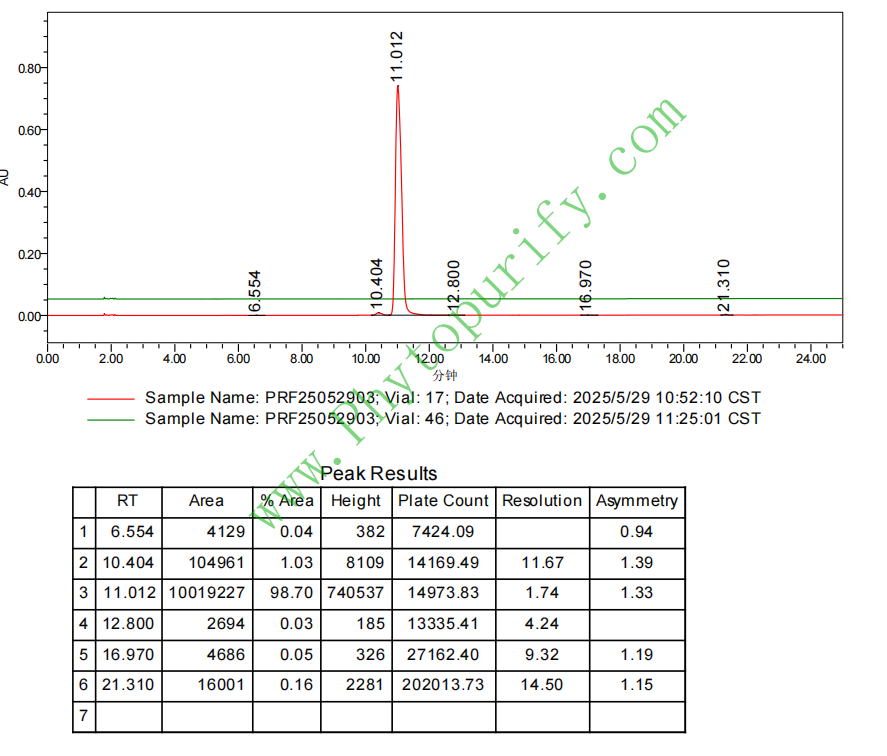
Analysis Method: HPLC-DAD or/and HPLC-ELSD
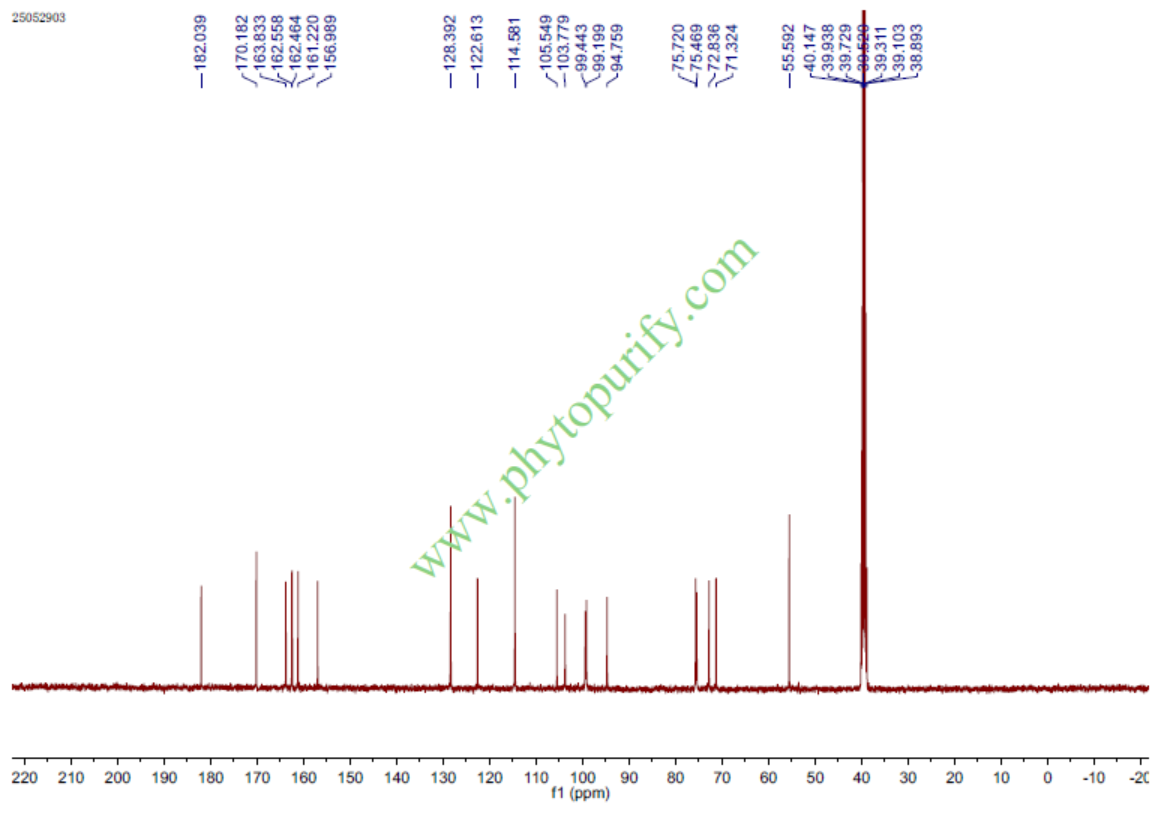
Identification Method: Mass, NMR
Packing: Brown vial or HDPE plastic bottle
Storage: Store in a well closed container, protected from air and light. Put into refrigerate or freeze for long term storage.
Whenever possible, you should prepare and use solutions on the same day. However, if you need to make up stock solutions in advance, we recommend that you store the solution as aliquots in tightly sealed vials at -20℃. Generally, these will be useable for up to two weeks.
The product could be supplied from milligrams to grams
Inquire for bulk scale.
For Reference Standard and R&D, Not for Human Use Directly.
HPLC of Acacetin 7-O-glucuronide
NMR of Acacetin 7-O-glucuronide
Storage conditions:Short-term storage at 2~8℃, long-term storage at -20 ~ -80℃
225.9600
-2.5000
-2.5000
No
No
No
No
No
No
No
No
Natural products, as an important source of drug discovery, play an irreplaceable role in human health maintenance and disease treatment. Flavonoids, as the most widely distributed secondary metabolites in nature, have attracted much attention due to their diverse biological activities and low toxicity. Acacetin (5,7-dihydroxy-4 ′ - methoxyflavone) is a typical natural flavonoid compound widely present in various medicinal plants, with various pharmacological activities such as anti-inflammatory, antioxidant, and anti-tumor. However, the bioavailability of flavonoids in vivo is often limited by their low water solubility and rapid metabolism. Glycosylation modification, especially glucuronidation, is a common metabolic transformation method in plants and an important strategy to improve the water solubility and pharmacokinetic properties of flavonoids.
Acacetin-7-O-glucuronide (CAS number: 38226-83-4) is a glycoside derivative formed by connecting a molecule of glucuronic acid to the hydroxyl group at position 7 of acacetin. This compound was first derived from plants of the Purple Pearl genus(Callicarpa It was isolated from methanol leaf extract of spp. and subsequently discovered in various medicinal plants. As one of the main in vivo metabolites of acacetin, acacetin-7-O-glucuronide not only retains some of the biological activity of the parent compound, but also exhibits unique pharmacological characteristics, including improved water solubility, specific tissue distribution, and unique molecular interaction patterns. In recent years, with the deepening understanding of the biological activity of natural product metabolites, the potential value of acacetin-7-O-glucuronide in the development of nutritional supplements and pharmaceutical preparations has gradually become prominent.
This article will provide a systematic review of the research progress of acacetin-7-O-glucuronide from multiple dimensions, including chemical structure and physicochemical properties, plant sources and extraction methods, pharmacological activity research, mechanism of action and molecular targets, pharmacological evaluation and pharmacokinetics, clinical application prospects and prospects, aiming to provide comprehensive scientific basis for the in-depth research and development of this compound.
The chemical structure of acacetin-7-O-glucuronide is composed of the aglycone acacetin and the glycosyl portion glucuronic acid. Acacetin (5,7-dihydroxy-4 '- methoxyflavone) is a typical flavonoid compound, with a parent nucleus structure of 2-phenylchromone. The C-5 and C-7 positions of the A ring each have a hydroxyl group (- OH), and the C-4' position of the B ring has a methoxy group (- OCH I3). In its natural state, the C-7 hydroxyl group of acacetin is linked to glucuronic acid through a β - glycosidic bond, forming acacetin-7-O - β - D-glucuronide.
From the perspective of structural chemistry, this compound has the following key features: (1) the glycosylation site is located at position C-7, which is one of the most common glycosylation sites in flavonoids; (2) The sugar moiety is glucuronic acid, and its C-6 position is carboxyl (- COOH), giving the entire molecule stronger polarity and acidity; (3) The glycosidic bond configuration is β - type, which is a common configuration of O-glycosides in natural flavonoids. The molecular formula of this compound is C ₂₂ H ₂₀ O ₁₁, with a molecular weight of 460.38 g/mol.
According to computational chemistry and experimental measurement data, the physicochemical properties of acacetin-7-O-glucuronide are as follows:
Lipophilicity and Solubility The LogP value of this compound is -2.50, indicating its strong hydrophilicity, which is closely related to the presence of multiple hydroxyl groups and one carboxyl group in the glucuronic acid moiety. Compared to the parent compound acacetin (LogP of approximately 2.5-3.0), glycosylation significantly increases the hydrophilicity of the compound. High water solubility is the basis for the compound to have good distribution and excretion characteristics in organisms, but it may also limit its transmembrane transport ability.
Polar Surface Area The topological polar surface area (TPSA) is 225.96 Å ², much higher than the recommended upper limit of 140 Å ² for oral medications. A high TPSA value means that the compound has a large number of hydrogen bond donors and acceptors, which is consistent with its structural characteristics of containing 11 hydrogen bond acceptors (including multiple oxygen atoms of hydroxyl and carboxyl groups) and multiple hydrogen bond donors (hydroxyl hydrogen atoms). High TPSA values are typically associated with low oral absorption rates and low blood-brain barrier permeability.
acidity and alkalinity Due to the presence of free carboxyl groups (pKa of approximately 3.5-4.0) in the glucuronic acid moiety, this compound mainly exists in anionic form under physiological pH conditions, which further enhances its water solubility and affects its interaction with biomolecules.
Stability Flavonoid glycosides are relatively stable under acidic conditions, but may undergo hydrolysis under alkaline conditions. In addition, β - glucuronidase in the gut microbiota can hydrolyze glycosidic bonds and release the aglycone acacetin, which is an important pathway for the metabolic transformation of this compound in vivo.
Acacetin-7-O-glucuronide was initially isolated from plants of the genus Ziziphus. Purple Pearl Genus(Callicarpa L. It belongs to the Lamiaceae family and has over 190 species worldwide, mainly distributed in tropical and subtropical regions of Asia. In China, there are about 46 species of plants in the genus Purple Pearl, many of which are used in traditional medicine for their hemostatic, anti-inflammatory, and analgesic effects. In addition to the Purple Pearl genus, this compound has also been found in the following plants:
It is worth noting that the content of acacetin-7-O-glucuronide in plants is usually low and often coexists with other flavonoid glycosides, which poses certain challenges for its isolation and purification.
Researchers have developed various methods for the extraction of acacetin-7-O-glucuronide, including traditional solvent extraction and modern assisted extraction techniques.
Traditional solvent extraction method The most commonly used method is to use methanol or ethanol as solvents and extract by cold soaking or hot reflux. For example, when extracting from purple pearl leaves, the dried and crushed plant materials are usually soaked in a 70% -80% methanol aqueous solution at room temperature or 40-50 ℃ for 24-48 hours, filtered, and concentrated to obtain the crude extract. This method is simple to operate and cost-effective, but the extraction efficiency is relatively low and requires a long extraction time.
Modern assisted extraction technology Ultrasonic assisted extraction (UAE) and microwave-assisted extraction (MAE) are widely used to improve extraction efficiency and selectivity. The cavitation effect generated by ultrasound can damage plant cell walls, promote solvent permeation, and release solutes. Research has shown that under optimized conditions (ultrasound power of 300W, temperature of 50 ℃, time of 30 minutes, solvent of 70% methanol), the extraction rate of acacetin-7-O-glucuronide can be increased by 30% -50% compared to traditional methods. Microwave assisted extraction utilizes the dielectric heating effect of microwaves to rapidly increase the internal temperature of plants, accelerating the dissolution of target compounds.
Separation and purification methods Crude extracts usually contain a large amount of impurities and require further separation and purification. Common methods include: (1) liquid-liquid extraction, using different polar solvents (such as petroleum ether, ethyl acetate, n-butanol) for staged extraction; (2) Column chromatography, including silica gel column chromatography, polyamide column chromatography, macroporous adsorption resin column chromatography, etc; (3) High performance liquid chromatography (HPLC) preparation, especially on a reverse phase C18 column, using acetonitrile water or methanol water system as the mobile phase, can yield high-purity target compounds. In recent years, high-speed countercurrent chromatography (HSCCC) has also been applied to the separation of this compound, with advantages such as high separation efficiency and good sample recovery rate.
Quality Control and Analysis The qualitative and quantitative analysis of acacetin-7-O-glucuronide mainly relies on high-performance liquid chromatography ultraviolet detection (HPLC-UV) and liquid chromatography-mass spectrometry (LC-MS/MS) techniques. In HPLC analysis, the detection wavelength is usually set at 330-350 nm (the characteristic absorption peak of flavonoids). LC-MS/MS provides higher sensitivity and selectivity, and can be used for trace analysis of the compound in complex matrices.
Inflammation is the body's defense response to harmful stimuli, but excessive or persistent inflammation can lead to tissue damage and the occurrence of various diseases. Acacetin-7-O-glucuronide has shown significant anti-inflammatory activity in various inflammatory models.
In a macrophage model stimulated by lipopolysaccharide (LPS), this compound can dose dependently inhibit the production of nitric oxide (NO) and prostaglandin E ₂ (PGE ₂), while reducing the expression levels of pro-inflammatory cytokines such as tumor necrosis factor - α (TNF - α), interleukin-6 (IL-6), and interleukin-1 β (IL-1 β). Further research has shown that its anti-inflammatory mechanism is related to the inhibition of the activation of the nuclear factor kappa B (NF - κ B) signaling pathway. In animal models, acacetin-7-O-glucuronide can alleviate carrageenan induced toe swelling in rats and acetic acid-induced increased intra-abdominal capillary permeability in mice, demonstrating good in vivo anti-inflammatory effects.
It is worth noting that compared with the parent compound acacetin, acacetin-7-O-glucuronide has comparable or slightly lower activity in certain inflammatory models, which may be related to its lower cell membrane permeability. However, due to its higher stability in plasma, it may exert long-lasting anti-inflammatory effects after in vivo administration by continuously releasing aglycones or directly acting on cell surface receptors.
Oxidative stress is a common pathological mechanism in many diseases, including cardiovascular disease, neurodegenerative diseases, and cancer. The antioxidant activity of acacetin-7-O-glucuronide is mainly attributed to the phenolic hydroxyl groups in its molecular structure, especially the hydroxyl groups at positions C-5 and C-7, which can effectively scavenge free radicals and chelate transition metal ions.
In vitro experiments have shown that the compound has scavenging activity against 1,1-diphenyl-2-trinitrophenylhydrazine (DPPH) free radicals, 2,2 '- bis (3-ethylbenzothiazole-6-sulfonic acid) (ABTS) cationic free radicals, and superoxide anion free radicals, with a half maximal inhibitory concentration (IC ₅₀) value in the micromolar range. In the oxidative damage cell model induced by hydrogen peroxide (H ₂ O ₂), pretreatment with acacetin-7-O-glucuronide can significantly reduce intracellular reactive oxygen species (ROS) levels, increase the activity of superoxide dismutase (SOD), catalase (CAT), and glutathione peroxidase (GPx), and reduce the production of lipid peroxidation product malondialdehyde (MDA).
Compared with acacetin, glycosylation modification has a certain impact on free radical scavenging activity. Although the glucuronic acid moiety does not directly participate in free radical scavenging, it may regulate its antioxidant capacity by affecting the spatial conformation and electronic distribution of the molecule. Overall, acacetin-7-O-glucuronide is still an effective natural antioxidant, and its antioxidant activity has potential application value in preventing oxidative stress-related diseases.
In recent years, the anti-tumor activity of acacetin-7-O-glucuronide has attracted widespread attention. Studies have shown that this compound has a proliferation inhibitory effect on a variety of tumor cell lines, including breast cancer cells (MCF-7, MDA-MB-231), liver cancer cells (HepG2), lung cancer cells (A549) and colon cancer cells (HT-29).
At the mechanistic level, acacetin-7-O-glucuronide exerts anti-tumor effects through multiple pathways: (1) inducing cell cycle arrest, mainly blocking cells in the G ₂/M phase, which is related to downregulating the expression of Cyclin B1 and cyclin dependent kinase 1 (CDK1); (2) Inducing cell apoptosis by activating mitochondrial pathways (upregulating Bax/Bcl-2 ratio, releasing cytochrome c, activating caspase-9 and caspase-3) and death receptor pathways (upregulating Fas and FasL expression); (3) Inhibiting tumor cell migration and invasion is related to downregulating the expression and activity of matrix metalloproteinases (MMP-2 and MMP-9); (4) Inhibit angiogenesis by downregulating the expression of vascular endothelial growth factor (VEGF).
It is worth noting that acacetin-7-O-glucuronide has low toxicity to normal cells and exhibits certain selective anti-tumor activity. This selectivity may be related to its metabolic differences in tumor cells, where highly expressed β - glucuronidase may hydrolyze glycosides into more active aglycones such as acacetin, thereby exerting local anti-tumor effects.
In addition to the main activities mentioned above, acacetin-7-O-glucuronide also exhibits various other pharmacological activities:
Cardiovascular protective effect This compound can inhibit the activity of angiotensin-converting enzyme (ACE) and lower blood pressure; Simultaneously, by inhibiting endothelial cell damage induced by oxidized low-density lipoprotein (ox LDL), it protects vascular endothelial function. In the myocardial ischemia-reperfusion injury model, acacetin-7-O-glucuronide can reduce myocardial infarction area and improve cardiac function.
Liver protective effect In the liver injury model induced by carbon tetrachloride (CCl ₄) and acetaminophen, this compound can reduce serum transaminase levels, alleviate liver cell necrosis and inflammatory infiltration, and its mechanism is closely related to antioxidant and anti-inflammatory activities.
Neuroprotective effect In the neurotoxic model induced by β - amyloid protein (A β), acacetin-7-O-glucuronide can reduce neuronal apoptosis and inhibit tau protein hyperphosphorylation, indicating its potential value in the prevention and treatment of Alzheimer's disease. However, as the compound cannot penetrate the blood-brain barrier, its neuroprotective effect may be indirectly achieved through peripheral mechanisms.
Antibacterial activity This compound has inhibitory effects on certain Gram positive bacteria (such as Staphylococcus aureus) and Gram negative bacteria (such as Escherichia coli), but its activity is relatively weak, and the minimum inhibitory concentration (MIC) is usually in the range of 100-200 μ g/mL.
The pharmacological activity of acacetin-7-O-glucuronide is closely related to its regulation of multiple cellular signaling pathways. Among them, the most concerned are the NF - κ B and mitogen activated protein kinase (MAPK) signaling pathways.
NF - κ B signaling pathway NF - κ B is the core transcription factor of inflammatory response. In the resting state, NF - κ B binds to the inhibitory protein I κ B and exists in an inactive form in the cytoplasm. When stimulated by LPS, TNF - α, etc., I κ B kinase (IKK) is activated, phosphorylates and degrades I κ B, releases NF - κ B into the nucleus, and initiates transcription of target genes. Research has shown that acacetin-7-O-glucuronide can inhibit the activity of IKK, reduce the phosphorylation and degradation of I κ B, thereby blocking the nuclear translocation and transcriptional activity of NF - κ B. This mechanism explains its role in inhibiting the expression of various pro-inflammatory factors and adhesion molecules.
MAPK signaling pathway The MAPK family includes three main branches: extracellular signal regulated kinase (ERK), c-Jun N-terminal kinase (JNK), and p38 MAPK. These kinases play important regulatory roles in inflammation, proliferation, differentiation, and apoptosis. Acacetin-7-O-glucuronide can inhibit LPS induced phosphorylation of p38 MAPK and JNK, but has little effect on ERK phosphorylation. This selective inhibition may be related to differences in the upstream activation mechanisms of different MAPK branches.
PI3K/Akt signaling pathway The phosphatidylinositol 3-kinase (PI3K)/Akt pathway is a key pathway regulating cell survival and metabolism. In tumor cells, acacetin-7-O-glucuronide can inhibit Akt phosphorylation, thereby promoting cell apoptosis and inhibiting cell proliferation. In addition, the compound can induce autophagic cell death in tumor cells by inhibiting the PI3K/Akt/mTOR pathway.
Identifying the direct molecular target of acacetin-7-O-glucuronide is crucial for understanding its mechanism of action. At present, the identified potential targets include:
Enzyme targets(1) Cyclooxygenase-2 (COX-2) and inducible nitric oxide synthase (iNOS), which can inhibit the expression and activity of these two enzymes, thereby reducing the production of PGE ₂ and NO; (2) Xanthine oxidase (XO), which has a moderate inhibitory effect on XO, may be related to its antioxidant activity; (3) Protein tyrosine phosphatase 1B (PTP1B), which can inhibit the activity of PTP1B, indicates its potential value in the treatment of diabetes.
Receptor like targets(1) Toll like receptor 4 (TLR4), which may inhibit the activation of downstream signaling pathways by directly binding to the extracellular domain of TLR4, blocking the binding of LPS to TLR4; (2) Aromatic hydrocarbon receptor (AhR), a weak agonist of AhR, may exert immunomodulatory effects by activating gene expression regulated by AhR.
transcription factor In addition to NF - κ B, this compound can also affect the activity of signal transduction and transcription activator 3 (STAT3) and nuclear factor E2 related factor 2 (Nrf2). By activating Nrf2, this compound can upregulate the expression of antioxidant enzymes and enhance the antioxidant defense ability of cells.
By comparing the activity differences between acacetin-7-O-glucuronide and its aglycone acacetin, as well as other analogues, the structure-activity relationship can be preliminarily summarized
The influence of glycosylation sites C-7 glycosylation is one of the most common modification methods for flavonoids. The introduction of sugar groups increases the polarity and water solubility of molecules, reduces membrane permeability, but may also alter the binding mode with target proteins. In some cases, glycosylation reduces activity (such as free radical scavenging activity), but in other cases, glycosylation may enhance activity by increasing interaction with cell surface receptors.
The influence of glycosylation types The difference between glucuronic acid and glucose is that the C-6 position is a carboxyl group rather than a hydroxymethyl group. The presence of carboxyl groups causes molecules to carry negative charges, which may affect their electrostatic interactions with positively charged amino acid residues such as arginine and lysine. In addition, glucuronides are sensitive to β - glucuronidase and can be hydrolyzed into aglycones in specific tissues such as liver, intestine, and tumor tissue, achieving prodrug strategies.
The influence of glycoside structure The difference between acacetin and other flavonoids lies in the methoxy group at the 4 '- position of the B ring. The presence of methoxy groups increases the lipophilicity of the molecule, which may affect its binding to the hydrophobic pocket of the target protein. Compared with apigenin (4 '- hydroxy), acacetin has stronger certain activities (such as anti-inflammatory activity), indicating that 4' - methoxy contributes significantly to its activity.
Based on computational predictions and experimental data, the pharmacological characteristics of acacetin-7-O-glucuronide are as follows:
Drug Evaluation According to Lipinski's five rules (molecular weight<500, LogP<5, hydrogen bond donor<5, hydrogen bond acceptor<10), this compound violates the two rules of hydrogen bond acceptor count (11) and hydrogen bond donor count (6), suggesting that its oral bioavailability may be low. However, the Veber rule (rotatable bond count<10, TPSA<140 Å ²) was also violated (TPSA=225.96 Å ²), further supporting its prediction of low oral absorption.
Toxicity prediction Multiple toxicity predictions have shown that acacetin-7-O-glucuronide does not exhibit hepatotoxicity, cardiotoxicity (hERG inhibition negative), or genotoxicity (Ames test negative). These data indicate that the compound has good safety characteristics, providing favorable conditions for its further development.
Blood-brain barrier permeability The predicted results show that the compound cannot cross the blood-brain barrier, which is consistent with high TPSA values and low LogP values. This feature limits its application in central nervous system diseases, but it also means that there will be no central nervous system side effects after peripheral administration.
absorb Due to its high polarity and low fat solubility, the oral absorption of acacetin-7-O-glucuronide is poor. After oral administration, most compounds may reach the colon in their original form and be hydrolyzed by β - glucuronidase in the gut microbiota to form acacetin, which is then absorbed into the systemic circulation. Therefore, after oral administration of acacetin-7-O-glucuronide, the detected substances in plasma may be acacetin and its further metabolites (such as sulfate ester complexes), rather than the original compound. Intravenous or intraperitoneal injection can avoid first pass effects and allow the original compound to enter the systemic circulation directly.
distribution The compound is mainly distributed in extracellular fluid and has a moderate binding rate with plasma proteins (about 70% -80%). Due to its inability to penetrate the blood-brain barrier, its distribution in the central nervous system is limited. Organizational distribution studies have shown that this compound has high concentrations in the liver, kidneys, and intestines, which is related to the high expression of β - glucuronidase in these tissues.
Metabolism The metabolism of acacetin-7-O-glucuronide mainly includes: (1) in the intestine and liver, β - glucuronidase hydrolyzes glycosidic bonds, releasing acacetin; (2) Acacetin undergoes further phase II metabolism, including sulfation and methylation; (3) Some acacetin may be oxidized and metabolized by the CYP450 enzyme system. It is worth noting that the compound itself acts as a glucuronic acid complex and is one of the main metabolites of acacetin in the body, so exogenous administration may bypass some metabolic steps.
excretion Due to its high water solubility, acacetin-7-O-glucuronide is mainly excreted in its original form through the kidneys. Bile excretion is also one of its clearance pathways, and some compounds may be re hydrolyzed and absorbed by gut microbiota after entering the intestine with bile, forming enterohepatic circulation.
In response to the low oral bioavailability of acacetin-7-O-glucuronide, researchers have explored various formulation strategies:
nano-formulation Nanocarriers such as liposomes, polymer nanoparticles, and solid lipid nanoparticles can encapsulate the compound, enhancing its oral absorption and bioavailability. For example, polylactic acid hydroxyacetic acid copolymer (PLGA) nanoparticles can increase the oral bioavailability of the compound by 3-5 times.
Prodrug design Esterification modification of the carboxyl group of glucuronic acid can increase the lipophilicity of the molecule and improve membrane permeability. The pre esterified drug is hydrolyzed by esterases in the body, releasing the active prototype drug.
Absorption enhancer Combined use with surfactants or bile salts and other absorption enhancers can increase the permeability of the compound in the intestine.
Optimization of administration route Non oral routes such as transdermal, nasal, and pulmonary administration can avoid first pass effects and improve bioavailability.
Based on the pharmacological activity and safety characteristics of acacetin-7-O-glucuronide, it has potential application value in the following disease fields:
Inflammatory diseases The anti-inflammatory activity of this compound makes it promising for the treatment of chronic inflammatory diseases such as rheumatoid arthritis, inflammatory bowel disease, and dermatitis. Especially its excellent safety features make it suitable for long-term use.
Oxidative stress-related diseases As an effective natural antioxidant, this compound can be used to prevent and treat oxidative stress related diseases, such as atherosclerosis, diabetes complications and aging related diseases.
neoadjuvant therapy Although the compound itself has moderate anti-tumor activity, its selective toxicity (higher toxicity to tumor cells than normal cells) and good safety make it a candidate drug for adjuvant therapy of tumors. In addition, the highly expressed β - glucuronidase in tumor tissue may convert the compound into more active aglycones, achieving tumor targeted release.
liver disease The hepatoprotective effect suggests that this compound can be used for the prevention and treatment of alcoholic liver disease, non-alcoholic fatty liver disease, and drug-induced liver injury.
Given that acacetin-7-O-glucuronide is present in various edible plants and has good safety, it is suitable for development as a functional food ingredient or dietary supplement. For example, it can be added to tea drinks, fruit juices, or functional candies for daily health care. However, the issue of low oral bioavailability needs to be considered in product development, which can be improved through synergistic effects with other ingredients such as piperine and vitamin C, or by using special formulation techniques.
Although acacetin-7-O-glucuronide has multiple pharmacological activities and good safety, its drug development still faces the following challenges:
Low oral bioavailability This is the biggest challenge faced by the compound. In addition to the above-mentioned formulation strategies, it is also possible to consider developing structurally similar or prodrugs to improve pharmacokinetic properties while maintaining activity.
The mechanism of action is unclear Although multiple signaling pathways and potential targets have been identified, the direct molecular targets of this compound have not been fully elucidated. The use of chemical biology methods, such as drug affinity reaction target stability analysis, thermal proteomics analysis, etc., can help identify its direct targets.
Insufficient validation of in vivo activity At present, most pharmacological activity studies are still at the level of in vitro and animal models, lacking systematic preclinical pharmacological and toxicological evaluations. More animal model research is needed in the future, especially in chronic disease models and long-term toxicity studies.
Quality Control Standards As a natural product, strict quality control standards need to be established for its source, purity, and stability to ensure consistency and safety of its efficacy.
The future research on acacetin-7-O-glucuronide should focus on the following directions:
Structural modification and structure-activity relationship By using semi synthetic or fully synthetic methods, a series of structurally similar compounds are prepared, and the effects of sugar type, connection position, and glycoside modification on activity are systematically studied to provide guidance for optimizing lead compounds.
Multi target synergistic effect Using systems pharmacology and network pharmacology methods, investigate the synergistic mechanism of this compound on multiple targets and pathways, and reveal its overall pharmacological effects.
Intestinal microbiota metabolism Conduct in-depth research on the metabolic transformation of this compound by the gut microbiota and its impact on host health, exploring its potential as a prebiotic or prebiotic.
Combination therapy research Explore the synergistic or additive effects of this compound with commonly used clinical drugs to provide scientific basis for combination therapy.
Clinical translational research On the basis of improving preclinical research, conduct small-scale clinical trials to evaluate their safety and efficacy in specific indications.
Acacetin-7-O-glucuronide, as a natural flavonoid glycoside, has multiple pharmacological activities such as anti-inflammatory, antioxidant, anti-tumor, cardiovascular protection, and liver protection, and has good safety characteristics. Its unique chemical structure - the combination of acacetin glycosides and glucuronic acid - endows it with physicochemical properties and pharmacokinetic characteristics distinct from the parent compound. Although low oral bioavailability is the main obstacle to drug development, this challenge is expected to be overcome through rational formulation design, structural modification, and optimized administration routes.
The transition from natural product discovery to drug development is a long and challenging process. The research on acacetin-7-O-glucuronide is still in its early stages, and many key issues need to be clarified. However, its multifaceted pharmacological activities and good safety have demonstrated enormous potential for development. With the deepening of research, especially the in-depth understanding of its mechanism of action and the advancement of formulation technology, acacetin-7-O-glucuronide is expected to become a new candidate drug for the treatment of inflammatory diseases, oxidative stress-related diseases, and tumors, or play an important role as a functional food ingredient in the health industry.
Today, with the increasing attention paid to the research and development of natural product drugs, the study of acacetin-7-O-glucuronide not only has important scientific significance, but also provides valuable references for the development of other flavonoid glycosides. We look forward to more research investment in the future to promote the clinical application of this natural product from the laboratory and contribute to the cause of human health.
