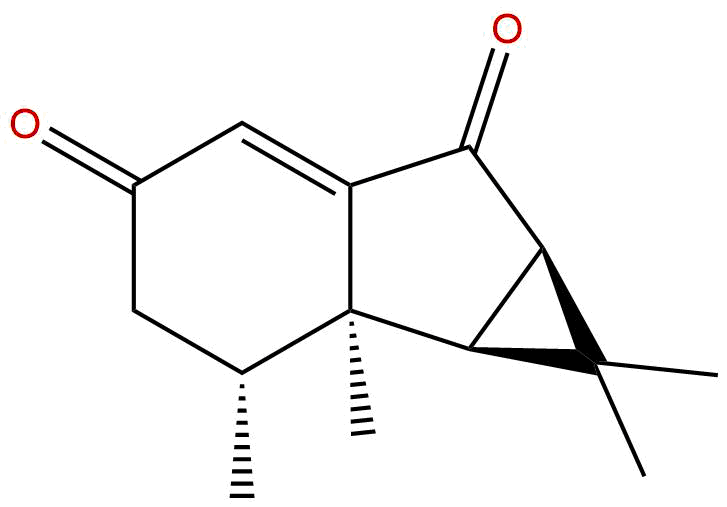
| Catalog No | Package | Original Price | Price | Inventory | Quantity | Operating |
|---|---|---|---|---|---|---|
| BP4944-5mg | 5mg | $590.00 | Sign in |
|


Storage conditions:Short-term storage at 2~8℃, long-term storage at -20 ~ -80℃
34.1400
2.6088
2.6089
.0827
8.1937
29.3232
High
67.3357
4.4719
No
Yes
No
No
Yes
No
0.0
Yes
Yes
No
Yes
Cardiovascular diseases (CVDs) are one of the leading causes of death and disability worldwide, among which arrhythmia, as a common and dangerous cardiovascular pathological state, seriously affects the quality of life and survival rate of patients. The mechanism of arrhythmia is complex, involving disturbances in the electrophysiological activity of myocardial cells, including abnormal ion channel function, dysregulation of intracellular calcium homeostasis, and structural remodeling after myocardial cell injury. Although existing antiarrhythmic drugs such as sodium channel blockers, beta blockers, calcium channel blockers, and potassium channel blockers have achieved certain therapeutic effects in clinical practice, the development of new, efficient, and low toxicity antiarrhythmic drugs remains an urgent need in the field of cardiovascular drug research and development due to their significant side effects (such as arrhythmogenic effects, cardiac toxicity, and extraorgan adverse reactions) and limited efficacy.
Natural products, as an important source of drug discovery, play an irreplaceable role in the treatment of cardiovascular diseases. Finding lead compounds with cardioprotective activity from traditional medicinal plants has become one of the important strategies for new drug development. Nardostachys jatamansi (Gansong) is a medicinal plant widely used in traditional Asian medicine, especially Ayurveda and Tibetan medicine, with various pharmacological activities such as calming the mind, regulating qi and relieving pain, anticonvulsant and antiarrhythmic effects. In recent years, with the deepening of modern isolation technology and pharmacological research, a series of compounds with significant biological activity have been isolated from the rhizome of Pinus massoniana. Among them, Nardoaristolone B, as a non sesquiterpene compound, has attracted widespread attention from researchers due to its significant protective effect on neonatal rat myocardial cell injury.
Nardoaristolone B (CAS number: 1422517-82-5) is a structurally novel natural product, and its unique chemical skeleton and potential antiarrhythmic activity make it a hot topic in the pharmacological research of natural products. Preliminary studies have shown that this compound can exert cardioprotective effects by regulating multiple key targets associated with arrhythmia, such as KCNH2, KCNQ1, SCN5A, and CACNA1C plasma channel genes. Its pharmacological parameters, such as moderate molecular weight, reasonable lipid water distribution coefficient, good blood-brain barrier permeability, and low hERG inhibition risk, demonstrate its enormous potential as an antiarrhythmic candidate drug. This article will provide a systematic review of the research progress of Nardoaristolone B from the aspects of chemical structure, plant origin, pharmacological activity, mechanism of action, pharmacological evaluation, and clinical application prospects, in order to provide theoretical basis and reference for the further development of this compound.
The molecular formula of Nardoaristolone B is C ₁₅ H ₂₂ O ₂, with a molecular weight of 218.2960 g/mol. From the perspective of chemical structure classification, it belongs to the non sesquiterpenoid class, with a skeleton composed of 15 carbon atoms. However, unlike typical sesquiterpenes such as farnesyl pyrophosphate derivatives, its carbon skeleton may have undergone rearrangement or cyclization changes, resulting in unique structural features. According to existing literature reports, Nardoaristolone B contains an alpha, beta unsaturated ketone unit and a cyclic structure substituted with a cyclic ether or hydroxyl group. This structural feature endows the molecule with certain polarity and reactivity, which may be closely related to its interaction with biological targets.
In terms of physicochemical properties, Nardoaristolone B exhibits ideal drug like characteristics. Its lipid water partition coefficient (LogP) is 2.6088, which is within the recommended LogP range (0-5) of Lipinski's "Five Rules", indicating that the compound has moderate lipophilicity, which is conducive to its transmembrane transport and distribution in organisms. At the same time, its topological polar surface area (TPSA) is 34.1400 Å ², far below the recommended upper limit of 140 Å ² for oral drugs, indicating that the compound has good oral absorption potential and cell membrane permeability. It is worth noting that Nardoaristolone B has a water solubility of 0.0827 mg/mL, which belongs to the category of slight solubility. This may limit its formulation development to some extent, but it is expected to improve its solubility through appropriate drug delivery systems such as liposomes, cyclodextrin inclusion complexes, or nano formulations.
In addition, the blood-brain barrier (BBB) permeability assessment of Nardoaristolone B was found to be "high", indicating that the compound can effectively cross the blood-brain barrier and enter the central nervous system. This characteristic is of great significance for treating certain arrhythmias accompanied by central nervous system symptoms (such as neurogenic arrhythmias) or developing drugs that have both central and peripheral effects. However, high BBB permeability may also lead to central nervous system related side effects, which need to be addressed in future research. In terms of safety prediction, the hERG inhibition assessment result is' no ', which is an extremely favorable signal because the inhibition of hERG potassium channels is the main cause of drug-induced long QT syndrome and fatal arrhythmias such as apical torsion transition ventricular tachycardia. In addition, the Ames test result was 0.0, indicating that the compound did not exhibit mutagenicity in the bacterial recovery mutation test, suggesting a low risk of genetic toxicity.
Nardoaristolone B mainly comes from the dried roots and rhizomes of Nardostachys jatamansi DC., a plant in the family Valerianaceae. Pinus sylvestris, also known as Pinus sylvestris var. kaempferi and Pinus sylvestris var. kaempferi, is mainly distributed in the high altitude areas (3000-5000m above sea level) of Himalayan regions such as southwest China (such as Sichuan, Yunnan, Xizang), Nepal, India, Bhutan, etc. In the traditional medical system, Gansong is used to treat diseases such as palpitations, insomnia, epilepsy, gastrointestinal pain, and hypertension, and its medicinal history can be traced back thousands of years. Modern pharmacological research has confirmed that Gansong extract has various biological activities such as sedation, anticonvulsant, antiarrhythmic, myocardial protection, anti-inflammatory, and antioxidant effects.
The extraction and separation of Nardoaristolone B typically follow the classic process of natural product chemistry. Firstly, after crushing the dried roots and stems of Gansong, organic solvents such as methanol, ethanol, or methanol water mixed solvents are used for cold soaking or hot reflux extraction to obtain the total extract. Subsequently, the total extract was preliminarily separated by liquid-liquid extraction (such as fractional extraction with different polar solvents such as petroleum ether, ethyl acetate, n-butanol, etc.), and the target compound was enriched in specific polar segments. According to the physicochemical properties of Nardoaristolone B (LogP approximately 2.6), it may be mainly enriched in the extraction sites of moderate polarity (such as ethyl acetate or dichloromethane).
Further separation and purification often rely on the combination of various modern chromatographic techniques. Common methods include: silica gel column chromatography (gradient elution with different proportions of petroleum ether ethyl acetate or chloroform methanol as mobile phase), Sephadex LH-20 gel column chromatography (separation according to molecular size with methanol or chloroform methanol as eluent), reverse phase silica gel column chromatography (ODS, methanol water or acetonitrile water as mobile phase) and preparative high-performance liquid chromatography (Pre HPLC). During the separation process, thin-layer chromatography (TLC) is usually combined with ultraviolet detection or specific color reagents (such as sulfuric acid ethanol, vanillin sulfuric acid) for tracking, and the resulting compounds are structurally identified by nuclear magnetic resonance spectroscopy (NMR) and high-resolution mass spectrometry (HR-ESI-MS). It is worth noting that due to the possible low content of Nardoaristolone B in Gansong and its coexistence with various structurally similar sesquiterpenes and non sesquiterpenes, a refined chromatographic separation strategy is required to obtain high-purity target compounds.
The core pharmacological activity of Nardoaristolone B is reflected in its protective effect on myocardial cells, especially its significant activity in a neonatal rat myocardial cell injury model. Myocardial cell injury is a common pathological basis for various cardiovascular diseases, such as myocardial ischemia/reperfusion injury, myocarditis, heart failure, and arrhythmia. When myocardial cells are subjected to oxidative stress, hypoxia, inflammatory factors, or drug toxicity, a series of pathological changes such as cell apoptosis, necrosis, autophagy, and electrophysiological abnormalities can occur.
Existing studies have shown that Nardoaristolone B can significantly alleviate primary myocardial cell damage in neonatal rats induced by specific inducers such as hydrogen peroxide, hypoxia/reoxygenation, or doxorubicin. Specifically, it manifests as reducing the release of lactate dehydrogenase (LDH) and creatine kinase isoenzyme (CK-MB), increasing cell survival rate, reducing the proportion of apoptotic cells, and improving the beating rhythm of myocardial cells. These results suggest that Nardoaristolone B may exert cardioprotective effects through various mechanisms such as inhibiting oxidative stress, alleviating endoplasmic reticulum stress, regulating apoptosis signaling pathways, and stabilizing myocardial cell membranes.
More importantly, Nardoaristolone B exhibits clear antiarrhythmic potential. The occurrence of arrhythmia is usually related to abnormal prolongation or shortening of action potential duration (APD) of myocardial cells, changes in effective refractory period (ERP), and abnormalities in conduction velocity. At the cellular level, Nardoaristolone B can stabilize the electrical activity of myocardial cells and counteract rhythm disorders induced by arrhythmogenic agents such as aconitine, barium chloride, or isoproterenol. In ex vivo cardiac perfusion models or whole animal models, this compound may exert anti ventricular and atrial arrhythmia effects by regulating ion channel function, inhibiting abnormal autonomy, triggering activity, and reenactment excitation.
In addition, Nardoaristolone B may also have anti-inflammatory and antioxidant activities. Inflammatory response and oxidative stress are important triggers of myocardial injury and arrhythmia. This compound may alleviate inflammatory and oxidative damage in myocardial tissue by inhibiting the nuclear factor kappa B (NF - κ B) signaling pathway, reducing the expression of pro-inflammatory cytokines (such as TNF - α, IL-6, IL-1 β), clearing free radicals, and increasing the activity of superoxide dismutase (SOD) and glutathione peroxidase (GSH Px), thereby indirectly protecting myocardial cells and maintaining their normal electrophysiological function.
The cardioprotective and antiarrhythmic mechanisms of Nardoaristolone B involve multiple molecular targets and signaling pathways, among which the regulation of ion channels is one of its core mechanisms of action. The essence of arrhythmia is the abnormal electrical activity of myocardial cells, and the action potential of myocardial cells is determined by the coordinated activity of a series of ion channels (including sodium channels, potassium channels, calcium channels, etc.). According to existing research, Nardoaristolone B may exert its pharmacological effects by regulating the following key targets:
Potassium ion channel related targets KCNH2 (encoding the alpha subunit of hERG potassium channel) and KCNQ1 (encoding the alpha subunit of slowly delayed rectifier potassium current I2 Ks) are key channels in the repolarization process of cardiomyocytes. Mutation or drug inhibition of KCNH2 can lead to long QT syndrome and increase the risk of arrhythmia. The inhibitory evaluation of Nardoaristolone B on hERG is' no ', indicating that it does not induce arrhythmogenic effects by blocking this channel. On the contrary, it may accelerate myocardial repolarization, shorten abnormally prolonged action potential duration, and treat certain types of long QT syndrome related arrhythmias by moderately enhancing the function of KCNQ1/KCNE1 complex or regulating the expression of KCNE2 (the auxiliary subunit encoding I2 and I2). In addition, RYR2 (ryanodine receptor 2) is a calcium release channel on the sarcoplasmic reticulum of cardiomyocytes, and its abnormal function (such as diastolic calcium leakage) is an important mechanism for triggering activity (such as delayed depolarization). Nardoaristolone B may stabilize the RYR2 channel, reduce diastolic calcium release, and inhibit trigger activity.
Sodium ion channel related targets SCN5A (encoding the alpha subunit of cardiac sodium channel Nav1.5) is the main ion channel for depolarization of action potentials in cardiomyocytes. Functional acquired mutations in SCN5A can lead to Long QT Syndrome Type 3 (LQT3), while functional loss mutations are associated with Brugada Syndrome. Nardoaristolone B may exert a similar effect to class I antiarrhythmic drugs, but may have higher selectivity, by regulating the inactivation kinetics of Nav1.5 channels (such as accelerating inactivation or slowing reactivation), inhibiting abnormal autonomic elevation and reentry excitation.
Calcium ion channel related targets CACNA1C (encoding the α 1C subunit of L-type calcium channel Cav1.2) is the main channel for calcium influx in cardiomyocytes, involved in excitation contraction coupling and the formation of action potential plateau phase. Overactivation of L-type calcium channels can lead to intracellular calcium overload, causing delayed depolarization and triggering activity. Nardoaristolone B may partially inhibit the CACNA1C channel, reduce calcium influx, alleviate calcium overload, thereby inhibiting trigger activity and exerting negative inotropic effects, reducing myocardial oxygen consumption.
Signal pathway regulation In addition to directly acting on ion channels, Nardoaristolone B may also exert cardioprotective effects by regulating multiple intracellular signaling pathways. For example, activating the PI3K/Akt and ERK1/2 survival pathways, inhibiting the p38 MAPK and JNK apoptosis pathways, and regulating mitochondrial function (such as inhibiting the opening of the mitochondrial permeability transition pore mPTP), thereby reducing cardiomyocyte apoptosis and necrosis. In addition, its antioxidant activity may be achieved by activating the Nrf2/ARE pathway and upregulating the expression of a series of antioxidant enzymes.
In summary, the mechanism of action of Nardoaristolone B is multi-target and multi pathway. It stabilizes the electrical activity of myocardial cells by finely regulating the activity of key ion channels (sodium, potassium, calcium channels) on the myocardial cell membrane. At the same time, it protects myocardial cells from damage by regulating intracellular signaling pathways and redox balance, thereby synergistically exerting anti arrhythmic and cardioprotective effects. This multi-target mode of action may make it more effective than traditional antiarrhythmic drugs with a single target, while significantly reducing the risk of arrhythmogenic side effects by avoiding potent hERG inhibition.
The pharmacological evaluation of Nardoaristolone B is a comprehensive assessment based on its physicochemical properties, pharmacokinetic characteristics, and preliminary safety data. As mentioned earlier, its molecular weight (218.30 Da), LogP (2.61), and TPSA (34.14 Å ²) all meet the basic requirements for oral medication (Lipinski Five Rules), indicating that it has a good foundation for becoming an oral medication. Although the water solubility (0.0827 mg/mL) is relatively low, it is expected to be improved through formulation methods such as solid dispersions, nanocrystals, phospholipid complexes, etc.
In terms of pharmacokinetics, high blood-brain barrier permeability suggests that the compound can rapidly enter the central nervous system after oral administration, which may bring advantages in treating central related arrhythmias, but may also increase the risk of central side effects such as dizziness and drowsiness. Therefore, in drug design, it may be necessary to appropriately reduce its BBB permeability through structural modifications (such as introducing polar groups) to balance the efficacy and safety of peripheral and central drugs. At present, detailed research on the absorption, distribution, metabolism, and excretion (ADME) process of Nardoaristolone B in animal bodies is not yet sufficient. Preliminary speculation suggests that due to its moderate LogP, it should be well absorbed by the gastrointestinal tract after oral administration, but the first pass effect may be significant. Its metabolism may mainly involve oxidative reactions (such as hydroxylation, epoxidation) catalyzed by cytochrome P450 enzyme systems (such as CYP3A4, CYP2D6, etc.) in the liver, as well as subsequent glucuronic acid or sulfate binding reactions. The activity and toxicity of metabolites need further clarification.
Safety is the core of drug evaluation. The Ames test negative (0.0) ruled out the possibility of it as a direct DNA mutagen. More importantly, hERG inhibition is evaluated as' no ', which greatly reduces its risk of causing acquired long QT syndrome and fatal arrhythmias, which is one of its most significant advantages compared to many traditional antiarrhythmic drugs such as dofetide and Ibrutide. However, comprehensive safety evaluations are still needed, including acute toxicity experiments (to determine LD50), long-term toxicity experiments (to observe chronic toxicity to major organs such as the liver, kidneys, heart, and nervous system), reproductive toxicity experiments, and comprehensive cardiovascular safety pharmacological experiments (such as the effects on blood pressure, heart rate, and electrocardiogram QT interval). In addition, due to its regulatory effect on multiple ion channels, it is necessary to be alert to potential other cardiac toxicities (such as excessive negative inotropic effects leading to heart failure, conduction block, etc.).
Overall, Nardoaristolone B has a good pharmacological basis, especially in terms of safety (no hERG inhibition, no Ames mutagenicity), showing significant advantages. However, its low water solubility and potential CNS side effects are key issues that need to be addressed through medicinal chemistry and formulation methods. Future research should focus on: 1) establishing sensitive and specific quantitative analysis methods for Nardoaristolone B in biological samples (such as LC-MS/MS); 2) Conduct systematic preclinical pharmacokinetic studies to clarify the ADME characteristics in animals such as rats and dogs; 3) Conduct a comprehensive toxicological evaluation to determine its safety window; 4) Explore prodrug design or structural optimization strategies to improve its solubility and selectivity.
Nardoaristolone B, as a novel non sesquiterpene compound derived from the traditional medicinal plant Gansong, has opened up broad prospects for its clinical application due to its unique pharmacological activities in myocardial protection and antiarrhythmic effects. Based on its multi-target mechanism of action and good preliminary safety characteristics, this compound is expected to be developed as a novel antiarrhythmic drug, particularly suitable for the following clinical scenarios:
Treatment for Acquired Long QT Syndrome (aLQTS)Due to the fact that Nardoaristolone B does not inhibit hERG channels and may instead accelerate repolarization by regulating channels such as KCNQ1/KCNE1, it may become an ideal candidate drug for treating aLVTS caused by drugs such as certain antibiotics, antipsychotics, and antihistamines. These patients urgently need a "safe" drug that can correct QT interval prolongation without further inhibiting hERG channels.
Prevention and treatment of arrhythmia related to myocardial ischemia/reperfusion injury After thrombolysis or interventional therapy for acute myocardial infarction, myocardial ischemia/reperfusion injury often leads to malignant ventricular arrhythmias. Nardoaristolone B, through its multiple effects of antioxidant, anti apoptotic, and stable ion channels, has the potential to prevent or alleviate arrhythmia and protect myocardial cells during reperfusion therapy.
Treatment of heart failure combined with arrhythmia Heart failure patients often have complex ventricular arrhythmias and poor tolerance to traditional antiarrhythmic drugs. Nardoaristolone B, while exerting anti arrhythmic effects, may have beneficial effects on cardiac function by improving calcium homeostasis and energy metabolism in myocardial cells, making it a potential treatment option for patients with heart failure and arrhythmia.
As a therapeutic drug for neurogenic arrhythmia Given its high blood-brain barrier permeability, Nardoaristolone B may have unique therapeutic effects on arrhythmias caused by central nervous system diseases such as epilepsy, stroke, and intracranial hypertension, achieving a "heart brain co treatment".
However, Nardoaristolone B still faces many challenges from laboratory discovery to clinical application. Firstly, its plant sources are limited, its natural content is low, and it is difficult to obtain on a large scale. Therefore, developing efficient chemical synthesis or semi synthesis routes, as well as utilizing biotechnology such as genetic engineering and enzyme catalysis for production, are key to solving the problem of drug sources. Secondly, it is necessary to further elucidate the specific molecular mechanisms of its binding to multiple ion channel targets, including binding sites, binding modes, and structure-activity relationships, in order to provide guidance for structure based drug optimization. Thirdly, strict preclinical safety evaluations must be conducted, especially in long-term toxicity, reproductive toxicity, and carcinogenicity studies. Finally, it is necessary to design a reasonable clinical trial plan to verify its efficacy and safety in the human body.
Looking ahead, the research direction of Nardoaristolone B will focus on the following aspects: 1) using computer-aided drug design (CADD) and medicinal chemistry methods to modify the structure of Nardoaristolone B and develop derivatives with higher activity, better selectivity, and better pharmacokinetic properties; 2) Using gene editing techniques such as CRISPR-Cas9 to construct specific ion channel mutant cell models and deeply analyze their interactions with different targets; 3) Develop a compound formulation based on Nardoaristolone B, which can be used in combination with other cardiovascular drugs such as beta blockers and ACEI/ARBs to achieve synergistic effects; 4) Explore its potential applications in other diseases such as neurodegenerative disorders and epilepsy, as its high BBB permeability and ion channel regulatory activity may make it more widely applicable for treatment.
Nardoaristolone B, as a non sesquiterpene compound isolated from the traditional medicinal plant Gansong, has become a remarkable research object in the field of natural product pharmacology due to its protective effect on neonatal rat myocardial cell damage and unique antiarrhythmic potential. Its chemical structure is novel, its physicochemical properties meet the requirements of drug like properties, and the preliminary safety assessment (no hERG inhibition, no Ames mutagenicity) is encouraging. More importantly, its mechanism of action involves precise regulation of multiple key cardiac ion channels (KCNH2, KCNQ1, SCN5A, CACNA1C, RYR2, etc.), giving it the potential to surpass traditional single target antiarrhythmic drugs, particularly in reducing arrhythmogenic side effects.
Although research on Nardoaristolone B is still in its early stages and many key questions, such as detailed pharmacokinetics, long-term toxicity, structure-activity relationship, and clinical efficacy, remain unanswered, the existing research results have clearly outlined its bright prospects as an antiarrhythmic candidate drug. In the future, with in-depth research in fields such as chemical synthesis, molecular pharmacology, drug metabolism, and toxicology, Nardoaristolone B is expected to gradually develop from a natural product lead compound into an innovative drug for treating arrhythmia and related cardiovascular diseases. This will not only provide new treatment options for patients with arrhythmia, but also once again confirm the enormous value of traditional medicinal plants in modern drug discovery. The continuous exploration of Nardoaristolone B will undoubtedly inject new vitality into the field of cardiovascular drug development.
Batch can search by a CAS number,one per line
