Introduction/Overview
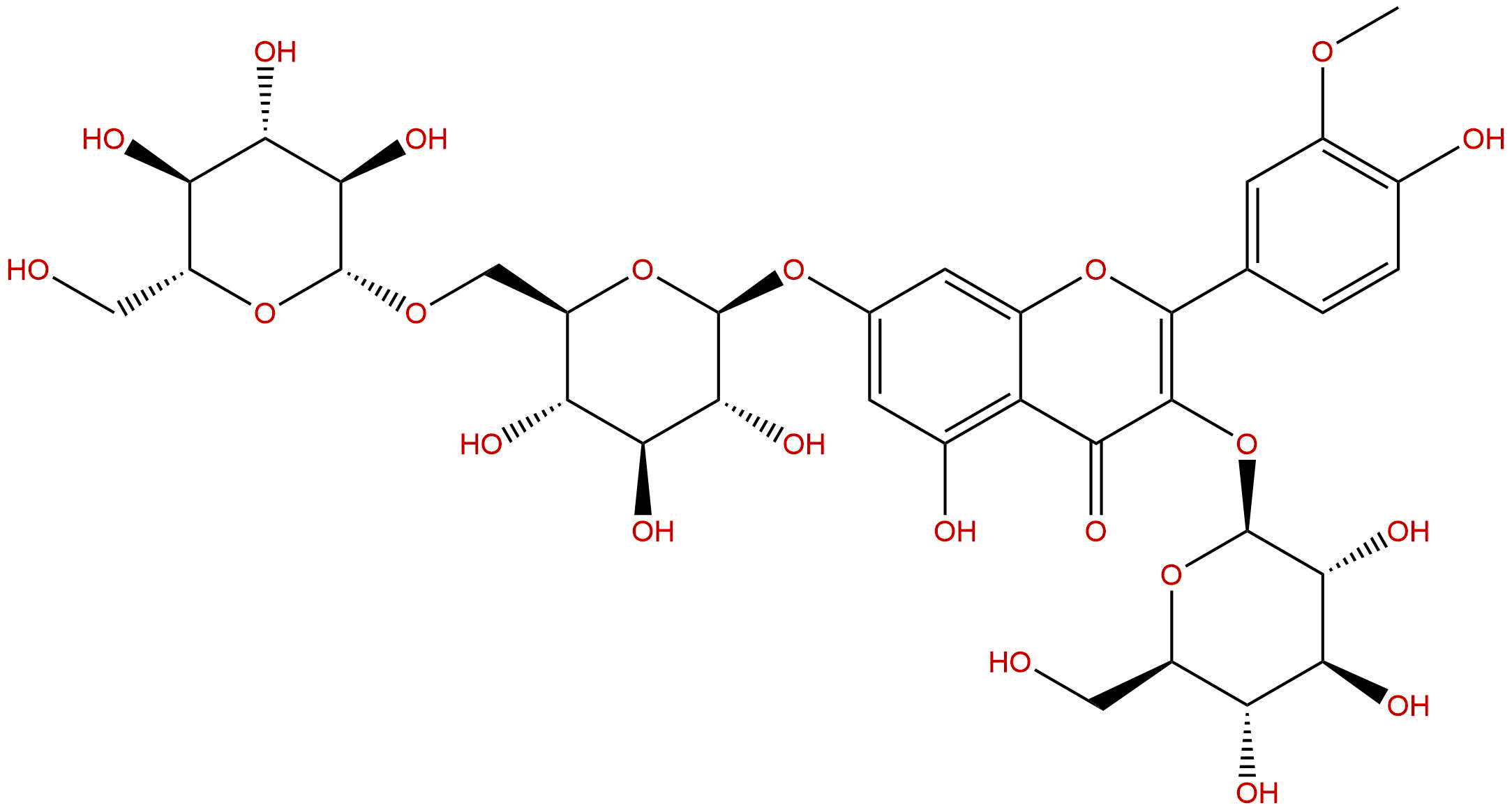
Natural products, as an important source of drug discovery, play an irreplaceable role in the long struggle between humans and diseases. Flavonoids, as the most widely distributed class of secondary metabolites in nature, have attracted much attention due to their structural diversity and extensive biological activity. Among them, quercetin, kaempferol, isorhamnetin, and their glycoside derivatives are the most extensively studied representative flavonols. Isorhamnetin-3-O - β - D-glucose-7-O - β - D-gentiopicroside (IGG) is a structurally unique flavonol glycoside with a CAS number of 60778-00-9. The compound is structurally composed of isorhamnetin as a glycoside, with a β - D-glucose group attached at C-3 and a β - D-gentian disaccharide group attached at C-7, forming a glycosidic structure with high molecular weight and strong hydrophilicity.
In recent years, as the incidence rate of allergic diseases in the world continues to rise, including allergic rhinitis, bronchial asthma, atopic dermatitis and food allergy, the search for highly effective and low toxic natural antiallergic drugs has become a hot spot in pharmacological research. IGG, as a natural product with clear anti allergic activity, has aroused widespread interest among researchers. Existing studies have shown that IGG can intervene in the occurrence and development of allergic reactions through multi-target and multi pathway regulatory mechanisms. Its targets include arachidonic acid 5-lipoxygenase (ALOX5), histamine H1 receptor (HRH1), various interleukins (IL4, IL5, IL13), high affinity IgE receptor I α chain (FCER1A), thromboxane A2 receptor (TBXA2R), signal transduction and transcription activator 6 (STAT6), and thymic stromal lymphopoietin (TSLP), among other key molecules. This multi-target action characteristic endows IGG with unique advantages in the field of anti allergic therapy and makes it a potential lead compound for developing new anti allergic drugs.
This article will provide a systematic review of the research progress of IGG from the aspects of chemical structure and physicochemical properties, plant sources and extraction methods, pharmacological activity research, mechanism of action and molecular targets, drug evaluation and pharmacokinetics, clinical application prospects and prospects, in order to provide reference for the in-depth research and development of this natural product.
Chemical structure and physicochemical properties
The chemical structure of IGG exhibits typical flavonol glycoside characteristics. Its glycoside is Isorhamnetin (3,5,7-trihydroxy-4 '- methoxyflavonol), which belongs to methylated flavonol compounds. In the molecule of isorhamnetin, there is one hydroxyl group at positions C-5 and C-7 of ring A, one hydroxyl group and one methoxy group at positions C-3 'and C-4' of ring B, and one hydroxyl group at position C-3 of ring C. In IGG molecules, the hydroxyl group at position C-3 is linked to β - D-glucose via glycosidic bonds, forming 3-O - β - D-glucoside; The hydroxyl group at position C-7 is connected to β - D-gentian disaccharide (formed by two molecules of glucose linked by β -1,6-glycosidic bonds) through glycosidic bonds, forming 7-O - β - D-gentian disaccharide. Therefore, the complete structure of IGG can be represented as isorhamnetin-3-O - β - D-glucopyranos-7-O - β - D-glucopyranosyl - (1 → 6) - β - D-glucopyranoside.
From the perspective of physical and chemical properties, the molecular formula of IGG is C ∝₄ H ₄₂ O ₂, with a molecular weight of 802.6880 g/mol. This compound has extremely high polarity, with a calculated lipid water partition coefficient (LogP) of -1.5671, indicating its strong hydrophilicity and almost insolubility in lipid soluble solvents. The topological polar surface area (TPSA) is as high as 357.8100 Å ², which is much higher than the recommended upper limit of 140 Å ² for oral drugs, indicating that the compound has poor ability to passively diffuse through biofilms. The water solubility parameter is 6.4341, indicating its good solubility in water, which is consistent with its structural feature of containing a large number of hydroxyl groups in its molecule. In terms of spectral characteristics, the UV visible absorption spectrum of IGG typically exhibits two characteristic absorption peaks in the range of 240-280 nm (band II, A-ring benzoyl system) and 300-380 nm (band I, B-ring cinnamoyl system), which are typical spectral features of flavonoids. In the infrared spectrum, the broad peak at approximately 3400 cm ⁻¹ is attributed to the O-H stretching vibration of phenolic and sugar hydroxyl groups, while the strong peak at approximately 1650 cm ⁻¹ is attributed to the stretching vibration of the C ring C=O. In nuclear magnetic resonance hydrogen and carbon spectra, the signal of the sugar moiety usually appears in the range of δ 3.0-5.5 ppm (¹ H) and δ 60-105 ppm (¹ ³ C), while the aromatic proton signal of the glycoside moiety appears in the range of δ 6.0-8.0 ppm.
Plant sources and extraction methods
IGG, as a naturally occurring flavonol glycoside, is mainly found in various medicinal and edible plants. At present, the sources of plants containing IGG reported in literature mainly include: Asteraceae plants such as Carthamus tinctorius L., Inula japonica Thunb., and Gnaphalium affine D. Don; Leguminous plants such as Sophora japonica L; And some cruciferous plants. Among them, safflower and locust horn are plant sources with relatively high IGG content and are currently the most commonly used extraction materials in research.
In terms of extraction methods, the extraction of IGG usually follows the classic process of natural product chemistry. Due to the strong hydrophilicity of IGG, traditional organic solvent extraction methods often use high concentration ethanol or methanol aqueous solutions as extraction solvents. Specifically, after crushing the dried plant material, it is extracted or refluxed with a 70% -80% ethanol aqueous solution at room temperature or heating conditions. The extract is then concentrated under reduced pressure to obtain the crude extract. Subsequently, the crude extract was preliminarily separated using liquid-liquid extraction method, usually using petroleum ether, ethyl acetate, and n-butanol for sequential extraction. IGG was mainly enriched in the n-butanol extraction site because of its high polarity, making it difficult to extract with low polarity organic solvents.
Further separation and purification usually require the combination of multiple chromatographic techniques. Macroporous adsorption resin column chromatography (such as D101, HPD100, etc.) is a commonly used method for separating flavonoid glycosides, which uses ethanol water gradient elution. IGG is usually eluted at the 30% -50% ethanol elution site. Then, fine separation is performed by silica gel column chromatography, polyamide column chromatography or Sephadex LH-20 gel column chromatography. In recent years, high-speed countercurrent chromatography (HSCCC) and preparative high-performance liquid chromatography (pre HPLC) have also been applied to the efficient separation and purification of IGG, which have the advantages of high separation efficiency and good sample recovery rate. In terms of detection, thin layer chromatography (TLC) combined with ultraviolet lamp detection and color reagents (such as 1% AlCl ∝ ethanol solution) can be used for rapid identification, while high-performance liquid chromatography diode array detection (HPLC-DAD) and liquid chromatography-mass spectrometry (LC-MS) are used for qualitative and quantitative analysis and structural confirmation.
It is worth noting that the content of IGG in plants is usually low and often coexists with other structurally similar flavonoid glycosides, such as isorhamnetin-3-O - β - D-glucoside, isorhamnetin-3-O - β - D-rutinoside, etc., which poses certain difficulties for its isolation and purification. Therefore, establishing an efficient and highly selective extraction and separation process is of great significance for the large-scale preparation and subsequent research of IGG.
Pharmacological activity research
The pharmacological activity research of IGG mainly focuses on the field of anti allergy, and existing research evidence shows that this compound exhibits significant intervention effects in various allergic disease models.
In an allergic asthma model, IGG can effectively inhibit airway hyperresponsiveness, reduce the infiltration of eosinophils and neutrophils in bronchoalveolar lavage fluid, and lower the levels of Th2 cytokines (IL-4, IL-5, IL-13). Animal experiments have shown that ovalbumin (OVA) treated with IGG significantly reduces airway inflammation scores in asthmatic mice. Pathological sections of lung tissue show a significant decrease in inflammatory cell infiltration and mucus secretion around the bronchi. In addition, IGG can also inhibit the production of OVA specific IgE and IgG1 antibodies in serum, suggesting that it may exert anti allergic effects by regulating humoral immune responses.
In the model of allergic rhinitis, IGG also showed good therapeutic effects. Research has shown that IGG can alleviate symptoms of allergic rhinitis induced by ovalbumin or pollen extract, including reducing sneezing and nasal scratching frequency, and lowering the levels of histamine and interleukin in nasal lavage fluid. Organizational analysis showed that IGG treatment significantly reduced eosinophil infiltration and goblet cell proliferation in nasal mucosa.
In atopic dermatitis models, IGG can inhibit skin inflammatory responses induced by dinitrochlorobenzene (DNCB) or dust mite extracts. After local or systemic administration of IGG, the swelling, erythema, and desquamation symptoms of the ear or back skin in mice were significantly improved. Pathological examination of skin tissue shows that IGG can reduce epidermal thickening and inflammatory cell infiltration, and lower the expression level of Th2 cytokines in skin tissue.
In addition to its anti allergic activity, preliminary studies also suggest that IGG may have other pharmacological activities. For example, reports have shown that IGG has certain antioxidant activity, can scavenge DPPH free radicals and ABTS cationic free radicals, and inhibit lipid peroxidation. In addition, IGG has been found to have mild antibacterial activity and exhibits inhibitory effects on certain Gram positive bacteria such as Staphylococcus aureus. However, the research on these non allergic activities is still in its preliminary stage, and their in vivo efficacy and clinical significance need further verification.
Mechanism of action and molecular targets
The multi-target mechanism of IGG's anti allergic effect is the core characteristic of its pharmacological activity. Based on existing research, IGG mainly exerts anti allergic effects through the following key molecular targets and signaling pathways.
Firstly, IGG can inhibit the activity of ALOX5 (arachidonic acid 5-lipoxygenase). ALOX5 is a key enzyme in the arachidonic acid metabolism pathway, catalyzing the conversion of arachidonic acid to leukotriene A4, which in turn generates leukotriene B4 and cysteine leukotrienes (LTC4, LTD4, LTE4). Leukotriene is a potent pro-inflammatory mediator that causes bronchial constriction, increased mucus secretion, and increased vascular permeability in allergic reactions. The inhibitory effect of IGG on ALOX5 can reduce the production of leukotrienes, thereby alleviating the inflammatory symptoms of allergic reactions. Molecular docking studies have shown that the sugar moiety of IGG may form hydrogen bonds with amino acid residues near the active site of ALOX5, while the glycoside moiety may competitively inhibit substrate entry by binding to the hydrophobic pocket of the enzyme through hydrophobic interactions.
Secondly, IGG can antagonize HRH1 (histamine H1 receptor). Histamine is the main mediator released by mast cells and eosinophils in allergic reactions. It binds to H1 receptors on the surface of target cells, causing vasodilation, increased vascular permeability, smooth muscle contraction, and nerve endings stimulation. Research has shown that IGG can bind to HRH1, blocking the interaction between histamine and receptors, thereby inhibiting histamine mediated allergic symptoms. This antagonistic effect is similar to classical antihistamines, but as a natural product, the binding mode of IGG may differ from synthetic drugs.
Thirdly, IGG can inhibit the expression and release of Th2 cytokines (IL-4, IL-5, IL-13). IL-4 is a key factor in Th2 cell differentiation, promoting the production of IgE by B cells; IL-5 is a key factor in the activation, proliferation, and survival of eosinophils; IL-13 is involved in the regulation of airway hyperresponsiveness and mucus secretion. IGG can effectively block the amplification effect of Th2 type immune response by inhibiting the production of these cytokines. Mechanism studies suggest that IGG may regulate the expression of Th2 cytokines by inhibiting the phosphorylation of STAT6 (signal transducer and activator of transcription 6). STAT6 is a key transcription factor in the IL-4/IL-13 signaling pathway, and its phosphorylation activation enters the nucleus, initiating transcription of Th2 cytokine genes. The inhibition of STAT6 phosphorylation by IGG can effectively block the downward transmission of IL-4/IL-13 signaling.
Fourthly, IGG can inhibit the expression of FCER1A (high affinity IgE receptor I α chain). FCER1A is the alpha subunit of high affinity IgE receptors on the surface of mast cells and eosinophils, responsible for binding to the Fc segment of IgE. When allergens crosslink with IgE bound to the cell surface, it triggers degranulation of mast cells, releasing allergens such as histamine and leukotrienes. IGG can reduce the number of IgE receptors on the surface of mast cells by downregulating the expression of FCER1A, thereby reducing the sensitivity of cells to allergen stimulation and inhibiting degranulation reaction.
Fifth, IGG can antagonize TBXA2R (thromboxane A2 receptor). Thromboxane A2 (TXA2) is another product of arachidonic acid metabolism, which has potent bronchoconstriction and platelet aggregation effects. The antagonistic effect of IGG on TBXA2R can inhibit TXA2 mediated bronchoconstriction, which helps alleviate asthma symptoms.
In addition, IGG can also inhibit the expression of TSLP (thymic stromal lymphopoietin). TSLP is a cytokine derived from epithelial cells that plays a crucial role in the initial stage of allergic reactions, activating dendritic cells and promoting the initiation of Th2 type immune responses. The inhibitory effect of IGG on TSLP can fundamentally intervene in the triggering process of allergic reactions.
In summary, IGG forms a networked regulatory mechanism covering the initiation, effector, and amplification stages of allergic reactions by simultaneously acting on multiple targets such as ALOX5, HRH1, IL4, IL5, IL13, FCER1A, TBXA2R, STAT6, and TSLP. This multi-target mode of action endows IGG with unique advantages over single target drugs, enabling it to intervene in allergic reactions simultaneously at multiple stages, potentially producing synergistic effects and reducing common resistance and side effects of single target drugs.
Evaluation of drug properties and pharmacokinetics
The evaluation of drug properties is a crucial step in determining whether natural products can be successfully converted into clinical drugs. The physicochemical properties and pharmacokinetic characteristics of IGG provide important reference for its pharmacological properties.
From the perspective of physical and chemical properties, the molecular weight of IGG is 802.6880 Da, far exceeding the "five rules" (molecular weight<500 Da) requirement of traditional oral drugs. High molecular weight typically means that drug molecules are difficult to passively diffuse through biological membranes, which may affect their oral absorption. The LogP value of IGG is -1.5671, indicating its strong hydrophilicity and extremely poor lipid solubility, which further limits its ability to pass through the lipid bilayer of the cell membrane. The TPSA is as high as 357.8100 Å ², far exceeding the recommended upper limit of 140 Å ² for oral medications, indicating that the compound is difficult to penetrate intestinal epithelial cells and may have low oral bioavailability. The water solubility parameter is 6.4341, indicating good solubility in water, which provides convenient conditions for the development of its formulation, but also means that it is difficult to penetrate the lipid membrane barrier.
In terms of pharmacokinetics, there are currently relatively limited direct research reports on the in vivo processes of IGG, but reasonable inferences can be made based on its structural characteristics and related compound studies. After oral administration, IGG may face intestinal absorption disorders. Due to its large molecular weight and high polarity, the possibility of passive diffusion absorption is low, and its absorption may mainly rely on active transport mediated by intestinal transporters or cellular bypass pathways. However, the cellular bypass pathway usually only allows molecules with a molecular weight less than 200 Da to pass through, so the possibility of IGG absorption through this pathway is also very small. Therefore, the oral bioavailability of IGG may be extremely low.
After entering the bloodstream, IGG may undergo extensive metabolism. As a flavonoid glycoside, IGG may be hydrolyzed by glycosidases in the gut microbiota or liver, releasing aglycone isorhamnetin and glycosyl moieties. As a glycoside element, isorhamnetin has a small molecular weight (316.26 Da) and relatively good lipid solubility, which may make it easier to be absorbed and distributed to target tissues. Therefore, the in vivo efficacy of IGG may be partially or mainly attributed to its metabolite isorhamnetin. This' prodrug 'hypothesis requires further pharmacokinetic and pharmacodynamic experimental verification.
In terms of organizational distribution, the blood-brain barrier penetration ability of IGG is evaluated as "low", which is consistent with its high polarity and high molecular weight. This characteristic may be advantageous for anti allergic drugs, as central nervous system side effects such as drowsiness are common adverse reactions of many traditional antihistamines, and IGG is difficult to enter the central nervous system and may have a lower risk of neurotoxicity. In terms of cardiac safety, the hERG inhibition assessment result is' no ', indicating that IGG is unlikely to cause cardiac toxicity such as QT interval prolongation and arrhythmia. The Ames test result was 0.0, indicating that IGG did not exhibit mutagenicity in the bacterial recovery mutation test, suggesting a low risk of genetic toxicity.
Overall, the main challenge facing the pharmacological properties of IGG is the low oral bioavailability. To address this challenge, future research can explore the following aspects: firstly, developing non oral routes of administration, such as inhalation (for asthma and allergic rhinitis), transdermal (for atopic dermatitis), or injection; Secondly, utilizing nanotechnology (such as liposomes, nanoemulsions, polymer nanoparticles, etc.) to enhance the oral absorption of IGG; The third is to design a prodrug strategy to improve its lipid solubility through chemical modification; The fourth is to explore the combined application of IGG and absorption enhancers (such as surfactants, bile salts, etc.).
Clinical application prospects and prospects
IGG, as a natural product with multi-target anti allergic activity, has shown broad application prospects in the treatment and prevention of allergic diseases.
Firstly, the multi-target mechanism of action of IGG gives it unique advantages in the treatment of complex allergic diseases. Traditional anti allergic drugs usually only act on a single target, such as antihistamines mainly antagonizing HRH1, leukotriene receptor antagonists mainly blocking cysteine leukotriene receptors, while IGG can simultaneously act on multiple targets such as ALOX5, HRH1, Th2 cytokines, FCER1A, TBXA2R, and TSLP, forming a networked regulatory effect. This multi-target mode of action may produce synergistic effects, allowing IGG to achieve therapeutic effects at lower doses while reducing common resistance and side effects of single target drugs. Therefore, IGG has the potential to be developed as a comprehensive therapeutic drug for moderate to severe allergic diseases.
Secondly, the inhibitory effect of IGG on TSLP allows it to intervene at the initial stage of allergic reactions. TSLP is an epithelial cell-derived "alarm cytokine" that is rapidly released upon exposure to allergens, initiating a Th2 type immune response. At present, monoclonal antibodies targeting TSLP, such as Tezepelumab, have shown good therapeutic effects on severe asthma in clinical studies. As a small molecule TSLP inhibitor, IGG may have the convenience advantage of oral or local administration, and the production cost is relatively low, which is expected to become a new choice for TSLP targeted therapy.
Thirdly, the prospects of local administration of IGG are worth paying attention to. Due to the low oral bioavailability of IGG, developing local drug formulations may be a feasible pathway for its clinical translation. For example, for allergic rhinitis, IGG nasal spray can be developed; For allergic asthma, IGG inhalation preparations can be developed; For atopic dermatitis, IGG topical cream or gel can be developed. Local administration not only bypasses oral absorption barriers, but also delivers drugs directly to the site of action, increasing local drug concentration, reducing systemic exposure and side effects.
Fourthly, the development potential of IGG as a functional food or dietary supplement cannot be ignored. Although the oral bioavailability of IGG is low, it may exert local effects in the intestine by regulating gut microbiota and affecting the intestinal immune system. In addition, metabolites such as isorhamnetin produced by IGG metabolism by gut microbiota may be absorbed into the systemic circulation, exerting a systemic anti allergic effect. Therefore, developing plant extracts rich in IGG as functional foods or dietary supplements for daily regulation of allergic constitution and adjuvant treatment of allergic symptoms has certain market prospects.
However, the clinical translation of IGG still faces many challenges. Firstly, the pharmacokinetic characteristics of IGG are not yet clear, and systematic in vivo absorption, distribution, metabolism, and excretion studies are needed to clarify its metabolic pathways and active metabolites in vivo. Secondly, the toxicological evaluation of IGG is not yet complete, and it is necessary to conduct acute and chronic toxicity experiments, reproductive toxicity experiments, and carcinogenicity experiments to comprehensively evaluate its safety. Thirdly, the large-scale preparation process of IGG needs to be further optimized to meet the needs of clinical research and future commercial production. Fourthly, the mechanism of action of IGG needs to be further studied, especially in terms of its binding mode, binding affinity, and molecular details of signal pathway regulation with various targets. This information is crucial for drug design and optimization based on IGG structure.
In the future, with the continuous development of structural biology, computational chemistry, and medicinal chemistry, structural modification and optimization based on IGG parent nucleus structure will become a research hotspot. Through rational design, a series of IGG derivatives can be synthesized to improve their pharmacokinetic properties and bioavailability while retaining their multi-target anti allergic activity. In addition, the combined use of IGG with other anti allergic drugs or natural products is also worth exploring in order to achieve synergistic effects and dose reduction.
Conclusion
Isorhamnetin-3-O - β - D-glucose-7-O - β - D-gentiopicroside (IGG), as a structurally unique flavonol glycoside, has attracted widespread attention in the field of natural product pharmacology due to its multi-target anti allergic mechanism. This compound exerts regulatory effects at different stages of allergic reactions by simultaneously acting on multiple key targets such as ALOX5, HRH1, Th2 cytokines, FCER1A, TBXA2R, STAT6, and TSLP, demonstrating unique advantages over traditional single target anti allergic drugs. Although IGG faces challenges in terms of oral bioavailability, its good water solubility, low blood-brain barrier penetration, low hERG inhibition risk, and low genetic toxicity provide favorable conditions for its drug development.
From a phytochemical perspective, the presence of IGG in medicinal plants such as safflower and locust horn provides a material basis for the anti allergic effects of these traditional Chinese medicines. From a pharmacological perspective, the multi-target mechanism of action of IGG provides a typical example for understanding the characteristics of traditional Chinese medicine's "multi-component, multi-target" action. From the perspective of drug development, IGG, as a lead compound, is expected to be developed into a novel drug for the treatment of allergic diseases such as allergic rhinitis, asthma, and atopic dermatitis through structural modification and formulation optimization.
In summary, IGG is a natural anti allergic active molecule with significant research value and development potential. With the continuous deepening of pharmacology, pharmacokinetics, and toxicology research, as well as advances in formulation technology and medicinal chemistry, IGG and its derivatives are expected to play an important role in the field of anti allergic drugs, bringing new treatment options to billions of allergic disease patients worldwide.