Introduction/Overview
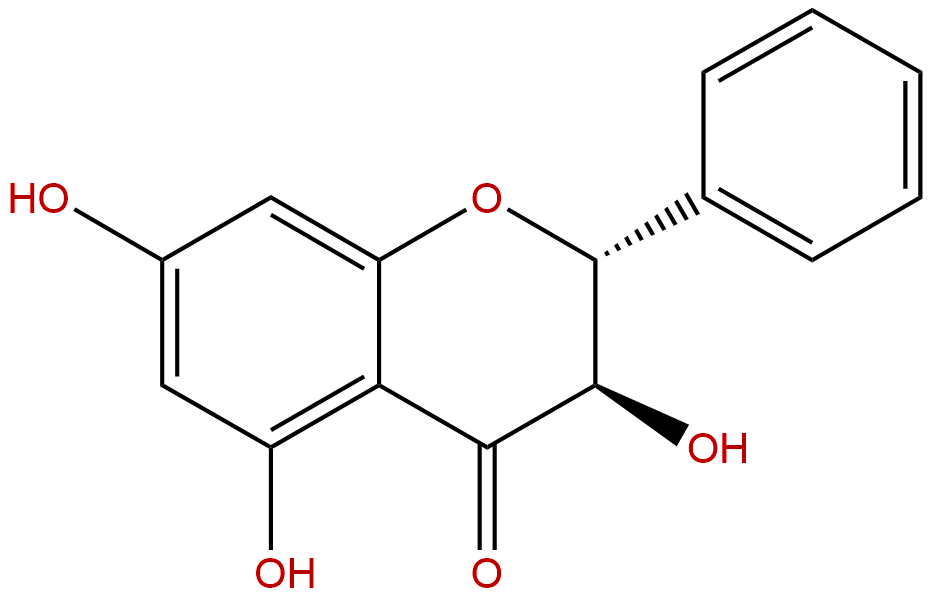
Natural products, as an important source of drug discovery, play an irreplaceable role in the long history of human struggle against diseases. Flavonoids, as a class of secondary metabolites widely present in the plant kingdom and possessing various biological activities, have always been a hot topic in medicinal chemistry and pharmacology research. Pinobanksin (CAS number: 548-82-3), also known as 3,5,7-trihydroxyflavanone, is a structurally unique dihydroflavonol compound. It is not only widely distributed in nature, but also receiving increasing attention from the academic community due to its diverse pharmacological activities, especially its significant antioxidant and anti-tumor potential.
Short leaf pine extract was initially isolated and identified from propolis and various plants, and its chemical structure determines its unique physicochemical properties and biological activity. As a trihydroxyflavanone, the phenolic hydroxyl group in its molecule endows it with strong free radical scavenging ability, which is the structural basis of its antioxidant activity. In recent years, research has continuously revealed the role of resveratrol in regulating cell apoptosis, anti-inflammatory, antibacterial, and neuroprotective effects, especially in inducing apoptosis in B-cell lymphoma cell lines, demonstrating specific potential. This makes it a candidate molecule worth exploring in the development of anti-tumor drugs. However, despite its encouraging in vitro activity, the in vivo pharmacokinetic properties, bioavailability, and drug potential of resveratrol remain key bottlenecks that limit its clinical translation. This article aims to systematically review the chemical structure, plant origin, pharmacological activity, mechanism of action, pharmacological evaluation, and clinical application prospects of short leaf pine extract, in order to provide comprehensive references for the in-depth research and development of this natural product.
Chemical structure and physicochemical properties
The chemical name of short leaf pine extract is 3,5,7-trihydroxy-2,3-dihydroflavone, which belongs to dihydroflavonol compounds. Its core skeleton consists of an A ring (meta phenyltriphenylene type), a C ring (oxygen-containing heterocyclic ring), and a B ring (benzene ring). Unlike common flavonoids, the C ring of short leaf pine is a saturated dihydropyran ring, and the C2 and C3 positions are chiral centers. There are stereoisomers such as (2R, 3R) and (2S, 3S), and the naturally occurring ones are mostly in the (2R, 3R) - configuration. Its molecular formula is C ₁₅ H ₁₂ O ₅, and its molecular weight is 272.2560 g/mol. The key functional groups in the structure include two phenolic hydroxyl groups located at the C5 and C7 positions of the A ring, as well as one secondary alcohol hydroxyl group at the C3 position of the C ring. The C4 position is a carbonyl group, which can form intramolecular hydrogen bonds with the hydroxyl group at the C5 position, affecting its stability and activity.
In terms of physicochemical properties, the lipid water partition coefficient (LogP) of short leaf pine extract is 1.9279, indicating that it has a certain lipophilicity, but overall it exhibits moderate polarity. Its topological polar surface area (TPSA) is 86.99 Å ², which is within the general range of drug molecules (usually<140 Å ²), indicating its potential for oral absorption. The water solubility parameter is 0.4629 mg/mL, which belongs to the category of slight solubility, which to some extent limits its solubility and bioavailability in aqueous environments. It is worth noting that the blood-brain barrier (BBB) penetration ability of resveratrol has been evaluated as "low", suggesting that it may require special delivery strategies in the treatment of central nervous system diseases. In addition, hERG inhibition was evaluated as' no ', indicating a low risk of cardiac toxicity; The Ames test result is 0.0, indicating no significant mutagenicity, which provides preliminary assurance for its safety as a candidate drug. These physicochemical parameters together form the basis for the structural modification and formulation development of short leaf pine extract as a lead compound.
Plant sources and extraction methods
Short leaf pine extract is widely distributed in nature, mainly found in various plants and secondary metabolites of bees - propolis. Its main plant sources include:
- Propolis Propolis is one of the most famous sources of short leaf pine extract, especially from temperate regions such as poplar type propolis. The content of short leaf pine resin in propolis varies depending on geographical origin, plant species, and collection season, and often coexists with flavonoids such as Pinocembrin and Galangin.
- Pinaceae plants Multiple types of pine trees (such as European red pine) Pinus sylvestris Coastal Pine Pinus pinaster)The bark, needles, and heartwood all contain short leaf pine resin. It is an important intermediate in the flavonoid metabolic network of pine trees.
- Fabaceae, a leguminous plant Some leguminous plants such as purple locust(Amorpha fruticosa)And licorice genus(Glycyrrhiza)Short leaf pine extract has also been detected in plants.
- Other plants In the Asteraceae family (such as Helichrysum Genus), Lacquer Tree Family (such as Rhus Genus) and some medicinal plants (such as Scutellaria baicalensis) Scutellaria baicalensis)There are also reports in it.
The extraction method usually follows the classic process of natural flavonoids. Due to the presence of free glycosides in plant bodies and their polarity, commonly used extraction solvents include methanol, ethanol, acetone, or their aqueous solutions. To improve extraction efficiency, techniques such as heating reflux extraction, ultrasound assisted extraction, or microwave-assisted extraction can be used. For example, using 70% ethanol as the solvent, ultrasonic extraction of propolis or pine bark powder at 50-60 ℃ can achieve a higher yield of short leaf pine resin.
The crude extract after extraction needs to undergo purification steps. Common separation and purification methods include:
* Liquid-liquid extraction Using different polar solvents (such as petroleum ether, ethyl acetate, n-butanol) for fractional extraction, resveratrol is usually enriched in the ethyl acetate layer.
* column chromatography Silica gel column chromatography is the most commonly used method, which uses chloroform methanol or petroleum ether acetone systems for gradient elution. Polyamide column chromatography is also commonly used for the separation of flavonoids due to its specific adsorption of phenolic hydroxyl groups.
* High Performance Counter Current Chromatography (HSCCC)This is an efficient liquid-liquid distribution chromatography technique, particularly suitable for the separation of short leaf pine extract and its structural analogues (such as pine extract and galangin), with the advantages of high sample recovery and low solvent consumption.
* Preparation type high-performance liquid chromatography (Pre HPLC)For the preparation of high-purity standards, Pre HPLC is the ultimate choice.
Pharmacological activity research
Short leaf pine extract exhibits broad and significant pharmacological activities, and its research mainly focuses on the following aspects:
1. Antioxidant activity
Antioxidant activity is the most fundamental and extensively studied core activity of short leaf pine extract. The phenolic hydroxyl groups at positions C5 and C7 in its molecule are effective hydrogen atom donors, capable of directly scavenging various free radicals such as hydroxyl radicals (· OH), superoxide anion radicals (O ₂⁻ ·), and DPPH radicals. In vitro experiments have shown that the scavenging ability of short leaf pine extract on DPPH free radicals is concentration dependent, and its IC ₅₀ value is usually in the micromolar range, comparable to or slightly lower than classical antioxidants such as vitamin C or quercetin. In addition, it can chelate transition metal ions (such as Fe ² ⁺, Cu ² ⁺), thereby inhibiting Fenton reaction mediated oxidative damage. In cell models, resveratrol can significantly reduce the levels of reactive oxygen species (ROS) induced by hydrogen peroxide (H ₂ O ₂) or lipopolysaccharide (LPS), protecting cells from oxidative stress damage.
2. Antitumor activity
The anti-tumor activity of resveratrol is another important area of concern. Research has confirmed that resveratrol has inhibitory effects on proliferation and induces apoptosis in various tumor cell lines.
* The effect on B-cell lymphoma As stated in the compound information, resveratrol has a significant apoptosis inducing effect on B-cell lymphoma cell lines (such as Raji, Daudi, etc.). The mechanism may involve activation of mitochondrial pathways, including loss of mitochondrial membrane potential, release of cytochrome c, and activation of caspase-3 and caspase-9.
* Effects on other tumor cells In addition to lymphoma, brevifolin has also been reported to be cytotoxic to hepatoma cells (HepG2), breast cancer cells (MCF-7), colon cancer cells (HT-29) and melanoma cells. Its mechanism of action is diverse, including inducing cell cycle arrest (such as G0/G1 phase or G2/M phase arrest), inhibiting proliferation signaling pathways such as PI3K/Akt and MAPK/ERK, and upregulating the expression of pro apoptotic protein Bax and downregulating the expression of anti apoptotic protein Bcl-2.
3. Anti inflammatory activity
Short leaf pine has shown good anti-inflammatory effects both in vivo and in vitro. In the LPS stimulated macrophage model, resveratrol can significantly inhibit the production of pro-inflammatory factors such as nitric oxide (NO), prostaglandin E2 (PGE2), tumor necrosis factor - α (TNF - α), interleukin-1 β (IL-1 β), and interleukin-6 (IL-6). The mechanism is mainly related to the inhibition of the activation of the nuclear factor kappa B (NF - κ B) signaling pathway, which inhibits the phosphorylation and degradation of I κ B α, thereby suppressing the nuclear translocation of p65 subunit and ultimately downregulating the expression of downstream inflammatory genes.
4. Antibacterial and antiviral activity
Short leaf pine extract has inhibitory effects on various bacteria and fungi. Research has shown that it is effective against Staphylococcus aureus(Staphylococcus aureus)Bacillus subtilis(Bacillus subtilis)The inhibitory activity of Gram positive bacteria is superior to that of Gram negative bacteria. Its antibacterial mechanism may involve disrupting the integrity of bacterial cell membranes, inhibiting bacterial nucleic acid synthesis, or interfering with their energy metabolism. In addition, some studies suggest that resveratrol may have antiviral potential, such as inhibitory effects on influenza virus and herpes simplex virus.
5. Other activities
- neuroprotection In the model of neuronal injury, resveratrol can alleviate neurotoxicity induced by β - amyloid (A β) or glutamate through its antioxidant and anti-inflammatory activities, demonstrating potential for treating neurodegenerative diseases such as Alzheimer's disease.
- Cardiovascular protection Short leaf pine extract can inhibit the oxidative modification of low-density lipoprotein (LDL) and improve endothelial function, which is closely related to its antioxidant activity.
- anti-mutagenic The Ames test result was 0.0, confirming its non mutagenicity and even exhibiting anti mutagenic effects in some models, which can protect DNA from damage caused by chemical mutagens.
Mechanism of action and molecular targets
The pharmacological activity of short leaf pine extract is the result of the combined action of multiple targets and pathways. The core mechanism can be summarized as follows:
1. Direct antioxidant and activation of NRF2/ARE pathway
Short leaf pine extract not only directly scavenges free radicals through its phenolic hydroxyl group, but more importantly, it can act as an electrophilic agent to activate the nuclear factor E2 related factor 2 (NRF2)/antioxidant response element (ARE) signaling pathway. NRF2 is the core transcription factor that cells use to respond to oxidative stress. Short leaf pine extract can promote the dissociation of NRF2 and cytoplasmic inhibitory protein Keap1, causing it to translocate into the nucleus and bind to ARE, thereby initiating the transcription of a series of antioxidant enzyme genes, including:
* Superoxide dismutase (SOD1, SOD2)Catalytic conversion of superoxide anions into H ₂ O ₂ and O ₂.
* Catalase (CAT)Decompose H ₂ O ₂ into water and oxygen.
* Glutathione peroxidase 1 (GPX1)Using glutathione to reduce H ₂ O ₂ and organic peroxides.
* Heme oxygenase 1 (HMOX1)Degradation of hemoglobin produces biliverdin, carbon monoxide, and Fe ² ⁺ with antioxidant properties.
* Quinone oxidoreductase 1 (NQO1)Reduce quinone compounds to prevent their generation of ROS.
By upregulating the expression of these key enzymes, resveratrol can enhance the overall antioxidant defense ability of cells, thereby more persistently and effectively combating oxidative stress.
2. Regulating cell apoptosis and proliferation signaling pathways
In terms of anti-tumor effects, resveratrol induces tumor cell apoptosis through multiple signaling pathways:
* Mitochondrial apoptosis pathway This is the main pathway through which it induces apoptosis. Short leaf pine extract reduces mitochondrial membrane potential, promotes Bax/Bak oligomerization, forms mitochondrial outer membrane permeability transition pore (MPTP), and leads to the release of cytochrome c and apoptosis inducing factor (AIF) into the cytoplasm. Cytochrome c forms apoptotic bodies with Apaf-1 and procaspase-9, activating caspase-9 and subsequently activating executive caspase-3/7, ultimately leading to cell apoptosis.
* Inhibition of PI3K/Akt/mTOR pathway The PI3K/Akt pathway is a critical pathway for cell survival and proliferation. Short leaf pine can inhibit the phosphorylation of Akt, thereby weakening its downstream effects, such as activating mTOR, inhibiting the activity of pro apoptotic proteins Bad and caspase-9. This leads to stunted cell growth and increased susceptibility to apoptosis.
* Regulating the MAPK pathway The effect of resveratrol on the MAPK pathway (including ERK, JNK, and p38) is cell type dependent. In certain tumor cells, it can activate JNK and p38, which are typically associated with stress-induced apoptosis; Simultaneously inhibiting the proliferation promoting ERK signal.
* Inhibition of NF - κ B pathway As mentioned earlier, resveratrol blocks the activation of NF - κ B by inhibiting the phosphorylation of I κ B α. Due to NF - κ B being a transcription factor for many anti apoptotic proteins (such as Bcl xL, XIAP, c-FLIP) and pro-inflammatory factors, its inhibition helps to enhance the sensitivity of tumor cells to apoptosis and exert anti-inflammatory effects.
3. Regulating matrix metalloproteinases (MMPs)
Short leaf pine extract has a regulatory effect on the expression and activity of matrix metalloproteinases (MMPs). MMP1 and MMP3 are key enzymes involved in extracellular matrix degradation, closely related to tumor invasion, metastasis, and tissue remodeling. Research has shown that resveratrol can exert anti-tumor metastasis and anti-inflammatory effects by inhibiting the MAPK/AP-1 or NF - κ B signaling pathways, downregulating the expression of MMP1 and MMP3. Meanwhile, the inhibitory effect on tyrosinase (TYR) is also related to its antioxidant and whitening activities.
Evaluation of drug properties and pharmacokinetics
Although short leaf pine has shown excellent pharmacological activity in vitro, its pharmacological properties, especially pharmacokinetic characteristics, are the key to determining whether it can become a clinical drug.
1. Analysis of pharmacological parameters
According to the provided parameters: molecular weight 272.26 (<500, compliant with Lipinski rule), LogP 1.93 (<5, compliant), TPSA 86.99 (<140, compliant), number of hydrogen bond donors 3 (<5, compliant), number of hydrogen bond acceptors 5 (<10, compliant). These parameters indicate that the chemical structure of short leaf pine basically satisfies the "five rules" of oral drugs, and has theoretical potential to become an oral drug. However, its low water solubility (0.4629 mg/mL) is its main weakness, which may lead to incomplete oral absorption.
2. Pharmacokinetic characteristics
At present, there is relatively limited direct research on the pharmacokinetics of short leaf pine extract in vivo, but inferences can be made based on its structural analogues (such as pine extract and quercetin):
* absorb After oral administration, resveratrol may be absorbed in the intestine. The saturated structure of its C-ring makes it more stable than unsaturated flavonoids such as quercetin, but its low water solubility still limits its absorption rate and degree. Its absorption may involve passive diffusion and/or active transport mediated by transporters.
* distribution Due to its lipophilicity, resveratrol may be widely distributed in tissues. However, the low penetration of BBB suggests its limited distribution in the central nervous system.
* Metabolism Flavonoids undergo extensive first pass metabolism in the body. The main metabolic pathways of resveratrol may include:
* Phase II metabolism In the liver and intestines, the phenolic hydroxyl groups (C5, C7) and alcohol hydroxyl groups (C3) will undergo binding reactions with glucuronic acid, sulfuric acid, or methyl to form glucuronides, sulfates, or methylated derivatives. These metabolites have increased water solubility and are easily excreted from urine or bile.
* Phase I metabolism The saturated structure of the C-ring may be oxidized by cytochrome P450 enzymes (CYP450), but the metabolic rate may be slower.
* excretion Short leaf pine extract and its metabolites are mainly excreted through bile and urine. Due to the high molecular weight of phase II metabolites, bile excretion may be the main pathway leading to enterohepatic circulation, thereby prolonging their retention time in the body.
3. Bioaccumulation and improvement strategies
Overall, the oral bioavailability of short leaf pine extract may be low, mainly due to its water solubility and first pass metabolism. To improve its medicinal properties, the following strategies can be considered:
* Structural modification Introduce water-soluble groups (such as phosphate groups, amino acid esters) at positions C3, C5, or C7, or design them as prodrugs to improve water solubility and metabolic stability.
* New formulations The use of nanotechnology, such as liposomes, nanoemulsions, solid lipid nanoparticles, or polymer nanoparticles, to encapsulate resveratrol can significantly improve its water solubility, bioavailability, and targeting.
* Eutectic or salt form Combining with suitable eutectic forming agents or salt forming agents to form drug eutectic or salt can improve its solubility and dissolution rate.
Clinical application prospects and prospects
Based on its rich pharmacological activity and preliminary safety data, short leaf pine has shown potential clinical application prospects in multiple therapeutic fields.
1. Tumor treatment
The specific apoptotic induction effect of short leaf pine extract on B-cell lymphoma is its most promising direction for transformation. In the future, it can be explored to use it as a chemotherapy sensitizer in combination with existing chemotherapy drugs such as cyclophosphamide and doxorubicin, in order to reduce the dosage and toxicity of chemotherapy drugs and overcome drug resistance. In addition, its activity in solid tumors such as liver cancer and breast cancer is also worthy of further verification through xenograft tumor models in vivo.
2. Oxidative stress-related diseases
Given its strong antioxidant and NRF2 activation abilities, resveratrol is expected to be used for the treatment of chronic diseases closely related to oxidative stress, such as:
* Neurodegenerative diseases Such as Alzheimer's disease and Parkinson's disease. Although BBB penetration is low, brain targeting may be achieved through nano delivery systems or nasal administration routes.
* cardiovascular disease: such as atherosclerosis. Inhibiting LDL oxidation and improving endothelial function may delay the progression of atherosclerosis.
* Metabolic diseases Such as non-alcoholic fatty liver disease (NAFLD) and complications of diabetes. Its anti-inflammatory and antioxidant effects may have protective effects on the liver and pancreas.
3. Anti inflammatory and immune regulation
The anti-inflammatory properties of resveratrol make it potentially useful in the treatment of autoimmune or inflammatory diseases such as inflammatory bowel disease, arthritis, and dermatitis. Local administration (such as cream and gel) may be a convenient way to treat skin inflammation.
4. Cosmetics and health products
Due to its antioxidant, tyrosinase inhibiting (whitening), and anti-inflammatory activities, resveratrol can be added as an active ingredient to skincare products for anti-aging, whitening, and soothing the skin. Meanwhile, as one of the main active ingredients of propolis, it can also be used as a dietary supplement to enhance the body's antioxidant capacity.
prospect
Despite its broad prospects, the clinical translation of resveratrol still faces many challenges. Future research should focus on:
1. In depth pharmacokinetic research Systematically elucidate its absorption, distribution, metabolism, and excretion (ADME) characteristics in animal bodies, particularly whether its metabolites are active.
2. Pharmacodynamic validation in vivo Establish various animal models related to human diseases, such as lymphoma xenograft models, Alzheimer's disease transgenic mouse models, etc., to verify their in vivo efficacy.
3. Toxicity evaluation Conduct systematic acute and chronic toxicity studies to clarify the safe dosage range.
4. Drug delivery system development Developing an efficient and safe nano delivery system to address its poor water solubility and low bioavailability is key to realizing its clinical value.
5. Structure Activity Relationship (SAR) Study By synthesizing a series of short leaf pine derivatives, exploring the effects of different substituents on their activity, selectivity, and pharmacokinetic properties, in order to discover better candidate compounds.
Conclusion
As a natural trihydroxyflavanone, short leaf pine extract has become a remarkable star molecule in the field of natural product drug development due to its unique chemical structure and diverse pharmacological activities, especially its significant antioxidant, anti-tumor (especially inducing apoptosis in B-cell lymphoma), and anti-inflammatory effects. Its mechanism of action involves directly clearing free radicals, activating the NRF2/ARE antioxidant pathway, regulating mitochondrial apoptosis, PI3K/Akt, NF - κ B and other key signaling pathways, demonstrating the characteristics of multi-target and multi pathway action. The preliminary pharmacological evaluation shows that it has a good drug like skeleton, but poor water solubility and potential low bioavailability are the main obstacles to its clinical translation.
Efficiently obtaining short leaf pine extract from natural resources such as propolis and pine trees, and combining it with modern medicinal chemistry, nanotechnology, and pharmacological methods, to deeply elucidate its in vivo fate, optimize its pharmacokinetic properties, and verify its in vivo efficacy, will be a key step in promoting the clinical application of this natural product from the laboratory. We have reason to believe that with the continuous deepening of research, resveratrol and its derivatives are expected to contribute unique strength to human health in the future, especially in the treatment of anti-tumor and antioxidant stress-related diseases.