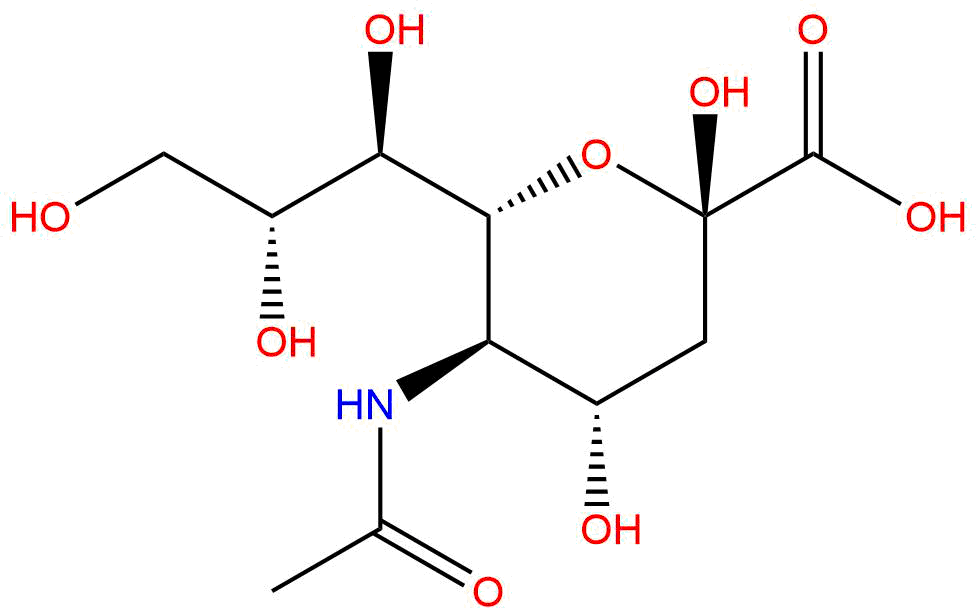


Product name: N-acetylneuraminic acid
Synonym name:
Catalogue No.: BP4175
Cas No.: 131-48-6
Formula: C11H19NO9
Mol Weight: 309.271
Botanical Source:
Physical Description:
Type of Compound: Aliphatics
Purity: 95%~99%
Analysis Method: HPLC-DAD or/and HPLC-ELSD
Identification Method: Mass, NMR
Packing: Brown vial or HDPE plastic bottle
Storage: Store in a well closed container, protected from air and light. Put into refrigerate or freeze for long term storage.
Whenever possible, you should prepare and use solutions on the same day. However, if you need to make up stock solutions in advance, we recommend that you store the solution as aliquots in tightly sealed vials at -20℃. Generally, these will be useable for up to two weeks.
The product could be supplied from milligrams to grams
Inquire for bulk scale.
For Reference Standard and R&D, Not for Human Use Directly.
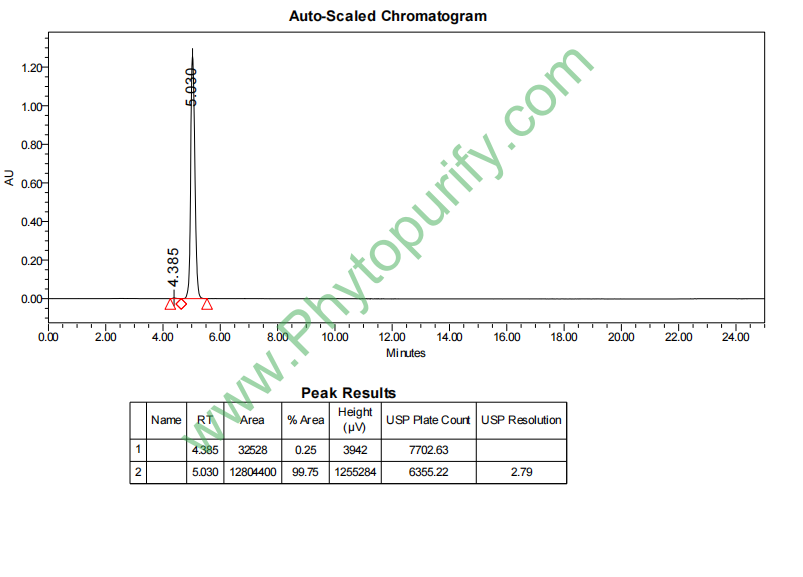
HPLC of N-acetylneuraminic acid
Storage conditions:Short-term storage at 2~8℃, long-term storage at -20 ~ -80℃
176.7800
-2.5836
-4.1496
161.6000
.4379
.2019
Low
26.9793
4.2126
Yes
No
No
No
No
No
0.0
Yes
Yes
Yes
Yes
In the broad picture of life sciences, sugar molecules, especially sialic acid, are gradually transforming from simple energy storage units and structural components to key information molecules that mediate complex biological processes. Salivary acid is a derivative of nine carbon ketogenic acid, widely present at the end of glycoproteins and glycolipids on the surface of vertebrate cells. Among them, N-acetylneuraminic acid (Neu5Ac) is the most widely distributed and abundant sialic acid in nature, and also a precursor for the biosynthesis of many members of the sialic acid family. Due to its initial separation from bird's nest and high concentration enrichment, it is often referred to as "bird's nest acid" in commercial and popular contexts.
The discovery history of Neu5Ac can be traced back to the mid-20th century. In 1936, Gunnar Blix isolated an acidic carbohydrate from bovine mandibular mucin; Almost simultaneously, Ernst Klenk isolated 'neuraminic acid' from brain glycosides. Subsequent research confirmed that the two are the same type of substance and ultimately determined their chemical structure. In the following decades, scientists gradually revealed the core role of Neu5Ac in cell recognition, signal transduction, pathogen infection, immune regulation, and neural development. Especially in the field of immunology, Neu5Ac acts as a "sentinel" at the end of cell surface sugar chains, finely regulating the balance of innate and adaptive immune responses through interactions with various immune receptors such as Siglecs and selectins.
In recent years, with the cross fusion of glycobiology and immunopharmacology, research on Neu5Ac has progressed from basic structural and functional descriptions to its potential application value in disease intervention. Its potential as an immunomodulatory agent is particularly remarkable, involving a wide range of fields from anti-inflammatory, antiviral to anti-tumor immunity. This article aims to systematically review the chemical properties, sources, pharmacological activities, mechanisms of action, and pharmacological prospects of N-acetylneuraminic acid, in order to provide comprehensive academic references for the in-depth research and clinical translation of this natural product.
The chemical essence of N-acetylneuraminic acid is 5-acetylamino-3,5-dideoxy-D-glyceryl-D-galactose-2-oxogluconic acid. Its core skeleton is a nine carbon ketogenic acid with a unique pyranose ring structure. Under physiological pH conditions, the carboxyl group at the C2 position (pKa of approximately 2.6) mainly exists in the form of dissociated carboxylate ions, giving the molecule a negative charge, which is crucial for its participation in electrostatic interactions and ion exchange. The acetylamino group at the C5 position (- NHCOCH ∝) is its characteristic functional group that distinguishes it from other sialic acids such as N-hydroxyacetylneuraminic acid, Neu5Gc.
From a stereochemical perspective, Neu5Ac exists in two different head configurations, alpha and beta. In natural sugar conjugates, sialic acid is almost always linked to galactose (Gal), N-acetylgalactosamine (GalNAc), or other sialic acid residues via alpha glycosidic bonds (α 2-3, α 2-6, or α 2-8). However, free Neu5Ac mainly exists in solution in the form of β - isomer, namely N-acetyl - β - neuraminic acid. This beta configuration is a precursor to the alpha configuration and a substrate recognized and acted upon by many sialyltransferases and sialidase enzymes. As a conjugated acid of N-acetyl - β - neuraminic acid ester, it plays the role of an "epitope" both in vivo and in vitro, serving as the smallest structural unit recognized by the immune system or specific receptors.
In terms of physical and chemical properties, the molecular weight of Neu5Ac is 309.27 g/mol, and the calculated oil-water partition coefficient (LogP) is -2.58, indicating its strong hydrophilicity and almost insolubility in non-polar organic solvents. Its polar surface area (TPSA) is as high as 176.78 Å ², mainly contributed by carboxyl, hydroxyl, and acetylamino groups, further confirming its high water solubility (calculated water solubility of 161.6 mg/mL). These characteristics determine that its oral bioavailability may be limited and it is not easy to penetrate the blood-brain barrier (BBB permeability is low). In addition, drug efficacy evaluation based on computer simulation showed that Neu5Ac has no inhibitory risk on hERG potassium channels (hERG inhibition: no) and is negative in Ames test (Ames test: 0.0), indicating extremely low genetic toxicity risk and providing a good safety basis for subsequent drug development.
Although sialic acid is widely present in the animal kingdom, its levels in the plant kingdom are usually extremely low or even difficult to detect. Therefore, strictly speaking, Neu5Ac is not a typical natural product derived from plants. Its most famous natural enrichment source is the salivary gland secretion of swiftlets (belonging to the swiftlet family) - bird's nest. The sialic acid content in bird's nest is as high as 7% -12% (dry weight), which is the highest among known natural biomaterials. In addition, mammalian milk (especially colostrum), eggs, and certain animal tissues (such as the brain and submandibular gland) are also important sources of Neu5Ac.
Due to the high cost and limited production capacity of extracting Neu5Ac directly from natural raw materials, the current industrial production of Neu5Ac mainly relies on biotechnology methods, including:
1. Enzymatic synthesis Using N-acetylneuraminic acid aldolase (Neu5Ac aldolase), Neu5Ac was efficiently synthesized through reverse aldolase reaction using N-acetyl-D-mannosamine (ManNAc) and pyruvic acid as substrates. This method has the advantages of mild reaction conditions, high stereoselectivity, and few by-products, and is currently the mainstream production process.
2. Microbial fermentation method By genetically engineering microorganisms such as Escherichia coli or Bacillus subtilis to overexpress key enzymes involved in the synthesis of Neu5Ac (such as GlcNAc 2-primerase and Neu5Ac aldolase), and using inexpensive carbon sources (such as glucose and glycerol) as substrates for fermentation production. This method has lower costs and is suitable for large-scale industrial production.
3. Chemical Synthesis Starting from sugar derivatives, Neu5Ac is synthesized through multi-step chemical reactions. This method is cumbersome in steps, low in yield, and involves toxic reagents, mainly used for laboratory research or preparation of isotope labeled compounds.
The classic process for extracting Neu5Ac from natural raw materials includes: extracting the raw materials (such as bird's nest or egg white) with water or dilute acid, removing insoluble impurities through centrifugation and filtration, then separating and purifying them using ion exchange chromatography (such as anion exchange resin), and finally obtaining high-purity products through desalination, concentration, and freeze-drying. Modern technology often combines membrane separation techniques (ultrafiltration, nanofiltration) and activated carbon decolorization to further improve purity and efficiency.
The pharmacological activity research of N-acetylneuraminic acid has expanded from early nutritional observations to molecular pharmacology in multiple disease fields, especially showing significant potential in immune regulation, antiviral, and neuroprotection.
1. Immune regulatory activity
This is the core pharmacological activity of Neu5Ac that has received the most attention. Numerous studies have shown that exogenous supplementation of Neu5Ac can significantly regulate the immune function of the body.
* Enhance humoral immunity In animal models and human clinical trials, Neu5Ac (especially bird's nest extract) has been found to promote splenic lymphocyte proliferation, increase serum immunoglobulin (such as IgG, IgM) levels, and enhance antibody response to vaccines (such as influenza vaccines). The mechanism may be related to the activation of B cells and helper T cells.
* Regulating cellular immunity Neu5Ac has a bidirectional regulatory effect on the differentiation of T cell subsets. On the one hand, it can enhance the activity of cytotoxic T lymphocytes (CTLs) by promoting the secretion of Th1 cytokines (such as IFN - γ), thereby improving antiviral and anti-tumor immunity. On the other hand, it can induce the differentiation of regulatory T cells (Tregs), upregulate the expression of anti-inflammatory factors IL-10 and TGF - β, inhibit excessive inflammatory responses, and demonstrate potential therapeutic value in autoimmune and inflammatory diseases.
* anti-inflammatory activity In the lipopolysaccharide (LPS) - induced macrophage inflammation model, Neu5Ac can significantly inhibit the production of pro-inflammatory factors such as TNF - α, IL-6, IL-1 β, while upregulating the level of anti-inflammatory factor IL-10. This anti-inflammatory effect is closely related to its regulation of the NF - κ B and STAT3 signaling pathways.
2. Antiviral activity
Neu5Ac is the "gateway" for many viruses (such as influenza virus, parainfluenza virus, rotavirus) to invade host cells. The hemagglutinin (HA) protein on the surface of the virus specifically recognizes sialic acid on the host cell surface (mainly Neu5Ac linked to α 2-6 or α 2-3), thereby mediating virus adsorption and membrane fusion. Therefore, exogenous free Neu5Ac or sugar conjugates containing Neu5Ac can serve as "bait receptors" that competitively bind to viral HA, thereby blocking viral infection of host cells. This principle has been successfully applied in the design of anti influenza drugs Zanamivir and Oseltamivir, which act as sialic acid analogues to inhibit the activity of neuraminidase (NA), preventing the release and spread of viruses from infected cells.
3. Neuroprotection and cognitive improvement
As the most abundant sialic acid in the brain, Neu5Ac is an important component of gangliosides, involved in the growth, differentiation, synaptic formation, and plasticity regulation of neurons. Animal experiments have shown that supplementing Neu5Ac during pregnancy and lactation can significantly improve the learning and memory abilities of offspring rats. In the Alzheimer's disease (AD) model, Neu5Ac has been found to reduce the aggregation and neurotoxicity of beta amyloid (A β) protein, and improve cognitive function. The mechanism may involve regulating neurotransmitter release, inhibiting oxidative stress, and neuroinflammation.
4. Antitumor activity
The role of Neu5Ac in tumor immunity is dual. On the one hand, sialic acids overexpressed on the surface of tumor cells (such as Neu5Ac linked to α 2-6) can bind to inhibitory receptors Siglec-7 and Siglec-9 on the surface of immune cells (such as NK cells and macrophages), transmitting the "don't eat me" signal and evading immune surveillance. On the other hand, some studies have also found that specific forms of Neu5Ac derivatives may exert anti-tumor effects by regulating immune cell function in the tumor microenvironment. For example, by inhibiting the M2 polarization of tumor associated macrophages (TAMs), the anti-tumor immune response can be enhanced.
The various pharmacological activities of Neu5Ac are rooted in its precise interactions with specific molecular targets. In the field of immune regulation, its network of action is particularly complex, involving multiple key signaling pathways and transcription factors.
1. Regulation of Pattern Recognition Receptors (PRRs)
* TLR4 (Toll like receptor 4)TLR4 is a key receptor that recognizes pathogen associated molecular patterns (PAMPs) such as LPS and initiates innate immune responses. Research has found that Neu5Ac can directly bind to TLR4/MD2 complexes, and its effect is concentration dependent. At low concentrations, it may act as a weak agonist of TLR4, moderately activating downstream signals; At high concentrations, it may act as an antagonist, competitively inhibiting the binding of LPS to TLR4, thereby suppressing the overactivation of NF - κ B and exerting anti-inflammatory effects. This "biphasic regulation" mode is the key to understanding the precision of its immune regulation.
2. Signal transduction and transcription factors
* NF - κ B (nuclear factor kappa B)NF - κ B is the core transcription factor of inflammatory response. Neu5Ac inhibits the phosphorylation and degradation of I κ B α, preventing the translocation of NF - κ B p65 subunit into the nucleus, thereby downregulating the transcription of various pro-inflammatory genes such as TNF - α, IL-6, iNOS. This is the main molecular basis of its anti-inflammatory activity.
* STAT3 (Signal Transduction and Transcription Activation Factor 3)STAT3 plays a crucial role in regulating Th17 cell differentiation and inflammatory response. Neu5Ac was found to inhibit the phosphorylation of STAT3 (Tyr705 site), thereby blocking its activation. This helps to suppress Th17 mediated autoimmune inflammation. Meanwhile, STAT3 is also involved in IL-10-mediated anti-inflammatory signaling, and Neu5Ac's regulation of STAT3 may affect the feedback regulatory loop of IL-10.
* STAT4 STAT4 is a key molecule in the IL-12 signaling pathway, driving Th1 cell differentiation and IFN - γ production. Neu5Ac may affect Th1/Th2 immune balance by regulating the phosphorylation level of STAT4.
3. Cytokines and immune checkpoints
* IL-2 (interleukin-2)IL-2 is a key factor for T cell proliferation and survival. Neu5Ac has been found to promote T cell production of IL-2, thereby enhancing adaptive immune response.
* IL-10 (interleukin-10)As the main anti-inflammatory cytokine, IL-10 is secreted by various cells such as Treg cells. Neu5Ac can significantly upregulate the expression of IL-10, which is an important mechanism for inducing immune tolerance and inhibiting inflammation.
* TGF - β 1 (transforming growth factor - β 1)TGF - β 1 is a key inducer of Treg cell differentiation. Neu5Ac promotes the differentiation of initial T cells into Foxp3 ⁺ Treg cells by activating TGF - β 1 signaling, thereby establishing an immunosuppressive microenvironment.
* IFN - γAs a representative of Th1 cytokines, IFN - γ is crucial in antiviral and anti-tumor immunity. Neu5Ac can enhance the production of IFN - γ and enhance cellular immune response under specific conditions, such as combined antigen stimulation.
* CTLA-4 (cytotoxic T lymphocyte associated protein 4)CTLA-4 is an immune checkpoint receptor on the surface of T cells that transmits inhibitory signals. The effect of Neu5Ac on CTLA-4 expression is still controversial, but some studies suggest that it may indirectly affect CTLA-4 expression levels by regulating Treg cell function.
* FOXP3 (forkhead box protein P3)FOXP3 is a lineage specific transcription factor for Treg cells. Neu5Ac induces FOXP3 expression through the TGF - β 1/Smad signaling pathway, which is the core mechanism driving Treg cell differentiation.
In summary, Neu5Ac does not act on a single target, but rather finely regulates key nodes such as TLR4, STAT3, NF - κ B through a "multi-target, multi pathway" network regulation mode, thereby affecting the balance of cytokines such as IL-2, IL-10, TGF - β 1, IFN - γ, and ultimately achieving "bidirectional" or "steady-state" regulation of immune response.
From the perspective of drug development, the drug potential of Neu5Ac presents a combination of opportunities and challenges.
Advantages:
* high security As an endogenous substance in the human body, it has low immunogenicity, negative Ames test, no risk of hERG inhibition, and extremely low risks of genetic and cardiac toxicity.
* Clear targets and mechanisms The interaction mechanism between it and immune receptors such as TLR4 and Siglecs has been extensively studied, providing a foundation for structure based drug design.
* Pleiotropy Combining multiple activities such as immune regulation, antiviral, and neuroprotection, it has the potential to be developed into a multifunctional drug.
Challenge aspect:
* Low oral bioavailability The extremely low LogP value (-2.58) and high water solubility make it difficult for it to cross the intestinal epithelial cell membrane through passive diffusion. After oral administration, most Neu5Ac may be metabolized by microorganisms in the intestine or directly excreted from the body. Therefore, oral administration requires high doses or the use of special delivery systems (such as nanocarriers, prodrug designs) to enhance absorption.
* Short half-life of plasma Free Neu5Ac is rapidly cleared by the liver and kidneys in the bloodstream, and its half-life is usually short. This limits its effective exposure time in the body.
* Poor blood-brain barrier penetration Low BBB permeability means that orally or intravenously injected Neu5Ac is difficult to effectively enter the central nervous system, limiting its application in neurodegenerative diseases. Developing derivatives that can cross the BBB or utilizing intranasal administration is a potential solution.
* Metabolic instability Neu5Ac can be hydrolyzed by neuraminidase in the body, especially at sites of inflammation or infection, where sialidase activity increases and may lead to rapid drug inactivation.
Pharmacokinetic characteristics:
* absorb Poor oral absorption, with a bioavailability typically below 5%. After intravenous injection, the distribution is rapid, mainly in the extracellular fluid.
* distribution Low binding rate with plasma proteins. Due to the inability to cross the BBB, the concentration in the central nervous system is extremely low.
* Metabolism Mainly metabolized in the liver through pathways such as deacetylation, oxidation, and binding with glucuronic acid. Part of Neu5Ac can be reused to participate in the synthesis of glycoproteins and glycolipids.
* excretion Mainly excreted through the kidneys in its original form or as a metabolite.
Drug improvement strategy:
1. Prodrug design Esterification or etherification modification of carboxyl or hydroxyl groups in Neu5Ac to enhance lipid solubility and promote oral absorption. For example, oseltamivir (Tamiflu) is an ethyl ester prodrug of sialic acid analogues.
2. Nano delivery system Encapsulating Neu5Ac in liposomes, polymer nanoparticles, or mesoporous silica nanoparticles can improve its stability, prolong circulation time, and achieve targeted delivery.
3. Structural modification Develop Neu5Ac derivatives with higher receptor affinity or metabolic stability. For example, introducing hydrophobic groups at the C2 position or modifying the C9 position to enhance the binding ability with viral NA or Siglec receptors.
4. combination therapy Combined with absorption enhancers (such as bile salts) or P-glycoprotein inhibitors to improve oral bioavailability.
Based on its unique pharmacological activity and relatively clear safety, N-acetylneuraminic acid has shown broad application prospects in multiple clinical fields.
1. Immune regulation and anti-inflammatory treatment
* Autoimmune diseases Such as rheumatoid arthritis, inflammatory bowel disease, multiple sclerosis, etc. By inducing Treg cell differentiation, inhibiting Th17 cells and NF - κ B pathway, Neu5Ac or its derivatives are expected to be developed as novel immunosuppressants for controlling autoimmune inflammation.
* allergic diseases By regulating Th1/Th2 balance and inhibiting IgE production, Neu5Ac may have therapeutic potential for diseases such as allergic rhinitis and asthma.
* Transplant Immunology Its ability to induce immune tolerance makes it valuable for anti rejection therapy after organ transplantation.
2. Research and development of antiviral drugs
* Broad spectrum antiviral therapy Given that many viruses use sialic acid as a receptor, Neu5Ac and its analogues can serve as broad-spectrum virus entry inhibitors. Especially for influenza virus, parainfluenza virus, human partial lung virus, certain coronaviruses, etc.
* Anti drug resistant virus Developing Neu5Ac derivatives with different mechanisms of action from existing neuraminidase inhibitors such as oseltamivir is expected to overcome the problem of drug resistance in influenza viruses.
3. Neurodegenerative diseases
* Alzheimer disease By inhibiting A β aggregation, reducing neuroinflammation, and improving synaptic plasticity, Neu5Ac or its derivatives that can cross the BBB may become a disease modifying therapy for AD.
* Parkinson's disease Its antioxidant and anti-inflammatory properties may be beneficial for the protection of dopaminergic neurons.
4. Tumor immunotherapy
* Immune checkpoint regulation By blocking the interaction between sialic acid on the surface of tumor cells and Siglec receptors on immune cells, the development of "sialic acid immune checkpoint" inhibitors is expected to become a new generation of anti-tumor immunotherapy. For example, designing high affinity Neu5Ac analogs or antibodies to block Siglec-7/9-mediated immunosuppressive signals.
* combination therapy Combining Neu5Ac with PD-1/PD-L1 inhibitors or CAR-T cell therapy may enhance anti-tumor immune response by reshaping the tumor microenvironment.
5. Nutrition and Health Care
* baby food Neu5Ac in breast milk is crucial for the brain development and immune system maturation of infants and young children. Adding Neu5Ac to formula milk has become an industry trend.
* Elderly Health Care Supplementing with Neu5Ac may help maintain immune function, prevent infections, and cognitive decline in older adults.
Future research directions:
* Structure Activity Relationship (SAR) Study Systematically investigate the effects of different site modifications of Neu5Ac on its binding activity with targets such as TLR4, Siglecs, viral proteins, etc., to guide the design of efficient and highly selective derivatives.
* Delivery system optimization Develop a nano delivery system that can efficiently cross the intestinal barrier and blood-brain barrier, and solve its pharmacokinetic bottleneck.
* Clinical translational research Conduct rigorously designed randomized controlled clinical trials to validate the efficacy and safety of Neu5Ac in specific diseases such as influenza, rheumatoid arthritis, and AD.
* Glycomics and Precision Medicine Combining glycomics technology, analyze the spectral changes of sialic acid modification in patients with different disease states, and provide a basis for the personalized application of Neu5Ac.
N-acetylneuraminic acid (bird's nest acid), as an ancient and sophisticated sugar molecule in nature, has biological functions far beyond simple structural components. From a chemical structure perspective, it is a highly hydrophilic and negatively charged nonadecanoic acid; From a pharmacological perspective, it is a multifunctional immune modulator, virus invasion inhibitor, and neuroprotective factor. The core of its mechanism of action lies in the precise interaction with key signaling nodes such as TLR4, STAT3, NF - κ B, and cytokine networks to achieve steady-state regulation of immune response.
Despite facing challenges such as low oral bioavailability and metabolic instability in drug development, its extremely high safety, clear targets, and pleiotropy make it an attractive lead compound for drugs. These obstacles are gradually being overcome through modern medicinal chemistry methods such as prodrug design, nano delivery, and structural modification. Looking ahead, with the deep integration of glycobiology and immunology, as well as the popularization of precision medicine concepts, Neu5Ac and its derivatives are expected to make breakthroughs in multiple therapeutic fields such as anti-inflammatory, antiviral, anti-tumor, and neuroprotection, transforming from a traditional "nourishing delicacy" to a "precision weapon" in modern medicine. In depth research on it will not only enrich our understanding of the transmission of life information, but also bring new benefits to human health.
