Introduction/Overview
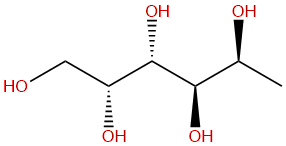
L-Fucitol, also known as 1-deoxy-D-galactol, is a naturally occurring sugar alcohol compound that was first isolated from Nutmeg. As a polyol with unique structural characteristics, fucoidan has gradually gained attention in the field of natural product pharmacology. In recent years, with the deepening of prebiotic research, fucoidan has become a research hotspot due to its potential ability to regulate intestinal microbiota and immune function. Its targets include various intestinal barrier related proteins and immune regulatory molecules, such as TLR4, TLR2, MUC2, IL22, OPLN, ZO1, GPR43, GPR41, CLDN1, and probiotic Bifidobacterium (BIFIDO), demonstrating its important potential in maintaining intestinal health and preventing related diseases.
This article aims to systematically review the chemical structure and physicochemical properties, plant sources, and extraction methods of fucoidan, deeply explore its pharmacological activity and mechanism of action, evaluate its pharmacological properties and pharmacokinetic characteristics, and prospect its clinical application prospects, providing theoretical basis and practical guidance for natural product pharmacology research and the development of new prebiotics.
Chemical structure and physicochemical properties
Fucosanol (CAS number: 13074-06-1) has a molecular formula of C6H14O5 and a molecular weight of 166.1730 g/mol, and belongs to the class of sugar alcohol compounds. Its structural feature is 1-deoxy-D-galactose alcohol, in which the hydroxyl group at position 1 of the lactose molecule is replaced by a hydrogen atom to form an alcohol structure, retaining multiple hydroxyl groups and endowing it with high hydrophilicity. Its LogP value is -1.7634, showing strong hydrophilicity and low fat solubility, with a water solubility of up to 429.5816 mg/mL, indicating that fucoidan is highly soluble in water, which is beneficial for intestinal absorption and bioavailability.
The polar surface area (TPSA) is 101.15 Å ², reflecting its high molecular polarity, which is usually related to the ability of the molecule to pass through the cell membrane. Fucosanol has low blood-brain barrier penetration, indicating that it mainly acts on peripheral tissues, especially the intestinal environment. The negative result of hERG channel inhibition experiment indicates a low risk of cardiac toxicity. The Ames mutagenicity test result was 0.0, indicating that fucoidan has no significant genotoxicity and high safety.
In summary, the physicochemical properties of fucoidan are suitable for its development as a prebiotic and intestinal function regulator, with good water solubility, biocompatibility, and safety.
Plant sources and extraction methods
Fucosanol was initially isolated from Myristica fragrans. Nutmeg is a tropical spice plant whose seeds contain abundant volatile oils and various natural compounds. Fucosanol, as a non-volatile sugar alcohol component, exists in the lipid soluble and water-soluble extracts of nutmeg.
Traditional extraction methods typically involve water extraction or alcohol extraction combined with centrifugation, filtration, concentration, and other steps, followed by purification through column chromatography (such as silica gel column, ion exchange column) or high performance liquid chromatography (HPLC). In recent years, the application of ultrasound assisted extraction and microwave-assisted extraction technologies has improved the extraction efficiency and purity of fucoidan.
The specific extraction process example is as follows: after crushing nutmeg, extract it with water or 70% ethanol, filter and concentrate the extract, separate it using a silica gel column, collect the components containing fucoidan, purify it by reverse phase HPLC, and finally obtain high-purity fucoidan. Purity testing often uses mass spectrometry (MS) and nuclear magnetic resonance (NMR) techniques to confirm the structure.
In addition, with the development of biosynthetic technology, research on the synthesis of fucoidan by microbial fermentation has gradually emerged, providing a new approach for large-scale production.
Pharmacological activity research
The pharmacological activity of fucoidan is mainly reflected in its prebiotic function and regulatory effects on the intestinal barrier and immune system. Multiple in vitro and in vivo experiments have shown that fucoidan can promote the growth of beneficial bacteria such as Bifidobacterium, improve intestinal microbiota balance, enhance intestinal barrier function, and alleviate inflammatory reactions.
-
Probiotic effect
Fucosanol, as a non digestible sugar alcohol, can resist degradation by digestive enzymes in the gastrointestinal tract. After entering the colon, it is fermented and utilized by probiotics, promoting the proliferation of beneficial bacteria. Research has shown that fucoidan significantly increases the number of bifidobacteria, enhances gut microbiota diversity, inhibits pathogen growth, and improves gut microbiota imbalance.
-
Intestinal barrier protection
Fucosanol enhances tight junctions between intestinal epithelial cells, reduces intestinal permeability, prevents the infiltration of harmful substances and inflammatory mediators, and maintains intestinal barrier integrity by regulating the expression of tight junction proteins such as Occludin (OCLN), Zonula Occludens-1 (ZO1), and Claudin-1 (CLDN1).
-
immunomodulation
Fucosanol can activate intestinal related immune cells, promote the secretion of anti-inflammatory cytokines such as IL-22, and regulate immune balance. It regulates innate immune responses and enhances the body's defense against pathogenic microorganisms through Toll like receptor TLR2 and TLR4 signaling pathways.
-
Activation of short chain fatty acid receptors
Short chain fatty acids (SCFAs) produced by fucoidan fermentation can activate G protein coupled receptors GPR41 and GPR43, regulate intestinal immune and metabolic functions, and promote intestinal health.
-
Anti inflammatory and antioxidant effects
Some studies have shown that fucoidan has certain anti-inflammatory and antioxidant activities, which can alleviate intestinal inflammation and alleviate symptoms of inflammatory bowel disease (IBD) and other diseases.
In summary, the pharmacological activities of fucoidan include multiple effects such as probiotic promotion, intestinal barrier protection, immune regulation, and anti-inflammatory, providing a theoretical basis for its use as a promoter of intestinal health and an adjuvant therapy for related diseases.
Mechanism of action and molecular targets
The mechanism of action of fucoidan is complex and multifaceted, mainly achieved through the following molecular targets and signaling pathways:
-
TLR4 and TLR2
Toll like receptors 4 (TLR4) and 2 (TLR2) are important components of the intestinal innate immune system that recognize microbial associated molecular patterns (MAMPs). Fucosanol regulates immune cell activity, promotes the expression of anti-inflammatory factors, inhibits excessive inflammatory reactions, and maintains immune homeostasis by modulating the TLR4 and TLR2 signaling pathways.
-
MUC2
MUC2 encodes the main component of the intestinal mucus layer, mucin, which forms the first line of defense in the intestine. Fucosanol can promote the expression and secretion of MUC2, enhance mucus layer thickness, prevent pathogen adhesion and invasion, and protect intestinal epithelial cells.
-
IL-22
IL-22 is an important regulatory factor for intestinal epithelial cell repair and barrier function. Fucosanol promotes the production of IL-22, promotes epithelial cell proliferation and repair, and enhances the repair ability of the intestinal barrier.
-
Tight junction proteins (OCLN, ZO1, CLDN1)
Occludin (OCLN), Zonula Occludens-1 (ZO1), and Claudin-1 (CLDN1) are key proteins that maintain the tight junction structure of intestinal epithelium. Fucosanol upregulates the expression of these proteins, enhances intercellular connections, reduces intestinal permeability, and prevents the infiltration of inflammatory factors and toxins.
-
GPR43 and GPR41
GPR43 and GPR41 are receptors for short chain fatty acids (SCFAs), involved in regulating intestinal immunity and metabolism. Fucosanol promotes the generation of SCFAs, activates these two receptors, regulates inflammatory response and energy metabolism, and promotes intestinal health.
-
Probiotic Bifidobacterium (BIFIDO)
Fucosanol, as a prebiotic, promotes the growth of bifidobacteria. Bifidobacteria further enhance intestinal barrier function and immune defense by producing beneficial metabolites and regulating host immunity.
Overall, fucoidan regulates intestinal microbiota, enhances barrier function, and immune regulation through multi-target and multi pathway synergistic effects, exerting its prebiotic and intestinal protective effects.
Evaluation of drug properties and pharmacokinetics
Fucosanol exhibits good safety and suitable pharmacokinetic characteristics in drug formation:
-
Physical and chemical properties and bioavailability
Fucosanol has a moderate molecular weight, high polarity, and excellent water solubility, which is beneficial for the preparation of oral preparations and intestinal absorption. Its LogP value is low, indicating that it is difficult to pass through the blood-brain barrier and reduces the risk of central nervous system side effects.
-
safety
The hERG channel inhibition test was negative, indicating a low risk of cardiac toxicity; The Ames test showed no mutagenicity, indicating a low risk of genetic toxicity. Animal toxicology studies have shown that fucoidan has good tolerance and no significant acute or chronic toxicity.
-
pharmacokinetics
Fucosanol, as a sugar alcohol compound, is mainly fermented and utilized by probiotics in the intestine after oral administration, with limited systemic absorption and mainly acts on the local intestinal environment. Its low blood-brain barrier permeability reduces the risk of central toxicity. Fucosanol is metabolically stable in the body and is mainly excreted through feces and urine.
-
Potential for formulation development
Due to its high water solubility and good safety, fucoidan is suitable for development as an oral prebiotic preparation, such as powder, capsule, and functional food additive. It has good stability and is conducive to industrial production and long-term storage.
Overall, fucoidan has good medicinal properties and is particularly suitable for developing prebiotic drugs or health products targeting intestinal diseases.
Clinical application prospects and prospects
With the continuous revelation of the relationship between gut health and systemic diseases, prebiotics, as an important means of regulating gut microbiota and immune function, have received widespread attention. Fucosanol, with its unique structure and multi-target regulatory effects, has shown broad prospects in clinical applications:
-
Adjuvant treatment for intestinal diseases
Patients with inflammatory bowel disease (IBD), irritable bowel syndrome (IBS), and intestinal infections often have dysbiosis of the gut microbiota and impaired barrier function. Fucosanol is expected to be used as an adjuvant therapy to alleviate symptoms and promote intestinal repair by promoting probiotic growth, enhancing barrier protein expression, and regulating immune response.
-
Prevention of metabolic diseases
The imbalance of intestinal flora is closely related to metabolic diseases such as obesity and diabetes. Fucosanol has the potential to be used for the prevention and management of metabolic diseases by regulating GPR41/GPR43 receptors, affecting energy metabolism and inflammatory status.
-
Immune regulation and anti-inflammatory effects
Fucosanol regulates the TLR signaling pathway and cytokine expression, which contributes to immune balance and may play an auxiliary role in autoimmune and allergic diseases.
-
Functional foods and nutritional supplements
As a safe and functional prebiotic, fucoidan is suitable for development as a functional food and nutritional supplement to meet the needs of healthy individuals for intestinal health.
In the future, by combining modern molecular biology and microecology techniques, we will deeply analyze the mechanism of action and clinical efficacy of fucoidan, optimize dosage forms and administration plans, and promote its clinical translation and industrial application.
Conclusion
Fucosanol, as a natural source of sugar alcohol prebiotics, exhibits significant pharmacological activity in regulating intestinal microbiota, enhancing intestinal barrier function, and immune regulation due to its unique chemical structure and excellent physicochemical properties. Its mechanism of action involves multiple molecular targets and signaling pathways, reflecting the advantages of multi-target synergistic regulation. The evaluation of drug properties shows that fucoidan has high safety, suitable pharmacokinetics, and good development potential.
With the deepening of research on intestinal health and the rapid development of the prebiotic market, fucoidan is expected to become an important ingredient in the adjuvant treatment of intestinal diseases and the development of functional foods. In the future, it is necessary to strengthen its clinical research and mechanism analysis, promote its transition from laboratory to clinical application, and benefit the vast number of patients and healthy populations.