Introduction/Overview
Natural products, as an important source of drug discovery, play an irreplaceable role in the long history of human fight against diseases. Flavonoids, as the most widely distributed class of secondary metabolites in nature, have attracted much attention due to their structural diversity and extensive biological activity. Among numerous flavonoids, Pinocembrin, also known as 5,7-dihydroxyflavanone, stands out for its unique pharmacological spectrum and potential therapeutic value. Pine extract is widely present in propolis, various medicinal plants, and some fruits. It is one of the most abundant flavonoids in propolis and is therefore also known as "propolis flavonoids".
Pine element was originally derived from the pine genus in the early 20th century(Pinus)The isolation and identification of plants give rise to their name. However, the rise of its research trend stems from the in-depth exploration of the pharmacological activity of propolis. As a traditional natural medicine, propolis is used in folk medicine to treat various diseases such as inflammation, infection, and wound healing, and pine nut is considered one of the core active ingredients that exert many biological effects. In recent years, with the rapid development of modern pharmacology and molecular biology techniques, research on pine extract has progressed from the initial observation of crude extract activity to the molecular, cellular, and even genetic levels. A large number of studies have confirmed that pine extract has various pharmacological activities such as antioxidant, anti-inflammatory, neuroprotective, anti-tumor, antibacterial, and anti apoptotic, showing great potential as a candidate drug for the treatment of complex diseases such as cardiovascular and cerebrovascular diseases, neurodegenerative diseases, metabolic diseases, and cancer.
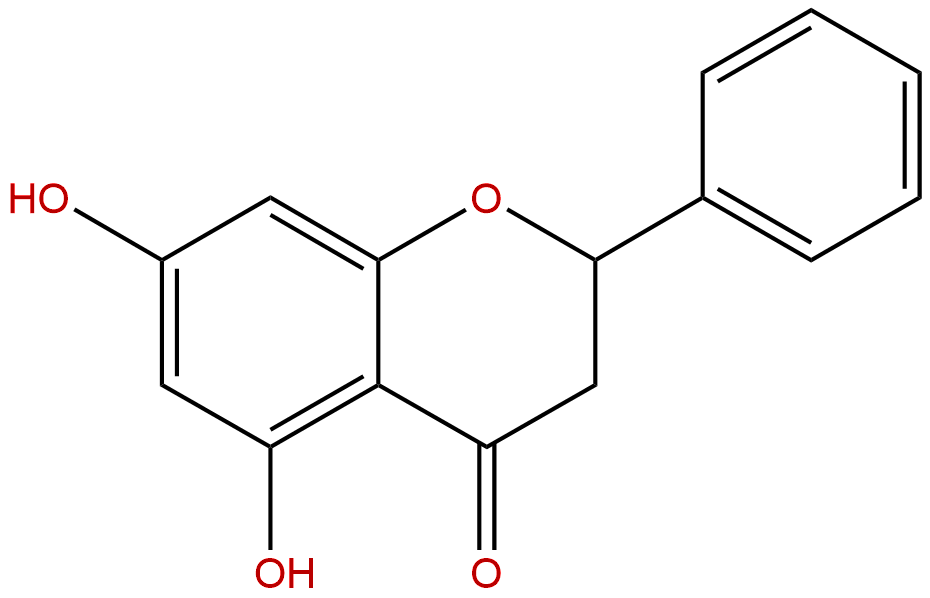
It is worth noting that there is a chiral center (C-2 position) in the pine nut molecule, therefore it has a pair of enantiomers: (2S) - pine nut and (2R) - pine nut. The natural source of pine resin is mainly in the (2S) - configuration, while the chemically synthesized product is usually a racemic mixture of (±) - pine resin. Although the (2S) - configuration is considered the main active form, (±) - pine has also shown significant activity in numerous pharmacological studies, and its preparation is more economical and convenient. This review will focus on (±) - pine element (CAS number: 68745-38-0), systematically elaborating on its chemical structure, physicochemical properties, plant origin, extraction process, pharmacological activity, mechanism of action, medicinal characteristics, and clinical application prospects. The aim is to provide comprehensive and professional references for the in-depth research and translational application of this highly valuable natural product.
Chemical structure and physicochemical properties
(±) - Pine belongs to the class of flavanone compounds, and its core skeleton is dihydroflavone, which is a pyranone structure with a saturated C-ring. Its chemical name is (±) -5,7-dihydroxy-2-phenyl-2,3-dihydro-4H-1-benzopyran-4-one, and its molecular formula is C ₁₅ H ₁₂ O ₄. Its structural features include one phenolic hydroxyl group at each of the 5th and 7th positions of the A ring, an unsubstituted benzene ring at the B ring, a 2-position connection to the B ring at the C ring, and a chiral center at the 2-position carbon. Due to its racemic form, (±) - pine is a mixture of equal amounts of (2S) - and (2R) - enantiomers.
In terms of physical and chemical properties, (±) - pine pigment is a crystalline powder with a pale yellow to off white color. Its molecular weight is 256.2570 g/mol, which belongs to small molecule compounds and is conducive to transmembrane transport. Its lipid water partition coefficient LogP is 2.7778, indicating that it has moderate lipophilicity, which allows it to be soluble in organic solvents such as ethanol, dimethyl sulfoxide, ethyl acetate, etc., while also having a certain degree of water solubility. Its topological polar surface area (TPSA) is 66.7600 Å ², which is lower than the commonly believed passive diffusion absorption threshold (140 Å ²), indicating its good oral absorption potential. However, its water solubility (0.1856 mg/mL) is relatively low, which may limit its bioavailability to some extent and be a concern in formulation development. In addition, the presence of two phenolic hydroxyl groups in its molecule gives it a certain acidity and provides a chemical basis for chelating metal ions and scavenging free radicals.
Plant sources and extraction methods
(±) - Pine element is widely distributed in nature, mainly found in propolis and various plants. Propolis is a mixture of resin collected by bees from plant buds or trunks, mixed with secretions from their maxillary glands and processed with beeswax. It is the most abundant and famous source of pine resin. There are significant differences in the content of pine element in propolis from different geographical sources, and the content is usually higher in propolis (mainly poplar type propolis) from temperate regions (such as China, Europe, and parts of Brazil). In addition, pine extract is also present in various medicinal plants, such as the pine genus(Pinus The heartwood, bark, and needles of plants; Sedum genus(Cyperus)Plants like fragrant appendages(Cyperus rotundus)The root and stem; Ginger plants such as sorghum(Alpinia officinarum)The root and stem; And in certain ferns and fruits such as cherries and plums.
Given that the content of pine extract in propolis and plant materials is usually low and often coexists with other flavonoids, its extraction and purification process is crucial. The traditional extraction methods mainly include solvent extraction, with commonly used solvents being ethanol, methanol, or ethyl acetate. For example, soaking or percolating propolis or plant powder in 70% -95% ethanol at room temperature or heating conditions, concentrating the extract, and then using organic solvents of different polarities for liquid-liquid extraction can preliminarily enrich pine pigments. In order to obtain high-purity monomers, it is usually necessary to combine modern chromatographic separation techniques. Column chromatography is the most commonly used method. The stationary phase is mostly silica gel, polyamide or dextran gel (such as Sephadex LH-20), which is eluted gradient by chloroform methanol, petroleum ether ethyl acetate and other mixed solvents in different proportions. High performance separation techniques such as high-performance liquid chromatography (HPLC) and high-speed countercurrent chromatography (HSCCC) have also been widely used for the high-purity preparation of pine nuts. In recent years, some green extraction techniques such as ultrasound assisted extraction, microwave-assisted extraction, and supercritical fluid extraction have gradually been applied in the extraction research of pine pigments due to their advantages of high extraction efficiency, short time, and low solvent consumption, showing good prospects for application.
Pharmacological activity research
The pharmacological activity spectrum of (±) - pine element is very broad, covering multiple aspects such as antioxidant, anti-inflammatory, neuroprotective, cardiovascular protection, anti-tumor, antibacterial, etc. Among them, antioxidant activity is considered the core basis of its many biological effects.
1. Antioxidant activity
Pine extract is a highly effective natural antioxidant. The 5,7-dihydroxy group in its molecular structure is a key functional group for scavenging free radicals. Numerous in vitro experiments have shown that pine extract can effectively scavenge various free radicals, including 1,1-diphenyl-2-trinitrophenylhydrazine (DPPH) free radical, 2,2 '- diazobis (3-ethylbenzothiazole-6-sulfonic acid) (ABTS) cationic free radical, superoxide anion free radical, and hydroxyl free radical. Its antioxidant capacity is even better than some classic antioxidants such as vitamin C and vitamin E. In cell models, pine nut can significantly reduce the increase in intracellular reactive oxygen species (ROS) levels caused by oxidative stress inducers such as hydrogen peroxide (H ₂ O ₂) and 6-hydroxydopamine (6-OHDA), protecting cells from oxidative damage. Its antioxidant mechanism is not limited to directly clearing free radicals, but also includes activating the body's antioxidant defense system, such as inducing nuclear translocation of nuclear factor E2 related factor 2 (Nrf2), thereby upregulating the expression of a series of antioxidant enzymes, such as superoxide dismutase (SOD), catalase (CAT), glutathione peroxidase (GPx), and heme oxygenase-1 (HO-1).
2. Anti inflammatory activity
Inflammation is the common pathological basis of various diseases. Matsumoto has shown significant anti-inflammatory effects in various acute and chronic inflammation models. In a macrophage model stimulated by lipopolysaccharides (LPS), puerarin can effectively inhibit the production of pro-inflammatory cytokines such as tumor necrosis factor - α (TNF - α), interleukin-1 β (IL-1 β), and interleukin-6 (IL-6), and reduce the release of inflammatory mediators such as nitric oxide (NO) and prostaglandin E2 (PGE2). Its anti-inflammatory mechanism is mainly related to the inhibition of key inflammatory signaling pathways such as nuclear factor kappa B (NF - κ B) and mitogen activated protein kinase (MAPK) activation. In addition, pine extract can also exert synergistic effects of antioxidant and anti-inflammatory by regulating the Nrf2/HO-1 pathway.
3. Neuroprotective activity
Matsumoto has shown strong protective potential in neurodegenerative diseases (such as Alzheimer's disease, Parkinson's disease) and neurological disorders such as cerebral ischemia-reperfusion injury due to its significant antioxidant and anti-inflammatory activities. Research has shown that pine extract can cross the blood-brain barrier (although with low permeability) and exert a direct protective effect in the brain. In the cerebral ischemia model, puerarin can significantly reduce the volume of cerebral infarction, alleviate brain edema, and improve neurological deficits. Its mechanism involves inhibiting oxidative stress, reducing inflammatory response, inhibiting neuronal apoptosis, protecting mitochondrial function, and promoting neurogenesis. In Alzheimer's disease models, puerarin can reduce the aggregation and toxicity of beta amyloid (A β) protein, inhibit the excessive phosphorylation of tau protein, and improve learning and memory abilities.
4. Cardiovascular protective activity
Pine nuts have multiple protective effects on the cardiovascular system. It can dilate blood vessels and lower blood pressure, and its mechanism may be related to the activation of nitric oxide synthase (eNOS) and the promotion of nitric oxide (NO) production. In addition, pine extract can also inhibit myocardial ischemia-reperfusion injury, protect myocardial cells, and reduce the size of myocardial infarction. It can also inhibit platelet aggregation and has the potential to prevent thrombosis. In atherosclerotic models, matarin reduces the formation of foam cells by inhibiting the inflammatory reaction and oxidative stress of vascular endothelial cells, thus delaying the process of atherosclerosis.
5. Other activities
In addition to the main activities mentioned above, pine nut also exhibits anti-tumor activity, which can inhibit the proliferation of various cancer cells by inducing cell cycle arrest and apoptosis; Has broad-spectrum antibacterial activity and has inhibitory effects on common pathogenic bacteria such as Staphylococcus aureus and Escherichia coli; In addition, it also has various pharmacological effects such as anti allergy, liver protection, and anti fibrosis.
Mechanism of action and molecular targets
The pharmacological activity of (±) - pine nut is the result of its interaction with multiple molecular targets. Its mechanism of action is complex, with the core being the regulation of oxidative stress and inflammatory response, involving multiple key signaling pathways.
1. Direct targeting and regulation
- Nrf2/ARE pathway This is the core mechanism by which pine nuts exert antioxidant effects. Pine element can promote the dissociation of transcription factor Nrf2 and cytoplasmic chaperone protein Keap1, causing it to translocate into the nucleus and bind to antioxidant response elements (ARE), initiating the transcription of a series of downstream antioxidant enzyme genes (such as SOD1, SOD2, CAT, GPX1, HMOX1, etc.). By upregulating these endogenous antioxidant enzymes, puerarin significantly enhances the cell's ability to resist oxidative stress. In the target list you provided, NFE2L2 (i.e. Nrf2), SOD1, SOD2, CAT, GPX1, and HMOX1 are all closely related to this pathway.
- NF - κ B pathway Matsumoto can inhibit the activity of I κ B kinase (IKK), prevent the phosphorylation and degradation of I κ B α, and thus inhibit the nuclear translocation and transcriptional activity of NF - κ B. This leads to downregulation of downstream pro-inflammatory factors (such as TNF - α, IL-1 β, IL-6) and inflammatory mediators (such as iNOS, COX-2), which is the key molecular basis for its anti-inflammatory effect.
- MAPK pathway Pine element can regulate the phosphorylation levels of MAPK subtypes such as p38 MAPK, JNK, and ERK1/2. Under different cell and stimulus conditions, its regulatory effect may vary, but the overall trend is to inhibit excessive activation caused by stress or inflammatory signals, thereby reducing cell damage.
- Apoptosis related proteins Matsumoto inhibits mitochondrial mediated endogenous apoptosis pathway and exerts cellular protective effects by regulating Bcl-2 family proteins (upregulating anti apoptotic protein Bcl-2 and downregulating pro apoptotic protein Bax) and inhibiting caspase-3 activation.
- Matrix metalloproteinases (MMPs)The target list you provided includes MMP1 and MMP3. Matsumoto can inhibit the expression and activity of MMPs. MMPs play a crucial role in extracellular matrix remodeling, inflammation, and tumor metastasis. Pine nuts help maintain tissue homeostasis, inhibit tumor invasion and metastasis, and alleviate inflammation related tissue damage by inhibiting MMPs.
- Tyrosinase (TYR)TYR is a key enzyme in melanin synthesis. The inhibitory effect of pine extract on TYR is the basis for its whitening and anti melanoma potential.
2. Indirect regulation and network effects
The action of pine element is not isolated to a single target, but forms a complex regulatory network through the above-mentioned core pathways. For example, activating the Nrf2 pathway not only enhances antioxidant defense, but also reduces inflammation by inhibiting the NF - κ B pathway, forming a synergistic effect of antioxidant anti-inflammatory. Meanwhile, regulation of the MAPK pathway also affects the activity of Nrf2 and NF - κ B. This multi-target and multi pathway mode of action enables pine nuts to have comprehensive therapeutic effects on complex diseases such as neurodegenerative diseases and cardiovascular and cerebrovascular diseases.
Evaluation of drug properties and pharmacokinetics
The conversion of natural products into clinical drugs requires strict evaluation of their pharmacological properties. Based on the parameters you provided, we have analyzed the pharmacological properties of (±) - pine extract.
1. Analysis of drug properties
(±) - Pine element fully conforms to the classical "Lipinski Five Rules" (molecular weight<500, LogP<5, hydrogen bond donor number<5, hydrogen bond acceptor number<10), indicating its good oral drug potential. Its TPSA is 66.76 Å ², much lower than 140 Å ², indicating good intestinal absorption and membrane permeability. However, its water solubility (0.1856 mg/mL) is poor, making it a low solubility drug, which may be one of the main reasons for its low oral bioavailability. The LogP value of 2.78 indicates that its lipophilicity is moderate, which is conducive to passing through biofilms, but excessive lipophilicity may also lead to fast metabolism and high clearance rate.
2. Safety evaluation
The data you provided shows that hERG inhibition prediction is' no ', and the Ames test result is 0.0. HERG channel inhibition is the main cause of drug cardiac toxicity (QT interval prolongation), and negative results greatly reduce its risk of cardiac toxicity. The Ames test is a standard method for detecting the mutagenicity of compounds, and a result of 0.0 indicates that it did not exhibit mutagenicity in the bacterial recovery mutation test, suggesting a low risk of genetic toxicity. These preliminary safety data are encouraging, but a comprehensive safety evaluation still requires in vivo acute and chronic toxicity, reproductive toxicity, carcinogenicity, and other tests.
3. Pharmacokinetic characteristics
- absorb As mentioned earlier, oral absorption of pine extract may be better, but its absolute bioavailability may not be high due to its water solubility. Research has shown that its oral bioavailability in rats is approximately 20% -30%. Improving its solubility and dissolution rate through formulation methods such as solid dispersions, liposomes, cyclodextrin inclusion complexes, etc., is an effective strategy to enhance its oral absorption.
- distribution Pine element is widely distributed in the body and can be found in multiple tissues such as the heart, liver, spleen, lungs, kidneys, and brain. The parameters you provided indicate that its blood-brain barrier (BBB) permeability is "low". Although it can pass through BBB, its efficiency is relatively low. This is both a challenge and an opportunity for treating central nervous system diseases: low permeability may reduce side effects on the central nervous system, but in order to achieve effective brain concentrations, prodrug or nano delivery systems may need to be designed.
- Metabolism Matsumoto mainly undergoes phase II metabolic reactions in the body, including glucuronidation and sulfation, to generate corresponding complexes. These complexes usually have reduced or disappeared activity and are easily excreted from urine and bile. CYP450 enzyme mediated phase I metabolism (such as hydroxylation) has also been reported, but it is not the main pathway.
- excretion Pine element and its metabolites are mainly excreted from the body through urine and feces. Its half-life is relatively short and may require multiple doses per day to maintain effective blood drug concentration.
Clinical application prospects and prospects
Based on the extensive pharmacological activity and preliminary good safety characteristics of (±) - pine nut, its clinical application prospects are broad in multiple disease fields.
1. Neurodegenerative diseases
Given its powerful neuroprotective, antioxidant, and anti-inflammatory effects, pine nut is considered a potential candidate drug for treating Alzheimer's and Parkinson's diseases. It can enhance antioxidant defense in the brain through the Nrf2 pathway, inhibit A β aggregation and tau protein phosphorylation, and alleviate neuroinflammation. The future research focus will be on how to improve its BBB permeability, such as developing brain targeted nano drug delivery systems to achieve effective therapeutic concentrations in the brain.
2. Cardiovascular and cerebrovascular diseases
The protective effect of pine extract in cerebral ischemia and myocardial ischemia-reperfusion injury makes it promising to be developed as an adjuvant drug for the treatment of ischemic stroke, coronary heart disease, and myocardial infarction. Its multi-target effects (vasodilation, anti-inflammatory, antioxidant, anti apoptotic) can comprehensively intervene in the pathological process of ischemia-reperfusion injury.
3. Metabolic disorders
Oxidative stress and chronic inflammation are the core pathological links of metabolic diseases such as type 2 diabetes and non-alcoholic fatty liver disease (NAFLD). Matsumoto has shown therapeutic potential in these disease models by improving insulin resistance, regulating lipid metabolism, and protecting pancreatic beta cell function.
4. Anti tumor
Pine extract has inhibitory effects on various cancer cells and low toxicity to normal cells. Its potential as a chemopreventive or adjuvant therapy drug for tumors is worth exploring. However, its anti-tumor activity is relatively weak and may be more suitable as a lead compound for structural modification to enhance its efficacy and selectivity.
Outlook and Challenges
Despite the promising prospects, the clinical translation of (±) - pine nut still faces many challenges. The primary issue is its low oral bioavailability and BBB permeability. Future research directions should include: 1) developing novel drug delivery systems (such as liposomes, nanoparticles, phospholipid complexes) to improve their bioavailability and targeting; 2) Conduct systematic structural modifications and synthesize a series of pine derivatives in order to obtain candidate compounds with stronger activity and better pharmacokinetic properties; 3) Conduct more in-depth in vivo pharmacological and toxicological studies, especially safety assessments for long-term administration; 4) Utilizing modern omics technologies such as proteomics and metabolomics, as well as network pharmacology, to further elucidate its complex mechanism of action and molecular target network.
Conclusion
As a natural flavonoid compound with abundant sources, diverse activities, and good safety, (±) - pine has demonstrated excellent pharmacological activities in antioxidant, anti-inflammatory, neuroprotective, cardiovascular protection, and other fields. Its mechanism of action involves multiple key signaling pathways such as Nrf2, NF - κ B, MAPK, and exerts synergistic effects by regulating multiple molecular targets such as SOD, CAT, GPX, HO-1, MMPs, etc. Despite challenges such as poor water solubility, low bioavailability, and low BBB permeability in its drug properties, these issues are expected to be resolved through modern medicinal chemistry and pharmaceutical methods. With the continuous deepening of research, (±) - pine and its derivatives are highly likely to become new candidate drugs for the treatment of major diseases such as neurodegenerative diseases, cardiovascular and cerebrovascular diseases, and metabolic diseases, making contributions to human health. From the ancient components in propolis to the star molecules in modern drug development, the research process of pine nut once again confirms the enormous value of natural products in innovative drug discovery.