Introduction/Overview
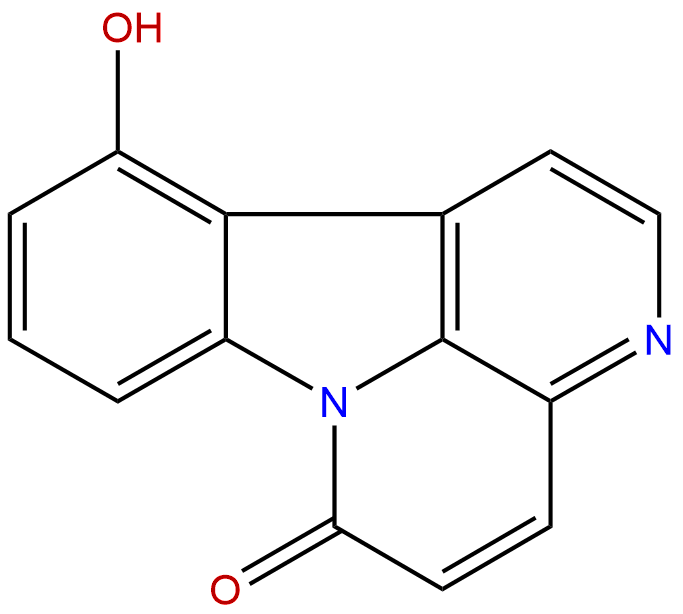
Natural products have always been an important source of drug discovery and development, especially in the field of anti-tumor. Finding efficient and low toxicity lead compounds from nature is currently a hot research topic. Canthin-6-one alkaloids are a class of indole-quinoline compounds with a unique four ring skeleton, widely distributed in plants such as the Simaroubaceae and Rutaceae families. This type of compound has attracted widespread attention from scholars both domestically and internationally due to its novel structure and significant biological activity, especially its anti-tumor activity. Among the numerous derivatives of iron-based compounds, 11-Hydroxycanthin-6-one (CAS number: 75969-83-4) has become one of the most valuable members in this family due to its outstanding cytotoxicity and multi-target mechanism of action.
11 hydroxyhepcidone is a naturally occurring alkaloid characterized by the substitution of hydroxyl groups at the C-11 position of the hepcidone parent nucleus. This structural modification not only endows the molecule with unique physicochemical properties, but also significantly enhances its ability to interact with biological targets. Early research mainly focused on its phytochemical isolation and identification, while in recent years, with the advancement of molecular pharmacology and chemical biology techniques, the study of the anti-tumor mechanism of 11 hydroxyferriticum ketone has deepened to the level of signaling pathways and molecular targets. Research has shown that this compound can exhibit broad-spectrum anti-tumor potential by regulating multiple key proteins closely related to tumor occurrence, development, invasion, and drug resistance, such as MCL1, BCL2, STAT3, MMP2, TOP1, HIF1A, TOP2A, MAPK1, ESR1, and CYP19A1.
This article aims to provide a systematic review of the chemical structure and physicochemical properties, plant sources and extraction methods, pharmacological activity, mechanism of action, pharmacological evaluation, and clinical application prospects of 11 hydroxyferric ketone, in order to provide comprehensive academic references for the in-depth development and utilization of this natural product.
Chemical structure and physicochemical properties
The chemical structure of 11 hydroxyferrocysteine belongs to the canthin-6-one alkaloid class, and its parent nucleus is composed of an indole ring fused with a quinoline ring, forming a rigid four ring aromatic system. Specifically, its core skeleton is 5H-pyrido [3,4-b] indole-5-one, with a hydroxyl group (- OH) attached to the C-11 position (i.e. the benzene ring portion of the indole ring). The presence of this hydroxyl group is a key structural feature that distinguishes this compound from other derivatives of iron ketone, such as iron ketone itself or 9-methoxy iron ketone.
From the perspective of physical and chemical properties, the molecular formula of 11 hydroxyferric ketone is C14H8N2O2, with a molecular weight of 236.2300 Da. Its lipid water partition coefficient (LogP) is 1.8484, indicating that the compound has moderate lipophilicity, which is beneficial for it to cross the cell membrane lipid bilayer and enter the cell to exert its drug effect. The topological polar surface area (TPSA) is 54.6000 Å ², which is within the range of good oral absorption (usually considered to be less than 140 Å ²), indicating that it may have some oral bioavailability. However, its low water solubility (0.0304 mg/mL) makes it a poorly soluble compound, which may be a barrier to overcome in its in vivo pharmacokinetics and formulation development.
It is worth noting that the blood-brain barrier (BBB) penetration of this compound is predicted to be "high". This characteristic is of great significance for the treatment of primary brain tumors or brain metastases, but it also suggests the need to pay attention to potential central nervous system side effects in non central nervous system targeted therapy. In addition, the predicted result of hERG inhibition is' no ', indicating a low risk of inducing QT interval prolongation and arrhythmia in the heart, which is a favorable safety signal. The Ames test result is 1.8 (usually considered negative if it is less than 2), indicating that it did not show significant mutagenicity in the bacterial recovery mutation test, and the preliminary genetic toxicity risk is low.
Overall, 11 hydroxyferric ketone has typical natural alkaloid characteristics: rigid planar structure, moderate lipophilicity, and good target binding potential, but poor water solubility is its main weakness. The phenolic hydroxyl groups in its structure not only provide hydrogen bond donor/acceptor sites, but also serve as key sites for subsequent structural modifications such as prodrug design, salt formation, or introduction of water-soluble groups.
Plant sources and extraction methods
11 hydroxyferric ketone is mainly distributed in plants of the Simaroubacheae family, which is known for its rich bitterness and alkaloid components. Common plants rich in this compound include Brucea javanica, Picrasma quassioides, and Ailanthus plants. Among them, as a traditional Chinese medicine, brucea is commonly used in folk medicine to treat dysentery, malaria, and cancer. The research on its anti-tumor active ingredients has always been a hot topic in natural medicinal chemistry.
In terms of extraction methods, traditional plant chemical separation processes usually include the following steps: first, dry plant materials (such as brucea fruit or bitter wood stem) are crushed, and polar solvents (such as methanol, ethanol, or methanol water mixed solvents) are used for cold soaking or hot reflux extraction to obtain the total extract. Subsequently, the total extract was preliminarily classified by liquid-liquid extraction (such as extraction with petroleum ether, ethyl acetate, and n-butanol in sequence), and 11 hydroxyferric ketone was usually enriched in the ethyl acetate or n-butanol extraction sites due to its moderate polarity.
Further separation and purification mainly rely on various chromatographic techniques. Classic separation methods include silica gel column chromatography (gradient elution with chloroform methanol or petroleum ether acetone system), Sephadex LH-20 gel column chromatography (elution with methanol or chloroform methanol system) and preparative high-performance liquid chromatography (Pre HPLC). Due to its characteristic absorption under ultraviolet light, 11 hydroxyferric ketone is often tracked by a UV detector. In recent years, emerging methods such as high-speed countercurrent chromatography (HSCCC) and molecular imprinting technology have also been attempted for efficient separation of this compound to improve yield and purity.
It is worth noting that the content of 11 hydroxyquercetin in plants is usually low and often coexists with other structurally similar quercetin alkaloids, making separation difficult. Therefore, establishing efficient and environmentally friendly extraction processes, as well as exploring the use of biosynthetic or chemical synthetic pathways to obtain the compound, are key directions to ensure its subsequent research supply.
Pharmacological activity research
The pharmacological activity research of 11 hydroxyferric ketone mainly focuses on its anti-tumor effect, while also exploring anti-inflammatory, antibacterial, and antiviral aspects. Among them, its strong cytotoxic activity is the core of research.
1. Antitumor activity
A large number of in vitro experiments have confirmed that 11 hydroxyferric ketone exhibits significant inhibitory effects on the proliferation of various human tumor cell lines. Its action spectrum is broad, covering leukemia (such as HL-60, K562), lung cancer (such as A549), liver cancer (such as HepG2), breast cancer (such as MCF-7, MDA-MB-231), colon cancer (such as HCT-116), prostate cancer (such as PC-3), melanoma, etc. The half maximal inhibitory concentration (IC50) is typically in the micromolar or even nanomolar range, demonstrating potent cytotoxic activity. For example, studies have reported that its IC50 value for HL-60 cells is less than 1 μ M, which is much stronger than some clinically used chemotherapy drugs.
Compared with normal cells, 11 hydroxyferric ketone often exhibits a certain selectivity, that is, its killing effect on tumor cells is stronger than its effect on normal fibroblasts or epithelial cells, which provides a safe window for its potential clinical applications. In addition, the compound also exhibits activity against multidrug-resistant (MDR) cell lines, suggesting its potential to overcome or reverse tumor drug resistance.
2. Other pharmacological activities
In addition to anti-tumor effects, 11 hydroxyferric ketone also exhibits certain anti-inflammatory activity, which can inhibit the production of nitric oxide (NO) and prostaglandin E2 (PGE2) in macrophages induced by lipopolysaccharide (LPS). In addition, some studies have also reported its anti malaria and anti fungal activities, but there is relatively little research in these areas and the mechanisms are not yet clear.
Mechanism of action and molecular targets
The anti-tumor mechanism of 11 hydroxyferriticum ketone is multi-layered and multi-target, and its strong cytotoxicity stems from synergistic interference with multiple key processes such as tumor cell survival, proliferation, apoptosis, invasion, and angiogenesis. According to existing research, its main molecular mechanisms and targets can be summarized as follows:
1. Inducing cell apoptosis (Apoptosis)
This is the core mechanism of the anti-tumor effect of 11 hydroxyferric ketone. This compound can induce tumor cell apoptosis through two pathways: endogenous (mitochondrial) and exogenous (death receptor).
- Regulating BCL-2 family proteins 11 hydroxyferric ketone can downregulate the expression of anti apoptotic proteins MCL1 and BCL2, while upregulating the expression of pro apoptotic protein BAX. This change in proportion leads to an increase in mitochondrial outer membrane permeability, releasing cytochrome c, which in turn activates Caspase-9 and Caspase-3, ultimately triggering an apoptotic cascade reaction.
- Inhibition of STAT3 signaling pathway STAT3 is a key transcription factor that is continuously activated in various tumors, promoting cell proliferation and transcription of anti apoptotic genes such as MCL1 and BCL2. 11 hydroxyferric ketone can inhibit the phosphorylation of STAT3 (Tyr705 site), block its nuclear translocation and transcriptional activity, thereby weakening the survival signal of tumor cells.
2. Inhibit Topoisomerase activity
Topoisomerase I (TOP1) and II (TOP2A) are essential enzymes in DNA replication and transcription processes, and are also targets of many clinical anticancer drugs such as camptothecin and etoposide. 11 hydroxyferric ketone has been proven to be an effective TOP1 and TOP2A inhibitor. It stabilizes the enzyme DNA cleavable complex, preventing the reconnection of DNA strands, leading to the accumulation of DNA damage, and ultimately triggering cell cycle arrest and apoptosis. The mode of action of this "topoisomerase toxin" is an important chemical basis for its cytotoxicity.
3. Inhibit tumor invasion and metastasis
- Inhibition of MMP2 Matrix metalloproteinase-2 (MMP2) plays a crucial role in the degradation of extracellular matrix, promotion of invasion and metastasis in tumor cells. 11 hydroxyferric ketone can downregulate the expression and activity of MMP2, thereby inhibiting the migration and invasion ability of tumor cells.
- Regulating the MAPK signaling pathway MAPK1 (i.e. ERK2) is a key node in the RAS-RAF-MEK-ERK signaling pathway. Abnormal activation of this pathway often leads to unlimited proliferation of tumor cells. 11 hydroxyferric ketone can inhibit the phosphorylation of MAPK1 and block the pro proliferative signaling pathway.
4. Inhibit tumor angiogenesis and hypoxia adaptation
- Inhibit HIF1A Hypoxia inducible factor 1 alpha (HIF1A) is an important regulatory factor for tumor survival and adaptation in a hypoxic microenvironment, which can promote the expression of angiogenic factors such as vascular endothelial growth factor (VEGF). 11 hydroxyferric ketone can inhibit the protein accumulation and transcriptional activity of HIF1A, thereby disrupting tumor angiogenesis and hypoxia adaptation.
5. Intervention in hormone signaling pathways
In response to hormone dependent tumors (such as breast cancer), 11 hydroxyfecumetone has a regulatory effect on estrogen receptor α (ESR1) and aromatase (CYP19A1). CYP19A1 is a key enzyme for transforming androgen into estrogen, which is particularly important in postmenopausal breast cancer patients. This compound may inhibit the growth of ER positive breast cancer cells by inhibiting CYP19A1 activity and reducing the local estrogen level.
In summary, 11 hydroxyferric ketone exerts its effects through a network regulation mode of "multi-target, multi pathway". It can directly act on DNA topology (by inhibiting TOP1/2A), intervene in key signal transduction (STAT3, MAPK) and metabolic pathways (HIF1A, CYP19A1), and regulate apoptosis and metastasis related proteins (BCL-2 family MMP2)。 This multi-target characteristic may result in higher efficacy and lower incidence of drug resistance in monotherapy.
Evaluation of drug properties and pharmacokinetics
The evaluation of drug properties is a crucial step in determining whether natural products can transition from "active molecules" to "candidate drugs". Based on the aforementioned physical and chemical parameters and preliminary toxicological data, a comprehensive analysis of the pharmacological properties of 11 hydroxyferric ketone was conducted.
1. Advantages:
- Strong activity and multi-target targeting The anti-tumor activity at the nanomolar to micromolar level, as well as the multi-target mechanism of action, are its greatest advantages.
- Low risk of cardiac toxicity HERG inhibition is negative, reducing the risk of failure due to QT interval prolongation in clinical development.
- Low genetic toxicity risk Ames test negative, preliminarily ruling out mutagenicity.
- Good BBB penetration There are potential advantages in the treatment of brain tumors.
2. Challenges and shortcomings:
- Poor water solubility The low water solubility of 0.0304 mg/mL is the biggest pharmaceutical barrier. This can lead to poor oral absorption, low bioavailability, and may require the use of solubilizers or liposome formulations for intravenous injection.
- Metabolic stability At present, there is relatively little research on the in vivo metabolism of 11 hydroxyferric ketone. The phenolic hydroxyl group in its structure is a potential site for phase II metabolism (such as glucuronidation and sulfation), which may lead to rapid clearance. In addition, its planar aromatic structure may also be oxidized and metabolized by the CYP450 enzyme system.
- Potential central nervous system side effects High BBB penetration is a double-edged sword, which is an advantage in treating brain tumors, but may lead to central nervous system adverse reactions such as dizziness and drowsiness when treating peripheral tumors.
3. Pharmacokinetic characteristics:
At present, there is very limited in vivo pharmacokinetic (PK) data on 11 hydroxyferriticum ketone. Based on its physicochemical properties, it is speculated that its oral absorption may be poor and there may be significant individual differences. After intravenous administration, it may have a larger distribution volume (Vd), indicating widespread tissue distribution. Its half-life (t1/2) and clearance rate (CL) still require systematic research. Future PK research should focus on its absorption, distribution, metabolism, and excretion (ADME) processes in rats or mice, especially the identification and activity evaluation of metabolites.
4. Structural modification strategy:
To overcome the above-mentioned drug defects, the following structural modification strategies can be considered:
- Prodrug design Phosphorylation, amino acid esterification, or polyethylene glycol (PEG) conversion of the phenolic hydroxyl group at position 11 to produce prodrugs for improved water solubility and oral absorption.
- salt formation Utilize the weak acidity of phenolic hydroxyl groups to form salts with organic or inorganic bases, improving solubility.
- nano-formulation Using delivery systems such as liposomes, polymer micelles, or albumin nanoparticles to encapsulate 11 hydroxyferric ketone, improving its water dispersibility, stability, and tumor targeting properties.
Clinical application prospects and prospects
Despite the remarkable anti-tumor potential demonstrated in preclinical studies, there is still a long way to go before its clinical application. Future research should focus on the following directions:
1. In depth in vivo pharmacological and toxicological studies:
Current research mostly focuses on the in vitro cellular level. It is urgent to establish multiple in vivo tumor models (such as xenograft tumor models and in situ tumor models) to systematically evaluate the in vivo anti-tumor efficacy, maximum tolerated dose (MTD), dose limiting toxicity (DLT), and long-term toxicity of 11 hydroxyferriticum ketone. Especially pay attention to its potential toxicity to the liver, kidneys, heart, and central nervous system.
2. Refined analysis of the mechanism of action:
Although multiple targets have been identified, the primary secondary relationships, synergistic effects, and dominant mechanisms among these targets in different tumor types are still unclear. By utilizing CRISPR-Cas9 gene editing, proteomics, transcriptomics, and other technologies, its functional network can be more comprehensively described, and the most critical "lethal targets" can be identified.
3. Exploration of Combination Medication Strategies:
Given its multi-target nature, the combination use of 11 hydroxyferritemidone with other anticancer drugs such as chemotherapy drugs, targeted drugs, and immune checkpoint inhibitors may be an effective strategy to improve efficacy and overcome drug resistance. For example, combination with BCL-2 inhibitors such as Venetoclax may produce a synergistic pro apoptotic effect; Combined with immune checkpoint inhibitors, it may enhance anti-tumor immunity by inducing immunogenic cell death (ICD).
4. Pharmaceutical chemistry optimization:
Based on its structure, a systematic structure-activity relationship (SAR) study was carried out to synthesize a series of derivatives of 11 hydroxyferritone, in order to obtain candidate compounds with stronger activity, higher selectivity, and better pharmacokinetic properties. For example, etherification or esterification of the C-11 hydroxyl group, or introduction of substituents such as halogens or methyl groups at other positions of the parent nucleus, may alter its activity and properties.
5. Sustainable development of resources:
Given the low content of natural sources, it is necessary to vigorously develop their fully synthetic or semi synthetic routes. Meanwhile, utilizing synthetic biology techniques to reconstruct the biosynthetic pathways of microorganisms such as yeast and Escherichia coli, achieving green and sustainable production.
Conclusion
As a typical iron ketone alkaloid, 11 hydroxy iron ketone occupies a place in the field of natural product drug research due to its unique chemical structure and strong, multi-target anti-tumor activity. It effectively interferes with the proliferation, apoptosis, invasion, angiogenesis, and metabolic adaptation of tumor cells by simultaneously acting on multiple key targets such as MCL1, BCL2, STAT3, TOP1/2A, HIF1A, and MMP2, demonstrating broad-spectrum anti-tumor potential. The preliminary pharmacological evaluation shows that the compound has the advantages of low cardiac toxicity and low genetic toxicity, but poor water solubility and potential metabolic instability issues urgently need to be addressed.
Despite the challenges on the road from laboratory to clinical trials, 11 hydroxyferric ketone is undoubtedly a highly valuable lead compound for development. Future research requires the integration of multidisciplinary forces such as medicinal chemistry, pharmacology, toxicology, and pharmacy. Through structural optimization, formulation innovation, and combination therapy strategies, it is expected to transform this natural product into a highly efficient and low toxicity new anti-tumor drug, bringing new therapeutic hope to cancer patients. In depth research on 11 hydroxy ferric ketone not only helps to reveal the pharmacological nature of ferric ketone compounds, but also provides an important example for discovering innovative drugs from traditional medicinal plants.