Introduction/Overview
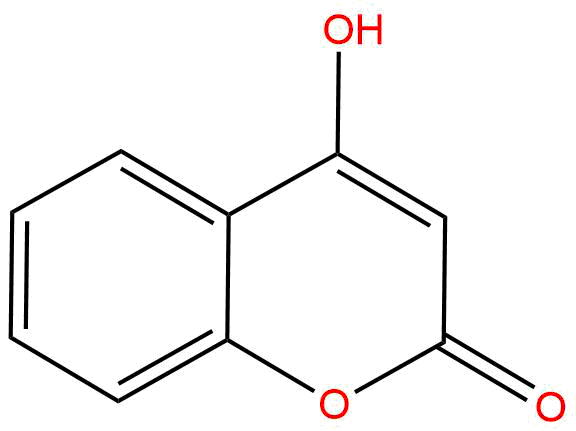
Coumarin, as a widely present class of benzo [a] - pyranone compounds in nature, has long been of great concern due to its diverse biological activities and unique chemical structure. Among numerous coumarin derivatives,4-Hydroxycoumarin (4-HC) Occupying a pivotal position. Its CAS number is 1076-38-6, molecular formula is C9H6O3, and molecular weight is 162.14. 4-hydroxycoumarin is not only the core structural unit of various biologically active natural products such as berberine and neomycin, but also an extremely universal and critical "privileged heterocyclic scaffold" in medicinal chemistry. The 4-hydroxy group in its structure and the carbonyl group in the lactone ring together form a unique 1,3-dicarbonyl system, endowing the molecule with dual characteristics of electrophilic and nucleophilic reactivity, making it a classic starting material for the synthesis of numerous functional molecules such as anticoagulant warfarin and rodenticide bromadiolone.
In recent years, with the deepening of research, the direct pharmacological activity of 4-hydroxycoumarin itself has gradually been revealed. Research has shown that it is not only an inhibitor of human immunodeficiency virus (HIV) protease and various tyrosine kinases, but also exhibits significant multiple biological effects such as anti-inflammatory, antibacterial, and anti-tumor effects. These findings have transformed it from an important synthetic block to a lead compound with independent research value. This article aims to systematically review the chemical properties, sources, pharmacological activities, mechanisms of action, pharmacological properties, and clinical application prospects of 4-hydroxycoumarin, in order to provide comprehensive scientific references for the in-depth research and development of this compound.
Chemical structure and physicochemical properties
The chemical structure of 4-hydroxycoumarin is composed of a benzene ring (A ring) fused with an alpha pyranone ring (B ring, i.e. lactone ring), and its systematic name is 4-hydroxy-2H-1-benzopyran-2-one. Its core feature is the presence of a phenolic hydroxyl group attached to the 4th carbon atom of the pyranone ring.
1. Structural features and tautomerism:
The most significant structural characteristic of this molecule comes from the formation of its 4-hydroxy group with the carbonyl group at the adjacent position (position 3)1,3-dicarbonyl (β - dicarbonyl) system This structure enables it to undergo significant enol ketone tautomerism. In solid and most solutions, 4-hydroxycoumarin is mainly composed of 4-hydroxycoumarin formula Existence. However, its enol structure (i.e. the enol form of 4-hydroxy-2H-chromene-2-one) also has a certain degree of stability, and this tautomerization phenomenon is the basis for its unique chemical reactivity and biological activity. The phenolic hydroxyl and lactone carbonyl groups in the molecule enable it to act as both hydrogen bond donors and acceptors, making it easy to interact with biomolecules such as the active centers of enzymes.
2. Physical and chemical properties:
According to the provided pharmacological parameters, 4-hydroxycoumarin exhibits the following key physicochemical properties:
* Molecular weight and solubility The molecular weight is relatively small (162.1440), which meets the molecular weight requirements of the "Five Rules" for drug properties. Its water solubility value is 0.5039 (usually measured in mg/mL or logS), indicating that it has a certain solubility in water, mainly due to its polar phenolic hydroxyl and lactone groups. However, its lipophilicity parameter LogP value is 1.3558, indicating that it has moderate lipophilicity and is beneficial for penetrating cell membranes.
* Polarity surface area and permeability The topological polar surface area (TPSA) is 50.44 Å ², which is relatively low and usually favorable for the membrane permeability of the compound. However, it The blood-brain barrier (BBB) permeability is evaluated as' low 'This may be related to the presence of strong hydrogen bond donors/acceptors (phenolic hydroxyl and carbonyl groups) in their molecules, which restrict their free passage through tight BBB endothelial cells.
* Stability 4-hydroxycoumarin is a white or off white crystalline powder at room temperature, sensitive to light, and easily opens the lactone ring to form the corresponding coumarite under alkaline conditions.
These physical and chemical properties collectively determine the absorption, distribution, metabolism, and excretion (ADME) behavior of 4-hydroxycoumarin in organisms, which is an important basis for its pharmacological evaluation.
Plant sources and extraction methods
Although 4-hydroxycoumarin is widely present in plants as a precursor of various complex coumarin compounds, its direct distribution in free form in nature is relatively limited. It mainly exists in some specific plants.
1. Main plant sources:
4-hydroxycoumarin has been isolated and identified from various plants, such as:
* Asteraceae plants Like some Artemisia species(Artemisia Spp.) plants.
* Leguminous plants Like the genus Dalbergia(Dalbergia Some species of spp.
* Umbelliferae plants As a metabolite of simple coumarin, it exists.
These plants are traditionally used for anti-inflammatory, antibacterial, or fever treatment.
2. Extraction and Separation Methods:
Obtaining 4-hydroxycoumarin from plant materials usually follows the conventional process of natural product chemistry:
* Extract Organic solvents such as methanol, ethanol, and ethyl acetate are commonly used for extraction, reflux, or ultrasound assisted extraction of dried and crushed plant parts. Due to its polarity, alcohol solvents are commonly chosen.
* Separation and purification After filtration and concentration, the crude extract can be preliminarily enriched using acid-base treatment, taking advantage of its acidic phenolic hydroxyl properties. Further purification mainly relies on chromatographic techniques, including:
* Column chromatography Silica gel is commonly used as the stationary phase for separation using gradient elution systems such as petroleum ether ethyl acetate or chloroform methanol.
* High performance liquid chromatography Preparation HPLC (reverse phase C18 column, using methanol water or acetonitrile water as mobile phase) is the most effective method for obtaining high-purity 4-hydroxycoumarin.
* synthetic pathway Due to the low yield and complicated process of extracting 4-hydroxycoumarin from plants, the laboratory and industry mainly rely on chemical synthesis to obtain 4-hydroxycoumarin. The most classic method is Pechmann condensation reaction The synthesis of 4-hydroxycoumarin using resorcinol and malic acid or acetoacetate ester in an acidic catalyst (such as concentrated sulfuric acid) is a major method for the large-scale preparation of 4-hydroxycoumarin due to its easy availability of raw materials and simple operation.
Pharmacological activity research
Numerous in vitro and in vivo studies have confirmed that 4-hydroxycoumarin has a wide range of pharmacological activities, demonstrating its potential in multiple therapeutic fields.
1. Anti inflammatory activity:
4-hydroxycoumarin exhibits clear anti-inflammatory effects. In various animal models of acute and chronic inflammation, such as carrageenan induced paw swelling in rats and cotton ball induced granuloma models, it can significantly inhibit swelling and exudation at the site of inflammation. Its anti-inflammatory mechanism is related to the inhibition of pro-inflammatory mediators such as prostaglandin E2 and nitric oxide, as well as the downregulation of cytokine levels such as tumor necrosis factor - α (TNF - α) and interleukin-6 (IL-6). Its structure is considered the core of nonsteroidal anti-inflammatory drug (NSAID) analogues.
2. Antibacterial and antifungal activity:
4-hydroxycoumarin has certain inhibitory activity against various Gram positive bacteria (such as Staphylococcus aureus, Bacillus subtilis) and some Gram negative bacteria. Its antibacterial mechanism may involve interfering with the cell membrane function of microorganisms or inhibiting their key enzyme systems. In addition, it also shows inhibitory effects on some fungi, such as Candida albicans. Its antibacterial activity provides a structural basis for the development of new antibacterial agents, especially against drug-resistant strains.
3. Anti tumor activity (core activity):
This is the pharmacological activity of 4-hydroxycoumarin that has received the most attention in recent years. Studies have shown that it can inhibit proliferation and induce apoptosis in a variety of human tumor cell lines, including breast cancer (such as MCF-7), lung cancer (such as A549), liver cancer (such as HepG2), colon cancer (such as HT-29) and leukemia (such as K562) cells.
* cell cycle arrest 4-hydroxycoumarin can block tumor cells in the G0/G1 or G2/M phase of the cell cycle, preventing them from entering the stages of DNA synthesis and mitosis.
* Inducing cell apoptosis It can activate the caspase cascade through the mitochondrial pathway (reducing mitochondrial membrane potential, releasing cytochrome c) and death receptor pathway, leading to programmed cell death in tumor cells.
* Inhibit invasion and metastasis Some studies suggest that it may inhibit the invasion and migration ability of tumor cells by downregulating the expression of matrix metalloproteinases (MMPs).
4. Antiviral activity:
as HIV protease inhibitor 4-hydroxycoumarin can bind to the active site of HIV-1 protease, competitively inhibiting the enzyme's cleavage of the viral Gag Pol polyprotein, thereby preventing the formation of mature viral particles. This makes it a leading structure with reference value in the research and development of anti AIDS drugs.
5. Other activities:
There are also studies reporting that it has antioxidant, anticonvulsant, mild analgesic, and platelet aggregation inhibitory activities, demonstrating its potential for multi-target action.
Mechanism of action and molecular targets
The various pharmacological activities of 4-hydroxycoumarin stem from its interactions with multiple key molecular targets in the body.
1. Enzyme inhibition (core mechanism):
* Tyrosine kinase inhibitor This is one of the important mechanisms of its anti-tumor and anti-inflammatory effects. 4-hydroxycoumarin can inhibit the activity of various receptor and non receptor tyrosine kinases, such as EGFR, VEGFR, Src family kinases. The 1,3-dicarbonyl system in its structure can simulate the adenine ring or peptide substrate of ATP, competitively binding to the ATP binding pocket or substrate binding region of the kinase, thereby blocking the phosphorylation activity of the kinase and downstream signaling pathways (such as MAPK/ERK, PI3K/Akt), ultimately affecting cell proliferation, survival, and inflammatory response.
* HIV protease inhibitor As mentioned earlier, its molecule can act as a peptide mimic and interact with the aspartic acid catalyzed dimer of HIV protease, inhibiting virus replication.
* Cyclooxygenase/Lipoxygenase May contribute to its anti-inflammatory activity by inhibiting COX-2 or 5-LOX, reducing the production of inflammatory mediators such as prostaglandins and leukotrienes.
* Topoisomerase Studies have shown that certain coumarin derivatives can inhibit topoisomerase II, interfere with DNA replication and repair, which may also be one of the potential mechanisms of 4-hydroxycoumarin in anti-tumor treatment.
2. Regulating cellular signaling pathways:
By inhibiting key kinases, 4-hydroxycoumarin can regulate multiple signaling pathways closely related to tumors and inflammation:
* Inducing apoptosis pathway By inhibiting Akt survival signals, promoting the expression of pro apoptotic proteins (such as Bax), inhibiting the expression of anti apoptotic proteins (such as Bcl-2), and activating caspase-3, -8, -9.
* Inhibition of NF - κ B pathway NF - κ B is a core transcription factor for inflammation and cell survival. 4-hydroxycoumarin can inhibit the nuclear translocation of NF - κ B and the transcription of its target genes (such as COX-2, IL-6, TNF - α) by inhibiting upstream kinases or preventing I κ B degradation.
* Regulating cell cycle proteins By affecting the expression of cyclin D1, cyclin B1, p21, p27 and their dependent kinases (CDKs), it leads to cell cycle arrest.
3. Chelate with metal ions:
Its enol structure has strong metal ion chelating ability, especially for Fe ³ ⁺, Cu ² ⁺, etc. This may affect the activity of enzymes that rely on these metal ions, such as ribonucleotide reductase, which is critical in DNA synthesis, or contribute to their antibacterial and anti-tumor effects by inducing oxidative stress leading to cell damage.
Evaluation of drug properties and pharmacokinetics
Although 4-hydroxycoumarin has rich biological activity, its direct application as a drug still requires comprehensive pharmacological evaluation.
1. Preliminary evaluation of drug safety:
* Genotoxicity The Ames test result provided is 1.5 (usually referring to the ratio of the number of revertant mutant colonies to the control), which is close to or slightly higher than the critical value (usually 2). This suggests that 4-hydroxycoumarin may exhibit weak mutagenic signals in in vitro bacterial recovery assays, and further mammalian cell genotoxicity tests (such as micronucleus tests and chromosome aberration tests) are needed to comprehensively evaluate its genotoxicity risk.
* cardiotoxicity:HERG inhibition is' no 'This is a positive signal indicating that it may not significantly block the fast delayed rectifier potassium channel (IKr) in the heart at therapeutic concentrations, thereby reducing the risk of cardiac toxicity in inducing acquired long QT syndrome and apical torsion ventricular tachycardia.
* acute toxicity The existing animal experimental data is limited, but systematic acute, subacute, and chronic toxicity studies are needed to determine its safe dose range.
2. Prediction and challenges of pharmacokinetic (PK) characteristics:
Based on its physical and chemical properties:
* absorb Moderate LogP and lower TPSA are beneficial for its oral absorption, and it is expected to have good passive diffusion ability in the small intestine.
* distribution A small molecular weight is beneficial for distribution, but low blood-brain barrier permeability limits its therapeutic application in central nervous system diseases. The degree of binding between it and plasma proteins (especially albumin) needs to be experimentally determined.
* Metabolism As a derivative of coumarin, it is likely to undergo extensive metabolism in the liver. Phenolic hydroxyl groups may undergo glucuronic acid binding or sulfation reactions, which are their main II phase metabolic pathways. Its lactone ring may also be hydrolyzed by esterases to open the ring. It is necessary to clarify its main metabolic enzymes (such as CYP450 isoenzymes) to evaluate potential drug drug interactions.
* excretion Metabolites are mainly excreted through the kidneys (conjugates) or bile.
* Main drug defects:Water solubility and metabolic stability may be the main bottlenecks in its development Although it has some water solubility, it may still need improvement for formulation development. Its phenolic hydroxyl group and lactone ring make it easy to be metabolized and cleared, which may lead to a short half-life and low bioavailability in the body.
Clinical application prospects and prospects
4-hydroxycoumarin exhibits various biological activities, but its direct entry into clinical practice as a single drug molecule faces challenges. Future development strategies may focus more on its value as a lead compound and functional backbone.
1. Structural optimization as a lead compound:
In response to its insufficient medicinal properties, systematic structural modifications can be carried out through medicinal chemical methods:
* Improve metabolic stability Etherification, esterification, or introduction of steric hindrance on the 4-hydroxyphenol group to reduce its II phase binding reaction; Or replace the lactone ring with a bioelectronic equivalent (such as using heterocycles such as pyrazole and thiazole).
* Enhance activity and selectivity Introducing specific substituents (such as halogen, methoxy, amino, etc.) on the benzene ring or pyranone ring to enhance interaction with target proteins, improve selectivity towards specific kinases (such as EGFR, VEGFR), and reduce off target toxicity.
* Improve water solubility Introducing ionized groups (such as tertiary amines) or polyethylene glycol (PEG) chains to prepare prodrugs or nano formulations.
2. Combination therapy strategy:
Given its multi-target nature, 4-hydroxycoumarin or its optimized derivatives may be used in combination with existing chemotherapy drugs, targeted drugs, or immune checkpoint inhibitors to generate synergistic effects, overcome drug resistance, and reduce individual doses and toxic side effects.
3. Prospects for specific application areas:
* Anti tumor field Develop a novel multi-target tyrosine kinase inhibitor (TKI) based on 4-hydroxycoumarin structure for the treatment of tumor types resistant or refractory to existing TKIs.
* Anti inflammatory and autoimmune diseases Develop new anti-inflammatory drugs with it as the core for the treatment of chronic inflammatory diseases such as rheumatoid arthritis and inflammatory bowel disease.
* Anti infection field Design new antibacterial agents that are less likely to develop resistance, especially against resistant Gram positive bacteria, targeting their antibacterial backbone.
* Materials Science and Chemical Biology Develop probes or active molecular carriers for biological imaging by utilizing their fluorescence properties (coumarin core is a classical fluorophore) and biological activity.
Conclusion
4-hydroxycoumarin, a seemingly simple coumarin derivative, continues to exude charm in the fields of natural product pharmacology and medicinal chemistry due to its unique 1,3-dicarbonyl chemical structure and rich biological activity derived from it. It is not only a bridge connecting numerous natural active molecules, but also a powerful "advantageous heterocyclic scaffold" and a lead compound with multi-target potential. From anti-inflammatory and antibacterial to anti-tumor and antiviral, its extensive pharmacological effects reveal its potential value in addressing various human diseases. However, its inherent pharmaceutical defects, such as potential genetic toxicity risks, metabolic instability, and limited BBB permeability, also clearly indicate the focus of future research. By optimizing its structure through rational drug design, combined with modern formulation technology and combination therapy strategies, it is expected to transform 4-hydroxycoumarin from a promising lead molecule into an innovative drug that can truly be used for clinical treatment. The continuous in-depth exploration of its mechanism of action will also provide new insights into the biology of related diseases. In summary, the research on 4-hydroxycoumarin is a paradigm of the intersection of chemistry, biology, and medicine, and its future development is worth looking forward to.