Pharmacological research progress and prospects of 5,6-dihydroxy-74 '- dimethoxyflavone (Ladanein)
Introduction/Overview
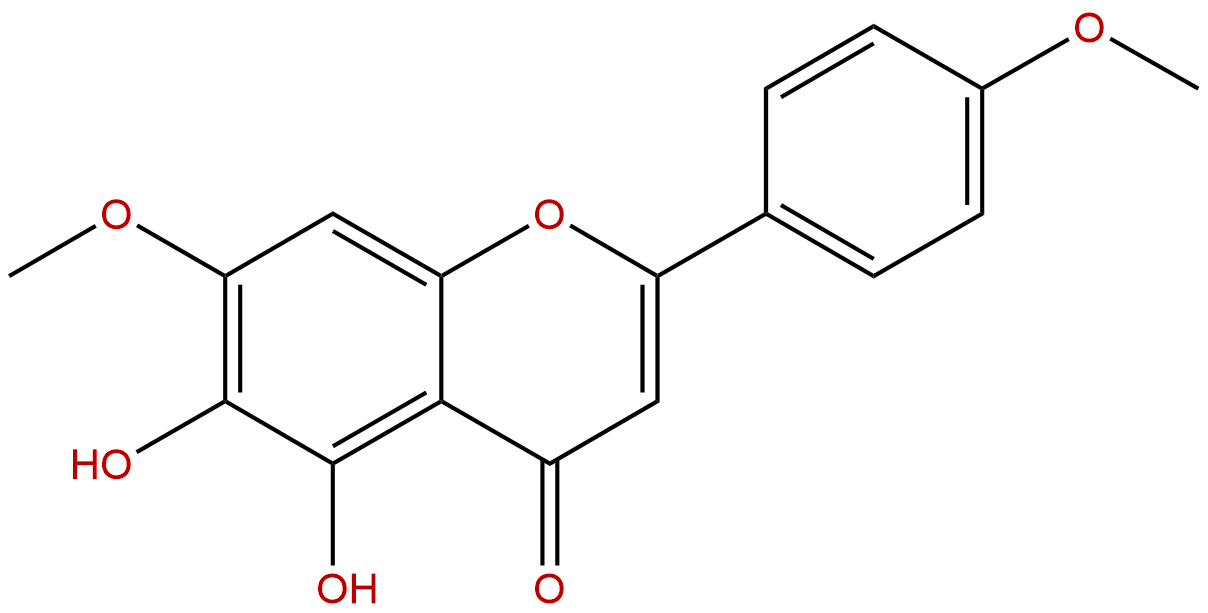
Flavonoids, as widely present secondary metabolites in nature, have always been a hot topic in natural product pharmacology research due to their diverse biological activities and low toxicity. Among numerous flavonoids, 5,6-dihydroxy-7,4 '- dimethoxyflavone (Ladanein) has attracted widespread attention due to its unique chemical structure and significant antiviral activity. This compound was initially isolated from the Lamiaceae plant Thymus piperella and belongs to the class of dimethoxyflavonoids. Its structural feature is that the 5th and 6th positions of the A ring are substituted with hydroxyl groups, while the 7th and 4th 'positions of the B ring are substituted with methoxy groups. Ladanein is closely related in function to Scutellarin, which is the main active flavonoid component in Erigeron breviscapus. The two have structural similarities, but Ladanein's methoxy substitution pattern endows it with unique physicochemical properties and biological activity.
In recent years, with the deepening of research on Ladanein, scientists have discovered that it is not only an effective anti hepatitis C virus (HCV) drug, but also exhibits significant pharmacological activities such as antioxidant, anti-inflammatory, and anti-tumor effects. Its mechanism of action involves multiple molecular targets, including the nuclear factor E2 related factor 2 (NRF2), superoxide dismutase (SOD), catalase (CAT) and other antioxidant enzyme systems, as well as the matrix metalloproteinase (MMP) family. These findings provide scientific evidence for the potential application of Ladanein in oxidative stress-related diseases, viral infections, and chronic inflammatory diseases. This article will provide a systematic review of the research progress of Ladanein from the aspects of chemical structure, plant origin, pharmacological activity, mechanism of action, pharmacological evaluation, and clinical application prospects.
Chemical structure and physicochemical properties
Chemical structural characteristics
The chemical name of Ladanein is 5,6-dihydroxy-74 '- dimethoxyflavone, with a molecular formula of C ₁₇ H ₁₄ O ₆ and a molecular weight of 314.2930 g/mol. Its basic skeleton is the flavonoid nucleus (2-phenylchromenone), with one hydroxyl group (- OH) attached to each of the C5 and C6 positions of the A ring, one methoxy group (- OCH ∝) attached to the C7 position, and one methoxy group attached to the C4 'position of the B ring. This substitution mode makes it belong to the class of dimethoxyflavonoids, while also possessing the characteristics of dihydroxyflavonoids.
From the perspective of structural biology, the 5-hydroxy and 4-carbonyl groups of Ladanein can form intramolecular hydrogen bonds, which is a common feature in flavonoids and helps to stabilize the molecular conformation. The presence of a hydroxyl group at position 6 increases the polarity and hydrogen bond donor ability of the molecule, while the methoxy groups at positions 7 and 4 'enhance the lipophilicity of the molecule. This hydrophilic lipophilic balance characteristic gives it unique distribution and metabolic characteristics in living organisms.
Physical and chemical property parameters
According to computational chemistry and experimental data, the main physicochemical parameters of Ladanein are as follows: the lipid water partition coefficient (LogP) is 2.5769, indicating that it has a certain lipophilicity, which is conducive to transmembrane transport and interaction with lipid membranes. The topological polar surface area (TPSA) is 89.1300 Å ², which is at a moderate level and suggests that it may have good oral bioavailability potential. The water solubility is 0.0090 mg/mL, which is a poorly soluble compound, which to some extent limits its formulation development and application. The blood-brain barrier (BBB) penetration evaluation is low, indicating that the compound is not easily able to enter the central nervous system, which may reduce central nervous system side effects or limit its application in brain diseases. The hERG inhibition test result is negative, indicating a low risk of cardiac toxicity. The Ames test result is 0.6, indicating a low risk of genetic toxicity and good safety.
It is worth noting that the UV absorption characteristics of Ladanein are closely related to its structure. The A-cyclic benzoyl system and B-cyclic cinnamyl system of the flavonoid parent nucleus produce characteristic absorption peaks in the 240-280 nm and 300-380 nm regions, respectively. The substitution of hydroxyl and methoxy groups changes the wavelength and intensity of the absorption peaks, which can be used for their qualitative and quantitative analysis.
Plant sources and extraction methods
Plant-based
Ladanein was initially isolated from the Thymus piperella plant in the family Lamiaceae. Thymus piperella is an aromatic plant distributed in the Mediterranean region, traditionally used for seasoning and folk medicine. In addition to Thymus piperella, subsequent studies have found that Ladanein is also present in other plants, including:
-
Erigeron breviscapus As the main source of astaxanthin, Scutellaria baicalensis contains various flavonoids, among which Ladanein is a structural analogue of astaxanthin, and the two are closely related in their biosynthetic pathways.
-
Scutellaria baicalensis Scutellaria baicalensis roots contain abundant flavonoids, including baicalin, baicalin, etc. Some studies have also detected the presence of Ladanein.
-
Other plants in the family Lamiaceae Plants such as Rosmarinus officinalis and Salvia officinalis are widely used in traditional medicine, and the diversity of their flavonoid components provided the possibility for the discovery of Ladanein.
extraction method
The extraction method of Ladanein is mainly based on its physicochemical properties, and commonly used extraction techniques include:
1. Solvent extraction method Using the solubility of Ladanein in organic solvents, ethanol, methanol, or acetone are commonly used as extraction solvents. Usually, dried plant materials are crushed and soaked in 70% -95% ethanol at room temperature or heating conditions for extraction. The extract is concentrated to obtain a crude extract. This method is easy to operate and cost-effective, but the extraction efficiency is affected by factors such as solvent concentration, temperature, and time.
2. Ultrasonic assisted extraction Utilizing the cavitation effect and mechanical vibration of ultrasound to accelerate the rupture of plant cell walls and improve the dissolution rate of active ingredients. Research has shown that ultrasound assisted extraction can significantly shorten the extraction time, improve the extraction rate of Ladanein, and reduce the amount of solvent used.
3. Microwave assisted extraction By utilizing the penetrating and selective heating properties of microwaves, the internal temperature of plant cells rapidly increases, promoting the release of target compounds. This method has the advantages of fast extraction speed and high efficiency, but the equipment cost is relatively high.
4. Supercritical fluid extraction Using supercritical CO ₂ as the extraction solvent, selectively extract the target compound by adjusting pressure and temperature. This method is green and environmentally friendly, with no solvent residue, but requires large equipment investment and high operating conditions.
Separation and purification
The separation and purification of Ladanein crude extract is usually achieved by column chromatography, which includes:
- Silica gel column chromatography Use solvent systems such as chloroform methanol or petroleum ether ethyl acetate for gradient elution, and separate flavonoids based on polarity differences.
- Polyamide column chromatography By selectively adsorbing flavonoids using polyamide and washing with ethanol solutions of different concentrations, high purity Ladanein can be obtained.
- High performance liquid chromatography (HPLC)High purity Ladanein standards can be prepared using a reverse phase C18 column with methanol water or acetonitrile water as the mobile phase.
Pharmacological activity research
Antiviral activity
The most notable pharmacological activity of Ladanein is its anti hepatitis C virus (HCV) effect. Research has shown that Ladanein can effectively inhibit the replication of HCV, and its mechanism of action involves multiple steps:
-
Inhibition of viral RNA replication Ladanein can interfere with the activity of HCV non structural protein NS5B (RNA dependent RNA polymerase), thereby blocking the replication of the viral genome. In vitro experiments have shown that the half maximal inhibitory concentration (IC ₅₀) of Ladanein on HCV replication is in the micromolar range and has low toxicity to host cells.
-
Inhibit virus entry into host cells Ladanein can inhibit the invasion process of the virus by interacting with viral envelope proteins E1/E2, preventing the virus from binding to receptors on the host cell surface (such as CD81, SR-BI, etc.).
-
Regulating host immune response Ladanein can upregulate the expression of interferon stimulated genes (ISGs), enhance the antiviral status of host cells, and inhibit HCV induced immune escape mechanisms.
antioxidant activity
Ladanein exhibits significant antioxidant activity, and its mechanism of action includes direct clearance of free radicals and indirect activation of the antioxidant defense system
-
Direct free radical scavenging The phenolic hydroxyl groups (C5-OH and C6-OH) in Ladanein molecules can provide hydrogen atoms, neutralize reactive oxygen species (ROS) and reactive nitrogen species (RNS), such as hydroxyl radicals (· OH), superoxide anions (O ₂⁻·), peroxynitrite (ONOO ⁻), etc. Its antioxidant capacity is closely related to the number and position of hydroxyl groups, and the presence of ortho phenolic structures (C5 and C6 hydroxyl groups) enhances its free radical scavenging ability.
-
Metal ion chelation Ladanein's hydroxyl and carbonyl groups can chelate transition metal ions (such as Fe ² ⁺, Cu ² ⁺), inhibit Fenton reactions and Haber Weiss reactions, thereby reducing the production of hydroxyl radicals.
-
Activate NRF2/ARE pathway Ladanein can induce nuclear translocation of nuclear factor E2 related factor 2 (NRF2), activate antioxidant response elements (ARE), and upregulate the expression of downstream antioxidant enzymes, including superoxide dismutase (SOD1, SOD2), catalase (CAT), glutathione peroxidase (GPX1), heme oxygenase-1 (HMOX1), etc. These enzymes together form the antioxidant defense network of cells, protecting them from oxidative damage.
anti-inflammatory activity
Ladanein exhibits anti-inflammatory effects in various inflammatory models, and its mechanism involves inhibiting inflammatory signaling pathways and regulating the expression of inflammatory factors
-
Inhibition of NF - κ B pathway Ladanein can inhibit the activity of I κ B kinase (IKK), prevent the phosphorylation and degradation of I κ B α, thereby inhibiting the nuclear translocation and transcriptional activity of NF - κ B, and reducing the expression of pro-inflammatory factors such as TNF - α, IL-1 β, and IL-6.
-
Regulating the MAPK pathway Ladanein can inhibit the phosphorylation of p38 MAPK and JNK, blocking the cascade amplification effect of inflammatory signals.
-
Inhibition of cyclooxygenase-2 (COX-2) and inducible nitric oxide synthase (iNOS)By inhibiting the activity of these inflammation related enzymes, the production of prostaglandin E ₂ (PGE ₂) and nitric oxide (NO) is reduced, thereby alleviating the inflammatory response.
Antitumor activity
Preliminary studies have shown that Ladanein can inhibit the proliferation of many tumor cell lines, including liver cancer cells, breast cancer cells and colon cancer cells. Its anti-tumor mechanism may involve:
-
Inducing cell apoptosis Ladanein can induce mitochondrial apoptosis by activating caspase-3 and caspase-9, upregulating the Bax/Bcl-2 ratio.
-
Inhibit cell cycle Ladanein can block the cell cycle in G0/G1 or G2/M phases and inhibit the proliferation of tumor cells.
-
Inhibit angiogenesis Inhibiting tumor angiogenesis by downregulating the expression of vascular endothelial growth factor (VEGF).
Other activities
In addition, Ladanein also exhibits neuroprotective, hepatoprotective, antibacterial and other activities, which are closely related to its antioxidant and anti-inflammatory properties.
Mechanism of action and molecular targets
Antioxidant related molecular targets
The antioxidant activity of Ladanein involves multiple molecular targets, which together form its antioxidant network:
-
NRF2(NFE2L2)As the main regulator of antioxidant response, NRF2 undergoes nuclear translocation under the action of Ladanein, binds to ARE, and initiates the transcription of downstream antioxidant enzyme genes. Research has shown that Ladanein can promote the stability and nuclear translocation of NRF2 by activating the PI3K/Akt and ERK signaling pathways.
-
SOD1 and SOD2 Superoxide dismutase is a key enzyme in the body that clears superoxide anions. Ladanein can upregulate the expression of SOD1 (cytoplasmic type) and SOD2 (mitochondrial type), enhancing the cell's defense against oxidative stress.
-
CAT Catalase catalyzes the decomposition of H ₂ O ₂ into H ₂ O and O ₂. Ladanein upregulates CAT expression and reduces H ₂ O ₂ accumulation through the NRF2 dependent pathway.
-
GPX1 Glutathione peroxidase utilizes reduced glutathione (GSH) to reduce H ₂ O ₂ and organic peroxides. Ladanein can enhance the activity of GPX1 and maintain intracellular redox balance.
-
HMOX1 Heme oxygenase-1 catalyzes the degradation of heme into biliverdin, CO, and Fe ² ⁺, and its products have antioxidant and anti-inflammatory effects. Ladanein can significantly induce the expression of HMOX1, which is one of the important mechanisms of its cell protective effect.
Matrix metalloproteinase (MMP) related targets
The regulatory effect of Ladanein on MMP family members is closely related to its anti-inflammatory and anti-tumor activities:
-
MMP1 As a collagenase, MMP1 degrades interstitial collagen (types I, II, III). Ladanein can inhibit the expression and activity of MMP1, reduce the degradation of extracellular matrix, which is of great significance in inhibiting tumor invasion and metastasis.
-
MMP3 Matrix metalloproteinase-1 can degrade various extracellular matrix components and activate other MMPs. Ladanein indirectly regulates the cascade activation process of MMP by inhibiting the expression of MMP3.
Tyrosinase (TYR) related targets
The inhibitory effect of Ladanein on tyrosinase (TYR) is related to its antioxidant activity. Tyrosinase is a key enzyme in melanin synthesis, and its activity is regulated by the redox state. Ladanein can inhibit melanin production by chelating copper ions in the active center of tyrosinase or by scavenging free radicals generated during the reaction process, providing a basis for its application in whitening and pigmentation diseases.
Mechanism of antiviral action
The molecular mechanism of Ladanein against HCV involves multiple levels:
-
Directly targeting viral proteins Ladanein can bind to the active site of HCV NS5B polymerase, inhibiting its RNA synthesis activity. Molecular docking studies have shown that the hydroxyl and methoxy groups of Ladanein form hydrogen bonds and hydrophobic interactions with the amino acid residues of NS5B.
-
Interference with host virus interaction Ladanein can downregulate the expression of HCV receptors (such as CD81, SR-BI, CLDN1, etc.) on the surface of host cells, reducing the chance of virus entry into cells.
-
Regulating host cell signaling pathways Ladanein can activate the AMPK signaling pathway, inhibit mTOR activity, and create a cellular environment that is unfavorable for virus replication.
Evaluation of drug properties and pharmacokinetics
Analysis of drug properties parameters
The pharmacological parameters of Ladanein indicate its potential for development as a lead compound, but there are also some challenges:
-
Molecular weight and LogP The molecular weight of 314.29 Da conforms to Lipinski's five rules (<500 Da), and LogP 2.58 is also within the ideal range (1-3), indicating its good membrane permeability and oral absorption potential.
-
TPSA and Hydrogen Bonds TPSA 89.13 Å ² is slightly higher than the ideal range for oral medication (<70 Å ²), but still within an acceptable range. The molecule contains 4 hydrogen bond donors (2 hydroxyl groups) and 6 hydrogen bond acceptors (2 methoxy oxygen, 2 hydroxyl oxygen, 1 carbonyl oxygen, 1 intramolecular oxygen), following the rule of hydrogen bond donors ≤ 5 and acceptors ≤ 10.
-
Water solubility Water soluble 0.009 mg/mL belongs to insoluble compounds, which may be the main reason for its low oral bioavailability. It is necessary to improve its solubility through formulation techniques such as solid dispersions, liposomes, cyclodextrin inclusion complexes, etc.
-
safety evaluation The negative inhibition of hERG suggests a low risk of cardiac toxicity, while Ames test 0.6 suggests a low risk of genetic toxicity, supporting its further development.
Pharmacokinetic characteristics
At present, there is insufficient systematic research on the pharmacokinetics of Ladanein, but studies based on its structural analogues (such as breviscapine) can provide some references:
-
absorb Ladanein may be absorbed in the small intestine after oral administration, but due to its water solubility, the degree of absorption may be low. The presence of methoxy groups increases its lipophilicity, which facilitates passive diffusion, but may also reduce its solubility in the intestine.
-
distribution Ladanein's LogP is 2.58, indicating that it may be widely distributed in tissues. The low penetration of BBB indicates that it is difficult to enter brain tissue, which may be related to its molecular weight and polarity.
-
Metabolism Flavonoids undergo phase II metabolism in the body, including glucuronidation, sulfation, and methylation. The hydroxyl group of Ladanein may be modified by glucuronosyltransferases (UGTs) and sulfotransferases (SULTs), forming water-soluble complexes that promote excretion. Methoxy may undergo O-demethylation through cytochrome P450 enzymes (CYPs).
-
excretion Metabolites are mainly excreted through bile and urine. Due to the enterohepatic circulation of flavonoids, their half-life may be prolonged.
Formulation development strategy
To address the issue of poor water solubility of Ladanein, the following formulation strategies can be considered:
-
Solid dispersion Disperse Ladanein in water-soluble polymers (such as PVP, PEG, HPMC) to increase its dissolution rate and apparent solubility.
-
liposome Wrap Ladanein in phospholipid bilayers to enhance its bioavailability and achieve targeted delivery.
-
Cyclodextrin inclusion complex Using the cavity structure of β - cyclodextrin or its derivatives (such as HP - β - CD) to encapsulate Ladanein and improve its water solubility and stability.
-
Nanoemulsion Dissolve Ladanein in the oil phase to prepare a water in oil nanoemulsion for improved oral absorption.
Clinical application prospects and prospects
antiviral therapy
The potential of Ladanein as an anti HCV drug has been preliminarily validated. Although direct antiviral drugs (DAAs) have achieved significant results in HCV treatment, issues such as drug resistance, high treatment costs, and poor response to DAAs still exist in some patients. Ladanein, as a natural product, has a multi-target mechanism of action that may reduce the risk of drug resistance. In addition, its antioxidant and anti-inflammatory activities help alleviate liver damage caused by HCV infection and have a synergistic therapeutic effect. In the future, the combination therapy of Ladanein and DAAs can be explored to improve efficacy and reduce side effects.
Oxidative stress-related diseases
Based on its strong antioxidant activity, Ladanein has broad application prospects in oxidative stress-related diseases, including:
-
cardiovascular disease Atherosclerosis, myocardial ischemia-reperfusion injury and other diseases are closely related to oxidative stress. Ladanein can protect vascular endothelial cells, inhibit lipid peroxidation, and alleviate myocardial injury by activating the NRF2 pathway.
-
Neurodegenerative diseases Oxidative stress and neuroinflammation play a key role in diseases such as Alzheimer's disease and Parkinson's disease. Although Ladanein has low BBB penetration, its brain concentration can be increased by designing prodrugs or nano delivery systems.
-
Metabolic diseases Diabetes and its complications (such as diabetes nephropathy, diabetes retinopathy) are closely related to oxidative stress. Ladanein can exert therapeutic effects by improving insulin resistance, protecting pancreatic beta cells, and reducing oxidative damage.
-
liver disease Oxidative stress is an important pathogenic factor in non-alcoholic fatty liver disease (NAFLD), alcoholic liver disease, and other diseases. The hepatoprotective effect of Ladanein has been confirmed in various animal models.
Anti inflammatory and immune regulation
The anti-inflammatory activity of Ladanein makes it potentially applicable in chronic inflammatory diseases such as rheumatoid arthritis, inflammatory bowel disease, asthma, etc. It reduces the production of pro-inflammatory cytokines by inhibiting the NF - κ B and MAPK pathways, while activating the NRF2 pathway to enhance antioxidant defense. This dual mechanism of action may provide a more comprehensive therapeutic effect.
antitumor
Although the anti-tumor activity of Ladanein is still in the preliminary research stage, its multi-target mechanism of action (inducing apoptosis, inhibiting proliferation, anti angiogenesis) makes it potential as an adjuvant therapy for tumors. More in vivo experiments and clinical studies are needed in the future to verify its anti-tumor efficacy and safety.
Challenges and Prospects
Although Ladanein exhibits multiple pharmacological activities, its development still faces the following challenges:
-
bioavailability Poor water solubility and first pass metabolism may lead to low oral bioavailability, which needs to be improved through formulation techniques or structural modifications.
-
Research on the mechanism of action Although multiple molecular targets have been identified, the specific binding modes of Ladanein to these targets and the upstream and downstream regulatory relationships of signaling pathways still need further clarification.
-
In vivo pharmacodynamics At present, research mainly focuses on in vitro experiments, with limited in vivo pharmacological data, and more animal model studies are needed to verify its therapeutic effect.
-
safety evaluation Although the preliminary safety evaluation results are good, systematic safety data such as long-term toxicity, reproductive toxicity, and carcinogenicity still need to be supplemented.
-
structural optimization Based on the structural skeleton of Ladanein, it is possible to obtain derivatives with stronger activity and better pharmacokinetic properties through medicinal chemical modification.
Conclusion
5,6-dihydroxy-7,4 '- dimethoxyflavone (Ladanein), as a natural flavonoid compound, has attracted widespread attention for its unique chemical structure and diverse biological activities. Since its isolation and discovery from Thymus piperella, Ladanein has shown significant potential in antiviral, antioxidant, anti-inflammatory, and anti-tumor fields. Its mechanism of action involves antioxidant enzyme systems such as NRF2, SOD, CAT, GPX1, HMOX1, as well as matrix metalloproteinases such as MMP1 and MMP3, reflecting the characteristics of multi-target and multi pathway action. The evaluation of drug properties shows that it has good safety, but poor water solubility is the main bottleneck restricting its development.
In the future, Ladanein's research should focus on the following aspects: in-depth elucidation of its interaction mechanism with molecular targets; Develop efficient extraction and synthesis methods; Optimize formulation technology to improve bioavailability; Conduct systematic in vivo pharmacological and pharmacokinetic studies; Explore its synergistic effects with other drugs. With the deepening of research, Ladanein is expected to become a new candidate drug for the treatment of viral infections, oxidative stress-related diseases, and chronic inflammatory diseases, providing new ideas and directions for the development of natural product drugs.