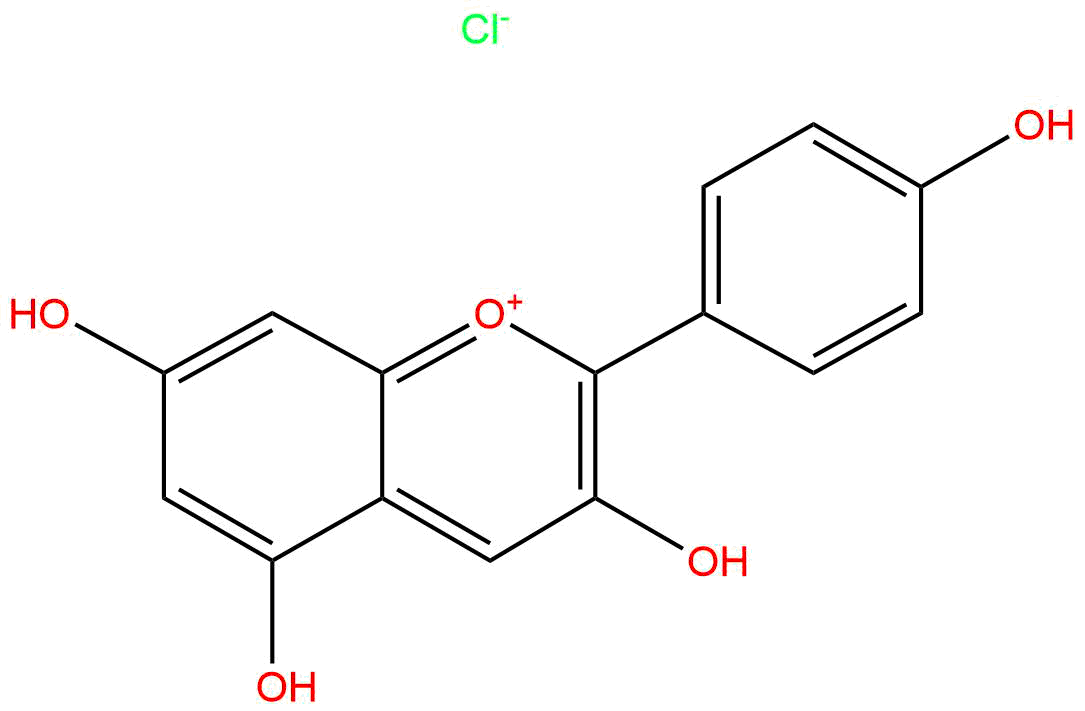


Product name: Pelargonidin chloride
Synonym name: Pelargonidin
Catalogue No.: BPF2132
Cas No.: 134-04-3
Formula: C15H11ClO5
Mol Weight: 306.69
Botanical Source:
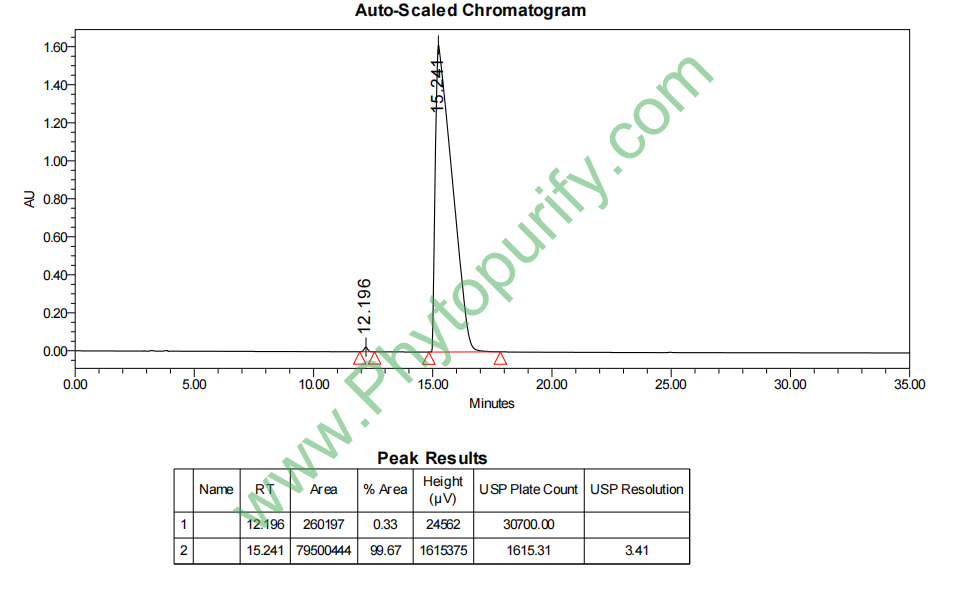
Purity: 95%~99%
Analysis Method: HPLC-DAD or/and HPLC-ELSD
Identification Method: Mass, NMR
Packing: Brown vial or HDPE plastic bottle
Can be supplied from milligrams to grams.
For Reference Standard and R&D, Not for Human Use Directly.
Inquire for bulk scale.
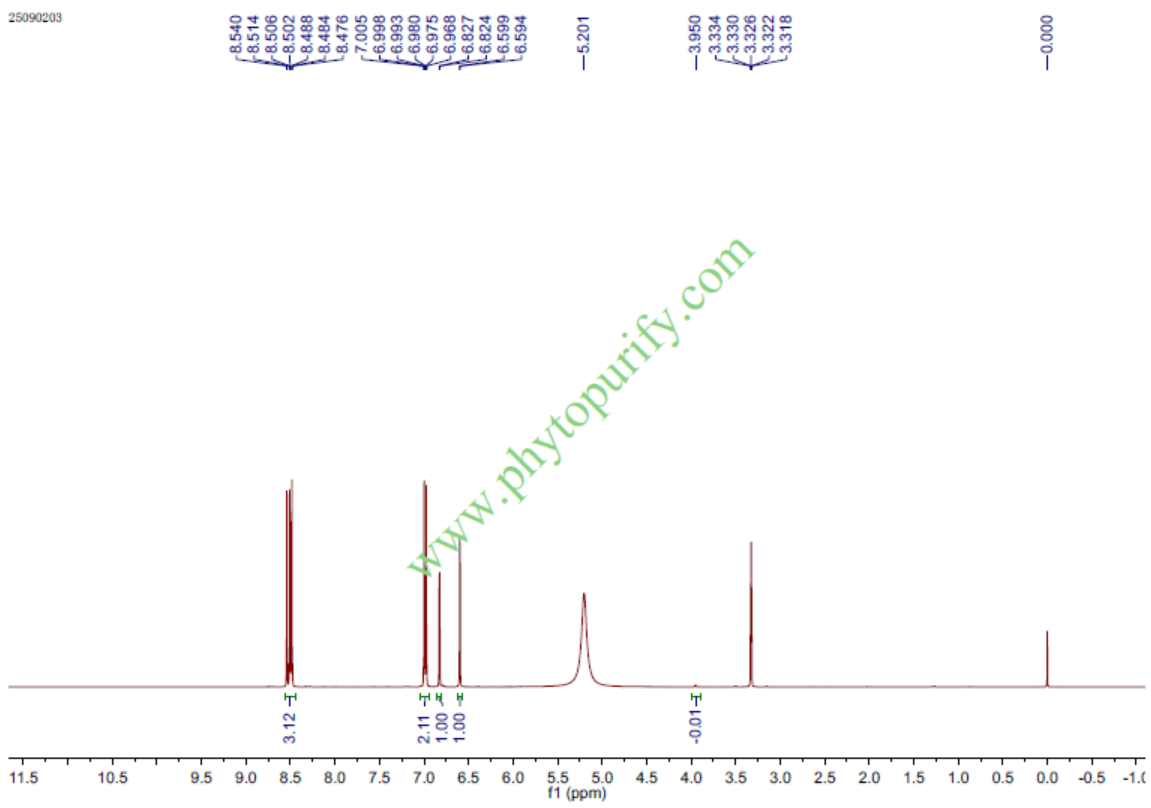
HNMR of Pelargonidin chloride
HPLC of Pelargonidin chloride
Storage conditions:Short-term storage at 2~8℃, long-term storage at -20 ~ -80℃
103.8300
1.0000
Low
null
No
No
No
No
No
No
null
Natural products have always been an important source of drug discovery and development, especially in the field of chronic disease prevention and treatment. Plant chemicals have attracted much attention due to their multi-target and low toxicity characteristics. Anthocyanins, as a water-soluble pigment widely present in the plant kingdom, not only endow fruits, vegetables, and flowers with bright red, blue, and purple colors, but also become a hot topic in natural product pharmacology research due to their significant biological activities such as antioxidant, anti-inflammatory, anti-tumor, and neuroprotective effects. Among numerous anthocyanin monomers, Pelargonidin chloride has attracted widespread interest from researchers in recent years due to its unique chemical structure and significant pharmacological activity.
Geranium chloride, also known as 3,5,7-trihydroxy-2- (4-hydroxyphenyl) benzopyranium chloride, is the chloride salt form of Pelargonidin. As a relatively simple member of the anthocyanin family, geraniums mainly endow red fruits such as strawberries, red berries, and pomegranates with characteristic colors. Compared with the more common cyanidins and Delphinidins, the B ring of geranium contains only one hydroxyl group, which determines its unique chemical stability and biological activity spectrum. Geranium chloride is not only an efficient scavenger of nitric oxide free radicals, exhibiting significant antioxidant activity, but also exerting cell protective effects by regulating multiple signaling pathways. It is worth noting that recent studies have revealed that geranium chloride can improve memory and learning disorders caused by β - amyloid protein (A β), suggesting its potential application value in neurodegenerative diseases such as Alzheimer's disease.
This article will provide a systematic review of the research progress of geranium chloride from multiple dimensions, including chemical structure and physicochemical properties, plant sources and extraction methods, pharmacological activity, mechanism of action, drug evaluation, and clinical application prospects, in order to provide reference for the in-depth research and development of this natural product.
The chemical structure of chlorinated geranium belongs to the anthocyanin subclass of typical flavonoids. Its core skeleton is a 2-phenylbenzopyranium cation, with specific structural features including a hydroxyl substituent at positions 3, 5, and 7 of ring A, a hydroxyl substituent at position 4 'of ring B, a hydroxyl substituent at position 2 of ring C connected to ring B, and a hydroxyl group at position 3. This structure makes geraniums belong to the "trihydroxy" type in the anthocyanin family, with a total of three hydroxyl substituents. Compared with cyanidin (B-ring 3 ', 4' - dihydroxy) and delphinidin (B-ring 3 ', 4', 5 '- trihydroxy), geranium has the simplest B-ring substitution pattern, with only one hydroxyl group, which directly affects its antioxidant capacity and color performance.
From the perspective of physical and chemical properties, the molecular formula of geranium chloride is C ₁₅ H ₁₁ ClO ₅, with a molecular weight of 306.70 g/mol. Its LogP value is 1.00, indicating that the compound has a certain hydrophilicity, which is consistent with the general water solubility characteristics of anthocyanin compounds. The topological polar surface area (TPSA) is 103.83 Å ², which is a relatively high value, indicating that the compound may have difficulty freely penetrating cell membranes, especially the blood-brain barrier. In fact, the evaluation of drug efficacy parameters shows that its blood-brain barrier permeability is low (Low), which to some extent limits its application in the treatment of central nervous system diseases, but also means that its peripheral system toxicity risk is relatively controllable.
Chlorinated geraniums exhibit a stable red or orange red color under acidic conditions. As the pH increases, their structure undergoes a reversible transformation from the red yellow cation form to the colorless methanol pseudobase or chalcone form. This characteristic determines their suitable pH range as natural pigments in food and beverages. Under conditions of light, heat, and oxidation, the stability of geranium chloride is poor and it is prone to degradation, which poses special requirements for its extraction, storage, and formulation development. In addition, the compound contains multiple phenolic hydroxyl groups, endowing it with excellent metal ion chelation ability and free radical scavenging activity, which is the structural basis of its antioxidant activity.
It is worth noting that the pharmacological evaluation shows that geranium chloride has no hepatotoxicity, no cardiotoxicity, and does not inhibit hERG potassium channels. The Ames test result is negative, indicating a low risk of genetic toxicity. These good safety features lay an important foundation for its development as a dietary supplement or drug candidate.
Chlorinated geraniums, as the chloride form of geraniums, are widely present in various plants, especially abundant in red and orange red fruits, vegetables, and flowers. Its main natural sources include strawberries (Fragaria × ananassa), red berries (Rubus idaeus), pomegranates (Punica granatum), carrots (Raphanus sativus), purple cabbage (Brassica oleracea var. capitata f. rubra), as well as certain varieties of grapes (Vitis vinifera) and beans. In addition, geranium is also a major coloring substance for many ornamental flowers such as Pelargonium hortorum, Ipomoea nil, and Rosa spp. It is worth noting that different plant varieties and cultivation conditions can significantly affect the content of geraniums, for example, dark strawberry varieties usually contain higher concentrations of geraniums than light varieties.
In terms of extraction methods, the extraction of geranium chloride usually follows the general extraction strategy for anthocyanin compounds, but special attention should be paid to its chemical instability. The traditional solvent extraction method is the most commonly used method, usually using acidified methanol or ethanol as the extraction solvent. The addition of acid (such as hydrochloric acid or formic acid) helps maintain the cationic form of anthocyanins and prevent their degradation. The extraction conditions are generally controlled at low temperatures (4-25 ° C) and in a dark environment to reduce oxidation and photodegradation. Modern extraction techniques such as ultrasound assisted extraction (UAE) and microwave-assisted extraction (MAE) have been successfully applied to the extraction of geraniums. These methods significantly improve the extraction efficiency and yield by disrupting the cell wall structure. For example, using a 60% ethanol solution and ultrasound treatment for 30 minutes under pH 3.0 conditions, geraniums can be efficiently extracted from strawberry pomace.
The crude extract after extraction usually needs to be purified to obtain high-purity geranium chloride. Common purification methods include column chromatography (such as C18 reverse phase silica gel column, polyamide column), high performance liquid chromatography (HPLC), and preparative thin layer chromatography. Among them, semi preparative HPLC combined with diode array detector (DAD) or mass spectrometry detector (MS) is the preferred method for obtaining high-purity standards. In recent years, high-speed countercurrent chromatography (HSCCC) and molecular imprinting techniques have also been applied to the efficient separation and purification of geraniums, which have the advantages of simple operation and high recovery rate.
It is worth noting that the standard of geranium chloride is usually obtained through chemical synthesis or purification from natural sources. Due to the presence of a mixture of various anthocyanins in natural extracts and the relatively low content of geraniums, chemical synthesis methods have certain advantages in the preparation of standard samples. However, the extraction of artemisinin from natural products is more in line with the concept of "natural" and is more popular in the fields of food and dietary supplements.
The pharmacological activity research of geranium chloride covers multiple fields such as antioxidant, anti-inflammatory, anti-tumor, neuroprotective, cardiovascular protection, and metabolic regulation, demonstrating a wide spectrum of biological activities.
antioxidant activity It is the most fundamental and important pharmacological action of geranium chloride. As an efficient scavenger of nitric oxide free radicals, geranium chloride can directly neutralize reactive oxygen species (ROS) and reactive nitrogen species (RNS) such as superoxide anions, hydroxyl radicals, and peroxynitrite. Its antioxidant mechanism is mainly based on the phenolic hydroxyl groups on the B and A rings providing hydrogen atoms or electrons, thereby stabilizing free radical intermediates. Research has shown that although the oxygen free radical absorption capacity (ORAC) and iron ion reduction capacity (FRAP) of geranium chloride are slightly lower than those of cyanidin and delphinidin, they are still significantly higher than many common antioxidants such as vitamin C and vitamin E. In addition, geranium chloride can indirectly reduce the production of free radicals by chelating transition metal ions (such as Fe ² ⁺, Cu ² ⁺) to inhibit the Fenton reaction.
anti-inflammatory activity On the one hand, geranium chloride can inhibit the production of nitric oxide (NO), prostaglandin E ₂ (PGE ₂), and pro-inflammatory cytokines such as tumor necrosis factor - α (TNF - α), interleukin-1 β (IL-1 β), and interleukin-6 (IL-6) in macrophages induced by lipopolysaccharide (LPS). Its anti-inflammatory mechanism is closely related to the inhibition of the activation of the nuclear factor kappa B (NF - κ B) signaling pathway and the mitogen activated protein kinase (MAPK) pathway. In animal models, oral administration of geranium chloride can alleviate carrageenan induced toe swelling in rats and acetic acid-induced increased intra-abdominal capillary permeability in mice, demonstrating clear anti-inflammatory effects in vivo.
Antitumor activity It is one of the hot research areas in the study of geranium chloride. In vitro experiments showed that geranium chloride could inhibit the proliferation of many tumor cell lines, including human breast cancer cells (MCF-7, MDA MB-231), colon cancer cells (HT-29, HCT-116), liver cancer cells (HepG2) and leukemia cells (HL-60). Its anti-tumor mechanism involves inducing cell cycle arrest and apoptosis. Specifically, geranium chloride can block the tumor cell cycle in the sub-G1 phase, which is related to the regulation of the expression of cyclins and cyclin dependent kinases (CDKs). Meanwhile, geranium chloride can activate the caspase cascade reaction, upregulate the expression of pro apoptotic protein Bax, and downregulate the expression of anti apoptotic protein Bcl-2, thereby inducing apoptosis in the mitochondrial pathway. It is worth noting that geranium chloride has low toxicity to normal cells and exhibits certain selective anti-tumor activity.
Neuroprotective activity This is an important breakthrough in the research of chlorinated geraniums in recent years. Multiple studies have confirmed that geranium chloride can improve memory and learning disorders caused by β - amyloid protein (A β), which is of great significance for the prevention and treatment of Alzheimer's disease. In the A β - induced neurotoxicity model, pretreatment with geranium chloride significantly reduced neuronal apoptosis, lowered intracellular ROS levels, and restored mitochondrial membrane potential. In addition, geranium chloride can also inhibit the aggregation and fibrosis of A β, reduce the excessive phosphorylation of tau protein, and these effects together constitute the molecular basis of its neuroprotective effect. In animal behavior experiments, oral administration of geranium chloride can improve the learning and memory abilities of A β - injected mice in water maze and Y maze tests, while reducing the loss of hippocampal neurons and the decrease of synaptic proteins.
Cardiovascular protective activity On the other hand, geranium chloride can inhibit the oxidative modification of low-density lipoprotein (LDL), reduce the formation of foam cells, and thus delay the process of atherosclerosis. In addition, it can promote vasodilation, lower blood pressure, and improve endothelial function by activating endothelial nitric oxide synthase (eNOS). In the myocardial ischemia-reperfusion injury model, pretreatment with geranium chloride can reduce myocardial infarction area, decrease the release of creatine kinase and lactate dehydrogenase, and its protective mechanism is closely related to antioxidant and anti apoptotic effects.
Metabolic regulatory activity In terms of aspect, geranium chloride has shown the potential to improve insulin resistance and regulate glucose and lipid metabolism. In 3T3-L1 adipocytes, geranium chloride can inhibit adipocyte differentiation and reduce lipid accumulation. In the animal model of diabetes, geranium chloride can reduce fasting blood glucose, improve glucose tolerance, and increase insulin sensitivity. These effects are partially achieved by activating the AMP activated protein kinase (AMPK) signaling pathway and upregulating the expression of glucose transporter 4 (GLUT4).
The pharmacological activity of geranium chloride involves a complex regulatory network of multiple molecular targets and signaling pathways, and its core mechanisms can be summarized as follows.
Regulation of antioxidant defense system It is one of the key mechanisms by which geranium chloride exerts its cell protective effect. Research has shown that geranium chloride can significantly upregulate the mRNA and protein expression of nuclear factor E2 related factor 2 (Nrf2) and promote its nuclear translocation. Nrf2, as the main transcription factor for cellular antioxidant response, binds to antioxidant response elements (ARE) upon activation and initiates the transcription of a series of downstream antioxidant enzyme genes, including heme oxygenase-1 (HO-1), NAD (P) H: quinone oxidoreductase 1 (NQO1), glutathione S-transferase (GST), and superoxide dismutase (SOD). Experimental data shows that treatment with geranium chloride can significantly increase the mRNA and protein levels of HO-1 and NQO1, and this effect depends on the activation of Nrf2. In addition, geranium chloride can further promote the stability and transcriptional activity of Nrf2 by activating the phosphatidylinositol 3-kinase/protein kinase B (PI3K/Akt) and extracellular signal regulated kinase (ERK) signaling pathways.
Cell cycle regulation and apoptosis induction It is the core mechanism of the anti-tumor activity of geranium chloride. Geranium chloride can block the tumor cell cycle in the sub-G1 phase, which is associated with downregulating the expression of cyclin D1, cyclin E, CDK2, and CDK4, as well as upregulating the expression of CDK inhibitors p21 and p27. In terms of apoptosis induction, geranium chloride works by activating the endogenous mitochondrial pathway: it can increase mitochondrial membrane permeability, promote the release of cytochrome c into the cytoplasm, activate caspase-9 and caspase-3, and ultimately lead to DNA fragmentation and cell apoptosis. Meanwhile, geranium chloride can upregulate the expression of pro apoptotic proteins Bax, Bad, and Bid, downregulate the expression of anti apoptotic proteins Bcl-2 and Bcl xL, alter the Bax/Bcl-2 ratio, and promote apoptosis. In addition, geranium chloride can enhance apoptosis induction by activating death receptor pathways (such as the Fas/FasL system) and inhibiting survival signaling pathways (such as the PI3K/Akt/NF - κ B pathway).
Neuroprotective mechanism Involving regulation at multiple levels. Firstly, geranium chloride can directly bind to A β monomers, inhibit their aggregation and fibrosis, reduce the formation of A β oligomers and fibers, and thus alleviate the neurotoxicity of A β. Secondly, geranium chloride activates the Nrf2/ARE pathway, upregulates the expression of antioxidant enzymes such as HO-1 and NQO1, and reduces the level of oxidative stress induced by A β. Thirdly, geranium chloride can inhibit A β - activated microglia and astrocytes, reduce the release of pro-inflammatory cytokines (such as TNF - α, IL-1 β) and neurotoxic substances, thereby alleviating neuroinflammatory reactions. Fourthly, geranium chloride can activate the cAMP response element binding protein (CREB) and brain-derived neurotrophic factor (BDNF) signaling pathways, promoting synaptic plasticity and neuronal survival. In addition, geranium chloride can inhibit the activity of glycogen synthase kinase-3 β (GSK-3 β), reduce the excessive phosphorylation of tau protein, and maintain microtubule stability.
Anti inflammatory signaling pathway The regulation of geranium chloride is the core of its anti-inflammatory effect. Geranium chloride can inhibit the activity of I κ B kinase (IKK), prevent the phosphorylation and degradation of I κ B α, thereby inhibiting the nuclear translocation and transcriptional activity of NF - κ B, and reducing the expression of downstream pro-inflammatory genes. Meanwhile, geranium chloride can also inhibit the phosphorylation of p38, JNK, and ERK in the MAPK pathway, thereby reducing the transcriptional activity of activator protein-1 (AP-1). In addition, geranium chloride can inhibit the expression of cyclooxygenase-2 (COX-2) and inducible nitric oxide synthase (iNOS), reduce the production of PGE ₂ and NO, and thus alleviate inflammatory reactions.
Metabolic regulation mechanism In terms of aspect, geranium chloride can activate the AMPK signaling pathway, increase energy consumption, promote fatty acid oxidation, and inhibit fat synthesis. Activation of AMPK can also increase membrane translocation of GLUT4, promote glucose uptake, and improve insulin sensitivity. In addition, geranium chloride can inhibit the expression of peroxisome proliferator activated receptor gamma (PPAR gamma) and C/EBP alpha, thereby suppressing adipocyte differentiation.
The pharmacological evaluation of geranium chloride involves multiple aspects such as absorption, distribution, metabolism, excretion (ADME) characteristics, and safety. According to the existing pharmacological parameters, the molecular weight of geranium chloride is 306.70 Da, which meets the requirement of molecular weight less than 500 in Lipinski's Rule of Five. Its LogP value is 1.00, indicating strong hydrophilicity and good water solubility, which is beneficial for the development of oral formulations. The number of hydrogen bond acceptors is 6, slightly higher than the recommendation of not exceeding 5 in the five rules, but still within an acceptable range. The TPSA is 103.83 Å ², which is a relatively high value, indicating that its oral absorption may be limited to some extent. However, it also means that it is not easy to penetrate the blood-brain barrier, which to some extent explains its low central nervous system toxicity.
In terms of pharmacokinetics, research on the in vivo processes of geranium chloride is relatively limited, but its general outline can be inferred based on the common characteristics of anthocyanin compounds. After oral administration, geranium chloride is mainly absorbed in the stomach and small intestine, but due to its polarity and molecular size, the absorption efficiency is usually low (bioavailability is usually less than 2%). The absorbed geranium chloride undergoes extensive metabolism in the body, mainly including glucuronic acid binding, sulfuric acid binding, and methylation modification. These metabolic reactions mainly occur in the small intestine mucosa and liver, catalyzed by UDP glucuronosyltransferases (UGTs), sulfotransferases (SULTs), and catechol-O-methyltransferases (COMT). The biological activity of metabolites is usually lower than that of the parent compound, but some metabolites may still retain some activity.
In terms of distribution, geranium chloride and its metabolites are mainly distributed in the blood and tissues rich in blood vessels. Due to its hydrophilicity, its tissue distribution is limited, but studies have detected trace amounts of geranium metabolites in brain tissue, suggesting that it may penetrate the blood-brain barrier in small amounts through some mechanism, such as transporter mediated or passive diffusion. In terms of excretion, geranium chloride and its metabolites are mainly excreted through bile and urine, with bile excretion being the main pathway.
Safety evaluation is an important component of drug efficacy assessment. As mentioned earlier, geranium chloride has shown good safety in standard toxicity tests: no hepatotoxicity, no cardiotoxicity, no inhibition of hERG potassium channels, and negative Ames test. These results suggest a low risk of genetic toxicity and controllable risk of cardiac safety. However, it should be noted that anthocyanin compounds may cause gastrointestinal discomfort at high doses, and their long-term safety data is still relatively lacking.
From the perspective of formulation development, the chemical instability of geranium chloride is its main challenge. To improve its stability, techniques such as microencapsulation, liposome encapsulation, and cyclodextrin inclusion can be used. In addition, the combination with antioxidants such as vitamin C and vitamin E can also enhance its stability. In terms of administration routes, oral formulations are the most convenient and commonly used method, but in order to improve bioavailability, new delivery systems such as nano formulations and phospholipid complexes are being actively explored.
Based on the rich pharmacological activity and good safety characteristics of geranium chloride, its clinical application prospects in multiple disease fields are worth looking forward to.
Neurodegenerative diseases It is the most promising application field for the conversion of geranium chloride. Given its ability to improve memory and learning disorders caused by A β and its multiple neuroprotective mechanisms such as antioxidant, anti-inflammatory, and anti A β aggregation, geranium chloride is expected to be developed as an adjuvant therapy or preventive dietary supplement for Alzheimer's disease. However, its low blood-brain barrier permeability is a major obstacle. Future research needs to explore how to improve its brain bioavailability through structural modifications (such as prodrug design) or nano delivery systems (such as brain targeted liposomes, polymer nanoparticles). In addition, when used in combination with other natural products that have synergistic effects, such as curcumin and resveratrol, it may produce better neuroprotective effects.
Cancer Prevention and Treatment On the one hand, the selective toxicity and low normal cytotoxicity of geranium chloride to various tumor cells make it a potential chemopreventive or adjuvant therapy drug. Especially in the chemoprevention of colorectal cancer and breast cancer, geranium chloride may play a protective role by regulating intestinal flora, inhibiting inflammation and oxidative stress. Future preclinical studies need to further clarify the effective dosage and administration regimen for its in vivo anti-tumor activity, and explore the combination strategy with chemotherapy drugs such as 5-fluorouracil and doxorubicin.
cardiovascular disease In this field, the antioxidant, anti-inflammatory and vascular protective activities of geranium chloride provide a theoretical basis for its application in atherosclerosis, hypertension, myocardial ischemia and other diseases. Epidemiological studies have shown that a diet rich in anthocyanins is closely associated with a reduced risk of cardiovascular disease. Geranium chloride, as an important active ingredient, has the potential to be developed as a functional food or dietary supplement for cardiovascular health.
Metabolic diseases On the other hand, geranium chloride has the potential to improve insulin resistance and regulate glucose and lipid metabolism, making it valuable in the prevention and treatment of type 2 diabetes and obesity. Its mechanism of activating AMPK signaling pathway is similar to that of first-line hypoglycemic drugs such as metformin, suggesting that it may be used as an auxiliary means for diabetes management.
However, the clinical translation of geranium chloride still faces many challenges. Firstly, its low oral bioavailability is the biggest bottleneck, requiring the development of effective delivery systems or structurally similar substances to increase in vivo exposure. Secondly, its chemical stability is poor and it is prone to degradation during formulation and storage, requiring the development of stable formulation formulas. Thirdly, clinical research on geranium chloride is currently extremely limited, and key data on its pharmacokinetic characteristics, effective dosage, and long-term safety in vivo are still lacking. Fourthly, although its multi-target mechanism of action is beneficial for achieving comprehensive therapeutic effects, it also increases the complexity of mechanism of action research and the difficulty of drug development.
Future research directions should focus on developing highly bioavailable formulations; Conduct systematic preclinical toxicology and pharmacokinetic studies; Conduct rigorously designed clinical trials to validate their efficacy and safety in specific diseases; Explore the development of structural modifications or analogues to improve their pharmacological properties; And using systems pharmacology and network pharmacology methods to further elucidate its multi-target mechanism of action.
Chlorinated geraniums, as a relatively simple but biologically active natural product in the anthocyanin family, exhibit significant pharmacological activities in multiple fields such as antioxidant, anti-inflammatory, anti-tumor, neuroprotective, and metabolic regulation. It exerts multi-target and multi-level biological effects by regulating multiple signaling pathways such as Nrf2/ARE, NF - κ B, MAPK, PI3K/Akt, AMPK, etc., reflecting the unique advantages of natural product "multi-target therapy". Of particular note is the discovery that geranium chloride improves memory and learning disorders caused by A β, opening up new directions for its application in the prevention and treatment of Alzheimer's disease.
Although geranium chloride has shown good safety characteristics in drug formulation, its low oral bioavailability and chemical instability remain the main bottlenecks restricting its clinical translation. Future research needs to focus on tackling the challenges in formulation and pharmacokinetics based on a deep understanding of its mechanism of action, in order to promote this natural product with great potential from the laboratory to clinical applications. With the development of new strategies such as nanotechnology, structural modification, and systems pharmacology, geranium chloride is expected to play a greater role in the prevention and treatment of neurodegenerative diseases, tumors, and metabolic diseases, and contribute to human health.
