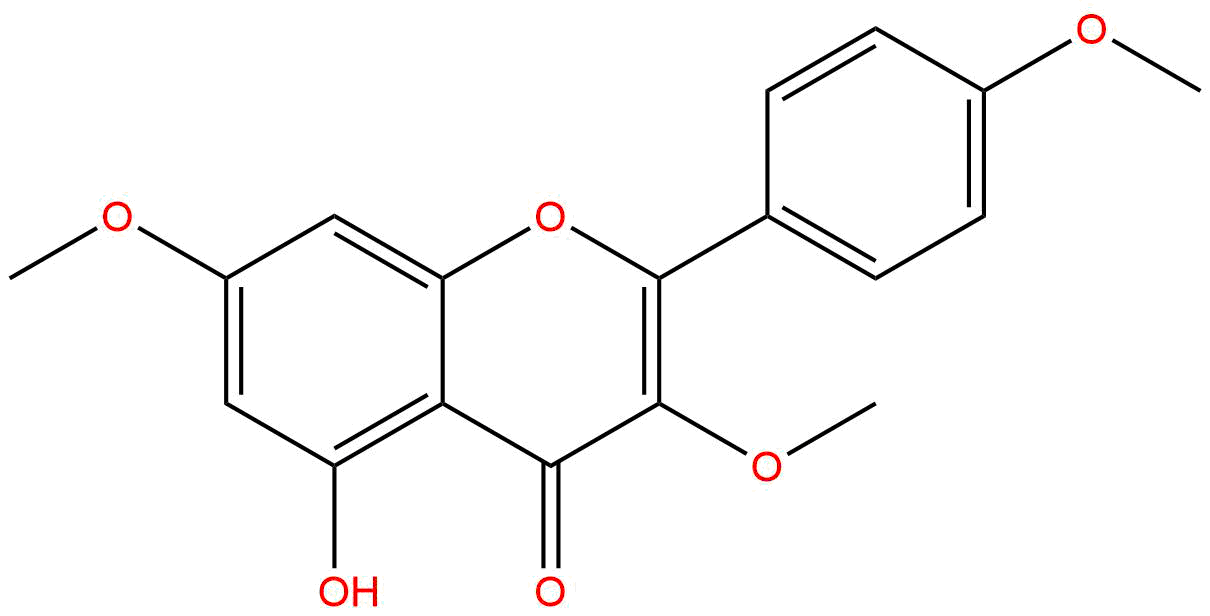


Product name: Kaempferol 3,7,4'-trimethyl ether
Synonym name:
Catalogue No.: SBP03000
Cas No.: 15486-34-7
Formula: C18H16O6
Mol Weight: 328.32
Botanical Source:
Physical Description:
Type of Compound:
Purity: 95%~99%
Analysis Method: HPLC-DAD or/and HPLC-ELSD
Identification Method: Mass, NMR
Packing: Brown vial or HDPE plastic bottle
Storage: Store in a well closed container, protected from air and light. Put into refrigerate or freeze for long term storage.
Whenever possible, you should prepare and use solutions on the same day. However, if you need to make up stock solutions in advance, we recommend that you store the solution as aliquots in tightly sealed vials at -20℃. Generally, these will be useable for up to two weeks.
The product could be supplied from milligrams to grams
Inquire for bulk scale.
For Reference Standard and R&D, Not for Human Use Directly.
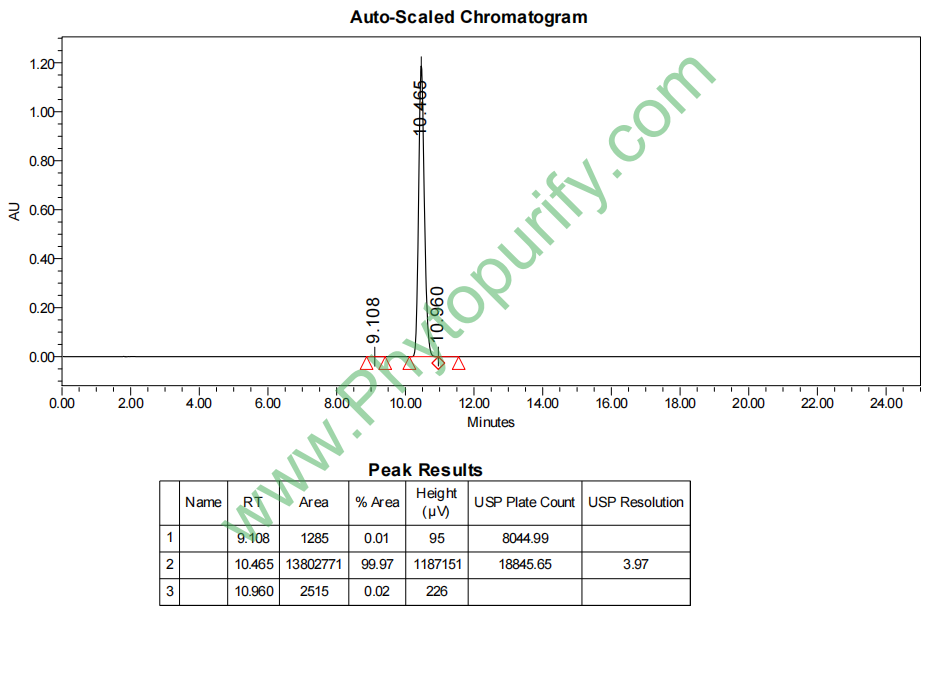
HPLC of Kaempferol 3,7,4'-trimethyl ether
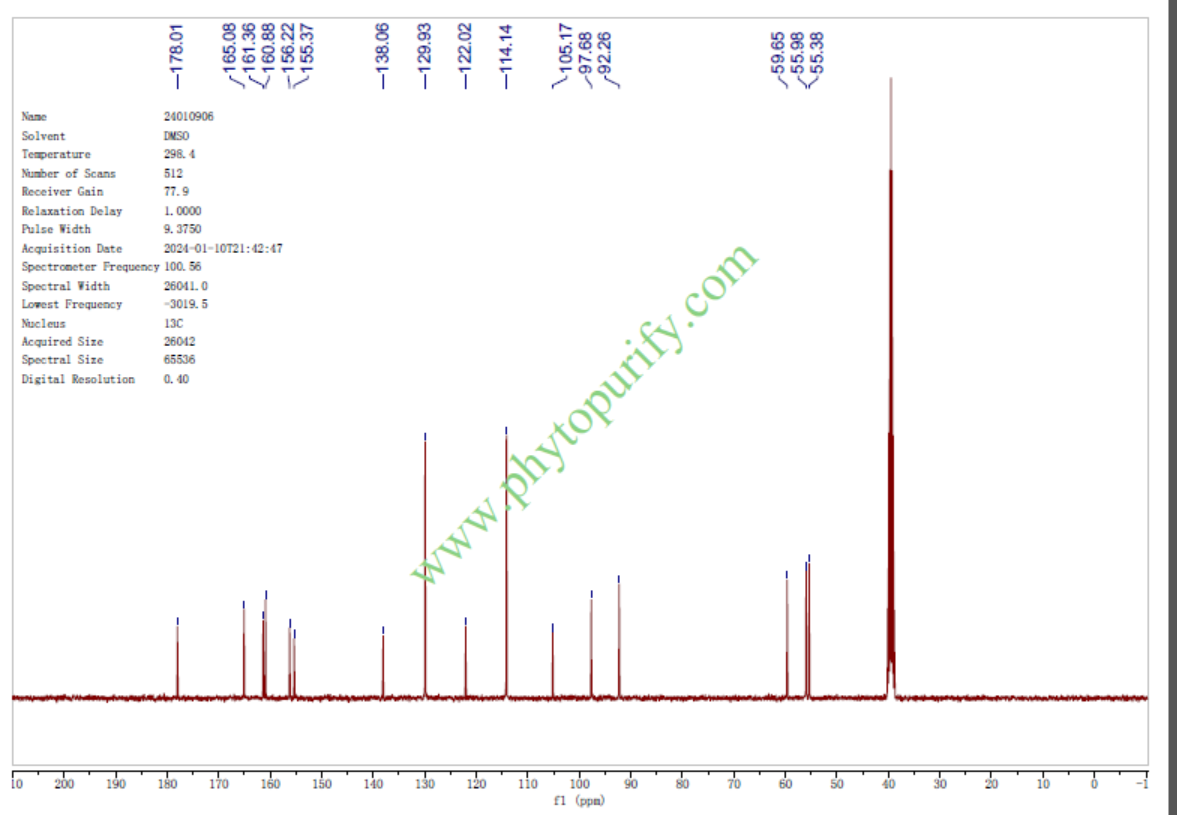
NMR of Kaempferol 3,7,4'-trimethyl ether
Storage conditions:Short-term storage at 2~8℃, long-term storage at -20 ~ -80℃
83.6200
3.3100
Low
Unknown
Unknown
Unknown
Unknown
Unknown
Unknown
Kaempferol 3,7,4 '- trimethyl ether is a natural flavonoid compound that belongs to the methylation products derived from Kaempferol. As an important member of flavonoid natural products, kaempferol and its derivatives have received high attention in the fields of pharmacology and natural product chemistry due to their extensive biological activity and potential medicinal value. Through specific methylation modification, kaempferol 3,7,4 '- trimethyl ether not only improves its physicochemical properties, but also endows it with unique biological functions, especially exhibiting significant activities in antioxidant, anti-inflammatory, metabolic regulation, and neuroprotection.
In recent years, with the increase of the incidence rate of metabolic syndrome, rheumatoid arthritis, cancer metastasis and neurodegenerative diseases (such as Parkinson's disease), the research on natural products of these diseases is increasing. Due to its multi-target regulatory ability, kaempferol 3,7,4 '- trimethylether has become a hot candidate molecule for the development of new therapeutic drugs. This article aims to systematically review the chemical structure, plant sources, extraction methods, pharmacological activities, and mechanisms of action of 3,7,4 '- trimethyl ether of kaempferol, and explore its clinical application prospects and development directions in combination with drug evaluation. It provides a theoretical basis and reference for subsequent research and drug development.
The chemical structure of kaempferol 3,7,4 '- trimethyl ether is based on the flavonoid skeleton, with a molecular formula of C18H18O6 and a molecular weight of 330.32. Its structural characteristic is that the hydroxyl groups at positions 3, 7, and 4 'on the molecule of kaempferol are replaced by methyl groups, forming a trimethyl ether structure. This methylation modification significantly affects its physicochemical properties and biological activity.
Methylation modification can usually improve the metabolic stability and membrane permeability of flavonoids, while reducing polarity, which is beneficial for oral absorption and intracellular accumulation. The physicochemical properties of kaempferol 3,7,4 '- trimethyl ether give it great potential in drug design, especially in regulating cell signaling pathways and targeting various disease-related proteins.
Sankaempferol 3,7,4 '- trimethyl ether is mainly found in various traditional medicinal and edible plants, especially in certain plant species rich in flavonoids. Common plant sources include:
The common methods for extracting 3,7,4 '- trimethyl ether from kaempferol include:
Solvent extraction
Organic solvents such as ethanol, methanol, or ethyl acetate are used to extract plant dried powders, and their good solubility in flavonoids is utilized for preliminary extraction.
Liquid liquid distribution and column chromatography separation
Non polar impurities were removed through liquid-liquid distribution technology, and then the extract was purified using methods such as silica gel column chromatography and reverse phase high performance liquid chromatography (RP-HPLC) to obtain high-purity kaempferol 3,7,4 '- trimethyl ether.
Modern extraction techniques
Emerging technologies such as ultrasound assisted extraction, microwave-assisted extraction, and supercritical fluid extraction improve extraction efficiency, reduce solvent usage, and protect the stability of active ingredients.
Purity and structural identification are usually confirmed by mass spectrometry (MS), nuclear magnetic resonance (NMR), and infrared spectroscopy (IR) to ensure the quality of the extract and the accuracy of the active ingredients.
The pharmacological activities of kaempferol 3,7,4 '- trimethyl ether cover multiple fields such as antioxidant, anti-inflammatory, metabolic regulation, anti-tumor, and neuroprotection, reflecting its multi-target and multi pathway effects.
As a natural flavonoid product, kaempferol 3,7,4 '- trimethyl ether exhibits significant free radical scavenging ability and antioxidant defense effects. It protects cells from oxidative stress damage by regulating various antioxidant enzymes and related signaling pathways. The relevant targets include:
By activating the NRF2 signaling pathway, kaempferol 3,7,4 '- trimethyl ether enhances the antioxidant capacity of cells and reduces inflammation and tissue damage caused by oxidative stress.
Metabolic syndrome involves various metabolic disorders, including insulin resistance, abnormal lipid metabolism, and chronic inflammation. Sankaempferol 3,7,4 '- trimethyl ether exerts metabolic regulatory effects by regulating the following targets:
Through the regulation of the above targets, kaempferol 3,7,4 '- trimethyl ether is expected to improve insulin resistance, reduce blood lipids, inhibit chronic inflammatory reactions, and alleviate the pathological state of metabolic syndrome.
RA is a chronic autoimmune inflammatory disease, and kaempferol 3,7,4 '- trimethyl ether regulates the inflammatory response and tissue destruction process through multi-target regulation
Sankaempferol 3,7,4 '- trimethyl ether has potential anti RA effects by inhibiting the NFKB signaling pathway and the expression of related inflammatory factors, reducing joint inflammation and cartilage damage.
Cancer metastasis is a major challenge in tumor treatment, and kaempferol 3,7,4 '- trimethyl ether exerts anti metastatic effects by regulating cell migration and invasion related signaling pathways
By inhibiting the above targets, kaempferol 3,7,4 '- trimethyl ether can inhibit the invasion and metastasis of tumor cells, demonstrating anti-cancer potential.
Parkinson's disease (PD) is a common neurodegenerative disease, and kaempferol 3,7,4 '- trimethyl ether exhibits neuroprotective effects by regulating neuronal autophagy and mitochondrial function
Regulating the above targets helps maintain the mitochondrial function of nerve cells and clear damaged organelles, slowing down the pathological progression of PD.
The multi-target mechanism of action of kaempferol 3,7,4 '- trimethyl ether demonstrates its wide applicability in different disease models. The main mechanisms include:
Activation of antioxidant signaling pathway
By activating the NRF2 signaling axis, the expression of antioxidant enzyme genes is promoted, enhancing the cell's defense against oxidative stress.
Inflammatory signal inhibition
Inhibiting the expression of pro-inflammatory factors such as NF - κ B and TNF, reducing inflammatory response, and protecting tissues from chronic inflammatory damage.
metabolic regulation
Regulating key metabolic regulatory factors such as PPAR γ, SREBF1, and AMPK, improving lipid and glucose metabolism abnormalities, and alleviating metabolic syndrome related pathology.
Inhibition of Cell Migration and Matrix Remodeling
By inhibiting MMPs and MAPK1/JUN signaling, the invasion and metastasis of tumor cells are blocked.
Mitochondrial function maintenance and autophagy regulation
Promote PINK1/Parkin mediated mitochondrial autophagy, clear damaged mitochondria, and protect nerve cells from oxidative damage.
The synergistic effect of these mechanisms enables kaempferol 3,7,4 '- trimethyl ether to exhibit good therapeutic potential in various pathological states.
The pharmacological parameters of kaempferol 3,7,4 '- trimethyl ether show that it has certain potential for drug development:
However, its blood-brain barrier permeability is low, which may limit its direct application in central nervous system diseases, but it is expected to be improved through structural modifications or carrier systems.
At present, the data on liver toxicity, cardiac toxicity, hERG channel inhibition, and genotoxicity (Ames test) are not clear, and a systematic safety evaluation is needed. In addition, there is a lack of research on its pharmacokinetic characteristics (absorption, distribution, metabolism, excretion), which needs to be supplemented in the future, especially in the determination of metabolic stability and in vivo half-life.
As a multifunctional natural product, kaempferol 3,7,4 '- trimethyl ether has a wide range of pharmacological activities and good pharmacological basis, demonstrating potential clinical application value in the following fields:
Development of antioxidant and anti-inflammatory drugs
Develop new antioxidants and anti-inflammatory drugs for oxidative stress-related diseases such as cardiovascular disease and chronic inflammatory diseases.
Treatment of metabolic syndrome and related metabolic diseases
By regulating lipid and glucose metabolism, improve insulin sensitivity, prevent and treat obesity, diabetes, fatty liver and other metabolic diseases.
Adjuvant therapy for rheumatoid arthritis
Reducing joint inflammation and tissue damage, as a potential candidate molecule for anti-inflammatory drugs.
Anti tumor and anti metastatic drugs
Inhibit tumor cell migration and invasion, assist existing cancer treatment plans, and reduce the risk of metastasis.
Protective agents for neurodegenerative diseases
By regulating mitochondrial function and autophagy, the progression of neurodegenerative diseases such as Parkinson's disease can be delayed.
Future research should focus on:
As a natural flavonoid compound with multi-target and multi pathway effects, kaempferol 3,7,4 '- trimethyl ether exhibits rich pharmacological activity and good potential for drug development. Its research progress in antioxidant, metabolic regulation, anti-inflammatory, anti-tumor, and neuroprotective aspects provides strong support for the development of new natural medicines. Although further research is needed in terms of safety and pharmacokinetics, its multifunctionality and extensive target regulation ability make it a highly valuable research object in the field of natural product pharmacology. In the future, through interdisciplinary collaboration and technological innovation, kaempferol 3,7,4 '- trimethyl ether is expected to play an important role in the clinical treatment of various complex diseases, promoting the development of natural product drugs to a new level.
