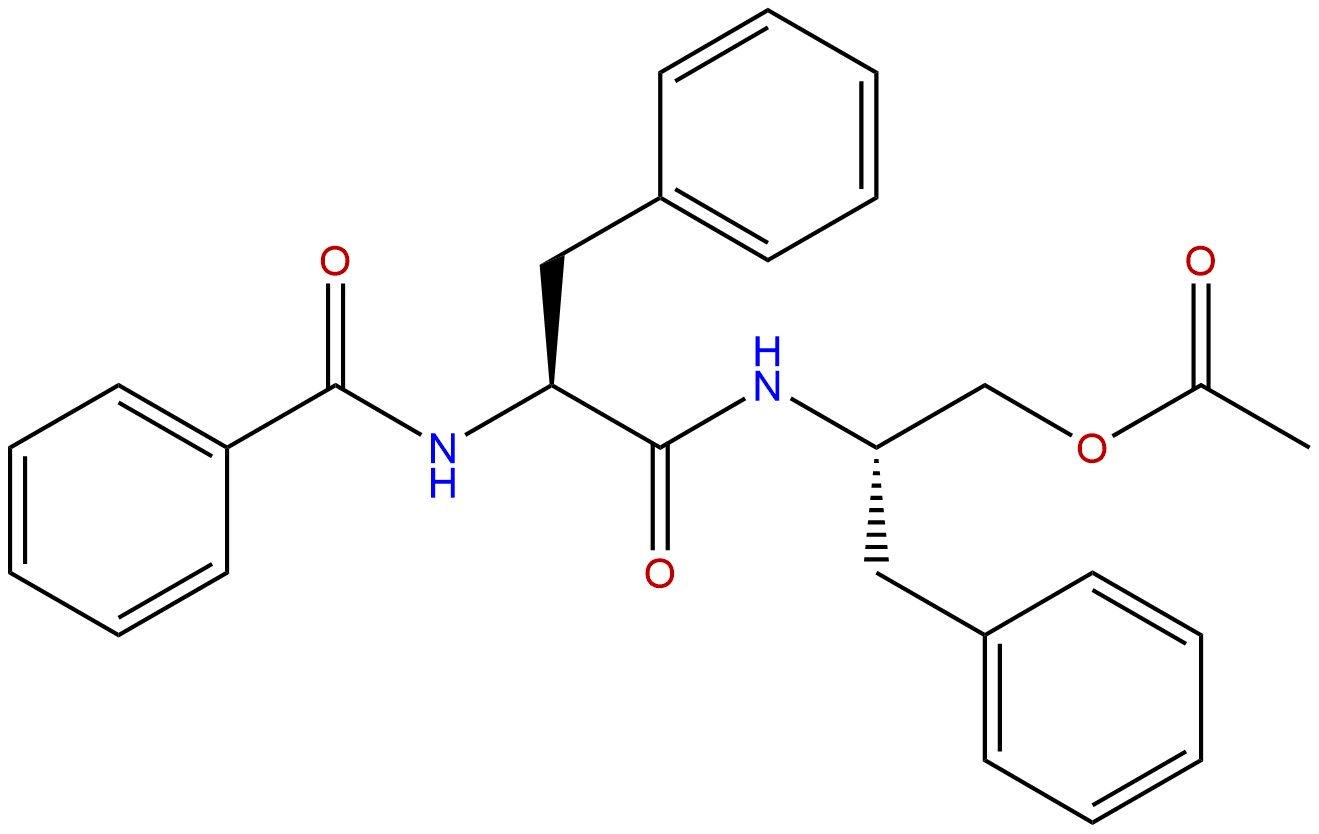


Product name: Aurantiamide acetate
Synonym name: Asperglaucide
Catalogue No.: BP3079
Cas No.: 56121-42-7
Formula: C27H28N2O4
Mol Weight: 444.531
Botanical Source:
Physical Description: Powder
Type of Compound: Alkaloids
Purity: 95%~99%
Analysis Method: HPLC-DAD or/and HPLC-ELSD
Identification Method: Mass, NMR
Packing: Brown vial or HDPE plastic bottle
The product could be supplied from milligrams to grams. Inquire for bulk scale.
We provide solution to improve the water-solubility of compounds, thereby facilitating the variety of activity tests and clinic uses.
For Reference Standard and R&D, Not for Human Use Directly.
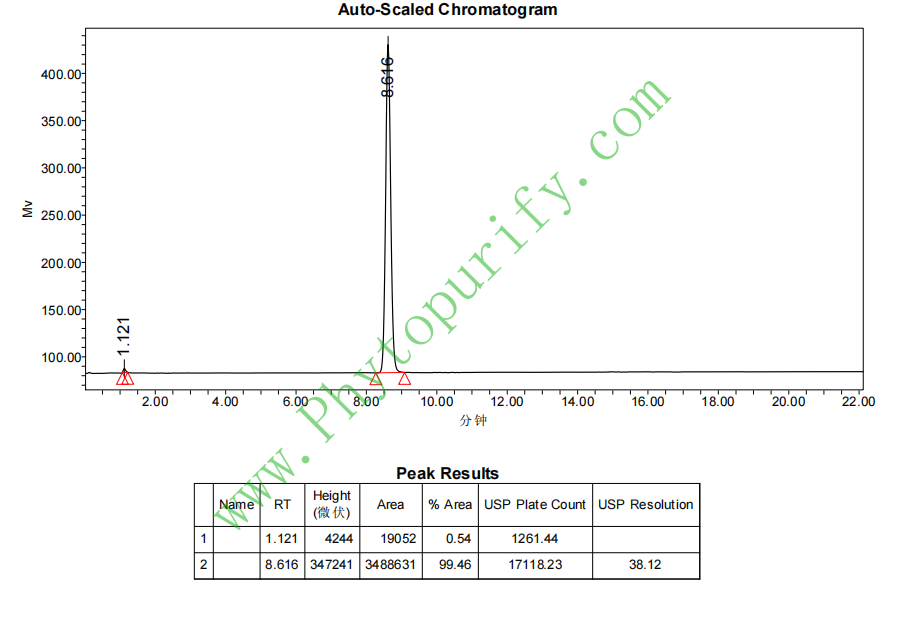
HPLC of Aurantiamide acetate
Storage conditions:Short-term storage at 2~8℃, long-term storage at -20 ~ -80℃
84.5000
3.0007
3.0008
.0221
2.7219
3.2821
Low
92.0108
2.6916
Yes
No
No
No
No
No
0.0
Yes
Yes
Yes
Yes
As an important treasure trove for drug discovery, natural products continue to provide modern medicine with structurally novel and uniquely active lead compounds. Among numerous natural molecules with biological activity, Aurantiamide acetate (CAS number: 56121-42-7) is increasingly attracting the attention of pharmacological researchers due to its unique mechanism of action and wide range of pharmacological activities. This compound was originally derived from the traditional medicinal plant purslane(Portulaca oleracea L.)It was isolated and identified as a selective and orally active inhibitor of cathepsin. With the deepening of research, its pharmacological activity spectrum has far exceeded the initial anti-inflammatory category, especially showing remarkable potential in the field of neuroprotection, involving the regulation of multiple key pathological processes such as apoptosis, oxidative stress, tau protein phosphorylation, and amyloid protein production. Its multi-target action characteristics make it an ideal candidate molecule for studying neurodegenerative diseases such as Alzheimer's disease, Parkinson's disease, and chronic inflammation related diseases. This article aims to provide a systematic review of the chemical properties, plant sources, pharmacological activities, molecular mechanisms of action, pharmacological evaluation, and clinical application prospects of golden acylamide esters, in order to provide comprehensive academic references for the in-depth research and development of this compound.
Golden acylamide ester is a natural product of dipeptide derivatives, whose chemical structure consists of two phenylalanine units connected by amide bonds. One phenylalanine's amino group is acetylated, and the other's carboxyl group is esterified with benzyl alcohol. This unique structure distinguishes it from common simple peptides or alkaloids.
Its molecular formula is C24H28N2O5 and its molecular weight is 444.5310. From the analysis of physical and chemical properties, the calculated lipid water partition coefficient (LogP) is about 3.0007, indicating that the compound has moderate lipophilicity, which is beneficial for its penetration of cell membranes, but may also affect its water solubility. Its topological polar surface area (TPSA) is 84.5000 Å ², which is relatively moderate. The measured or predicted water solubility data is relatively low (about 0.0221 mg/mL), indicating that solubilization strategies may need to be considered in the formulation development process to improve its bioavailability. In the preliminary drug screening, the compound did not show hERG potassium channel inhibitory activity (hERG inhibition: No), which is a positive signal as hERG inhibition is associated with potential risk of cardiac toxicity (QT interval prolongation). In addition, the actual Ames test result was 0.0, which preliminarily indicates that there is no mutagenicity under this testing system, providing early support for its safety evaluation. It is worth noting that its blood-brain barrier permeability is predicted to be "low", which poses a challenge for neuroprotective activity targeting the central nervous system and may require structural modification or delivery system optimization to improve its brain delivery efficiency.
The main natural source of golden amide esters is purslane(Portulaca oleracea L.)This is a common annual herbaceous plant widely distributed worldwide. In traditional Chinese medicine and many folk medical systems, the whole plant of purslane is used for clearing heat and detoxifying, cooling blood and stopping bleeding. Modern research has also confirmed its various activities such as anti-inflammatory, antioxidant, and antibacterial. Golden acylamide ester is one of the important active ingredients in purslane that exert pharmacological effects.
The extraction and separation of gold amide esters from plant materials usually follow the conventional process of natural product chemistry. Firstly, collect the aboveground parts of purslane, dry and crush them. Common extraction solvents include methanol, ethanol, or aqueous ethanol, and immersion, reflux, or ultrasound assisted extraction methods are used to maximize yield. After obtaining the crude extract, it is preliminarily enriched by systematic extraction using solvents such as petroleum ether, ethyl acetate, n-butanol, etc. Golden acylamide esters are often enriched in the ethyl acetate extraction site due to their equipolarity. Further purification relies on column chromatography technology, often using silica gel column chromatography with different ratios of petroleum ether ethyl acetate or chloroform methanol gradient elution. Collect the target fraction through thin-layer chromatography (TLC) monitoring. To obtain high-purity monomers, it is usually necessary to undergo repeated column chromatography or use preparative high-performance liquid chromatography (HPLC) for final purification. The structural identification is completed through spectroscopic techniques such as nuclear magnetic resonance (NMR, including 1H-NMR and 13C-NMR), mass spectrometry (MS), and infrared spectroscopy (IR), and confirmed by comparing with literature data.
The pharmacological activity research of golden acylamide esters has expanded from the initial anti-inflammatory field to multiple aspects such as neuroprotection and anti-tumor, among which neuroprotective activity is the most prominent and in-depth.
1. Anti inflammatory activity:
As a selective protease inhibitor, golden acylamide ester interferes with inflammatory signaling pathways (such as NF - κ B activation) and the production of inflammatory mediators by inhibiting proteases such as cathepsin B and L. In various animal models of acute and chronic inflammation, such as carrageenan induced paw swelling in rats and lipopolysaccharide induced systemic inflammation, golden acylamide esters have shown significant anti-inflammatory effects, effectively reducing tissue edema and lowering levels of pro-inflammatory cytokines (such as TNF - α, IL-1 β, IL-6).
2. Neuroprotective activity:
This is the most promising direction in the research of gold amide esters. It has shown clear protective effects in various neural injury models:
- Anti oxidative stress: In neuronal cell injury models induced by hydrogen peroxide, glutamate, or β - amyloid protein, golden acylamide esters can significantly increase cell survival rate, reduce reactive oxygen species (ROS) levels, and enhance cell antioxidant defense ability.
- Inhibition of cell apoptosis: This compound can regulate the expression of apoptosis related proteins, such as upregulating the anti apoptotic protein Bcl-2, downregulating the pro apoptotic protein Bax, and inhibiting the activation of apoptosis executing proteins such as caspase-9, thereby blocking the neuronal apoptosis pathway.
- Improving tau protein pathology: In Alzheimer's disease-related models, it has been shown that golden acylamide esters can inhibit the activity of glycogen synthase kinase-3 β (GSK3 β), thereby reducing the excessive phosphorylation of tau protein, which is a key step in the formation of neurofibrillary tangles.
- Reduce the production of β - amyloid protein: Research has shown that golden acylamide esters may reduce the production of neurotoxic A β peptides by affecting the activity or expression of β - site amyloid precursor protein lyase 1 (BACE1).
- Activate endogenous protective pathways: It can upregulate the activity of nuclear factor E2 related factor 2 (Nrf2) and promote the expression of downstream antioxidant enzymes such as HO-1 and NQO1; It can also activate the deacetylase SIRT1, which is involved in regulating energy metabolism, oxidative stress, and cellular aging.
3. Other activities:
Some studies have also reported that golden acylamide esters have anti-tumor (by inducing apoptosis, inhibiting migration), antiplatelet aggregation and other activities, but related research is still in the preliminary stage.
Golden acylamide esters exert their multifunctional pharmacological effects, especially neuroprotective effects, by interacting with multiple molecular targets and regulating complex cellular signaling networks. Its mechanism of action can be summarized as the following core aspects:
1. Direct inhibition of cathepsin:
This is its initial identified direct target. Cathepsin (such as B, L) is a class of lysosomal cysteine proteases that play important roles in inflammation, extracellular matrix degradation, cell apoptosis, and autophagy. Golden acylamide esters can stabilize lysosomal membranes, reduce the release of inflammatory mediators, and indirectly affect apoptosis pathways that rely on these proteases by selectively inhibiting them.
2. Regulating apoptosis and balance of survival:
- BCL2 family: Golden acylamide ester can significantly upregulate the expression of anti apoptotic protein BCL2, while possibly downregulating pro apoptotic proteins such as BAX, thereby stabilizing the mitochondrial membrane and preventing the release of cytochrome C. This is one of the core mechanisms by which it inhibits the mitochondrial apoptosis pathway.
- CASP9: As the initiating caspase of apoptosis, the activation of caspase-9 is a crucial step in the mitochondrial apoptosis pathway. Golden acylamide esters effectively inhibit the activation of caspase-9 through upstream regulation, such as stabilizing mitochondria.
- MAPK1(ERK2): Extracellular signal regulated kinase (ERK) is an important member of the MAPK signaling pathway, typically associated with cell proliferation, differentiation, and survival. Golden acylamide esters may enhance the survival ability of neurons under stress conditions by activating the ERK pathway, transmitting survival promoting signals.
3. Combat the core pathology of Alzheimer's disease:
- APP and BACE1: The cleavage of amyloid precursor protein (APP) by BACE1 (β - secretase) is a key rate limiting step in the production of A β. Golden acylamide esters may reduce the production of A β by downregulating the expression or activity of BACE1, thereby alleviating the burden of amyloid plaques and related neurotoxicity.
- MAPT (Tau protein) and GSK3B: The abnormal hyperphosphorylation of Tau protein is mainly catalyzed by kinases such as GSK3 β. Golden acylamide ester has been proven to be an effective inhibitor of GSK3 β. By inhibiting the activity of GSK3 β, it directly reduces the phosphorylation of tau protein and helps maintain the stability of neuronal cytoskeleton.
4. Activate the endogenous defense system:
- NFE2L2(Nrf2): Nrf2 is a central regulatory factor of cellular antioxidant response. Golden acylamide ester can promote the translocation of Nrf2 from cytoplasm to nucleus, activate its downstream antioxidant response element (ARE), drive the expression of a series of phase II detoxifying enzymes and antioxidant proteins (such as HO-1, NQO1), and comprehensively enhance the cell's antioxidant stress resistance.
- SIRT1: The deacetylase SIRT1 is involved in regulating energy metabolism, oxidative stress, inflammation, and cellular aging. Golden acylamide esters can promote mitochondrial biosynthesis, inhibit NF - κ B mediated inflammatory responses, and possibly affect downstream transcription factors (such as PGC-1 α, FOXOs) through deacetylation by activating SIRT1, jointly exerting neuroprotective effects.
In summary, golden acylamide esters exert their effects through a synergistic network of multiple targets and pathways, covering multiple levels from inhibiting exogenous damage (protease and A β production) to enhancing endogenous protection (antioxidant, anti apoptotic, and pro survival). This provides a solid theoretical basis for their treatment of complex multifactorial diseases such as neurodegenerative diseases.
Although golden acylamide esters have shown excellent pharmacological activity in preclinical studies, their successful conversion into therapeutic drugs depends on systematic drug efficacy evaluation and pharmacokinetic studies.
1. Analysis of pharmacological parameters:
As mentioned earlier, its molecular weight (444.53) meets the upper limit of the "five rules" for drug properties; The LogP value (~3.0) is at the edge of the ideal range (1-3), indicating that its lipid solubility is still acceptable, but attention should be paid to its possible distribution and metabolic characteristics. A lower TPSA (84.5 Å ²) typically favors membrane permeability. However, its extremely low water solubility (0.0221 mg/mL) is the main physical and chemical bottleneck that restricts its oral absorption and in vivo distribution. The prediction of blood-brain barrier permeability as "low" is a major challenge for targeted therapy of the central nervous system, which requires optimization through prodrug strategies, nano formulations, or in combination with BBB penetration enhancers. Encouragingly, its absence of hERG inhibition and Ames mutagenicity negative results provide a good early indicator of its safety.
2. Current status of pharmacokinetic research:
At present, there are relatively limited public reports on the pharmacokinetic studies of the gold amide ester system, which is often a weak link in the research of natural product monomers. Based on its physical and chemical properties, it can be inferred that:
- Absorption: Moderate lipophilicity may facilitate its passive transmembrane absorption, but extremely low water solubility may limit its dissolution rate and degree in the gastrointestinal tract, resulting in low oral bioavailability. It is crucial to study its solubility and permeability at different pH values, such as through the Caco-2 cell model.
- Distribution: Its LogP value suggests that it may have a certain distribution in adipose tissue. The poor permeability of the blood-brain barrier is the key factor affecting its neuroprotective efficacy, which needs to be confirmed through experiments such as in vitro BBB models and in vivo brain tissue distribution measurements.
- Metabolism: As compounds containing amide and ester bonds, golden acylamide esters are likely to be easily metabolized in vivo by esterases, amidases, or liver cytochrome P450 enzyme systems. Identifying its main metabolites and identifying the subtypes of major metabolic enzymes are crucial for predicting drug interactions and individual differences.
- Excretion: Its metabolites may be mainly excreted through the kidneys or bile.
In the future, comprehensive in vivo pharmacokinetic studies are needed, including measuring the blood drug concentration time curve in animals such as rats and dogs, calculating key parameters such as absolute bioavailability, half-life, clearance rate, and distribution volume, and studying their tissue distribution (especially brain tissue) characteristics.
The multi-target neuroprotective and anti-inflammatory activities of golden acylamide esters have broad prospects for their clinical application in various diseases, but also face many challenges.
1. Potential indications:
- Neurodegenerative diseases: This is the most promising direction. It simultaneously intervenes in the multiple mechanisms of A β production, tau phosphorylation, oxidative stress, and neuronal apoptosis, which is highly compatible with the complex pathological network of Alzheimer's disease (AD) and is expected to become a candidate drug for AD disease modification therapy. Its inhibitory and antioxidant effects on GSK3 β also have potential therapeutic value for Parkinson's disease (PD), Huntington's disease (HD), and other diseases.
- Cerebrovascular disease: In the model of cerebral ischemia/reperfusion injury, its anti apoptotic, antioxidant, and anti-inflammatory effects may help alleviate neurological damage after stroke and promote functional recovery.
- Chronic inflammatory diseases: Such as rheumatoid arthritis, inflammatory bowel disease, etc., their direct anti-inflammatory mechanism as protease inhibitors can play a role.
- Neuropathic pain: Inflammation and activation of glial cells play a crucial role in pain, and their anti-inflammatory properties may bring benefits.
2. Development challenges and strategies:
- Optimize brain delivery: Overcoming the blood-brain barrier is the primary challenge. The strategy includes: ① structural modification: designing prodrugs to increase their lipid solubility or utilizing carrier mediated transport systems; ② Develop new delivery systems, such as polymer nanoparticles, liposomes, micelles, etc., to achieve active targeting through surface modification (such as linking to BBB receptor ligands such as TfR and LRP1).
- Improving water solubility and oral bioavailability: Improve solubility and dissolution rate through formulation methods such as salt form, eutectic, solid dispersion, or cyclodextrin inclusion complexes.
- In depth pharmacokinetic and toxicological research: The preclinical pharmacokinetics, safety pharmacology, and long-term toxicity studies of the system must be completed to clarify its therapeutic window and potential toxicity.
- Further exploration of mechanisms: Although multiple targets have been discovered, the most initial and critical molecular target (possibly a specific protease or unknown protein) and the cascade reaction network it triggers still need to be more accurately elucidated (such as using chemical biology probes, CRISPR screening, and other techniques).
3. Outlook:
Golden acylamide esters represent a successful example of discovering multi-target therapeutic drugs from traditional medicinal plants. Future research should adhere to the concept of "translational medicine", integrating multidisciplinary forces such as medicinal chemistry (structural optimization), pharmacy (delivery systems), pharmacology (mechanism and model validation), and toxicology, to promote its transition from laboratory to clinical practice. Meanwhile, exploring its potential for combination therapy with other mechanism of action drugs such as acetylcholinesterase inhibitors, NMDA receptor antagonists, etc., may provide more effective solutions for the treatment of complex diseases.
Golden acylamide ester, as a natural dipeptide derivative derived from purslane, has become a highlight molecule in natural product pharmacology research due to its selective protease inhibitory activity and multi-target neuroprotective effect. From a chemical structure perspective, it possesses the basic characteristics of drug like properties, but its water solubility and blood-brain barrier permeability need to be optimized. In terms of pharmacological effects, it constructs a powerful cellular defense network to combat the core pathological processes of neurodegenerative diseases by inhibiting GSK3 β, activating the Nrf2/SIRT1 pathway, regulating the Bcl-2/caspase apoptotic axis, and affecting APP/ACE1 and other key nodes. Although there is still a lot of in-depth work needed in the evaluation of drug properties and systemic pharmacokinetics, its unique mechanism advantages and clear preclinical activity data make it show great potential for development in the treatment of neurodegenerative diseases such as Alzheimer's disease and chronic inflammatory diseases. Continuing to deepen the analysis of its molecular mechanism and using modern drug development technology to overcome its delivery and drug efficacy bottlenecks will have the potential to rejuvenate this ancient natural molecule and contribute new treatment options to human health.
