Introduction/Overview
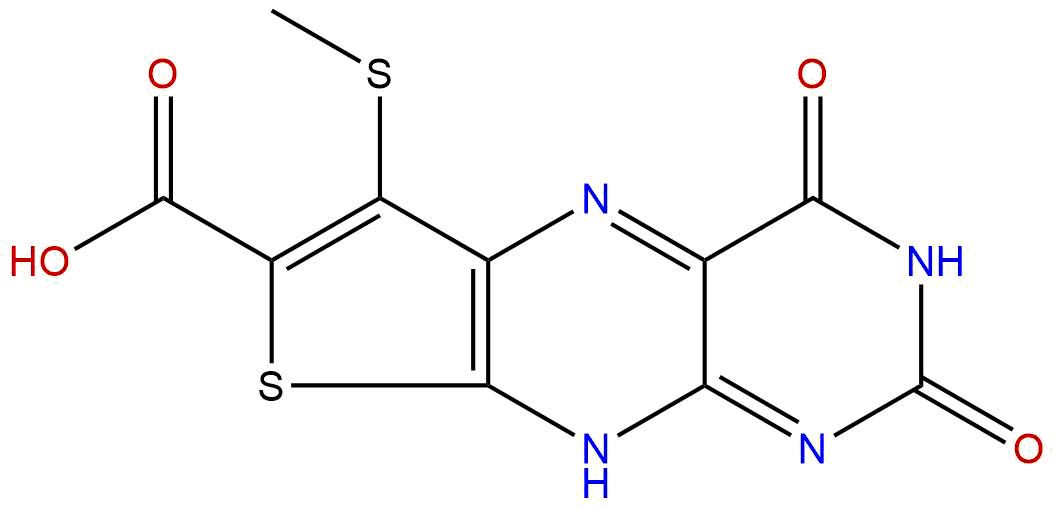
Cardiovascular diseases, especially thromboembolic diseases, are one of the leading causes of death and disability worldwide. Although traditional antithrombotic drugs such as aspirin, clopidogrel, and warfarin are widely used in clinical practice, their inherent bleeding risks, individual efficacy differences, and drug resistance issues in some patients have prompted researchers to continuously search for lead compounds with novel structures and unique mechanisms of action from nature. Natural products have always been an important source of innovative drug discovery due to their diverse chemical structures and rich biological activities. Leech, as a traditional Chinese medicinal herb, has long been recorded in ancient books such as the "Shennong Bencao Jing" for its effects of promoting blood circulation, removing blood stasis, and breaking blood circulation. Modern pharmacological studies have also confirmed that its extracts have significant anticoagulant, antiplatelet aggregation, and fibrinolytic activities. In recent years, with the advancement of separation and purification technology and structural identification methods, a series of active monomers with clear chemical structures have been isolated and identified from leeches, providing the possibility for further elucidating their pharmacological substance basis. Hirudonucleodisulfide A (CAS number: 1072789-37-7) is one of the compounds derived from the broad bodied golden leech(Whitmania pigra)Heterocyclic compounds with unique structures discovered in. Preliminary studies have shown that this compound not only has moderate anti hypoxia activity, but also has attracted attention for its potential multi-target antithrombotic effects. This article aims to systematically review the chemical structure, plant origin, pharmacological activity, mechanism of action, pharmacological evaluation, and clinical application prospects of leech amine A, in order to provide comprehensive scientific references for the in-depth research and development of this natural product.
Chemical structure and physicochemical properties
Leech amine A is a novel heterocyclic compound with a molecular formula of C ₁ ∝ H ₁₄ N ₄ O ∝ S ₂ and a molecular weight of 310.3160. Its core structural feature is the presence of a unique skeleton consisting of pyrimidine (or pyrimidine like) bases connected to a heterocyclic system containing disulfide bonds. This type of "nucleoside disulfide" structure is relatively rare in natural products. The presence of disulfide bonds (- S-S -) is not only crucial for its structural stability, but may also directly participate in its interaction with thiol groups in target proteins, which is an important structural basis for its biological activity. The nitrogen and oxygen atoms in the molecule provide multiple hydrogen bond acceptor and donor sites.
From the analysis of physicochemical parameters related to drug properties, the lipid water partition coefficient (LogP) of leech amine A is 0.6063, indicating its moderate lipophilicity, which theoretically facilitates transmembrane absorption. Its topological polar surface area (TPSA) is 128.8000 Å ², which is relatively high, mainly due to the polarity brought by multiple nitrogen and oxygen atoms in the molecule. Higher TPSA typically affects the membrane permeability of compounds. Its water solubility parameter is 0.0489 (usually measured in mg/mL or mol/L, indicating low solubility). Combined with LogP and TPSA data, it can be inferred that leech amine A belongs to the biopharmaceutical classification system (BCS) and may belong to class II (low solubility and high permeability) or class IV (low solubility and low permeability) compounds, which poses a challenge to its oral bioavailability. In addition, preliminary computer simulation predictions indicate that leech amine A has a low ability to penetrate the blood-brain barrier, which to some extent limits its potential for use in central nervous system related thrombotic diseases, but may also mean that the risk of central nervous system side effects caused by its peripheral effects is relatively low. The key early safety indicators showed that the hERG inhibition risk was' no ', and the Ames test result was 0.0 (indicating no mutagenicity), providing positive signals for further safety evaluation.
Plant sources and extraction methods
Leech amine A mainly comes from the broad bodied golden leech of the order Hirudinae in the phylum Actinopterygii(Whitmania pigra Whitman)。 The wide bodied golden leech is one of the main source animals of the traditional Chinese medicine "leech". It mainly inhabits freshwater areas such as rice fields, ditches, and lakes, and feeds on the body fluids of other aquatic animals. It is dried and used as medicine, and has the effects of breaking blood circulation, removing blood stasis, and eliminating symptoms.
Separating trace amounts of active ingredients from such a complex animal tissue matrix is a challenging task. At present, the extraction and separation of leech amine A usually use a combination of multi-step chromatographic methods. The general process is as follows: first, the dried wide body golden leech medicinal material is crushed, and then subjected to cold soaking or heating reflux extraction with appropriate solvents (such as methanol, ethanol, or aqueous ethanol) to obtain the crude extract. After vacuum concentration, the crude extract was subjected to segmented extraction using solvents such as petroleum ether, ethyl acetate, and n-butanol. Based on its physicochemical properties, leech amine A may be mainly enriched in the ethyl acetate or n-butanol fractions. Subsequently, the active site was preliminarily separated by silica gel column chromatography, reverse phase silica gel column chromatography (such as ODS), dextran gel column chromatography (such as Sephadex LH-20) and other technologies. Finally, high-purity separation and purification were performed using high-performance liquid chromatography (HPLC), especially preparative or semi preparative HPLC, with a reverse phase C18 column and gradient elution using methanol water or acetonitrile water systems as mobile phases, combined with a UV detector (which may contain conjugated systems and absorb at specific wavelengths due to its structure). The isolated monomer compounds need to be structurally confirmed by mass spectrometry (MS), nuclear magnetic resonance (NMR, including ¹ H-NMR, ¹ ³ C-NMR, and two-dimensional NMR such as HSQC, HMBC, etc.). At present, the biosynthetic pathway of leech amine A is not clear, and it is speculated that it may originate from the metabolism and assembly of amino acids (such as cysteine and nitrogen-containing base precursors).
Pharmacological activity research
- Antithrombotic activity This is the core pharmacological activity of leech amine A that has received the most attention. Although direct, high evidence level in vitro and in vivo antithrombotic experimental data (such as arteriovenous bypass thrombosis models, FeCl ∝ - induced carotid artery thrombosis models, etc.) are not yet fully reported publicly, based on its traditional efficacy from leeches and the revealed molecular target network (see next chapter), it can be reasonably inferred that it has the potential to intervene in thrombus formation through multiple pathways. Thrombosis involves multiple processes such as platelet activation and aggregation, coagulation cascade activation, and inhibition of the fibrinolytic system. The potential targets of leech amine A cover these key nodes.
- Anti hypoxia activity Previous studies have reported that leech amine A has "moderate anti hypoxia activity". This is usually evaluated through in vitro cellular hypoxia models (such as chemical inducers like cobalt chloride simulating hypoxia) or mouse atmospheric/low-pressure hypoxia tolerance experiments. The anti hypoxia activity means that the compound may have a protective effect on tissue hypoxia damage caused by thrombotic diseases such as myocardial ischemia and cerebral ischemia by improving cellular energy metabolism, reducing hypoxia induced cell damage or apoptosis, and other mechanisms. This may have a synergistic effect with its antithrombotic activity, that is, on the one hand, preventing thrombosis from blocking blood vessels, and on the other hand, reducing damage to ischemic tissues.
- Other potential activities Given its unique chemical structure, leech amine A may also have other biological activities that have not been fully explored, such as antioxidant and anti-inflammatory properties. The inflammatory response is closely related to thrombus formation ("thromboinflammation"), so its anti-inflammatory potential is also worth further exploration.
Mechanism of action and molecular targets
The anti thrombotic mechanism of leech amine A exhibits multi-target and multi pathway characteristics, which may be the basis for its synergistic effect and potential reduction of side effects caused by single target inhibition. According to the existing information, its related targets mainly cover the following categories:
- Coagulation factor target Including thrombin (F2), coagulation factor VII (F7), IX (F9), X (F10). These are key serine proteases involved in the coagulation cascade, including both exogenous and endogenous pathways. Leech amine A may interfere with the conversion of fibrinogen to fibrin by directly inhibiting the activity of these factors, thereby delaying or preventing the stable formation of blood clots. This is similar to the mode of action of traditional anticoagulants such as warfarin and direct oral anticoagulants DOACs, but may have different sites of action.
- Platelet functional targets:
- Integrin α IIb β 3 (ITGA2B/ITGB3)This is the ultimate common pathway for platelet aggregation. After platelet activation, the conformation of α IIb β 3 changes, exposing binding sites for ligands such as fibrinogen, mediating platelet cross-linking and aggregation. Leech amine A may antagonize this receptor, similar to GP IIb/IIIa receptor antagonists such as tirofiban.
- P2Y12 receptor (P2RY12)It is a key receptor for ADP induced platelet activation, and currently commonly used clinical drugs such as clopidogrel and ticagrelor are antagonists of this receptor. Leech amine A may act on this target, inhibiting ADP mediated platelet activation and aggregation amplification signals.
- Thromboxane A2 receptor (TBXA2R)Thromboxane A2 (TXA2) is a powerful platelet aggregation and vasoconstrictor. Leech amine A may inhibit platelet activation and vascular constriction mediated by this pathway by blocking the binding of TXA2 to its receptor.
- Prostaglandin synthase target:Cyclooxygenase-1 (PTGS1/COX-1)COX-1 catalyzes the production of prostaglandin H2 from arachidonic acid, which is then converted into TXA2 and other compounds. Inhibition of COX-1 can reduce the production of TXA2, which is the core mechanism of aspirin's antiplatelet effect. Leech amine A may have an inhibitory effect on COX-1.
- Anticoagulant system targets:Antithrombin III (SERPINC1)Antithrombin III is the most important physiological anticoagulant substance in the body, which can inactivate thrombin, FXa, and other substances. Leech amine A may indirectly exert a strong anticoagulant effect by enhancing the activity of antithrombin III (similar to the effect of heparin).
In summary, leech amine A may form a three-dimensional and synergistic antithrombotic network by simultaneously affecting the coagulation system (inhibiting coagulation factors), platelet system (inhibiting multiple activation pathways), and enhancing the physiological anticoagulant system. This multi-target action characteristic makes it possible to overcome the problem of some patients' resistance to single target drugs (such as clopidogrel), but it also makes the study of its mechanism of action and the control of dose-response more complex.
Evaluation of drug properties and pharmacokinetics
Based on its physicochemical properties and preliminary data, a preliminary evaluation of the pharmacological properties of leech amine A is conducted:
-
Absorption, distribution, metabolism, excretion (ADME):
- absorb Moderate LogP values and high TPSA suggest that oral absorption may face challenges, and bioavailability may be moderately low. It may be necessary to improve its solubility and permeability through formulation techniques such as nanocrystals, liposomes, solid dispersions, or structural modifications (preparation of prodrugs).
- distribution The predicted blood-brain barrier permeability is low and mainly distributed in the peripheral system. Its binding rate with plasma proteins is not yet clear, which can affect its free drug concentration and efficacy.
- Metabolism The molecule contains disulfide bonds, heterocycles, and other structures, which may serve as substrates for metabolic enzymes such as cytochrome P450 (CYP) enzymes, flavin monooxygenases, or glutathione transferases. It is necessary to clarify the main metabolic enzymes, metabolites, and whether there are species differences through liver microsomal incubation experiments.
- excretion The excretion pathways (renal excretion, bile excretion) need to be determined through in vivo experiments. The molecular weight is moderate, but the polarity is strong, and the proportion of excretion through the kidneys may be relatively high.
-
Preliminary evaluation of safety The absence of hERG inhibition risk is an important advantage, reducing the potential risk of causing QT interval prolongation and apical torsion ventricular tachycardia in the heart. A negative Ames test indicates no genotoxicity, laying the foundation for preclinical development. However, comprehensive safety evaluation still requires routine in vitro cytotoxicity tests, as well as in vivo acute toxicity, subacute toxicity, reproductive toxicity, and other studies. Especially its multi-target antithrombotic effect may theoretically increase the risk of bleeding, which requires careful evaluation of the therapeutic window (the ratio of antithrombotic effect to bleeding risk) in animal models.
-
Considerations for formulation development Given its low water solubility, developing injectable formulations (such as freeze-dried powder injections) may be a feasible pathway for rapid onset of action. For oral preparations, advanced solubilization technology is required. Its chemical stability, especially the stability of disulfide bonds in both in vivo and in vitro environments, also needs to be further studied.
Clinical application prospects and prospects
As a novel and multi-target natural antithrombotic lead compound, leech amine A has broad clinical application prospects, but also faces many challenges.
Potential application directions:
1. Prevention and treatment of arterial thrombotic diseases Examples include acute coronary syndrome (ACS), prevention of restenosis after percutaneous coronary intervention (PCI), ischemic stroke, peripheral arterial disease, etc. Its multi-target antiplatelet properties may be applicable to patients who have poor response or resistance to existing antiplatelet drugs.
2. Prevention and treatment of venous thromboembolism (VTE)Including deep vein thrombosis (DVT) and pulmonary embolism (PE). Its potential anticoagulant properties (inhibiting clotting factors) and enhancing the activity of antithrombin III make it a potential candidate for novel anticoagulant drugs.
3. Components of combination therapy Due to its unique mechanism of action, it may be used in combination with existing antithrombotic drugs such as low-dose aspirin and P2Y12 antagonists to enhance efficacy or reduce their respective doses to reduce side effects. But the risk of bleeding when used in combination needs to be rigorously evaluated.
4. Anti hypoxia adjuvant therapy In diseases such as myocardial infarction and cerebral infarction, its anti hypoxia activity may provide direct protection for ischemic tissues, achieving a combination of "symptomatic" (thrombolysis/antithrombotic) and "fundamental" (tissue protection).
Challenges faced and future research directions:
1. Deep verification of the mechanism of action At present, its multi-target effects are mainly based on bioinformatics associations and speculation. It is urgent to confirm its direct interactions and functional consequences with the above targets at the molecular, cellular, and animal levels through surface plasmon resonance (SPR), isothermal titration calorimetry (ITC), enzyme activity inhibition experiments, cell signaling pathway research, and gene knockout/knockdown techniques.
2. Optimization of drug properties Its water solubility and oral bioavailability may be bottlenecks in development. Future research needs to focus on structural modification through rational medicinal chemistry methods, while preserving core pharmacophores such as disulfide bonds and key heterocycles, to improve their ADME properties. At the same time, conduct pharmaceutical research to improve delivery efficiency.
3. In depth preclinical efficacy and safety evaluation It is necessary to systematically evaluate the efficacy and optimal dosage in standardized thrombus animal models (arterial and venous models). Conduct comprehensive toxicological studies, especially systematic evaluations of bleeding tendency (such as tail bleeding time, cerebral hemorrhage models, etc.).
4. Explore new indications Based on its anti hypoxia and potential anti-inflammatory activity, its application value in diseases such as ischemia-reperfusion injury and pulmonary hypertension can be explored.
Conclusion
Leech amine A is a structurally unique heterocyclic compound isolated from the traditional Chinese medicine wide body golden leech. It inherits the traditional pharmacological connotation of leech's "blood breaking and stasis removing" effect, and reveals its potential multi-target anti thrombotic and anti hypoxia pharmacological activities in modern scientific language. Its mechanism of action network covers multiple key links such as coagulation cascade, platelet activation, and physiological anticoagulant system, demonstrating distinct characteristics and potential advantages different from existing single target antithrombotic drugs. Despite facing challenges in drug formulation such as water solubility and oral absorption, its preliminary safety signals of no hERG inhibition and no mutagenicity are encouraging. Future research should focus on elucidating its exact molecular mechanism of action, optimizing its pharmaceutical properties through medicinal chemistry and formulation strategies, and validating its efficacy and safety in rigorous preclinical models. The research on leech amine A not only provides valuable lead compounds for the development of new multi-target antithrombotic drugs, but also serves as a typical case of using modern scientific technology to explain the material basis of traditional Chinese medicine efficacy, promote the modernization and internationalization of traditional Chinese medicine. With the continuous deepening of research, leech amine A is expected to demonstrate its unique application value in the field of cardiovascular disease prevention and treatment.