Kakkanin: A multifunctional lead compound from a natural product to anti-inflammatory, hangover relieving, and liver protective properties
Introduction/Overview
Natural products, as an important source of drug discovery, have always played an indispensable role in the long history of human struggle against diseases. Flavonoids, as typical representatives of plant secondary metabolites, have attracted much attention due to their structural diversity and wide range of biological activities. Among numerous flavonoids, Kakkanin, as a unique structural dimer of isoflavones, has gradually entered the field of researchers in recent years.
Ge Huaning (CAS number: 63770-91-2) was originally derived from the leguminous plant Henry Dalbergia(Ostryopsis henryi)The root of the plant is separated and named after its traditional medicinal value. Henry rosewood is used in Chinese folk medicine to treat inflammatory diseases and liver related disorders, providing important clues for the pharmacological activity research of Ge Hua Ning. With the development of modern separation technology and activity screening methods, Ge Hua Ning has shown various biological activities, especially significant potential in anti-inflammatory and liver protection.
It is worth noting that the application prospects of Ge Huaning in the field of sobering up and protecting the liver are particularly prominent. Alcoholic liver disease (ALD) is one of the main causes of cirrhosis and liver cancer worldwide, and its pathogenesis involves multiple links such as oxidative stress, inflammatory response, and lipid metabolism disorders. Ge Huaning demonstrates the potential to intervene in alcoholic liver injury from the source by regulating the activity of key enzymes involved in ethanol metabolism, such as ADH1B, ALDH2, CYP2E1, and antioxidant enzymes, such as SOD1. In addition, its good water solubility and low blood-brain barrier permeability have laid a solid foundation for its development as an oral hepatoprotective drug.
This article will provide a systematic review of the research progress of Ge Hua Ning from the aspects of chemical structure and physicochemical properties, plant sources and extraction methods, pharmacological activity research, mechanism of action and molecular targets, drug evaluation and pharmacokinetics, clinical application prospects and prospects, aiming to provide reference for the in-depth research and development of this natural product.
Chemical structure and physicochemical properties
Chemical structural characteristics
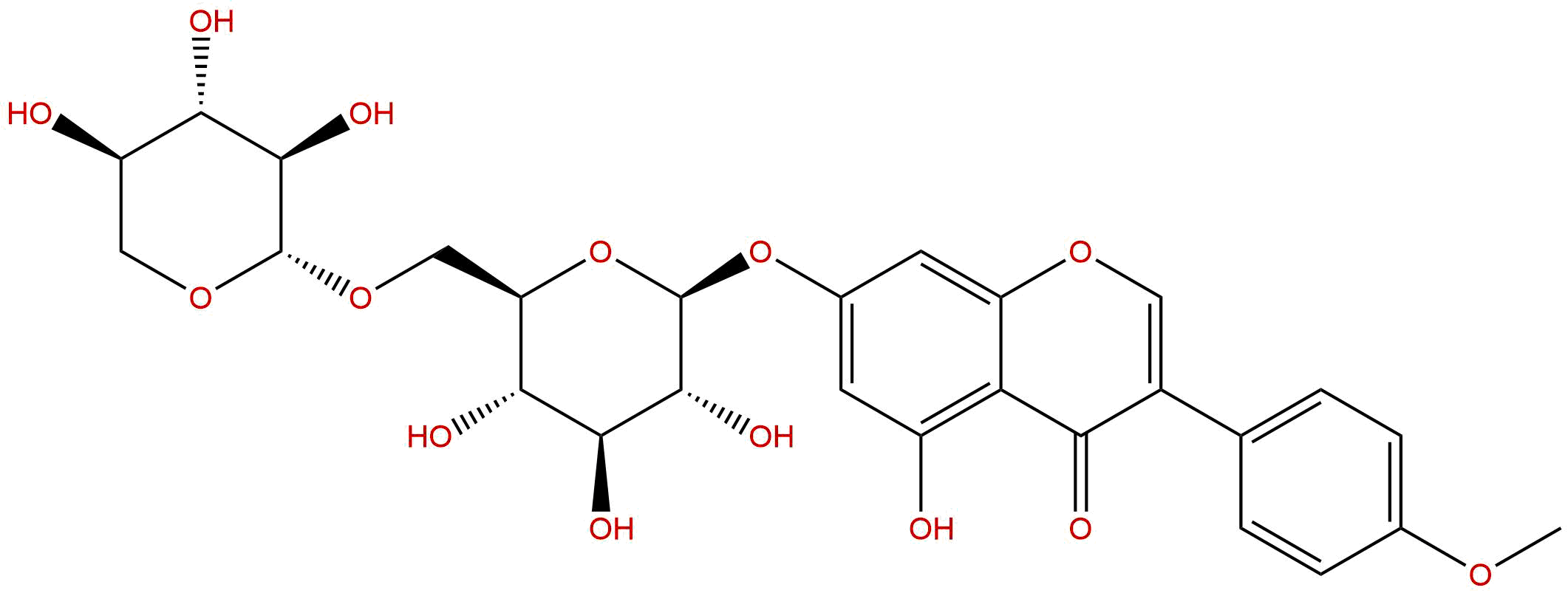
Ge Hua Ning belongs to the class of isoflavone dimers, whose chemical structure is formed by the polymerization of two isoflavone units through specific connection methods. From a structural classification perspective, Ge Hua Ning can be classified as a subclass of flavonoids, with its core skeleton being the 3-phenylchromen-4-one structure. Unlike common isoflavone monomers such as daidzein and genistein, the dimeric structure of Ge Hua Ning endows it with a unique spatial configuration and biological activity.
Specifically, the Ge Hua Ning molecule contains multiple phenolic hydroxyl (- OH) groups, which not only endow it with excellent antioxidant activity, but also serve as key functional groups for its interaction with biological targets. The presence of phenolic hydroxyl groups enables Ge Hua Ning to effectively scavenge free radicals, chelate metal ions, and participate in non covalent interactions such as hydrogen bonding and π - π stacking. In addition, functional groups such as carbonyl (C=O) and ether bonds (C-O-C) in the molecule further enrich the diversity of its chemical reactions.
Physical and chemical property parameters
According to computational chemistry and experimental measurement data, the key physicochemical properties of Ge Hua Ning are as follows:
- molecular weight:578.5230 Da, Belonging to medium molecular weight natural products, it meets the threshold of Lipinski's Rule of Five for molecular weight less than 500, but slightly higher than this standard, indicating that it may pose certain challenges in oral absorption.
- Lipid water partition coefficient (LogP)-0.0100 indicates that Ge Hua Ning has extremely low lipid solubility and is almost in a neutral distribution. This characteristic gives it good solubility in aqueous phase, but may limit its ability to cross biofilms through passive diffusion.
- Topological Polarity Surface Area (TPSA)217.9700 Å ², much higher than the recommended upper limit of 140 Å ² for oral medications. A high TPSA value indicates that the molecule contains a large number of polar groups (such as phenolic hydroxyl groups), which is consistent with its good water solubility, but also suggests that its intestinal permeability may be low.
- Water solubility 2.2348 mg/mL (predicted value), belongs to moderate to slightly water-soluble, which is beneficial for the development of oral preparations.
- Blood-brain barrier permeability: Low. This characteristic is of positive significance for sobering up and liver protecting drugs, as the drugs mainly act on the liver and low brain permeability can reduce adverse reactions in the central nervous system.
- HERG inhibition: Negative. Indicating that Ge Hua Ning has a low risk of causing QT interval prolongation in the heart and has good cardiac safety.
- Ames test The result is 1.5 (predicted value), indicating a slight genetic toxicity risk, but this value is within the critical range and requires further experimental verification.
Overall, the physicochemical properties of Ge Hua Ning exhibit the characteristics of "high polarity, low fat solubility, and low brain permeability", which is highly consistent with its application positioning as a hepatoprotective drug. However, its high TPSA and medium molecular weight may pose challenges to oral bioavailability and need to be improved through formulation technologies such as nanocarriers and prodrug design.
Plant sources and extraction methods
Plant-based
Ge Huaning originally started from Henry rosewood(Ostryopsis henryi)The roots are separated. Henry's rosewood belongs to the Betulaceae family and the rosewood genus(Ostryopsis)It is a shrub or small tree distributed in southwestern China (such as Yunnan and Sichuan) and Southeast Asia. This plant has a long history of application in folk medicine, and its roots are often used to treat inflammation related diseases such as hepatitis, jaundice, rheumatism, and pain.
It is worth noting that Gehua Ning is not unique to Henry rosewood. Subsequent studies have found that the compound is also present in other leguminous plants, such as kudzu root(Pueraria lobata)He Yege(Pueraria thomsonii)In the roots and stems. As a representative of traditional Chinese medicine for sobering up, Pueraria lobata mainly contains active ingredients such as daidzein, daidzein, puerarin, and other isoflavone monomers. As a dimer component, Ge Hua Ning usually has a lower content, but its biological activity is more unique.
Extraction and Separation Purification Methods
The extraction of Ge Hua Ning usually adopts classical solvent extraction method combined with modern chromatographic separation technology. A typical extraction process includes the following steps:
- Raw material pretreatment Grind the dried plant roots to an appropriate particle size (usually 40-60 mesh) to improve extraction efficiency.
- Solvent extraction Common extraction solvents include methanol, ethanol, or their aqueous solutions. Considering the polarity characteristics of Ge Hua Ning, a 70% -80% ethanol aqueous solution often achieves high extraction rates. The extraction method can be cold soaking, reflux, or ultrasound assisted extraction. Ultrasound assisted extraction (UAE) has been widely adopted in recent years due to its high efficiency and gentle characteristics, and can be completed within 30-60 minutes.
- Preparation of crude extract After the extraction solution is concentrated under reduced pressure, a crude extract in the form of a paste is obtained.
- Liquid-liquid distribution Suspend the crude extract in water and extract it sequentially with solvents such as petroleum ether, ethyl acetate, and n-butanol. Due to its equipolarity, Ge Huaning is mainly enriched in the ethyl acetate and n-butanol extraction layers.
- Column chromatography separation: Gradient elution was performed by silica gel column chromatography, ODS (octadecylsilane) reverse phase column chromatography, Sephadex LH-20 gel column chromatography, etc. Common elution systems include chloroform methanol, methanol water, etc.
- Purification by High Performance Liquid Chromatography (HPLC)For studies that require high purity, semi preparative or preparative HPLC can be used for final purification, typically using a C18 reverse phase column with acetonitrile water or methanol water as the mobile phase.
Content determination and quality control
The content of Ge Hua Ning in plants is usually low (0.01% -0.1% dry weight), so it is necessary to establish sensitive and specific quantitative analysis methods. High performance liquid chromatography ultraviolet detection (HPLC-UV) is the most commonly used quantitative method, with a detection wavelength typically set at 260-280 nm (characteristic absorption of isoflavones). In recent years, ultra-high performance liquid chromatography-mass spectrometry (UPLC-MS/MS) technology has been used for trace analysis and metabolite identification of Ge Hua Ning due to its high sensitivity and selectivity.
Pharmacological activity research
anti-inflammatory activity
Inflammation is an important defense response of the body against injury and infection, but excessive or sustained inflammation can lead to tissue damage and the occurrence of various chronic diseases. Ge Huaning's research on anti-inflammatory mainly focuses on the following aspects:
In vitro anti-inflammatory activity In a macrophage model stimulated by lipopolysaccharide (LPS), gehuaning can significantly inhibit the production of pro-inflammatory factors such as tumor necrosis factor - α (TNF - α), interleukin-6 (IL-6), and interleukin-1 β (IL-1 β). Meanwhile, it can also reduce the release of nitric oxide (NO) and prostaglandin E2 (PGE2), which is related to its inhibition of the expression of inducible nitric oxide synthase (iNOS) and cyclooxygenase-2 (COX-2). Within the concentration range of 10-50 μ M, Ge Hua Ning exhibited dose-dependent anti-inflammatory effects and no significant cytotoxicity was observed.
Anti inflammatory effect in the body In the carrageenan induced rat paw swelling model, oral administration of gehuaning (50-200 mg/kg) can significantly reduce the degree of paw swelling, and its effect is comparable to the positive control drug indomethacin. In addition, in the acetic acid-induced mouse model of increased intra-abdominal capillary permeability, Ge Hua Ning also showed inhibitory effects on inflammatory exudation.
Alcohol relieving and liver protecting activity
Relieving alcohol and protecting the liver is the most promising research direction for the application of Ge Hua Ning. Alcoholic liver injury involves multiple mechanisms such as direct toxicity of ethanol and its metabolite acetaldehyde, oxidative stress, inflammatory response, and lipid metabolism disorders. Ge Huaning exerts protective effects through multiple targets and pathways:
Acute alcohol poisoning model In a mouse model of acute alcohol poisoning induced by ethanol gavage, pre administration of Ge Hua Ning (100-200 mg/kg) can significantly reduce blood ethanol concentration and shorten the duration of alcohol poisoning symptoms (such as disappearance of righting reflex). Meanwhile, pathological examination of liver tissue showed that the degree of hepatic cell steatosis, necrosis, and inflammatory infiltration was significantly reduced in the group treated with Ge Hua Ning.
Chronic alcoholic liver injury model In a chronic alcoholic liver disease model induced by long-term alcohol feeding (4-8 weeks), Ge Hua Ning can reduce serum transaminase (ALT, AST) levels, improve liver lipid accumulation, and alleviate the levels of oxidative stress markers such as malondialdehyde (MDA). In addition, Ge Huaning can upregulate the activity of liver antioxidant enzymes such as superoxide dismutase (SOD) and glutathione peroxidase (GSH Px).
Other pharmacological activities
In addition to anti-inflammatory and liver protective effects, Ge Hua Ning also exhibits the following biological activities:
- antioxidant activity Through in vitro antioxidant experiments such as DPPH, ABTS, and FRAP, Ge Hua Ning showed strong free radical scavenging and reducing abilities, which is consistent with the structural characteristics of multiple phenolic hydroxyl groups in its molecule.
- Antibacterial activity Preliminary studies have shown that Ge Hua Ning has a certain inhibitory effect on Gram positive bacteria such as Staphylococcus aureus and Staphylococcus epidermidis, with a minimum inhibitory concentration (MIC) in the range of 50-100 μ g/mL.
- Neuroprotective effect In the glutamate induced neuronal damage model, Ge Hua Ning can alleviate oxidative stress and apoptosis, indicating its potential application in neurodegenerative diseases.
Mechanism of action and molecular targets
The pharmacological activity of Ge Hua Ning originates from its interactions with multiple molecular targets. Based on existing research, its mechanism of action can be summarized as follows:
Regulation of Ethanol Metabolism Enzymes
The metabolism of ethanol in the body mainly relies on two key enzymes, alcohol dehydrogenase (ADH) and aldehyde dehydrogenase (ALDH). Ge Huaning can:
- Activate ADH1B ADH1B is the main isoenzyme involved in ethanol metabolism, catalyzing the conversion of ethanol to acetaldehyde. Ge Huaning enhances the activity of ADH1B and accelerates the clearance of ethanol through direct binding or indirect regulation.
- Activate ALDH2 ALDH2 is a key enzyme in acetaldehyde metabolism, converting toxic acetaldehyde into non-toxic acetic acid. Ge Huaning can upregulate the expression and activity of ALDH2, reduce the accumulation of acetaldehyde in the liver, and alleviate mitochondrial damage and oxidative stress caused by acetaldehyde.
- Inhibition of CYP2E1 CYP2E1 is a member of the cytochrome P450 family and plays an important role in alternative pathways of alcohol metabolism, but its activity generates a large amount of reactive oxygen species (ROS). Ge Huaning reduces oxidative stress damage during alcohol metabolism by inhibiting the activity of CYP2E1.
Antioxidant stress pathway
Oxidative stress is one of the core mechanisms of alcoholic liver injury. Ge Huaning exerts antioxidant effects through the following pathways:
- Activate Nrf2/ARE pathway Nuclear factor E2 related factor 2 (Nrf2) is a key transcription factor in the cellular antioxidant defense system. Gehua Ning can promote the dissociation and translocation of Nrf2 from Keap1 protein into the nucleus, bind to antioxidant response elements (ARE), and upregulate the expression of downstream antioxidant enzymes (such as SOD1, GSTA1, HO-1, NQO1).
- Directly eliminate free radicals The phenolic hydroxyl groups in Ge Hua Ning molecules can directly supply hydrogen to free radicals, interrupt the lipid peroxidation chain reaction, and protect cell membranes and organelles from oxidative damage.
- Chelate transition metal ions Inhibition of hydroxyl radicals generated by Fenton reaction through chelation of phenolic hydroxyl groups with metal ions such as Fe ² ⁺ and Cu ² ⁺.
Anti inflammatory signaling pathway
The anti-inflammatory effect of Ge Hua Ning is mainly achieved by inhibiting the NF - κ B and MAPK signaling pathways:
- Inhibition of NF - κ B pathway Under LPS stimulation, Ge Hua Ning can inhibit the phosphorylation and degradation of I κ B α, prevent the nuclear translocation of NF - κ B p65 subunit, thereby reducing the transcription of pro-inflammatory factors (TNF - α, IL-6, IL-1 β) and inflammatory enzymes (iNOS, COX-2).
- Inhibition of MAPK pathway Gehua Ning can reduce the phosphorylation levels of p38, JNK, and ERK1/2, block the MAPK signaling cascade, and further inhibit the production of inflammatory mediators.
Lipid metabolism regulation
Alcoholic liver injury is often accompanied by lipid metabolism disorders and steatosis. Ge Huaning can:
- Activate AMPK pathway AMP activated protein kinase (AMPK) is a key regulatory factor in cellular energy metabolism. Ge Huaning activates AMPK, inhibits the activity of acetyl CoA carboxylase (ACC), reduces fatty acid synthesis, and promotes fatty acid beta oxidation.
- Regulating PPAR α expression Peroxisome proliferator activated receptor alpha (PPAR alpha) is the main transcriptional regulator of fatty acid oxidation. Gehua Ning can upregulate the expression of PPAR α, enhance the liver's utilization of fatty acids, and reduce lipid accumulation.
Evaluation of drug properties and pharmacokinetics
Drugability assessment
Based on the physical and chemical properties parameters mentioned earlier, the medicinal properties of Ge Hua Ning exhibit a characteristic of "advantages and challenges coexisting":
Advantage aspects:
-Good water solubility (2.23 mg/mL) is beneficial for the preparation and in vivo absorption of oral formulations
-Low blood-brain barrier permeability reduces the risk of central nervous system adverse reactions
-No hERG inhibitory activity, good cardiac safety
-The multi-target mechanism of action meets the treatment needs of complex diseases such as alcoholic liver disease
Challenge aspect:
-High TPSA (217.97 Å ²) and medium molecular weight (578.52 Da) may lead to lower oral bioavailability
-LogP is negative, indicating that intestinal permeability may be limited
-The predicted value of Ames test (1.5) is within the critical range, and further evaluation of genetic toxicity risk is needed
Pharmacokinetic characteristics
At present, there is insufficient systematic research on the pharmacokinetics of Ge Hua Ning, but based on its physicochemical properties and related flavonoid compounds, it can be preliminarily speculated that:
- absorb After oral administration, Ge Hua Ning may be partially absorbed in the gastrointestinal tract. Its high polarity and medium molecular weight may lead to lower absorption rate, but transport proteins in the intestine (such as MRP2, BCRP) may be involved in its absorption process.
- distribution Due to its low fat solubility, Ge Hua Ning is mainly distributed in the blood and extracellular fluid, and the liver and kidneys may be its main distribution organs. Low brain permeability makes it difficult for it to enter the central nervous system.
- Metabolism Gehuaning may undergo extensive phase II metabolism in the body, including glucuronidation, sulfation, and methylation. The UGT enzyme and SULT enzyme in the liver and intestine are its main metabolic enzymes. In addition, the gut microbiota may hydrolyze it into smaller metabolites.
- excretion Metabolites are mainly excreted through bile and urine. Due to its high molecular weight, bile excretion may be the main pathway.
Formulation strategy
To overcome the challenge of low oral bioavailability, the following formulation strategies can be considered:
- nanocarrier Liposomes, polymer nanoparticles, or solid lipid nanoparticles can improve the encapsulation efficiency and oral absorption of gehuaning.
- Phospholipid complex Forming complexes with phospholipids can improve their lipid solubility and promote intestinal absorption.
- Prodrug design By esterification or phosphorylation modification, polar groups are masked, membrane permeability is improved, and the active matrix is released after enzymatic hydrolysis in vivo.
- Absorption enhancer Combined with surfactants or bile salts and other absorption enhancers to improve intestinal permeability.
Clinical application prospects and prospects
Development of hangover and liver protection products
Ge Huaning has the widest application prospects in the field of sobering up and protecting the liver. With the acceleration of the pace of modern life and the increase of social needs, the incidence rate of alcoholic liver disease continues to rise, and there is a huge market demand for safe and effective anti alcohol and liver protection products. Ge Huaning has demonstrated the potential to become a new generation of lead compounds for sobering up and protecting the liver by accelerating ethanol metabolism, reducing oxidative stress and inflammatory reactions, and regulating lipid metabolism through multiple mechanisms.
The future forms of products that can be developed include:
- Oral preparations Tablets, capsules, or oral liquids are used for daily liver protection and intervention before and after alcohol consumption
- functional food As a health food additive, it is used in combination with traditional Chinese medicine for sobering up, such as Pueraria lobata and Hovenia dulcis
- Compound preparation Combined with liver protective ingredients such as vitamin B and silymarin, it exerts a synergistic effect
Development of anti-inflammatory drugs
The anti-inflammatory activity of Ge Hua Ning provides the possibility for its application in inflammatory diseases. Given its excellent safety features, its application in the following diseases can be explored:
- acute inflammation Adjuvant therapy for acute pancreatitis and acute hepatitis
- chronic inflammation Such as non-alcoholic steatohepatitis (NASH), inflammatory bowel disease (IBD)
- Autoimmune diseases Such as rheumatoid arthritis and systemic lupus erythematosus
Research Prospects
Despite exhibiting various pharmacological activities, the research and development of Ge Hua Ning still face many challenges
- Pharmacokinetic study Systematic research is needed to investigate the absorption, distribution, metabolism, and excretion of Ge Hua Ning in animals and humans, and to clarify its oral bioavailability and metabolic pathways.
- Toxicity evaluation Comprehensive acute and chronic toxicity studies are needed, especially to validate the potential genetic toxicity suggested by Ames tests.
- Study on Structure Activity Relationship By synthesizing structural analogues of Ge Hua Ning, exploring its key pharmacophores and active sites, providing a basis for structural optimization.
- clinical translation After completing sufficient preclinical research, conduct clinical trials to verify its safety and efficacy in humans.
- Synthetic Biology Explore the use of genetically engineered microorganisms (such as yeast and Escherichia coli) to produce Ge Hua Ning and solve the problem of low yield from natural sources.
Conclusion
Ge Hua Ning, as a dimer of isoflavones derived from traditional medicinal plants, has shown significant research value and application potential in the fields of anti-inflammatory, sobering up, and liver protection due to its unique chemical structure and multi-target pharmacological activity. It intervenes in the occurrence and development of alcoholic liver injury from multiple levels by regulating ethanol metabolizing enzymes (ADH1B, ALDH2, CYP2E1), activating antioxidant defense systems (SOD1, GSTA1, Nrf2), inhibiting inflammatory signaling pathways (NF - κ B, MAPK), and regulating lipid metabolism (AMPK, PPAR α).
From the perspective of medicinal properties, Ge Hua Ning has good water solubility, low brain permeability, and cardiac safety, but its high polarity and medium molecular weight may limit oral bioavailability and need to be improved through formulation technology. In the future, with the deepening of pharmacokinetics, toxicology, and clinical research, Gehuaning is expected to become a leading compound for the new generation of hangover relieving, liver protecting, and anti-inflammatory drugs, providing a new option for the treatment of related diseases.
Natural products are an inexhaustible source of drug discovery, and the research process of Ge Huaning once again confirms this viewpoint. From folk medicine experience to modern pharmacological verification, from single active ingredient to multi-target mechanism of action, the research of Ge Huaning not only provides new ideas for the treatment of alcoholic liver disease, but also sets an example for the modern development of natural products. We have reason to believe that with the continuous deepening of research, Ge Hua Ning and its derivatives will play a greater role in human health.