Introduction/Overview
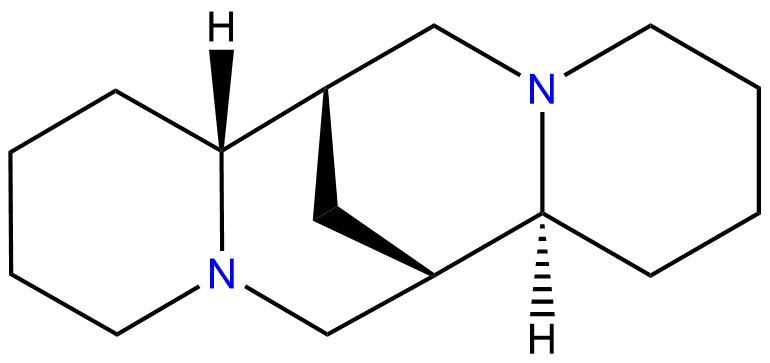
Natural products, as an important source of drug discovery, play an indispensable role in the long history of human struggle against diseases. Among them, alkaloid compounds have always been a hot topic in medicinal chemistry and pharmacology research due to their significant physiological activity and complex chemical structure. Spartine, also known as lupinine or goldenrod alkaloid, is a quinolone alkaloid derived from Fabaceae plants. Its chemical name is (6R, 7S, 11S) -7,15-diazatetracyclo [7.7.1.0 ^ {2,7}. 0 ^ {10,15}] heptadecane, and its CAS registration number is 492-08-0. The discovery of Eagle Claw Bean Alkaloids has a long history, dating back to the 19th century from Plantagenet(Cytisus scoparius)Wait for the plant to be isolated and identified. For a long time, it has been used as a diuretic and cardiac stimulant in traditional medicine, and has received attention for its significant effects on the cardiovascular and nervous systems.
Modern pharmacological research has revealed a more complex biological activity spectrum of sophocarpine. Its most classic mechanism of action is as a ganglion blocker, which competitively inhibits the neuronal nicotinic acetylcholine receptor (nAChR), thereby interfering with the signal transmission of autonomous ganglia. This mechanism has been historically used to treat hypertension and certain arrhythmias. However, with the emergence of safer and more selective drugs, their clinical application is gradually limited. In recent years, there has been a significant shift in research perspectives. In addition to its classic neural activity, the anti-inflammatory, analgesic, antiarrhythmic, and potential anti-tumor activities of sophocarpine have been rediscovered and further explored. Especially its anti-inflammatory effect involves the regulation of multiple key inflammatory mediators and signaling pathways, such as interleukin-6 (IL-6), signal transduction and transcription activator 3 (STAT3), tumor necrosis factor (TNF), nuclear factor kappa B (NF - κ B), etc., demonstrating great potential as a novel anti-inflammatory lead compound. This article aims to comprehensively review the chemical properties, plant sources, pharmacological activities, mechanisms of action, pharmacological evaluation, and clinical application prospects of Aquilarine, in order to provide a systematic scientific basis for the modern drug development of this classic natural product.
Chemical structure and physicochemical properties
Eagle claw bean alkaloids belong to the double fused ring quinolone alkaloids, and their core skeleton is composed of two quinolone rings (i.e. two pyridine rings fused together) connected by a spiro carbon atom, forming a unique four ring system. Its molecular formula is C ₁₅ H ₂₆ N ₂, and its molecular weight is 234.3870 g/mol. The molecular structure contains two tertiary amine nitrogen atoms, which endow it with weak alkalinity and make it easy to form salts with acids. In clinical practice, its sulfate salt (sulforaphane) is commonly used to increase water solubility.
In terms of physicochemical properties, Eagle Claw Bean Alkaloids exhibit typical alkaloid characteristics. Its lipid water partition coefficient (LogP) is 2.4840, indicating moderate lipophilicity, which facilitates its penetration through biological membranes, including the blood-brain barrier (BBB). Its topological polar surface area (TPSA) is only 6.48 Å ², far below the typical threshold for oral medication (about 140 Å ²). The extremely low TPSA value further indicates its extremely high membrane permeability and central nervous system (CNS) permeability. In fact, its blood-brain barrier permeability is rated as "high", which is consistent with its characteristics as a ganglion blocker and potential CNS active drug. In terms of water solubility, its predicted water solubility value is 1.6613 mg/mL, which belongs to moderate solubility. However, after salt formation (such as sulfate), the water solubility is significantly improved, which is sufficient to meet the requirements of the formulation. It is worth noting that the chemical structure of Aquilarine contains multiple chiral centers and has optical activity. Its naturally occurring isomers are mainly the left-handed (-) - speteine. These physicochemical properties collectively determine the absorption, distribution, metabolism, and excretion (ADME) process of sophocarpine in the body, and lay the foundation for its pharmacological activity.
Plant sources and extraction methods
Eagle claw alkaloids are widely distributed in leguminous plants, especially in multiple genera of the Faboideae subfamily. Its main sources include:
1. Genus Plantagenet(Cytisus)Like the golden sparrow flower(Cytisus scoparius Also known as Scotch bloom, it is a classic raw material used in history to extract sophocarpine.
2. Feather bean genus(Lupinus)Various types of feather beans (such as Lupinus luteus,L. albus,L. angustifolius)The seeds and aboveground parts of the plant are rich in quinoxaline alkaloids, among which ornithine is one of the important components.
3. Wild Cassia genus(Thermopsis)Like a needle covered wild cassia(Thermopsis lanceolata)The compound is also present in plants.
4. Other genera In the genus of holly(Ammopiptanthus)Huanghuamu genus(Piptanthus)It has also been found in plants.
The content of ornithine in plants is influenced by various factors such as variety, growth stage, geographical environment, and harvest season, and is usually higher in seeds and young tissues.
The extraction method is usually based on the acid-base properties of alkaloids, and the classic extraction process includes:
1. Raw material pretreatment Crush dry plant materials (such as seeds or whole plants).
2. leaching Use acidic aqueous solution (such as 0.5-2% dilute sulfuric acid or hydrochloric acid) or polar organic solvents (such as methanol, ethanol) for percolation or reflux extraction. Acidic conditions can cause alkaloids to form salts and dissolve in water.
3. Alkalization and extraction After concentrating the extract, adjust it to alkaline (pH 9-10) with alkali (such as ammonia water, sodium hydroxide) to free the alkaloids. Then perform multiple extractions using organic solvents that are immiscible with water, such as chloroform, dichloromethane, and ether.
4. purification Combine the organic phases, dry with anhydrous sodium sulfate, and recover the solvent under reduced pressure to obtain the crude extract of total alkaloids. Further purification can be achieved by column chromatography (such as silica gel column, alumina column), using gradient elution with solvents such as chloroform methanol or petroleum ether acetone in different ratios to separate the monomer Aquilarine. High purity separation can also be achieved using preparative high-performance liquid chromatography (Pre HPLC).
Modern analytical techniques such as high-performance liquid chromatography-mass spectrometry (HPLC-MS) and gas chromatography-mass spectrometry (GC-MS) are widely used for qualitative and quantitative analysis, as well as quality control, of sophocarpine in plant extracts.
Pharmacological activity research
The pharmacological activity spectrum of Eagle Claw Bean Alkaloids is extensive, and in recent years, the research focus has shifted from classical neurological and cardiovascular effects to anti-inflammatory, analgesic, and potential anti-tumor fields.
1. Neurological and cardiovascular pharmacological activity
This is the most classic research field of sophocarpine. As a ganglion blocker, it competitively inhibits the nicotinic acetylcholine receptors (nAChR) on the postsynaptic membrane of autonomous ganglia (including sympathetic and parasympathetic ganglia), blocking the transmission of nerve impulses. This effect leads to:
* Antihypertensive effect By blocking sympathetic ganglia and reducing peripheral vascular resistance, blood pressure can be lowered. Historically, it was used to treat hypertension emergencies, but it was gradually eliminated due to obvious side effects (such as orthostatic hypotension, constipation, and urinary retention).
* Antiarrhythmic effect Eagle claw bean alkaloids have the characteristics of class Ib antiarrhythmic drugs, which can inhibit sodium ion influx, prolong the effective refractory period, and have certain therapeutic effects on ventricular arrhythmias. It can also block potassium channels and prolong the duration of action potentials.
* Uterine excitatory effect Can stimulate uterine smooth muscle contraction, historically used for inducing labor and postpartum hemostasis, but no longer used due to safety concerns (which may cause fetal distress).
2. Anti inflammatory activity
This is currently the most active field of research. A large number of in vitro and in vivo experiments have confirmed the significant anti-inflammatory effect of sophocarpine.
* Inhibit inflammatory mediators Research has shown that agmatine can significantly reduce the production of pro-inflammatory cytokines such as TNF - α, IL-6, IL-1 β, and nitric oxide (NO) in macrophages stimulated by lipopolysaccharide (LPS). Its mechanism of action is related to the inhibition of inducible nitric oxide synthase (iNOS/NOS2) and cyclooxygenase-2 (COX-2/PTGS2) expression.
* Animal model validation In acute inflammation models such as carrageenan induced paw swelling in rats and acetic acid-induced increased intra-abdominal capillary permeability in mice, sophocarpine showed dose-dependent anti-inflammatory effects. In chronic inflammation models such as adjuvant arthritis, it has also been observed to reduce joint swelling and bone destruction.
3. Analgesic activity
The analgesic effect of sophocarpine may be related to its anti-inflammatory activity and regulation of ion channels.
* mechanism of action In addition to indirectly relieving pain by inhibiting inflammatory mediators, research suggests that sophocarpine may directly act on nociceptors. It can regulate transient receptor potential vanillic acid subtype 1 (TRPV1) and transient receptor potential anchor protein subtype 1 (TRPA1) channels. TRPV1 and TRPA1 are key ion channels mediating pain signaling, and sophocarpine may exert analgesic effects by antagonizing or desensitizing these channels.
* animal experimentation In acute pain models such as the hot plate method and tail flick method, as well as formalin induced inflammatory pain models, sophocarpine has shown significant analgesic effects, and its effects can be partially antagonized by naloxone, suggesting the possible involvement of opioid receptor pathways.
4. Other pharmacological activities
- Antitumor activity Preliminary research has found that agmatine has a proliferative inhibitory effect on certain tumor cell lines, such as liver cancer and lung cancer cells. The mechanism may be related to inducing cell apoptosis, blocking the cell cycle, and inhibiting the STAT3 signaling pathway. The sustained activation of STAT3 is closely related to the occurrence and development of various tumors. Eagle claw bean alkaloids exert anti-tumor effects by inhibiting STAT3 phosphorylation and downregulating the expression of downstream target genes such as Cyclin D1 and Bcl xL.
- Antibacterial activity Has a certain inhibitory effect on certain Gram positive bacteria and fungi.
Mechanism of action and molecular targets
The pharmacological effects of Eagle Claw Bean Alkaloids are the result of multi-target and multi pathway synergistic effects. The core mechanism can be summarized as follows:
1. Regulation of neurotransmitter receptors and ion channels
- NAChR antagonistic effect This is its most classic function. Eagle claw bean alkaloid, as a competitive antagonist, competes with acetylcholine for binding sites on neuronal nAChRs (especially the α 3 β 4 subtype), blocking cation influx and inhibiting neuronal synaptic transmission. This is the molecular basis for its anti hypertensive and partial cardiovascular effects.
- Sodium channel blocking effect Similar to class Ib antiarrhythmic drugs, sophocarpine can bind to the inactive state of myocardial sodium channels, slow down depolarization rate, prolong effective refractory period, and inhibit excitability of ectopic pacing points.
- Potassium channel blocking effect Eagle claw alkaloids can block various potassium channels (such as delayed rectifier potassium channels), prolong the duration of action potentials, which is related to their anti arrhythmic effects, but also increases the risk of arrhythmia (such as apical torsion to ventricular tachycardia).
- TRP channel adjustment By regulating TRPV1 and TRPA1 channels, it affects calcium ion influx and neuropeptide release, and participates in the regulation of pain signals.
2. Regulation of inflammation and immune signaling pathways
- Inhibition of NF - κ B pathway NF - κ B is the core transcription factor of inflammatory response. Eagle claw bean alkaloids can inhibit the activity of I κ B kinase (IKK/IKBKB), prevent the phosphorylation and degradation of I κ B α, and thus inhibit the nuclear translocation and transcriptional activity of NF - κ B (p65/RELA). This leads to downregulation of the expression of a series of pro-inflammatory genes downstream, such as TNF - α, IL-6, iNOS, COX-2.
- STAT3 pathway inhibition Eagle claw bean alkaloids can directly or indirectly inhibit the JAK/STAT3 signaling pathway, reduce STAT3 phosphorylation and dimerization, and thus inhibit the expression of its target genes (such as IL-6, VEGF, Survivor). This explains its anti-inflammatory and potential anti-tumor activity.
- Caspase-1 (CASP1) inhibition Caspase-1 is a key effector enzyme for inflammasome activation, responsible for cleaving pro-IL-1 β and pro-IL-18 into mature forms. Eagle claw bean alkaloids may exert anti-inflammatory effects by inhibiting the assembly of NLRP3 inflammasomes or directly suppressing Caspase-1 activity, reducing the release of IL-1 β.
3. Regulation of oxidative stress and cell apoptosis
- By inhibiting iNOS and COX-2, reducing the excessive production of NO and prostaglandins, oxidative stress and inflammatory damage can be alleviated.
- In tumor cells, by inhibiting survival signaling pathways such as STAT3, upregulation of pro apoptotic proteins (such as Bax) expression and downregulation of anti apoptotic proteins (such as Bcl-2) expression are induced, activating the Caspase cascade reaction, ultimately leading to cell apoptosis.
Evaluation of drug properties and pharmacokinetics
Although Eagle Claw Bean Alkaloids have various pharmacological activities that are of great concern, their medicinal properties face severe challenges, mainly reflected in safety and pharmacokinetic characteristics.
1. Analysis of pharmacological parameters
- drug-likeness The molecular weight (234.4 Da) and LogP (2.48) both comply with Lipinski's five rules, indicating that it has good oral absorption potential. The extremely low TPSA (6.48 Å ²) and predicted high BBB permeability indicate its easy entry into the central nervous system.
- Security risk:
- HERG inhibition The predicted results show that Aquilarine has a hERG (human Ether - à - go Related Gene) potassium channel inhibitory effect. HERG channel inhibition is the main cause of drug-induced cardiac toxicity, especially QT interval prolongation and apical torsion ventricular tachycardia. This is the most fatal safety flaw of Eagle Claw Bean Alkali and the fundamental reason for its limited clinical application.
- Genotoxicity The Ames test result is 0.6, and it is generally considered negative if the Ames test value is below 0.5, and suspicious positive if it is between 0.5-1.0. The result of 0.6 suggests a potential genetic toxicity risk, which requires further in vivo and in vitro genetic toxicity tests to confirm.
- neurotoxicity Due to its high BBB permeability and nAChR blocking effect, excessive use can easily lead to central nervous system side effects such as blurred vision, dizziness, muscle weakness, respiratory depression, etc.
2. Pharmacokinetic characteristics
- absorb Oral absorption is good, but the first pass effect may be significant. Its sulfate form is commonly used for injection administration.
- distribution Widely distributed, due to high lipophilicity, it can be widely distributed in tissues, especially in the central nervous system and heart.
- Metabolism Mainly metabolized in the liver through the cytochrome P450 enzyme system (mainly CYP2D6 and CYP3A4), with the main metabolic pathways being oxidation and N-demethylation. The genetic polymorphism of CYP2D6 can lead to significant differences in metabolic rates between individuals, affecting drug efficacy and toxicity.
- excretion Metabolites and small amounts of prototype drugs are mainly excreted through the kidneys.
- half-life The half-life of plasma is relatively short, but due to its widespread tissue distribution, the duration of action may be prolonged.
Clinical application prospects and prospects
Due to its significant safety concerns, particularly the cardiac toxicity caused by hERG inhibition, the direct clinical application prospects of Aquilarine as a systemic drug are bleak. However, this does not mean the end of its research value. On the contrary, it provides us with valuable lead compounds and important pharmacological tools.
1. Optimize the structure as a lead compound
The current core research direction is to modify and modify the chemical structure of sophocarpine, in order to "maximize strengths and avoid weaknesses".
* Reduce cardiac toxicity Through structure-activity relationship (SAR) studies, identify structural sites that reduce the affinity of hERG. For example, introducing polar groups (such as hydroxyl and carboxyl groups) or changing the alkalinity of nitrogen atoms in molecules may reduce their π - π stacking interaction with aromatic residues in hERG channels, thereby weakening the blocking effect.
* Improve target selectivity Design and synthesize derivatives with higher selectivity for nAChR subtypes (such as α 7 nAChR) and lower affinity for hERG and cardiac sodium and potassium channels. This is expected to develop new neuroprotective or analgesic drugs.
* Enhance anti-inflammatory activity Retain its anti-inflammatory core skeleton, enhance inhibitory activity against NF - κ B or STAT3 pathways through structural modification, while reducing neurological and cardiac toxicity.
2. Local application or specific route of administration
Considering the risks associated with oral and systemic administration, the development of local application formulations may be considered.
* For external use on the skin Develop creams or patches for treating local inflammatory skin diseases (such as eczema, psoriasis) or neuropathic pain by utilizing their anti-inflammatory and analgesic activities. Local administration can significantly reduce systemic exposure and lower the risk of cardiac toxicity.
* Eye applications As a ganglion blocker, its local eye drops may be used to reduce intraocular pressure and treat glaucoma. There have been related attempts in history, but they need to overcome local irritation and systemic absorption issues.
3. As a pharmacological tool drug
The unique pharmacological spectrum of Eagle Claw Bean Alkali makes it a valuable tool for studying ganglion function, ion channels (especially potassium channels), and inflammatory signaling pathways. For example, it can be used to establish positive controls for hERG toxicity screening or to study the role of nAChR in specific physiological and pathological processes.
4. Combination therapy strategy
Exploring the synergistic effects of low-dose sophocarpine with other drugs while strictly controlling dosage and monitoring blood drug concentration. For example, when used in combination with low-dose nonsteroidal anti-inflammatory drugs (NSAIDs), it may enhance anti-inflammatory and analgesic effects through different mechanisms, while reducing their respective doses and side effects.
Conclusion
Eagle claw alkaloid, an ancient alkaloid derived from leguminous plants, vividly illustrates the opportunities and challenges of natural product drug development through its research process. It is both a historically effective ganglion blocker and antiarrhythmic drug, but has also been withdrawn from mainstream clinical practice due to its significant cardiac toxicity (hERG inhibition). However, modern pharmacological research has given it new scientific connotations, especially its anti-inflammatory and analgesic activities demonstrated by regulating multiple targets such as NF - κ B, STAT3, TRPV1, making it once again a focus of attention for medicinal chemists.
Currently, the research on Eagle Claw Bean Alkaloids is in a critical transitional period. The focus of future work should not be on directly developing it as a systemic drug, but on: 1) systematically modifying its structure based on its skeleton to separate pharmacological activity from cardiac toxicity and obtain safer candidate compounds; 2) Explore non systemic application pathways such as local administration to avoid systemic toxicity; 3) Thoroughly elucidate the precise molecular mechanisms of its anti-inflammatory and analgesic effects, providing new ideas for targeted therapy. The story of Eagle Claw Bean Alkaloids reminds us that a "failed" drug may contain enormous treasures in its molecular framework and pharmacological mechanisms. Through modern medicinal chemistry and pharmacology, Eagle Claw Bean Alkaloids or their derivatives are expected to usher in new life in the fields of anti-inflammatory, analgesic, or local treatment, making new contributions to human health.