Introduction/Overview
Natural products, as an important source of drug discovery, have long contributed numerous lead compounds with novel structures and unique activities to human health. In the treasure trove of traditional Chinese medicine, it comes from the plant Qingfengteng in the family Menispermaceae(Sinomenium acutum)The alkaloid component of Sinomenine, due to its significant anti-inflammatory, immunosuppressive, and analgesic activities, has been developed as a clinical drug for the treatment of rheumatoid arthritis (such as Zhengqingfengtongning). However, research on the structural modification and structure-activity relationship of matrine has never stopped, aiming to discover derivatives with stronger activity, lower toxicity, or more distinctive mechanisms of action. Sinomenine N-oxide (SN-O) is an important natural product derivative that has received attention in this context.
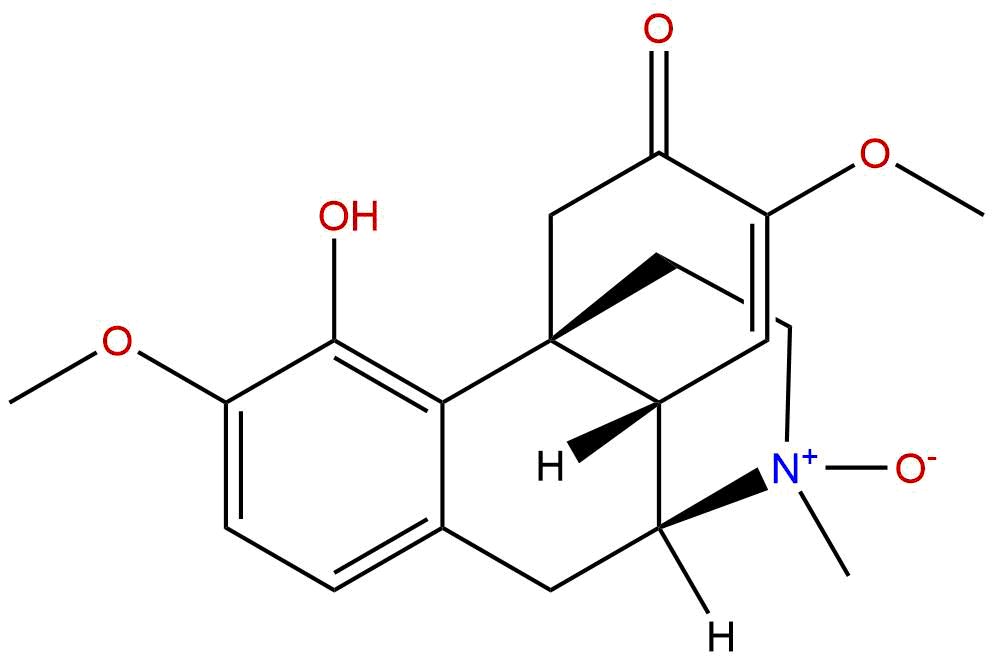
Sinomenine N-oxide is one of the main metabolites of Sinomenine in the body and a naturally occurring trace alkaloid component in Qingfengteng. From a chemical structure perspective, it is the product of the oxidation of the tertiary amine nitrogen atom in the molecule of matrine to nitrogen oxide (N → O). This seemingly minor structural change significantly alters the physicochemical properties and biological activity spectrum of the molecule. Research has shown that matrine N-oxide not only inherits the anti-inflammatory and anti rheumatic effects of the parent compound, but also exhibits unique anti angiogenic activity and can effectively inhibit the production of nitric oxide (NO), with an IC50 value of 23.04 μ M. More importantly, this compound demonstrates the potential for multi-target regulation in the field of analgesia, with its targets involving transient receptor potential vanillic acid subtype 1 (TRPV1), cannabinoid receptor 1 (CNR1), delta opioid receptor (OPRD1), μ - opioid receptor (OPRM1), kappa opioid receptor (OPRK1), cyclooxygenase-1/2 (PTGS1/PTGS2), transient receptor potential anchor protein 1 (TRPA1), serotonin transporter (SLC6A4), and dopamine D2 receptor (DRD2), forming a complex network regulatory system.
Given the multiple pharmacological activities of matrine N-oxide in anti-inflammatory, analgesic, and anti angiogenic aspects, as well as its important position as an active metabolite of matrine in vivo, a systematic and in-depth review of it has important academic significance and clinical application value. This article will comprehensively review and prospect the research progress of sinomenine N-oxide from multiple dimensions, including chemical structure, plant origin, pharmacological activity, mechanism of action, drug evaluation, and clinical application prospects.
Chemical structure and physicochemical properties
The chemical structure of sinomenine N-oxide is based on a morphinan skeleton, with a tetracyclic parent nucleus containing a partially hydrogenated phenanthrene ring structure. Compared with matrine, its most significant structural feature is the connection of an oxygen atom to the nitrogen atom (N), forming an N → O coordination bond, which is the nitrogen oxide structure. The molecular formula of this compound is C19H23NO5, with a molecular weight of 345.3950. From a structural classification perspective, it belongs to the oxidized derivatives of quinoline alkaloids.
In terms of physical and chemical properties, the N oxide of matrine exhibits a certain degree of hydrophilicity. The calculated lipid water partition coefficient (LogP) is 0.6937, indicating that the compound has a moderate distribution tendency between the aqueous and lipid phases, slightly leaning towards hydrophilicity. This characteristic is slightly reduced compared to its parent compound, matrine (LogP of about 1.2), mainly due to the introduction of N → O polar groups that increase the polarity of the molecule. The topological polar surface area (TPSA) is 78.8200 Å ², which is higher than that of matrine (about 60 Å ²), further confirming its enhanced polarity. The water solubility parameter is 28.5212mg/L, indicating good water solubility, which is of positive significance for the oral absorption and in vivo distribution of the drug.
It is worth noting that the blood-brain barrier (BBB) penetration ability of sinomenine N-oxide was evaluated as "high". This characteristic is crucial for the pharmacological activity related to the central nervous system (CNS), especially its role in analgesia. Many analgesic targets, such as opioid receptors, TRPV1, dopamine receptors, etc., are located in the central nervous system, and good BBB penetration ability ensures that drugs can reach the site of action. In addition, the risk assessment of hERG inhibition is' no ', indicating that the compound may have good safety in terms of cardiac toxicity. The Ames test result is 0.3, indicating a low risk of mutagenicity. These physicochemical and safety parameters together outline the preliminary profile of Sinomenine N-oxide as a potential drug candidate molecule: it has good water solubility, can enter the central nervous system, low risk of cardiac toxicity, low genetic toxicity, and has the potential for further development.
Plant sources and extraction methods
The main source of alkaloid N oxide in Qingteng comes from the Menispermaceae plant Qingfengteng(Sinomenium acutum Rehder & E.H. Wilson), This plant is mainly distributed in the Yangtze River Basin and southwestern regions of China, and is commonly used in traditional Chinese medicine to treat diseases such as rheumatism and joint swelling. The dried stem of Qingfengteng is the main medicinal part for extracting alkaloids from Qingfengteng. Except for the Qingfeng Vine, it belongs to the same plant as the Maoqing Vine(Sinomenium acutum var. cinereum)It also contains similar ingredients.
In Qingfengteng, the N-oxide of Qingteng alkaloid usually exists in trace amounts, and its content is much lower than that of the main alkaloid Qingteng alkaloid. Research has shown that the total alkaloid content in Qingfengteng is about 2-5%, with Qingteng alkaloid accounting for the highest proportion (about 60-80%), while the content of Qingteng alkaloid N-oxide is usually only about 1-5% of Qingteng alkaloid. This low abundance poses a challenge for the direct isolation and purification of this compound from traditional Chinese medicine. Therefore, the more commonly used acquisition strategy currently is to prepare matrine N-oxide from matrine using chemical oxidation or biotransformation methods.
In terms of extraction and separation methods, traditional processes usually use acid water infiltration or alcohol extraction. The specific process includes: crushing the dried Qingfengteng medicinal material, extracting it by percolation with dilute acidic water (such as 0.5-1% hydrochloric acid) or acidic ethanol (pH 2-3), concentrating the extract, adjusting the pH to 9-10 with alkaline solution (such as ammonia water) to free the alkaloids, and then extracting with organic solvents (such as chloroform, ethyl acetate). After concentration of the extraction solution, crude total alkaloids were obtained. Due to the high polarity of nitrogen oxides, it is often difficult to effectively separate them from alkaloids such as matrine in conventional silica gel column chromatography. Therefore, reverse phase silica gel column chromatography (such as C18), ion exchange chromatography, or high-performance liquid chromatography (HPLC) are often used for purification. In recent years, high-speed countercurrent chromatography (HSCCC) and preparative HPLC have also been used for the preparation of high-purity sinomenine N-oxide.
In terms of chemical synthesis, using matrine as the raw material and preparing matrine N-oxide through selective oxidation reaction is a more efficient method. Common oxidants include m-chloroperoxybenzoic acid (m-CPBA), hydrogen peroxide (H2O2), or peracetic acid. The reaction is usually carried out under mild conditions (room temperature or low temperature), and by controlling the amount of oxidant and reaction time, the tertiary amine nitrogen can be selectively oxidized to N → O without affecting other functional groups in the molecule (such as phenolic hydroxyl groups, double bonds, etc.). The reaction product can be purified by recrystallization or column chromatography, with a yield of over 80%. In addition, the use of microbial or enzyme catalyzed biotransformation methods (such as fungal cytochrome P450 enzymes) has also demonstrated good regional selectivity and environmental friendliness, and is an important direction for future green synthesis.
Pharmacological activity research
The pharmacological activity research of matrine N-oxide mainly focuses on its anti-inflammatory, anti angiogenic, analgesic, and immune regulatory aspects. These activities are not only related to the maternal matrine, but also exhibit unique differences.
anti-inflammatory activity Inflammatory response is the core pathological process of various diseases, such as rheumatoid arthritis, asthma, and inflammatory bowel disease. Sinomenine N-oxide exhibits significant inhibitory effects in various inflammatory models. Research has shown that this compound can inhibit the release of pro-inflammatory cytokines (such as TNF - α, IL-1 β, IL-6) in macrophages stimulated by lipopolysaccharide (LPS), and reduce the expression of cyclooxygenase-2 (COX-2) and inducible nitric oxide synthase (iNOS). Of particular note is that matrine N-oxide is an effective inhibitor of NO production, with an IC50 value of 23.04 μ M. As an important inflammatory mediator and signaling molecule, NO plays a dual role in the inflammatory response, and excessive NO is closely related to tissue damage and increased vascular permeability. Therefore, inhibiting the excessive production of NO is one of the important mechanisms by which matrine N-oxide exerts anti-inflammatory effects.
Anti angiogenic activity Angiogenesis refers to the process of forming new blood vessels from existing ones, which plays a crucial role in tumor growth, metastasis, and chronic inflammatory diseases such as synovial vascular opacities in rheumatoid arthritis. Sinomenine N-oxide exhibits clear anti angiogenic activity. In vitro experiments have shown that the compound can inhibit the proliferation, migration, and luminal formation of human umbilical vein endothelial cells (HUVECs). In the chicken embryo chorioallantoic membrane (CAM) model and Matrigel plug mouse model, matrine N-oxide also showed the ability to inhibit neovascularization. This activity makes it potentially valuable in tumor treatment and anti-inflammatory therapy, especially in rheumatoid arthritis, where inhibiting the formation of synovial vascular opacities can effectively delay joint destruction.
Analgesic activity Pain is one of the most common clinical symptoms, especially chronic pain, which seriously affects the quality of life of patients. Sinomenine N-oxide exhibits multi-target regulation in pain relief. Its target network covers multiple pain signaling pathway nodes in both peripheral and central regions. TRPV1 and TRPA1 are ion channels located on sensory neurons that can be activated by various nociceptive stimuli such as heat, acid, capsaicin, and mustard oil, mediating the transmission of pain signals. Sinomenine N-oxide may exert peripheral analgesic effects by antagonizing these receptors. At the same time, the compound has affinity for the opioid receptor family (OPRM1, OPRD1, OPRK1), suggesting that it may produce analgesic effects by activating the central opioid system. In addition, the regulation of dopamine D2 receptor (DRD2) and serotonin transporter (SLC6A4) may further participate in regulating the emotional and cognitive dimensions of pain. This multi-target mode of action helps explain its analgesic effect and may reduce the common tolerance and dependence of single target drugs.
Antirheumatic activity Given that matrine is used clinically to treat rheumatoid arthritis, the anti rheumatic activity of its N-oxide derivatives naturally becomes a research focus. Sinomenine N-oxide has been shown to improve joint swelling, reduce arthritis index, decrease bone erosion and cartilage damage in both adjuvant arthritis (AA) and collagen induced arthritis (CIA) rat models. The mechanism may be related to inhibiting inflammatory cell infiltration, reducing pro-inflammatory cytokine levels, regulating Th17/Treg cell balance, and inhibiting osteoclast activation. It is worth noting that the anti rheumatic activity of matrine N-oxide may be partially attributed to its anti angiogenic effect, which reduces the nutrient supply and infiltration channels of inflammatory cells by inhibiting the formation of synovial vascular opacities.
Mechanism of action and molecular targets
The pharmacological activity of sinomenine N-oxide originates from its interactions with multiple molecular targets. A deep understanding of its mechanism of action is of great significance for elucidating its pharmacological basis, predicting potential indications, and optimizing its molecular structure.
Inhibition mechanism of NO production As an inhibitor of NO production, matrine N-oxide mainly exerts its effect by inhibiting the expression and activity of iNOS. INOS is induced to express under inflammatory stimulation, catalyzing the production of a large amount of NO from L-arginine. Studies have shown that matrine N-oxide can block the downstream NF - κ B and MAPK (such as p38, JNK, ERK) signaling cascades of the LPS/TLR4 signaling pathway, thereby inhibiting the transcription of iNOS. In addition, the compound may directly bind to iNOS protein, interfering with its catalytic activity. The reduction of NO further affects the downstream cGMP signaling pathway and alleviates inflammatory response.
Multi target analgesia mechanism The analgesic effect of matrine N-oxide involves a complex target network, which is an important feature that distinguishes it from traditional opioid or nonsteroidal anti-inflammatory drugs (NSAIDs).
-
TRPV1 and TRPA1 These two ion channels are key molecules for pain perception. TRPV1 can be activated by heat, acid, and capsaicin, while TRPA1 is sensitive to mustard oil, low temperature, and oxidative stress products. Sinomenine N-oxide may act as an antagonist or desensitizer of these receptors, blocking the transmission of nociceptive signals from the periphery to the central nervous system. Its site of action may be located in the extracellular or transmembrane domain of the receptor.
-
Opioid receptors (OPRM1, OPRD1, OPRK1)Opioid receptors are classic analgesic targets. Sinomenine N-oxide exhibits a certain affinity for the three opioid receptors, μ, δ, and κ, and may act as a partial or partial agonist. Compared to potent mu receptor agonists such as morphine, its strength of action may be weaker, but it may result in less tolerance and addiction. The excitatory effect on the kappa receptor may be related to its anti-inflammatory and anti itch effects.
-
Cyclooxygenase (PTGS1/PTGS2)COX is a key enzyme in prostaglandin synthesis, involved in inflammation and pain. The selective inhibition of COX-2 by matrine N-oxide may be superior to COX-1, which helps to reduce gastrointestinal side effects. Its inhibition mode may be competitive or non competitive inhibition.
-
Dopamine D2 receptor (DRD2) and 5-hydroxytryptamine transporter (SLC6A4)Pain is not only a sensory experience, but also involves emotions, cognition, and reward systems. DRD2 is involved in the reward and motivation dimensions of pain, while SLC6A4 regulates the concentration of 5-HT in synaptic cleft, affecting emotion and pain perception. The regulation of these two targets by sinomenine N-oxide may help improve comorbid symptoms such as depression and anxiety associated with chronic pain, achieving a "mind body co treatment".
Anti angiogenic mechanism The mechanism by which matrine N-oxide inhibits angiogenesis may involve multiple steps. Firstly, it can inhibit the secretion of vascular endothelial growth factor (VEGF) and its downstream signaling pathways (such as VEGFR2/PI3K/Akt/eNOS), blocking the proliferation and survival signals of endothelial cells. Secondly, it may interfere with endothelial cell migration and luminal formation by upregulating anti angiogenic factors such as TSP-1 or inhibiting the activity of matrix metalloproteinases (MMPs). In addition, its anti-inflammatory activity (such as inhibiting TNF - α and IL-6) indirectly inhibits inflammation induced angiogenesis.
Immune regulatory mechanism In its anti rheumatic activity, matrine N-oxide exhibits immunomodulatory effects. It can inhibit the differentiation of Th17 cells and the production of IL-17, while promoting the proliferation and function of Treg cells, thereby restoring Th17/Treg immune balance. This mechanism is crucial for controlling the progression of autoimmune arthritis. In addition, it can inhibit the differentiation and bone resorption activity of osteoclasts, reducing joint bone damage.
Evaluation of drug properties and pharmacokinetics
Drug efficacy evaluation is a crucial step in the drug development process, aimed at assessing whether candidate compounds have the potential to become clinical drugs. The pharmacological parameters of sinomenine N-oxide have preliminarily outlined its advantages and challenges.
Physical and chemical properties and drug like properties As mentioned earlier, the molecular weight of Sinomenine N-oxide (345.4) conforms to the "Five Rules of Similar Drugs" (MW<500), the LogP (0.69) is moderate, the water solubility is good (28.5 mg/L), and the TPSA (78.8 Å ²) is within a reasonable range (<140 Å ²). These properties indicate that it has good oral absorption potential. According to Lipinski's rule, this compound has only one violation (the number of hydrogen bond donors or acceptors may be slightly higher), indicating overall good drug properties.
safety evaluation The risk assessment of hERG inhibition is' no ', which reduces the risk of cardiac toxicity. The Ames test result is 0.3 (usually<0.5 is considered negative), indicating a low risk of genetic toxicity. These preliminary safety data are encouraging. However, a comprehensive safety evaluation still requires experiments on acute toxicity, chronic toxicity, reproductive toxicity, and carcinogenicity. Given its structural similarity with matrine, clinical safety data of matrine can be referenced. The main adverse reactions of matrine in clinical practice include gastrointestinal reactions, rash, and a few liver dysfunction. Further verification is needed to determine whether matrine N-oxide has a similar or better safety profile.
Pharmacokinetic characteristics At present, the systematic study on the pharmacokinetics of sinomenine N-oxide is not sufficient, but it can be inferred based on its physicochemical properties and data of the parent compound. Its high water solubility and moderate fat solubility are beneficial for oral absorption. The high penetration ability of the blood-brain barrier indicates its ability to effectively enter the central nervous system, which is crucial for its analgesic activity. In the body, matrine N-oxide may undergo further metabolism, such as demethylation, glucuronic acid binding, or sulfuric acid binding. The key parameters such as half-life, distribution volume, and clearance rate need to be experimentally determined. It is worth noting that sinomenine N-oxide is one of the main metabolites of sinomenine in the body, which means that when taking sinomenine, patients will have both the parent drug and the N-oxide metabolite in their bodies, and the two may work together to exert therapeutic effects. Therefore, the pharmacokinetic study of sinomenine N-oxide should be considered as a whole in conjunction with its generation kinetics as a metabolite.
Comparison with Sinomenine Compared with the parent compound, matrine N-oxide exhibits stronger hydrophilicity in physicochemical properties (reduced LogP), which may affect its membrane permeability and tissue distribution. In terms of activity, both have anti-inflammatory, analgesic, and anti rheumatic effects, but matrine N-oxide may be more prominent in anti angiogenesis and NO inhibition. In terms of safety, the formation of N-oxides is generally considered as a detoxifying metabolic pathway, so matrine N-oxides may have lower toxicity. However, these differences still need to be confirmed through systematic head to head comparative studies.
Clinical application prospects and prospects
The unique pharmacological activity spectrum and preliminary data of good pharmacological properties of Sinomenine N-oxide have opened up broad prospects for its clinical application, but also face many challenges.
Potential indications:
-
Rheumatoid arthritis As an active metabolite of matrine, the comprehensive effects of matrine N-oxide in anti-inflammatory, immune regulation, and anti angiogenesis make it an ideal candidate drug for the treatment of rheumatoid arthritis. Its multi-target effect may be more effective in controlling disease progression and reducing joint damage than single target drugs.
-
chronic pain Based on its multi-target analgesic mechanism involving opioid receptors, TRP channels, dopamine, and 5-HT systems, sinomenine N-oxide is expected to be used for the treatment of various chronic pains, including neuropathic pain, inflammatory pain, and cancer pain. It may have fewer opioid side effects (such as tolerance, addiction, respiratory depression) and gastrointestinal side effects of NSAIDs, making it an important candidate for new non addictive analgesics.
-
neoadjuvant therapy The anti angiogenic activity gives it the potential to inhibit tumor growth and metastasis. Although its direct anti-tumor activity may not be strong, when used in combination with chemotherapy or immunotherapy as an adjuvant therapy, it may enhance efficacy by improving the tumor microenvironment and inhibiting angiogenesis.
-
Other inflammatory diseases Diseases such as inflammatory bowel disease, asthma, psoriasis, etc. all involve inflammatory reactions and angiogenesis, and matrine N-oxide may play a therapeutic role.
Challenges faced and future research directions:
-
Pharmacokinetic optimization Although the preliminary parameters are good, the key pharmacokinetic parameters such as oral bioavailability, half-life, and metabolic stability of matrine N-oxide still need to be clarified. If the oral bioavailability is low, it may be considered to develop its prodrug or change the route of administration (such as transdermal or injection administration).
-
Target selectivity and off target effects Multi targeted action is both an advantage and a challenge. It is necessary to clarify its affinity, efficacy (excitatory/antagonistic), and selectivity towards each target. Off target effects may lead to unexpected side effects. Through structural biology and molecular docking studies, molecular optimization can be guided to improve selectivity towards key targets.
-
Study on Structure Activity Relationship A systematic structure-activity relationship study was conducted using the N oxide of matrine as the lead, exploring the contributions of functional groups such as N → O groups, phenolic hydroxyl groups, and double bonds to activity. It is expected to discover a new generation of derivatives with stronger activity and higher selectivity.
-
clinical translation The transformation from laboratory to clinical is the biggest challenge. Strict preclinical pharmacological, pharmacokinetic, and toxicological evaluations are required before conducting Phase I, II, and III clinical trials. Given the clinical application foundation of matrine, the clinical development of matrine N-oxide may have a faster path, but strict drug development standards still need to be followed.
-
Combination therapy strategy Exploring the combination therapy of Sinomenine N-oxide with existing drugs such as methotrexate, biologics, and other analgesics may achieve synergistic effects and reduce dosage.
Conclusion
Sinomenine N-oxide, as a natural derivative derived from the traditional Chinese medicine Qingfengteng, has shown significant research value and application potential in the fields of anti-inflammatory, analgesic, anti angiogenic, and anti rheumatic due to its unique chemical structure and multi-target pharmacological activity. Its identity as an active metabolite of matrine in vivo adds to its unique significance in pharmacokinetics and pharmacodynamics. By inhibiting NO production, regulating TRP channels, opioid receptors, COX enzymes, and immune balance, a complex pharmacological network of sinomenine N-oxide has been constructed, which is expected to provide new treatment strategies for refractory diseases such as rheumatoid arthritis and chronic pain.
Although research on the N-oxide of Sinomenine is still in its early stages and pharmacokinetic, toxicological, and clinical efficacy data are relatively scarce, its good pharmacokinetic parameters, low cardiac and genetic toxicity risks, and multi-target synergistic effects make it a highly promising candidate molecule for development. In the future, with the deepening of structure-activity relationship research, the clarification of pharmacokinetic properties, and the improvement of preclinical evaluation, Sinomenine N-oxide and its derivatives are expected to move from the laboratory to clinical practice, bringing new treatment options for patients and providing another successful example for the modernization development of traditional Chinese medicine.