Introduction/Overview
Natural products have always been an important treasure trove for innovative drug discovery, among which alkaloid compounds have attracted much attention due to their structural diversity and significant biological activity. Arborin, as a quinazoline alkaloid, has gradually entered the field of researchers due to its unique chemical structure and potential pharmacological activity since its discovery. Quinazoline compounds have relatively limited distribution in nature, but known members often exhibit various biological effects such as anti-inflammatory, anti-tumor, and antibacterial. Early research on mountain tangerine alkaloids mainly focused on their plant chemistry. In recent years, with the development of molecular pharmacology and tumor biology, their potential in the treatment of major diseases, especially lung cancer, has begun to emerge. Lung cancer is one of the malignant tumors with the highest incidence rate and mortality in the world. Its treatment faces severe challenges such as drug resistance, metastasis and recurrence. It is urgent to develop drugs with new mechanisms of action. This article aims to systematically review the chemical characteristics, plant sources, pharmacological activities, especially the multi-target molecular mechanism of its anti lung cancer effect, and evaluate and prospect its pharmacological properties and clinical application prospects, in order to provide comprehensive academic references for the deep development and transformation research of this natural product.
Chemical structure and physicochemical properties
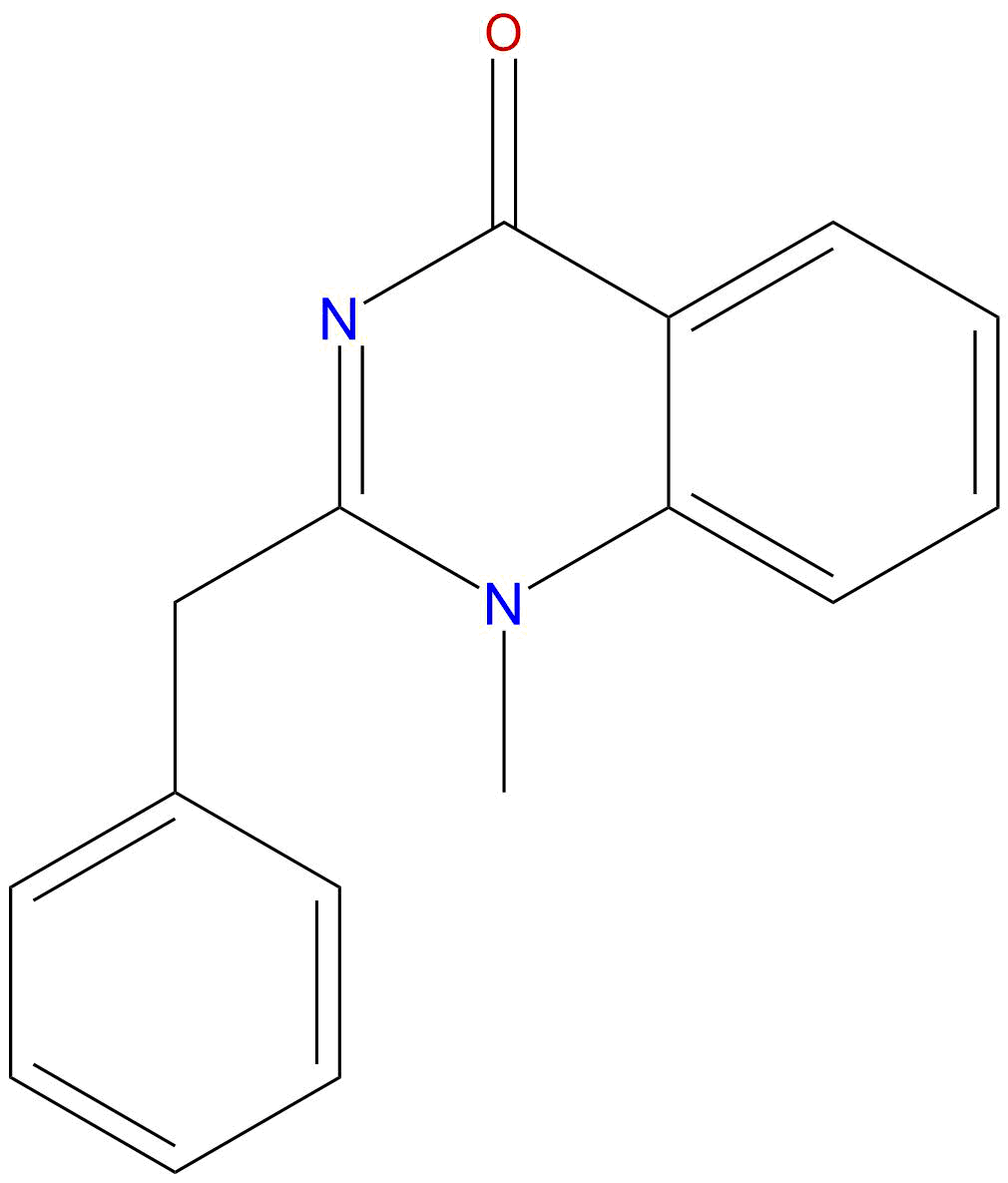
The chemical name of mountain tangerine alkaloid is 2- (4-hydroxyphenyl) quinazolin-4 (3H) - one, and its CAS number is 6873-15-0. Structurally, it is composed of a quinazolin-4-one nucleus connected to a p-hydroxyphenyl group at the C2 position. Quinazoline ring is a bicyclic system formed by the condensation of a benzene ring and a pyrimidine ring. This rigid planar structure makes it easy to embed and interact with biomolecules such as DNA or enzyme active pockets. The carbonyl group at the C4 position and the hydrogen atom at the N3 position endow it with the ability to form intramolecular hydrogen bonds and act as hydrogen bond acceptors, while the p-hydroxyphenyl group connected at the C2 position contributes phenolic hydroxyl groups, enhancing its potential as a hydrogen bond donor and activity in participating in antioxidant reactions.
Its molecular weight is 250.3010 g/mol, belonging to the category of small molecule compounds. The calculated lipid water partition coefficient (LogP) is 2.3393, indicating that naringenin has moderate lipophilicity, which is beneficial for its penetration of cell membranes, but also suggests that its water solubility may be poor. The topologically polar surface area (TPSA) is 34.89 Å ², which is a relatively low value, further confirming its good membrane permeability. The measured water solubility data is 0.0701 mg/mL, which belongs to the slightly soluble level. This may be a key physicochemical bottleneck that needs to be overcome in the development of its formulation. It is worth noting that, based on its structure and properties prediction, naringenin has a high blood-brain barrier permeability, which provides potential advantages for its application in central nervous system related diseases or prevention of lung cancer brain metastasis. In early safety screening, its hERG inhibitory activity was negative, reducing the risk of inducing QT interval prolongation in the heart; The Ames test result is 0.3, indicating a low risk of mutagenicity and laying a preliminary safety foundation for its further development.
Plant sources and extraction methods
The main source of mountain tangerine alkaloids is from the genus mountain tangerine(Glycosmis Plants, especially Mountain tangerines(Glycosmis arborea)The roots, stems, leaves, and other parts of the plant. Citrus plants are widely distributed in tropical and subtropical regions of Asia, and are often used in traditional medicine to treat fever, inflammation, and skin infections. As a secondary metabolite, the content of hesperidine in plants is usually low and varies significantly with species, place of origin, harvest season, and location.
The extraction and separation method follows the conventional process of natural product chemistry. Firstly, the dried and crushed plant materials are extracted or refluxed using polar organic solvents such as methanol, ethanol, or acetone to obtain crude extracts. Subsequently, the crude extract was subjected to preliminary fractionation using solvent partitioning method (such as extraction with petroleum ether, ethyl acetate, and n-butanol in sequence), and naringenin was mainly enriched in the moderately polar ethyl acetate fraction. Further purification relies on column chromatography technology, often using silica gel column chromatography with gradient elution using chloroform methanol or petroleum ether ethyl acetate mixed solvents in different ratios. According to the polarity and characteristics of the target compound, the reverse silica gel (such as C18), dextran gel (Sephadex LH-20) and other materials can also be used in combination for fine separation. Finally, high-purity naringenin monomers were obtained through recrystallization or preparative high-performance liquid chromatography (HPLC). Modern analytical techniques such as thin-layer chromatography (TLC), high-performance liquid chromatography-mass spectrometry (HPLC-MS), and nuclear magnetic resonance (NMR) are used to track and monitor the extraction process and confirm the structure of compounds. Optimizing extraction processes, such as ultrasound assisted extraction, microwave-assisted extraction, etc., can help improve yield and reduce solvent consumption.
Pharmacological activity research
In recent years, significant progress has been made in the pharmacological activity research of mountain tangerine alkaloids, with its core activity concentrated in the field of anti-tumor, especially against lung cancer.
1. Antitumor activity:
A large number of in vitro studies have shown that matrine has significant inhibitory and pro apoptotic effects on various human lung cancer cell lines (such as A549, NCI-H460, NCI-H1299). Its effect is dose-dependent and time-dependent. In addition to directly killing cancer cells, studies have also found that matrine can inhibit the migration and invasion ability of lung cancer cells, indicating its potential for anti metastasis. In animal models, administration of tangerine alkaloids can effectively inhibit the growth of subcutaneous transplanted tumors in nude mice, and has little effect on the body weight of tumor bearing mice, showing a certain therapeutic window.
2. Other potential activities:
Based on its structural characteristics and preliminary research, mountain tangerine alkaloids may also have other pharmacological activities. Quinazoline compounds are often reported to have anti-inflammatory properties, and naringenin may exert its effects by regulating related inflammatory pathways. In addition, its phenolic hydroxyl structure suggests that it may have certain antioxidant activity. These activities may have a synergistic relationship with their anti-tumor effects, for example, enhancing anti-tumor effects by reducing inflammation and oxidative stress in the tumor microenvironment. However, research in these areas is still in its infancy and requires more experimental data support.
Mechanism of action and molecular targets
The anti lung cancer effect of mountain tangerine alkaloids is not achieved through a single pathway, but involves a complex multi-target regulatory network, which is consistent with the characteristics of its natural products. Existing research has revealed its interactions with multiple key target proteins:
-
Inducing cell apoptosis and autophagy: Citrus alkaloids can significantly downregulate the expression of anti apoptotic protein BCL2, disrupt mitochondrial membrane potential, promote cytochrome C release, activate caspase cascade reaction, and induce intrinsic apoptosis pathway in cancer cells. Meanwhile, it can also upregulate the expression of autophagy related proteins and induce protective autophagy, but its ultimate role in therapy (promoting survival or death) may depend on the cellular environment and dosage.
-
Inhibition of cell proliferation and survival signals: Citrus alkaloids can effectively inhibit the phosphorylation and nuclear translocation of transcription factor STAT3. STAT3 is a core regulatory factor for tumor cell proliferation, survival, and immune escape, and its inactivation leads to downregulation of downstream genes such as cyclin D1 and Bcl-2 expression. In addition, it can inhibit the activity of phosphatidylinositol 3-kinase catalytic subunit gamma (PIK3CG) and interfere with the key survival and growth signaling pathway of PI3K/Akt/mTOR.
-
Inhibition of invasion and metastasis: Citrus alkaloids weaken the ability of cancer cells to degrade extracellular matrix by downregulating the expression and activity of matrix metalloproteinase 2 (MMP2), thereby inhibiting their invasion and metastasis. At the same time, it can also affect the expression or phosphorylation status of microtubule associated protein tau (MAPT), which may interfere with the stability of the cytoskeleton and affect the movement and morphology of cancer cells.
-
Regulating oxidative stress and inflammatory response: Citrus alkaloids can activate the nuclear factor E2 related factor 2 (NFE2L2/Nrf2) pathway. Nrf2 is the central regulator of cellular antioxidant response, and its activation helps enhance cells' resistance to oxidative damage, which may protect normal cells and potentially affect tumor progression by altering the tumor microenvironment. On the other hand, it has been reported to inhibit Toll like receptor 4 (TLR4) - mediated signaling, which plays an important role in tumor associated inflammation and immune suppression. Its inhibition helps alleviate pro tumor inflammation.
-
Affects cholesterol metabolism and hormone signaling: The regulatory effect of matrine on adenosine triphosphate binding cassette transporter A1 (ABCA1) has been studied. ABCA1 is involved in cholesterol efflux and its function is related to cell membrane fluidity and signal transduction, which may affect proliferation and metastasis in tumor cells. In addition, its potential regulatory effect on estrogen receptor beta (ESR2) may provide new ideas for the treatment of hormone sensitive tumors.
In summary, mountain tangerine alkaloids synergistically induce apoptosis, inhibit proliferation and invasion of lung cancer cells, and regulate the tumor microenvironment by simultaneously acting on multiple targets such as BCL2, STAT3, PIK3CG, MMP2, NFE2L2, TLR4, etc., forming the molecular basis of their multidimensional anti lung cancer effects.
Evaluation of drug properties and pharmacokinetics
Based on its physicochemical parameters and preliminary biological data, the medicinal properties of tangerine alkaloids present both opportunities and challenges.
Advantages: The small molecular weight (250.3), moderate LogP (2.34), and low TPSA (34.89) indicate its good oral absorption potential and high biofilm permeability, including high blood-brain barrier permeability, which is a significant advantage. The key early warning signals for cardiac toxicity (hERG inhibition negative) and genetic toxicity (low Ames test risk) are negative, reducing the main safety risks in its development.
Challenge aspect: The main issue is poor water solubility (0.07 mg/mL), which may lead to low oral bioavailability, limited in vivo distribution, and difficulty in formulation. Although its membrane permeability is good, the dissolution rate may become the limiting step in absorption. At present, there is very limited publicly available data on the pharmacokinetic studies of the mountain tangerine alkaloid system, such as absorption, distribution, metabolism, excretion, i.e. ADME properties. The metabolic pathways, major metabolites, half-life, tissue distribution characteristics, and potential drug drug interaction risks in its body are still unknown, which is a knowledge gap that must be filled to promote its preclinical development.
In order to improve its medicinal properties, future research can focus on: 1)Structural modification By synthesizing derivatives and introducing solubilizing groups (such as phosphate esters and amino acid ester prodrugs) or optimizing metabolic stability while retaining pharmacophores; 2)New drug delivery system Utilizing nanotechnology, such as liposomes, polymer micelles, solid dispersions, or nanocrystals, to significantly enhance their solubility and bioavailability, and potentially achieve targeted delivery; 3) Conduct comprehensive preclinical pharmacokinetic and toxicological evaluations to clarify their safety window.
Clinical application prospects and prospects
As a multi-target natural lead compound for anti lung cancer, the clinical application prospects of mountain tangerine alkaloids are promising, but the road ahead is long.
Potential application directions:
1. Lung cancer treatment, especially combination therapy Given its multi-target mechanism of action, the combination of matrine with existing chemotherapy drugs (such as platinum and paclitaxel) or targeted drugs may produce synergistic effects, reduce drug resistance, and improve efficacy. Its anti metastatic and potential brain entry properties make it uniquely valuable in preventing and treating lung cancer metastasis (including brain metastasis).
2. Intervention and chemoprevention of precancerous lesions Its antioxidant (activating Nrf2) and anti-inflammatory (inhibiting TLR4) activities suggest that naringenin may be used for chemoprevention of lung cancer or treatment of precancerous lesions in high-risk populations.
3. Exploration of other types of cancer: Its targets (such as STAT3, PI3K, MMP2) are also key in breast cancer, colorectal cancer, liver cancer and other cancers, so its anti-tumor spectrum may not be limited to lung cancer.
Challenges and future research directions:
1. Deep analysis of the mechanism of action It is necessary to use chemical biology methods such as affinity fishing, molecular docking and kinetic simulation, CRISPR screening, etc. to more accurately identify its direct target and elucidate the cross dialogue between its multi-target network.
2. Balance between efficacy and safety Clarify its treatment window and conduct a systematic preclinical toxicological evaluation, including long-term toxicity, reproductive toxicity, etc.
3. Optimization of drug properties As mentioned earlier, solving the problem of water solubility is the top priority for promoting its development. It is crucial to optimize through medicinal chemistry and pharmacology methods.
4. Clinical translational research After completing sufficient preclinical research, it is necessary to design a reasonable clinical trial plan to explore its safety, pharmacokinetic characteristics, and preliminary efficacy in humans.
Conclusion
As a quinazoline alkaloid derived from traditional medicinal plants, mountain tangerine alkaloids have become a promising candidate molecule in natural anti-tumor drug research due to their unique chemical structure and multi-target anti lung cancer pharmacological activity. It exerts anti lung cancer effects on multiple levels, including inducing apoptosis, inhibiting proliferation and invasion, and regulating the microenvironment, by regulating key targets such as BCL2, STAT3, PIK3CG, MMP2, NFE2L2, and TLR4. Although its good membrane permeability and preliminary safety have laid the foundation for its development, bottlenecks in drug development such as poor water solubility and lack of pharmacokinetic information urgently need to be overcome. In the future, through interdisciplinary collaboration, we aim to uncover its molecular mechanisms and utilize modern medicinal chemistry and formulation technologies for rational modification and delivery. This will enable us to transform mountain tangerine alkaloids from a promising natural lead compound into innovative anti-tumor drugs or adjuvant therapies that can be used clinically, providing new treatment options for lung cancer patients.