Introduction/Overview
Natural products, as an important source of drug discovery, play an irreplaceable role in the long history of human fight against diseases. From the classic analgesic morphine to the antimalarial drug artemisinin, the rich chemical structures found in nature provide endless inspiration for modern drug development. Among the numerous natural alkaloid families, Pseudo pomegranate alkaloid has attracted widespread attention from medicinal chemists and pharmacologists due to its unique nitrogen-containing bicyclic [3.3.1] nonane skeleton and diverse biological activities.
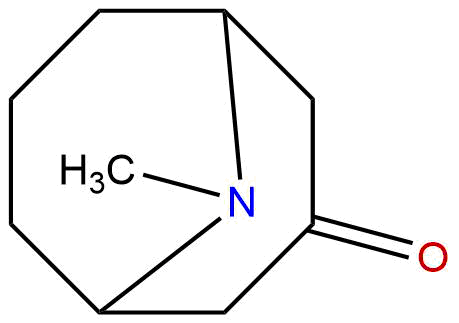
Pseudo pomegranate alkaloid, also known as pseudo pomegranate alkaloid, is a substance found in pomegranates(Punica granatum L. Natural alkaloids found in plants and other related plants. As early as the end of the 19th century, scientists isolated this compound from pomegranate bark and conducted preliminary analysis of its chemical structure. As a derivative of 9-azabicyclo [3.3.1] nonane, its structural feature is a bridged ring system containing a tertiary amine nitrogen atom and a ketone carbonyl group. This unique dual ring structure endows pseudo pomegranate alkaloids with chemical properties and biological activity that differ from simple pyridine or pyrrolidine alkaloids.
From a historical perspective, pseudo pomegranate alkaloids were initially recognized by people for their insecticidal activity. Pomegranate peel is often used in traditional medicine to treat intestinal parasitic infections, and pseudo pomegranate alkaloids are considered one of its main active ingredients. With the deepening of modern pharmacological research, scientists have discovered that the biological activity of pseudo pomegranate alkaloids goes far beyond this. In recent years, research has revealed that this compound and its derivatives have shown potential application value in multiple fields such as anti parasitic, anti-tumor, anti-inflammatory, and neuroprotective effects. Especially in terms of its anti parasitic activity, significant progress has been made in the study of protozoan parasites such as Plasmodium, Leishmania, and Trypanosoma. Relevant molecular targets such as chloroquine resistance transporter protein (PfCRT), calcium ATPase (PfATP6), and dihydrofolate reductase (DHFR) have been continuously identified.
This article aims to systematically review the research progress of pseudo pomegranate alkaloids, covering their chemical structure and physicochemical properties, plant sources and extraction methods, pharmacological activity, mechanism of action, drug evaluation, and clinical application prospects. By integrating research results from multiple disciplines, this article aims to provide a comprehensive and in-depth reference for researchers engaged in natural product chemistry, pharmacology, and drug development, and explore the new opportunities and challenges of this ancient natural product in modern drug discovery.
Chemical structure and physicochemical properties
The chemical structure of pseudo pomegranate alkaloids is the cornerstone of their biological activity. Its system is named 9-methyl-9-azabicyclo [3.3.1] nonane-3-one, with a CAS number of 552-70-5. Structurally, it belongs to the class of nitrogen-containing bicyclic alkaloids, with a core skeleton consisting of a bicyclic system of nine atoms containing one nitrogen atom (at position 9) and one carbonyl group (at position 3). This bicyclic [3.3.1] nonane system endows the molecule with a certain degree of rigidity, while the chair like conformation of the two hexagonal rings gives the molecule a specific spatial orientation, which is crucial for its interaction with biological targets. The methyl substituent at position 9 makes it a tertiary amine, while the ketone group at position 3 provides a potential hydrogen bond acceptor site.
From the perspective of physical and chemical properties, the molecular weight of pseudo pomegranate alkaloids is 153.2250 g/mol, belonging to the category of small molecule compounds. Its lipid water partition coefficient (LogP) is 0.4672, indicating that the molecule has moderate lipophilicity, neither completely hydrophobic nor completely hydrophilic, which is beneficial for its transmembrane transport and distribution in organisms. The topological polar surface area (TPSA) is 20.3100 Å ², which is much lower than the typical threshold for oral drugs (140 Å ²), indicating its good intestinal absorption potential. In terms of water solubility, the predicted water solubility value is 29.2299 mg/mL, indicating good water solubility, which is related to the presence of polar groups (ketone groups and tertiary amines) in its molecules.
Of particular note is the blood-brain barrier (BBB) penetration ability of pseudopomegranate alkaloids. The pharmacological parameters indicate that it has high BBB penetration. This characteristic is of great significance for the treatment of central nervous system diseases, but it also suggests the need to be alert to potential central nervous system side effects when developing it as a systemic drug. In addition, the predicted result of hERG inhibition is' no ', indicating a lower risk of causing QT interval prolongation and arrhythmia in the heart. The Ames test result is 0.0, indicating a low risk of genetic toxicity, which provides a safety basis for its further development as a lead compound.
Overall, the chemical structure of pseudo pomegranate alkaloids has the following characteristics: 1) a rigid double ring skeleton, which limits the conformational freedom of the molecule and facilitates precise interactions with specific targets; 2) The tertiary amine group (pKa approximately 8-9) undergoes partial protonation at physiological pH, affecting its charge state and binding with biomolecules; 3) Ketocarbonyl groups can act as hydrogen bond acceptors and participate in interactions with target proteins. These structural features collectively determine the unique biological activity spectrum and pharmacokinetic properties of pseudo pomegranate alkaloids.
Plant sources and extraction methods
The main natural source of pseudo pomegranate alkaloids is pomegranate(Punica granatum L.), Belonging to the Lythraceae family of plants. Pomegranates are native to Central Asia and are now widely cultivated in temperate and subtropical regions worldwide. There are significant differences in the content of pseudo pomegranate alkaloids in different parts of pomegranate. Traditionally, pomegranate bark and root bark are considered the most abundant parts of pseudopomegranate alkaloids, which are also the main medicinal parts used for deworming in folk medicine. In addition, pomegranate leaves, flowers, and fruits also contain a certain amount of pseudo pomegranate alkaloids, but the content is usually lower than that of tree bark. It is worth noting that pseudo pomegranate alkaloids are not unique to pomegranates, and can be found in some other plants such as Withania somnifera Pomegranate has also been found in South African eggplants, but it remains the most important and economical source.
The traditional method for extracting pseudo pomegranate alkaloids is mainly based on the principle of acid-base extraction of alkaloids. Due to being a tertiary amine alkaloid, pseudo pomegranate alkaloids can form salts with acids under acidic conditions and dissolve in water. Under alkaline conditions, they exist in the form of free bases and are soluble in organic solvents. The typical extraction process is as follows: first, dry and crushed pomegranate bark or root bark is soaked or percolated with an acidic aqueous solution (such as 0.5-2% hydrochloric acid or sulfuric acid) to extract pseudo pomegranate alkaloids in the form of hydrochloride or sulfate salts. After filtration, adjust the acidic extract to alkaline (pH 9-10) with a base (such as ammonia or sodium hydroxide), and then extract with organic solvents (such as chloroform, dichloromethane, or ether). After drying with anhydrous sodium sulfate, the organic phase can be concentrated under reduced pressure to obtain the crude extract. The crude extract can be further purified by column chromatography (such as silica gel column chromatography with chloroform methanol gradient elution) or recrystallization to obtain pure pseudo pomegranate alkaloid.
Modern extraction techniques have also been applied in the separation of pseudo pomegranate alkaloids. For example, supercritical fluid extraction (SFE) technology, especially using carbon dioxide as a solvent, can extract at lower temperatures, avoiding the degradation of thermosensitive components while improving extraction efficiency and selectivity. In addition, microwave-assisted extraction (MAE) and ultrasound assisted extraction (UAE) technologies have also been used to shorten extraction time and improve yield. Although these modern technologies have high equipment costs, they have significant advantages in improving extraction efficiency and product quality.
In terms of quality control, high-performance liquid chromatography (HPLC) and liquid chromatography-mass spectrometry (LC-MS) techniques are widely used for the qualitative and quantitative analysis of pseudo pomegranate alkaloids. Usually, a reverse phase C18 chromatography column is used, with acetonitrile water or methanol water (containing 0.1% formic acid or trifluoroacetic acid) as the mobile phase, and detection is carried out under a UV detector (detection wavelength of about 210-230 nm) or a mass spectrometer detector. These methods can accurately determine the content of pseudo pomegranate alkaloids in plant extracts and biological samples, providing reliable data support for subsequent pharmacological research and quality control.
Pharmacological activity research
The pharmacological activity research of pseudo pomegranate alkaloids has a long history, and in recent years, it has shown a diversified development trend. Its most classic and extensively studied activity is its antiparasitic effect, while new activities such as anti-tumor, anti-inflammatory, and neuroprotective effects are constantly being reported.
Antiparasitic activity
The anti parasitic activity of pseudo pomegranate alkaloids is its most concerned pharmacological characteristic. Early research mainly focused on its insecticidal effect, especially against intestinal nematodes and tapeworms. Modern research has expanded its focus to include protozoan parasites, especially malaria parasites(Plasmodium spp.)、 Leishmania parasite(Leishmania Spp. and Trypanosoma(Trypanosoma spp.)。
In terms of antimalarial activity, pseudopomegranate alkaloids and their derivatives are sensitive to chloroquine and resistant to chloroquine in Plasmodium falciparum(P. falciparum)All showed certain inhibitory activity. Research has shown that pseudopomegranate alkaloids may exert anti malarial effects through various mechanisms, including inhibiting the calcium ATPase (PfATP6) of malaria parasites and interfering with the heme detoxification process. It is worth noting that pseudopomegranate alkaloids may have different mechanisms of action compared to known antimalarial drugs such as chloroquine and artemisinin, which gives them potential advantages in addressing the increasingly serious problem of malaria parasite resistance.
In terms of resistance to Leishmania parasites, pseudo pomegranate alkaloids are effective against various Leishmania parasites, such as L. donovani、L. major)The in vitro activity has been confirmed. Its mechanism of action may be related to inhibiting the topoisomerase of Leishmania parasites, interfering with their energy metabolism, or inducing cell apoptosis. In addition, pseudo pomegranate alkaloids have an effect on trypanosomes (such as...)T. brucei and T. cruzi)It also exhibits certain activity, providing new candidate molecules for the treatment of African sleeping sickness and Chagas disease.
Antitumor activity
In recent years, the anti-tumor activity of pseudo pomegranate alkaloids has attracted widespread attention. In vitro experiments showed that pseudogarnet alkaloid had cytotoxic effects on many human cancer cell lines (such as HepG2, breast cancer MCF-7, lung cancer A549, colon cancer HT-29, etc.), and had relatively low toxicity to normal cells, showing a certain selectivity. Its anti-tumor mechanism may involve multiple aspects: 1) inducing cell cycle arrest, especially G2/M phase arrest; 2) Activate the mitochondrial apoptosis pathway, leading to activation of caspase-3/9 and cleavage of PARP; 3) Inhibit the migration and invasion ability of tumor cells; 4) Regulate signaling pathways such as PI3K/Akt/mTOR. These findings suggest that pseudo pomegranate alkaloids may serve as a potential anti-tumor lead compound and warrant further in-depth research.
Anti inflammatory and immune regulatory activity
The anti-inflammatory activity of pseudo pomegranate alkaloids has been validated in various inflammatory models. Research has shown that pseudopomegranate alkaloids can inhibit the production of nitric oxide (NO) and prostaglandin E2 (PGE2) in macrophages induced by lipopolysaccharide (LPS), and the mechanism is related to the inhibition of the expression of inducible nitric oxide synthase (iNOS) and cyclooxygenase-2 (COX-2). In addition, pseudo pomegranate alkaloids can downregulate the levels of pro-inflammatory cytokines such as tumor necrosis factor - α (TNF - α), interleukin-1 β (IL-1 β), and interleukin-6 (IL-6). These anti-inflammatory effects may be related to their inhibition of the activation of nuclear factor kappa B (NF - κ B) and mitogen activated protein kinase (MAPK) signaling pathways.
Neuroprotective activity
Given the high blood-brain barrier penetration of pseudopomegranate alkaloids, their neuroprotective activity has also received attention. Preliminary studies have shown that pseudopomegranate alkaloids have a certain protective effect on glutamate induced neuronal damage, which may be achieved through mechanisms such as antioxidant, anti apoptotic, and calcium homeostasis regulation. In addition, pseudo pomegranate alkaloids have been found to inhibit acetylcholinesterase (AChE) activity, suggesting their potential application value in neurodegenerative diseases such as Alzheimer's disease. However, these studies are still in their early stages and require more in vivo experiments and clinical studies to validate.
Mechanism of action and molecular targets
The pharmacological activity of pseudo pomegranate alkaloids originates from their interactions with various biological molecular targets. In recent years, researchers have gradually revealed its mechanism of action and molecular target network through molecular pharmacology and chemical biology methods.
Antiparasitic targets
In the field of antiparasitic treatment, the molecular targets of pseudopomegranate alkaloids have been extensively studied. Multiple potential targets have been identified for Plasmodium falciparum:
-
Chloroquine resistance transporter protein (PfCRT)PfCRT is a transporter protein located on the digestive vesicle membrane of malaria parasites, and its mutation is the main cause of chloroquine resistance. Research has shown that pseudopomegranate alkaloids may reverse chloroquine resistance by inhibiting the function of PfCRT, or directly act on this target to exert antimalarial effects.
-
Calcium ATPase (PfATP6)PfATP6 is a calcium pump on the endoplasmic reticulum of malaria parasites, responsible for maintaining intracellular calcium homeostasis. The antimalarial effect of artemisinin based drugs is related to the inhibition of PfATP6. Pseudo pomegranate alkaloids have also been found to inhibit the activity of PfATP6, leading to an increase in calcium ion concentration in malaria parasite cells and triggering cell death.
-
Dihydrofolate reductase (DHFR)DHFR is a key enzyme in folate metabolism and a target of the classic antimalarial drug ethambutol. Molecular docking and enzyme activity experiments have shown that pseudo pomegranate alkaloids can bind to DHFR, inhibit its activity, and interfere with the nucleic acid synthesis of malaria parasites.
-
Eukaryotic initiation factor 2A (EIF2A)EIF2A is involved in the initiation process of protein synthesis and is a key factor in response to stress in malaria parasites. Pseudo pomegranate alkaloids may affect the stress adaptation ability of malaria parasites by interfering with the phosphorylation status of EIF2A.
-
Ribosomal protein S14 (RPS14) and ribosomal protein P0 (RPLP0)These ribosomal proteins are involved in protein synthesis, and pseudo pomegranate alkaloids may inhibit the protein synthesis of malaria parasites by binding to these proteins.
-
6-phosphofructose-2-kinase/fructose-2,6-diphosphatase 3 (PFKFB3)PFKFB3 is a key regulatory enzyme in glycolysis and plays an important role in the energy metabolism of malaria parasites. Pseudo pomegranate alkaloids may interfere with the energy supply of malaria parasites by inhibiting the activity of PFKFB3.
-
Heat shock protein A8 (HSPA8)HSPA8 is a molecular chaperone protein involved in protein folding and stress protection. Pseudo pomegranate alkaloids may affect the protein homeostasis of malaria parasites by interfering with the function of HSPA8.
-
Sterol 14 α - demethylase (CYP51)CYP51 is a key enzyme in ergosterol biosynthesis and an important target for antifungal drugs. In malaria parasites, CYP51 also participates in sterol metabolism, and pseudopomegranate alkaloids may disrupt the membrane structure of malaria parasites by inhibiting CYP51 activity.
-
Gamma aminobutyric acid type A receptor (GABAAR)GABAAR is the main inhibitory neurotransmitter receptor in the central nervous system. Pseudo pomegranate alkaloids may affect the neuromuscular function of parasites by interacting with GABAAR.
Anti tumor related targets
In terms of anti-tumor effects, the mechanism of action of pseudo pomegranate alkaloids involves multiple signaling pathways. Research has shown that pseudopomegranate alkaloids can inhibit the PI3K/Akt/mTOR signaling pathway, leading to a decrease in the phosphorylation levels of downstream effector molecules such as p70S6K and 4E-BP1, thereby inhibiting the growth and proliferation of tumor cells. In addition, pseudo pomegranate alkaloids can activate the p38 MAPK and JNK signaling pathways, inducing tumor cell apoptosis. In terms of cell cycle regulation, pseudopomegranate alkaloids upregulate the expression of cyclin dependent kinase inhibitors such as p21 and p27, leading to cell cycle arrest in the G2/M phase.
Anti inflammatory targets
The anti-inflammatory effect of pseudo pomegranate alkaloids is mainly achieved by inhibiting the NF - κ B signaling pathway. Research has shown that pseudopomegranate alkaloids can inhibit the phosphorylation and degradation of I κ B α, prevent the nuclear translocation of NF - κ B p65 subunit, and thus downregulate the expression of various pro-inflammatory genes. In addition, pseudo pomegranate alkaloids can also inhibit the phosphorylation of MAPK signaling pathways (including ERK, JNK, and p38), further exerting anti-inflammatory effects.
In summary, the mechanism of action of pseudo pomegranate alkaloids has the characteristics of multi-target and multi pathway. This "multi pharmacological" feature is both its advantage (potential synergistic effects, reduced risk of drug resistance) and its challenge (increased toxicity and pharmacokinetic complexity). Therefore, in the subsequent drug development, it is necessary to comprehensively consider its target network, conduct reasonable structural optimization and pharmacological evaluation.
Evaluation of drug properties and pharmacokinetics
The evaluation of drug properties is a crucial step in determining whether natural products can be successfully converted into drugs. The pharmacological parameters of pseudo pomegranate alkaloids show that they have certain development potential, but there are also some challenges that need to be overcome.
Physical and chemical properties and drug like properties
The molecular weight of pseudo pomegranate alkaloids (153.2250) is much lower than the threshold of 500 Da, which meets the molecular weight requirements in Lipinski's "Five Rules". Its LogP value is 0.4672, which is within the ideal lipophilicity range (0-3) and is beneficial for oral absorption and transmembrane transport. The TPSA is 20.3100 Å ², below the threshold of 140 Å ², indicating its good intestinal absorption potential. Water solubility (29.2299 mg/mL) is also ideal, which is beneficial for the development of formulations. These physicochemical properties indicate that pseudo pomegranate alkaloids have good pharmacological properties and meet the basic requirements for oral medication.
Blood-brain barrier penetrability
Pseudo pomegranate alkaloids have high blood-brain barrier penetration, which is beneficial for the development of therapeutic drugs for central nervous system diseases, but potential central side effects also need to be monitored. When developing it as a systemic drug, a detailed neurotoxic evaluation is required to assess its impact on central nervous system function. In addition, high BBB penetration may also lead to drug accumulation in brain tissue, causing neurotoxic reactions.
safety evaluation
The prediction result of hERG inhibition is' no ', indicating that the risk of pseudo pomegranate alkaloids causing QT interval prolongation and apical torsion type ventricular tachycardia is low, which is a favorable safety feature. The Ames test result is 0.0, indicating that it does not have significant genetic toxicity. These preliminary safety evaluation results provide confidence for the further development of pseudo pomegranate alkaloids. However, these predicted results still need to be validated through systematic in vitro and in vivo toxicology experiments, including acute toxicity, chronic toxicity, reproductive toxicity, carcinogenicity, etc.
Pharmacokinetic properties
At present, systematic research on the pharmacokinetics of pseudo pomegranate alkaloids is relatively limited. Based on its physicochemical properties, its pharmacokinetic characteristics can be preliminarily inferred. Due to its small molecular weight and moderate lipophilicity, pseudo pomegranate alkaloids may have good oral absorption characteristics. In terms of distribution in the body, due to its high BBB penetration, pseudopomegranate alkaloids may be widely distributed in various tissues throughout the body, including brain tissue. In terms of metabolism, the tertiary amine group of pseudo pomegranate alkaloids may undergo N-demethylation or N-oxidation metabolism through the cytochrome P450 enzyme system, and the ketone group may be reduced to a hydroxyl group. These metabolites may have different biological activities and toxicity. In terms of excretion, pseudo pomegranate alkaloids and their metabolites may be mainly excreted from the body through the kidneys in their original form or in the form of conjugates.
Structural optimization strategy
Although pseudo pomegranate alkaloids have a good pharmacological basis, their pharmacological activity is relatively weak and their selectivity needs to be improved. Therefore, optimizing the structure of pseudo pomegranate alkaloids as lead compounds is a key strategy to enhance their medicinal properties. Common structural modification strategies include: 1) substituent modification of the 9-position nitrogen atom, introducing different alkyl, aryl, or acyl groups to regulate its lipophilicity and binding ability to the target; 2) Reduction, oximation, or condensation reactions are carried out on the 3-keto group to introduce new functional groups to enhance activity or improve pharmacokinetic properties; 3) Introducing substituents such as halogen, hydroxyl, methoxy, etc. on the bicyclic skeleton to regulate its electronic and spatial effects; 4) Synthesize quaternary ammonium salt derivatives of pseudo pomegranate alkaloids to enhance their water solubility and bioavailability. Through these structural optimization strategies, it is expected to obtain pseudo pomegranate alkaloid derivatives with stronger activity, higher selectivity, and lower toxicity.
Clinical application prospects and prospects
Pseudo pomegranate alkaloids, as a natural alkaloid with a long research history, have broad clinical application prospects, but also face many challenges.
Development of antiparasitic drugs
Antiparasitic therapy is the most promising application direction of pseudopomegranate alkaloids. Given the increasingly severe drug resistance of malaria parasites, Leishmania parasites, and Trypanosoma parasites worldwide, it is urgent to develop drugs with new mechanisms of action. The multi-target mechanism of action of pseudo pomegranate alkaloids gives them a natural advantage in combating drug resistance. Especially its activity against targets such as PfCRT and PfATP6 provides new ideas for the development of novel antimalarial drugs. In the future, through structural optimization and combinatorial chemistry strategies, it is expected to develop highly efficient, low toxic, and resistant pseudo pomegranate alkaloid antiparasitic drugs.
Development of anti-tumor drugs
Although the anti-tumor activity of pseudo pomegranate alkaloids is relatively weak, their low toxicity to normal cells makes them have the potential to be developed as anti-tumor adjuvant drugs. In addition, the multi-target mechanism of action of pseudo pomegranate alkaloids may help overcome the resistance of tumor cells to single target drugs. In the future, the combination application of pseudo pomegranate alkaloids and existing anti-tumor drugs can be explored to generate synergistic effects and reduce toxic side effects. At the same time, improving the enrichment of pseudo pomegranate alkaloids in tumor sites through targeted delivery systems such as nanoliposomes, polymer micelles, etc. is also an effective strategy to enhance their anti-tumor efficacy.
Application of neurological diseases
The high BBB penetration of pseudopomegranate alkaloids provides the possibility for their application in neurological diseases. Preliminary studies have shown that pseudopomegranate alkaloids have neuroprotective and acetylcholinesterase resistant activities, suggesting their potential value in neurodegenerative diseases such as Alzheimer's disease and Parkinson's disease. However, these studies are still in a very preliminary stage and require extensive preclinical and clinical research to validate their effectiveness and safety. In addition, the interaction between pseudo pomegranate alkaloids and GABAAR is also worth paying attention to, which may provide new clues for its application in neurological diseases such as anxiety and epilepsy.
Challenges and Prospects
Although pseudo pomegranate alkaloids have many potential applications, their clinical translation still faces the following challenges: 1) their pharmacological activity is relatively weak, requiring high doses to achieve therapeutic effects, which may increase the risk of toxic side effects; 2) The mechanism of action is complex, and although multi-target action is beneficial for overcoming drug resistance, it also increases the difficulty of toxicological evaluation; 3) Insufficient pharmacokinetic research and lack of systematic in vivo absorption, distribution, metabolism, and excretion data; 4) The limited natural sources and high cost of chemical synthesis limit their large-scale production and application.
In the face of these challenges, future research should focus on the following aspects: 1) conducting in-depth studies on the structure-activity relationship of pseudo pomegranate alkaloids, obtaining derivatives with stronger activity and higher selectivity through systematic structural modification and pharmacological evaluation; 2) Using modern molecular biology and chemical biology methods, further elucidate the molecular targets and mechanisms of action of pseudo pomegranate alkaloids, providing theoretical guidance for drug design; 3) Establish a systematic pharmacokinetic and toxicological evaluation system to comprehensively evaluate the safety of pseudo pomegranate alkaloids and their derivatives; 4) Develop efficient chemical synthesis routes and biosynthetic methods to solve the problem of limited natural sources; 5) Explore new drug delivery strategies such as nano formulations and prodrug design of pseudo pomegranate alkaloids to improve their bioavailability and targeting.
Conclusion
Pseudo pomegranate alkaloid, as a natural alkaloid derived from pomegranate, occupies an important position in the field of natural product research due to its unique nitrogen-containing bicyclic [3.3.1] nonane skeleton and diverse biological activities. From its traditional application as an anthelmintic to the discovery of various activities such as anti parasitic, anti-tumor, anti-inflammatory, and neuroprotective effects in modern pharmacological research, the research process of pseudo pomegranate alkaloids fully reflects the unique value of natural products in drug discovery.
This article provides a systematic review of the chemical structure, physicochemical properties, plant sources, extraction methods, pharmacological activity, mechanism of action, and pharmacological evaluation of pseudo pomegranate alkaloids. Research has shown that pseudo pomegranate alkaloids have good pharmacological properties and safety basis, but their pharmacological activity is relatively weak and needs to be improved through structural optimization. Its multi-target mechanism of action is both an advantage and a challenge, requiring in-depth research using modern medicinal chemistry and pharmacology methods.
Looking ahead to the future, with a deeper understanding of the structure-activity relationship and mechanism of action of pseudopomegranate alkaloids, as well as advances in chemical synthesis and formulation technology, we have reason to believe that pseudopomegranate alkaloids and their derivatives are expected to play important roles in the fields of anti parasitic, anti-tumor, and neurological disease treatment. At the same time, the study of pseudo pomegranate alkaloids also provides a useful example for discovering lead compounds from traditional medicinal plants and developing innovative drugs. On the road of natural product drug research and development, pseudo pomegranate alkaloids, this "old tree", are expected to bloom new "flowers" and make new contributions to human health.