| Catalog No | Package | Original Price | Price | Inventory | Quantity | Operating |
|---|---|---|---|---|---|---|
| BP0362-100mg | 100mg | $20.00 | Sign in |
|


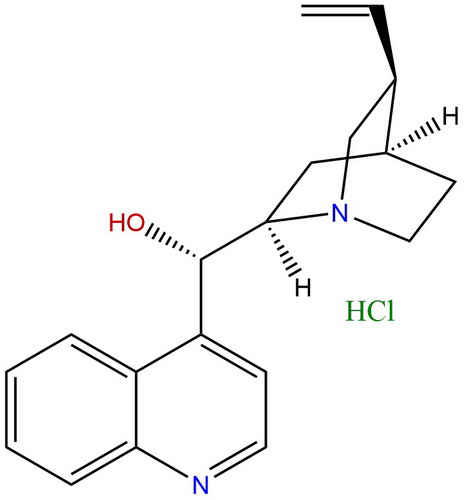
Synonym name: Cinchonine hydrochloride
Catalogue No.: BP0362
Cas No.: 5949-11-1
Formula: C19H22N2O.HCL
Mol Weight: 330.85
Botanical Source: Alkaloid from Cinchona officinalis and all Cinchona spp. and from some Remijia spp., e.g. Remijia pedunculata and Remijia purdieana, and from the leaves of Olea europaea and Ligustrum vulgare (Rubiaceae, Oleaceae)
Purity: 95%~99%
Analysis Method: HPLC-DAD or/and HPLC-ELSD
Identification Method: Mass, NMR
Packing: Brown vial or HDPE plastic bottle
Can be supplied from milligrams to grams.
For Reference Standard and R&D, Not for Human Use Directly.
Inquire for bulk scale.
Storage conditions:Short-term storage at 2~8℃, long-term storage at -20 ~ -80℃
24.3900
3.2800
2.1500
Yes
.7500
Yes
Negative
Natural products, as an important source of drug discovery, play an irreplaceable role in the long history of human fight against diseases. Golden Chicken Tree(Cinchona The alkaloid compounds extracted from the bark of the tree, especially quinine and its stereoisomers, were once standard drugs for treating malaria and have milestone significance in the history of tropical medicine. Cinchonine hydrochloride, also known as (8R, 9S) - Cinchonine hydrochloride, is one of the abundant natural alkaloids in the bark of cinchona. Together with quinine, cinchonidine, and quinidine, it constitutes the four main components of cinchona alkaloids.
For a long time, Xinkening has been mainly regarded as a minor analogue of quinine. Although its anti malarial activity is not as good as quinine, it occupies an important position in the chemical classification and structure-activity relationship research of cinchona alkaloids. However, in recent years, with the in-depth exploration of the pharmacological activity of natural products, Xinkening hydrochloride has shown broad prospects beyond traditional anti malaria applications. In particular, research has found that Xinkening hydrochloride can specifically induce apoptosis in human liver cancer cells by activating the endoplasmic reticulum stress (ER stress) pathway, providing a novel molecular target and candidate drug for the treatment of hepatocellular carcinoma (HCC). Liver cancer, as the third leading cause of cancer-related deaths worldwide, has a insidious onset, rapid progression, and is prone to developing resistance to existing chemotherapy drugs. Therefore, the search for natural anti liver cancer compounds with novel mechanisms of action has important clinical translational value.
This article aims to systematically review the chemical structure characteristics, plant sources and extraction processes, pharmacological activity spectrum, molecular mechanism of action, pharmacological evaluation, and clinical application prospects of Xinkening hydrochloride, in order to provide comprehensive academic references for further research and development of this natural product.
Xinkening hydrochloride belongs to the quinoline alkaloids, and its core skeleton is composed of a quinoline ring and a quinuclidine ring connected by a hydroxymethyl bridge. Its chemical name is (8R, 9S) - Xinkening hydrochloride, with a molecular formula of C ₁ H ₂ N ₂ O · HCl and a molecular weight of 342.86 g/mol. Compared with quinine, cinchonine lacks a methoxy substituent at the C-6 'position of the quinoline ring, which directly affects its binding ability to target proteins and pharmacological activity intensity.
From the perspective of stereochemistry, there are two chiral centers in the molecule of Xinkening, located at positions C-8 and C-9 respectively, with absolute configurations of 8R and 9S. This configuration is exactly opposite to quinine (8S, 9R) and belongs to the diastereomer of quinine. It is worth noting that cinchonine and cinchonidine are enantiomers of each other, and the configuration of cinchonidine is 8S, 9R. This difference in stereochemistry results in vastly different interaction patterns with biological targets such as Plasmodium's pigment polymerase, human ion channels, etc., thus exhibiting a differentiated pharmacological activity spectrum.
In terms of physical and chemical properties, Xinkening hydrochloride is a white or off white crystalline powder, odorless, and extremely bitter in taste. Its solubility in water is about 1:25, its solubility in ethanol is about 1:3, it is slightly soluble in chloroform, and almost insoluble in ether. Its melting point is 210-215 ° C (decomposition), and its specific rotation [α] D ² ⁰ is about+145 ° (c=0.5, ethanol). As a hydrochloride form, the compound is acidic in aqueous solution (pH 4.0-5.5) and has good chemical stability, but can slowly degrade under strong light or high temperature conditions. Its UV absorption spectrum shows characteristic absorption peaks at 225 nm and 330 nm, corresponding to the π→π of the quinoline ring, respectively Transition and n →πJumping.
From the perspective of medicinal chemistry, the molecule of Xinkening hydrochloride contains both basic nitrogen atoms (tertiary amine on the quinine ring, pKa ≈ 8.4) and phenolic hydroxyl groups (hydroxyl on the quinoline ring, pKa ≈ 10.0), allowing it to partially protonate under physiological pH conditions and exhibit zwitterionic properties. This ionization state not only affects its transmembrane transport ability, but also determines its binding mode with plasma proteins. In addition, the hydrophobic quinoline ring and hydrophilic hydroxyl and quaternary ammonium salt structures in the molecule jointly endow it with amphiphilic characteristics, with a logP value of about 2.8 (octanol/water partition coefficient), indicating that it has good membrane permeability and meets most of the criteria in the Lipinski drug five rules.
The natural source of Xinkening hydrochloride is mainly from the Rubiaceae family, genus Cinchona(Cinchona)The bark of plants. This genus of plants is native to the Andes Mountains in South America, including Cinchona officinalis、Cinchona ledgeriana、Cinchona calisaya and Cinchona succirubra Waiting for the main species. among which,C. ledgeriana Due to its highest alkaloid content (total alkaloids can reach 15-20% dry weight), it has been widely introduced for commercial cultivation in tropical regions such as Indonesia, India, Tanzania, and Guatemala. In the bark of cinchona trees, cinchonin usually coexists with quinine, cinchonidine, and quinidine, and its content varies depending on the species, origin, tree age, and harvesting season, generally accounting for 5-15% of the total alkaloids.
The traditional extraction process of alkaloids from cinchona is mainly based on the principle of acid-base extraction. The typical process involves crushing the dried bark of cinchona bark and extracting it by filtration with dilute hydrochloric acid or sulfuric acid solution, allowing the alkaloids to dissolve in the form of salts. After alkalization of the extraction solution (usually adjusted to pH 9-10 using sodium hydroxide or lime milk), free alkaloids precipitate and are then extracted with organic solvents such as benzene, chloroform, or ether. After concentration, the crude extract is subjected to fractional crystallization separation by utilizing the solubility differences of different alkaloids in specific solvents. Xinkening can be isolated and purified from mixed alkaloids by repeated recrystallization due to its relatively low solubility in ethanol.
Modern extraction techniques have significantly improved the extraction efficiency and purity of Xinkening. Supercritical fluid extraction (SFE) technology uses carbon dioxide as the extraction medium, and by adjusting pressure and temperature (usually 40-60 ° C, 20-30 MPa), it can selectively extract alkaloids from cinchona without residual organic solvents. Research has shown that the SFE method can achieve an extraction rate of 1.5-2 times that of traditional solvent methods for Xinkening, and the extraction time can be shortened to 2-3 hours. In addition, microwave-assisted extraction (MAE) and ultrasound assisted extraction (UAE) have also been applied to the extraction of alkaloids from cinchona. The MAE method can complete the extraction within 15 minutes under the conditions of power of 300-500 W and temperature of 60-80 ° C, and the yield of Xinkening is about 30% higher than that of traditional filtration method.
In terms of separation and purification, high-speed counter current chromatography (HSCCC) and preparative high performance liquid chromatography (preparative HPLC) were used for the high-purity preparation of Xinkoning. HSCCC utilizes a two-phase solvent system (such as n-hexane ethyl acetate methanol water system) to separate Xinkening monomers with a purity of>98% from the crude extract of Jinjina in one operation. It is worth noting that due to the extremely similar chemical properties of Xinkening and Xinkenidine, traditional crystallization methods are difficult to completely separate this pair of diastereomers, while chiral chromatography techniques (such as using cellulose triphenylate chiral stationary phases) can achieve baseline separation of the two, providing high-purity single isomers for subsequent pharmacological research.
The antimalarial activity of Xinkening hydrochloride was first recognized as its pharmacological action. Similar to quinine, Xinkening interferes with malaria parasites by(Plasmodium The detoxification process of pigments in spp. exerts anti malarial effects. In red blood cells infected with malaria parasites, hemoglobin is degraded and toxic heme is released. Malaria parasites detoxify by aggregating heme into insoluble hemozoin. Xinkening can bind to free hemoglobin, inhibit its polymerization reaction, and cause toxic hemoglobin to accumulate in the parasite, ultimately leading to malaria parasite death. However, Xin Kening is effective against malignant malaria parasites(P. falciparum)The half maximal inhibitory concentration (IC ₅₀) of quinine is usually in the range of 100-500 nM, which is about 2-5 times that of quinine, indicating its relatively weak antimalarial activity. This difference is mainly attributed to the absence of the C-6 'methoxy group in the Xinkening molecule, which is crucial for forming stable π - π stacking interactions with heme.
In recent years, the anti-tumor activity of Xinkening hydrochloride has become a research hotspot, especially in the field of hepatocellular carcinoma treatment. In 2015, Chinese scholars first reported that Xinkening hydrochloride could inhibit the proliferation of human liver cancer cell lines HepG2 and Huh7 in a dose-dependent and time-dependent manner, with an IC ₅₀ value of approximately 15-25 μ M under 24-hour treatment. Further flow cytometry analysis showed that Xinkening treatment can induce typical apoptotic morphological changes in liver cancer cells, including cell shrinkage, chromatin agglutination, and DNA fragmentation. The Annexin V-FITC/PI double staining experiment confirmed that the proportion of early apoptotic cells in the Xinkening treatment group significantly increased from 3.2% in the control group to 28.7% (50 μ M, 24 h).
In addition to liver cancer, Xinkening hydrochloride also exhibits varying degrees of inhibitory effects on various other tumor cell lines. The research shows that it has proliferation inhibitory activity on breast cancer cell MCF-7 (IC ∨ ₀=18.2 μ M), lung cancer cell A549 (IC ♀ ₀=22.5 μ M) and colon cancer cell HT-29 (IC ♀ ₀=30.1 μ M), but its toxicity to normal liver cell LO2 is low (IC ♀ ₀>80 μ M), suggesting that it has certain tumor selectivity. In addition, the combination of Xinkening and conventional chemotherapy drugs (such as cisplatin and 5-fluorouracil) has shown a synergistic effect, significantly reducing the dosage of chemotherapy drugs and alleviating their toxic side effects.
Xinkening hydrochloride also exhibits anti-inflammatory, antiarrhythmic, and ion channel regulatory activities. In the RAW264.7 macrophage model stimulated by lipopolysaccharide (LPS), Xinkening (10-50 μ M) can significantly inhibit the production of pro-inflammatory factors tumor necrosis factor - α (TNF - α), interleukin-6 (IL-6), and nitric oxide (NO), which may be related to the inhibition of the nuclear factor kappa B (NF - κ B) signaling pathway. In terms of cardiovascular system, Xinkening, as a stereoisomer of quinidine, has the characteristics of class I antiarrhythmic drugs, which can block sodium ion channels in myocardial cells, prolong action potential duration and effective refractory period. However, its anti arrhythmic activity is about 3-5 times weaker than quinidine, and there is a certain risk of arrhythmia, which limits its application in this field.
The core mechanism of Xinkening hydrochloride induced apoptosis in liver cancer cells involves the activation of endoplasmic reticulum stress. The endoplasmic reticulum is an important organelle for protein folding, modification, and calcium ion storage within cells. When unfolded or misfolded proteins accumulate in the endoplasmic reticulum, cells initiate the unfolded protein response (UPR) to restore endoplasmic reticulum homeostasis. UPR is mediated by three transmembrane receptor proteins: protein kinase R-like endoplasmic reticulum kinase (PERK), inositol demand enzyme 1 alpha (IRE1 alpha), and activated transcription factor 6 (ATF6). Under normal circumstances, these receptors bind to the endoplasmic reticulum molecular chaperone glucose regulatory protein 78 (GRP78/BiP) and remain inactive. When endoplasmic reticulum stress occurs, GRP78 dissociates from receptors and instead binds to unfolded proteins, thereby activating UPR signaling.
Research has shown that treatment of liver cancer cells with Xinkening hydrochloride can rapidly induce upregulation of GRP78 expression and promote phosphorylation of PERK and IRE1 α. The activation of PERK leads to phosphorylation of eukaryotic translation initiation factor 2 alpha (eIF2 alpha), which in turn inhibits global protein translation, while selectively upregulating the expression of activated transcription factor 4 (ATF4). After ATF4 enters the nucleus, it activates the transcription of CCAAT/enhancer binding protein homologous protein (CHOP/GADD153). CHOP is a key transcription factor in endoplasmic reticulum stress-induced apoptosis. It induces cell apoptosis by downregulating the anti apoptotic protein Bcl-2, upregulating the pro apoptotic proteins Bax and Bim, and activating the caspase cascade of the mitochondrial pathway. In addition, the activation of IRE1 α can splice X-box binding protein 1 (XBP1) mRNA, producing XBP1s with transcriptional activity, which also participates in the induction of CHOP expression.
It is worth noting that the endoplasmic reticulum stress induced by Xinkening hydrochloride has cell type specificity. In normal liver cells, Xinkening only causes mild endoplasmic reticulum stress response, and cells can restore homeostasis through adaptive UPR. However, in liver cancer cells, due to the high baseline level of endoplasmic reticulum stress in cancer cells (i.e. in a "stress tolerance" state), additional stimulation with Xinkening can break through their tolerance threshold, leading to irreversible activation of apoptotic signals. This "synthetic lethal" effect provides a theoretical basis for targeted therapy of liver cancer.
In addition to the endoplasmic reticulum stress pathway, Xinkening hydrochloride may also exert anti-tumor effects through other mechanisms. Molecular docking and surface plasmon resonance (SPR) experiments have shown that Xinkening can directly bind to the colchicine binding site of microtubule proteins, inhibit microtubule polymerization, and thus block the cell cycle in the G ₂/M phase. In addition, Xinkening can also inhibit the activity of topoisomerases I and II, interfering with DNA replication and transcription processes. At the level of signal transduction, Xinkening has been found to inhibit phosphorylation of the PI3K/Akt/mTOR pathway, while activating AMPK signaling, leading to cellular energy metabolism disorders and autophagic death.
In terms of anti malaria mechanism, Xinkening not only inhibits heme polymerization, but also exerts a synergistic effect by inhibiting the nucleic acid synthesis of malaria parasites and interfering with their mitochondrial function. Recent studies have also found that Xinkening can block the chloroquine resistant transporter protein (PfCRT) of malaria parasites, partially reversing the resistance of malignant malaria parasites to chloroquine. This discovery provides a new idea for overcoming antimalarial drug resistance.
Although there is currently no systematic data on the pharmacological properties of Xinkening hydrochloride, preliminary pharmacological evaluations can be conducted based on its chemical structure and preliminary pharmacological studies. From the perspective of medicinal chemistry, Xinkening conforms to the Lipinski drug five rules: molecular weight 342.86 Da (<500 Da), logP 2.8 (<5), hydrogen bond donor number 2 (<5), hydrogen bond acceptor number 3 (<10). Its water solubility (about 40 mg/mL) and membrane permeability (apparent permeability coefficient Papp of Caco-2 cells is about 8 × 10 ⁻⁶ cm/s) are both within an acceptable range. However, there may be issues with the metabolic stability of Xinkening: its quinoline and quinine ring structures are easily oxidized and metabolized by cytochrome P450 enzymes (especially CYP3A4 and CYP2D6), resulting in lower oral bioavailability. Preliminary liver microsomal metabolism experiments showed that the half-life of Xinkening in rat liver microsomes is about 25 minutes, with a high intrinsic clearance rate.
The pharmacokinetic studies of Xinkening hydrochloride mainly come from animal experiments. After oral administration (10 mg/kg) to rats, the peak time (Tmax) of Xinkening's blood concentration was about 1.5 hours, the peak concentration (Cmax) was about 0.8 μ g/mL, and the absolute bioavailability was about 35%. After intravenous injection, its distribution volume (Vd) is approximately 3.5 L/kg, indicating extensive tissue distribution. The plasma protein binding rate is about 70-80%, mainly binding to alpha acidic glycoproteins. Xinkening is mainly metabolized by the liver in the body, with metabolic pathways including hydroxylation of quinoline ring, N-oxidation of quinine ring, and O-demethylation (although Xinkening itself does not contain methoxy groups, its metabolites may undergo subsequent methylation reactions). The main metabolites are 2-hydroxycinchonine and cinchonin-N-oxide, which have weaker pharmacological activity than the parent compound. Xinkening and its metabolites are mainly excreted through the kidneys, with a cumulative excretion of about 40-50% of the administered dose in urine over 24 hours. Another portion is excreted through bile and enters the enterohepatic circulation.
It is worth noting that there are significant species and individual differences in the pharmacokinetics of Xinkening. In the human body, the oral bioavailability of Xinkening may be lower (estimated to be<20%), and its metabolism is affected by CYP2D6 gene polymorphism, which may lead to drug accumulation in slow metabolizers. In addition, Xinkening is a substrate of P-glycoprotein (P-gp), and the efflux of P-gp in the intestine may further reduce its oral absorption. These factors suggest that developing Xinkening as an oral drug faces certain challenges and may require the use of nano formulations, liposomes, or prodrug strategies to improve its pharmacokinetic properties.
Xinkening hydrochloride provides a new candidate molecule for the treatment of hepatocellular carcinoma by activating the unique mechanism of endoplasmic reticulum stress induced apoptosis in liver cancer cells. Compared with traditional chemotherapy drugs such as sorafenib and doxorubicin, Xinkening has the following potential advantages: firstly, its target (endoplasmic reticulum stress pathway) is highly active in liver cancer cells, with less impact on normal cells, theoretically having a better therapeutic window; Secondly, the mechanism of action of Xinkening is different from that of existing chemotherapy drugs, and it is not easy to develop cross resistance, especially suitable for advanced liver cancer patients who are resistant to sorafenib; Thirdly, as a natural product, Xinkening may have lower toxic side effects than synthetic chemotherapy drugs.
However, the clinical application of Xinkening still faces many challenges. The primary issue is that its anti-tumor activity is relatively weak (IC ₅₀ is at the micromolar level), and its potency needs to be further improved. By structural modification, such as introducing methoxy groups (i.e. converted to quinine structures) or other substituents at the C-6 'position of the quinoline ring, its affinity for the target protein may be enhanced. Secondly, although the water solubility of Xinkening is acceptable, its oral bioavailability is low, and new drug delivery systems need to be developed. Preparation technologies such as nanoliposomes, polymer micelles, and phospholipid complexes have been explored to improve the bioavailability of Xinkening. Preliminary results show that the oral bioavailability of Xinkening liposomes can be increased to over 60%.
Although Xinkening has weaker antimalarial activity than quinine, it has unique value in overcoming malaria parasite resistance. As the resistance of Plasmodium falciparum to artemisinin combination therapy (ACT) spreads in Southeast Asia, it is urgent to search for antimalarial drugs with new mechanisms of action. As a member of the cinchona alkaloid family, Xinkening's anti malaria mechanism is completely different from artemisinin based drugs, so it may still be effective against artemisinin resistant malaria strains. In addition, Xinkening can partially reverse chloroquine resistance, indicating that it can be used as an adjuvant component in combination therapy to restore the sensitivity of chloroquine to drug-resistant malaria parasites.
The anti-inflammatory activity of Xinkening hydrochloride suggests that it may have therapeutic potential in inflammatory diseases such as rheumatoid arthritis and inflammatory bowel disease. In addition, the regulatory effect of Xinkening on ion channels makes it a potential lead compound for arrhythmia treatment, but its risk of causing arrhythmia needs to be reduced through structural modification. Recent research also found that cinchonine can inhibit the activity of SARS CoV-2 main protease (Mpro) (IC ≮₀ is about 12 μ M), suggesting that it may have the potential to resist COVID-19, but this discovery needs to be verified by in vivo experiments.
Xinkening hydrochloride, an ancient natural alkaloid derived from the bark of cinchona bark, is undergoing a transition from a traditional antimalarial drug to a novel anti-tumor candidate molecule. The discovery that it specifically induces apoptosis in liver cancer cells by activating the endoplasmic reticulum stress pathway not only reveals the new pharmacological activity of the compound, but also provides unique molecular targets and therapeutic strategies for liver cancer treatment. However, there is still a huge gap between laboratory discoveries and clinical applications. The main challenges currently faced include: enhancing anti-tumor activity, improving pharmacokinetic properties, clarifying in vivo efficacy and toxicity profiles, and establishing large-scale synthetic or semi synthetic processes.
Future research directions should focus on the following aspects: firstly, conducting systematic structure-activity relationship studies based on the molecular skeleton of Xinkening, and obtaining derivatives with stronger activity and higher selectivity through chemical modification; Secondly, further elucidate the molecular mechanism by which Xinkening induces endoplasmic reticulum stress, particularly the identification of its direct target proteins; Thirdly, develop novel drug delivery systems to enhance the oral bioavailability and tumor targeting of Xinkening; Fourthly, conduct systematic in vivo pharmacological and toxicological studies to evaluate their clinical translational potential.
The research process of Xinkening hydrochloride vividly demonstrates the sustained value of natural products in drug discovery. The ancient medicine extracted from the bark of cinchona bark is now showing new vitality through the re examination of modern pharmacology and molecular biology techniques. We have reason to believe that with further research, Xinkening hydrochloride and its derivatives have the potential to become an important component of comprehensive treatment strategies for liver cancer, bringing new treatment hope to patients.
Batch can search by a CAS number,one per line
