Introduction/Overview
Natural products, as an important source of drug discovery, play an irreplaceable role in the long struggle between humans and diseases. From the classic analgesic morphine to the anticancer drug paclitaxel, plant secondary metabolites continue to provide valuable lead compounds for modern drug development due to their unique chemical diversity and biological activity. Among numerous natural phenolic compounds with biological activity, Iriflorenone, as a structurally unique derivative of benzophenone, has gradually attracted the attention of pharmacological researchers in recent years.
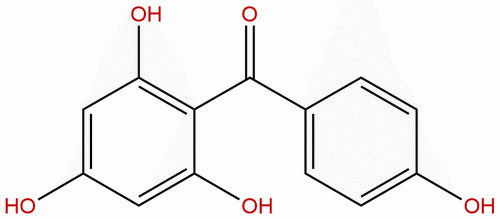
Irishinone, CAS registration number 52591-10-3, originally from the Iris genus(Iris)Separated and identified from plants, it was later found to be widely present in various medicinal plants, including the Aquilaria genus in the Rosaceae family(Aquilaria sinensis). Its chemical structure belongs to the benzophenone class and has a typical phenolic hydroxyl substitution mode. Early research mainly focused on its ecological function as a plant antitoxin or defense related metabolite. However, as research deepens, irisinone exhibits a complex and contradictory spectrum of biological activity. On the one hand, it has been reported to have significant antioxidant activity, which can clear free radicals and protect cells from oxidative stress damage by regulating various targets such as nuclear factor E2 related factor 2 (NRF2); On the other hand, it is interesting to note that research has found that ironophenone isolated from Agarwood can stimulate the proliferation of MCF-7 and T-47D human breast cancer cells, which casts a shadow on its application prospects, and also reveals the possible two-way regulation of natural products in complex biological systems.
This "double-edged sword" characteristic makes iridone a highly valuable molecule for research. A deep understanding of its chemical properties, plant origin, pharmacological activity, mechanism of action, and medicinal properties not only helps evaluate its potential and risks as a therapeutic drug, but also provides important scientific basis for the development of derivatives based on its skeletal structure. This article aims to comprehensively review the research progress of iridone, from chemical structure, plant origin, pharmacological activity, molecular mechanism to drug evaluation, systematically sort out existing knowledge, and prospect its future research direction and clinical application prospects.
Chemical structure and physicochemical properties
The chemical name of iridone is 2,4,6-trihydroxy-4 '- methoxybenzophenone, with a molecular formula of C ₁₄ H ₁₂ O ₅ and a molecular weight of 246.2180 g/mol. Structurally, it consists of a central carbonyl group (C=O) connecting two benzene rings to form a typical benzophenone skeleton. One of the benzene rings (ring A) is connected to three hydroxyl (- OH) groups located at positions 2, 4, and 6, respectively; The 4 'position of the other benzene ring (B ring) is connected to a methoxy (- OCH ∝) group. The substitution mode of hydroxyl groups in polyphenols is the structural basis for their various biological activities.
In terms of physical and chemical properties, the lipid water partition coefficient (LogP) of iridone is 2.0131, indicating its moderate lipophilicity, which can be dissolved in organic solvents and has a certain degree of water solubility. The predicted value of its water solubility is 0.3687 mg/mL, which provides a basis for its absorption and distribution in vivo. The topological polar surface area (TPSA) is 97.9900 Å ², which is a relatively high value mainly attributed to the multiple hydroxyl and carbonyl groups in its molecule. A higher TPSA typically indicates a stronger ability for molecules to form hydrogen bonds with solvent water molecules, which facilitates their dissolution in aqueous environments, but may also limit their passive diffusion through biofilms, especially the blood-brain barrier. In fact, pharmacological evaluation shows that the blood-brain barrier permeability of irisetine is "low", which is consistent with its higher polar surface area, suggesting that its central nervous system activity may be weaker, but it also reduces the potential risk of central neurotoxicity.
In addition, the predicted result of hERG inhibition in the pharmacological parameters is' no ', which is a positive signal. The hERG (human Ether - à - go Related Gene) potassium channel is a key target for evaluating drug cardiac toxicity, and its inhibition may lead to QT interval prolongation and fatal arrhythmias. Irishinone has no inhibitory activity on hERG channels, reducing its risk of causing cardiac toxicity. The Ames test predicts a value of 0.6, which is between 0 and 1. It is generally believed that a value greater than 0.5 indicates a potential risk of genetic toxicity. This result needs to be alerted, indicating that iridone or its metabolites may have mutagenicity, which must be validated through rigorous genetic toxicity experiments in subsequent drug development.
Plant sources and extraction methods
Iridaceae was originally discovered in the Iris genus of the Iridaceae family, which is also the origin of its name "Iridaceae". However, with the deepening of plant chemistry research, it has been found that this compound is not unique to Iris plants, but widely distributed in multiple families and genera of plants. One of the most notable sources is the Thymelaeaceae genus of agarwood plants, especially the medicinal plant Bai Mu Xiang included in the Chinese Pharmacopoeia(Aquilaria sinensis). Baimuxiang is the main base plant of domestically produced agarwood, and its resin containing wood (agarwood) is a precious traditional Chinese medicine and fragrance. The iridone isolated from the white wood fragrance is usually considered as a part of its defense response or secondary metabolite. In addition, iridone is also present in other plants, such as certain ferns and lichens, but its content is usually lower.
The method of extracting iridone mainly relies on classical natural product chemical separation techniques. Due to the moderate polarity of the compound and the presence of multiple phenolic hydroxyl groups, polar solvents are usually used for extraction. The common extraction process is as follows:
- Raw material pretreatment Grind dry plant materials (such as the stems or roots of passion ash) to the appropriate particle size.
- Solvent extraction Use polar organic solvents such as methanol, ethanol, or acetone for cold soaking, percolation, or reflux extraction. In order to improve extraction efficiency, ultrasound assisted extraction or microwave-assisted extraction techniques are sometimes used.
- Extraction and Enrichment After concentrating the extract, suspend it in water, and then perform liquid-liquid extraction using solvents of different polarities such as petroleum ether, ethyl acetate, n-butanol, etc. Irishinone is usually enriched in the ethyl acetate extraction layer due to its moderate polarity.
- chromatographic separation: The ethyl acetate extract was separated and purified by silica gel column chromatography, ODS (octadecyl silane) reverse phase column chromatography, Sephadex LH-20 gel column chromatography, etc. By gradient elution, iridone can be enriched in specific fractions.
- Purification and identification Finally, high-purity monomer compounds were obtained through purification using preparative high-performance liquid chromatography (Pre HPLC). Its structure was confirmed by spectroscopic methods such as nuclear magnetic resonance spectroscopy (NMR) and mass spectrometry (MS).
It is worth noting that the content of iridone varies greatly in different plants and often coexists with other benzophenone compounds with similar structures, such as iridophenone 3-c - β - D-glucoside and other glycoside forms. Therefore, establishing efficient and specific extraction and detection methods (such as HPLC-MS/MS) is crucial for in-depth study of its pharmacological properties.
Pharmacological activity research
The pharmacological activity research of iridone presents a complex and interesting picture, with its most significant feature being the combination of antioxidant activity and potential pro proliferative effects.
antioxidant activity
Oxidative stress is a common pathological basis for the occurrence and development of various diseases, including aging, cardiovascular disease, neurodegenerative diseases, and cancer. Irishinone, due to its molecular structure containing multiple phenolic hydroxyl groups, can effectively scavenge free radicals and exhibit strong antioxidant capacity. In vitro chemical experiments, such as DPPH and ABTS free radical scavenging experiments, have confirmed its direct free radical scavenging activity. More importantly, studies at the cellular level have shown that iridone can exert a protective effect by activating the endogenous antioxidant defense system. Specifically, it can upregulate the expression and activity of a range of antioxidant enzymes, including superoxide dismutase (SOD1, SOD2), catalase (CAT), glutathione peroxidase 1 (GPX1), and heme oxygenase 1 (HMOX1). These enzymes form the first line of defense for cells against oxidative damage. In addition, iridone can also inhibit the expression of matrix metalloproteinase 1 (MMP1) and matrix metalloproteinase 3 (MMP3), which are closely related to extracellular matrix degradation, skin photoaging, and inflammation. Meanwhile, its inhibitory effect on tyrosinase (TYR) also suggests its potential application value in the field of whitening and skincare. The regulation of these antioxidant related targets together constitutes the molecular basis for irisinone to protect cells from oxidative stress damage.
Proliferative effect on breast cancer cells
In sharp contrast to the antioxidant activity, a key study found that the iris ketone isolated from the white wood incense can stimulate the proliferation of MCF-7 and T-47D human breast cancer cells. This discovery has significant toxicological and pharmacological implications. Both MCF-7 and T-47D cell lines were estrogen receptor (ER) positive breast cancer cell models. Therefore, the proliferative effect of iridone may be related to its estrogenic like activity (i.e. estrogenic like effect). Many phenolic compounds, especially molecules containing para hydroxyphenyl ring structures, can bind to estrogen receptors, simulating or antagonizing the physiological effects of estrogen. Irishinone has a 4 '- methoxy group on the B ring, and the polyhydroxy structure on the A ring may also enable it to bind to ER. This potential estrogen activity makes ironstone possibly become an endocrine disruptor in vivo, posing a potential risk for patients with estrogen dependent diseases (such as ER positive breast cancer patients).
Other potential activities
In addition to the two main activities mentioned above, iridone has also been reported to have anti-inflammatory, antibacterial, and antiviral activities. For example, it can inhibit the production of nitric oxide (NO) and prostaglandin E2 (PGE2) in macrophages induced by lipopolysaccharide (LPS), demonstrating anti-inflammatory potential. However, these studies are relatively scarce, and their specific mechanisms and in vivo effectiveness still need further validation.
Mechanism of action and molecular targets
The pharmacological mechanism of action of iridone is multi-target and multi pathway, with its core being the regulation of the cellular signal transduction network.
Antioxidant mechanism: NRF2 signaling pathway
The strong antioxidant activity of iridone is mainly attributed to its activation of the nuclear factor E2 related factor 2 (NFE2L2, NRF2) signaling pathway. NRF2 is a key transcription factor for cells to respond to oxidative stress and electrophilic attacks. Under normal circumstances, NRF2 binds to the inhibitory protein Keap1 in the cytoplasm, remains inactive, and is degraded by ubiquitination. When cells are exposed to oxidative stress or electrophilic compounds such as iridone, the conformation of Keap1 changes, leading to the release and stabilization of NRF2. Subsequently, NRF2 translocates into the nucleus and forms heterodimers with small Maf proteins, recognizing and binding to antioxidant response elements (ARE) in the promoter region of target genes, thereby initiating the transcription of a series of cell protective genes. These genes include:
- SOD1, SOD2 Encoding superoxide dismutase, catalyzing the dismutation of superoxide anion radicals into hydrogen peroxide and oxygen.
- CAT Encoding catalase, which decomposes hydrogen peroxide into water and oxygen.
- GPX1 Encode glutathione peroxidase, which uses glutathione to reduce hydrogen peroxide and organic peroxides.
- HMOX1 Encoding heme oxygenase 1, it catalyzes the degradation of heme into biliverdin, carbon monoxide, and iron ions, and the product has antioxidant and anti-inflammatory effects.
Irishinone synergistically upregulates the expression of various antioxidant enzymes by activating the NRF2/ARE pathway, thereby significantly enhancing the overall antioxidant capacity of cells. Meanwhile, it can also inhibit the expression of MMP1 and MMP3 induced by oxidative stress, which may be related to the interaction between the NRF2 pathway and inflammation related pathways such as AP-1 and NF - κ B.
Promoting proliferation mechanism: potential activation of estrogen receptors
The mechanism by which iridone stimulates the proliferation of MCF-7 and T-47D cells is currently believed to be most likely related to the activation of estrogen receptors (ER). MCF-7 and T-47D cells highly express ER α. The molecular structure of iridone, especially its substitution mode of phenolic hydroxyl and methoxy groups, provides the structural basis for its binding to the ER ligand binding domain. Once combined, irisinone may act as an agonist of ER, simulating the effect of 17 β - estradiol (E2), leading to:
1. ER dimerization and nuclear translocation After ligand binding, ER undergoes dimerization and translocates to the nucleus.
2. Gene transcription regulation The ER dimer binds to the estrogen response element (ERE) in the promoter region of the target gene, initiating a series of gene transcription related to cell proliferation and survival, such as Cyclin D1, c-Myc, Bcl-2, etc.
3. Non genomic effects ER can also rapidly activate downstream kinases through membrane related signaling pathways such as PI3K/Akt and MAPK/ERK, promoting cell proliferation and inhibiting apoptosis.
The inhibitory effect of iridone on TYR may be achieved through direct chelation with copper ions in the active center of tyrosinase or by interfering with its upstream signaling pathway. And its inhibition of MMP1 and MMP3 may be related to the inhibition of the activity of AP-1 or NF - κ B transcription factors, which are key regulators of MMP gene expression.
Evaluation of drug properties and pharmacokinetics
The evaluation of drug properties is a key bridge connecting basic research and clinical translation. Based on existing computational predictions and limited experimental data, a preliminary evaluation of the pharmacological properties of iridone can be conducted.
Analysis of drug properties
According to Lipinski's "Rule of Five", the molecular weight (246.2<500), LogP (2.01<5), number of hydrogen bond donors (3 hydroxyl groups,<5), and number of hydrogen bond acceptors (5 oxygen atoms,<10) of iridone all meet the requirements, indicating its good oral bioavailability potential. Its TPSA is 97.99 Å ², slightly higher than the recommended 60-70 Å ² for oral medications, but still within an acceptable range, suggesting that it may be absorbed through active transport or passive diffusion.
Pharmacokinetic prediction
- absorb Moderate water solubility (0.3687 mg/mL), moderate LogP, beneficial for dissolution and absorption in the gastrointestinal tract. However, the presence of phenolic hydroxyl groups makes it prone to first pass metabolism in the intestine (such as glucuronidation and sulfation), which may lead to a decrease in oral bioavailability.
- distribution LogP is 2.01, indicating moderate organizational distribution ability. Low blood-brain barrier permeability is an advantage that can reduce central nervous system side effects.
- Metabolism The metabolism of iridone mainly occurs in the liver and intestines. Its phenolic hydroxyl group is a substrate for phase II metabolic enzymes such as UGTs and SULTs, and is prone to form glucuronic acid or sulfate complexes. In addition, methoxy groups may also undergo O-demethylation reactions. These metabolites are usually more polar and easily excreted from urine or bile.
- excretion Mainly excreted through the kidneys (urine) and/or bile (feces).
safety assessment
- cardiotoxicity HERG inhibition is predicted as' no ', which is a positive signal.
- Genotoxicity The Ames test predicted a value of 0.6, indicating a potential risk of mutagenicity. This is a safety signal that requires high attention. The Ames test is a standard method for evaluating whether a compound may cause gene mutations. A predicted value of 0.6 suggests that the compound may be positive in bacterial recovery mutation assays. If subsequent experiments confirm its genetic toxicity, it will seriously hinder its development as a therapeutic drug.
- Promoting proliferation risk Its proliferation promoting effect on ER positive breast cancer cells constitutes the core safety hazard. This means that in the body, it may promote the growth of estrogen dependent tumors. Therefore, any health care products or drugs containing iriophenone are absolutely taboo for people who are at risk of breast cancer or have breast cancer.
Clinical application prospects and prospects
The unique "double-edged sword" characteristics of iridone determine its clinical application prospects, which are full of challenges and opportunities.
Potential application directions
- Antioxidant and anti-aging Based on its strong antioxidant activity, iridone or its derivatives have potential application value in the fields of cosmetics and functional foods. For example, as a whitening agent (inhibiting TYR), anti wrinkle agent (inhibiting MMP1/3), or skin protectant (activating NRF2). However, it is necessary to rigorously evaluate its systemic effects after absorption through the skin, especially the potential risks to breast tissue.
- Lead anti-inflammatory drug Its anti-inflammatory activity, especially its inhibition of MMP and NO production, makes it a lead compound for the development of new anti-inflammatory drugs. Reducing its estrogen like activity and genotoxicity while retaining or enhancing its anti-inflammatory activity through structural modification is a feasible strategy.
- Structural modification and derivative development Given the safety issues inherent in iridone, future research should focus on modifying its structure. For example:
- Shielding phenolic hydroxyl groups Methylation, acetylation, or glycosylation of phenolic hydroxyl groups may reduce their binding ability to ER, thereby eliminating their pro proliferative activity.
- Change the replacement mode Introducing other functional groups such as halogens, carboxyl groups, etc. onto the benzene ring can alter its electron cloud distribution and spatial configuration, potentially changing its interaction mode with targets such as NRF2, TYR, ER.
- Pre development drugs Designed as a prodrug, it is activated in specific parts of the body (such as the skin) to exert local antioxidant effects with low systemic exposure, thereby reducing systemic risk.
challenges faced
- Safety is the biggest obstacle The biggest obstacle to the systemic use of iridone is its proliferative activity and potential genotoxicity. It is necessary to comprehensively evaluate its safety through rigorous in vitro and in vivo experiments, such as long-term toxicity experiments, reproductive toxicity experiments, and carcinogenicity experiments.
- The mechanism of action is unclear Although it is known that it can activate NRF2 and potentially activate ER, the specific binding mode, binding affinity, and complete spectrum of downstream signaling pathways to these targets are not yet fully understood. Especially, does it also act on other unknown targets? Is its proliferative effect entirely mediated by ER? These questions need to be answered.
- Lack of pharmacokinetic research At present, there is almost no data available on the absorption, distribution, metabolism, and excretion (ADME) of iridone in animal bodies. Without these data, it is impossible to accurately predict its effective concentration and duration in the body, nor to evaluate whether its metabolites are active or toxic.
- Insufficient validation of in vivo drug efficacy Most pharmacological activity studies remain at the cellular level in vitro. Its in vivo efficacy and safety data in animal models such as oxidative stress models, inflammation models, and tumor models are extremely scarce.
Conclusion
As a natural benzophenone compound with unique structure, iris ketone provides a thought-provoking case for natural product pharmacology research with its complex biological activity spectrum - strong antioxidant capacity and potential role in promoting breast cancer cell proliferation. It is not only an ideal probe for exploring the interaction between the NRF2 signaling pathway and the estrogen receptor signaling pathway, but also a typical representative of the "double-edged sword" characteristics of natural products.
Current research has revealed the potential of iridone in antioxidant, anti-inflammatory, and other aspects, but at the same time, it has also clearly pointed out the significant safety challenges it faces as a lead compound in drug development, especially its estrogenic activity and potential genetic toxicity. Future research should not stop at describing its natural activity, but should shift towards deeper mechanism exploration and rational structural optimization. The key to transforming it from a "chicken rib" to a "treasure" is to avoid its risks and preserve its benefits through chemical modification. Meanwhile, establishing a complete in vivo pharmacokinetic and toxicological evaluation system is a necessary prerequisite for assessing whether it can ultimately be applied in clinical settings. The research history of iridone reminds us that while praising the miraculous therapeutic effects of natural products, we must maintain a cautious scientific attitude and comprehensively evaluate their pros and cons in order to safely and effectively utilize this valuable natural resource.