Introduction/Overview
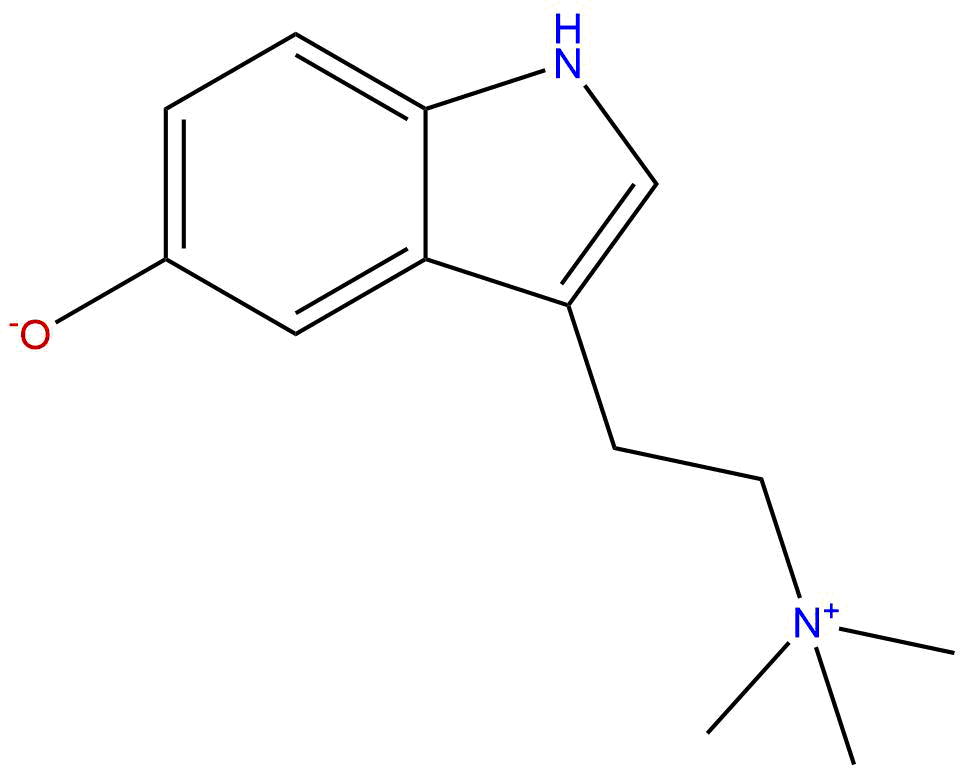
Natural products, as an important source of drug discovery, play an irreplaceable role in the history of human disease treatment. Among them, alkaloid compounds have always been a hot topic in medicinal chemistry and pharmacology research due to their structural diversity and significant biological activity. Bufotenidine, chemical name N, N, N-trimethyl-5-hydroxytryptamine, CAS number 487-91-2, is a natural quaternary ammonium indole alkaloid originating from the animal kingdom. As a structural analogue of serotonin (5-HT), it was initially recognized for its blocking effect on tryptophan receptors (primarily 5-HT receptors). In recent years, with the deepening of research, bufotaxime has demonstrated a wide range of pharmacological activities beyond the neuropsychiatric field, especially in the field of anti-tumor, showing great potential. Its effects involve regulating cell apoptosis, inhibiting tumor invasion and metastasis, interfering with signal transduction pathways, and other key links. Relevant molecular targets such as MCL1, BCL2, STAT3, etc. have gradually been revealed. This article aims to systematically review the chemical properties, sources, pharmacological activities, mechanisms of action, pharmacological properties, and clinical application prospects of bufotanidin, in order to provide comprehensive scientific references for the in-depth development and transformation research of this natural product.
Chemical structure and physicochemical properties
The chemical structure of bufotoxin can be regarded as a quaternized derivative of 5-hydroxytryptamine (5-HT). Its molecular formula is C ₁∝ H ₂₀ N ₂ O ⁺, and its molecular weight is 218.3000. The core structure is an indole ring, which is connected to a hydroxyl group at position 5. The three hydrogen atoms on the side chain amino group are all replaced by methyl groups, forming a positively charged quaternary ammonium salt group (- N ⁺ (CH ∝) ∝). This structural feature determines its unique physicochemical properties.
This compound is crystalline and easily soluble in water and polar organic solvents. Its LogP value (lipid water partition coefficient) is 0.1200, indicating strong hydrophilicity, which is consistent with the high polarity imparted by the quaternary ammonium salt structure. The topological polar surface area (TPSA) is 38.8500 Å ², which is relatively small, but its positive charge limits its ability to freely pass through lipid bilayers. The water solubility value is 0.6880 mg/mL, confirming its good water solubility. These physical and chemical parameters collectively indicate its poor membrane permeability, especially its ability to penetrate the blood-brain barrier, which is evaluated as "low". This explains why although it is a 5-HT analog, its direct effect on the central nervous system may be limited. Its quaternary ammonium structure also makes it completely ionized at physiological pH, making it difficult to be fully absorbed by the gastrointestinal tract and usually requiring non oral administration routes.
Plant sources and extraction methods
Despite being named "bufotanidin", indicating its association with toads, this alkaloid is not limited to animal sources. It is widely present in various organisms:
1. Animal source The most classic source is the toad family animals (such as the Chinese toad) Bufo gargarizans The American toad Bufo americanus)Skin secretions, parotid gland (parotid gland), and liver. These parts are rich in various bioactive substances and are part of the chemical defense system against natural enemies.
2. Plant-based Toad trinidine or its precursors have also been detected in various plants, such as the Acacia genus in the legume family(Acacia)The genus Mimosa(Mimosa)And mushrooms (such as Amanita Belonging to, etc. This suggests that its biosynthetic pathway may undergo convergent evolution or accumulate through the food chain in the animal and plant kingdom.
Extraction and Separation Methods Usually following the conventional process of natural product chemistry and optimizing for its quaternary ammonium alkali properties:
1. Raw material pretreatment Animal materials (such as toad skin secretions) are often dried and crushed; Plant materials need to be dried, crushed, and degreased.
2. Solvent extraction By utilizing its water solubility and alcohol solubility, alkaloids are commonly extracted by cold soaking or reflux using acidic aqueous solutions (such as dilute hydrochloric acid, dilute acetic acid) or methanol/ethanol (often containing a small amount of acid) to convert them into salt form and dissolve them in solvents.
3. Preliminary purification After concentration, the extract can be precipitated by adjusting the pH value or enriched using macroporous adsorption resin.
4. Separation and refinement Further purification often uses chromatographic techniques. Due to its high polarity as a quaternary ammonium base, it is often separated using reverse phase chromatography (such as C18 column), ion exchange chromatography, or high-performance liquid chromatography (HPLC). Preparation HPLC is currently the key technology for obtaining high-purity bufotanidin.
5. appraisal The obtained compound was structurally confirmed by mass spectrometry (MS), nuclear magnetic resonance (NMR, especially ¹ H-NMR and ¹ ³ C-NMR), and comparison with standard samples.
Pharmacological activity research
The pharmacological activity research of bufotaxime has expanded from early neuropharmacology to multiple fields such as anti-tumor, among which anti-tumor activity is currently the focus of research.
1. Antitumor activity
A large number of in vitro and partial in vivo studies have confirmed that bufonidine has significant proliferation inhibition and apoptosis promoting effects on a variety of human tumor cell lines, including but not limited to breast cancer, liver cancer, lung cancer, colon cancer, prostate cancer and leukemia cells.
- Cell proliferation inhibition Bufotentine can inhibit the growth of tumor cells in a dose-dependent and time-dependent manner, and its IC50 value varies in different cell lines, usually showing activity within the micromolar (μ M) concentration range.
- Inducing cell apoptosis This compound can significantly improve apoptosis related indicators, such as increasing phosphatidylserine eversion (Annexin V positive), activating Caspase-3/9, and causing a decrease in mitochondrial membrane potential.
- Inhibit invasion and metastasis Research has shown that it can downregulate the expression of matrix metalloproteinases such as MMP2 and MMP9, thereby inhibiting the migration and invasion ability of tumor cells.
- Angiogenesis inhibition By inhibiting the expression of vascular endothelial growth factor (VEGF) and downstream signals, it may interfere with the blood supply of tumors.
2. Effects on the nervous system
As a structural analogue and receptor blocker of 5-HT, early research on bufotentine focused on its effects on central and peripheral 5-HT receptors. It can counteract the smooth muscle contraction and other effects caused by 5-HT. However, due to its poor blood-brain barrier permeability and limited central direct effects, its neuropharmaceutical significance lies more in serving as a tool for studying the pharmacological properties of 5-HT receptors.
3. Other activities
There are also reports that it has a certain degree of antibacterial and anti-inflammatory activity, but related research is not yet in-depth, and its status is far less prominent than its anti-tumor activity.
Mechanism of action and molecular targets
The anti-tumor effect of bufotaxime involves a complex regulatory network of multiple targets and pathways. The key molecular targets and mechanisms that have been preliminarily elucidated include:
-
Regulating apoptosis balance (targeting BCL2 family):
- BCL2 and MCL1 inhibition BCL2 and MCL1 are important anti apoptotic proteins. Bufotentine can downregulate the expression or interfere with the function of BCL2 and MCL1, thereby relieving their inhibition of pro apoptotic proteins such as BAX and BAK, promoting increased mitochondrial outer membrane permeability, releasing cytochrome C, and initiating endogenous apoptotic pathways.
-
Interference signal transduction pathway:
- STAT3 signaling pathway STAT3 is a key oncogenic transcription factor. Tanidine in toads can inhibit the phosphorylation (activation) of STAT3, prevent its nuclear translocation and binding to DNA, thereby downregulating the expression of various survival and proliferation promoting genes (such as Cyclin D1, Survivor, BCL2) regulated by it.
- MAPK/ERK pathway Inhibition of MAPK1 (i.e. ERK2) can block growth factor signaling, affecting cell cycle progression and proliferation.
- HIF-1 α pathway Under hypoxic conditions, bufotentin can inhibit the stability and transcriptional activity of hypoxia inducible factor-1 alpha (HIF1A), thereby interfering with tumor hypoxia adaptation, glucose metabolism reprogramming (Warburg effect), and angiogenesis.
-
Affects extracellular matrix degradation (targeting MMPs):
- By downregulating the expression and activity of matrix metalloproteinase 2 (MMP2), it effectively inhibits the degradation of the basement membrane and extracellular matrix by tumor cells, hindering the initial steps of invasion and metastasis.
-
Acting on nuclear targets:
- Topoisomerase inhibition Research has shown that bufotaxime may directly or indirectly interfere with the activity of topoisomerase I (TOP1) and topoisomerase II alpha (TOP2A), leading to the formation of stable DNA enzyme complexes during DNA replication and transcription, causing DNA damage, activating DNA damage responses, and inducing cell apoptosis.
-
Intervention in hormone related pathways:
- Estrogen receptor alpha (ESR1) and aromatase (CYP19A1): In hormone dependent tumors (such as breast cancer), bufonidine may block estrogen driven tumor growth by antagonizing ESR1 signal or inhibiting the activity of CYP19A1 (the key enzyme that converts androgen into estrogen).
In summary, the synergistic effect of bufotaxime on multiple key targets mentioned above forms a multi pronged anti-tumor network, which helps overcome the problem of drug resistance that may arise from single target drugs, but also poses challenges for the complete analysis and selective optimization of its mechanism of action.
Evaluation of drug properties and pharmacokinetics
Based on its physical and chemical properties and preliminary data, a preliminary evaluation of the pharmacological properties of bufotanidin is conducted
Advantage:
1. Clear activity Has demonstrated clear anti-tumor activity in cell and animal models.
2. Multi-target effect May have the potential to overcome drug resistance.
3. Preliminary Safety Tips The Ames test result is 0.3 (usually considered a value<2 indicating no mutagenicity), indicating a low risk of genetic toxicity. HERG inhibition is' no ', indicating a lower risk of causing QT interval prolongation in the heart, which is an important cardiac safety advantage.
Challenges and limitations:
1. Poor pharmacokinetic properties:
- absorb The highly polar quaternary ammonium salt structure results in extremely low oral bioavailability.
- distribution The low penetration of the blood-brain barrier limits its direct effects on brain tumors (but may also reduce central side effects). How to effectively deliver to the interior of solid tumors is also a major challenge.
- Metabolism and excretion As a quaternary ammonium alkaloid, it may not be easily metabolized by the cytochrome P450 enzyme system, but it may be rapidly excreted through the kidneys, resulting in a short half-life in the body.
2. Selective/toxic Although multi-target targeting may be advantageous, excessive inhibition of key targets in normal tissues, such as topoisomerases, may lead to off target toxicity, such as bone marrow suppression and gastrointestinal reactions. The treatment window needs to be determined in more comprehensive preclinical toxicology studies.
3. Solubility and stability Although it has good water solubility, its chemical stability needs to be considered in formulations, especially under different pH conditions.
improvement strategy:
1. Structural modification Using prodrug strategies such as esterification and linker cleavage to mask the positive charge of quaternary ammonium, improve lipid solubility and membrane permeability, and release the original drug in specific parts of the body (such as the tumor microenvironment).
2. New drug delivery system Develop nano delivery systems (such as liposomes, polymer micelles, and nanoparticles) that encapsulate bufotanidin and utilize enhanced permeability and retention (EPR) effects to target tumor tissues, improve efficacy, and reduce systemic exposure and toxicity.
3. combination therapy When used in combination with anticancer drugs with other mechanisms of action, it may produce a synergistic effect, reducing the respective doses and thus alleviating toxicity.
Clinical application prospects and prospects
As a natural product with unique structure and multi-target anti-tumor activity, bufotentin has broad clinical application prospects but a tortuous path.
Potential application directions:
1. Development of new anti-tumor drugs: is the main development direction. Especially suitable for the treatment of existing chemotherapy drug resistant or hormone dependent tumors. We can give priority to explore its application in breast cancer, liver cancer, colorectal cancer and other tumors that have shown initial efficacy.
2. Adjuvant therapy and combination therapy As a sensitizer for chemotherapy, radiotherapy, or immunotherapy, utilizing its multi pathway regulation characteristics to reverse drug resistance or enhance therapeutic efficacy.
3. Local administration therapy: In view of the PK challenges that its systematic administration may face, the development of local dosage forms (such as local preparations for skin cancer, intracavitary perfusion therapy for bladder cancer, etc.) may be a faster transformation path.
Future research focus:
1. In depth mechanism research Using chemical biology methods (such as chemical proteomics) to systematically identify its direct target, clarify its "on target" and potential "off target" effects, and lay the foundation for rational design of highly selective derivatives.
2. Preclinical development of the system Complete pharmacological (validated on more clinical PDX models), pharmacokinetic (ADME), and safety evaluation (GLP toxicology) studies that comply with the guidelines for preclinical research of new drugs.
3. Structural Optimization and Medicinal Chemistry Conduct systematic structure-activity relationship (SAR) research, optimize its PK/PD properties through structural modification while maintaining the core active skeleton, and improve selectivity and therapeutic index.
4. Pharmaceutical research Vigorously investing in the research and development of new targeted delivery systems is a key technical guarantee to promote their clinical application.
5. Explore other indications Based on its characteristics such as 5-HT receptor blockade, its potential applications in non tumor diseases such as certain gastrointestinal disorders and cardiovascular diseases can be explored.
Conclusion
Toad nitrendipine has evolved from a traditional animal toxin component to a star natural product molecule with clear multi-target anti-tumor activity. Its unique quaternary ammonium indole alkaloid structure endows it with physicochemical properties and pharmacological modes of action that are distinct from conventional alkaloids. The current research has preliminarily outlined the complex network through which it exerts anti-tumor effects by intervening in multiple key links such as apoptosis regulation, signal transduction, extracellular matrix remodeling, and nuclear DNA metabolism. Despite facing classic challenges such as poor oral absorption and fast metabolism in drug development, modern drug chemical modification strategies and advanced drug delivery technologies provide feasible solutions for this. In the future, through interdisciplinary and in-depth research, including precise target analysis, rational drug design, innovative formulation development, and rigorous clinical translation studies, bufotanidin is expected to successfully transform from a promising lead compound into a new drug for clinical cancer treatment, continuing the glorious chapter of natural products in the history of drug discovery. The research and development process will also provide valuable experience for the development of other active natural products with similar physical and chemical challenges.