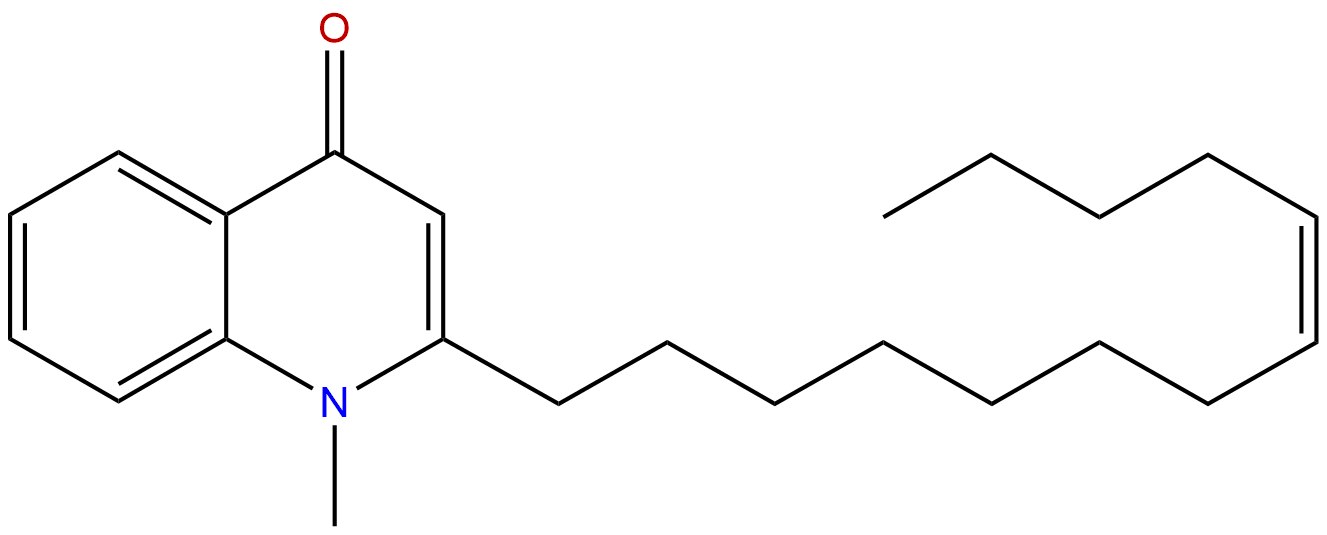
| Catalog No | Package | Original Price | Price | Inventory | Quantity | Operating |
|---|---|---|---|---|---|---|
| SBP03451-5mg | 5mg | $360.00 | Sign in |
|


Product name: Evocarpine
Synonym name:
Catalogue No.: SBP03451
Cas No.: 15266-38-3
Formula: C23H33NO
Mol Weight: 339.523
Botanical Source:
Physical Description:
Type of Compound: Alkaloids
Purity: 95%~99%
Analysis Method: HPLC-DAD or/and HPLC-ELSD
Identification Method: Mass, NMR
Packing: Brown vial or HDPE plastic bottle
The product could be supplied from milligrams to grams. Inquire for bulk scale.
We provide solution to improve the water-solubility of compounds, thereby facilitating the variety of activity tests and clinic uses.
For Reference Standard and R&D, Not for Human Use Directly.
Storage conditions:Short-term storage at 2~8℃, long-term storage at -20 ~ -80℃
22.0000
6.8233
6.8233
.0011
4.1655
12.9968
High
94.4900
2.3724
Yes
Yes
No
No
No
Yes
0.0
No
No
No
Yes
Natural products, as an important source of drug discovery, play an irreplaceable role in the long history of human struggle against diseases. The treasure trove of traditional Chinese medicine (TCM) contains a large number of compounds with unique chemical structures and significant biological activities, among which Evocarpine is a shining pearl. Wu Zhuyu Xin alkaloid is a type of alkaloid derived from the Rutaceae plant Wu Zhuyu(Evodia rutaecarpa Quinolone alkaloids isolated from dried and nearly mature fruits of (Juss. Benth.) and its related species. Wu Zhu Yu, as a traditional Chinese medicine, has the effects of dispelling cold and relieving pain, reducing nausea and vomiting, and promoting yang and stopping diarrhea. It is widely used in clinical practice to treat symptoms such as headache, abdominal pain, dysmenorrhea, vomiting, and diarrhea. Modern pharmacological research has revealed that the various pharmacological activities of Evodia rutaecarpa, especially its significant analgesic and anti-inflammatory effects, are closely related to the alkaloid components it contains, and Evodia rutaecarpa alkaloids are one of the most representative active ingredients.
The chemical structure of Wu Zhu Xin alkaloid belongs to the 2-alkyl-4 (1H) - quinolone class, and its unique side chain structure endows it with strong lipophilicity and easy permeability through biological membranes. Since its isolation and identification in the mid-20th century, research on new alkaloids from Fructus Evodiae has been continuously deepening. Early research mainly focused on its antibacterial activity and found that it has inhibitory effects on various Gram positive and Gram negative bacteria. However, with the expansion of research, the potential of Wu Zhu Xin alkaloid in multiple fields such as analgesia, anti-inflammatory, cardiovascular protection, and anti-tumor has gradually been revealed. Especially its core mechanism of inhibiting Ca ² ⁺ influx through voltage dependent calcium channels provides a molecular basis for understanding its diverse pharmacological effects. In recent years, research on the targets of Wu Zhu Xin alkaloid, such as its interactions with key molecules such as transient receptor potential vanillic acid subtype 1 (TRPV1), cannabinoid receptor 1 (CNR1), opioid receptors (OPRM1, OPRD1, OPRK1), and cyclooxygenase (PTGS1/2), has attracted much attention for its application prospects in pain management, neuroprotection, and inflammation regulation.
Despite the remarkable biological activity demonstrated by Wu Zhu Xin alkaloid, the development of its medicinal properties still faces challenges. Its extremely low water solubility (0.0011 mg/mL) and high lipid solubility (LogP=6.82) result in poor oral bioavailability, which to some extent limits its clinical application translation. However, its excellent blood-brain barrier penetration ability and safety features such as no hERG inhibitory activity and no Ames mutagenicity provide unique advantages for it as a lead compound for central nervous system (CNS) drugs. This article will provide a systematic review of the research progress of Wu Zhu Xin alkaloid from the aspects of chemical structure and physicochemical properties, plant sources and extraction methods, pharmacological activity, mechanism of action, evaluation of drug properties, and clinical application prospects, aiming to provide reference for the in-depth research and development of this natural product.
The chemical name of Evocarpine is usually 1-methyl-2- [(Z) -8-tridecenyl] -4 (1H) - quinolone, with a molecular formula of C ₂∝ H ③③ NO and a molecular weight of 339.5230 g/mol. Structurally, it belongs to the 2-alkyl-4 (1H) - quinolone alkaloid class, with a core skeleton of a 4-quinolone ring. It has a methyl group attached to the N-1 position and an unsaturated long-chain alkyl group ((Z) -8-tridecene) attached to the C-2 position. The presence of this long-chain alkyl group is a key structural feature that distinguishes Wu Zhu Xin alkaloid from other simple quinolone compounds, endowing the molecule with extremely strong lipophilicity.
In terms of physical and chemical properties, Wu Zhu Xin alkaloid exhibits typical lipophilic molecular characteristics. Its oil-water partition coefficient (LogP) is as high as 6.8233, indicating its extremely low solubility in aqueous phase and high affinity in lipid environment. The measured or calculated solubility is about 0.0011 mg/mL, which belongs to insoluble compounds. The polar surface area (TPSA) is only 22.0 Å ², far below the upper limit of 140 Å ² commonly considered for oral drugs, which is related to the fewer polar groups (mainly carbonyl groups on quinolone rings) in the molecule and their encapsulation by hydrophobic alkyl chains. The extremely low TPSA value and high LogP value together determine that Wu Zhu Xin alkaloid has extremely high membrane permeability, which allows it to easily cross cell membranes, including the difficult to penetrate blood-brain barrier (BBB). Its blood-brain barrier penetration has been evaluated as' high ', providing a structural basis for its central nervous system (CNS) activity.
In addition, the chemical stability of Wu Zhu Xin alkali is good, but its long-chain olefin portion (C=C double bond) may be sensitive to oxidation conditions. Under acidic or alkaline conditions, quinolone rings may undergo ring opening or hydrolysis reactions. Understanding these physicochemical properties is crucial for designing suitable drug delivery systems (such as liposomes, nanoemulsions, cyclodextrin inclusion complexes, etc.) to improve their solubility and bioavailability. Its high lipophilicity also suggests that it may have a longer half-life and larger distribution volume in the body, but it may also bring risks of slow metabolic clearance and tissue accumulation.
The main source of new alkaloids in Fructus Evodiae comes from the Rutaceae family, genus Evodia(Evodia)Plants, with the main source being Evodia rutaecarpa(Evodia rutaecarpa (Juss. Benth.) and its variants Stone Tiger(Evodia rutaecarpa (Juss.) Benth. var. officinalis (Dode) Huang and sparse haired Wu Zhu Yu(Evodia rutaecarpa (Juss.) Benth. var. bodinieri (Dode) Huang)。 The dried and nearly ripe fruits of these plants are the authentic source of the traditional Chinese medicine Wu Zhu Yu. The content of evodiamine in fruits varies depending on the variety, place of origin, harvesting time, and processing method. It usually coexists with another major alkaloid, Evodiamine and Dehydroevodiamine, but the content is relatively low.
Traditional extraction methods are mostly based on the acid-base properties of alkaloids. Due to the weak alkalinity of Wu Zhu Xin alkaloid, it can be soaked or percolated in acidic water (such as 0.5% -1% hydrochloric acid or sulfuric acid solution) to dissolve the alkaloid into salt in the aqueous phase. After filtration, adjust the filtrate to alkaline (pH 9-10) with alkaline solution (such as ammonia or sodium hydroxide solution) to allow the alkaloids to precipitate freely, and then extract with organic solvents (such as chloroform, ether, or ethyl acetate). After concentration of the extract, the total alkaloid extract can be obtained. Subsequently, using separation techniques such as silica gel column chromatography, alumina column chromatography, or preparative high performance liquid chromatography (Prep HPLC), gradient elution with different ratios of organic solvents (such as petroleum ether ethyl acetate, chloroform methanol, etc.) can be performed to further separate and purify the monomer Evodia alkaloids.
With the development of modern separation technology, more efficient and environmentally friendly extraction methods are widely used. For example, supercritical fluid extraction (SFE) technology, especially using CO ₂ as a solvent, can efficiently extract lipid soluble components from Evodia rutaecarpa, including new alkaloids, at lower temperatures without solvent residue. Ultrasound assisted extraction (UAE) and microwave-assisted extraction (MAE) can significantly improve extraction efficiency and shorten extraction time by disrupting cell walls and accelerating solvent permeation. In recent years, green extraction methods based on ionic liquids or deep eutectic solvents have also shown good selectivity for the extraction of new alkaloids from Fructus Evodiae. In terms of separation and purification, high-speed countercurrent chromatography (HSCCC) has been successfully applied to the rapid preparation and separation of new alkaloids from Fructus Evodiae due to its advantages of irreversible adsorption and high sample recovery rate. Usually, the identification and content determination of extracts rely on high-performance liquid chromatography (HPLC) or ultra high performance liquid chromatography-mass spectrometry (UPLC-MS/MS) techniques, which perform qualitative and quantitative analysis by comparing the retention time and mass spectrometry information of standard samples.
The pharmacological activity spectrum of Wu Zhu Xin alkaloid is very broad, covering multiple aspects such as pain relief, anti-inflammatory, antibacterial, cardiovascular protection, anti-tumor, etc. Among them, the research on pain relief and anti-inflammatory effects is the most in-depth and systematic.
1. Analgesic activity
Wu Zhu Xin alkaloid has significant analgesic effects, which is the modern pharmacological basis for its traditional efficacy of "dispelling cold and relieving pain". In classic pain models such as acetic acid writhing test, hot plate test, and formalin test, Wu Zhu Xin alkaloid showed dose-dependent analgesic effects. Its mechanism of action is complex, involving multiple pain related targets. Research has shown that Wu Zhu Xin alkaloid can activate cannabinoid receptor 1 (CNR1/CB1) and opioid receptors (especially μ - opioid receptor OPRM1 and κ - opioid receptor OPRK1), thereby simulating the effects of the endogenous analgesic system. In addition, it can inhibit the activity of transient receptor potential vanillic acid subtype 1 (TRPV1) and transient receptor potential anchor protein subtype 1 (TRPA1), which are key molecules mediating thermal pain, inflammatory pain, and neuropathic pain. Wu Zhu Xin alkaloid can also reduce peripheral inflammation mediated pain by downregulating the expression of cyclooxygenase-2 (PTGS2/COX-2) and inhibiting the synthesis of prostaglandin E2 (PGE2). Its regulatory effects on dopamine D2 receptor (DRD2) and serotonin transporter (SLC6A4/SERT) may also be involved in its analgesic regulation at the central level. This multi-target, multi pathway analgesic mechanism has potential advantages in treating complex chronic pain and may avoid the common tolerance and addiction issues of single target drugs.
2. Anti inflammatory activity
Wu Zhu Xin alkaloid has shown strong anti-inflammatory effects in various acute and chronic inflammation models. In a macrophage model stimulated by lipopolysaccharides (LPS), rutaecarpa alkaloids can significantly inhibit the release of pro-inflammatory cytokines such as tumor necrosis factor - α (TNF - α), interleukin-1 β (IL-1 β), and interleukin-6 (IL-6). The mechanism is related to the inhibition of the activation of nuclear factor kappa B (NF - κ B) and mitogen activated protein kinase (MAPK) signaling pathways. By inhibiting the phosphorylation and degradation of I κ B α, Wu Zhu Xin alkaloid prevents the nuclear translocation of NF - κ B, thereby downregulating the transcription of various inflammatory genes. Meanwhile, it can also inhibit the phosphorylation of MAPKs such as p38, JNK, and ERK. In addition, Wu Zhu Xin alkaloid has inhibitory effects on COX-1 (PTGS1) and COX-2 (PTGS2), which is closely related to its anti-inflammatory and analgesic activities. Unlike traditional nonsteroidal anti-inflammatory drugs (NSAIDs), Wu Zhuxin alkaloid has low selectivity in inhibiting COX-1 and COX-2, which may mean that it has a relatively low risk of damaging gastrointestinal mucosa while exerting anti-inflammatory effects.
3. Antibacterial activity
The antibacterial activity of Wu Zhu Xin alkaloid is one of its earliest discovered pharmacological effects. It has inhibitory effects on various pathogenic microorganisms, including Staphylococcus aureus(Staphylococcus aureus)Staphylococcus epidermidis(S. epidermidis)Bacillus subtilis(Bacillus subtilis)Waiting for Gram positive bacteria and Escherichia coli(Escherichia coli)Pseudomonas aeruginosa(Pseudomonas aeruginosa)Waiting for Gram negative bacteria. Its antibacterial mechanism may be related to its destruction of the integrity of bacterial cell membranes. As a lipophilic molecule, evodiamine can be inserted into the phospholipid bilayer of bacteria, increasing membrane permeability and causing important substances (such as K ⁺, ATP, etc.) to leak out of the cell, thereby exerting bactericidal effects. In addition, it may also interfere with bacterial nucleic acid synthesis by inhibiting the activity of bacterial DNA gyrase or topoisomerase IV.
4. Other pharmacological activities
In addition to the main activities mentioned above, Wu Zhu Xin alkaloid also exhibits other pharmacological effects that are worth paying attention to. In terms of the cardiovascular system, it can block Ca ² ⁺ influx by inhibiting voltage dependent calcium channels (VDCC), thereby producing vasodilation and lowering blood pressure. At the same time, it can also inhibit calcium overload in myocardial cells and have a protective effect on myocardial ischemia-reperfusion injury. In terms of anti-tumor, rutaecarpine showed cytotoxicity to a variety of cancer cell lines (such as liver cancer, lung cancer, breast cancer cells), and its mechanism involved in inducing cell cycle arrest and apoptosis. In addition, preliminary studies suggest that it may have antidepressant and neuroprotective effects, which is consistent with its high blood-brain barrier penetration and regulatory ability on the dopamine and serotonin systems.
The pharmacological effect of Wu Zhu Xin alkaloid is the result of its interaction with multiple molecular targets, exhibiting typical "multi-target drug" characteristics. The core mechanism can be summarized as follows:
1. Ion channel regulation
One of the most clear molecular mechanisms of Wu Zhu Xin alkaloid is its function as an inhibitor of voltage dependent calcium channels (VDCC). It can directly act on L-type calcium channels and inhibit the influx of extracellular Ca ² ⁺. This mechanism is the basis for its vasodilation, myocardial protection, and partial analgesic effects. By reducing the intracellular calcium ion concentration, Wu Zhu Xin alkaloid can inhibit smooth muscle contraction, reduce the release of neurotransmitters (such as glutamate and substance P), and alleviate cell damage caused by intracellular calcium overload. In addition, its inhibitory effect on TRPV1 and TRPA1 channels directly blocks the transmission of harmful stimuli (such as capsaicin, mustard oil, low temperature, etc.) to the central nervous system, which is the key to its peripheral and central analgesic effects.
2. Regulation of G protein coupled receptor (GPCR) signaling
Wu Zhu Xin alkaloid can interact with various GPCRs. It has been confirmed to be an agonist of CB1 and CB2 receptors, producing analgesic, anti-inflammatory, and neuroprotective effects by activating the cannabinoid system. At the same time, it is also an agonist of the μ, δ, and κ opioid receptors, which is another important source of its strong analgesic activity. This non selective opioid receptor agonistic effect may reduce the common side effects of single receptor agonists (such as morphine), such as respiratory depression, constipation, and addiction, while producing analgesic effects. In addition, the regulatory effect of Wu Zhu Xin alkaloid on dopamine D2 receptor (DRD2) may be related to its potential impact on the central nervous system, such as antidepressant and antipsychotic effects. Inhibition of serotonin transporter (SERT) can increase the level of serotonin in the synaptic cleft, exerting a synergistic effect of antidepressant and analgesic effects.
3. Enzyme activity inhibition
Wu Zhu Xin alkaloid is an inhibitor of cyclooxygenase (COX-1 and COX-2). By inhibiting COX activity, it can reduce the conversion of arachidonic acid to prostaglandins (PGs) and thromboxane A2 (TXA2), thereby exerting anti-inflammatory, analgesic, and antipyretic effects. Compared with selective COX-2 inhibitors, its inhibitory effect on COX-1 is weaker, which may be one of the reasons why its gastrointestinal side effects are relatively small. In addition, Wu Zhu Xin alkaloid can also inhibit the activity of phosphodiesterases (PDEs), leading to an increase in intracellular cAMP or cGMP levels, which in turn affects various cellular functions, including smooth muscle relaxation and inflammation regulation.
4. Regulation of signal transduction pathways
Wu Zhu Xin alkaloid can regulate multiple key intracellular signaling pathways. It inhibits the activation of NF - κ B and MAPK (p38, JNK, ERK) pathways, downregulates the expression of various pro-inflammatory and chemokines, which is the core mechanism of its anti-inflammatory activity. In terms of anti-tumor effects, Wu Zhu Xin alkaloid can induce cancer cell apoptosis and autophagy by activating p53 and inhibiting the PI3K/Akt/mTOR pathway.
In summary, Wu Zhu Xin alkaloid acts on ion channels GPCR、 Multiple levels of targets, including enzymes and signaling pathways, form a complex pharmacological network. This multi-target mode of action is the molecular basis for its ability to treat various diseases, especially complex chronic diseases, and also reflects the unique value of natural products in drug discovery.
Despite the strong pharmacological activity of Wu Zhu Xin alkaloid, its drug like properties face significant challenges, mainly due to its extremely poor physicochemical properties.
1. Evaluation of drug properties
According to Lipinski's "Rule of Five", the molecular weight (339.5<500) and the number of hydrogen bond donors/acceptors (meeting the requirements) of Evodia rutaecarpa alkaloids are qualified. However, its LogP value (6.82) is much higher than 5, and its water solubility (0.0011 mg/mL) is extremely low, which seriously violates the "Five Rules". High LogP and low water solubility are the main reasons for the low oral bioavailability. In addition, although its TPSA value (22.0 Å ²) is beneficial for membrane permeability, it also suggests that it may lack the necessary polar groups to form sufficient hydrogen bonding interactions with the target protein, thereby affecting binding affinity. Therefore, Wu Zhu Xin alkaloid itself is not an ideal "drug" molecule, but an excellent "lead compound".
2. Pharmacokinetic characteristics
The pharmacokinetic studies of Wu Zhu Xin alkaloid are relatively limited, but the existing data is consistent with its predicted physicochemical properties.
- absorb Poor oral absorption and extremely low bioavailability. Its high lipophilicity makes it difficult to dissolve in the aqueous environment of the gastrointestinal tract, which is the main rate limiting step for absorption. Intravenous injection may be a more effective route of administration, but it is not the clinical first choice.
- distribution Once it enters the bloodstream, due to its high lipid solubility and low protein binding rate (presumably), evodiamine can quickly distribute to various tissues throughout the body, especially lipid rich tissues such as the brain, fat, and liver. Its high blood-brain barrier penetration ability is a key advantage in exerting CNS activity.
- Metabolism Wu Zhu Xin alkaloid is mainly metabolized in the liver. The oxidation of its long alkyl chain (ω - oxidation and β - oxidation) and the hydroxylation, glucuronidation, or sulfation of quinolone rings are the main metabolic pathways. The cytochrome P450 enzyme system (especially CYP3A4) may be involved in its metabolism.
- excretion Metabolites are mainly excreted through bile and urine. The content of prototype drugs in urine may be very low.
3. Safety evaluation
Safety is a highlight of the medicinal properties of Evodia rutaecarpa alkaloids. The Ames test result is 0.0, indicating that it has no mutagenicity. The hERG inhibition test result is' no ', indicating a low risk of causing prolonged QT interval and fatal arrhythmias (apical torsion ventricular tachycardia) in the heart. These good safety features provide important guarantees for its use as a drug lead. However, its high lipid solubility and potential long half-life may pose risks of tissue accumulation and long-term toxicity, which require further toxicological studies to evaluate.
The unique pharmacological activity and safety characteristics of Wu Zhu Xin alkaloid have opened up prospects for its application in multiple therapeutic fields, but at the same time, it also faces challenges that must be overcome.
1. Application prospects in the field of analgesia
Given its multi-target analgesic mechanism (acting on systems such as opioids, cannabinoids, TRPV1, COX, etc.), Wu Zhu Yu Xin alkaloid is expected to be developed as a novel non addictive or multimodal analgesic. Especially for chronic neuropathic pain and inflammatory pain, it may have advantages over existing single target drugs such as opioids and NSAIDs. However, its low oral bioavailability is the biggest obstacle. Future research directions should focus on developing novel drug delivery systems, such as:
- Liposomes or nanoparticles Encapsulating Evodia alkaloids in liposomes or biodegradable polymer nanoparticles can improve their water dispersibility and oral absorption.
- Phospholipid complex Forming complexes with phospholipids can improve their dissolution and absorption in the gastrointestinal tract.
- Prodrug design Introducing water-soluble groups (such as phosphate esters and amino acid esters) onto the hydroxyl or N atoms of quinolone rings to produce prodrugs, which are then released in vivo after enzymatic hydrolysis.
- Transdermal drug delivery system: Use its high lipophilicity to develop a patch or gel to achieve local or systemic analgesia and avoid first pass effects.
2. Anti inflammatory and immune regulation
The anti-inflammatory activity of Wu Zhu Xin alkaloid makes it promising in the treatment of chronic inflammatory diseases such as inflammatory bowel disease (IBD), rheumatoid arthritis, and dermatitis. Similarly, local administration (such as rectal suppositories, topical creams) may be an effective strategy to bypass oral absorption barriers.
3. Diseases of the central nervous system
Its high blood-brain barrier penetration, regulatory effects on dopamine and serotonin systems, and neuroprotective activity make it a potential candidate molecule for treating CNS diseases such as depression, anxiety, Parkinson's disease, and Alzheimer's disease. However, further pharmacological and toxicological studies are needed to confirm its effectiveness and safety.
4. Cardiovascular diseases
Evodiamine has vasodilation, myocardial protection and anti platelet aggregation effects, suggesting that it may play a role in the prevention and treatment of cardiovascular diseases such as hypertension, angina pectoris and atherosclerosis.
prospect:
In the future, research on new alkaloids from Fructus Evodiae should focus on the following aspects:
1. structural optimization On the basis of retaining its core pharmacophore (4-quinolone ring), modify its long-chain alkyl group and introduce appropriate polar groups to reduce LogP, improve water solubility, while maintaining or enhancing its target affinity.
2. In depth mechanism research Using modern molecular biology techniques such as CRISPR-Cas9 gene editing, proteomics, and network pharmacology, comprehensively analyze its multi-target action network and elucidate its exact mechanism of action in different disease models.
3. Pharmacokinetic optimization Systematically study its pharmacokinetic characteristics in different species of animals, clarify its metabolic pathways and metabolite activities, and provide a basis for prodrug design and formulation development.
4. toxicological evaluation Conduct comprehensive preclinical safety evaluations on long-term toxicity, reproductive toxicity, genetic toxicity, etc., especially assessing the potential risks of tissue accumulation.
As an important quinolone alkaloid in traditional Chinese medicine, Wu Zhu Xin alkaloid has become a hot topic in the field of natural product research due to its unique chemical structure and extensive pharmacological activity. It exhibits significant biological effects such as analgesia, anti-inflammatory, antibacterial, cardiovascular protection, and anti-tumor by acting on multiple targets including voltage dependent calcium channels, TRPV1/TRPA1 ion channels, opioid/cannabinoid GPCRs, and COX enzymes. Its high blood-brain barrier penetration and good safety (no hERG inhibition, no Ames mutagenicity) are its outstanding advantages as a drug lead.
However, the low oral bioavailability caused by extremely low water solubility and high lipid solubility is the main bottleneck restricting its clinical translation. Future research should focus on overcoming this deficiency through structural modification, prodrug design, or advanced drug delivery systems. Meanwhile, in-depth analysis of its multi-target mechanism of action will help us better understand the complexity of its pharmacological effects and provide guidance for its precise application. The research and development process of Wu Zhu Xin alkaloid is a microcosm of the modernization of traditional Chinese medicine research. It demonstrates the enormous potential of searching for lead compounds from natural products and using modern medicinal chemistry and pharmacology methods to transform them into innovative drugs. Despite the numerous challenges ahead, Wu Zhu Xin alkaloid is undoubtedly a highly valuable natural product for development, with the potential to open up new chapters in pain management, inflammation regulation, and treatment of central nervous system diseases.
Batch can search by a CAS number,one per line
