| Catalog No | Package | Original Price | Price | Inventory | Quantity | Operating |
|---|---|---|---|---|---|---|
| SBP03066-5mg | 5mg | $165.00 | Sign in |
|


Storage conditions:Short-term storage at 2~8℃, long-term storage at -20 ~ -80℃
38.7700
3.2000
3.2000
High
No
No
No
No
No
No
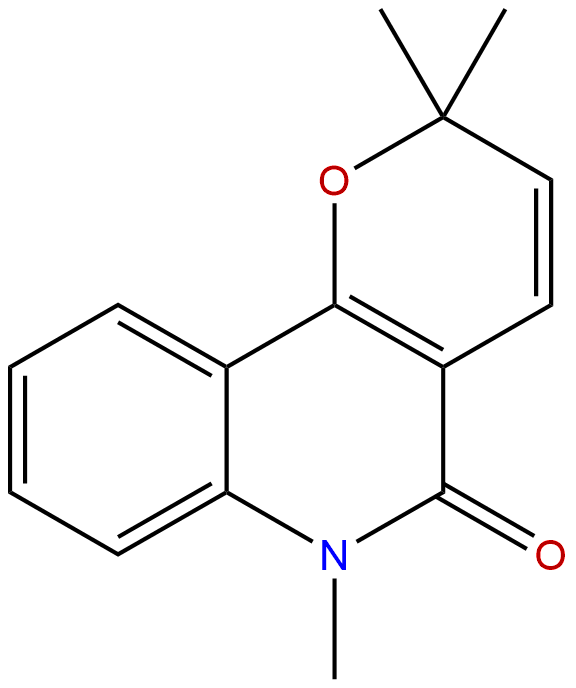
N-Methyllignin (CAS number: 50333-13-6) is a naturally occurring alkaloid compound that was first isolated from the East African Rutaceae plants Fagara chalybea and Fagara holtziana. The compound was initially found to have insect repellent activity, and in recent years, with the deepening of pharmacological research on natural products, the potential therapeutic value of N-methylrutin in neurological and respiratory diseases has gradually attracted attention. Its unique molecular structure endows it with multi-target capabilities, involving key targets in various diseases such as anti anxiety, Alzheimer's disease, Parkinson's disease, asthma, and chronic obstructive pulmonary disease. This article will systematically review the chemical structure and physicochemical properties, plant sources and extraction methods, pharmacological activity and mechanism of action, pharmacological evaluation and pharmacokinetic characteristics of N-methyl rutin. Finally, it will explore its clinical application prospects and future research directions.
N-Methylrutin belongs to the rutin alkaloid class, with a molecular formula of C14H15NO3 and a molecular weight of 241.29. Its structural features include a nitrogen-containing heterocyclic system with methyl substituents, which enhances the lipid solubility and biofilm permeability of the molecule. In terms of physical and chemical properties, the LogP value of N-methylrutin is 3.2, indicating that it has moderate lipid solubility and is beneficial for penetrating cell membranes and the blood-brain barrier (BBB). The polar surface area (TPSA) is 38.77 Å ², with 3 hydrogen bond acceptors, which conforms to Lipinski's rule and is beneficial for oral bioavailability. Toxicological evaluation showed that the compound has no hepatotoxicity, cardiotoxicity, or hERG channel inhibition, and the Ames mutagenicity test was negative, indicating its high safety. In addition, N-methyl rutin has high blood-brain barrier penetration ability and is suitable for drug development in central nervous system diseases.
N-Methylrutin mainly comes from Fagara chalybea and Fagara holtziana plants in the Rutaceae family, which are widely distributed in East Africa and traditionally used to treat various diseases. During the extraction process, organic solvent extraction methods such as methanol or ethanol extraction are often used, combined with liquid-liquid distribution and column chromatography techniques for purification. The specific steps include:
In recent years, with the advancement of extraction technology, green extraction methods such as ultrasound assisted extraction and microwave-assisted extraction have also been attempted to improve extraction efficiency and purity, and reduce solvent usage.
N-Methylrutin exhibits significant anti anxiety activity in various in vitro and in vivo models. Its targets include monoamine oxidase A (MAOA), serotonin transporter protein (SLC6A4), serotonin receptor 2A subtype (HTR2A), dopamine D2 receptor (DRD2), serotonin receptor 1A subtype (HTR1A), gamma aminobutyric acid A receptor subunits (GABRA1, GABRB2, GABRG2), cAMP response element binding protein 1 (CREB1), and brain-derived neurotrophic factor (BDNF). By regulating these targets, N-methyl rutin can enhance neurotransmitter balance, promote neural plasticity, and alleviate anxiety symptoms.
N-Methylrutin exhibits multi-target intervention ability for Alzheimer's disease (AD). Its targets include acetylcholinesterase (ACHE), β - secretase 1 (BACE1), NMDA receptor (GRIN1), and cholinergic receptor M1 subtype (CHRM1). By inhibiting ACHE and BACE1, N-methylrutin helps to increase acetylcholine levels, reduce the production of β - amyloid protein, and alleviate neurotoxicity. Regulating NMDA receptors helps prevent excitotoxicity and protect neuronal function. Activation of CHRM1 promotes the recovery of cognitive function.
In the Parkinson's disease (PD) model, N-methylrutin exerts neuroprotective effects by regulating dopamine D2 receptor (DRD2), acetylcholine receptor M4 subtype (CHRM4), alpha synuclein (SNCA), and glutamate receptor (GRIN2B). It can regulate the dopamine signaling pathway, reduce abnormal aggregation of alpha synuclein, alleviate neuroinflammation, and delay the process of neurodegeneration.
N-Methylrutin has also shown potential therapeutic value in asthma and chronic obstructive pulmonary disease (COPD). Its targets include acetylcholine receptor M3 subtype (CHRM3), histamine H1 receptor (HRH1), leukotriene receptor CysLT1 (CYSLTR1), phospholipase A2 (PLA2G4A), phosphodiesterase 4 (PDE4D), tumor necrosis factor alpha (TNF), and interleukin-8 (CXCL8). Through multi-target synergistic regulation, N-methyl rutin can inhibit airway smooth muscle contraction, reduce inflammatory cell infiltration and inflammatory mediator release, improve airway function, and alleviate airway hyperresponsiveness.
The multi-target mechanism of action of N-methylrutin is the basis of its pharmacological activity. By regulating neurotransmitter metabolism, receptor activity, and inflammatory signaling pathways, this compound has achieved intervention in various pathological processes of diseases.
These multi-target synergistic effects make N-methyl rutin exhibit broad therapeutic potential in neurological and respiratory diseases.
The pharmacological parameters of N-methyl rutin indicate that it has good potential for drug development. The molecular weight of 241.29 and LogP 3.2 meet the ideal range of drug physicochemical properties, with a TPSA of 38.77 Å ², indicating good membrane permeability and oral absorption potential. The number of hydrogen bond receptors is 3, further supporting its pharmacokinetic advantages.
The toxicity assessment results showed that N-methyl rutin had no significant liver toxicity, cardiac toxicity, or hERG channel inhibition, and the Ames test was negative, indicating high safety. Its high blood-brain barrier penetration ability makes it suitable for the treatment of central nervous system diseases.
At present, there is limited pharmacokinetic research on N-methyl rutin. Preliminary in vivo experiments have shown that it is well absorbed orally, has high bioavailability, and can reach effective concentrations in brain tissue. The metabolic pathway may involve the liver cytochrome P450 enzyme system, but further research is needed on the specific metabolites and clearance mechanisms.
N-Methylrutin, as a multi-target natural product, has a wide range of pharmacological activities and good drug properties, showing potential clinical application value in neurological and psychiatric diseases, neurodegenerative diseases, and respiratory system diseases. Its anti anxiety effect provides a new candidate molecule for the treatment of anxiety disorders and related mental disorders; The neuroprotective effects in Alzheimer's disease and Parkinson's disease bring hope for neurodegenerative diseases that currently lack effective treatment methods; Its ability to regulate airway inflammation and smooth muscle function provides a new treatment strategy for asthma and COPD patients.
Future research should focus on:
In addition, by combining modern drug delivery technologies such as nanocarrier systems, the bioavailability and targeting of N-methyl rutin can be further improved, expanding its application range.
N-methyl rutin, as a natural alkaloid derived from the Rutaceae family in East Africa, has shown broad application prospects in anti anxiety, neurodegenerative diseases, and respiratory system diseases due to its unique chemical structure and multi-target pharmacological activity. Its good pharmacological properties and safety have laid a solid foundation for subsequent drug development. In the future, through systematic pharmacological mechanism research, pharmacokinetic evaluation, and clinical validation, N-methylrutin is expected to become an important candidate molecule in the field of natural product drug development, providing new strategies and choices for the treatment of related diseases.
