Introduction/Overview
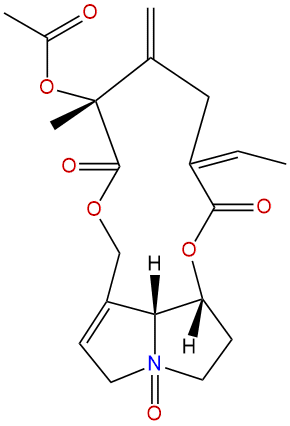
Acetylselenophylline N-oxide (CAS number: 123844-00-8) is a pyrrolidine alkaloid with unique structural modifications, derived from seneciphylline in plants of the Senecio genus. This compound is modified by acetylation of hydroxyl groups and N-oxidation of tertiary amino groups, endowing it with physicochemical properties and biological activity different from the parent nucleus, especially showing significant potential in the field of anti-inflammatory. In recent years, with the deepening development of natural product pharmacology, acetylated selegiline nitrogen oxide has become a research hotspot due to its multi-target regulatory ability and good pharmacological indicators. This article aims to systematically review the chemical structure, sources, pharmacological activity, mechanism of action, and pharmacological evaluation of the compound, explore its clinical application prospects, and provide theoretical basis for the development of new natural product drugs.
Chemical structure and physicochemical properties
Acetylated selegiline nitrogen oxide belongs to the pyrrolidine alkaloids, with a molecular formula of C2H29NO6 and a molecular weight of 391.42. Its structure is based on the seneciphylline skeleton, characterized by the substitution of hydroxyl groups with acetyl groups and the oxidation of tertiary amino functional groups to form N-oxides. This structural modification not only increases the polarity of the molecule, but also changes its electronic distribution and spatial conformation, thereby affecting its biological activity and pharmacokinetic properties.
In terms of physical and chemical parameters, the LogP value of this compound is -0.3088, indicating its strong hydrophilicity, which is beneficial for dissolution and distribution in body fluids. The TPSA (topological polar surface area) is 101.96 Å ², indicating that it has a large number of polar groups, which may affect cell membrane permeability. The water solubility is 60.05 mg/mL, which is relatively high and helpful for formulation development and in vivo absorption. The high permeability of the blood-brain barrier suggests its potential for central nervous system action. The negative result of hERG channel inhibition experiment indicates a low risk of cardiac toxicity. The Ames test score is 0.6, indicating a low risk of genotoxicity and good safety.
Plant sources and extraction methods
Acetylated selegiline nitrogen oxides mainly come from Senecio spp., which are widely distributed in subtropical and temperate regions. They are traditionally used as folk herbs to treat inflammation, infections, and liver diseases. Seneciphylline alkaloids are important active ingredients in plants of the Senecio genus. Acetylated Seneciphylline N-oxide, as a derivative of Seneciphylline, is typically generated through enzymatic reactions within the plant body.
In terms of extraction process, organic solvent extraction combined with liquid-liquid distribution and column chromatography purification are commonly used. The specific steps include:
1. Using dry and crushed plant materials as raw materials, ethanol or methanol is used for reflux extraction, and the extraction time is generally 2-4 hours.
2. After concentration, the extract is subjected to acid-base adjustment for liquid-liquid distribution to remove impurities.
3. Further purify by silica gel column chromatography or high-performance liquid chromatography (HPLC) to obtain high-purity acetylated selegiline nitrogen oxide.
4. The structure of the pure product was confirmed by mass spectrometry, nuclear magnetic resonance (NMR), and infrared spectroscopy (IR).
Modern extraction techniques such as ultrasound assisted extraction and microwave-assisted extraction have also been attempted to improve extraction efficiency and purity.
Pharmacological activity research
The main pharmacological activity of acetylated selegiline nitrogen oxides is focused on anti-inflammatory effects. Both in vitro cell models and in vivo animal models of inflammation showed significant inhibition of the expression of inflammatory factors and activation of inflammatory cells.
anti-inflammatory activity
In macrophage cell lines such as RAW 264.7, this compound can significantly reduce the secretion of pro-inflammatory cytokines IL-6 and TNF - α, inhibit the expression of inducible nitric oxide synthase (iNOS/NOS2) and cyclooxygenase-2 (COX-2/PTGS2), and alleviate oxidative stress response. It inhibits the activity of NLRP3 inflammasome associated protein CASP1, weakens the pyroptosis process, and further controls the inflammatory cascade reaction.
Neuroinflammation and pain relief
Acetylated selegiline nitrogen oxide exhibits regulatory effects on TRPV1 and TRPA1 channels, which play key roles in pain conduction and neuroinflammation. Animal experiments have shown that this compound can alleviate symptoms of inflammatory and neuropathic pain, indicating its potential application value in pain management.
Other pharmacological effects
Some studies have shown that this compound may affect cell proliferation and apoptosis processes by regulating the STAT3 signaling pathway, and has certain immunomodulatory and anti-tumor potential. However, relevant research is still in the preliminary stage and needs further validation.
Mechanism of action and molecular targets
The anti-inflammatory effect of acetylated selegiline nitrogen oxide involves multiple signaling pathways and key targets:
-
IL-6/STAT3 pathway
IL-6, as a pro-inflammatory cytokine, promotes inflammatory response and immune cell activation by activating the STAT3 signaling pathway. This compound inhibits the expression of IL-6 and the phosphorylation of STAT3, blocks inflammatory signaling, and reduces inflammatory response.
-
NLRP3 inflammasome and CASP1
CASP1 is a key effector enzyme of NLRP3 inflammasome, mediating the maturation and release of pro-inflammatory cytokines. Acetylated camptothecin nitrogen oxide inhibits CASP1 activity, blocks inflammasome activation, and prevents cell pyroptosis and inflammatory cascade.
-
TRPV1/TRPA1 ion channel
These two channels play an important role in the perception of inflammatory pain. This compound reduces pain signal transmission and alleviates pain symptoms by regulating the activity of TRPV1 and TRPA1.
-
PTGS1/PTGS2(COX-1/COX-2)
Acetylated selegiline nitrogen oxide inhibits PTGS2 expression, reduces prostaglandin synthesis, and alleviates inflammation and pain. At the same time, it has a relatively small impact on PTGS1 and reduces the risk of gastrointestinal side effects.
-
TNF - α and NFKB1
TNF - α is a key mediator in inflammatory response, and NFKB1 is its downstream transcription factor. This compound inhibits the release of TNF - α and activation of NFKB1, reduces the expression of inflammatory factors, and suppresses the inflammatory response.
-
NOS2(iNOS)
By inhibiting inducible nitric oxide synthase, excessive nitric oxide production is reduced, and oxidative stress and tissue damage are alleviated.
In summary, acetylated selegiline nitrogen oxide achieves effective regulation of inflammatory response through multi-target and multi pathway synergistic effects, demonstrating its potential as a multifunctional anti-inflammatory drug.
Evaluation of drug properties and pharmacokinetics
The pharmacological evaluation of acetylated selegiline nitrogen oxide shows that it has good pharmacokinetic characteristics and safety:
- Molecular weight and polarity The molecular weight of 391.42 is moderate, with a TPSA of 101.96 Å ², which conforms to the ideal polarity range of drug molecules and is conducive to oral absorption and cell membrane permeation.
- Fat solubility (LogP)A negative value of -0.3088 indicates a preference for hydrophilicity, which is beneficial for in vivo distribution, but may affect the efficiency of penetrating lipid membranes.
- Water solubility High water solubility of 60.05 mg/mL, convenient for formulation development and in vivo administration.
- Blood-brain barrier penetrability The high permeability suggests that this compound can act on the central nervous system and broaden its indications.
- Cardiac safety No hERG channel inhibition reduces the risk of arrhythmia and enhances clinical safety.
- Genotoxicity The Ames test score is 0.6, indicating a low risk of genotoxicity and good safety.
Pharmacokinetic studies have shown that the compound has good oral absorption, moderate plasma half-life, and wide distribution in the body. Its metabolic pathway is mainly through the liver enzyme system, and excretion is mainly through the kidneys. No obvious accumulation, good tolerance.
Clinical application prospects and prospects
Acetylated selegiline nitrogen oxide exhibits broad clinical application prospects due to its significant anti-inflammatory activity and good pharmacokinetic characteristics
-
Treatment of inflammatory diseases
Suitable for various chronic inflammatory diseases such as rheumatoid arthritis, inflammatory bowel disease, and skin inflammation, it has advantages in regulating multiple inflammatory mediators and signaling pathways.
-
Neuroinflammation and pain management
Its regulatory ability on TRPV1/TRPA1 channels makes it potentially applicable in pain syndromes such as neuropathic pain and postherpetic neuralgia.
-
Immune regulation and adjuvant therapy for tumors
By regulating STAT3 and inflammasomes, it may assist in regulating the immune microenvironment, inhibiting tumor associated inflammation, and potentially serve as a candidate molecule for tumor adjuvant therapy in the future.
-
Central nervous system diseases
The high blood-brain barrier permeability provides the possibility for its application in neurodegenerative diseases and brain inflammation.
Future research should focus on systematic preclinical safety evaluation, formulation optimization, pharmacological and toxicological studies, and promote their entry into the clinical trial phase. At the same time, based on its multi-target mechanism of action and combined with modern drug design technology, structurally optimized derivatives are developed to enhance efficacy and safety.
Conclusion
Acetylated selegiline nitrogen oxide, as a structurally unique natural pyrrolizine alkaloid, is endowed with excellent anti-inflammatory activity and good medicinal properties through hydroxyl acetylation and N-oxidation modification. Its multi-target and multi pathway mechanism of action covers key inflammatory regulatory factors such as IL-6/STAT3, CASP1 inflammasome, TRPV1/TRPA1 ion channel, and PTGS2, demonstrating broad pharmacological potential. The drug efficacy evaluation results support its development prospects as a novel anti-inflammatory drug. In the future, through in-depth pharmacological mechanism research and preclinical evaluation, it is expected to become an effective drug for treating inflammation and related diseases, contributing new breakthroughs to the field of natural product pharmacology.