Introduction/Overview
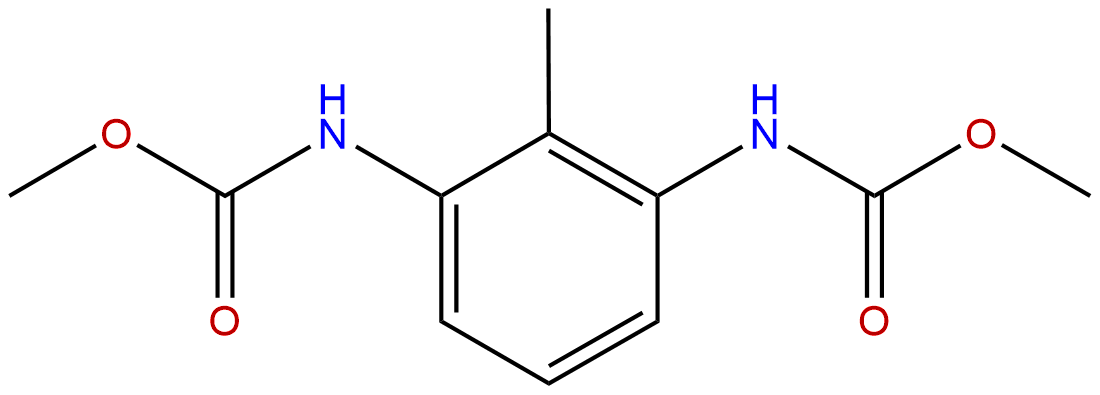
Obtucarbamate B (CAS number: 20913-18-2) is a natural product of amino esters isolated from Melitodes squamata Nutting, a marine organism endemic to the South China Sea. With the continuous development of marine biological resources, marine natural products have become an important source for new drug research and development due to their unique chemical structure and diverse biological activities. As a carbamate derivative, its unique structural characteristics enable it to show potential pharmacological activities in many fields such as antibacterial, anti-tumor, anti-inflammatory and neuroprotective, especially in the treatment of methicillin-resistant Staphylococcus aureus (MRSA), lung cancer, inflammatory bowel disease, Alzheimer's disease, diabetes nephropathy and other major diseases.
This article provides a systematic review of the chemical structure and physicochemical properties, plant sources and extraction methods, pharmacological activity and mechanism of action of Obtucarbamate B. Combined with the research progress of related molecular targets, it further explores its pharmacological and pharmacokinetic characteristics, and finally looks forward to its clinical application prospects, providing a theoretical basis and reference for the in-depth research and drug development of this compound.
Chemical structure and physicochemical properties
Obtucarbamate B belongs to the amino ester compound, with a molecular formula of C11H14N2O5 and a molecular weight of 238.24. Its structure contains an amino ester group (- NHCOO -), which gives it strong polarity and a certain hydrophilicity in the molecule. The LogP value of this compound is 0.74, indicating that it has moderate lipid solubility, which is beneficial for its membrane permeability and distribution in organisms. The topological polar surface area (TPSA) is 84.92 Å ², indicating its excellent hydrogen bond acceptor ability (with 4 hydrogen bond acceptors), which is of great significance for its binding to biomolecule targets.
The chemical structure of Obtucarbamate B is relatively stable and has a certain degree of ease of synthesis. Its amino ester structure gives it potential advantages in enzyme inhibition, receptor regulation, and other biological activities. Although there is currently no clear data on safety indicators such as blood-brain barrier penetration, hepatotoxicity, cardiotoxicity, and hERG channel inhibition, its physicochemical properties suggest that it has good drug compatibility and potential for bioavailability.
Plant sources and extraction methods
Obtucarbamate B was initially isolated from Melitodes squamata Nutting, a marine coral species unique to the South China Sea. As a marine invertebrate, the willow coral has a complex secondary metabolite system, especially the abundance of amino acid ester compounds, which provides valuable resources for the discovery of new drug molecules.
The extraction of Obtucarbamate B is usually carried out by combining organic solvent extraction with chromatographic separation. The specific process includes:
- Sample collection and pretreatment Collect fresh or frozen tissues of willow coral and mechanically crush them to increase extraction efficiency.
- Organic solvent extraction Multiple extractions are carried out using polar or medium polar solvents such as methanol, ethanol, or ethyl acetate to extract crude extracts containing the target compound.
- Liquid liquid distribution and concentration By dividing the aqueous and organic phases, impurities are removed and the organic phase is concentrated.
- Chromatographic separation and purification Using techniques such as silica gel column chromatography and reverse phase high performance liquid chromatography (RP-HPLC) for separation and purification, high-purity Obtucarbamate B was ultimately obtained.
- Structural Identification Confirm the structure of the compound through various analytical methods such as nuclear magnetic resonance (NMR), mass spectrometry (MS), and infrared spectroscopy (IR).
In recent years, with the increasing awareness of the protection of marine biological resources, research on the biosynthetic pathway and microbial symbiosis of Obtucarbamate B has gradually begun, providing new ideas for its sustainable production.
Pharmacological activity research
Obtucarbamate B exhibits significant pharmacological activity in various disease models, mainly focused on antibacterial, anti-tumor, anti-inflammatory, neuroprotective, and renal protection aspects.
1. Antibacterial activity
Obtucarbamate B exhibits strong inhibitory effects on methicillin-resistant Staphylococcus aureus (MRSA). MRSA has become a major public health issue in clinical practice due to its resistance to multiple antibiotics. Research has shown that Obtucarbamate B can inhibit the expression and cytotoxicity of β - lactase in MRSA by regulating the resistance gene blaZ and regulatory factor sarA, thereby reducing bacterial resistance and pathogenicity.
2. Antitumor activity
In lung cancer cell lines, Obtucarbamate B exhibits the ability to inhibit tumor cell proliferation and induce cell apoptosis. Its target proteins involve epidermal growth factor receptor (EGFR), anaplastic lymphoma kinase (ALK), vascular endothelial growth factor receptor 2 (VEGFR2), KRAS protein, and programmed cell death protein 1 (PDCD1). Through multi-target regulation, Obtucarbamate B can intervene in the signal transduction pathway of tumor cells, inhibit tumor angiogenesis and immune escape, demonstrating potential anti lung cancer drug value.
3. Anti inflammatory activity
Obtucarbamate B exhibits significant anti-inflammatory effects in the inflammatory bowel disease (IBD) model. Its mechanism of action involves inhibiting the expression of tumor necrosis factor alpha (TNF), interleukin-6 (IL6), nuclear factor kappa B (NFKB1), interleukin-23 receptor (IL23R), and chemokine receptor CCR9, reducing intestinal inflammation, promoting mucosal repair, and improving intestinal barrier function.
4. Neuroprotective effect
For Alzheimer's disease (AD), Obtucarbamate B regulates key targets such as β - secretase 1 (BACE1), acetylcholinesterase (ACHE), microtubule associated protein Tau (MAPT), N-methyl-D-aspartate receptor (GRIN1), and macrophage inflammatory protein-1 alpha (CCL3) to slow down neuronal damage and inflammatory response, improve cognitive dysfunction, and demonstrate potential neuroprotective and disease modifying effects.
5. Renal protective effect
In the model of diabetes nephropathy (DN), Obtusarbamate B inhibits renal fibrosis and inflammation and delays the deterioration of renal function by regulating targets such as transforming growth factor beta 1 (TGFB1), angiotensin converting enzyme (ACE), nuclear factor kappa B (NFKB1), renin (REN) and platelet-derived growth factor receptor (PDGFRB).
Mechanism of action and molecular targets
The multi-target mechanism of action of Obtucarbamate B is the basis for its diverse pharmacological activities. This compound regulates the intracellular and extracellular environment by interacting with various key proteins and signaling pathways, exerting its therapeutic effect.
1. Antibacterial mechanism
Obtucarbamate B reduces the synthesis of β - lactase and restores sensitivity to β - lactam antibiotics by inhibiting the expression of the blaZ gene in MRSA. At the same time, inhibiting SARA regulatory factors, interfering with bacterial virulence factor expression, reducing bacterial invasion ability and biofilm formation, and enhancing host immune clearance.
2. Antitumor mechanism
By targeting EGFR, ALK, and VEGFR2, Obtucarbamate B inhibits tumor cell proliferation signaling and angiogenesis, blocking tumor nutrient supply. Regulating KRAS inhibits its abnormal activation and slows down the malignant transformation of tumor cells. The regulation of PDCD1 helps to restore tumor immune surveillance and enhance the immune system's recognition and clearance of tumors.
3. Anti inflammatory mechanism
Obtucarbamate B inhibits the secretion of TNF and IL6, blocks the activation of the NFKB signaling pathway, and reduces the production of pro-inflammatory cytokines. By regulating IL23R and CCR9, it inhibits the chemotaxis and activation of inflammatory cells, reduces intestinal inflammatory response, and promotes tissue repair.
4. Neuroprotective mechanisms
By inhibiting BACE1, reducing the production of β - amyloid protein, and lowering the formation of neurotoxic plaques. ACHE inhibition enhances cholinergic signaling and improves cognitive function. Regulation of Tau protein reduces neurofibrillary tangles. The regulation of GRIN1 protects neurons from excitotoxic damage. Inhibition of CCL3 alleviates neuroinflammation.
5. Renal protection mechanism
Blocking the progression of renal fibrosis by inhibiting TGFB1 signaling. The regulation of ACE and REN improves renal hemodynamics and reduces the damage of hypertension to the kidneys. Inhibition of NFKB1 reduces inflammatory response. The regulation of PDGFRB inhibits abnormal proliferation and matrix deposition of glomerular cells.
Evaluation of drug properties and pharmacokinetics
The molecular weight of Obtucarbamate B is 238.24, which meets the molecular weight requirements in Lipinski's rule. Its LogP value is 0.74, indicating moderate lipid solubility, which is beneficial for oral absorption and cell membrane permeation. The TPSA is 84.92 Å ² and the number of hydrogen bond acceptors is 4, indicating its good water solubility and potential for binding to the target.
At present, the blood-brain barrier penetration of Obtucarbamate B is not clear. Considering its TPSA and molecular weight, it is speculated that it may have certain central nervous system permeability, but further experimental verification is needed. In terms of safety, there is no publicly available data on key indicators such as hepatotoxicity, cardiotoxicity, and hERG channel inhibition, which need to be evaluated through in vitro and in vivo toxicology studies.
Pharmacokinetic research is still in its preliminary stage and there is an urgent need for systematic in vivo absorption, distribution, metabolism, and excretion (ADME) studies to clarify its bioavailability, half-life, and metabolic pathways, providing a basis for clinical development.
Clinical application prospects and prospects
Obtucarbamate B, as a natural product derived from marine corals, has shown extensive clinical potential due to its multi-target and multi mechanism pharmacological activity.
In the field of antibacterial treatment, Obtucarbamate B is expected to become a candidate molecule for new antibiotics or antimicrobial agents to alleviate the clinical antibiotic resistance crisis in response to MRSA resistance issues. In terms of tumor treatment, its regulatory effect on multiple targets of lung cancer provides new ideas for precision therapy, especially in combination with immunotherapy, which may exert synergistic effects.
The demand for the treatment of chronic diseases such as inflammatory bowel disease and Alzheimer's disease is increasing, and the anti-inflammatory and neuroprotective properties of Obtucarbamate B bring hope for drug development for these diseases. In addition, its renal protective effect in diabetes nephropathy helps to delay the progress of the disease and improve the quality of life of patients.
Future research should focus on pharmacokinetic optimization, safety evaluation, and structural modification of Obtucarbamate B to enhance its efficacy and safety. At the same time, combining modern biotechnology such as synthetic biology and computer-aided drug design, promote the clinical translation of Obtucarbamate B.
Conclusion
As a unique marine natural product, the amino acid ester B of blunt leaved cypress has demonstrated extensive potential for drug development due to its diverse biological activities and multi-target mechanisms of action. Although there is currently insufficient research on its safety and pharmacokinetics, the preliminary research results in the fields of antibacterial, anti-tumor, anti-inflammatory, neuroprotective, and renal protection are encouraging.
In the future, with the deepening of research and the advancement of technology, Obtucarbamate B is expected to become an important candidate molecule for the new generation of multifunctional drugs, providing new treatment strategies for solving various clinical problems. Strengthening its structural optimization, mechanism elucidation, and preclinical evaluation will be key steps in promoting its transition from laboratory to clinical application.