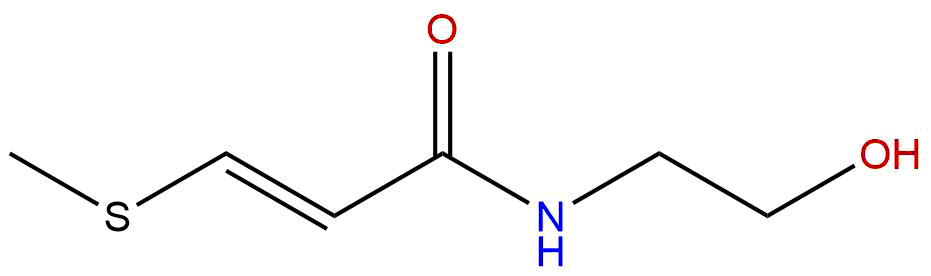
Introduction/Overview
Natural products have always been an important source of drug discovery and development, and their unique chemical structures and diverse biological activities provide valuable lead compounds for overcoming major human diseases. Among the many natural products with medicinal potential, they come from the plant rattan(Entada phaseoloides)Entadamide A has attracted widespread attention in the pharmacology community due to its unique chemical structure and significant biological activity, particularly its potential in antiviral and neuropsychiatric regulation.
Vineamide A (CAS number: 100477-88-1) is a tryptophan derivative that was initially isolated and identified from the seeds of Vine. Its core structure is N - (2-hydroxyethyl) -3- (1H-indol-3-yl) propanamide, with a molecular weight of only 161.2260 Da, belonging to small molecule compounds. This structural feature provides it with a good pharmaceutical basis, such as low molecular weight and moderate lipid water partition coefficient (LogP=0.1633), which provides favorable conditions for its transmembrane transport and bioavailability.
From the perspective of pharmacological activity, the most notable discovery of vincamide A is that it prevents tryptophan depletion by inhibiting indoleamine 2,3-dioxygenase (IDO), thereby inhibiting HIV virus replication. This mechanism reveals the deep connection between immune metabolism regulation and antiviral therapy. IDO is a key rate limiting enzyme in the tryptophan metabolism pathway, and its excessive activation can lead to tryptophan depletion, thereby inhibiting T cell function and promoting immune escape. Therefore, as an IDO inhibitor, vincamide A not only has a direct antiviral effect, but may also play an indirect role by restoring immune surveillance function.
In addition, rattan amide A also shows broad prospects in the field of neuropsychiatric research. Its interaction with multiple pain related targets (such as TRPV1, CNR1, OPRD1, PTGS1, TRPA1, PTGS2, SLC6A4, OPRM1, OPRK1, DRD2) suggests that this compound may have multi-target analgesic and neuroregulatory activity. These targets cover multiple key signaling pathways, including transient receptor potential channels, cannabinoid receptors, opioid receptors, prostaglandin synthase, serotonin transporters, and dopamine receptors, indicating that kaempferol A may exert its pharmacological effects by integrating multiple neurotransmitter systems.
From the perspective of pharmacological evaluation, vincamide A exhibits encouraging characteristics: good water solubility (23.4365 mg/mL), high blood-brain barrier penetration, no risk of hERG inhibition (good safety indicators), and a negative Ames test result (0.0), indicating no significant inherited toxicity. These characteristics lay a solid foundation for its further development as therapeutic drugs.
This article will provide a comprehensive and systematic review of the research progress of vincamide A from multiple dimensions, including chemical structure and physicochemical properties, plant sources and extraction methods, pharmacological activity research, mechanism of action and molecular targets, pharmacological evaluation and pharmacokinetics, clinical application prospects and prospects, aiming to provide reference for the in-depth research and development of this compound.
Chemical structure and physicochemical properties
The chemical structure of rattan amide A is N - (2-hydroxyethyl) -3- (1H-indol-3-yl) propanamide, which belongs to tryptophan derivatives. Its molecular formula is C ₁∝ H ₁₆ N ₂ O ₂, with a molecular weight of 161.2260 Da. The structure contains three key functional groups: an indole ring (a characteristic structure of tryptophan), a propionamide linking arm, and a terminal hydroxyethyl side chain. This structural design endows rattan amide A with unique physicochemical properties.
From the analysis of chemical structural characteristics, the indole ring of vincamide A provides the ability for π - π stacking and hydrophobic interactions, which are crucial for binding to target proteins. The acrylamide linking arm provides appropriate flexibility, allowing the molecule to adapt to different binding pockets. The terminal hydroxyethyl side chain increases the water solubility of the molecule and may participate in hydrogen bonding interactions. This structural pattern of "hydrophobic core flexible connection hydrophilic end" is a common design for many natural products and drug molecules.
In terms of physical and chemical properties, vincamide A exhibits excellent medicinal properties. Its LogP value is 0.1633, indicating that the compound has moderate lipophilicity, which can penetrate biological membranes without causing poor water solubility or increased toxicity due to excessive lipophilicity. This LogP value is within the ideal range for oral medication (usually 0-3), indicating good oral absorption potential.
Water solubility is a key parameter in drug development. The water solubility of vincamide A is 23.4365 mg/mL, making it a highly water-soluble compound. Good water solubility is not only beneficial for drug formulation development, but also ensures effective dissolution and absorption of drugs in the body. This characteristic is consistent with its LogP value, indicating that the compound has achieved a good balance between hydrophilicity and lipophilicity.
The topological polar surface area (TPSA) is 49.3300 Å ², which is lower than the threshold of 100 Å ², indicating that vincamide A has good oral absorption and blood-brain barrier penetration ability. In fact, the blood-brain barrier penetration of this compound has been evaluated as "high", which provides an important prerequisite for its application in central nervous system diseases such as pain and neurological and psychiatric disorders.
From a security perspective, vincamide A exhibits satisfactory characteristics. The hERG inhibition assessment is' no ', indicating that the compound is unlikely to cause the serious adverse reaction of prolonged QT interval in the heart. The Ames test result is 0.0, indicating no significant genetic toxicity or mutagenicity. These safety features are crucial for the further development of candidate drugs.
It is worth noting that the molecular weight of vincamide A is only 161.2260 Da, far below the upper limit of the "five rules" of 500 Da. Small molecular weight usually means better permeability and lower immunogenicity, but it may also bring about the problem of insufficient selectivity. However, vincamide A may achieve good selectivity through its unique structural features and interactions with multiple targets.
Plant sources and extraction methods
Vineamide A is mainly derived from the leguminous plant Vine(Entada phaseoloides)This is a vine plant widely distributed in southern China, Southeast Asia, and Pacific islands. The seeds, stems, and roots of rattan have a long history of application in traditional medicine, mainly used to treat diseases such as rheumatism, rheumatism, injuries from falls, and abscesses. Modern pharmacological research has confirmed that rattan contains various bioactive components, including rattan amide A, rattan amide B, rattan acid, etc.
The extraction method of rattan amide A usually adopts the classic natural product chemical separation process. Firstly, the dried rattan seeds or stem bark are crushed and soaked or refluxed with organic solvents such as methanol, ethanol, or ethyl acetate for extraction. After filtration and concentration of the extract, crude extract is obtained. Then, the crude extract is separated into different polar fractions through liquid-liquid extraction, usually using solvents such as petroleum ether, chloroform, ethyl acetate, and n-butanol for gradient extraction.
Vineamide A is mainly enriched in the ethyl acetate or n-butanol extraction sites. For further separation and purification, silica gel column chromatography, ODS (octadecylsilane) reverse phase column chromatography, Sephadex LH-20 gel column chromatography and preparative high-performance liquid chromatography (HPLC) can be used. In silica gel column chromatography, gradient elution is usually performed using solvent systems such as chloroform methanol or ethyl acetate methanol. The elution position of vincamide A can be monitored by thin layer chromatography (TLC) combined with ultraviolet detection (254 nm), and its Rf value is characteristic in specific solvent systems.
In recent years, with the promotion of green chemistry concepts, new extraction technologies such as supercritical fluid extraction (SFE) and microwave-assisted extraction (MAE) have also been applied to the extraction of cinnamamide A. Supercritical CO ₂ extraction has the advantages of no solvent residue, high extraction efficiency, and good selectivity, making it particularly suitable for the extraction of thermosensitive components. Microwave assisted extraction accelerates cell wall rupture through microwave radiation, improves extraction efficiency, and shortens extraction time.
The structural identification of vincamide A mainly relies on spectroscopic methods. UV spectroscopy shows characteristic absorption peaks of the indole ring at approximately 220 nm and 280 nm. Infrared spectroscopy (IR) can observe characteristic absorption of amide carbonyl groups (approximately 1650 cm ⁻¹) and hydroxyl groups (approximately 3400 cm ⁻¹). Nuclear magnetic resonance hydrogen spectroscopy (¹ H-NMR) and carbon spectroscopy (¹ ³ C-NMR) can provide detailed proton and carbon atom information for determining the planar structure of compounds. High resolution mass spectrometry (HR-MS) can provide precise molecular weight and assist in determining molecular formulas. By comparing with the data reported in the literature, the structure of vincamide A can be finally confirmed.
It is worth noting that the content of vincamide A in rattan is influenced by various factors, including plant origin, harvest season, storage conditions, etc. Therefore, establishing standardized extraction processes and quality control standards is crucial to ensure the stable supply of vincamide A and the reproducibility of pharmacological research.
Pharmacological activity research
The pharmacological activity research of vincamide A mainly focuses on three aspects: antiviral, analgesic, and neuropsychiatric regulation, among which anti HIV activity is the earliest discovered and most deeply studied field.
Anti HIV activity
The anti HIV activity mechanism of vincamide A is unique, as it inhibits indoleamine 2,3-dioxygenase (IDO) to prevent tryptophan depletion and thus suppress HIV virus replication. IDO is a key enzyme in the tryptophan metabolism pathway, catalyzing the conversion of tryptophan to canine urea. During HIV infection, viral and immune activation can induce overexpression of IDO, leading to depletion of tryptophan and accumulation of kynurenine in dogs. Tryptophan is an essential amino acid for T cell proliferation and functional maintenance. Its depletion inhibits T cell activity and promotes immune escape. Meanwhile, canine uric acid and its downstream metabolites exhibit immunosuppressive activity, further exacerbating immune dysfunction.
Vineamide A maintains T cell function and enhances host antiviral immune response by inhibiting IDO activity and restoring tryptophan levels. This mechanism is different from traditional antiretroviral drugs (such as nucleoside reverse transcriptase inhibitors, protease inhibitors, etc.), providing new ideas for HIV treatment. It is worth noting that the anti HIV activity of vincamide A may not be limited to direct virus suppression, but also includes indirect antiviral effects through immune regulation.
Analgesic activity
The potential of vincamide A in analgesia stems from its interactions with multiple pain related targets. Research has shown that this compound can bind to or regulate the activity of multiple targets such as TRPV1, TRPA1, CNR1, OPRD1, OPRM1, OPRK1, PTGS1, PTGS2, SLC6A4, and DRD2.
TRPV1 and TRPA1 are members of the transient receptor potential channel family, playing a crucial role in nociceptive response. TRPV1 can be activated by capsaicin, heat (>43 ° C), and acid, while TRPA1 is sensitive to cold stimuli and various chemical stimuli. Vineamide A may alleviate pain signaling by antagonizing these channels.
CNR1 (cannabinoid receptor 1) and OPRD1/OPRM1/OPRK1 (opioid receptor delta/μ/kappa) are classic analgesic targets. Cannabinoid receptors and opioid receptors have a synergistic effect in pain regulation, and kaempferol A may exert analgesic effects by activating these receptors or enhancing the function of the endogenous cannabinoid/opioid system.
PTGS1 and PTGS2 (cyclooxygenase 1 and 2) are key enzymes in prostaglandin synthesis, and their inhibitors (such as nonsteroidal anti-inflammatory drugs) are commonly used analgesics. Vineamide A may alleviate inflammatory pain by inhibiting the activity of these enzymes and reducing the production of prostaglandins.
SLC6A4 (serotonin transporter) and DRD2 (dopamine receptor D2) are associated with pain regulation in the central nervous system. Serotonin and dopamine are important neurotransmitters that play a crucial role in pain perception and emotion regulation. Vineamide A may exert analgesic and antidepressant effects by regulating these neurotransmitter systems.
Neuropsychiatric regulatory activity
The application prospects of rattan amide A in neuropsychiatric research are broad. Its high blood-brain barrier penetrability allows it to effectively enter the central nervous system and interact with various neurotransmitter systems. In addition to the pain related targets mentioned above, vincamide A may also affect other neuropsychiatric targets, such as serotonin receptors, dopamine receptors, norepinephrine transporters, etc.
Research has shown that vincamide A may have antidepressant, anti anxiety, and cognitive improvement effects. Its mechanism of action may involve regulating the levels of monoamine neurotransmitters such as serotonin, dopamine, and norepinephrine, as well as regulating the expression of neurotrophic factors such as BDNF. In addition, vincamide A may also exert neuroprotective effects by inhibiting IDO activity, reducing the production of canine uric acid, and thereby lowering the levels of neurotoxic metabolites such as quinoline acid.
It is worth noting that the multi-target mode of action of vincamide A gives it potential advantages in the treatment of complex diseases such as chronic pain combined with depression. This "multi-target, multi mechanism" mode of action is in line with the concept of "multi pharmacology" in modern drug discovery, and may provide better efficacy and fewer side effects.
Mechanism of action and molecular targets
The mechanism of action of vincamide A involves multiple molecular targets and signaling pathways, among which IDO inhibition is its most central mechanism of action, while interactions with other targets endow it with broader pharmacological activities.
IDO inhibition mechanism
Indoleamine 2,3-dioxygenase (IDO) is a key enzyme in the tryptophan metabolism pathway, catalyzing the conversion of tryptophan to N-formylkynurenine. IDO plays an important role in immune regulation, and its excessive activation is associated with various diseases, including cancer, chronic infections (such as HIV), autoimmune diseases, and neurological and psychiatric disorders.
As an IDO inhibitor, the mechanism of action of vincamide A may involve direct binding to the IDO active site. The active site of IDO contains a heme cofactor, and the indole ring of tryptophan coordinates with heme iron to initiate catalytic reactions. The indole ring structure of vincamide A enables it to coordinate with heme iron in the IDO active site, competitively inhibiting the binding of tryptophan. In addition, its amide group and hydroxyethyl side chain may bind to other residues of IDO protein through hydrogen bonding and hydrophobic interactions, enhancing the inhibitory effect.
By inhibiting IDO activity, vincamide A can restore tryptophan levels and reduce the production of canine uric acid. Tryptophan is an essential amino acid for T cell proliferation and function maintenance, and its level recovery helps maintain T cell activity and enhance host immune response. At the same time, canine uric acid and its downstream metabolites (such as canine uric acid and quinoline acid) have immunosuppressive and neurotoxic effects, and a decrease in their levels helps alleviate immunosuppression and neurotoxicity.
Analgesic mechanism
The analgesic effect of vincamide A involves multiple targets and pathways, forming a multi-level analgesic network.
At the level of nociceptive response, vincamide A may inhibit the generation and transmission of pain signals by antagonizing TRPV1 and TRPA1 channels. TRPV1 and TRPA1 are key ion channels on nociceptors, whose activation can cause calcium ion influx, trigger action potentials, and transmit pain signals. Vineamide A may alter its conformation and inhibit channel opening by directly binding to specific binding sites of these channels, thereby reducing the generation of pain signals.
At the spinal cord and spinal cord level, vincamide A may regulate the processing of pain signals by activating cannabinoid receptors (CNR1) and opioid receptors (OPRD1, OPRM1, OPRK1). Cannabinoid receptors and opioid receptors are G protein coupled receptors, whose activation can inhibit adenylate cyclase activity, reduce cAMP production, regulate ion channel activity, inhibit neurotransmitter release, and produce analgesic effects. Vineamide A may act as an agonist or forward allosteric modulator of these receptors, enhancing the function of endogenous cannabinoids and opioid systems.
At the inflammatory level, vincamide A may reduce prostaglandin synthesis by inhibiting the activity of PTGS1 and PTGS2. Prostaglandins are key mediators in inflammatory responses, which can sensitize nociceptors and lower pain thresholds. By inhibiting the production of prostaglandins, vincamide A can alleviate inflammatory pain.
At the emotional and cognitive level, vincamide A may improve pain related emotional disorders by regulating SLC6A4 (serotonin transporter) and DRD2 (dopamine receptor D2). Chronic pain is often accompanied by depression and anxiety, and the serotonin and dopamine systems play a key role in emotion regulation. Vineamide A may exert antidepressant effects by inhibiting serotonin transporters and increasing synaptic serotonin levels; At the same time, by regulating dopamine receptor activity, improving reward system function, and alleviating pain related loss of pleasure.
Neuropsychiatric regulation mechanism
The neuropsychiatric regulatory effect of vincamide A may involve multiple mechanisms, including regulating the monoamine neurotransmitter system, neurotrophic factor expression, and neuroinflammatory response.
In terms of monoamine neurotransmitter system, kaempferol A may increase synaptic serotonin and dopamine levels by inhibiting serotonin transporter (SLC6A4) and regulating dopamine receptor (DRD2), exerting antidepressant and anti anxiety effects. In addition, vincamide A may also affect norepinephrine transporters, regulate norepinephrine levels, and further improve emotional and cognitive function.
In terms of neurotrophic factors, vincamide A may increase the expression of brain-derived neurotrophic factor (BDNF) by activating the cAMP response element binding protein (CREB) signaling pathway. BDNF is a key regulatory factor for neuroplasticity and neuroprotection, and its increased expression helps improve synaptic plasticity, promote nerve regeneration, exert antidepressant and cognitive improvement effects.
In terms of neuroinflammation, vincamide A may reduce the production of kynurenine by inhibiting IDO activity, thereby lowering the levels of neurotoxic metabolites such as quinolone. Quinoline acid is an agonist of N-methyl-D-aspartate (NMDA) receptors, and its overactivation can lead to excitotoxicity and neuronal damage. By reducing the production of quinoline acid, vincamide A can exert neuroprotective effects.
Evaluation of drug properties and pharmacokinetics
The pharmacological evaluation of vincamide A is based on its physicochemical properties, pharmacokinetic characteristics, and safety data, demonstrating good potential for development.
Physical and chemical properties and drug like properties
The molecular weight of vincamide A is 161.2260 Da, far below the upper limit of the "Five Rules" for class drugs of 500 Da. The LogP value is 0.1633, which is within the ideal range of oral medication (0-3). The TPSA is 49.3300 Å ², indicating its good oral absorption and blood-brain barrier penetration ability. The water solubility is 23.4365 mg/mL, which belongs to highly water-soluble compounds. These physical and chemical properties indicate that Kaempferol A meets the requirements of the "Five Rules for Generic Drugs" and has good oral drug potential.
Pharmacokinetic characteristics
Based on its physicochemical properties, the pharmacokinetic characteristics of vincamide A can be predicted. Its high water solubility and moderate lipophilicity are beneficial for oral absorption, and it is expected to have high oral bioavailability. Its small molecular weight and low TPSA facilitate transmembrane transport, including intestinal absorption and blood-brain barrier penetration. Its high blood-brain barrier penetration provides an important prerequisite for its application in central nervous system diseases.
In terms of distribution, vincamide A may be widely distributed in tissues throughout the body, including brain tissue. Its binding rate with plasma proteins may be low, which is beneficial for maintaining the concentration of free drugs. In terms of metabolism, vincamide A may be mainly metabolized through the liver, involving the cytochrome P450 enzyme system. The amide bond may be hydrolyzed by hydrolytic enzymes, and the indole ring may be oxidized. In terms of excretion, vincamide A and its metabolites may be mainly excreted through the kidneys.
safety evaluation
The safety evaluation of vincamide A showed satisfactory results. The hERG inhibition assessment is' no ', indicating that the compound is unlikely to cause the serious adverse reaction of prolonged QT interval in the heart. The Ames test result is 0.0, indicating no significant genetic toxicity or mutagenicity. These safety features are crucial for the further development of candidate drugs.
However, it should be noted that the multi-target mode of action of vincamide A may bring some potential side effects. For example, its excitatory effect on opioid receptors may lead to tolerance and dependence, while its inhibitory effect on serotonin transporters may lead to serotonin syndrome. Therefore, in further development, it is necessary to carefully evaluate its therapeutic window and safety range.
Formulation development
Based on the physicochemical properties of vincamide A, various formulations can be developed. Its good water solubility makes it suitable for development as an oral solution or tablet. Its high blood-brain barrier penetration makes it suitable for development as a therapeutic drug for central nervous system diseases. In addition, it can also be considered to develop into injections, transdermal patches, or intranasal formulations to meet different clinical needs.
Clinical application prospects and prospects
The clinical application prospects of vincamide A are broad, involving multiple fields such as antiviral, analgesic, and neurological and psychiatric disorders.
Anti HIV therapy
Vineamide A, as an IDO inhibitor, has unique advantages in HIV treatment. Its mechanism of action is different from traditional antiretroviral drugs, which can enhance host immune response by restoring tryptophan levels and may be effective against drug-resistant HIV strains. In addition, vincamide A may have a synergistic effect with other anti HIV drugs, and combined use can improve efficacy, reduce dosage and side effects.
However, the application of vincamide A in HIV treatment still faces some challenges. Firstly, its anti HIV activity needs further validation, including in vitro and in vivo experiments. Secondly, its pharmacokinetic characteristics and safety need to be comprehensively evaluated. Finally, its interaction with other anti HIV drugs needs to be studied.
Analgesic treatment
The multi-target analgesic mechanism of vincamide A gives it potential advantages in the treatment of chronic pain. Chronic pain often involves multiple mechanisms, including nociceptive response, neuroinflammation, and emotional disorders. Vineamide A may provide a more comprehensive analgesic effect and reduce side effects by simultaneously acting on multiple targets such as TRPV1, TRPA1, cannabinoid receptors, opioid receptors, cyclooxygenase, and serotonin transporters.
Especially, vincamide A may be effective for neuropathic pain and inflammatory pain. Neuropathic pain is often insensitive to traditional analgesics such as nonsteroidal anti-inflammatory drugs and opioids, while vincamide A may provide a new treatment option by regulating multiple neurotransmitter systems and ion channels.
Treatment of neurological and psychiatric disorders
The application prospects of vincamide A in the treatment of neurological and psychiatric disorders are broad. Its high blood-brain barrier penetration and multi-target mode of action make it potentially effective for diseases such as depression, anxiety, schizophrenia, and cognitive impairment.
In the treatment of depression, vincamide A may exert antidepressant effects by inhibiting serotonin transporters, activating cannabinoid receptors, and regulating the expression of neurotrophic factors. Its multi-target mode of action may provide faster onset time and better therapeutic efficacy.
In the treatment of anxiety disorders, vincamide A may exert anti anxiety effects by regulating the GABAergic and serotonin systems. It may be effective for conditions such as generalized anxiety disorder, social anxiety disorder, and panic disorder.
In the treatment of cognitive impairment, vincamide A may improve cognitive function by regulating the expression of dopamine receptors and neurotrophic factors. It may be effective for diseases such as Alzheimer's disease, Parkinson's disease, and vascular dementia.
Future research directions
In the future, research on rattan amide A should focus on the following aspects:
-
structural optimization By means of medicinal chemistry, the structure of vincamide A is modified to enhance its activity, selectivity, and pharmacokinetic characteristics. For example, fluorine atoms or methyl groups can be introduced to enhance their metabolic stability; The connection mode of amide bonds can be changed to improve their target selectivity.
-
Target validation Through molecular biology and pharmacology methods, verify the interactions between vincamide A and various targets, and clarify its mechanism of action. For example, its binding affinity to target proteins can be determined by surface plasmon resonance (SPR) or isothermal titration calorimetry (ITC); The necessity of the target in the pharmacological action of vincamide A can be verified through gene knockout or RNA interference techniques.
-
Pharmacodynamic study in vivo Evaluate the in vivo efficacy of vincamide A in the treatment of HIV, analgesia, and neurological and psychiatric disorders through animal models. For example, an HIV transgenic mouse model can be used to evaluate its anti HIV activity; The analgesic activity can be evaluated using formalin test or sciatic nerve ligation model; The antidepressant activity can be evaluated using forced swimming test or tail suspension test.
-
Pharmacokinetic study Through animal experiments, comprehensively evaluate the absorption, distribution, metabolism, and excretion characteristics of vincamide A. For example, its oral bioavailability, plasma half-life, tissue distribution, and metabolic pathways can be determined.
-
safety evaluation Evaluate the acute toxicity, chronic toxicity, and reproductive toxicity of vincamide A through toxicological studies. For example, its LD50 value can be measured to evaluate its therapeutic window; A 28 day or 90 day repeated dose toxicity test can be conducted to evaluate its long-term safety.
Conclusion
Vineamide A, as a natural tryptophan derivative, has shown remarkable potential in the fields of antiviral, analgesic, and neuropsychiatric treatment due to its unique chemical structure and multi-target pharmacological activity. The mechanism of inhibiting HIV replication by inhibiting IDO to prevent tryptophan depletion provides a new approach for antiviral therapy; Its interaction with multiple pain related targets such as TRPV1, CNR1, OPRD1, and PTGS1 provides a multi-level solution for the treatment of chronic pain; Its high blood-brain barrier penetration and regulatory effect on the neurotransmitter system have opened up new avenues for the treatment of neurological and psychiatric disorders.
From the perspective of drug properties, Kaempferol A exhibits good physicochemical properties, pharmacokinetic characteristics, and safety, meeting the requirements of the "Five Rules for Drug Types", and has the potential to be further developed as a therapeutic drug. However, there are still many challenges in transitioning from natural products to clinical drugs, including activity validation, target confirmation, pharmacokinetic optimization, and safety evaluation.
In the future, with the deepening of structural optimization, target validation, and in vivo pharmacological research, vincamide A is expected to become a new drug for the treatment of HIV infection, chronic pain, and neurological and psychiatric disorders. Meanwhile, its multi-target mode of action also provides new insights for the design of "multi pharmacological" drugs, promoting the development of natural product drug discovery towards higher efficiency and safety.
In short, the study of vincamide A not only has important scientific value, but also has broad clinical application prospects. We look forward to this natural product moving from the laboratory to clinical practice in the near future, contributing to the cause of human health.