Introduction/Overview
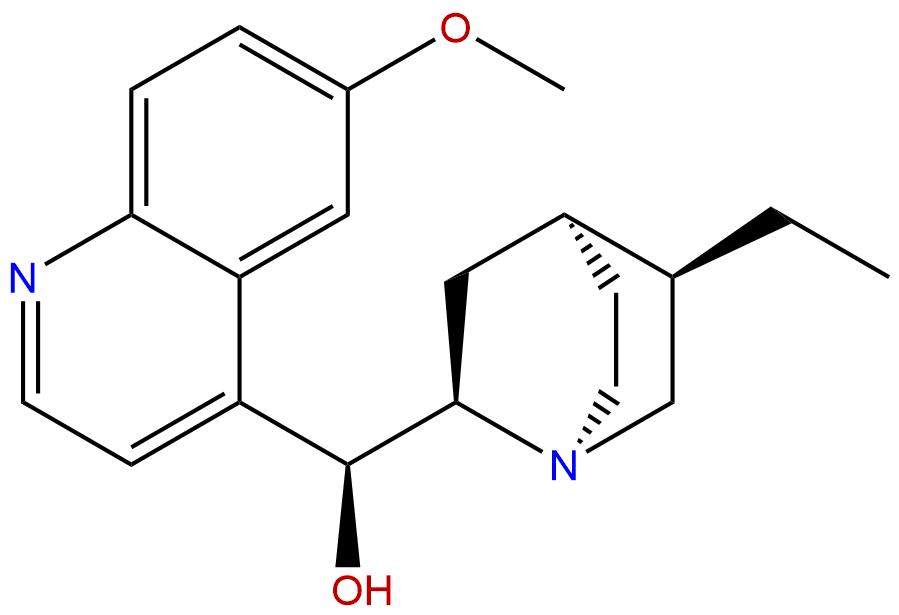
Hydroquinidine (CAS number: 1435-55-8), also known as dihydroquinidine, is a member of the quinine alkaloid family and is closely related to the classic antimalarial and antiarrhythmic drug quinidine. As a chiral molecule of natural origin, its history can be traced back to the traditional medicinal use of cinchona bark. For a long time, quinidine has played an important role in the treatment of cardiovascular diseases, especially ventricular arrhythmias. However, its clinical application is strictly limited due to significant risk of arrhythmia, such as apical torsion to ventricular tachycardia. In recent years, with the deepening of research, the pharmacological spectrum of dihydroquinidine has been significantly expanded. Studies have found that it not only retains the effect of quinidine compounds on myocardial ion channels, showing anti arrhythmia potential, but also makes a breakthrough in the field of tumor pharmacology, showing strong in vitro anticancer activity against colon cancer, pancreatic cancer, hepatocellular carcinoma and other malignant tumor cells. The dual potential of using old drugs for new purposes has made dihydroquinidine a hot topic in natural product pharmacology and medicinal chemistry research. This article aims to systematically review the chemical properties, plant sources, pharmacological activities, multi-target mechanisms of action, pharmacological characteristics, and clinical application prospects of dihydroquinidine, in order to provide a comprehensive academic perspective for the in-depth research and potential development of this compound.
Chemical structure and physicochemical properties
The molecular formula of dihydroquinidine is C20H26N2O2, with a molecular weight of 326.4400. Its chemical structure is based on the fused structure of quinoline ring and quinine ring, forming a framework of quinidine, which is a 10,11-dihydroreduced derivative of quinidine. Compared with quinidine, the C10-C11 double bond of its quinoline ring is reduced to a single bond, and this subtle structural modification has a profound impact on its spatial conformation, electronic distribution, and subsequent biological activity. Dihydroquinidine molecules contain two basic nitrogen atoms (the tertiary nitrogen of the quinine ring and the tertiary nitrogen of the quinoline ring), which enable them to protonate under physiological conditions. This is the key to their interaction with targets such as ion channels. There is also a hydroxyl group in the molecule that contributes to its hydrophilicity.
From the analysis of physical and chemical properties, the calculated lipid water partition coefficient (LogP) is 2.9979, indicating that the compound has moderate lipophilicity, which is conducive to transmembrane transport and distribution. The topologically polar surface area (TPSA) is 45.59 Å ², which is relatively small and further supports its good membrane permeability. The water solubility value is 0.3792 mg/mL, which is slightly soluble, indicating that solubilization strategies may need to be considered in formulation development. Of particular importance is that its blood-brain barrier permeability is predicted to be "high", indicating that dihydroquinidine may act on targets related to the central nervous system or trigger corresponding central side effects. These basic physicochemical parameters lay the foundation for its pharmacokinetic behavior and drug efficacy evaluation.
Plant sources and extraction methods
Dihydroquinidine co exists with alkaloids such as quinine and quinidine in the bark of plants in the family Rubiaceae, mainly from sources such as Cinchona ledger and Cinchona officinalis. These plants are native to the Andes Mountains in South America, and their bark (also known as "golden chicken bark") has historically been the only source of antimalarial drugs.
The extraction of dihydroquinidine from plant materials usually follows the general extraction and separation process of cinchona alkaloids. The classic method includes: first, treating the dried and crushed bark of cinchona with alkaline solution (such as lime milk) to free the alkaloids, and then reflux extraction with organic solvents (such as toluene, dichloromethane). After concentrating the extract, use dilute acid (such as sulfuric acid) for back extraction to convert the alkaloids into salts that dissolve in the aqueous phase. After alkalizing the aqueous phase, alkaloids are released again or dissolved in the organic phase. Due to the similar structure of alkaloids in Jinjina, isolation and purification are key technical challenges. The traditional method utilizes the differences in solubility of various alkaloid sulfates in different solvents for fractional crystallization. Modern chromatographic techniques, especially high-performance liquid chromatography (HPLC) and preparative thin layer chromatography (PTLC), have become efficient means for separating dihydroquinidine, quinidine, quinine, and other trace alkaloids. Chiral separation technology is crucial for obtaining optically pure dihydroquinidine due to its stereoselective biological activity. In recent years, processes based on specific adsorption resins or simulated moving bed chromatography have also been developed to improve yield and purity.
Pharmacological activity research
The pharmacological activity research of dihydroquinidine mainly focuses on the cardiovascular system and tumor fields, showing pleiotropic characteristics.
-
Cardiovascular system activity (antiarrhythmic):
The core cardiovascular effect of dihydroquinidine is to prolong the duration of myocardial action potential (APD) and QT interval on electrocardiogram. This is mainly due to its strong blocking effect on myocardial repolarization potassium current (especially fast delayed rectifier potassium current IKr). In various experimental arrhythmia models, such as those induced by aconitine, barium chloride, or electrical stimulation, dihydroquinidine exhibits similar antiarrhythmic effects as quinidine, inhibiting ectopic rhythms and increasing ventricular fibrillation threshold. However, the clear risk of arrhythmia associated with its efficacy is the possibility of inducing early afterdepolarization (EAD) and apical torsion transition ventricular tachycardia (TdP), which is a core issue that all Class I and III antiarrhythmic drugs need to balance.
-
Antitumor activity:
Recent studies have revealed the remarkable anti-cancer potential of dihydroquinidine. In vitro experiments show that it has strong proliferation inhibition and cytotoxicity effects on a variety of human cancer cell lines, especially on colon cancer (such as HCT-116, SW480), pancreatic cancer (such as PANC-1, MIA PaCa-2) and hepatocellular carcinoma (such as HepG2, Huh-7) cells. Its anti-cancer mechanism may involve inducing cell cycle arrest (such as G1 phase or G2/M phase), triggering mitochondrial pathway induced apoptosis (manifested as caspase activation, increased Bax/Bcl-2 ratio), and inhibiting cell migration and invasion. It is worth noting that there may be overlaps or differences between its anti-cancer activity concentration and the concentration range that affects cardiac ion channels, which points the way for selective development.
-
Other potential activities:
As a quinine alkaloid, dihydroquinidine may retain weak antimalarial activity. In addition, given its high blood-brain barrier permeability, its impact on ion channels or receptors in the central nervous system is worth exploring, which may involve analgesia, neuroprotection, or related side effects.
Mechanism of action and molecular targets
The multiple pharmacological activities of dihydroquinidine stem from its interactions with various ion channels and receptors, making it a typical multi-target natural product.
-
Core cardiac ion channel targets (antiarrhythmic and arrhythmogenic basis):
- KCNH2 (hERG channel)This is one of the most critical targets of dihydroquinidine, encoding the alpha subunit of fast delayed rectifier potassium current (IKr). Dihydroquinidine blocks hERG channels in a voltage - and time-dependent manner, significantly delaying cardiomyocyte repolarization and leading to prolonged APD and QT intervals. This is the molecular basis of its class III antiarrhythmic effect, and also the main source of its TdP risk (clearly labeled as "hERG inhibition: yes" in the drug efficacy parameters).
- SCN5A (Nav1.5 channel)Encoding the alpha subunit of cardiac voltage-gated sodium current (INa). Dihydroquinidine can inhibit INa, reduce the rate of action potential phase 0 rise, slow down conduction velocity, and possess class I antiarrhythmic drug properties.
- Other cardiac ion channels Research suggests that it may have an impact on KCNQ1/KCNE1(Encoding slow delay rectifier potassium current IKs)KCNA5(Encoding ultra fast delayed rectifier potassium current IKur)CACNA1C The encoding of L-type calcium current ICa-L also has varying degrees of inhibitory effects, jointly shaping its complex electrophysiological effects.
-
Targets and mechanisms related to anti-cancer effects:
Its anti-cancer mechanism has not been fully elucidated and may involve multiple pathways:
- Ion channel target Tumor cells often abnormally express multiple ion channels (such as potassium channels and chloride channels), which participate in proliferation, apoptosis, and migration. Dihydroquinidine may inhibit these channels (such as KCNA5 Related potassium channels disrupt the ion homeostasis of tumor cells and induce apoptosis.
- Cholinergic receptor There are studies suggesting that the cholinergic signaling pathway is involved in tumor progression. Dihydroquinidine CHRNA7(Neuronal nicotinic acetylcholine receptor alpha 7 subunit) and CHRM2 The potential regulatory effect of muscarinic acetylcholine receptor M2 subtype may affect the growth signaling of tumor cells.
- Na+/K+- ATPase (ATP1A1)Quinine alkaloids are known to inhibit Na+/K+- ATPase. Inhibition of this enzyme can lead to an increase in intracellular Na+, which in turn increases Ca2+influx through Na+/Ca2+exchangers. Intracellular Ca2+overload may trigger tumor cell apoptosis.
- Non channel/receptor mechanism This may include inducing reactive oxygen species (ROS) generation, inhibiting topoisomerase, interfering with cellular autophagy, etc.
-
Other potential targets:
SCN1A The Nav1.1 channel, mainly expressed in the central nervous system, may be a potential target for its central role.
Evaluation of drug properties and pharmacokinetics
Based on the provided parameters and existing knowledge, a preliminary evaluation of the pharmacological properties of dihydroquinidine is conducted
-
Pharmacokinetic (PK) characteristics:
- Absorption and distribution Moderate LogP and lower TPSA indicate that oral absorption may be better. High blood-brain barrier permeability means that it can be widely distributed to the central nervous system, which has a significant impact on central effects or side effects. Its binding rate to plasma proteins (mainly alpha 1-acid glycoproteins) may be high, similar to quinidine, which will affect its free drug concentration and efficacy.
- Metabolism and excretion Quinidine compounds are mainly metabolized by cytochrome P450 (especially CYP3A4) in the liver, producing various hydroxylated products. The metabolic pathway of dihydroquinidine should be similar to it. Its metabolism is easily influenced by hepatic enzyme inducers or inhibitors, which may lead to significant drug interactions. The prototype drug and metabolites are excreted through the kidneys.
-
Safety (toxicology) evaluation:
- cardiotoxicity The biggest safety concern is the QT interval prolongation and TdP risk caused by its potent hERG channel inhibition. Strict electrocardiographic safety assessment (such as hERG screening, in vitro Purkinje fiber assay, awake animal telemetry) must be conducted before clinical use and any potential clinical applications.
- Genotoxicity The Ames test result provided is 0.0, indicating no mutagenicity under the experimental conditions. However, a more complete genetic toxicity test combination (such as micronucleus test and chromosome aberration test) is needed to confirm.
- Other toxicities This may include reactions to cinchona (tinnitus, hearing loss, blurred vision, nausea, etc.), hypotension (related to alpha adrenergic receptor blockade), and possible hematological toxicity (such as thrombocytopenia). High BBB permeability may lead to central nervous system side effects such as dizziness and tremors.
-
Drug Challenge:
- Treating narrow windows The effective concentration may be very close to the arrhythmogenic concentration, with a low therapeutic index.
- High risk of drug interactions As a substrate and potential inhibitor of CYP450, caution should be exercised when co administered with other drugs.
- Physical and chemical property limitations Poor water solubility may affect the development of intravenous formulations or oral bioavailability.
Clinical application prospects and prospects
The clinical application prospects of dihydroquinidine are full of challenges and opportunities, and need to be explored in different fields:
-
As an antiarrhythmic drug:
Due to its clear risk of causing arrhythmia, the possibility of clinical revival of dihydroquinidine as a systemic antiarrhythmic drug is relatively small. However, its value lies in:
- As a pharmacological tool A classic tool drug used to study the mechanism of QT interval prolongation and the risk of arrhythmia.
- Local administration strategy Exploring the treatment of focal arrhythmia through local administration (such as intrapericardial administration, targeted myocardial slow-release systems) while minimizing systemic exposure and cardiac toxicity is a creative research direction.
-
As an anti-tumor drug:
This is the most attractive new direction for dihydroquinidine. Future development may revolve around:
- structural optimization By using medicinal chemical methods to modify the structure of dihydroquinidine, the aim is to "decouple" its anti-cancer activity from cardiac toxicity. For example, developing derivatives with higher selectivity for specific ion channels in tumor cells and significantly reduced affinity for hERG channels.
- Targeted delivery system Using nanocarriers such as liposomes and polymer nanoparticles to deliver dihydroquinidine specifically to tumor tissues, reducing cardiac distribution and improving therapeutic efficacy.
- combination therapy: To explore the synergistic effect of dihydroquinidine with existing chemotherapy drugs, targeted drugs or immunocheckpoint inhibitors for the treatment of refractory colon cancer, pancreatic cancer, etc.
- Deepening mechanism research Clarify its core molecular targets and signaling pathways for anti-cancer treatment, discover biomarkers for predicting therapeutic efficacy, and guide precise medication.
-
Other potential applications:
Its high BBB permeability suggests that it may have application value in neurological diseases such as neuropathic pain and epilepsy, but its specific targets and safety in the central nervous system need to be clarified first.
Conclusion
Dihydroquinidine, as a classic natural product derivative, is evolving its pharmacological identity from a single cardiac ion channel blocker to a multi-target, multi-functional lead compound. Its strong activity in the field of anti-tumor provides new ideas and candidate molecules for dealing with colon cancer, pancreatic cancer and other malignant diseases. However, its inherent and significant cardiac toxicity, especially the risk of QT interval prolongation mediated by hERG channels, is the main obstacle on its path to drug development. Future research should focus on achieving the "decoupling" or risk control of anti-cancer activity and cardiac toxicity through rational drug design, advanced drug delivery strategies, and precise combination therapy regimens. Thoroughly elucidating the subtle differences in the interaction between it and molecular targets in different pathological environments (tumor microenvironment vs. myocardial tissue) will be the key to achieving this goal. The research process of dihydroquinidine vividly reflects the value of re exploring and re understanding natural products, and also highlights the core role of modern interdisciplinary research (including pharmacology, medicinal chemistry, pharmacy, and toxicology) in promoting the new use of old drugs.