| Catalog No | Package | Original Price | Price | Inventory | Quantity | Operating |
|---|---|---|---|---|---|---|
| BP4709-5mg | 5mg | $420.00 | Sign in |
|


Storage conditions:Short-term storage at 2~8℃, long-term storage at -20 ~ -80℃
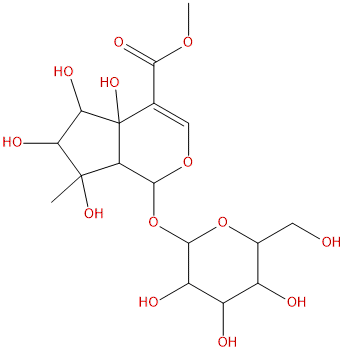
Phlyoside I is an active natural product derived from natural plants, which has received widespread attention in recent years due to its significant anti-tumor activity. With the continuous development of anti-cancer drugs, natural products have become an important source for the discovery of new drugs due to their structural diversity and complex biological activity. Phloyoside I, as a class of natural glycoside compounds with unique structural features, exhibits the ability to regulate various tumor related signaling pathways, especially in regulating cell apoptosis, inhibiting tumor cell proliferation and migration, and demonstrating good pharmacological activity. This article will provide a systematic review of the chemical structure and physicochemical properties, plant sources and extraction methods, pharmacological activity and mechanism of action, pharmacological evaluation and pharmacokinetic characteristics of Phloyoside I, and explore its clinical application prospects, providing theoretical basis and technical support for subsequent research and development.
Phloyoside I (CAS number: 139757-58-7) has a molecular weight of 438.3820 and belongs to the glycoside class of natural products. Its molecular structure contains multiple hydroxyl and glycosidic bonds, giving it high polarity and water solubility. The LogP value is -2.0885, indicating that the compound has strong hydrophilicity and is difficult to diffuse freely through lipid membranes. The TPSA (topological polar surface area) is 215.83 Å ², further supporting its high polarity property. The water solubility is 45.0968 mg/mL, indicating good solubility in water. The physicochemical properties of Phloyoside I determine its absorption, distribution, and metabolic behavior in the body, especially its low fat solubility and high polarity, which result in low blood-brain barrier permeability (low blood-brain barrier permeability). This limits the treatment of central nervous system related diseases, but also reduces the risk of central nervous system toxicity. In addition, Phloyoside I did not exhibit hERG channel inhibitory activity, indicating a low risk of cardiac toxicity, and the Ames test result was 0.0, indicating a low risk of genotoxicity and a good safety basis.
Phloyoside I mainly exists in plants of the Phloyo genus, which is commonly used in traditional medicine to treat various diseases. The specific plant species include the roots, stems, and leaves of Phloyo species. Its content is greatly affected by the plant growth environment, collection time, and location. The extraction method usually uses organic solvent extraction combined with column chromatography separation technology. Common extraction solvents include methanol, ethanol, and their aqueous solutions, and their polarity characteristics are utilized to achieve effective extraction. The extraction process is generally as follows: after drying and crushing the plants, they are repeatedly extracted with 70% ethanol, concentrated, and purified by silica gel column chromatography or high-performance liquid chromatography (HPLC) to obtain high-purity Phloyoside I. In recent years, the application of ultrasound assisted extraction and microwave-assisted extraction technologies has improved extraction efficiency and purity, reduced solvent usage, and is in line with the concept of green extraction.
The pharmacological activity research of Phlyoside I mainly focuses on its anti-tumor effect. In vitro cell experiments showed that Phyyoside I could significantly inhibit the proliferation of many tumor cell lines, including breast cancer, lung cancer, colon cancer, etc. Its anti-tumor effect is closely related to inducing cell apoptosis, blocking cell cycle, and inhibiting tumor cell migration. Animal model studies further confirmed its anti-tumor activity in vivo. The Phloyoside I treatment group showed a significant reduction in tumor volume and no significant toxic side effects were observed.
In addition, Phloyoside I has regulatory effects on various signaling pathways in the tumor microenvironment, such as inhibiting the expression of tumor associated matrix metalloproteinase MMP2 and reducing the invasion and metastasis ability of tumor cells. Its anti-inflammatory and antioxidant activities also provide auxiliary support for its anti-tumor effect.
The anti-tumor mechanism of Phloyoside I involves multiple key molecular pathways and targets. The main targets include:
In summary, Phloyoside I achieves comprehensive regulation of tumor cells through multi-target and multi pathway synergistic effects, demonstrating its potential as an anti-tumor candidate drug.
The pharmacological evaluation of Phloyoside I shows that it has good safety and drug compatibility. Its good water solubility is beneficial for the development of oral formulations, but due to its low LogP value and high TPSA, oral absorption may be limited, and its bioavailability needs to be optimized. The low permeability of the blood-brain barrier suggests limited application in the treatment of central nervous system diseases, but this also reduces potential central nervous system side effects.
The hERG channel inhibition experiment was negative, indicating that Phloyoside I has a low risk of cardiac toxicity and meets the safety requirements for clinical use. The Ames test result is 0, further supporting its lack of significant genotoxicity.
In terms of pharmacokinetics, existing research is relatively limited. Preliminary in vivo experiments have shown that Phloyoside I has a moderate half-life in plasma and is mainly metabolized by the liver. Further research is needed on the metabolites and their activities. In the future, systematic pharmacokinetic and toxicological evaluations are needed to clarify its in vivo behavior and safe dose range.
Based on the significant anti-tumor activity and good safety demonstrated by Phloyoside I in various tumor models, its clinical development prospects are broad. Future research should focus on:
In addition, in view of the regulatory effect of Phyyoside I on hormone related targets (such as ESR1, CYP19A1), its application in hormone dependent tumors such as breast cancer deserves special attention.
Phloyoside I, as a natural product with multi-target anti-tumor activity, exhibits good pharmacological activity and safety, and has the potential to become a new type of anti-cancer drug. Its unique chemical structure and diverse mechanisms of action provide new ideas for the development of anti-tumor drugs. In the future, in-depth pharmacological mechanism research, pharmacokinetic optimization, and preclinical safety evaluation will lay a solid foundation for its clinical translation. With the continuous development of natural product pharmacology and modern medicinal chemistry technology, Phloyoside I is expected to become an important candidate drug in the field of anti-tumor therapy, bringing new treatment hope to cancer patients.
