| Catalog No | Package | Original Price | Price | Inventory | Quantity | Operating |
|---|---|---|---|---|---|---|
| BP4696-5mg | 5mg | $590.00 | Sign in |
|


Storage conditions:Short-term storage at 2~8℃, long-term storage at -20 ~ -80℃
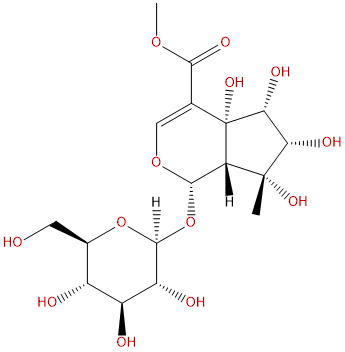
Natural products, as important resources for drug discovery, have always been a treasure trove for new drug development due to their structural diversity and wide range of biological activities. In recent years, with the advancement of molecular biology and pharmacology techniques, more and more natural products have been discovered to have significant anti-inflammatory activity, becoming important candidate compounds for the treatment of inflammation related diseases. 9-epi-Phlomiol (CAS number: 1621720-47-5), as an emerging natural product, has attracted widespread attention in the academic community due to its unique molecular structure and significant anti-inflammatory effects. This article provides a systematic review of the chemical structure and physicochemical properties, plant origin, extraction methods, pharmacological activity and mechanism of action, pharmacological evaluation, and clinical application prospects of 9-epi-Phlomiol, providing theoretical basis and reference for subsequent related research.
9-epi-Phlomiol is a natural compound with a molecular weight of 438.3820. Its molecular structure has high polarity and exhibits a low LogP value (-2.0567), indicating strong hydrophilicity. Its topological polar surface area (TPSA) is 215.83 Å ², indicating the presence of a large number of polar groups on the molecular surface, which may participate in various hydrogen bonding and polar interactions. High water solubility (48.3446 mg/mL) is beneficial for its distribution and bioavailability in vivo. This compound is not easily able to pass through the blood-brain barrier (BBB low permeability), reducing the potential toxicity risk to the central nervous system. The hERG channel inhibition test result was negative, indicating a low risk of cardiac toxicity. The Ames test result was 0.0, indicating no significant mutagenicity. These physicochemical properties provide a positive basis for the safety and pharmacokinetic characteristics of 9-epi-Phlomol.
9-epi Phlomiol is mainly isolated from the genus Phlomis in the family Lamiaceae. Phlomis plants are renowned for their abundant diterpenes and flavonoids, and are widely used in traditional medicine. 9-epi-Phlomiol, as an important diterpenoid derivative in this genus of plants, usually exists in the aboveground parts of plants such as leaves and stems.
The extraction method often uses organic solvent extraction combined with chromatographic separation technology. Common extraction processes include:
In recent years, new technologies such as ultrasound assisted extraction (UAE) and microwave-assisted extraction (MAE) have also been applied to the extraction of 9-epi-Phlomiol, significantly improving extraction efficiency and purity.
The pharmacological activity research of 9-epi-Phlomiol mainly focuses on its anti-inflammatory effect. Inflammation, as the core pathological process of various diseases, including autoimmune diseases, chronic inflammation, tumor microenvironment regulation, etc., 9-epi-Phlomol has demonstrated excellent anti-inflammatory potential through multi-target regulation.
In vitro cell models have shown that 9-epi-Phlomol can significantly inhibit the expression of pro-inflammatory factors such as IL-6 and TNF - α, and alleviate the release of inflammatory mediators. In macrophage cell lines, 9-epi-Phlomol can downregulate the expression of NOS2 and PTGS2 (COX-2), inhibit the production of nitric oxide and prostaglandins, and alleviate inflammatory responses.
In animal models, 9-epi-Phlomiol showed inhibitory effects on inflammatory cell infiltration, reduced tissue edema, and inflammatory damage. It has significant therapeutic effects on both acute inflammation models (such as mouse plantar edema model) and chronic inflammation models, indicating its broad potential for anti-inflammatory indications.
In addition to anti-inflammatory effects, preliminary studies suggest that 9-epi-Phlomiol may have regulatory effects on TRPV1 and TRPA1 channels in the nervous system pain transmission pathway, suggesting its potential application in pain management. In addition, the regulation of apoptosis related enzyme CASP1 by 9-epi-Phlomol suggests its possible involvement in the regulation of inflammatory cell death processes.
The anti-inflammatory mechanism of 9-epi-Phlomol involves multiple signaling pathways and key molecular targets, mainly including:
IL-6/STAT3 signaling pathway
IL-6, as an important pro-inflammatory cytokine, promotes inflammatory response by activating STAT3 transcription factor. 9-epi-Phlomol can inhibit the expression of IL-6 and the phosphorylation of STAT3, block this signaling pathway, and alleviate inflammatory response.
NF - κ B signaling pathway
NF - κ B is a core transcription factor that regulates the expression of inflammatory genes. 9-epi-Phlomiol exerts anti-inflammatory effects by inhibiting the activation of NFKB1, reducing the transcription of inflammatory mediators such as TNF - α and PTGS2.
Regulation of inflammatory mediator synthase
9-epi-Phlomiol inhibits the activity of PTGS1 (COX-1) and PTGS2 (COX-2), reduces prostaglandin production, and alleviates inflammatory symptoms. Simultaneously inhibiting the expression of NOS2, reducing the excessive production of nitric oxide, and alleviating oxidative stress.
Ion channel regulation
By regulating TRPV1 and TRPA1 channels, 9-epi-Phlomiol may affect inflammation related nerve conduction and pain perception, providing multidimensional anti-inflammatory and analgesic effects.
Apoptosis and inflammatory cell death
CASP1, as a key enzyme in inflammasomes, participates in the maturation of pro-inflammatory cytokine IL-1 β. The inhibitory effect of 9-epi-Phlomol on CASP1 helps to reduce inflammasome mediated cell death and inflammatory response.
In summary, 9-epi-Phlomiol demonstrates its potential as an anti-inflammatory drug by synergistically regulating inflammatory responses through multiple targets and pathways.
The pharmacological evaluation of 9-epi-Phlomiol shows that it has good safety and pharmacokinetic characteristics:
At present, pharmacokinetic studies on 9-epi-Phlomiol are still in the preliminary stage. The metabolic pathways in the body may involve oxidation and binding reactions of liver enzymes, and excretion is mainly completed through the kidneys. Further systematic pharmacokinetic and toxicological studies are needed in the future to clarify its in vivo behavior and safe dose range.
Given the multi-target effects and good safety demonstrated by 9-epi-Phlomiol in the anti-inflammatory field, its clinical application prospects are broad. The main potential application directions include:
Chronic inflammatory diseases
9-epi-Phlomiol can be used as an adjuvant or alternative therapy to alleviate the burden of chronic inflammation, such as rheumatoid arthritis and inflammatory bowel disease.
Acute inflammatory response
For example, in cases of infectious inflammation and inflammation reactions after tissue damage, 9-epi-Phlomol is expected to exert therapeutic effects by rapidly inhibiting inflammatory mediators.
pain management
By regulating TRPV1 and TRPA1 channels, 9-epi-Phlomiol may be used for the treatment of neuropathic pain and inflammation related pain.
Regulation of tumor microenvironment
Inflammation plays an important role in the occurrence and development of tumors, and the ability of 9-epi-Phlomol to regulate the inflammatory signaling pathway provides a possibility for its use in adjuvant therapy for tumors.
In the future, combining modern drug design and delivery technologies to optimize the pharmacokinetic properties of 9-epi-Phlomiol and conducting preclinical and clinical studies will be the key to promoting its clinical translation.
9-epi-Phlomiol, as a natural product with significant anti-inflammatory activity, has shown the potential to become a new type of anti-inflammatory drug due to its unique chemical structure, multi-target mechanism of action, and good safety. The current research provides a solid foundation for its pharmacological activity and mechanism of action, but further pharmacokinetic, toxicological, and clinical studies are still needed to promote its transition from laboratory to clinical application. In the future, with the continuous deepening of research, 9-epi-Phlomiol is expected to bring new breakthroughs and hope for the treatment of inflammation related diseases.
