Natural cytokinin zeaxanthin: interdisciplinary research progress from plant growth regulation to potential drug lead
Introduction/Overview
Natural products, as an important source of drug discovery, play an irreplaceable role in human health. Among numerous biologically active natural compounds, cytokinins, as an important class of plant hormones, have long been recognized as key signaling molecules regulating plant growth and development. However, in recent years, interdisciplinary research has revealed that these compounds also exhibit remarkable pharmacological activity in mammalian cell systems, providing new chemical space and biological perspectives for drug development.
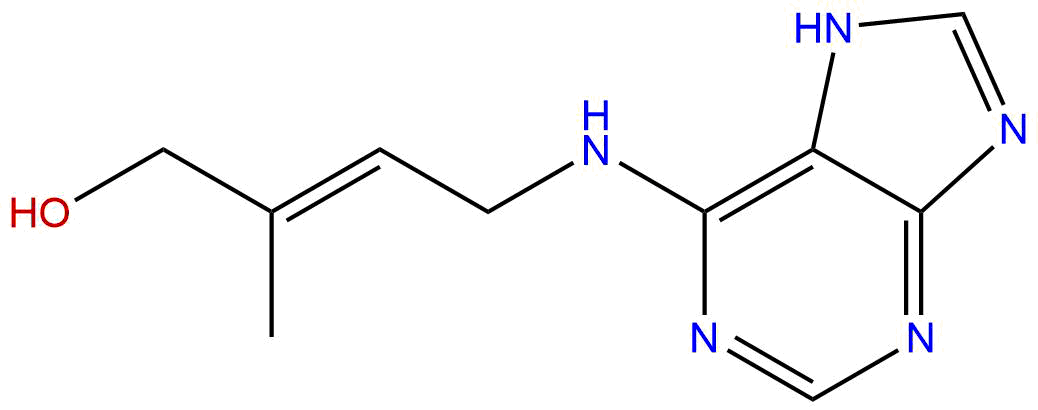
Zeatin, also known as 6- (4-hydroxy-3-methyl-trans-2-buteneamino) purine, is one of the most representative members of the natural cytokinin family. Since Letham et al. first isolated and identified corn endosperm in 1963, research on zeaxanthin has spanned over half a century. Initially, it was confirmed as an efficient plant growth regulator that can promote cell division, delay leaf senescence, regulate apical dominance, and participate in various stress response processes. With the deepening of research, scientists have gradually discovered the potential application value of corn extract and its derivatives in anti-inflammatory, antioxidant, neuroprotective, and anti-tumor fields, which has aroused interdisciplinary attention from plant physiology to medicinal chemistry.
This article aims to systematically review the multidimensional research progress of zeaxanthin, a natural product, covering its chemical structure and physicochemical properties, plant sources and extraction methods, pharmacological activity research, mechanism of action and molecular targets, pharmacological evaluation and pharmacokinetic characteristics. Based on this, it explores its clinical application prospects and future research directions. Through the review and analysis of existing literature, this article aims to present the scientific framework of the transformation of zeaxanthin from a plant growth regulator to a potential drug lead, providing valuable references for natural product pharmacology research.
Chemical structure and physicochemical properties
The chemical structure of zeaxanthin belongs to N ⁶ - substituted adenine derivatives, with a purine ring as its core skeleton and a 4-hydroxy-3-methyl-trans-2-butenyl side chain containing four carbon atoms attached to the 6-position amino group. The presence of this side chain endows zeaxanthin with unique biological characteristics that distinguish it from other purine compounds. According to the geometric configuration of the side chain double bond, there are two isomers of zeaxanthin: trans zeatin and cis zeatin. Among them, the trans isomer has higher biological activity and is also the main naturally occurring form.
According to the molecular formula C ₁₀ H ₁∝ N ₅ O, the molecular weight of zeaxanthin is 219.2480 Da, belonging to the category of small molecule compounds. Its LogP value is 0.7027, indicating that the compound has moderate lipophilicity and can achieve a balance between hydrophilic and hydrophobic environments, which is beneficial for its transmembrane transport and distribution in organisms. The topological polar surface area (TPSA) is 86.7200 Å ², which is slightly higher than the ideal range for traditional oral medications (usually<60 Å ²), indicating that there may be some membrane permeability challenges for zeaxanthin, but it is still within an acceptable range. The water solubility parameter is 0.4577 mg/mL, which belongs to moderate solubility. This is closely related to the presence of multiple hydrogen bond donor and acceptor sites in the molecule, including the nitrogen atom on the purine ring and the hydroxyl group on the side chain.
It is worth noting that there are multiple ionizable groups in the molecule of zeaxanthin. The N1 and N7 sites on the purine ring are alkaline, while the hydroxyl group on the side chain exhibits weak acidity. This sexual characteristic causes changes in the form of corn extract under different pH conditions, which in turn affects its solubility, stability, and biological activity. Under physiological pH conditions (pH 7.4), zeaxanthin mainly exists in the form of neutral molecules, which facilitates its binding with target proteins.
From the perspective of chemical stability analysis, zeaxanthin is more sensitive to light, heat, and oxidation conditions. The double bonds in its side chains are prone to isomerization reactions, while the purine ring may undergo hydrolysis under strong acid or strong base conditions. Therefore, appropriate protective measures such as avoiding light, low temperature, and controlling pH range need to be taken during the extraction, purification, and formulation processes.
Plant sources and extraction methods
Corn extract was initially isolated from corn endosperm, but subsequent studies have found that this cytokinin is widely present in the plant kingdom. The presence of zeaxanthin has been detected in various higher plants, including Arabidopsis, rice, tobacco, soybeans, tomatoes, and various fruit trees. In addition, certain microorganisms, such as rhizobia and some fungi, can also synthesize zeaxanthin or its analogues. In plants, zeaxanthin is mainly synthesized in active dividing tissues such as root meristem, young leaves, developing seeds, and fruits. Its biosynthetic pathway involves key steps catalyzed by isopentenyl transferase.
The method of extracting corn extract from natural sources has undergone a development and evolution from classical solvent extraction to modern chromatographic separation technology. The traditional extraction process usually includes the following steps: first, fresh or frozen plant materials (such as corn endosperm, Arabidopsis seedlings, or tobacco callus tissue) are ground into powder using liquid nitrogen; Subsequently, organic solvents (such as 80% methanol or ethanol) were used for multiple extractions under low temperature conditions to fully release the intracellular zeaxanthin; After centrifugation or filtration to remove solid residue, the crude extract is obtained by vacuum concentration.
Due to the complex composition of plant extracts, the content of zeaxanthin in crude extracts is usually low, requiring further purification steps. Liquid liquid extraction is a commonly used preliminary purification method that utilizes the difference in distribution coefficients of zeaxanthin in different solvents to extract the target compound from the aqueous phase using organic solvents such as n-butanol or ethyl acetate. Subsequently, column chromatography technology was used for fine separation, with commonly used stationary phases including silica gel, C18 reverse phase silica gel, and ion exchange resin. The elution system usually uses a methanol water or acetonitrile water gradient system to achieve effective separation of zeaxanthin and interfering components by adjusting the solvent ratio.
High performance liquid chromatography (HPLC) is currently the mainstream technology for the separation, purification, and quantitative analysis of zeaxanthin. High sensitivity detection of zeaxanthin can be achieved using a C18 reverse phase chromatography column with methanol water (containing 0.1% formic acid) as the mobile phase at a UV detection wavelength of 265 nm. For isomers with similar structures (trans and cis zeaxanthin) as well as derivatives such as zeaxanthin nucleosides and zeaxanthin nucleotides, ultra-high performance liquid chromatography-mass spectrometry (UPLC-MS/MS) technology can provide higher separation and identification accuracy.
It is worth noting that with the promotion of green chemistry concepts, researchers have begun to explore more environmentally friendly extraction methods in recent years. For example, using deep eutectic solvents instead of traditional organic solvents for the extraction of zeaxanthin not only improves the extraction efficiency but also reduces the negative impact on the environment. In addition, new technologies such as enzyme assisted extraction and ultrasound assisted extraction have also been applied to optimize the extraction process of corn extract. These methods significantly shorten the extraction time and improve the yield by disrupting the cell wall structure or enhancing mass transfer efficiency.
Pharmacological activity research
Plant growth regulatory activity
As a core member of natural cytokinins, zeaxanthin's most classic pharmacological activity is reflected in plant growth regulation. At extremely low concentrations (usually in the μ M range), zeaxanthin can significantly promote plant cell division and proliferation. This effect is particularly evident in tissue culture systems: in media containing zeaxanthin, the growth rate of tobacco callus tissue can be increased several times, and the cell cycle can be significantly shortened. In addition, zeaxanthin can delay leaf aging by inhibiting chlorophyll degradation and maintaining photosynthetic efficiency, thereby extending the functional period of leaves. In agricultural production, zeaxanthin has been applied to increase crop yield, improve fruit quality, and enhance plant tolerance to abiotic stresses such as drought and salinity.
Anti inflammatory and antioxidant activity
In recent years, the pharmacological activity of zeaxanthin in mammalian systems has attracted widespread attention. Multiple in vitro studies have shown that corn extract can inhibit lipopolysaccharide (LPS) - induced macrophage inflammatory response, reduce the production of pro-inflammatory factors such as tumor necrosis factor - α (TNF - α), interleukin-6 (IL-6), and nitric oxide (NO). Its anti-inflammatory mechanism may be related to the inhibition of the activation of the nuclear factor kappa B (NF - κ B) signaling pathway, by blocking the phosphorylation and degradation of I κ B α, reducing the nuclear translocation of p65 subunit, and thereby downregulating the expression of inflammation related genes.
In terms of antioxidant properties, zeaxanthin exhibits direct free radical scavenging ability. The nitrogen atom and side chain hydroxyl group on its purine ring can effectively neutralize reactive oxygen species (ROS) and reactive nitrogen species (RNS), protecting cells from oxidative damage. In the oxidative stress model induced by hydrogen peroxide, corn extract pretreatment can significantly reduce intracellular ROS levels, restore glutathione (GSH) content, and inhibit the generation of lipid peroxidation products. In addition, zeaxanthin can upregulate the activity of antioxidant enzymes such as superoxide dismutase (SOD) and catalase (CAT), enhancing the antioxidant defense ability of cells.
Neuroprotective activity
Neurological diseases, especially neurodegenerative diseases, often involve a synergistic effect of oxidative stress, inflammatory response, and cell apoptosis in their pathological process. The multiple biological activities of zeaxanthin make it potentially valuable in the field of neuroprotection. In the glutamate induced neuronal excitotoxicity model, zeaxanthin can alleviate neuronal damage and maintain cell viability. Further research has found that zeaxanthin exerts anti apoptotic effects by activating the PI3K/Akt signaling pathway, inhibiting the mitochondrial apoptosis pathway, reducing the release of cytochrome c, and activating caspase-3.
In Alzheimer's disease (AD) related studies, it has been reported that zeaxanthin can inhibit the aggregation of β - amyloid protein (A β) and reduce A β - induced neurotoxicity. In addition, corn extract can promote the expression of neurotrophic factors (such as brain-derived neurotrophic factor BDNF), enhance synaptic plasticity, and improve cognitive function. These findings suggest that zeaxanthin may become a new candidate compound for the treatment of neurodegenerative diseases.
Antitumor activity
The anti-tumor activity of corn extract has been one of the hot topics in recent years. A number of in vitro experiments have shown that zeatin has a proliferation inhibitory effect on a variety of tumor cell lines (including breast cancer MCF-7, liver cancer HepG2, lung cancer A549, colon cancer HT-29, etc.), and its IC ₀ value is usually in the range of 10-100 μ M. The mechanism of action involves multiple levels: firstly, zeaxanthin can induce tumor cell cycle arrest, mainly by upregulating the expression of cyclin dependent kinase inhibitors such as p21 and p27, blocking cells in the G1/S or G2/M phase; Secondly, zeaxanthin can activate the endogenous apoptotic pathway mediated by mitochondria, leading to the activation of caspase cascade reactions and cell apoptosis; In addition, zeaxanthin can also inhibit the migration and invasion ability of tumor cells, which may be related to the downregulation of matrix metalloproteinases (MMPs) expression.
It is worth noting that corn extract has relatively low toxicity to normal cells and exhibits certain selective anti-tumor activity. This characteristic is of great significance in drug development, as traditional chemotherapy drugs often suffer from serious toxic side effects due to a lack of selectivity. However, the anti-tumor activity of corn extract still needs to be further validated in in vivo models, and its pharmacological characteristics and safety evaluation require systematic research.
Mechanism of action and molecular targets
The biological effects of zeaxanthin are achieved through interactions with specific target proteins. In plant systems, zeaxanthin acts as a ligand for the cytokinin signaling pathway, mainly binding to histidine kinase receptors (such as AHK2, AHK3, and AHK4/CRE1 in Arabidopsis), activating downstream phosphorylation cascades, and ultimately regulating gene expression. However, the molecular targets of zeaxanthin in mammalian systems are not fully understood, and existing research suggests that it may exert its effects through multiple mechanisms.
Signal transduction in plant systems
In the plant cytokinin signaling pathway, zeaxanthin binds to the extracellular domain of receptor proteins (such as BRI1, BAK1), inducing receptor dimerization and activating their intracellular kinase activity. Subsequently, phosphorylation signals are transmitted to transcription factors such as BZR1 and BES1 through intermediate proteins such as BSK1 and BSU1, regulating the expression of downstream target genes. It is worth noting that BRI1 and BAK1 were initially identified as receptors for brassinosteroid, but subsequent studies have found that they are also involved in the perception and transduction of cytokinin signals, indicating the existence of complex cross regulatory mechanisms in plant hormone signaling networks.
In addition, zeaxanthin can also affect the transport and signal transduction of auxin. By regulating the expression and localization of auxin transporters such as AUX1 and PIN1, zeaxanthin can alter the distribution pattern of auxin in plants, thereby affecting processes such as cell division, elongation, and differentiation. As an auxin receptor, TIR1's expression level is also regulated by zeaxanthin, further reflecting the interaction between the two hormone signaling pathways.
Potential targets in mammalian systems
The mechanism of action of zeaxanthin in mammalian cells is still in the exploratory stage. Existing evidence suggests that zeaxanthin may exert pharmacological activity through the following pathways:
Firstly, zeaxanthin can directly interact with adenosine receptors. Due to its structural similarity to adenine, zeaxanthin may act as a ligand for adenosine receptors, regulating cAMP levels and downstream signaling pathways. This mechanism may explain some of its anti-inflammatory and neuroprotective effects.
Secondly, zeaxanthin can inhibit the activity of phosphodiesterase (PDE), especially the PDE4 and PDE5 subtypes. By increasing intracellular cAMP or cGMP levels, zeaxanthin can activate protein kinase A (PKA) or protein kinase G (PKG), thereby regulating various cellular functions, including inflammatory response, cell proliferation, and apoptosis.
In addition, zeaxanthin has been reported to regulate epigenetic modifications. Research has found that zeaxanthin can inhibit the activity of histone deacetylase (HDAC), increase histone acetylation levels, and thus alter chromatin structure and gene expression patterns. This mechanism may be closely related to its anti-tumor activity, as HDAC inhibitors have become an important class of anti-tumor drugs.
It is worth noting that the molecular targets of zeaxanthin may have multi-target characteristics, that is, acting on multiple protein targets simultaneously to produce synergistic effects. This multi-target mode of action is more common in natural products and is also the molecular basis for their diverse pharmacological activities.
Evaluation of drug properties and pharmacokinetics
Analysis of drug properties parameters
Based on computational predictions and experimental data, the pharmacological characteristics of corn extract can be summarized as follows: molecular weight of 219.25 Da, which meets the requirement of Lipinski's five rules for molecular weight less than 500; The LogP value is 0.70, which is within the ideal range (-0.4 to 5.6); There are 2 hydrogen bond donors (NH on the purine ring and side chain hydroxyl) and 6 hydrogen bond acceptors (nitrogen atom and hydroxyl oxygen on the purine ring), both of which meet the criteria of ≤ 5 hydrogen bond donors and ≤ 10 acceptors in the five rules. Therefore, from the perspective of physical and chemical properties, corn extract meets the basic requirements for oral medication.
However, the TPSA value is 86.72 Å ², slightly higher than the ideal threshold of 60 Å ², indicating that the compound may have certain membrane permeability limitations. The water solubility of 0.46 mg/mL is considered moderate and may need to be improved through formulation techniques. It is worth noting that the Ames test result is 0.0, indicating that zeaxanthin does not have significant genetic toxicity, which has positive significance in drug development. HERG inhibition prediction is negative, indicating a low risk of cardiac toxicity.
Pharmacokinetic characteristics
At present, there is relatively limited systematic research on the pharmacokinetics of zeaxanthin in mammals, but preliminary information has been provided by existing studies. In terms of absorption, the oral bioavailability of zeaxanthin may be limited by its moderate water solubility and membrane permeability. Animal experiments have shown that the plasma concentration of zeaxanthin is lower after oral administration, suggesting the possibility of first pass effects or intestinal metabolism. After intravenous administration, zeaxanthin is widely distributed in the body and can penetrate the blood-brain barrier (BBB penetration is low), but the amount entering the central nervous system is limited.
In terms of metabolism, zeaxanthin mainly undergoes side chain oxidation and purine ring modification. The cytochrome P450 enzyme system (especially CYP3A4) in the liver may be involved in its metabolic processes, generating hydroxylation or dehydrogenation products. In addition, zeaxanthin can also bind with glucuronic acid or sulfuric acid to form more water-soluble metabolites, which are easier to excrete from urine and bile. The half-life is estimated to be within the range of 2-4 hours, indicating a moderate clearance rate.
The main excretion pathway is through the kidneys, with approximately 60-70% of the administered dose excreted in its original form or metabolite form through urine, and a portion entering the intestine through bile and being excreted with feces. It is worth noting that the metabolism and excretion of zeaxanthin in the body may be affected by species differences, and further cross species pharmacokinetic studies from plants to mammals are needed.
Formulation and delivery strategy
Given the limitations of the physicochemical properties of zeaxanthin, developing appropriate formulation strategies is crucial for improving its bioavailability and therapeutic efficacy. Nanoformulation technology, such as liposomes, polymer nanoparticles, and solid lipid nanoparticles, has been explored for the delivery of zeaxanthin. These nanocarriers can enhance the solubility of zeaxanthin, protect it from metabolic degradation, and enhance its enrichment at the lesion site through passive or active targeting mechanisms.
In addition, prodrug design is also an effective strategy to improve the pharmacokinetic characteristics of zeaxanthin. By introducing hydrolyzable groups (such as ester or phosphate groups) on the molecules of zeaxanthin, its lipophilicity can be adjusted, membrane permeability can be improved, and active parent compounds can be released after enzymatic or chemical hydrolysis in vivo.
Clinical application prospects and prospects
Applications in the field of agriculture
The application of corn extract in agriculture has become relatively mature, mainly used as a plant growth regulator to improve crop yield and quality. Its application forms include foliar spraying, seed treatment, and tissue culture addition. In fruit tree cultivation, zeaxanthin can promote flower bud differentiation, increase fruit setting rate, increase fruit size, and improve color. In vegetable production, zeaxanthin can delay leaf senescence, prolong harvest period, and increase yield. In addition, corn extract is also used for the preservation of ornamental plants, by inhibiting leaf yellowing and flower withering, extending the viewing period.
However, the application of corn extract in agriculture still faces some challenges, including poor chemical stability, high cost, and the need to optimize application techniques. Future research can focus on developing stable formulations of corn extract, reducing production costs, and establishing a precise application technology system.
Potential applications in the field of medicine
Based on the pharmacological activities of corn extract in anti-inflammatory, antioxidant, neuroprotective, and anti-tumor aspects, its application prospects in the pharmaceutical field are worth looking forward to. In terms of inflammatory diseases, zeaxanthin may be developed as a candidate drug for the treatment of chronic inflammatory diseases such as rheumatoid arthritis and inflammatory bowel disease. In terms of neurodegenerative diseases, the multi-target action characteristics of zeaxanthin make it potentially advantageous in the treatment of Alzheimer's disease and Parkinson's disease.
In terms of tumor treatment, the selective anti-tumor activity of corn extract suggests that it may become a chemotherapy sensitizer or adjuvant therapy drug. When used in combination with traditional chemotherapy drugs, zeaxanthin may enhance the sensitivity of tumor cells to chemotherapy or reduce the toxic side effects caused by chemotherapy, thereby improving treatment efficacy and patient quality of life.
In addition, the application of corn extract in skin care and wound healing is also worth exploring. Its antioxidant and anti-inflammatory activities may help protect the skin from UV damage and delay skin aging. In the wound healing model, zeaxanthin can promote fibroblast proliferation and collagen synthesis, accelerating wound closure.
Challenges and Future Directions Faced
Although zeaxanthin has shown various potential applications, there are still many challenges from laboratory research to clinical translation. Firstly, the pharmacological, pharmacokinetic, and toxicological studies of zeaxanthin in mammals are not yet sufficient, and there is a lack of systematic preclinical evaluation data. Secondly, the bioavailability of zeaxanthin is low, and efficient delivery systems need to be developed to increase its in vivo exposure. In addition, although the multi-target mode of action of zeaxanthin endows it with diverse pharmacological activities, it may also bring about off target effects and insufficient selectivity.
Future research directions can be explored from the following aspects: firstly, to further elucidate the molecular targets and signaling pathways of zeaxanthin in mammalian systems, providing molecular mechanism explanations for its pharmacological activity; Secondly, conduct systematic pharmacokinetic and toxicological studies to evaluate the safety and efficacy of corn extract; Thirdly, through structural modification and medicinal chemical optimization, develop corn extract derivatives with higher activity and selectivity; Fourth, explore the synergistic effects of corn extract and other drugs, and develop combination therapy plans; Fifth, utilize modern biotechnology (such as synthetic biology) to establish a green synthesis and large-scale production process for zeaxanthin.
Conclusion
As a representative compound of natural cytokinins, the research process of zeaxanthin reflects the interdisciplinary integration from plant physiology to medicinal chemistry. From its initial application as a plant growth regulator in agriculture to the discovery of pharmacological activities in anti-inflammatory, antioxidant, neuroprotective, and anti-tumor fields in recent years, the scientific value of zeaxanthin has been continuously re recognized and expanded. Its unique chemical structure, diverse biological activities, and excellent medicinal properties make it a promising lead compound in natural product drug discovery.
However, research on corn extract is still in its early stages, and there is still a significant gap between basic research and clinical application. In the future, collaborative efforts from multidisciplinary researchers are needed to integrate knowledge from multiple fields such as botany, pharmacology, medicinal chemistry, pharmacy, and clinical medicine, and systematically promote the development process of zeaxanthin. We have reason to believe that with further research, zeaxanthin, a natural product derived from plants, will play a more important role in the field of human health, providing new ideas and choices for disease treatment.