Introduction/Overview
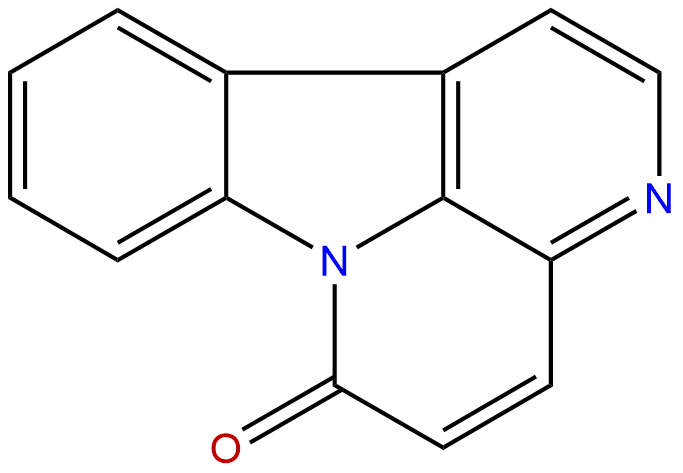
Natural products, as an important source of drug discovery, play an irreplaceable role in the long struggle between humans and diseases. Among the vast treasure trove of natural products, indole alkaloids have attracted much attention due to their structural diversity and significant biological activity. Canthin-6-one (CAS number: 479-43-6), as a typical indole alkaloid, has become a research hotspot in the field of natural product pharmacology due to its unique four ring skeleton and extensive pharmacological activities. The chemical name of ironimide ketone is 6H indolo [3,2,1-de] [1,5] naphthyridin-6-one, which belongs to organic heterocyclic compounds. Its structural feature is the condensation of the indole ring and the naphthyridine ring, and the substitution of an oxo group at position 6. This unique molecular configuration endows Tiexiami ketone with diverse biological activities, including antibacterial, anti-inflammatory, anti-tumor, etc., especially showing great potential in the field of anti-tumor.
Since the first isolation and identification from Simaroubacheae plants in the mid-20th century, iron sulfometurone and its analogues have been an important subject of research in natural product chemistry and pharmacology. Early research mainly focused on its antibacterial and anti-inflammatory properties, but as research deepened, its anti-tumor activity gradually became the focus of attention. Iron shit ketone can exert anti-tumor effects through multiple targets and pathways, involving the regulation of multiple biological processes such as cell apoptosis, cell cycle, angiogenesis, invasion and metastasis. Its target proteins include MCL1, BCL2, STAT3, MMP2, TOP1, HIF1A, TOP2A, MAPK1, ESR1, CYP19A1 and other key proteins, which are closely related to the occurrence, development, drug resistance and metastasis of tumors. This multi-target mode of action gives Tieshitomidone unique advantages in overcoming tumor drug resistance and improving therapeutic efficacy.
However, despite its remarkable pharmacological activity, the evaluation of its pharmacological properties and pharmacokinetic characteristics remain key bottlenecks that restrict its clinical translation. The problems of poor water solubility and metabolic stability need to be solved through drug chemical modification or novel drug delivery systems. This article aims to systematically review the research progress on the chemical structure and physicochemical properties, plant sources and extraction methods, pharmacological activity research, mechanism of action and molecular targets, pharmacological evaluation and pharmacokinetics of ironshit ketone, and prospects its clinical application prospects, in order to provide reference for the in-depth research and development of this natural product.
Chemical structure and physicochemical properties
The chemical structure of ironshit ketone is the basis of its biological activity. Its molecular formula is C14H8N2O and its molecular weight is 220.2310 g/mol. Structurally speaking, ironiminone belongs to indole-naphthoquinone alkaloids, and its core skeleton is composed of an indole ring and a naphthopyridone ring fused together, forming a rigid planar four ring system. Specifically, its structure can be viewed as 6H indolo [3,2,1-de] [1,5] naphthoprim substituted with an oxo group (=O) at position 6. The existence of this planar aromatic ring system enables it to interact with various biomolecules (such as DNA and proteins) through π - π stacking, which may be the structural basis for its multi-target pharmacological activity.
In terms of physical and chemical properties, ferric ketone exhibits typical alkaloid characteristics. Its lipid water partition coefficient (LogP) is 2.0636, indicating that it has a certain lipophilicity, which is beneficial for its penetration of cell membranes and the blood-brain barrier. In fact, its blood-brain barrier penetration has been evaluated as' high ', suggesting that it may have central nervous system activity, but it may also pose related neurotoxic risks. Its topological polar surface area (TPSA) is 34.3700 Å ², which is relatively small, further supporting its good membrane permeability. However, its water solubility (0.0067 mg/mL) is extremely poor, which is one of the main obstacles limiting its in vivo application. Low water solubility not only affects the oral absorption of drugs, but also poses challenges for injection administration. In addition, its hERG inhibition risk assessment is' no ', indicating that it has a relatively small impact on the cardiac repolarization process and a low risk of cardiac toxicity. The Ames test result is 1.8, indicating that it may have potential genetic toxicity, which requires rigorous evaluation and structural optimization in subsequent drug development.
The conjugated system present in the molecule of iron ketone gives it characteristic absorption in the UV visible region, which can be used for its qualitative and quantitative analysis. The carbonyl group (C=O) in its structure and the nitrogen atom on the aromatic ring are potential hydrogen bond acceptors that can form hydrogen bond interactions with the target protein. These structural features and physicochemical properties jointly determine the biological activity, pharmacokinetic behavior, and potential toxic side effects of ironshit ketone, which is an important basis for structural modification and drug design.
Plant sources and extraction methods
Iron sulfonamide was initially discovered in plants of the Simaroubacheae family, which are known for their abundant bitterness compounds and alkaloids. With the deepening of research, it has been found that iron sulfonamide and its analogues are widely present in multiple plant families and genera, mainly including the Sapindaceae family (such as the Sapindaceae genus) Picrasma Brucea genus Brucea The genus Ailanthus Ailanthus)Rutaceae, such as the genus Chili, belongs to the Rutaceae family Zanthoxylum)Rubiaceae, such as ebony genus Nauclea)Apocynaceae and Fabaceae, among others. These plants are mostly distributed in tropical and subtropical regions and have traditionally been used to treat diseases such as dysentery, malaria, inflammation, and tumors. For example, the traditional Chinese medicine Brucea Javanese(Brucea javanica)The fruit and bitter wood(Picrasma quassioides)Branches and Ailanthus altissima(Ailanthus altissima)The root bark is an important source of iron ketone. There may be significant differences in the content of iron sulfonamide among different plant sources and different parts of the same plant, such as roots, stems, leaves, and fruits.
The traditional extraction method mainly relies on organic solvent extraction. Due to its lipophilicity, iron oxalate ketone is often extracted by cold soaking or hot reflux using solvents such as methanol, ethanol, chloroform, and ethyl acetate. To improve extraction efficiency and selectivity, acid-base extraction method is often used, which utilizes the characteristic of alkaloids forming salts and dissolving in water under acidic conditions, and isolating and dissolving in organic solvents downstream under alkaline conditions for enrichment. For example, treating crude plant extracts with dilute acids (such as hydrochloric acid, sulfuric acid) to convert alkaloids into salts and dissolve them in the aqueous phase, filtering and alkalizing the aqueous phase, and then extracting with organic solvents can obtain the total alkaloid fraction rich in alkaloids.
Modern separation and purification techniques have greatly improved the extraction efficiency and purity of iron sulfonamide. Column chromatography is the core method for the separation and purification of ferruginone. The commonly used stationary phases include silica gel, alumina, reverse silica gel (such as C18), dextran gel (such as Sephadex LH-20), etc. Taking silica gel column chromatography as an example, gradient elution is often performed using solvent systems such as chloroform methanol, petroleum ether acetone, or n-hexane ethyl acetate. High performance liquid chromatography (HPLC), especially preparative HPLC, can be used for the preparation of high-purity ferric ketone. In addition, high-speed counter current chromatography (HSCCC), as a liquid-liquid distribution chromatography technique, has also been applied in the separation of ferric ketone due to its advantages of irreversible adsorption and high sample recovery rate. With the promotion of the concept of green chemistry, some new extraction techniques such as ultrasonic assisted extraction, microwave-assisted extraction, supercritical fluid extraction, etc. have also been used for the extraction of ferric pyrrolidone. These methods have the advantages of short extraction time, low solvent dosage, and high efficiency. The extracted compounds are usually structurally identified by methods such as nuclear magnetic resonance spectroscopy (NMR), mass spectrometry (MS), ultraviolet spectroscopy (UV), and infrared spectroscopy (IR).
Pharmacological activity research
The pharmacological activity spectrum of Tie Shi Mi ketone is very broad, covering multiple aspects such as antibacterial, anti-inflammatory, anti-tumor, antiviral, anti parasitic, etc. Among them, anti-tumor activity is currently a hot research topic.
1. Antitumor activity
A large number of in vitro and in vivo studies have confirmed that Tieshimizone has significant proliferation inhibition and cytotoxicity effects on a variety of tumor cell lines, including lung cancer, breast cancer, liver cancer, colon cancer, stomach cancer, prostate cancer, leukemia, melanoma, etc. Its anti-tumor activity has a broad spectrum, and the half maximal inhibitory concentration (IC50) for certain tumor cell lines can reach micromolar or even nanomolar levels. For example, studies have shown that Tieshimizone can inhibit the proliferation of human breast cancer cells MCF-7 and MDA-MB-231, and induce their apoptosis; It also has significant growth inhibitory effects on liver cancer cells HepG2 and SMMC-7721. In in vivo experiments, ironshit ketone or its derivatives have also shown the ability to inhibit tumor growth in tumor bearing mouse models, such as inhibiting the growth of Lewis lung cancer xenografts in mice.
2. Antibacterial activity
Iron shit ketone has inhibitory effects on various bacteria and fungi. Early research found that it has anti mycobacterial activity and is classified as an anti mycobacterial drug. It affects Mycobacterium tuberculosis(Mycobacterium tuberculosis)Mycobacterium avium(Mycobacterium avium)They showed inhibitory activity, which made it possible for them to be used in the treatment of mycobacterium infection such as tuberculosis. In addition, iron sulfonamide has an effect on Staphylococcus aureus(Staphylococcus aureus)Bacillus subtilis(Bacillus subtilis)Waiting for Gram positive bacteria and Escherichia coli(Escherichia coli)Pseudomonas aeruginosa(Pseudomonas aeruginosa)Gram negative bacteria also showed certain inhibitory effects. Its antifungal activity is reflected in its ability to resist Candida albicans(Candida albicans)Cryptococcus neoformans(Cryptococcus neoformans)Waiting for the inhibition of pathogenic fungi.
3. Anti inflammatory activity
The anti-inflammatory activity of Tieshi Miketone has been validated in various inflammatory models. It can inhibit the release of nitric oxide (NO), prostaglandin E2 (PGE2), as well as pro-inflammatory cytokines such as tumor necrosis factor - α (TNF - α), interleukin-6 (IL-6), and interleukin-1 β (IL-1 β) by macrophages (such as RAW264.7 cells) induced by lipopolysaccharide (LPS). Its anti-inflammatory mechanism is related to the inhibition of key inflammatory signaling pathways such as nuclear factor kappa B (NF - κ B) and mitogen activated protein kinase (MAPK) activation. In animal models, ironshit ketone showed inhibitory effects on acute inflammation models such as xylene induced mouse ear swelling and carrageenan induced rat foot swelling.
4. Other activities
In addition to the main activities mentioned above, Fecinonide has also been reported to have various biological activities such as antiviral (such as anti HIV, anti influenza virus), anti malaria parasite, anti leishmania parasite, antioxidant, and enzyme inhibition (such as inhibition of acetylcholinesterase and monoamine oxidase). These diverse activities make it a highly valuable lead compound for research.
Mechanism of action and molecular targets
The pharmacological activity of Tieshi Mi ketone, especially its anti-tumor activity, is achieved through the synergistic action of multiple targets and pathways. Its mechanism of action is complex, involving interventions in multiple aspects such as cell apoptosis, cell cycle, signal transduction, transcriptional regulation, angiogenesis, invasion and metastasis.
1. Inducing cell apoptosis
Inducing apoptosis of tumor cells is one of the core mechanisms of the anti-tumor effect of fexostat. It mainly functions through endogenous (mitochondrial) apoptosis pathway and exogenous (death receptor) apoptosis pathway.
- Endogenous pathway Iron shit ketone can downregulate the expression of anti apoptotic protein BCL2 and upregulate the expression of pro apoptotic protein BAX, leading to a decrease in mitochondrial membrane potential, release of cytochrome c, and activation of Caspase-9 and Caspase-3, ultimately triggering cell apoptosis. Its target BCL2 It is a key regulatory factor in this pathway. In addition, iron sulfonamide can downregulate another important anti apoptotic protein MCL1 The degradation of MCL1 is considered an important step in inducing apoptosis in myeloid leukemia 1.
- Exogenous pathway Iron shit ketone may also upregulate the expression of death receptors (such as Fas and DR5), activate Caspase-8, and subsequently activate downstream Caspase-3, initiating an exogenous apoptosis program.
- STAT3 signaling pathway Signal Transduction and Transcription Activation Factor 3(STAT3)Continuously activated in various tumors, promoting cell proliferation, survival, and angiogenesis. Iron shit ketone can inhibit the phosphorylation and nuclear translocation of STAT3, thereby downregulating the expression of downstream target genes such as Survivor, Cyclin D1, VEGF, etc., and exerting anti-tumor effects.
2. Inhibit cell proliferation and cycle arrest
Ketone can block tumor cells at specific stages of the cell cycle, thereby inhibiting their proliferation. Research has shown that it can block cells in the G1 or G2/M phase. This cycle arrest effect is related to regulating the expression of cell cycle related proteins, such as downregulating G1 phase related proteins such as Cyclin D1, CDK4, CDK6, or upregulating cyclin dependent kinase inhibitors such as p21 and p27.MAPK1 ERK2 is a key member of the MAPK signaling pathway, which plays a central role in cell proliferation and differentiation. Iron shit ketone can inhibit tumor cell proliferation by suppressing the activation of the MAPK/ERK signaling pathway.
3. Inhibit angiogenesis
The growth and metastasis of tumors depend on the formation of new blood vessels. Iron shit ketone can inhibit tumor angiogenesis. Its mechanism of action includes downregulating hypoxia inducible factor-1 α(HIF1A)HIF1A is a key transcription factor that responds to hypoxic environments and can regulate the expression of vascular endothelial growth factor (VEGF); Directly or indirectly inhibit the secretion and signaling of VEGF, thereby suppressing the proliferation, migration, and luminal formation of endothelial cells.
4. Inhibit invasion and metastasis
The invasion and metastasis of tumors are the main causes of treatment failure and patient death. Iron shit ketone can inhibit the migration and invasion ability of tumor cells. Matrix metalloproteinases (MMPs) are key enzymes that degrade the extracellular matrix and play an important role in tumor invasion and metastasis. Iron shit ketone can inhibit MMP2 The expression and activity of gelatinase A and MMP9 weaken the ability of tumor cells to degrade the basement membrane and inhibit their invasion and metastasis.
5. Targeting topoisomerases and hormone related targets
- Topoisomerase inhibition Iron shit ketone is a DNA topoisomerase I(TOP1)And topoisomerase II α(TOP2A)The inhibitor. It can stabilize topoisomerase DNA cleavable complexes, causing DNA damage, thereby inhibiting DNA replication and transcription, and inducing cell death. This mechanism is similar to classical topoisomerase inhibitors and anticancer drugs such as camptothecin and etoposide.
- Hormone related targets: For hormone dependent tumors (such as breast cancer), iron fecumetone may act on estrogen receptor α(ESR1)And aromatase(CYP19A1)To exert anti-tumor effects. It may act as an antagonist of estrogen receptor or a selective estrogen receptor down-regulation (SERD), and it can also inhibit the activity of aromatase, reduce the production of estrogen in the body, and thus inhibit the growth of breast cancer cells.
In summary, ironshit ketone forms a complex regulatory network by acting on multiple key targets such as MCL1, BCL2, STAT3, MMP2, TOP1, HIF1A, TOP2A, MAPK1, ESR1, CYP19A1, etc., synergistically exerting anti-tumor effects. This multi-target characteristic is its advantage, but it also brings challenges to mechanism research and drug development.
Evaluation of drug properties and pharmacokinetics
Despite its strong pharmacological activity, the drug like and pharmacokinetic (ADME) properties of Tieshitomidone are the key determining factors for its successful conversion into clinical drugs.
1. Evaluation of drug properties
According to the classic "Lipinski Five Rules" (molecular weight<500, LogP<5, hydrogen bond donor<5, hydrogen bond acceptor<10), the molecular weight (220.23) and LogP (2.06) of ironshit ketone meet the requirements. There are no typical hydrogen bond donors (such as - OH, - NH2) in its molecule, and the number of hydrogen bond acceptors (N and O atoms) is also relatively small. Therefore, structurally speaking, it has good drug like properties. However, its extremely low water solubility (0.0067 mg/mL) is a serious drawback, which directly leads to low oral bioavailability and difficulty in achieving effective blood drug concentrations. In addition, the positive Ames test (1.8) suggests a potential risk of genetic toxicity, which is a highly vigilant issue in drug development and may require the introduction of functional groups in structural modifications to reduce its DNA reactivity. The low risk of hERG inhibition is a favorable factor.
2. Pharmacodynamics
At present, there is relatively limited systematic research on the pharmacokinetics of ketoconazole in vivo, but there are some preliminary understandings.
- absorb Due to its low water solubility and a certain degree of lipophilicity, the oral absorption of fexostat may be poor and unstable. Its high blood-brain barrier penetrability means it can quickly enter the central nervous system, which is both an advantage (for treating brain tumors or neurological diseases) and a risk (increasing central neurotoxicity).
- distribution Due to its lipophilicity, fisetin may be widely distributed in various tissues in the body, especially in fat rich tissues and organs with abundant blood flow (such as the liver and kidneys). The plasma protein binding rate may be high.
- Metabolism The metabolism of ferric ketone may mainly occur in the liver, involving oxidative reactions mediated by the cytochrome P450 (CYP450) enzyme system (such as hydroxylation, N-oxidation) and subsequent phase II metabolism (such as glucuronic acid binding, sulfuric acid binding). Its metabolites may retain or lose some biological activity.
- excretion Iron fecal ketone and its metabolites may be mainly excreted through bile and urine.
3. Strategies for improving drug properties
Due to the pharmaceutical bottleneck of Tieshitomidone, researchers have attempted various strategies for optimization:
- Structural modification By chemical synthesis, different substituents (such as amino groups, hydroxyl groups, halogens, alkyl chains, etc.) are introduced into the parent nucleus of ferric ketone, aiming to improve water solubility, reduce toxicity, enhance targeting and metabolic stability. For example, introducing water-soluble groups (such as amino groups, carboxylic acid groups) or prodrug design (such as phosphate esters, amino acid esters) is a common method to improve water solubility.
- New drug delivery system Using nanotechnology, such as liposomes, polymer nanoparticles, micelles, cyclodextrin inclusion complexes, etc., to encapsulate iron sulfonamide can significantly improve its water solubility, bioavailability, and achieve targeted delivery and slow controlled release. For example, the preparation of liposomes or PLGA nanoparticles of ironshit ketone can prolong its circulation time in vivo and increase the drug concentration at the tumor site.
- combination therapy The combination of Tieshitomidone with other anti-tumor drugs (such as chemotherapy drugs and targeted drugs) may enhance efficacy through synergistic effects, while reducing their respective dosages, and may overcome drug resistance.
Clinical application prospects and prospects
As a natural product with multi-target activity, Tieshi Miketone has shown broad application prospects in various therapeutic fields such as anti-tumor, anti-inflammatory, and anti infection. However, it also faces many challenges.
1. Application prospects in the field of anti-tumor therapy
The most notable application prospect of Tieshi Miketone is in anti-tumor therapy. Its multi-target mechanism of action gives it the potential to overcome tumor heterogeneity and drug resistance. Especially its inhibitory effect on key targets such as STAT3, HIF1A, and topoisomerase makes it a promising new type of multi-target anti-tumor drug. Future research can focus on:
- Development of specific tumor types: Conduct in-depth preclinical and clinical studies on the tumor types (such as liver cancer, breast cancer, lung cancer, leukemia, etc.) that are sensitive to the action of taurine.
- Overcoming drug resistance Study the combination therapy of Tieshitomidone with existing chemotherapy drugs (such as cisplatin, paclitaxel, doxorubicin) or targeted drugs (such as imatinib, gefitinib), and explore its ability to reverse or overcome tumor resistance.
- As a radiosensitizer or chemotherapy sensitizer Research on whether Tieshi Mi ketone can enhance the efficacy of radiotherapy or chemotherapy and reduce their toxic side effects.
2. Applications in anti-inflammatory and anti infective fields
Given its clear anti-inflammatory and antibacterial activities, Feastomidone or its derivatives have potential value in the treatment of chronic inflammatory diseases such as rheumatoid arthritis and inflammatory bowel disease, as well as drug-resistant bacterial infections such as methicillin-resistant Staphylococcus aureus MRSA and multidrug-resistant Mycobacterium tuberculosis MDR-TB. However, the potential toxic side effects (such as genetic toxicity) associated with its systemic application require special attention, and local administration (such as topical application on the skin or inhalation) may be a safer option.
3. Challenges faced and future research directions
Despite the bright prospects, the clinical translation of ironshit ketone still faces severe challenges:
- Toxicity and Safety The genetic toxicity risk indicated by a positive Ames test is the biggest obstacle. It is necessary to comprehensively evaluate its safety through systematic toxicological studies, including in vitro and in vivo genetic toxicity, reproductive toxicity, long-term toxicity, etc. Structural modification is the key to reducing toxicity.
- Pharmacokinetic defects Low water solubility and potential metabolic instability are the main bottlenecks limiting its in vivo application. We need to vigorously develop new drug delivery systems and prodrug strategies.
- In depth elucidation of the mechanism of action Although multiple targets are known, the primary secondary relationships, synergistic networks, and specific mechanisms of action among these targets in different tumor types still need further clarification. The application of systems biology and network pharmacology methods helps to comprehensively understand their mechanisms of action.
- Study on Structure Activity Relationship Systematically conduct structure-activity relationship (SAR) research on iron sulfonamide, clarify its essential active groups and toxicity related groups, and provide guidance for designing highly efficient and low toxicity derivatives.
- Resource sustainability Iron shit ketone is mainly extracted from plants and faces the issue of resource sustainability. The development of fully synthetic or semi synthetic routes, as well as the use of biotechnology (such as plant cell culture, microbial synthesis) to produce ironshit ketone, are key to ensuring its future supply.
Conclusion
As a unique natural indole alkaloid with a broad spectrum of pharmacological activity and multi-target mechanism of action, Tieshi Miketone has become an important object of research in natural product pharmacology, especially due to its enormous potential in the field of anti-tumor. Researchers have accumulated rich knowledge from plant chemistry, pharmacology to molecular mechanisms, revealing a complex network that exerts anti-tumor, anti-inflammatory, and antibacterial effects by regulating multiple targets such as MCL1, BCL2, STAT3, MMP2, TOP1, HIF1A, TOP2A, MAPK1, ESR1, CYP19A1, etc. However, its extremely low water solubility, potential genetic toxicity, and other drug defects constitute the main obstacles to transitioning from laboratory to clinical applications.
In the future, research on Tieshimi ketone should focus on the following aspects: firstly, through in-depth structure-activity relationship studies and medicinal chemical modifications, design and synthesize derivatives with higher activity, lower toxicity, and better pharmacokinetic properties; The second is to use advanced nano drug delivery technology to solve the problems of water solubility and bioavailability; Thirdly, conduct comprehensive and systematic toxicological and pharmacokinetic evaluations to provide reliable data for its safety; The fourth is to use modern molecular biology and omics techniques to further elucidate its precise mechanism of action and in vivo fate. Despite the twists and turns of the road, the ancient natural product Tie Shi Mi ketone, combined with modern drug development technology, is expected to regain new vitality and provide new candidate drugs and ideas for humans to overcome major diseases such as tumors.