Introduction/Overview
Natural products, as an important source of drug discovery, play an irreplaceable role in the long history of human struggle against diseases. From ancient Egyptian papyrus literature to modern high-throughput screening, plant secondary metabolites have always been the core treasure trove of innovative drug lead compounds. Among numerous natural products with biological activity, monoterpenoid indole alkaloids (MIA) have attracted much attention due to their structural diversity and significant pharmacological activity. These alkaloids are typically synthesized through Pictet Spengler condensation reaction from serotonin and secologanin, and their complex multi ring skeleton gives the molecule the potential to interact with multiple biological targets.
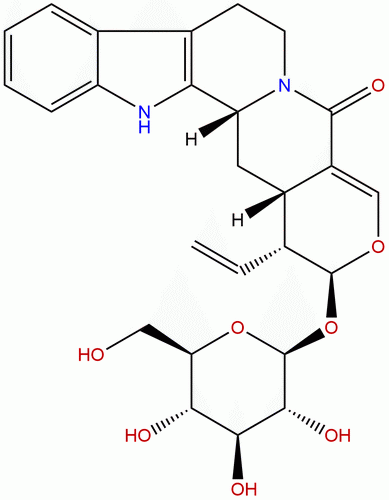
Vincosamide, CAS number 23141-27-7, is a typical monoterpene indole alkaloid glycoside. Its name comes from its discovery history in plants, initially isolated from the Apocynaceae family and later confirmed to be widely present in various plants such as the Rubiaceae family. In recent years, with the deepening of research on the active ingredients of traditional medicinal plants, naringin has gradually become a research hotspot in the field of natural product pharmacology due to its unique pharmacological activity spectrum, especially its inhibitory activity against acetylcholinesterase (AChE) and significant anti-inflammatory and antioxidant effects. These activities demonstrate potential application value in the treatment of neurodegenerative diseases such as Alzheimer's disease and inflammation related diseases. This review aims to systematically sort out the chemical structure, plant origin, pharmacological activity, mechanism of action, and medicinal characteristics of Xiguo glycoside, in order to provide comprehensive scientific basis for the in-depth research and development of this natural product.
Chemical structure and physicochemical properties
The chemical structure of Xiguo glycoside belongs to a glycoside compound in the monoterpenoid indole alkaloid family. Its core skeleton is composed of an indole ring system connected to a secoiridoid unit via a C-C bond, with a glucose group attached at the C-17 site. Specifically, its structure can be described as: a β - carboline or similar indole alkaloid nucleus fused with a cyclopenta pyran or similar monoterpene unit, and connected to D-glucose through a glycosidic bond. This structural feature endows Xiguo glycoside with unique chemical properties and biological activity.
From the perspective of physical and chemical properties, the molecular formula of Xiguo glycoside is C ₂₆ H ∝₀ N ₂ O ₉, with a molecular weight of 498.5320 Da. Its oil-water partition coefficient (LogP) is 0.1835, indicating that the compound has lower lipid solubility and is more likely to be distributed in aqueous environments. This characteristic is consistent with the structural feature of having multiple hydroxyl groups and one sugar moiety in its molecule. The topological polar surface area (TPSA) is 144.7100 Å ², which is much higher than the upper limit of 140 Å ² typically required for oral drugs. This suggests that it may have lower oral bioavailability and is not easily able to penetrate cell membranes. The water solubility parameter is 1.8782, indicating moderate solubility in water. It is worth noting that the blood-brain barrier (BBB) permeability of Xiguo glycoside is evaluated as "low", which is closely related to its high polarity surface area and low fat solubility. In terms of safety prediction, the hERG inhibition assessment result is' no ', indicating a low risk of inducing QT interval prolongation in the heart; The Ames test result is 0.0, indicating that it does not have significant mutagenicity. These physicochemical properties and preliminary safety evaluation results provide important references for the subsequent drug development of Xiguo glycoside, but also point out the potential challenges it may face in oral absorption and central nervous system targeting.
Plant sources and extraction methods
Xiguo glycoside was initially discovered in plants of the Apocynaceae family, but subsequent studies have shown that it is more widely distributed in plants of the Rubiaceae family, especially in the genus Jiujie(Psychotria)The genus Gouteng(Uncaria)Wait. The main sources of plants reported in literature include:Psychotria leiocarpa(Nine nodes of light leaves)Psychotria brachyceras、Psychotria ipecacuanha(Tugen)Uncaria rhynchophylla(Gouteng)Uncaria tomentosa(Cat Claw Vine) and Ourouparia rhynchophylla Wait. These plants are often used in traditional medicine to treat diseases such as inflammation, pain, neurasthenia, and cognitive impairment, and anthocyanins are considered one of their important active ingredients.
The content of anthocyanins in plants varies depending on species, place of origin, harvest season, and location. Usually, it is distributed in the roots, stems, and leaves of plants in the Rubiaceae family, but the content is relatively high in the root bark and stem bark. For example, in Gouteng, hesperidin is one of its main alkaloid components, which works together with rhynchophylline and other substances.
The extraction of anthocyanins is usually carried out using classical phytochemical methods. Due to the high polarity of anthocyanins, commonly used extraction solvents are methanol, ethanol, or aqueous alcohols. A typical extraction process involves crushing dried plant materials and soaking or percolating them in 70% -95% ethanol or methanol at room temperature or under heating conditions. After the extraction solution is concentrated under reduced pressure, crude extract is obtained. Subsequently, the crude extract was preliminarily separated using liquid-liquid extraction method (such as sequentially using petroleum ether, ethyl acetate, and n-butanol for extraction), and naringin is usually enriched in the n-butanol extraction layer. Further purification mainly depends on various chromatographic technologies, including silica gel column chromatography (gradient elution using chloroform methanol water solvent system), reverse phase silica gel column chromatography (such as ODS, methanol water gradient elution), Sephadex LH-20 gel column chromatography (methanol or methanol water elution) and preparative high-performance liquid chromatography (Pre HPLC). Through the combination application of the above methods, high-purity daidzein monomers can be obtained from plant materials for subsequent structural identification and activity research.
Pharmacological activity research
In recent years, significant progress has been made in the pharmacological activity research of anthocyanins, revealing their potential therapeutic effects in multiple disease models, mainly focusing on neuroprotection, anti-inflammatory, and antioxidant aspects.
1. Acetylcholinesterase inhibitory activity and neuroprotective effect
One of the most notable pharmacological activities of Xiguo glycoside is its inhibitory effect on acetylcholinesterase (AChE). AChE is a key enzyme that catalyzes the hydrolysis of the neurotransmitter acetylcholine. In neurodegenerative diseases such as Alzheimer's disease (AD), the function of cholinergic neurons in the brain of patients decreases, and the level of acetylcholine decreases. Inhibiting AChE activity and increasing the concentration of acetylcholine in the synaptic cleft are currently one of the main strategies for treating AD. Research has shown that anthocyanins can inhibit AChE activity in a dose-dependent manner, with a half maximal inhibitory concentration (IC ₅₀) at the micromolar level. Molecular docking studies further revealed that naringin can form hydrogen bonds and π - π stacking interactions with the active sites of AChE, including the catalytic triad Ser203, His447, Glu334, and peripheral anionic site Trp286, thereby stably occupying the active pocket and blocking substrate binding and hydrolysis. This inhibitory mode is similar to AChE inhibitors used clinically, such as donepezil, but as a natural product, naringin may have different binding modes and lower potential for side effects. In addition, Xiguo glycoside has been reported to inhibit butyrylcholinesterase (BuChE), which has increased activity in the brain of advanced AD patients, further exacerbating cholinergic deficiency. Therefore, as a bifunctional acetylcholinesterase inhibitor, Xiguo glycoside has unique advantages in the treatment of AD.
2. Anti inflammatory activity
Inflammation is the pathological basis of various diseases, including neurodegenerative diseases, cardiovascular diseases, and cancer. Xiguo glycoside has shown significant anti-inflammatory effects in various in vitro and in vivo inflammatory models. In the lipopolysaccharide (LPS) - stimulated macrophage model (such as RAW264.7 cells), naringin can significantly inhibit the production of pro-inflammatory cytokines such as tumor necrosis factor - α (TNF - α), interleukin-6 (IL-6), and interleukin-1 β (IL-1 β). Meanwhile, it can also reduce the release of inflammatory mediators such as nitric oxide (NO) and prostaglandin E ₂ (PGE ₂), which is related to its inhibition of the expression of inducible nitric oxide synthase (iNOS) and cyclooxygenase-2 (COX-2). In animal models, Xiguo glycoside has also shown inhibitory effects on acute inflammation (such as carrageenan induced toe swelling) and chronic inflammation (such as adjuvant arthritis). Its anti-inflammatory mechanism is closely related to regulating multiple inflammatory signaling pathways.
3. Antioxidant activity
Oxidative stress is caused by the excessive production of reactive oxygen species (ROS) and reactive nitrogen species (RNS) that exceed the body's antioxidant defense capacity, and is an important cause of cell damage and aging. Xiguo glycoside exhibits excellent antioxidant capacity. In chemical experiments, it can effectively scavenge DPPH radicals, ABTS ⁺ cation radicals, and hydroxyl radicals. In cell models, Xiguo glycoside can reduce intracellular ROS levels induced by hydrogen peroxide (H ₂ O ₂) or other oxidants, alleviating oxidative stress damage to DNA, proteins, and lipids. More importantly, anthocyanins can activate the endogenous antioxidant defense system within cells. Research has shown that it can upregulate the expression and activity of various antioxidant enzymes, including superoxide dismutase (SOD1, SOD2), catalase (CAT), glutathione peroxidase 1 (GPX1), and heme oxygenase-1 (HMOX1). This strategy of combating oxidative stress by activating the cell's own defense mechanism may have a more lasting and comprehensive protective effect compared to directly clearing free radicals.
Mechanism of action and molecular targets
The pharmacological activity of Xiguo glycoside is not derived from a single mechanism, but is achieved through the synergistic action of multiple targets and pathways. Its core mechanism of action can be summarized as follows:
1. Acetylcholinesterase inhibition mechanism
As mentioned earlier, Xiguo glycoside binds to the active sites of AChE and BuChE through competitive or non competitive means. The indole ring in its molecule forms π - π stacking with aromatic amino acid residues of the enzyme (such as Trp286), while the sugar moiety forms a hydrogen bond network with surrounding amino acids, thereby stabilizing the enzyme inhibitor complex. This binding mode effectively prevents the hydrolysis of acetylcholine, thereby enhancing cholinergic neurotransmission. In addition, Xiguo glycoside may also affect its affinity for substrates by regulating the conformational changes of cholinesterase.
2. Regulation of anti-inflammatory signaling pathway
The anti-inflammatory effect of Xiguo glycoside mainly involves the regulation of nuclear factor kappa B (NF - κ B) and mitogen activated protein kinase (MAPK) signaling pathways.
- NF - κ B pathway At rest, NF - κ B binds to its inhibitory protein I κ B and exists in an inactive form in the cytoplasm. When stimulated by pro-inflammatory factors such as LPS and TNF - α, I κ B kinase (IKK) is activated, phosphorylates and degrades I κ B, and releases NF - κ B. Activated NF - κ B translocates into the nucleus, initiating the transcription of various pro-inflammatory genes such as TNF - α, IL-6, iNOS, COX-2. Research has shown that Xiguo glycoside can inhibit the activity of IKK, reduce the phosphorylation and degradation of I κ B, thereby blocking the nuclear translocation and transcriptional activity of NF - κ B, and ultimately downregulating the expression of pro-inflammatory cytokines.
- MAPK pathway The MAPK family includes ERK, JNK, and p38 MAPK, which also play critical roles in inflammatory responses. Xiguo glycoside has been found to inhibit LPS induced phosphorylation of p38 MAPK and JNK, but has little effect on ERK phosphorylation. By inhibiting these MAPK signaling pathways, naringin further reduces the production of inflammatory mediators.
3. Activation of antioxidant defense system
The antioxidant effect of Xiguo glycoside is mainly achieved by activating the nuclear factor E2 related factor 2 (NFE2L2, also known as NRF2) signaling pathway. NRF2 is the core transcription factor that cells use to respond to oxidative stress. Under normal conditions, NRF2 binds to Kelch like ECH related protein 1 (KEAP1), is anchored in the cytoplasm, and is continuously degraded by ubiquitination. When cells are exposed to oxidative stress or electrophilic agents, the conformation of KEAP1 changes, releasing NRF2. NRF2 translocates into the nucleus, forms heterodimers with small Maf proteins, binds to antioxidant response elements (ARE), and initiates transcription of a series of protective genes, including:
- SOD1 and SOD2 Catalytic dismutation of superoxide anion radicals into H ₂ O ₂ and O ₂.
- CAT Decompose H ₂ O ₂ into H ₂ O and O ₂.
- GPX1 Using glutathione to reduce H ₂ O ₂ and organic peroxides to H ₂ O and alcohols.
- HMOX1 Catalytic degradation of hemoglobin produces biliverdin, CO, and Fe ² ⁺, among which biliverdin and its metabolite bilirubin are potent antioxidants.
- MMP1 and MMP3 Although matrix metalloproteinases (MMPs) are primarily associated with extracellular matrix remodeling, their expression is also regulated by oxidative stress and NRF2, playing a role in tissue repair and inflammation resolution.
Xiguo glycoside directly or indirectly modifies the cysteine residues of KEAP1, promoting the release and nuclear translocation of NRF2, thereby upregulating the expression of a series of antioxidant enzymes and phase II detoxifying enzymes, and constructing a powerful cellular defense network. It is worth noting that the regulation of TYR (tyrosinase) by Xiguo glycoside may also be related to its antioxidant activity, as tyrosinase is crucial in melanin synthesis, and melanin itself has antioxidant function.
In summary, Xiguo glycoside achieves synergistic regulation of the cholinergic system, inflammatory response, and oxidative stress by simultaneously acting on multiple key targets and signaling pathways such as AChE, NF - κ B, MAPK, and NRF2. This multi-target mode of action gives it unique advantages in treating complex diseases such as AD, whose pathology involves cholinergic defects, neuroinflammation, and oxidative stress.
Evaluation of drug properties and pharmacokinetics
The evaluation of drug properties is a crucial step in pushing natural products from the laboratory to clinical applications. Based on the physicochemical properties and preliminary pharmacokinetic predictions of Xiguo glycoside, its pharmacological properties can be preliminarily evaluated.
1. Physical and chemical properties and drug like properties
According to the Lipinski Five Rules, an orally active drug should typically meet the following criteria: molecular weight ≤ 500, LogP≤5, The number of hydrogen bond donors is ≤ 5, and the number of hydrogen bond acceptors is ≤ 10. The molecular weight of Xiguo glycoside is 498.5320, approaching the upper limit of 500; LogP is 0.1835, which meets the requirements; But its molecule contains multiple hydroxyl groups and one sugar group, resulting in a much larger number of hydrogen bond donors and acceptors than the five rule limit (usually not met by glycoside compounds). In addition, its TPSA is as high as 144.7 Å ², much higher than the typical threshold for oral medications (<140 Å ²). These characteristics indicate that the membrane permeability of Xiguo glycoside is poor, and its oral bioavailability may be low, which constitutes the main obstacle to its pharmacological development. However, for non oral routes of administration such as injection, nasal administration, or transdermal administration, these restrictions may be partially avoided.
2. Pharmacokinetic characteristics
At present, there is relatively limited experimental data on the pharmacokinetics of Xiguo glycoside in vivo, but predictions based on its physicochemical properties can provide some clues.
- absorb Due to its high polarity and low fat solubility, the absorption of naringin in the gastrointestinal tract may be poor. Its water solubility is moderate (1.8782), which may limit its dissolution rate to some extent. Therefore, after oral administration, its absolute bioavailability is expected to be low.
- distribution The distribution volume of Xiguo glycoside may be relatively small, mainly distributed in extracellular fluid. Its binding rate to plasma proteins is not yet clear, but glycoside compounds usually have low binding rates. Most importantly, its blood-brain barrier permeability is predicted to be 'low', which means it is difficult to enter the central nervous system through passive diffusion. This is a major challenge for its use as an AChE inhibitor to treat AD, as the drug needs to reach the brain to take effect. However, studies have shown that certain glycoside compounds can enter the brain through carrier mediated transport or passive diffusion under pathological conditions that disrupt the blood-brain barrier, such as inflammation.
- Metabolism Xiguo glycoside may undergo extensive metabolism in the body. Its glycosyl portion may be hydrolyzed by gut microbiota or hepatic glycosidases to produce aglycones. Glycosides usually have higher lipid solubility and may be more easily absorbed and penetrate the blood-brain barrier. In addition, its indole ring and monoterpene units may undergo phase I metabolism (such as oxidation, reduction, hydrolysis) and phase II metabolism (such as glucuronidation, sulfation). Therefore, the in vivo activity of Xiguo glycoside may be partially attributed to its metabolites.
- excretion Xiguo glycoside and its metabolites may be mainly excreted through bile and kidneys. Due to its high polarity, renal tubular reabsorption may be less, resulting in a higher renal clearance rate.
3. Safety evaluation
The preliminary safety evaluation results are encouraging. The risk assessment of hERG inhibition is' no ', indicating a low risk of inducing cardiac toxicity. The Ames test result is 0.0, indicating that it does not have genotoxicity. These data preliminarily support its safety, but more comprehensive toxicological evaluations (such as acute toxicity, chronic toxicity, reproductive toxicity, etc.) still need to be conducted in animal models.
Clinical application prospects and prospects
Despite facing challenges in drug development, the unique pharmacological activity spectrum of Xiguo glycoside, especially its multi-target synergistic mode, has shown broad clinical application prospects in the following fields.
1. Treatment of Alzheimer's disease (AD)
AD is a complex neurodegenerative disease, and its pathogenesis involves multiple aspects such as cholinergic deficiency, β - amyloid (A β) deposition, tau protein hyperphosphorylation, neuroinflammation, and oxidative stress. Xiguo glycoside can act on multiple links simultaneously: enhancing cholinergic function by inhibiting AChE; Reduce neuroinflammation by inhibiting the NF - κ B and MAPK pathways; By activating the NRF2 pathway to combat oxidative stress. This multi-target mode of action makes it a potential "multi-target directed ligand" (MTDL), which may have better efficacy and lower side effects than single target drugs such as donepezil. Future research needs to focus on addressing the issue of blood-brain barrier permeability, such as increasing its concentration in the brain through nanocarrier delivery, prodrug design (such as modifying sugar groups into more easily penetrable groups), or nasal administration.
2. Treatment of inflammatory diseases
The strong anti-inflammatory activity of Xiguo glycoside makes it promising in the treatment of various inflammatory diseases, such as rheumatoid arthritis, inflammatory bowel disease, dermatitis, etc. Due to its potential low oral bioavailability, local administration (such as topical application on the skin or rectal administration) or injection may be more feasible routes. For example, developing Xiguogan cream for the treatment of eczema or psoriasis, or developing its injection for the treatment of acute inflammation.
3. Adjuvant therapy for oxidative stress-related diseases
Oxidative stress is the common pathological basis of many chronic diseases, including cardiovascular disease, diabetes, liver disease and aging. Xiguo glycoside, as an activator of NRF2, can enhance the endogenous antioxidant capacity of the body and may serve as an adjuvant therapy for these diseases. For example, it can be used in combination with hypoglycemic drugs or lipid-lowering drugs to reduce oxidative damage in diabetes or atherosclerosis.
4. Future research directions
In order to promote the clinical translation of Xiguo glycoside, future research should focus on the following aspects:
- Research on Structure Modification and Structure Activity Relationship By using semi synthetic or total synthetic methods, the mother nucleus and sugar group of Xiguo glycoside are modified with the aim of improving its lipid solubility, blood-brain barrier permeability, and metabolic stability, while maintaining or enhancing its biological activity. For example, removing or replacing sugar groups, or introducing specific substituents on the indole ring.
- Development of a new drug delivery system Using carriers such as liposomes, nanoparticles, and polymer micelles to encapsulate naringin, in order to enhance its bioavailability and achieve targeted delivery (such as brain targeting or inflammatory tissue targeting).
- In depth pharmacokinetic and toxicological studies Systematically study the absorption, distribution, metabolism, and excretion characteristics of anthocyanins and their metabolites in animal models, and conduct comprehensive acute and chronic toxicity evaluations.
- Pharmacodynamic validation in vivo To validate the therapeutic effect of Xiguo glycoside in animal models of diseases such as AD and arthritis, and explore its optimal administration regimen.
- Combination therapy research Exploring the synergistic effects of Xiguoglycoside with existing drugs such as donepezil, memantine, and nonsteroidal anti-inflammatory drugs, in order to achieve increased efficacy and reduced toxicity.
Conclusion
Xiguo glycoside, as a monoterpenoid indole alkaloid glycoside derived from traditional medicinal plants, has shown important research value in the field of natural product pharmacology due to its unique chemical structure and multi-target pharmacological activity. It achieves synergistic regulation of the cholinergic system, inflammatory response, and oxidative stress by inhibiting acetylcholinesterase, regulating the NF - κ B/MAPK inflammatory pathway, and activating the NRF2 antioxidant pathway, providing new ideas for the treatment of complex diseases such as Alzheimer's disease. However, its inherent physicochemical properties, especially low fat solubility and low blood-brain barrier permeability, constitute the main bottleneck for its drug development. Future research should focus on overcoming these barriers through structural modifications and novel drug delivery systems, and conduct in-depth in vivo pharmacological and toxicological evaluations. Despite the challenges ahead, the potential of naringin as a lead compound cannot be ignored. In depth research on it not only helps to reveal the pharmacological substance basis of traditional plants, but also has the potential to provide valuable molecular templates for the development of innovative drugs, ultimately benefiting human health.