Introduction/Overview
Natural products, as an important source of drug discovery, play an irreplaceable role in the long history of human struggle against diseases. Cycloterpenoid glycosides are a class of secondary metabolites widely present in nature, and have attracted much attention due to their structural diversity and wide range of biological activities. Catalpol, as a representative iridoid glycoside, has been proven to have significant pharmacological effects such as neuroprotection, anti-inflammatory, antioxidant, and hypoglycemic effects. However, its reduced form, dihydrocatalpal (CAS number: 6736-86-3), despite only minor structural differences, exhibits unique pharmacological properties and potential therapeutic value, and is gradually becoming a research hotspot in the field of natural product pharmacology.
Dihydroquercetin is mainly derived from the traditional Chinese medicine Rehmannia glutinosa(Rehmannia glutinosa)Separated from the middle. Dihuang has the effects of clearing heat, cooling blood, nourishing yin, and generating fluids in traditional Chinese medicine theory. It is commonly used to treat symptoms such as yin deficiency, fever, thirst, vomiting blood, bleeding, blood collapse, menstrual disorders, fetal restlessness, and constipation caused by yin injury. Modern pharmacological research has revealed that the active ingredients in Rehmannia glutinosa, especially iridoid glycosides, are the basis for its various pharmacological effects. Dihydroquercetin, as a component with relatively low content but significant activity in Rehmannia glutinosa, has increasingly highlighted its research value. Preliminary studies have shown that dihydroquercetin has shown promising application prospects in neurodegenerative diseases, respiratory system diseases such as asthma, chronic obstructive pneumonia, and allergic rhinitis. Its mechanism of action involves regulating multiple key pathological processes such as cell apoptosis, oxidative stress, neuroinflammation, and protein aggregation.
This article aims to comprehensively review the research status of dihydroquercetin, covering its chemical structure and physicochemical properties, plant sources and extraction methods, pharmacological activity, mechanism of action and molecular targets, pharmacological evaluation and pharmacokinetic characteristics. It also looks forward to its clinical application prospects, in order to provide systematic references for the in-depth research and development of this natural product.
Chemical structure and physicochemical properties
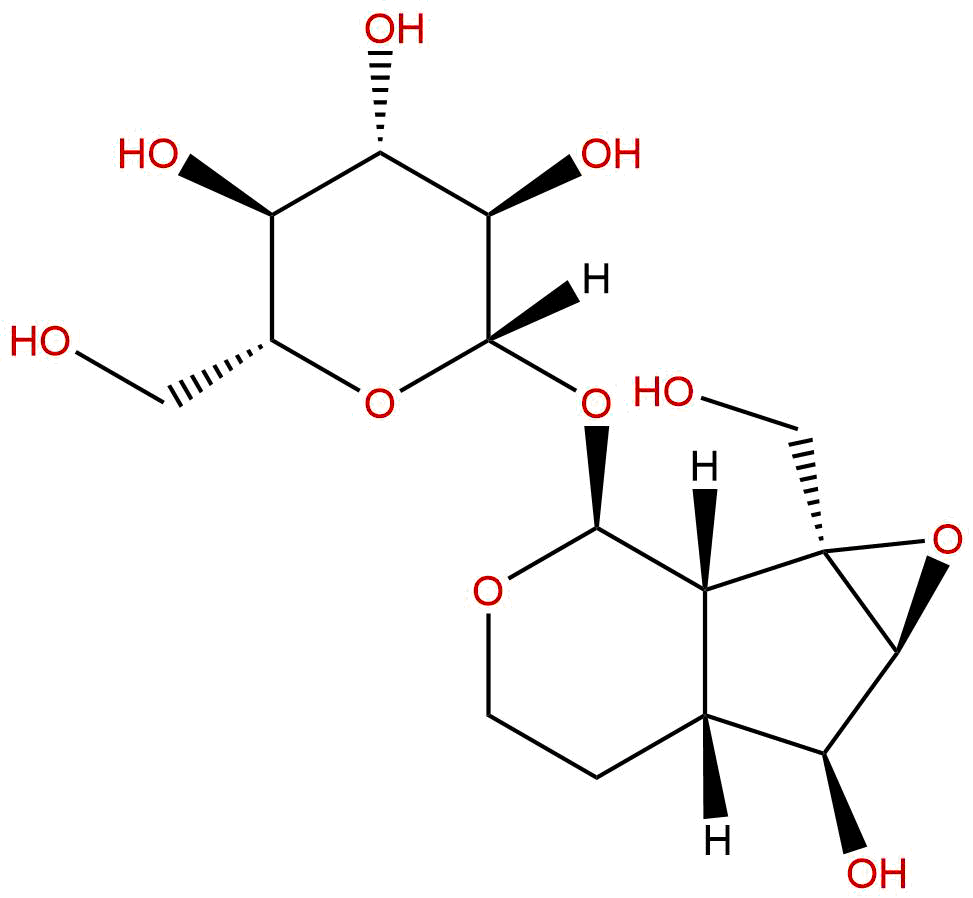
The chemical name of Dihydrocatalpal is (1S, 4aS, 5S, 7S, 7aS) -1- (β - D-glucopyranosyl) -1,4-a, 5,6,7,7a - hexahydro-5,7-dihydroxy-7-methylcyclopentane [c] pyran-4-carboxylic acid methyl ester, with a molecular formula of C ₁₅ H ₂₄ O ₁₀ and a molecular weight of 364.3470. The core of its structure is a cyclopentane [c] pyran skeleton, connected to a β - D-glucosyl group at C-1 position, with hydroxyl groups at C-5 and C-7 positions, a methyl group at C-7 position, and a methyl group at C-4 position. Compared with catalpol, the most significant structural difference of dihydrocatalpol is that the C-7,8 double bond on its cyclopentene ring is reduced to a single bond, forming a saturated cyclopentane structure. Although this structural change is subtle, it significantly affects the conformation, polarity, and interaction mode with biological targets of the molecule.
In terms of physicochemical properties, dihydroquercetin exhibits typical cyclohexene ether terpenoid glycoside characteristics. Its lipophilic water partition coefficient (LogP) is -1.6479, indicating that the compound has extremely high hydrophilicity and good solubility in aqueous phase. The calculated water solubility value is 38.9214 mg/mL, further confirming its good water solubility. The topological polar surface area (TPSA) is 161.6000 Å ², which is much higher than the threshold for passive diffusion across the blood-brain barrier (approximately 60-70 Å ²), indicating limited ability to enter the central nervous system through passive diffusion. In addition, predictions based on computational models show that dihydroquercetin has no inhibitory activity on hERG potassium channels (hERG inhibition: No), and the Ames test result is 0.0, indicating that it did not show significant genetic toxicity risk in early assessment. These physical and chemical properties provide important basic data for the development of dihydroquercetin formulations, selection of administration routes, and safety evaluation.
Plant sources and extraction methods
The main plant source of dihydroquercetin is the plant Rehmannia glutinosa in the family Scrophulariaceae(Rehmannia glutinosa Libosch.)。 The dried root of Rehmannia glutinosa is a commonly used medicinal herb in traditional Chinese medicine. According to different processing methods, it can be divided into fresh Rehmannia glutinosa, raw Rehmannia glutinosa, and cooked Rehmannia glutinosa. Research has shown that dihydroquercetin is distributed in both raw Rehmannia glutinosa and Rehmannia glutinosa, but its content is usually lower than that of its main analogue, quercetin. In addition, dihydroquercetin may also exist in some other plants, but Rehmannia glutinosa is still the main source in current research.
Due to the low content of dihydroquercetin in plants and its frequent coexistence with structurally similar cyclohexene ether terpenoid glycosides such as quercetin, its extraction and purification methods require careful design. Traditional extraction methods often use solvent extraction, with commonly used solvents including water, methanol, ethanol, or mixed solutions of different proportions. Considering the high water solubility of dihydroquercetin, water extraction or low concentration alcohol extraction are commonly used as preliminary extraction methods. In order to improve extraction efficiency and selectivity, modern extraction techniques such as ultrasound assisted extraction, microwave-assisted extraction, enzyme assisted extraction, etc. have also been applied to extract active ingredients from Rehmannia glutinosa. These techniques can significantly improve the extraction rate of dihydroquercetin and shorten the extraction time by disrupting the cell wall, increasing solvent permeation, and accelerating mass transfer processes.
The crude extract after extraction contains a large amount of impurities and requires systematic separation and purification. Common separation methods include:
1. Liquid-liquid extraction By using solvents of different polarities (such as petroleum ether, ethyl acetate, n-butanol, etc.) for fractional extraction of crude extracts, dihydroquercetin can be enriched in the n-butanol layer or water layer.
2. Macroporous adsorption resin column chromatography This is a common method for separating iridoid glycosides. By selecting appropriate types of macroporous resins (such as D101, AB-8, etc.) and using ethanol water systems of different concentrations for gradient elution, impurities such as sugars and pigments can be effectively removed, and target glycoside components can be enriched.
3. Silica gel column chromatography Using solvent systems such as chloroform methanol water for elution can further separate the enriched components.
4. High performance liquid chromatography (HPLC)Especially the preparative HPLC is a key step in achieving high-purity separation of dihydroquercetin. Usually, a reverse phase C18 chromatographic column is used, with acetonitrile water or methanol water as the mobile phase. By isocratic or gradient elution, dihydroquercetin monomer with a purity of over 98% can be obtained.
The success of the entire extraction and purification process depends on the systematic optimization of raw materials, extraction conditions, and chromatographic parameters, combined with efficient analytical and detection methods such as HPLC-UV and LC-MS for real-time monitoring.
Pharmacological activity research
In recent years, research on the pharmacological activity of dihydroquercetin has gradually deepened, mainly focusing on neuroprotection, respiratory disease intervention, and anti-inflammatory and antioxidant aspects.
Neuroprotective effect
The pathological mechanisms of neurodegenerative diseases such as Alzheimer's disease (AD) and Parkinson's disease (PD) are complex, involving multiple links such as neuronal apoptosis, oxidative stress, neuroinflammation, and abnormal protein aggregation. Research has shown that dihydroquercetin exhibits protective effects in various neural cell injury models. For example, in neuronal toxicity models induced by β - amyloid (A β) or glutamate, dihydroquercetin pretreatment can significantly improve cell survival, reduce lactate dehydrogenase (LDH) release, and inhibit cell apoptosis. In addition, in animal models, dihydroquercetin has also been observed to improve cognitive dysfunction and alleviate damage to hippocampal neurons.
Intervention effect on respiratory system diseases
The potential therapeutic effect of dihydroquercetin in respiratory diseases, especially asthma, chronic obstructive pulmonary disease (COPD), and allergic rhinitis, is another important research direction. The core pathological features of these diseases include airway inflammation, airway remodeling, and airway hyperresponsiveness. Preliminary research suggests that dihydroquercetin may exert therapeutic effects by inhibiting the infiltration of airway inflammatory cells, reducing the release of pro-inflammatory cytokines (such as IL-4, IL-5, IL-13, TNF - α), decreasing mucus secretion, and inhibiting abnormal proliferation of airway smooth muscle. In allergic rhinitis models, dihydroquercetin may alleviate nasal allergy symptoms by regulating Th1/Th2 immune balance, inhibiting IgE production and degranulation of mast cells.
Anti inflammatory and antioxidant activity
Inflammation and oxidative stress are common pathological foundations of many diseases. Dihydroquercetin has been proven to have significant anti-inflammatory and antioxidant activities. In vitro experiments have shown that it can inhibit macrophages (such as RAW264.7 cells) stimulated by lipopolysaccharide (LPS) from producing nitric oxide (NO), prostaglandin E2 (PGE2), and various pro-inflammatory cytokines. The mechanism may be related to the inhibition of the activation of the nuclear factor kappa B (NF - κ B) signaling pathway. Meanwhile, dihydroquercetin can directly scavenge free radicals such as DPPH free radicals and ABTS cationic free radicals, and enhance the activity of endogenous antioxidant enzymes in cells such as superoxide dismutase (SOD), glutathione peroxidase (GSH Px), and catalase (CAT), thereby reducing oxidative stress damage.
Mechanism of action and molecular targets
The pharmacological activity of dihydroquercetin is the comprehensive result of its interaction with multiple molecular targets and regulation of multiple signaling pathways. Based on existing research, its core mechanism of action can be summarized into the following aspects, among which targets related to neuroprotection are particularly prominent.
Regulating cell apoptosis and survival signaling pathways
The neuroprotective effect of dihydroquercetin is closely related to its regulation of cell apoptosis. It can upregulate the expression of anti apoptotic protein BCL2 and downregulate the expression of pro apoptotic protein BAX, thereby inhibiting the mitochondrial mediated endogenous apoptosis pathway. In addition, dihydroquercetin can also inhibit the activation of CASP9 (cysteine aspartic protease 9), thereby blocking the activation of downstream CASP3, ultimately reducing DNA fragmentation and cell apoptosis. At the same time, it can also activate survival promoting signaling pathways, such as the PI3K/Akt and MAPK/ERK pathways. Research has shown that dihydroquercetin can regulate the phosphorylation level of MAPK1 (i.e. ERK2), promote cell survival and neurite outgrowth by activating ERK signaling.
Intervention in amyloid metabolism and Tau protein phosphorylation
In the study of Alzheimer's disease, the target of dihydroquercetin directly points to the core pathological features of the disease - A β deposition and neurofibrillary tangles. It can downregulate the expression and activity of β - secretase 1 (BACE1), which is a key enzyme catalyzing the production of A β from amyloid precursor protein (APP). By inhibiting BACE1, dihydroquercetin reduces the production and aggregation of A β. Meanwhile, it can also inhibit the activity of glycogen synthase kinase 3 β (GSK3B). GSK3B is one of the main kinases involved in excessive phosphorylation of Tau protein. When its activity is inhibited, the phosphorylation level of Tau protein decreases, thereby reducing the formation of neurofibrillary tangles. In addition, dihydroquercetin can also regulate the processing of APP, which may promote the pathway of non amyloid protein generation.
Activate the antioxidant stress defense system
Oxidative stress is an important driving factor for neurodegenerative and respiratory diseases. Dihydroquercetin can activate the nuclear factor E2 related factor 2 (NFE2L2, Nrf2) signaling pathway. Nrf2 is the main transcriptional regulator of cellular antioxidant response. After activation, it translocates into the nucleus and binds to antioxidant response elements (ARE), initiating the expression of downstream antioxidant and detoxifying enzyme genes such as HO-1, NQO1, SOD, GSH Px, etc. By enhancing the antioxidant defense ability of cells, dihydroquercetin can effectively eliminate reactive oxygen species (ROS), reduce oxidative damage, and protect cellular function.
Regulating neuroinflammation and energy metabolism
Chronic neuroinflammation is another major characteristic of neurodegenerative diseases. Dihydroquercetin can inhibit the excessive activation of microglia and astrocytes, reduce the release of pro-inflammatory factors (such as TNF - α, IL-1 β, IL-6) and inflammatory mediators (such as NO, PGE2). The mechanism may involve inhibiting inflammatory signaling pathways such as NF - κ B and MAPK (such as p38, JNK). In addition, dihydroquercetin has been found to activate the deacetylase SIRT1. SIRT1 is an NAD+- dependent histone deacetylase involved in regulating cellular metabolism, stress resistance, and aging processes. Activation of SIRT1 can improve mitochondrial function, enhance energy metabolism, and have anti-inflammatory and anti apoptotic effects, which may be another important pathway for dihydroquercetin to exert neuroprotective effects.
Evaluation of drug properties and pharmacokinetics
To develop natural products into clinical drugs, it is necessary to systematically evaluate their pharmacological properties, including pharmacokinetic characteristics and preliminary safety.
Analysis of drug properties parameters
According to calculations and predictions, the pharmacological parameters of dihydroquercetin exhibit distinct characteristics. Its molecular weight (364.35 Da) and the number of hydrogen bond donors/acceptors meet the basic requirements of Lipinski's "Five Rules", indicating its potential to become an oral drug. However, its extremely high hydrophilicity (LogP=-1.65) and large polar surface area (TPSA=161.6 Å ²) are its main challenges. High polarity leads to poor lipid solubility, which is not conducive to passive diffusion through biological membranes, especially the blood-brain barrier (BBB). The prediction shows that its BBB permeability is "low", which is consistent with its high TPSA value. This means that in order to develop dihydroquercetin as a central nervous system drug, special formulation techniques (such as nanoparticles, liposomes, prodrug design) or non oral administration routes (such as nasal administration) need to be used to overcome BBB barriers. On the other hand, high water solubility is beneficial for its development in aqueous formulations and may be absorbed through cell pathways or transporter mediated pathways.
Pharmacokinetic characteristics
At present, there is relatively limited experimental data on the pharmacokinetics of dihydroquercetin in vivo, but based on the study of its structurally similar compound quercetin, some of its characteristics can be inferred. The oral bioavailability of cyclohexene ether terpenoid glycosides is usually low, mainly due to their poor stability in the gastrointestinal tract (which may be hydrolyzed by acids or metabolized by gut microbiota) and poor intestinal wall permeability. After absorption, dihydroquercetin may be widely distributed in the body, but due to its polarity, it is mainly distributed in the extracellular fluid. Its metabolism may involve II phase metabolic reactions such as deglycosylation (hydrolysis to aglycones), methylation, sulfation, or glucuronidation. The excretion pathway may be mainly through renal excretion, as its high water solubility makes it easy to be excreted with urine. The half-life may be short and requires frequent administration or development of sustained-release formulations. The systematic pharmacokinetic study of dihydroquercetin, including its absorption, distribution, metabolism, and excretion (ADME) processes in animals and humans, is a key direction for future research.
Preliminary Safety Assessment
Early computational toxicology predictions provided positive signals for the safety of dihydroquercetin. The Ames test result was 0.0, indicating no significant mutagenicity. There is no inhibitory activity on hERG potassium channels, reducing their risk of causing QT interval prolongation and arrhythmia in the heart. These preliminary data support its potential as a lead compound for subsequent development. However, a comprehensive safety evaluation still needs to be completed through systematic in vitro and in vivo toxicology experiments, including acute toxicity, long-term toxicity, reproductive toxicity, genetic toxicity, etc., to determine its safe dose range and potential adverse reactions.
Clinical application prospects and prospects
The unique pharmacological activity and relatively clear molecular mechanism of dihydroquercetin bring hope for its clinical application in various diseases, but also face many challenges.
Potential application areas
- Neurodegenerative diseases Due to its comprehensive effects in regulating A β metabolism, Tau protein phosphorylation, oxidative stress, neuroinflammation, and cell apoptosis, dihydroquercetin is considered a potential multi-target drug for the treatment of Alzheimer's disease. It may have better therapeutic effects than single target drugs by intervening in multiple pathological processes simultaneously. In addition, its application in other neurodegenerative diseases such as Parkinson's disease and Huntington's disease is also worth exploring.
- Respiratory system diseases The anti-inflammatory, antioxidant, and immunomodulatory activities of dihydroquercetin make it potential for the treatment of asthma, COPD, and allergic rhinitis. It may improve symptoms and delay disease progression by inhibiting airway inflammation, reducing oxidative damage, and regulating immune imbalance.
- Metabolic diseases Rehmannia glutinosa is used in traditional medicine to treat diabetes (diabetes). As one of its active components, dihydrocatalpol may have the effect of improving insulin resistance and regulating glucose and lipid metabolism, which is worthy of in-depth study in diabetes and its complications.
- Other inflammatory diseases Its broad-spectrum anti-inflammatory activity suggests that dihydroquercetin may also play a role in other inflammation related diseases such as rheumatoid arthritis, inflammatory bowel disease, dermatitis, etc.
Challenges and Solutions Faced
- Low oral bioavailability This is a common problem faced by iridoid glycosides. The solution strategy includes: a) structural modification: through prodrug design, such as esterification or etherification of its polar groups (such as hydroxyl and carboxyl groups) to improve lipid solubility, and release the original drug through enzymatic interpretation in vivo; b) New formulation technology: utilizing nanoliposomes, polymer nanoparticles, phospholipid complexes, self microemulsifying drug delivery systems, etc. to improve their oral absorption and bioavailability; c) Change the route of administration: For central nervous system diseases, nasal administration can directly bypass the BBB and deliver the drug to the brain.
- Poor blood-brain barrier permeability In addition to the above-mentioned formulations and administration strategies, the use of receptor-mediated transport systems can also be explored, such as coupling dihydroquercetin with ligands that can target specific receptors on the BBB (such as transferrin receptor and insulin receptor) to achieve brain targeted delivery.
- Limited sources and costs Dihydroquercetin has a low content in plants and high extraction and purification costs. In the future, sustainable and low-cost production of dihydroquercetin can be achieved through biotechnological means, such as using genetic engineering to modify Rehmannia glutinosa or constructing microbial cell factories (such as yeast and Escherichia coli) for heterologous synthesis.
- The mechanism of action needs to be further elucidated Although multiple targets have been identified, their direct molecular target proteins are not yet fully understood. In the future, it is necessary to combine chemical biology methods (such as drug affinity reaction target stability DARTS, cell thermal transition analysis CETSA, photoaffinity labeling, etc.) to identify the proteins directly bound by it, in order to more accurately understand its mechanism of action.
Conclusion
Dihydroquercetin, as a natural iridoid glycoside isolated from traditional Chinese medicine Rehmannia glutinosa, has shown great potential as a multi-target drug lead compound due to its significant pharmacological activities in neuroprotection, anti-inflammatory, antioxidant, and intervention in respiratory diseases. Its mechanism of action involves regulating multiple key molecular targets and signaling pathways closely related to disease pathology, such as BCL2, APP, BACE1, MAPT, NFE2L2, SIRT1, MAPK1, CASP9, GSK3B, etc., reflecting the advantages of multi-target synergistic effects of natural products.
However, from laboratory discoveries to clinical applications, dihydroquercetin still faces significant challenges such as low oral bioavailability and poor blood-brain barrier permeability. Future research should focus on: 1) systematically addressing pharmacokinetic bottlenecks through structural modifications, novel formulation technologies, or non oral administration routes; 2) Utilizing advanced chemical biology and systems biology methods to thoroughly elucidate its direct molecular targets and complete signal network; 3) Conduct comprehensive preclinical pharmacological, pharmacokinetic, and toxicological evaluations; 4) Explore its synergistic effect with existing drugs and develop combination therapy plans; 5) Develop sustainable biosynthetic or semi synthetic methods to meet potential large-scale production needs in the future.
In short, dihydroquercetin is a natural product molecule with great research value and development prospects. Despite the numerous challenges ahead, with the continuous integration and in-depth research of interdisciplinary technologies, dihydroquercetin and its derivatives are expected to become new drug candidate molecules for the treatment of complex diseases such as neurodegenerative diseases and respiratory system diseases in the future, contributing to the cause of human health.