| Catalog No | Package | Original Price | Price | Inventory | Quantity | Operating |
|---|---|---|---|---|---|---|
| BP3633-5mg | 5mg | $420.00 | Sign in |
|


Storage conditions:Short-term storage at 2~8℃, long-term storage at -20 ~ -80℃
85.2200
2.5141
2.5120
.0793
4.0232
3.9051
High
90.3180
3.4804
No
No
No
No
Yes
No
0.0
Yes
Yes
Yes
Yes
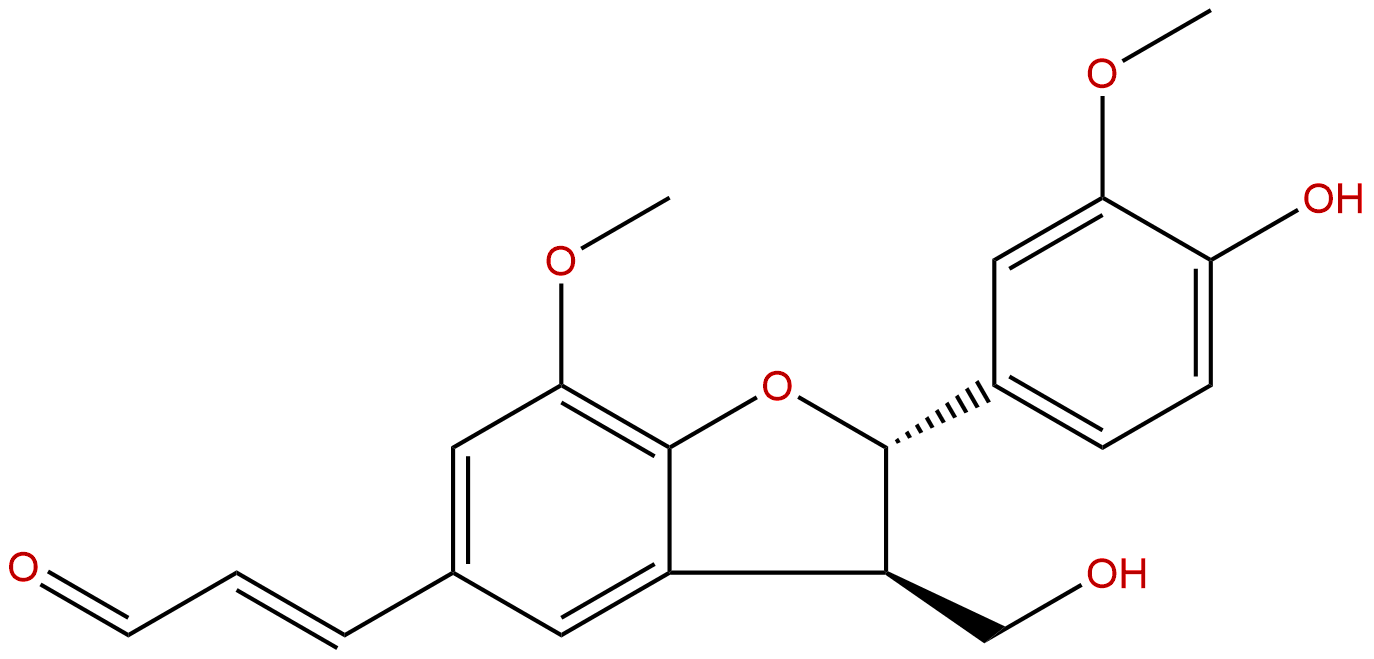
Balanophonin (+) -, CAS number: 215319-47-4) is a natural product derived from plants in the family Colubriaceae. In recent years, it has received widespread attention for its significant anti-inflammatory and anticancer activities. As a stilbene based lignan compound with multiple biological activities, dextrorotatory serpentinine has shown unique potential in the treatment of neurodegenerative diseases and tumors. Its main mechanism of action involves inhibiting the activation of microglia, thereby reducing neuroinflammation and cell apoptosis, and exerting anti-cancer effects in malignant tumors such as lymphoma by regulating multiple key molecular targets. This article aims to systematically review the chemical structure, sources, pharmacological activity, mechanism of action, and pharmacological evaluation of Dexmedetomidine, explore its clinical application prospects, and provide theoretical basis for subsequent research and development.
Dexmedetomidine belongs to the lignan class compounds, with a molecular formula of C20H20O6 and a molecular weight of 356.3740. Its structural features include two benzene rings connected by an ethylene bridge, and the molecule contains multiple hydroxyl and methoxy groups, endowing it with good polarity and biological activity. The LogP value of Dexmedetomidine is 2.5141, indicating its moderate lipid solubility, which is beneficial for cell membrane penetration and in vivo distribution. The topological polar surface area (TPSA) is 85.2200, indicating that it has a certain polarity and is conducive to binding with biomolecules. Low water solubility (0.0793 mg/mL) suggests limited solubility in aqueous phase, but high lipid solubility and blood-brain barrier permeability (high) make it advantageous in the treatment of neurological diseases. The negative result of hERG channel inhibition experiment indicates a low risk of cardiac toxicity; The Ames test showed 0.0, indicating no significant genotoxicity and good safety.
Dexmedetomidine is mainly found in plants of the family Asparagaceae, especially in the rhizomes and stems of Balanophora spp. Snakehead plants are widely distributed in tropical and subtropical regions of Asia and have traditionally been used in folk medicine to treat various diseases. The common methods for extracting right-handed serpentinine include solvent extraction and column chromatography separation. Generally, ethanol or methanol is used as the extraction solvent, and ultrasound assisted extraction is used to improve the extraction efficiency. After concentration, the extraction solution was purified using techniques such as silica gel column chromatography and reverse phase high performance liquid chromatography (RP-HPLC) to obtain high-purity right-handed serpentinine. In recent years, the application of supercritical fluid extraction and membrane separation technology has also provided new ideas for improving extraction efficiency and purity.
Research on the anti-inflammatory properties of Dexmedetomidine has shown that it can significantly inhibit the activation of microglia. As immune cells of the central nervous system, the overactivation of microglia is a key pathological process in various neurodegenerative diseases. Dexmedetomidine reduces the expression of pro-inflammatory factors (such as TNF - α, IL-1 β, IL-6), lowers oxidative stress levels, alleviates neuroinflammatory responses, and protects neurons from inflammation mediated damage. In addition, Dexmedetomidine can also regulate the nuclear factor kappa B (NF - κ B) signaling pathway and inhibit the transcriptional activity of inflammatory genes.
In the field of oncology, Dexmedetomidine has shown significant inhibitory effects on lymphoma cells. Its anti-cancer mechanism involves inducing tumor cell apoptosis, blocking cell cycle progression, and inhibiting tumor cell proliferation and migration. In vitro experiments have shown that Dexmedetomidine can regulate various key molecular targets associated with lymphoma, including anti apoptotic proteins MCL1 and BCL2, cell cycle regulator CDC25B, as well as signal transduction factors STAT3 and NF - κ B. In addition, right-handed snakehead activates tumor suppressor protein TP53, promotes the initiation of cell apoptosis pathways, and enhances anti-cancer effects.
Dexmedetomidine exhibits potential neuroprotective effects by inhibiting apoptosis induced by microglia and reducing neurodegeneration. It regulates neuronal survival related signaling pathways, reduces neuroinflammation and oxidative damage, and delays neural function decline. Animal model studies have shown that Dexmedetomidine can improve cognitive impairment and alleviate symptoms of neurodegenerative diseases such as Parkinson's disease and Alzheimer's disease.
The mechanism of action of Dexmedetomidine is complex, involving the regulation of multiple signaling pathways and molecular targets. In terms of anti-inflammatory and neuroprotective effects, Dexmedetomidine mainly inhibits the activation of microglia, blocks the NF - κ B signaling pathway, reduces the release of pro-inflammatory cytokines, lowers oxidative stress levels, and prevents neuronal apoptosis.
In the anti-cancer effect, the key targets regulated by Dexmedetomidine include:
These multi-target mechanisms of action demonstrate the advantages of right-handed serpentine as a multifunctional natural product, laying the foundation for its application in the treatment of complex diseases.
The pharmacological parameters of Dexmedetomidine indicate that it has good potential for drug development. The molecular weight of 356.3740 conforms to Lipinski's rule, and the LogP value of 2.5141 indicates moderate lipid solubility, which is beneficial for membrane permeation and tissue distribution. The TPSA is 85.2200, suitable for oral absorption. Low water solubility suggests the need to improve solubility through pharmaceutical formulation technology to enhance bioavailability.
Its high blood-brain barrier permeability is an important advantage in treating neurological diseases, which can effectively reach central nervous system targets. The hERG channel inhibition experiment was negative, reducing the risk of cardiac toxicity. The Ames test is negative, indicating no significant mutagenicity and high safety.
At present, there is limited pharmacokinetic research on Dexmedetomidine. Preliminary data shows that it is well absorbed orally, widely distributed in the body, and its metabolic pathway mainly involves the liver enzyme system. Its excretion is mainly through bile and urine. In the future, further systematic research is needed on its metabolic kinetics, drug interactions, and long-term toxicological evaluation.
Dexmedetomidine has shown broad clinical application prospects due to its multiple activities of anti-inflammatory, anticancer, and neuroprotective effects. Its potential application in neurodegenerative diseases such as Alzheimer's disease and Parkinson's disease, based on its mechanism of inhibiting microglial activation and neuroinflammation, may provide new strategies for diseases that currently lack effective treatment methods.
In the field of tumor treatment, especially lymphoma, Dexmedetomidine has the potential to be used as an adjuvant or combination therapy by regulating tumor cell survival and proliferation through multiple targets. In the future, targeted therapy and immunotherapy can be combined to enhance treatment efficacy and reduce the risk of drug resistance.
However, the clinical translation of Dexmedetomidine still faces challenges, including improving water solubility and bioavailability, clarifying pharmacokinetics and safety, optimizing dosing regimens, etc. Multidisciplinary collaboration in conducting systematic preclinical and clinical research will be the key to promoting its clinical application.
In addition, the design and synthesis of derivatives based on the structure of Dexmedetomidine have the potential to obtain more efficient and safer candidate drugs, expanding their indications.
Dexmedetomidine, as a natural product with significant anti-inflammatory and anticancer activities, has shown broad application prospects in the treatment of neurodegenerative diseases and tumors due to its unique chemical structure and multi-target mechanism of action. Its good pharmacological parameters and safety provide favorable conditions for drug development. In the future, its pharmacological mechanism, pharmacokinetics, and preclinical research should be strengthened to promote its clinical translation. At the same time, by combining modern drug design and formulation technology, optimizing its drug performance, promoting the development of Dexmedetomidine and its derivatives into innovative drugs, and providing new solutions for the treatment of related diseases.
