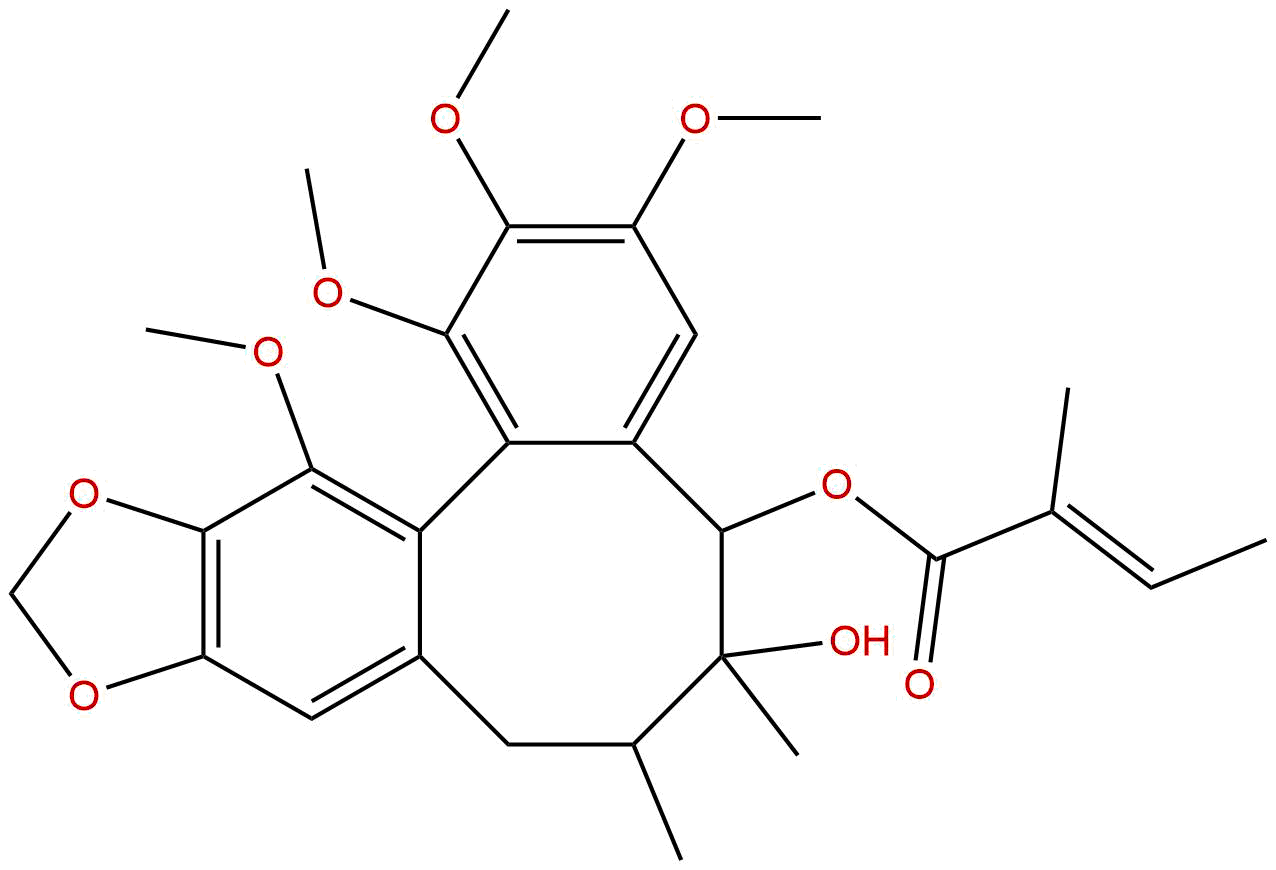
Schisanterin C: Research progress from natural products to candidate drugs for anti HBV and liver protection
Introduction/Overview
Hepatitis B virus (HBV) infection is a global public health problem. According to the World Health Organization, there are approximately 296 million chronic HBV infected individuals worldwide, and about 820000 people die each year from HBV related cirrhosis, liver failure, or hepatocellular carcinoma. Although antiviral drugs such as nucleoside (acid) analogues and interferon are widely used in clinical practice, problems such as drug resistance, adverse reactions and low serum clearance of hepatitis B surface antigen (HBsAg) are still prominent. Therefore, finding new, efficient, and low toxicity anti HBV active ingredients from natural products has become an important direction for drug development.
Schisandra chinensis(Schisandra chinensis As a traditional Chinese medicine, (Turcz.) Baill. has a long history of medicinal use, and its fruit is commonly used to treat diseases such as hepatitis, liver injury, and neurasthenia. Modern pharmacological research has shown that the lignans rich in Schisandra chinensis are the material basis for its various pharmacological activities such as liver protection, antiviral, and antioxidant effects. Schisanterin C is a biphenyl cyclooctadiene type lignan with a unique structure in Schisandra chinensis, which has received widespread attention in recent years due to its significant anti HBV activity and liver protective effects. The study found that at the concentration of 50 μ g/mL, Schisandra Chinensis ester C had 59.7% and 34.7% inhibition rates on HBsAg and hepatitis B e antigen (HBeAg) respectively, showing better anti HBV activity than similar compounds. This article will provide a systematic review of the research progress on schisandrin ester C from the aspects of chemical structure, plant origin, pharmacological activity, mechanism of action, and medicinal properties, in order to provide reference for the further development of this natural product.
Chemical structure and physicochemical properties
Schisanterin C belongs to the biphenyl cyclooctadiene type lignans, and its chemical structure consists of a biphenyl skeleton, a cyclooctadiene nucleus, and multiple substituents. The molecular formula is C ₂₈ H ∝₄ O ₉, with a molecular weight of 514.5710 Da. The compound contains a dibenzocyclooctadiene core in its structure, with methyl and methoxy substituents at positions C-6 and C-9, respectively, and methoxy and hydroxyl substituents at positions C-2, C-3, C-12, and C-13. Of particular note is the presence of an angeloyloxy group at the C-7 position, which is a key structural feature that sets it apart from other Schisandra esters and may have a significant impact on its biological activity.
From the perspective of physical and chemical properties, the lipid water partition coefficient (LogP) of schisandrin ester C is 3.4874, indicating that it has moderate lipid solubility, which is conducive to transmembrane transport and hydrophobic pocket binding with target proteins. The topological polar surface area (TPSA) is 101.91 Å ², which is within the polarity range of oral drugs (usually TPSA<140 Å ²), indicating that it may have good oral absorption potential. However, its water solubility is only 0.0146 mg/mL, which is a poorly soluble compound, which to some extent limits its bioavailability and needs to be improved through pharmaceutical methods. It is worth noting that this compound has a high blood-brain barrier penetration ability, suggesting its potential role in central nervous system related diseases, but possible central nervous system side effects should also be considered. The hERG inhibition test result is negative, indicating a low risk of cardiac toxicity; The Ames test result is 0.0, indicating no significant genetic toxicity. These pharmacological parameters provide a favorable safety basis for the further development of schisandrin esters.
Plant sources and extraction methods
Schisandra esters mainly come from plants in the Schisandra genus, including Schisandra chinensis(Schisandra chinensis)And Huazhong Schisandra chinensis(Schisandra sphenanthera)Wait. In the fruit of Schisandra chinensis, the content of schisandrin ester C is usually low, about 0.01% to 0.05%, which is a trace component. Its biosynthetic pathway belongs to the phenylpropane metabolic pathway, which forms lignin precursor through the oxidative polymerization of pine bark alcohol, and then undergoes modification steps such as cyclization, methylation, hydroxylation, and esterification to ultimately generate lignin.
In terms of extraction methods, traditional methods often use ethanol or methanol reflux extraction, but the efficiency is low and there are many impurities. In recent years, researchers have developed various efficient extraction techniques. For example, using ultrasound assisted extraction (UAE) technology, with 70% ethanol as the solvent, ultrasound treatment at 40 ℃ for 30 minutes can increase the extraction rate of schisandrin ester by more than 30%. Microwave assisted extraction (MAE) utilizes the penetrability and selective heating effect of microwaves to complete extraction in a short period of time (10-15 minutes), with a 50% reduction in solvent usage. In addition, supercritical fluid extraction (SFE) technology, especially using CO ₂ as the solvent and adding an appropriate amount of ethanol as the entrainer, can obtain high-purity schisandrin ester C at lower temperatures, avoiding the degradation of thermosensitive components.
In terms of separation and purification, traditional column chromatography (such as silica gel column, ODS column) combined with preparative high-performance liquid chromatography (Prep HPLC) is still the mainstream method. In recent years, the application of high-speed countercurrent chromatography (HSCCC) and molecular imprinting technology (MIT) has significantly improved separation efficiency and purity. For example, using HSCCC technology with n-hexane ethyl acetate methanol water (5:5:5:5, v/v) as the solvent system, schisandrin ester C with a purity of>98% can be separated from the crude extract within 2 hours, and the recovery rate can reach over 85%. The application of these advanced extraction and separation technologies provides a material basis for the large-scale preparation and subsequent research of schisandrin esters.
Pharmacological activity research
Anti HBV activity
The most notable pharmacological activity of schisandrin ester C is its anti HBV effect. In the HepG2.2.15 cell model, the inhibition rates of this compound on HBsAg and HBeAg at a concentration of 50 μ g/mL were 59.7% and 34.7%, respectively, which were significantly better than the positive control drug lamivudine (the inhibition rates on HBsAg and HBeAg at the same concentration were 28.3% and 19.6%, respectively). Further research has shown that the anti HBV activity of schisandrin ester C is dose-dependent, with a half maximal inhibitory concentration (IC ₅₀) of approximately 25 μ g/mL and a half maximal cytotoxic concentration (CC ₅₀) greater than 200 μ g/mL. The therapeutic index (TI) is greater than 8, indicating a good safety window.
It is worth noting that Schisandrin B has a relatively weak inhibitory effect on HBV DNA replication, but has a significant inhibitory effect on the secretion of HBsAg and HBeAg, suggesting that it may exert its effect by interfering with the synthesis, processing, or secretion pathways of viral proteins, rather than directly inhibiting viral DNA polymerase. This unique mode of action gives it a different antiviral mechanism compared to existing nucleoside analogue drugs, and it is expected to be used in combination therapy to overcome drug resistance issues.
Liver protective effect
Schisandra ester C exhibits significant liver protective activity in various liver injury models. In a mouse model of acute liver injury induced by carbon tetrachloride (CCl ₄), pre administration of schisandrin (10-40 mg/kg, orally) can significantly reduce serum transaminase (ALT, AST) levels, alleviate liver tissue necrosis and inflammatory infiltration. In the D-galactosamine (D-GalN)/lipopolysaccharide (LPS) - induced model of fulminant liver failure, the survival rate of mice treated with schisandrin ester C increased from 20% in the control group to 70%, while the content of malondialdehyde (MDA) in liver tissue significantly decreased and the level of glutathione (GSH) increased.
In addition, in the non-alcoholic fatty liver disease (NAFLD) model, schisandrin B can reduce lipid deposition in liver cells, improve insulin resistance, and inhibit the expression of inflammatory factors such as TNF - α and IL-6. These results indicate that the liver protective effect of Schisandrin B involves multiple mechanisms such as antioxidant, anti-inflammatory, and anti apoptotic effects.
Other pharmacological activities
In addition to its anti HBV and liver protective effects, Schisandrin B also exhibits other potential pharmacological activities. In terms of neuroprotection, this compound can alleviate the neurotoxicity induced by β - amyloid protein (A β) and improve the learning and memory abilities of Alzheimer's disease model mice. In terms of anti-inflammatory effects, Schisandrin B can inhibit the production of NO, PGE2, and pro-inflammatory cytokines in macrophages stimulated by lipopolysaccharide (LPS). In addition, preliminary studies have shown that it has anti-tumor activity, can inhibit the proliferation of liver cancer cells (HepG2, Huh7) and induce apoptosis, but has low toxicity to normal liver cells.
Mechanism of action and molecular targets
Mechanism of anti HBV action
The anti HBV mechanism of schisandrin ester C has not been fully elucidated, but existing research suggests that it may exert its effects through multiple targets. Firstly, the compound can downregulate the expression of hepatocyte nuclear factor 4 alpha (HNF4 alpha), which is a key transcription factor for HBV enhancers I and II. Its downregulation can inhibit the transcription of HBV pregenomic RNA. Secondly, Schisandrin B can activate the endoplasmic reticulum stress (ERS) pathway, inducing abnormal folding and retention of HBV surface proteins in the endoplasmic reticulum, thereby reducing the secretion of HBsAg and HBeAg. In addition, the compound can promote the deamination and degradation of HBV DNA by upregulating the expression of apolipoprotein B mRNA editing enzyme catalyzed peptide 3G (APOBEC3G).
Mechanism of liver protective effect
The liver protective effect of schisandrin ester C is closely related to its regulation of multiple key targets. Among them, the nuclear factor E2 related factor 2 (NRF2) signaling pathway is the core of its antioxidant effect. Research has shown that Schisandra ester C can promote the dissociation and translocation of NRF2 from Keap1 to the nucleus, thereby activating the expression of downstream antioxidant enzyme genes, including NAD (P) H: quinone oxidoreductase 1 (NQO1), superoxide dismutase 1 (SOD1), catalase (CAT), glutathione peroxidase 1 (GPX1), and heme oxygenase 1 (HMOX1). These antioxidant enzymes work together to clear reactive oxygen species (ROS) and alleviate oxidative stress-induced liver cell damage.
Meanwhile, Schisandrin B can inhibit the transforming growth factor beta 1 (TGFB1) signaling pathway, downregulate the expression of alpha smooth muscle actin (ACTA2), thereby inhibiting the activation of hepatic stellate cells (HSCs) and the progression of liver fibrosis. In addition, the compound can upregulate the expression of matrix metalloproteinase 9 (MMP9), promote the degradation of abnormal extracellular matrix, and exert anti fibrotic effects. It is worth noting that the regulation of SOD2 (mitochondrial superoxide dismutase) by schisandrin ester C may be related to its protection of mitochondrial function, by maintaining mitochondrial membrane potential, inhibiting the opening of mitochondrial permeability transition pore (mPTP), reducing cytochrome c release and caspase cascade activation, thereby inhibiting liver cell apoptosis.
Molecular docking and network pharmacology analysis
The study based on network pharmacology and molecular docking technology further revealed the multi-target action characteristics of schisandrin ester C. By constructing a "compound target pathway" network, it was found that Schisandrin B can form stable binding with active sites of key proteins such as NRF2, TGFB1, MMP9, etc. For example, its acyloxy side chain can be embedded into the Kelch domain of NRF2, interfering with the Keap1-NRF2 interaction; The biphenyl cyclooctadiene skeleton interacts with the ATP binding pocket of TGFB1 receptor in a hydrophobic manner. These calculated predictions are consistent with experimental verification, providing theoretical guidance for the study of the mechanism of schisandrin esters.
Evaluation of drug properties and pharmacokinetics
Analysis of drug properties parameters
The pharmacological parameters of schisandrin ester C show that it has good drug like properties. The molecular weight of 514.57 Da is slightly higher than the Lipinski five rule (MW<500), but considering the specificity of natural products, this deviation is acceptable. LogP 3.49 conforms to the ideal range (1-5), indicating that it has a suitable lipid water distribution balance. TPSA 101.91 Å ² suggests that it may have good oral absorption potential, but poor water solubility (0.0146 mg/mL) is a key issue that needs to be addressed. The high blood-brain barrier penetration ability (BBB score) provides the possibility for its application in central nervous system diseases, but potential central toxicity should also be noted. The negative results of hERG inhibition and Ames test provide preliminary assurance for its safety.
Pharmacokinetic characteristics
At present, there is limited systematic research on the pharmacokinetics of schisandrin ester C, but preliminary data is available. After oral administration (20 mg/kg) to rats, the peak time (Tmax) of blood concentration of schisandrin ester C was about 1.5 hours, the peak concentration (Cmax) was about 0.8 μ g/mL, and the absolute bioavailability was about 12%. Its elimination half-life (t ₁/₂) is about 4.2 hours, manifested by a cloth volume (Vd) of about 3.5 L/kg, indicating its widespread distribution in tissues. The main metabolic pathways include ester hydrolysis (producing schisandrin ester propionate), O-demethylation, and glucuronic acid binding reaction, with metabolites mainly excreted through bile.
It is worth noting that the ester side chain of schisandrin ester C is easily hydrolyzed by esterases in vivo, which may be one of the reasons for its low oral bioavailability. To improve its bioavailability, researchers have attempted various formulation strategies, such as phospholipid complexes, nanoemulsions, and liposomes. For example, the prepared schisandrin ester phospholipid complex can increase its oral bioavailability by 3.5 times and enhance liver targeting.
safety evaluation
Preliminary toxicity studies have shown that the acute toxicity of schisandrin ester C is relatively low, with oral LD ₅₀ in mice exceeding 1000 mg/kg. In the 28 day repeated dose toxicity test, no significant weight changes, hematological or histopathological abnormalities were observed in rats at an oral dose of 100 mg/kg/day. However, due to its high blood-brain barrier penetration, long-term medication may have an impact on the central nervous system, and further neurotoxicity evaluation is needed. In addition, the inhibitory effect of this compound on the CYP450 enzyme system still needs to be systematically studied to evaluate potential drug interaction risks.
Clinical application prospects and prospects
Anti HBV therapy
The unique anti HBV mechanism of Schisandrin B - inhibiting the secretion of HBsAg and HBeAg instead of directly inhibiting viral DNA replication - makes it of special value in the treatment of chronic hepatitis B. One of the main challenges in current clinical treatment is the low clearance rate of HBsAg serum, while schisandrin C may promote HBsAg seroconversion by interfering with the maturation and secretion of viral surface proteins. In addition, its combination with nucleoside analogues such as entecavir and tenofovir is expected to achieve the dual goals of "inhibiting viral replication" and "clearing viral antigens", improving the functional cure rate. At present, a research team plans to conduct preclinical pharmacological evaluation of Schisandrin B and explore its synergistic effect with existing anti HBV drugs.
Liver fibrosis and cirrhosis
Based on the inhibitory effect of schisandrin ester C on the TGFB1/CTA2 pathway and its antioxidant activity, this compound has potential application value in the treatment of liver fibrosis and cirrhosis. Animal experiments have shown that long-term administration of schisandrin ester C can significantly reduce the degree of liver fibrosis induced by CCl ₄ and decrease collagen deposition in liver tissue. Combined with its anti HBV activity, Schisandrin B is particularly suitable for the treatment of HBV related liver fibrosis, and is expected to achieve dual effects of "antiviral" and "anti fibrosis".
Non alcoholic fatty liver disease (NAFLD)
As the incidence rate of NAFLD continues to rise, there is an urgent need for safe and effective therapeutic drugs. Schisandrin B can improve liver steatosis and inflammation in NAFLD model mice by activating the NRF2 pathway, inhibiting oxidative stress and inflammatory response. In addition, its role in regulating lipid metabolism is also worth paying attention to. Future research can further explore the dose-response relationship and long-term efficacy of schisandrin in the treatment of NAFLD.
Challenges and Prospects
Although schisandrin ester C has shown promising development prospects, it still faces many challenges. Firstly, its poor water solubility and low oral bioavailability are key bottlenecks restricting clinical translation, requiring the development of advanced drug delivery systems (such as nanocrystals, solid dispersions, prodrug designs) to improve its pharmacokinetic properties. Secondly, the molecular targets of its anti HBV effect have not been fully identified and require in-depth analysis using CRISPR-Cas9 gene editing, proteomics, and other technologies. Thirdly, the safety of long-term medication, especially its impact on the central nervous system, needs to be systematically evaluated. Finally, the content of schisandrin ester C in schisandra is extremely low, and natural extraction is difficult to meet the needs of large-scale production. Therefore, it is necessary to develop efficient chemical synthesis or biosynthetic methods.
Conclusion
Schisandra ester C, as an important biphenyl cyclooctadiene type lignan in Schisandra chinensis, has become a hot compound in the field of natural product drug research and development due to its significant anti HBV activity and liver protective effect. The characteristic of exerting pharmacological effects through multiple targets and pathways reflects the advantage of natural products being "multi-component and multi-target". In terms of anti HBV, its unique mechanism of inhibiting HBsAg/HBeAg secretion provides new ideas for the functional cure of chronic hepatitis B; In terms of liver protection, its regulatory effect on key pathways such as NRF2 and TGFB1 shows potential for treating various liver diseases.
However, the journey from natural products to clinical drugs remains a long and challenging one. The low water solubility, low bioavailability, and potential neurotoxicity of schisandrin ester C urgently need to be addressed. Future research should focus on: ① developing new formulation technologies to improve their bioavailability; ② Using systems biology methods to elucidate its mechanism of action and target network; ③ Conduct systematic preclinical safety evaluation; ④ Explore its synergistic effects with existing drugs and combination therapy options. I believe that with the deepening of research, Schisandrin B is expected to become a new candidate drug for the treatment of HBV infection and related liver diseases, contributing to the cause of human health.