Introduction/Overview
Natural products, as an important source of drug discovery, have always played an indispensable role in the long struggle between humans and diseases. The deepening of research in plant chemistry and pharmacology has led to the emergence of numerous natural small molecules with novel structures and unique activities, providing valuable lead compound libraries for modern drug development. Among numerous natural products, it comes from the Magnoliaceae plant, Magnolia officinalis(Pnonobio biondii Kobusin, a bicyclic lignan compound of Pamp., has attracted widespread attention due to its unique ion channel regulatory activity.
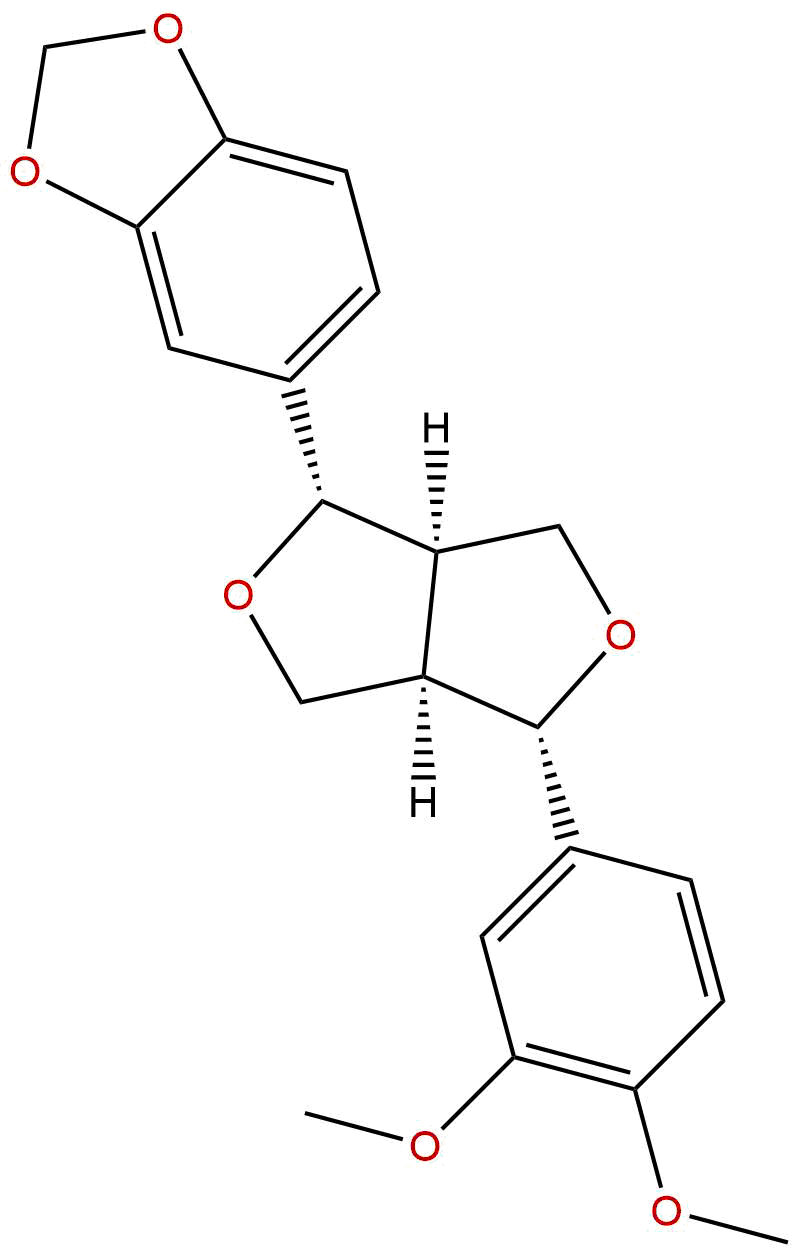
Spin heptaphyllin, also known as Kobusin, is a natural small molecule with a bicyclic lignin skeleton. Its most notable pharmacological feature lies in its dual regulatory effect on chloride ion channels: on the one hand, it is an activator of cystic fibrosis transmembrane conductance regulator (CFTR) and calcium activated chloride ion channel (CaCC); On the other hand, it is a specific inhibitor of calcium activated chloride channels (CaCC) in ANO1/TMEM16A. This seemingly contradictory 'dual identity' actually reveals the structural and functional differences among different subtypes of chloride ion channels, and provides a unique pharmacological basis for the application of spin heptaphyllin the treatment of related diseases.
In recent years, with the continuous deepening of understanding of the physiological and pathological functions of chloride ion channels, the research on spin heptaphyllin has expanded from the initial ion channel regulation to multiple fields such as neuroinflammation, pain, respiratory diseases, etc. Especially its role in the regulation of neuroinflammation, involving multiple key signaling pathways such as AMPK, TLR4, STAT3, NFE2L2, demonstrates great potential as a lead compound for novel anti neuroinflammatory drugs. This article will provide a systematic review of the research progress of spin seven leaf extract from the aspects of chemical structure, plant origin, pharmacological activity, mechanism of action, medicinal properties, and clinical application prospects, in order to provide reference for the in-depth development and utilization of this natural product.
Chemical structure and physicochemical properties
The chemical name of spin heptaphyllin is (1S, 2R, 5R, 6S) -2,6-bis (3,4-dimethoxyphenyl) -3,7-dioxabebicyclo [3.3.0] octane, which belongs to the typical bisepoxyllignan class of compounds. Its molecular formula is C ₂₂ H ₂₆ O ₆, with a molecular weight of 370.4010 Da. The core skeleton of this compound is formed by the cis condensation of two tetrahydrofuran rings, forming a rigid bicyclic [3.3.0] octane system. Two 3,4-dimethoxyphenyl groups (i.e. resveratrol groups) are connected at the C2 and C6 positions, respectively, endowing the molecule with good lipid solubility characteristics.
From the perspective of stereochemistry, spin heptaphyllin has four chiral centers (C1, C2, C5, C6), and its absolute configuration is (1S, 2R, 5R, 6S). This specific stereoconfiguration determines the specificity of its interaction with biological targets. It is worth noting that there are multiple stereoisomers in bicyclic lignin compounds, such as sesamin and asarinin. Although they have similar skeletons, there are differences in the orientation of substituents and the configuration of chiral centers, resulting in different biological activities.
In terms of physicochemical properties, spin heptaphyllin exhibits typical lipophilic small molecule characteristics. Its oil-water partition coefficient (LogP) is 2.7519, indicating that the compound has moderate lipid solubility, which is conducive to transmembrane transport and interaction with membrane proteins. The topological polar surface area (TPSA) is 55.3800 Å ², which is lower than the upper limit of 140 Å ² typically required for oral drugs, indicating its good oral absorption potential. However, its water solubility is only 0.0059 mg/mL, making it a poorly soluble compound, which may pose certain challenges to formulation development and in vivo bioavailability.
Of particular note is that spin heptaphyllin has a high blood-brain barrier (BBB) penetration ability. This characteristic is closely related to its moderate molecular weight, good lipid solubility, and low polar surface area. High BBB penetration means that spin heptaphyllin can effectively enter the central nervous system, providing a pharmacokinetic basis for its application in central nervous system diseases such as neuroinflammation and neurodegenerative diseases. In addition, the hERG inhibition prediction result was negative, and the Ames test mutagenicity prediction value was 0.9 (below the positive threshold), indicating that the compound has good cardiac safety and genetic toxicity safety.
Plant sources and extraction methods
Spin heptaphyllin was originally derived from Magnoliaceae plant Magnolia officinalis(Pnonobio biondii Separated from Pamp. Wangchun Yulan, also known as Xinyi, is a traditional Chinese medicinal herb. Its dried flower buds have the effects of dispersing wind and cold, and promoting nasal circulation. It is commonly used to treat nasal congestion, headaches, and other conditions. In addition to Wangchun magnolia, spin seven leaf extract is also present in other magnolia plants, such as Wudang magnolia(Magnolia sprengeri)Purple magnolia(Magnolia liliiflora)And in some camphor plants.
In terms of distribution within the plant body, spinoheptaphyllin is mainly enriched in the flower buds, bark, and root bark of Magnolia plants. The content of different parts varies significantly, usually with the highest content in flower buds, which is also a traditional medicinal part. The harvest season also has an impact on the content. When the flower buds are not yet open in spring, the effective ingredient content is higher. In addition, there are significant differences in the content of spinoheptaphyllin plant materials from different regions and origins, which are closely related to factors such as their growth environment and genetic background.
The extraction of spin heptaphyllin is usually carried out using organic solvent extraction method. Traditional extraction methods include ethanol reflux extraction, methanol cold soaking extraction, etc. Considering the lipophilic characteristics of the compound, selecting a solvent system with moderate polarity often results in higher extraction efficiency. Modern extraction techniques such as ultrasound assisted extraction, microwave-assisted extraction, and supercritical fluid extraction have also been applied to the extraction of spin heptaphyllin. These methods have the advantages of short extraction time, low solvent dosage, and high extraction rate.
In terms of separation and purification, due to the complex composition of plant extracts, multiple chromatographic techniques are usually required. Common methods include silica gel column chromatography, ODS reverse phase column chromatography, Sephadex LH-20 gel column chromatography, etc. In recent years, high-speed counter current chromatography (HSCCC) and preparative high-performance liquid chromatography (Prep HPLC) have also been widely used for the efficient separation of spin heptaphyllin. During the separation process, structural analogues such as sesamin and asarone are often used as controls for tracking and detection through thin-layer chromatography and high-performance liquid chromatography.
It is worth noting that spin heptaphyllin often coexists with bisepoxylignin compounds such as sesamin and asarone in plants. These compounds have similar structures and polarities, which poses certain difficulties for separation and purification. Therefore, establishing efficient and specific separation methods is crucial for obtaining high-purity spin heptaphyllin. At present, the method of using normal phase silica gel column chromatography combined with reverse phase preparative HPLC can obtain spin heptaphyllin monomers with a purity of over 98%.
Pharmacological activity research
Ionic channel regulation activity
The core pharmacological activity of spin heptaphyllin lies in its regulatory effect on chloride ion channels. Chloride ion channels are an important family of ion channels on the cell membrane, involved in regulating various physiological processes such as cell volume, membrane potential, epithelial secretion, and neural excitability. Spin heptaphyllin has been found to be an activator of CFTR (cystic fibrosis transmembrane conductance regulator) and CaCC (calcium activated chloride channel), as well as a specific inhibitor of ANO1/TMEM16A (an important CaCC subtype).
CFTR is a cAMP/PKA regulated chloride ion channel, and its functional defects are the fundamental cause of cystic fibrosis. Spin heptaphyllin can enhance the opening probability of CFTR channels and increase chloride ion flux, providing a new approach for the treatment of cystic fibrosis. However, the activation effect of spin heptaphyllin on CFTR is relatively mild and may need to be combined with other CFTR modulators to achieve the desired therapeutic effect.
What is even more remarkable is the selective inhibitory effect of spin heptaphyllin on ANO1/TMEM16A. ANO1/TMEM16A is a calcium activated chloride ion channel widely expressed in various tissues, involved in physiological processes such as epithelial secretion, smooth muscle contraction, and pain transmission. Spin heptaphyllin can suppress the ANO1 channel current in a dose-dependent manner, with an IC ₅₀ value at the micromolar level. Importantly, spin heptaphyllin exhibits subtype selectivity in its inhibitory effect on ANO1, with minimal impact on other chloride ion channels such as CFTR and volume regulating anion channels. This lays the foundation for its development as a highly selective ANO1 inhibitor.
Anti neuroinflammatory effect
Neuroinflammation is a common pathological feature of various neurological diseases, such as Alzheimer's disease, Parkinson's disease, multiple sclerosis, etc. In recent years, studies have shown that spin heptaphyllin has significant anti neuroinflammatory activity. In the lipopolysaccharide (LPS) - induced microglial inflammation model, spinoheptaphyllin can significantly inhibit the production of pro-inflammatory factors (such as TNF - α, IL-1 β, IL-6) and nitric oxide (NO), while reducing the expression of inducible nitric oxide synthase (iNOS) and cyclooxygenase-2 (COX-2).
In animal models, spin heptaphyllin can alleviate LPS induced neuroinflammatory responses and improve cognitive dysfunction. The mechanism of its anti neuroinflammatory effect involves multiple signaling pathways, including inhibition of the TLR4/NF - κ B pathway, activation of AMPK signaling, regulation of STAT3 activity, and upregulation of the NFE2L2 (Nrf2) - mediated antioxidant defense system. The regulatory effects of these multiple targets give spin heptaphyllin unique advantages in anti neuroinflammation.
Other pharmacological activities
In addition to ion channel regulation and anti neuroinflammatory effects, spin seven leaf hormone also exhibits various other pharmacological activities. In terms of anti-tumor, spin aescin can inhibit the proliferation of many cancer cell lines (such as lung cancer, breast cancer, colon cancer cells), and its mechanism may be related to the induction of cell cycle arrest and apoptosis. In terms of anti-inflammatory and analgesic effects, spinoheptaphyllin can alleviate acute inflammatory reactions and reduce pain sensitivity, which may be related to its inhibition of the ANO1 channel, as ANO1 plays an important role in pain transmission.
In addition, spin seven leaf extract also exhibits antioxidant, antiviral, and hepatoprotective activities. These diverse pharmacological activities reflect the multi-target and multi pathway characteristics of natural products, and also provide possibilities for their application in the treatment of various diseases.
Mechanism of action and molecular targets
Regulation mechanism of chloride ion channels
The regulatory mechanism of spin heptaphyllin on chloride ion channels is its core mechanism of action. For CFTR channels, spin heptaphyllin may enhance the opening probability of the channel by directly binding to specific regions of the channel protein, thereby increasing chloride ion flux. However, the specific binding sites and molecular mechanisms are not yet fully understood, and further structural biology research is needed to clarify them.
For the ANO1/TMEM16A channel, the mechanism of action of spin heptaphyllin is more clear. Research has shown that spin heptaphyllin can directly bind to the ANO1 channel protein, inhibiting the opening of the channel. Electrophysiological experiments have shown that the inhibitory effect of spin heptaphyllin on ANO1 is voltage dependent, suggesting that it may act on the voltage sensor or pore regions of the channel. Molecular docking and mutation experiments have preliminarily identified the potential binding sites of spin heptaphyllin on the ANO1 channel, including certain amino acid residues located near the channel pores.
It is worth noting that spin heptaphyllin has subtype selectivity in its inhibitory effect on ANO1, as it can suppress ANO1, but has little effect on other CaCC subtypes such as ANO2. This selectivity may stem from the differences in channel structure and drug binding sites among different ANO subtypes, providing a structural basis for the development of highly selective ANO1 inhibitors.
Molecular mechanism of anti neuroinflammation
The anti neuroinflammatory effect of spin heptaphyllin involves multiple signaling pathways and molecular targets. Firstly, it can inhibit the inflammatory signaling pathway mediated by TLR4 (Toll like receptor 4). TLR4 is a key receptor that recognizes patterns of pathogenic molecules such as LPS, and its activation can lead to the activation of downstream NF - κ B pathways, thereby inducing the expression of pro-inflammatory cytokines. Spin heptaphyllin can inhibit the expression of TLR4 and downstream signaling, thereby reducing inflammatory response.
Secondly, spin heptaphyllin can activate the AMPK (AMP activated protein kinase) signaling pathway. AMPK is a key regulatory factor in cellular energy metabolism, and its activation has anti-inflammatory and neuroprotective effects. Research has shown that spin heptaphyllin enhances the activity of AMPK by promoting its phosphorylation, thereby inhibiting the NF - κ B pathway and inflammatory response.
In addition, spin heptaphyllin can also regulate the activity of STAT3 (signal transduction and transcription activator 3). STAT3 is an important regulatory factor for inflammation and immune response, and its abnormal activation is closely related to neuroinflammation. Spin heptaphyllin can inhibit the phosphorylation and nuclear translocation of STAT3, thereby reducing the transcription of pro-inflammatory cytokines.
In terms of antioxidant activity, spin heptaphyllin can activate the NFE2L2 (Nrf2)/ARE pathway. Nrf2 is a key transcription factor in the cellular antioxidant defense system, and its activation can induce the expression of various antioxidant enzymes. Spin heptaphyllin enhances the transcriptional activity of Nrf2 by promoting its nuclear translocation, thereby improving the antioxidant capacity of cells and reducing oxidative stress damage.
Other targets and mechanisms
In addition to the main targets mentioned above, spin heptaphyllin may also act on other molecular targets. For example, it can regulate the phosphorylation status of MAPT (microtubule associated protein tau), which may be related to its potential application in the treatment of Alzheimer's disease. In addition, spin heptaphyllin can also affect the activity of CASP1 (cysteine aspartate protease 1) and participate in the regulation of inflammasomes. The regulatory effects on TRPV1 (transient receptor potential vanillic acid subtype 1) and CHRNA7 (α 7 nicotinic acetylcholine receptor) may be related to their analgesic and anti-inflammatory activities.
The multi-target mechanism of spin heptaphyllin reflects the characteristic of natural products' multi-target and multi pathway effects. Although this mode of action increases the complexity of mechanism research, it also provides advantages for its application in the treatment of complex diseases such as neuroinflammation, as these diseases often involve abnormalities in multiple signaling pathways.
Evaluation of drug properties and pharmacokinetics
Drugability assessment
The evaluation of drug properties is a crucial step in determining whether natural products can be successfully converted into drugs. From the perspective of physicochemical properties, spin heptaphyllin has good drug like properties. Its molecular weight (370.4 Da) conforms to the Lipinski five rule (<500 Da), and its LogP value (2.75) is within the ideal range (0-3), indicating that it has good lipid water distribution balance. The TPSA (55.38 Å ²) is below 140 Å ², indicating its good oral absorption potential.
However, the water solubility of spin heptaphyllin is poor (0.0059 mg/mL), which may be an important limiting factor for its oral bioavailability. To improve its water solubility, solid dispersion, liposome, cyclodextrin inclusion complex and other formulation technologies can be considered, or water-soluble groups can be introduced through prodrug design.
In terms of safety, the hERG inhibition prediction result is negative, indicating a low risk of cardiac QT interval prolongation caused by spin heptaphyllin. The predictive value of Ames test for mutagenicity is 0.9, which is below the positive threshold (usually 1.0), indicating a low risk of genetic toxicity. These preliminary safety evaluation results provide favorable conditions for the further development of spin heptaphyllin.
Pharmacokinetic characteristics
The pharmacokinetic study of spin heptaphyllin is not yet sufficient, but based on its physicochemical properties and preliminary research results, its pharmacokinetic characteristics can be inferred. Due to its high lipid solubility and BBB penetration, spin seven leaf extract should be rapidly absorbed after oral administration and widely distributed in various tissues throughout the body, especially in the central nervous system.
In terms of metabolism, spin heptaphyllin may be mainly metabolized through the liver cytochrome P450 enzyme system. The methoxy group in its molecule may undergo O-demethylation reaction, generating phenolic hydroxyl metabolites. These metabolites may retain some biological activity or be further metabolized through glucuronic acid or sulfuric acid binding reactions, ultimately excreted through urine or bile.
The key pharmacokinetic parameters such as half-life and bioavailability of spin heptaphyllin still need to be determined through systematic in vivo studies. Considering its poor water solubility, oral bioavailability may be low, and appropriate formulation strategies need to be adopted to improve it. In addition, although its high BBB penetration is beneficial for targeting the central nervous system, it may also increase the risk of central nervous system side effects, which needs to be addressed in future research.
Structural optimization direction
Based on the chemical structure and pharmacological evaluation results of spin heptaphyllin, the following structural optimization directions can be considered: firstly, to address the problem of poor water solubility, hydrophilic groups such as hydroxyl and carboxyl groups can be introduced into the molecule, or water solubility can be improved through prodrug design. Secondly, to improve the selectivity and inhibitory activity of the ANO1 channel, the substituents in the molecule can be systematically modified to explore the structure-activity relationship. In addition, to improve metabolic stability, it may be considered to modify easily metabolized sites (such as methoxy), such as introducing fluorine atoms.
Clinical application prospects and prospects
Neuroinflammatory related diseases
Spin heptaphyllin has broad application prospects in neuroinflammatory related diseases. Neuroinflammation plays an important role in the pathogenesis of neurodegenerative diseases such as Alzheimer's disease, Parkinson's disease, and multiple sclerosis. Spin heptaphyllin can effectively inhibit neuroinflammatory responses, reduce neuronal damage, and improve cognitive function by regulating multiple signaling pathways such as TLR4/NF - κ B, AMPK, STAT3, and Nrf2.
Especially its high BBB penetration allows it to effectively enter the central nervous system and exert its effects, which is an advantage that many anti neuroinflammatory drugs cannot match. In the future, spin heptaphyllin is expected to be developed as a candidate drug for the treatment of neurodegenerative diseases such as Alzheimer's disease, or used in combination with other drugs as an adjuvant therapy.
Pain Treatment
The ANO1/TMEM16A channel plays an important role in pain transmission, and its inhibitors have analgesic potential. Spin heptaphyllin, as a selective inhibitor of ANO1, has promising applications in pain treatment. Research has shown that spinoheptaphyllin can alleviate inflammatory pain and neuropathic pain, and its analgesic effect is related to the inhibitory activity of ANO1.
Compared with traditional opioid analgesics, spin heptaphyllin is less prone to addiction and tolerance, and has better safety. Compared to NSAIDs, the risk of gastrointestinal and cardiovascular side effects is lower. Therefore, spin heptaphyllin is expected to be developed as a novel non opioid analgesic for the treatment of chronic pain.
respiratory disease
CFTR and CaCC channels play important roles in epithelial secretion, and their functional abnormalities are closely related to respiratory diseases such as cystic fibrosis and chronic obstructive pulmonary disease (COPD). The activation effect of spin heptaphyllin on CFTR makes it potentially valuable for the treatment of cystic fibrosis. However, its inhibitory effect on ANO1 may have complex effects on respiratory secretion, and further research is needed to clarify its net effect.
other diseases
In addition to the above-mentioned diseases, spin seven leaf extract has also shown potential application value in anti-tumor, anti-inflammatory, and hepatoprotective aspects. Its multi-target nature makes it potentially applicable for the treatment of various diseases. However, these applications are still in the early stages of research and require more preclinical and clinical studies to validate their effectiveness and safety.
Challenges and Prospects
Despite exhibiting various pharmacological activities and good drug properties, the development of spin heptaphyllin still faces many challenges. Firstly, the problem of poor water solubility needs to be solved through formulation technology or structural modification. Secondly, although its regulatory effect on multiple targets is beneficial for the treatment of complex diseases, it also increases the risk of side effects and requires further research on its selectivity. In addition, its pharmacokinetic characteristics and long-term safety still require systematic evaluation.
In the future, research on spin heptaphyllin should focus on the following aspects: firstly, to further elucidate its interaction mechanism with the ANO1 channel, providing a basis for structural optimization; The second is to systematically evaluate its pharmacokinetic characteristics and safety; Thirdly, explore its therapeutic potential in neuroinflammatory related diseases and conduct preclinical and clinical research; The fourth is to develop efficient and low toxicity derivatives to enhance their drug properties.
Conclusion
As a natural product derived from traditional Chinese medicine, spin heptaphyllin has shown significant research value and development potential due to its unique chloride channel regulatory activity and multi-target anti neuroinflammatory effects. Its high BBB penetration, good safety preliminary evaluation results, and diverse pharmacological activities make it have broad application prospects in multiple therapeutic fields such as neuroinflammation, pain, respiratory diseases, etc.
However, the development of spin heptaphyllin from natural products to clinical drugs still faces many challenges, including poor water solubility, unclear pharmacokinetic characteristics, and the need to improve selectivity. In the future, it is necessary to comprehensively utilize multidisciplinary methods such as medicinal chemistry, pharmacology, and pharmacy to conduct systematic research on spin heptaphyllin, explore its structure-activity relationship, optimize its drug properties, and promote its clinical translation.
Natural products are an important source of drug discovery, and the research process of spin heptaphyllin once again proves this viewpoint. With the deepening of research, it is believed that spin heptaphyllin and its derivatives have the potential to become new drugs for treating neuroinflammation and other related diseases, contributing to the cause of human health.