| Catalog No | Package | Original Price | Price | Inventory | Quantity | Operating |
|---|---|---|---|---|---|---|
| BP4945-5mg | 5mg | $590.00 | Sign in |
|


Storage conditions:Short-term storage at 2~8℃, long-term storage at -20 ~ -80℃
221.9000
.5938
.5150
1.9566
.4896
.3209
Low
82.9872
5.1092
No
No
No
No
Yes
No
0.0
Yes
No
Yes
Yes
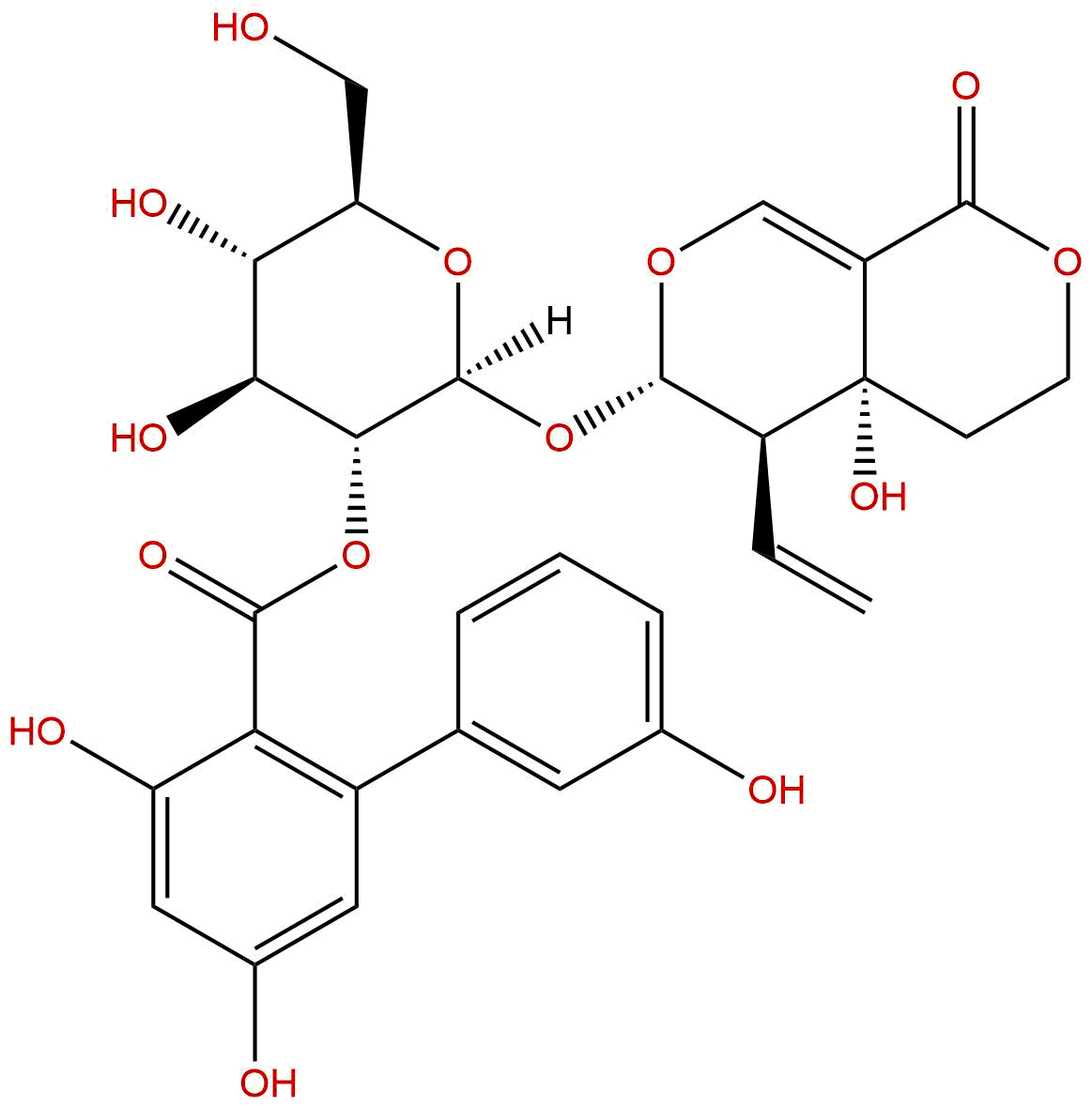
Natural products, as an important source of drug discovery, play an irreplaceable role in the long history of human fight against diseases. Among numerous natural compounds with biological activity, those from the genus Swertia in the family Gentianaceae(Swertia)The sulfur-containing terpenoid glycosides in plants have attracted much attention due to their unique chemical structures and significant pharmacological activities. Amaroswerin (CAS number: 21233-18-1) is a representative member of this class of compounds, which is a bioactive thioiridoid glycoside isolated from Swertia sinensis.
Swertia has a long history of application in traditional medical systems, especially in Asia, such as China, India and Nepal, and is often used to treat liver diseases, fever, inflammation, diabetes and other diseases. As one of the characteristic active ingredients of this genus of plants, hydroxylated bitter ester glycosides have a research history dating back to the mid-20th century. With the progress of modern separation technology and pharmacological evaluation methods, scientists have gradually revealed the multiple pharmacological activities of this compound in anti-inflammatory, anti diabetes, antiviral, anticholinergic and immune regulation. Of particular note is that in the RAW264.7 macrophage model, hydroxycoumarin can effectively inhibit the release of nitric oxide (NO), with a half maximal inhibitory concentration (IC50) of 5.42 μ g/mL. This finding provides direct cytological evidence for its anti-inflammatory effect.
In recent years, with the in-depth study of the pathogenesis of liver disease and the increasing demand for the development of natural hepatoprotective drugs, the hepatoprotective effect and related molecular targets of hydroxybutyrate have attracted widespread interest among researchers. From oxidative stress regulation to fibrosis inhibition, from inflammatory pathway intervention to cellular protective mechanisms, this compound exhibits multidimensional and multi-target pharmacological characteristics. This article will provide a systematic review of the research progress on hydroxy bitter ester glycosides from the aspects of chemical structure, plant origin, pharmacological activity, mechanism of action, pharmacological evaluation, and clinical application prospects, in order to provide reference for the in-depth research and development of this natural product.
Hydroxy bitter ester glycosides belong to the class of thioiridoid glycosides, and their chemical structure has typical iridoid skeleton characteristics. Ether terpenes are a class of monoterpenes derived from isoprene units, with a basic structure of cyclopentane pyran ring system. The special feature of hydroxylated bitter ester glycosides is that they contain a sulfur atom in their structure, forming a unique sulfur ring structure, which is relatively rare in natural products and is also the origin of the word "sulfur ring" in their naming.
From the perspective of chemical structural formula, the molecular formula of hydroxy bitter ester glycosides is C ₂₉ H ∝ ₈ O ₁∝ S, with a molecular weight of 602.5450 Da. Its structure consists of a glycoside part and a sugar part: the glycoside part is an iridoid skeleton with a sulfur ring, and the sugar part is connected to the glycoside part through glycosidic bonds. This structural feature endows the compound with a certain balance of hydrophilicity and lipophilicity. According to the calculated chemical parameters, the lipophilic water partition coefficient (LogP) of hydroxycoumarin glycoside is 0.5938, indicating its moderate lipophilicity. It can maintain a certain solubility in the aqueous phase and undergo transmembrane transport through biological membranes. Its topological polar surface area (TPSA) is as high as 221.9000 Å ², which is much higher than the recommended upper limit of 140 Å ² for oral drugs, indicating that the compound may have high polarity and may face challenges in intestinal absorption and blood-brain barrier penetration.
In terms of water solubility, the calculated water solubility parameter of hydroxy bitter ester glycosides is 1.9566 (possibly a solubility index at the logS value or mg/mL level), indicating that they have a certain degree of water solubility, which is consistent with the presence of multiple hydroxyl and sugar groups in their molecules. It is worth noting that the blood-brain barrier penetration ability of this compound has been evaluated as "low", which may be a disadvantageous factor for drug development that requires central nervous system action, but for drugs that mainly act on peripheral organs such as the liver, it may reduce central nervous system related side effects. In addition, the hERG inhibition assessment result was' no ', indicating that the compound has good potential in terms of cardiac safety; The Ames test result was 0.0, indicating that it did not exhibit mutagenicity in the standard bacterial recovery mutation test, and the preliminary genetic toxicity assessment was good.
From the perspective of structure-activity relationship, the sulfur ring structure, sugar substitution mode, and the number and position of hydroxyl groups in hydroxyl substituted bitter ester glycosides jointly determine their interaction mode with biological targets. The presence of sulfur atoms may endow the compound with unique electron distribution and hydrogen bonding ability, thereby affecting its binding affinity with protein targets. In addition, the sugar moiety not only affects the solubility and pharmacokinetic properties of compounds, but may also participate in cellular recognition and transport processes. These structural features provide important molecular foundations for subsequent drug chemical modifications and structural optimization.
Hydroxy bitter ester glycosides are mainly derived from the Gentianaceae genus of Swertia in the Gentianaceae family(Swertia)Plants, this genus contains about 170 species of plants, widely distributed in temperate and tropical regions of Asia, Europe, and Africa. In China, there are about 79 species of Swertia plants, mainly distributed in the southwest and northwest regions, many of which are used in traditional medicine. Common plants rich in hydroxy bitter ester glycosides include Swertia indica(Swertia chirayita)Western Sichuan Swertia(Swertia mussotii)Purple red Swertia(Swertia punicea)And the stem hugging Swertia(Swertia franchetiana)Wait.
Indian Swertia(Swertia chirayita)It is one of the most deeply studied species, and is known as the "king of bitterness" in Ayurvedic medicine in India. It is often used to treat fever, liver disease and diabetes. Research has shown that the aboveground parts of the plant (stems, leaves, and flowers) are the main accumulation sites of hydroxyquercetin, and their content can significantly vary depending on the place of origin, harvesting season, and growth stage. Generally speaking, the content of active ingredients in plants is higher before and after the flowering period, so this period is considered the best harvest time. In addition, there is significant variation in the content of hydroxy bitter ester glycosides in Swertia sinensis from different sources and cultivation conditions, which provides research space for the screening and artificial cultivation of excellent germplasm resources.
In terms of extraction methods, traditional solvent extraction is still the most commonly used approach. Due to the good water and alcohol solubility of hydroxy bitter ester glycosides, commonly used extraction solvents include methanol, ethanol, water, or their mixed solvents. Research has shown that using a 50% -80% ethanol aqueous solution for reflux extraction can achieve high extraction efficiency. The extraction temperature is usually controlled at 60-80 ℃ for 2-4 hours, with a solid-liquid ratio of 1:10 to 1:20 (w/v). In order to improve extraction efficiency and selectivity, some modern extraction techniques have also been applied in recent years for the extraction of hydroxyl bitter ester glycosides, including ultrasound assisted extraction, microwave-assisted extraction, and pressure solvent extraction. These techniques significantly shorten extraction time and improve yield by disrupting cell wall structure, enhancing solvent permeation, and accelerating mass transfer processes.
The crude extract after extraction needs to undergo a series of purification steps to obtain high-purity hydroxyl bitter ester glycosides. Common separation and purification methods include liquid-liquid extraction (using different polar solvents for distribution), macroporous adsorption resin column chromatography (such as D101, AB-8, etc.), silica gel column chromatography, ODS reverse phase column chromatography, and preparative high-performance liquid chromatography (pre HPLC). Among them, macroporous adsorption resin is widely used in the preliminary purification stage due to its advantages of low cost, easy operation, and reusability. By gradient elution, the hydroxyl group can be separated from other impurities with similar polarity. For higher purity requirements, preparative HPLC is an effective means of final purification, typically using a C18 reverse phase column with acetonitrile water or methanol water system as the mobile phase, and monitoring the elution of the target compound at a wavelength of 240-260 nm using a UV detector.
It is worth noting that hydroxy bitter ester glycosides may undergo degradation or transformation during the extraction and purification process, so it is necessary to control the operating conditions, such as avoiding prolonged high temperatures, strong acid and alkali environments, and light exposure. In addition, establishing fast and accurate analysis methods is crucial for quality control. High performance liquid chromatography (HPLC) combined with ultraviolet detection or mass spectrometry detection (LC-MS) is currently the most commonly used qualitative and quantitative analysis method, which can achieve accurate determination of hydroxyquercetin in complex samples.
Inflammation is an important defense response of the body against injury and infection, but excessive or sustained inflammation can lead to tissue damage and the occurrence of various diseases. The anti-inflammatory activity of hydroxyl based bitter ester glycosides has been confirmed by multiple studies. In the RAW264.7 mouse macrophage model, the compound significantly inhibited lipopolysaccharide (LPS) - induced release of nitric oxide (NO), with an IC50 value of 5.42 μ g/mL (approximately 9.0 μ M). As an important inflammatory mediator, NO is catalyzed by inducible nitric oxide synthase (iNOS), and excessive NO is closely related to the pathological process of inflammatory diseases. The inhibitory effect of hydroxybutyrate on NO release suggests that it may exert anti-inflammatory effects by regulating the expression or activity of iNOS.
Further mechanistic studies have shown that hydroxyquercetin can inhibit the production of pro-inflammatory cytokines such as tumor necrosis factor - α (TNF - α), interleukin-6 (IL-6), and interleukin-1 β (IL-1 β) in LPS stimulated macrophages. These cytokines are key mediators of the inflammatory cascade, and their downregulation helps alleviate the severity of the inflammatory response. In addition, the compound can also inhibit the expression of cyclooxygenase-2 (COX-2), thereby reducing the synthesis of prostaglandin E2 (PGE2) and further enhancing its anti-inflammatory effect.
In animal models, the anti-inflammatory activity of hydroxyl based bitter ester glycosides has also been validated. For example, in the carrageenan induced rat plantar swelling model, oral or intraperitoneal injection of hydroxybutyrate can significantly reduce the degree of swelling, and its effect is comparable to that of the positive control drug. In chronic inflammation models such as adjuvant arthritis, this compound can also improve joint swelling and inflammatory cell infiltration.
Diabetes is a metabolic disease characterized by hyperglycemia, and its pathogenesis involves insufficient insulin secretion and/or insulin resistance. The research of oxypicrin in anti diabetes mainly focuses on its regulation of glucose metabolism. In vitro experiments have shown that the compound can promote insulin release in insulin secreting cells (such as INS-1 cells) and enhance glucose uptake in peripheral tissues (such as skeletal muscle cells and adipocytes). These effects may be partially achieved by activating the AMP activated protein kinase (AMPK) signaling pathway, which is a key regulator of cellular energy metabolism.
In addition, hydroxy bitter ester glycosides also exhibit inhibitory activity against alpha glucosidase and alpha amylase. These two enzymes are involved in the digestion of carbohydrates, and inhibiting their activity can delay glucose absorption, thereby reducing postprandial blood glucose peak. This mechanism of action is similar to acarbose used clinically, suggesting that picroside, a hydroxy drug, may be used as a natural α - glucosidase inhibitor for diabetes management.
In the animal model of diabetes, oxypicrin can significantly reduce the fasting blood glucose level of streptozotocin (STZ) - induced diabetes rats, improve the abnormal glucose tolerance, and increase the serum insulin level. At the same time, the compound can also reduce the oxidative stress and inflammatory reaction related to diabetes, and protect the function and survival of pancreatic β cells.
There is relatively little research on the antiviral activity of hydroxylated bitter ester glycosides, but preliminary evidence suggests that they have a certain broad-spectrum antiviral potential. Research has found that this compound exhibits inhibitory effects on certain RNA viruses and DNA viruses. For example, in vitro experiments have shown that hydroxycoumarin can inhibit the replication of influenza virus, reduce viral plaque formation units, and its mechanism of action may be related to interference with virus adsorption or entry into host cells. In addition, the compound also showed certain inhibitory activity against herpes simplex virus (HSV) and coxsackievirus.
It is worth noting that the antiviral effect of hydroxyl based bitter ester glycosides may be related to their immunomodulatory activity. By regulating the host immune response and enhancing the function of the natural immune system, this compound may indirectly exert antiviral effects. However, the specific mechanism of its antiviral effect and in vivo pharmacological data are still relatively limited, and further in-depth research is needed.
Anticholinergic activity refers to the ability of compounds to block the binding of acetylcholine to cholinergic receptors, thereby inhibiting the function of the parasympathetic nervous system. Hydroxy bitter ester glycosides have been found to have anticholinergic effects in ex vivo organ experiments, which can antagonize smooth muscle contraction induced by acetylcholine. This activity may be related to the ability of certain functional groups in its chemical structure to interact with cholinergic receptor binding sites.
From a therapeutic application perspective, anticholinergic drugs are commonly used to treat gastrointestinal spasms, overactive bladder, and certain movement disorders. However, further pharmacological and toxicological studies are needed to evaluate the selectivity and safety of hydroxylated bitter ester glycosides for their anticholinergic activity in clinical treatment.
In addition to its direct anti-inflammatory effect, hydroxylated bitter ester glycosides also exhibit complex immunomodulatory activities. Research has shown that this compound can regulate the functions of various immune cells, including macrophages, T lymphocytes, and B lymphocytes. Under specific conditions, hydroxy bitter ester glycosides can enhance immune responses (such as promoting lymphocyte proliferation and antibody production), as well as inhibit excessive immune responses (such as reducing the production of pro-inflammatory cytokines), exhibiting bidirectional regulatory characteristics.
The bidirectionality of this immune regulation may be related to its concentration of action, cell type, and microenvironment. At low concentrations, hydroxy bitter ester glycosides may promote immune function by activating certain signaling pathways; At high concentrations, it may exert immunosuppressive effects by inhibiting pro-inflammatory pathways such as NF - κ B. This precise regulatory ability makes hydroxy bitter ester glycosides have potential application value in the treatment of autoimmune diseases and immune deficiency related diseases.
The liver, as an important metabolic and detoxifying organ in the human body, is susceptible to damage from various factors, including drugs, toxins, viral infections, and metabolic disorders. The hepatoprotective effect of hydroxybutyrate glycoside is one of its most closely studied pharmacological activities, and its mechanism of action involves multiple molecular targets and signaling pathways.
Oxidative stress regulation Oxidative stress is one of the core mechanisms of liver injury. Hydroxy bitter ester glycosides can significantly enhance the liver's antioxidant defense system. Research has shown that this compound can upregulate the expression and nuclear translocation of nuclear factor E2 related factor 2 (NRF2). NRF2 is a key transcription factor that regulates the expression of antioxidant genes. Upon activation, it can promote the expression of a series of downstream antioxidant enzymes, including NAD (P) H: quinone oxidoreductase 1 (NQO1), heme oxygenase 1 (HMOX1), superoxide dismutase 1 (SOD1) and SOD2, catalase (CAT), and glutathione peroxidase 1 (GPX1). These enzymes work together to effectively eliminate reactive oxygen species (ROS) and reactive nitrogen species (RNS), alleviate oxidative damage, and protect liver cells from apoptosis and necrosis.
Anti fibrotic effect Liver fibrosis is a key pathological process in the progression of chronic liver disease to cirrhosis. Hydroxy bitter ester glycosides have shown potential in anti liver fibrosis. Transforming growth factor - β 1 (TGFB1) is a core driving factor for the activation of hepatic stellate cells (HSCs) and the deposition of extracellular matrix. Research has shown that hydroxy bitter ester glycosides can inhibit the expression and signaling of TGFB1, thereby reducing the activation and proliferation of HSCs. In addition, the compound can downregulate the expression of alpha smooth muscle actin (ACTA2), which is a marker of activated HSC and its expression level is closely related to the degree of fibrosis. By inhibiting the abnormal expression of matrix metalloproteinase 9 (MMP9), hydroxybutyrate helps maintain the metabolic balance of extracellular matrix and prevent excessive degradation or deposition.
Anti inflammation and anti apoptosis Liver inflammation is an important promoting factor for liver injury and fibrosis. Hydroxy bitter ester glycosides alleviate liver inflammation by inhibiting the NF - κ B signaling pathway and reducing the production of pro-inflammatory cytokines such as TNF - α and IL-6. Meanwhile, the compound can also inhibit mitochondrial mediated apoptosis of liver cells and protect liver cell function by regulating the expression of Bcl-2 family proteins.
The anti-inflammatory effect of hydroxybutyrate involves the regulation of multiple signaling pathways. In addition to the NF - κ B pathway mentioned above, this compound can also inhibit the activation of the mitogen activated protein kinase (MAPK) pathway, including ERK, JNK, and p38 MAPK. These kinases play an important role in the inflammatory response, and a decrease in their phosphorylation levels helps to reduce the production of inflammatory mediators. In addition, hydroxybutyrate glycoside can also activate the PI3K/Akt pathway, which plays a key role in cell survival and anti apoptosis, and may be related to its cell protective effect.
The immunomodulatory effect of hydroxybutyrate may be related to its regulation of the Toll like receptor (TLR) signaling pathway. TLR is an important member of pattern recognition receptors and plays a crucial role in innate immune responses. Research has shown that this compound can regulate the expression of TLR4 and its downstream signaling molecules, thereby affecting the activation status of immune cells. In addition, hydroxy bitter ester glycosides may indirectly regulate adaptive immune responses by affecting the maturation and antigen presentation function of dendritic cells.
Based on computational chemistry and early experimental data, the pharmacological characteristics of hydroxybutyrate glycoside can be summarized as follows. Its molecular weight (602.5450 Da) exceeds the threshold of less than 500 Da in the traditional Lipinski rule, which usually means that the compound may face challenges in oral absorption. However, there are many examples of natural products with molecular weights exceeding 500 Da but still having good oral bioavailability, so this parameter is not an absolute limitation.
The LogP value is 0.5938, which is within the ideal lipophilic range (usually considered favorable for oral absorption with LogP between 0-3), indicating that the compound has moderate lipid water partitioning properties. The TPSA is as high as 221.9000 Å ², far exceeding the recommended upper limit of 140 Å ² for oral medications. High TPSA is often associated with low intestinal permeability, which may be one of the key factors limiting its oral bioavailability. The water solubility parameter is 1.9566 (specific units need to be confirmed based on the original data), indicating a certain degree of water solubility, which is beneficial for the development of the formulation.
In terms of safety assessment, negative hERG inhibition suggests a lower risk of the compound causing QT interval prolongation in the heart; A negative Ames test indicates no significant genetic toxicity. The blood-brain barrier has low penetration ability, which can reduce central nervous system side effects for drugs that primarily target peripheral organs such as the liver, but also limits their application in the treatment of brain diseases.
At present, there is insufficient systematic research on the pharmacokinetics of hydroxybutyrate glycosides in vivo, but there are some preliminary data available for reference. After oral administration, the compound may not be fully absorbed due to its high polarity and high molecular weight, and its bioavailability may be low. However, the gut microbiota may undergo metabolic transformation of its structure, generating active metabolites and exerting systemic pharmacological effects. After intravenous administration, hydroxybutyrate may rapidly distribute to organs with abundant blood flow such as the liver and kidneys, and its distribution volume and plasma protein binding rate need further determination.
In terms of metabolism, hydroxylated bitter ester glycosides may undergo phase I and phase II metabolic reactions such as glycosylation hydrolysis, hydroxylation, and methylation. The liver and intestines are the main metabolic organs. The main excretion pathways may be bile excretion and renal excretion, while the prototype drug and metabolites may be excreted from the body through feces and urine. There is currently a lack of systematic reporting on key pharmacokinetic parameters such as half-life and clearance rate, and the absence of these data is an important bottleneck limiting the further development of this compound.
Researchers can explore various formulation strategies to address the shortcomings in the pharmacological properties of hydroxyl based bitter ester glycosides, especially the low oral bioavailability. For example, the use of novel drug delivery systems such as liposomes, nanoparticles, phospholipid complexes, etc. can improve their solubility and membrane permeability, and enhance oral absorption. In addition, prodrug design is also an effective strategy, by temporarily modifying polar groups, it can improve lipid solubility, promote absorption, and then convert into active forms in vivo.
From the perspective of medicinal chemistry, optimizing the structure of hydroxy bitter ester glycosides is also an important way to improve drug properties. For example, modifying the sugar moiety or introducing specific functional groups can improve pharmacokinetic properties while maintaining pharmacological activity. However, structural modifications need to be carried out with caution to avoid damaging key pharmacophores and interactions with the target.
Based on the multi-target mechanism of action of hydroxyl based bitter ester glycosides in liver protection, they have broad application prospects in the treatment of liver diseases. For acute liver injury, such as drug-induced liver injury (such as acetaminophen overdose) and alcoholic liver disease, this compound may exert protective effects through antioxidant and anti-inflammatory mechanisms. For chronic liver diseases such as non-alcoholic fatty liver disease (NAFLD) and non-alcoholic fatty liver disease (NASH), the anti fibrotic and metabolic regulatory effects of hydroxybutyrate may have therapeutic value. In addition, in viral hepatitis (such as hepatitis B and C), its antiviral and immune regulatory activities may serve as adjuvant therapy.
The anti - diabetes and anti - inflammatory activities of picroside, a hydroxy drug, make it have potential in the management of metabolic syndrome. In addition to directly reducing blood glucose, this compound may also improve insulin resistance, regulate lipid metabolism and alleviate chronic low-grade inflammation, which are of great significance for the prevention and treatment of type 2 diabetes and its complications (such as diabetes nephropathy and retinopathy).
In chronic inflammatory diseases such as rheumatoid arthritis and inflammatory bowel disease, the anti-inflammatory and immunomodulatory activities of hydroxybutyrate may play a therapeutic role. Its multi-target action characteristics may enable it to control inflammatory responses while reducing common side effects of single target drugs.
Despite the diverse pharmacological activities exhibited by hydroxybutyrate glycosides, their transition from laboratory research to clinical application still faces many challenges. Firstly, poor pharmacokinetic properties are the biggest obstacle, and issues such as low oral bioavailability and metabolic instability need to be addressed. Secondly, current research is mostly focused on in vitro and animal models, lacking high-quality human clinical trial data. Thirdly, although its mechanism of action involves multiple targets, the specific molecular binding modes and signal networks still need to be further elucidated.
Future research directions should include: 1) conducting systematic pharmacokinetic studies to clarify their absorption, distribution, metabolism, and excretion characteristics; 2) Using medicinal chemical methods to optimize the structure and improve drug properties; 3) Establish appropriate animal models to evaluate their efficacy and safety in liver diseases, diabetes and other diseases; 4) Explore its synergistic effect with existing drugs and develop combination therapy plans; 5) Using systems pharmacology and network pharmacology methods, comprehensively analyze its multi-target mechanism of action.
As a characteristic active ingredient of Swertia plants, hydroxytyrosine has attracted widespread attention from natural product and pharmacological researchers due to its unique structure of thioiridoid glycosides and multifaceted pharmacological activities. From anti inflammation, anti diabetes, anti-virus to liver protection and immune regulation, this compound shows the characteristics of multiple targets and pathways, especially in liver protection. It plays a comprehensive effect of anti-oxidation, anti fibrosis and anti inflammation by regulating NRF2, NQO1, SOD, CAT, GPX1, HMOX1, TGFB1, MMP9, ACTA2 and other targets.
However, we must also be aware that the research on hydroxyl based bitter ester glycosides is still in its early stages. The issues of poor pharmacokinetic properties, limited in vivo pharmacological data, and clinical research gaps urgently need to be addressed. In future research, it is necessary to comprehensively utilize multidisciplinary approaches such as medicinal chemistry, pharmacy, pharmacology, and toxicology to systematically evaluate their potential for drug development and explore reasonable development strategies. With the deepening of research and the advancement of technology, hydroxybutyrate glycosides are expected to become new candidate drugs for the treatment of liver diseases and metabolic diseases, providing new ideas and examples for the development of natural product drugs.
Batch can search by a CAS number,one per line
