| Catalog No | Package | Original Price | Price | Inventory | Quantity | Operating |
|---|---|---|---|---|---|---|
| SBP00719-5mg | 5mg | $750.00 | Sign in |
|


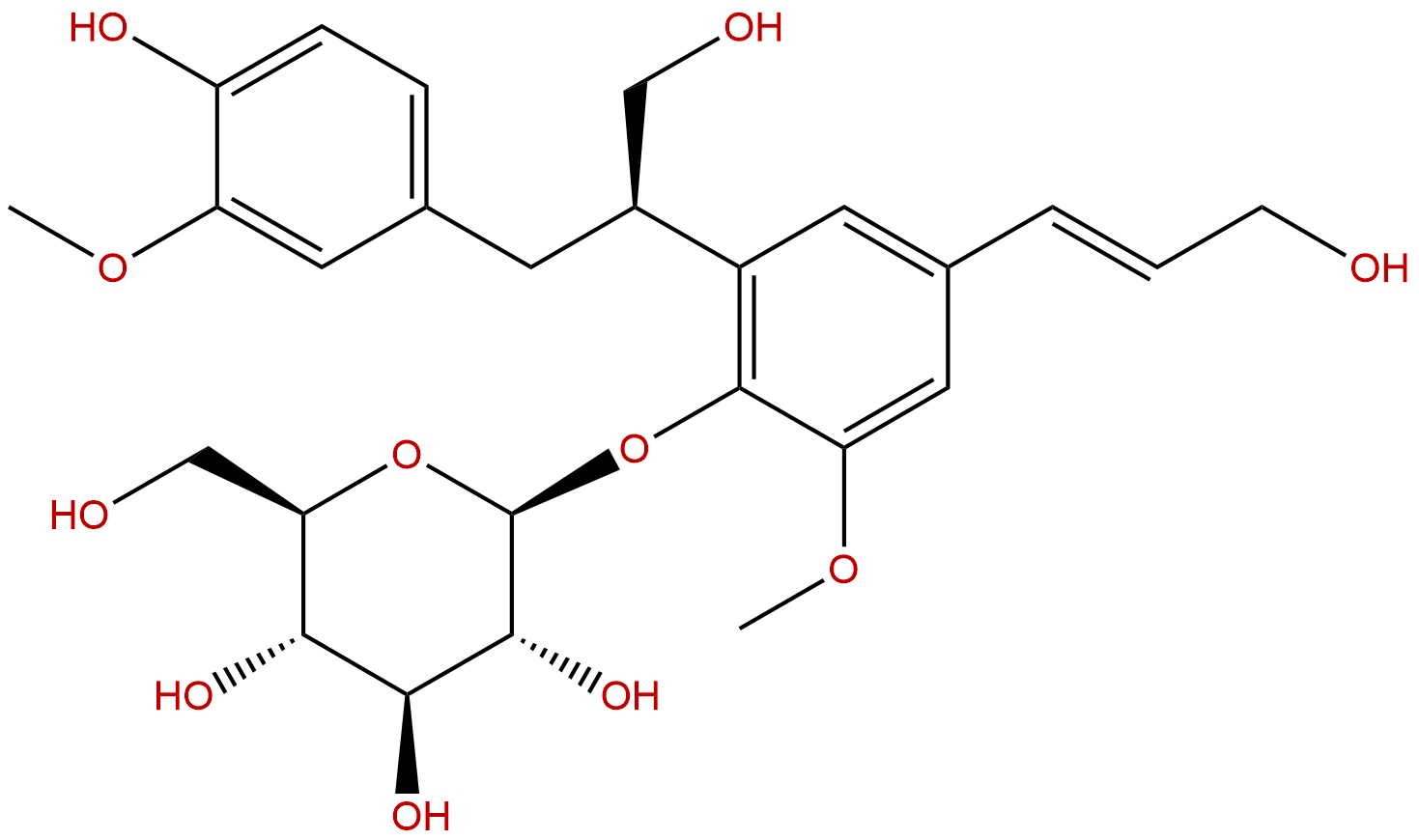
Product name: Icariside E5
Synonym name:
Catalogue No.: SBP00719
Cas No.: 126176-79-2
Formula: C26H34O11
Mol Weight: 522.547
Botanical Source:
Type of Compound:
Purity: 95%~99%
Analysis Method: HPLC-DAD or/and HPLC-ELSD
Identification Method: Mass, NMR
Packing: Brown vial or HDPE plastic bottle
Storage: Store in a well closed container, protected from air and light. Put into refrigerate or freeze for long term storage.
Whenever possible, you should prepare and use solutions on the same day. However, if you need to make up stock solutions in advance, we recommend that you store the solution as aliquots in tightly sealed vials at -20℃. Generally, these will be useable for up to two weeks.
The product could be supplied from milligrams to grams
Inquire for bulk scale.
For Reference Standard and R&D, Not for Human Use Directly.
Storage conditions:Short-term storage at 2~8℃, long-term storage at -20 ~ -80℃
178.5300
.3395
.3391
4.2478
.6642
.1630
Low
79.6549
4.2648
No
No
No
No
No
No
0.0
Yes
Yes
Yes
Yes
Natural products, as an important source of drug discovery, play an irreplaceable role in the history of human health maintenance and disease treatment. Isolating and identifying small molecule compounds with biological activity from traditional herbs, and elucidating their mechanisms of action, is an important paradigm in modern pharmacological research. Chili pepper(Capsicum annuum L. As a widely cultivated vegetable and seasoning worldwide, research on its chemical composition has long focused on capsaicin like substances (such as capsaicin and dihydrocapsaicin) and their excitatory effects on transient receptor potential vanillic acid subtype 1 (TRPV1) channels. However, in addition to capsaicin, chili peppers also contain other secondary metabolites with diverse structures, such as flavonoids, phenolic acids, lignans, etc. The biological activities of these components are gradually being revealed.
Icariside E5 (ISE5) is a lignan glycoside compound with unique pharmacological activity isolated from chili peppers. Its CAS number is 126176-79-2. Although its name "icariin" implies a connection with the classic kidney tonifying and yang strengthening Chinese medicine Epimedium(Epimedium The potential structural association of active ingredients (such as icariin and chaohuoding) in spp., but ISE5's plant source is chili pepper, making it an interesting point for interdisciplinary plant chemical taxonomy and pharmacology research. Preliminary studies have shown that ISE5 not only has significant antioxidant properties, but also promotes the proliferation of human umbilical vein endothelial cells (HUVEC) without cytotoxicity. This discovery suggests that ISE5 may have potential value in angiogenesis, tissue repair, and endothelial function protection.
In recent years, with the increasing aging population, osteoporosis has become a global public health issue. This is a systemic bone disease characterized by low bone mass, destruction of bone microstructure, increased bone fragility, and susceptibility to fractures. Its pathogenesis is complex, involving a dynamic balance imbalance between osteoblast mediated bone formation and osteoclast mediated bone resorption. At present, commonly used clinical drugs such as bisphosphonates, selective estrogen receptor modulators (SERMs), parathyroid hormone analogues, etc. Although they have certain therapeutic effects, long-term use has side effects such as mandibular necrosis, atypical femoral fractures, and the risk of thrombosis. Therefore, searching for highly efficient, low toxicity, and multi-target active molecules that can regulate bone metabolism from natural products has become a hot direction in the development of anti osteoporosis drugs. It is worth noting that network pharmacology analysis suggests that ISE5 may exert its anti osteoporosis potential by acting on multiple targets related to bone metabolism, cell apoptosis, oxidative stress, and estrogen signaling pathways, such as MCL1, BCL2, AKR1B1, ESR1, LDHA, BCL2L1, RUNX2, SP7, TNFRSF11B, and COL1A1. This discovery extends the research of ISE5 from pure endothelial protection to the field of bone metabolism regulation, endowing it with broader application prospects.
This article aims to provide a systematic review of the natural product icariin E5, from multiple dimensions including chemical structure, physicochemical properties, plant origin, extraction methods, pharmacological activity, mechanism of action, drug evaluation, and clinical application prospects. It comprehensively reviews the current research progress and explores its potential as a lead compound or candidate drug, in order to provide reference for further in-depth research.
Epimedium glycoside E5 belongs to the lignan glycoside class of compounds. Lignan is a dimer formed by the polymerization of two molecules of phenylpropanoid derivatives (C6-C3 units) through β - β '(8-8') bonds. It is widely present in the plant kingdom and has various biological activities such as anti-tumor, antioxidant, antiviral, and phytoestrogenic. The structural feature of ISE5 is that one or more sugar units are connected to its lignin core, forming glycosides. This not only increases the water solubility of the molecule, but also affects its interaction with biological targets.
From the chemical structural formula, the parent nucleus of ISE5 belongs to the dibenzylbutyrolactone lignan type, with a core skeleton of a gamma lactone ring connected to two substituted benzene rings on each side. The sugar moiety is usually glucose or other hexose, connected to a hydroxyl group in the mother nucleus through glycosidic bonds. The specific sugar linkage positions and types of sugars determine the differences between ISE5 and other analogues such as Icariside E4, E6, etc. Due to the lack of detailed public reports on high-resolution mass spectrometry and nuclear magnetic resonance data, its precise stereochemical configuration (such as the absolute configuration of C-8 and C-8 'on the lactone ring) still needs further confirmation. However, based on its source and biosynthetic pathway, it is speculated that its configuration may be similar to common podophyllotoxin lignans.
In terms of physicochemical properties, ISE5 exhibits typical natural glycoside characteristics. Its molecular weight is 522.5470 Da, belonging to the category of small molecule compounds and possessing a good foundation of cell membrane permeability. Its lipid water partition coefficient (LogP) is 0.3395, indicating that the compound has moderate lipophilicity. It can dissolve in the aqueous phase and cross the lipid bilayer of biological membranes, providing favorable conditions for its oral absorption and in vivo distribution. The topological polar surface area (TPSA) is 178.5300 Å ², which is relatively high and mainly attributed to the presence of multiple hydroxyl and glycosyl oxygen atoms in the molecule. High TPSA usually means that the interaction between the compound and efflux transporters such as P-glycoprotein (P-gp) may be weak, but it may also affect its passive diffusion rate. The predicted value of water solubility is 4.2478 mg/mL, indicating good solubility in water, which is beneficial for the development of its formulations, especially injectable or oral liquid formulations. The prediction of blood-brain barrier (BBB) penetration is "low", indicating limited potential for ISE5 in central nervous system diseases. However, it also suggests that it may reduce central related side effects, which is a favorable feature for treating peripheral diseases such as osteoporosis and cardiovascular diseases. In addition, the hERG channel inhibition prediction is "no", and the Ames test prediction value is 0.0, indicating that ISE5 has a low risk of cardiac toxicity and genetic toxicity, and has good early safety characteristics.
Epimedium glycoside E5 was originally derived from chili peppers(Capsicum annuum)Obtained through separation. Chili, as an annual or perennial herbaceous plant of the Solanaceae family, is native to Central and South America and has been widely cultivated worldwide. Its fruit is rich in various nutrients and bioactive substances, including capsaicin, carotenoids, vitamin C, phenolic acids, and lignans. Although the content of lignin in chili peppers is usually much lower than that of capsaicin, in recent years, with the advancement of analytical chemistry technology, more and more trace lignin components have been identified, and ISE5 is one of them.
The specific distribution of ISE5 in chili peppers is currently not well studied. Usually, lignans are present in the cell wall of plants in the form of glycosides and participate in plant defense responses. It is speculated that ISE5 may mainly exist in the fruits, seeds, or rhizomes of chili peppers. Its content may be influenced by various factors such as variety, place of origin, growth stage, and processing method. For example, there are significant differences in the spectra of secondary metabolites in different varieties of chili peppers (such as Chaotian pepper, sweet pepper, and millet chili), which may lead to significant differences in ISE5 content.
The extraction, separation, and purification of ISE5 usually follow the classic process of natural product chemistry, which mainly includes the following steps:
Raw material pretreatment Fresh or dried chili fruits are crushed and extracted using solvents. Common solvents include methanol, ethanol, or their aqueous solutions. Due to ISE5 being a glycoside with high polarity, high concentration ethanol (such as 70% -95%) or methanol aqueous solution is an ideal extraction solvent. The extraction method can be cold soaking, percolation, or heating reflux. Heating reflux can improve the extraction efficiency, but it should be noted that the temperature should not be too high (usually controlled at 60-80 ° C) to avoid degradation of thermosensitive components.
Rough extraction and preliminary purification The extract is concentrated under reduced pressure to obtain a paste. The extract can be sequentially subjected to liquid-liquid extraction using solvents of different polarities such as petroleum ether, ethyl acetate, and n-butanol to remove lipid soluble impurities (such as capsaicin and chlorophyll) and strongly polar impurities (such as sugars and proteins). ISE5 is usually enriched in ethyl acetate or n-butanol extraction layers due to its equipolarity.
chromatographic separation This is a key step in obtaining high-purity ISE5. Common chromatographic techniques include:
Structural Identification The purified compound was structurally confirmed by ultraviolet spectroscopy (UV), infrared spectroscopy (IR), mass spectrometry (MS, especially high-resolution mass spectrometry HR-ESI-MS), and one-dimensional and two-dimensional nuclear magnetic resonance spectroscopy (1H-NMR, 13C-NMR, HSQC, HMBC, COSY, NOESY). By comparing with the spectral data reported in the literature, it was ultimately determined to be icariin E5.
At present, the yield of directly extracting ISE5 from natural plants is extremely low, the cost is high, and it is difficult to meet the needs of large-scale research and development. Therefore, exploring chemical total synthesis or semi synthesis methods, as well as utilizing biotechnology such as hairy root culture and genetic engineering for heterologous production, will be key directions for solving their source problems in the future.
At present, research on the pharmacological activity of icariin E5 is still in its early stages, but preliminary findings have revealed its multifaceted biological effects.
This is one of the most distinctive pharmacological activities discovered by ISE5. Research has shown that in an in vitro cultured human umbilical vein endothelial cell (HUVEC) model, ISE5 can significantly promote cell proliferation within a specific concentration range (such as 1-100 μ M), and this effect is concentration dependent. More importantly, within this range of active concentrations, ISE5 did not exhibit significant cytotoxicity and maintained good cell viability. This characteristic distinguishes it from many cytotoxic anti-tumor angiogenesis inhibitors. Promoting angiogenesis is a crucial step in tissue repair, wound healing, and treatment of ischemic diseases. Therefore, the proliferative effect of ISE5 on endothelial cells suggests that it may improve local blood supply by promoting angiogenesis, thus having potential application value in the treatment of ischemic heart disease, peripheral vascular disease, and promoting fracture healing. Its mechanism of action may be related to the activation of survival and proliferation promoting signaling pathways such as PI3K/Akt and MAPK/ERK, but the specific molecular mechanism still needs to be further explored.
Oxidative stress is a common pathological basis for various diseases, including cardiovascular disease, osteoporosis, neurodegenerative diseases, and aging. Excessive reactive oxygen species (ROS) can damage cell membranes, DNA, and proteins, leading to cellular dysfunction and even apoptosis. Preliminary research has confirmed that ISE5 has good antioxidant properties. Its antioxidant mechanism may include:
- Directly eliminate free radicals The phenolic hydroxyl group in the ISE5 molecular structure is a good hydrogen atom donor, which can directly neutralize free radicals such as superoxide anions (O ₂⁻·), hydroxyl radicals (· OH), and peroxynitrite anions (ONOO ⁻), thereby blocking free radical chain reactions.
- Chelate transition metal ions ISE5 may chelate transition metal ions such as Fe ² ⁺ and Cu ² ⁺ through its adjacent phenolic hydroxyl groups, inhibiting the Fenton reaction and reducing the generation of · OH.
- Activate endogenous antioxidant system ISE5 may upregulate the expression of downstream antioxidant enzymes such as superoxide dismutase (SOD), glutathione peroxidase (GPx), catalase (CAT), and heme oxygenase-1 (HO-1) by activating the nuclear factor E2 related factor 2 (Nrf2)/antioxidant response element (ARE) signaling pathway, thereby enhancing the overall antioxidant defense ability of cells.
This antioxidant activity may synergize with its promotion of endothelial cell proliferation, as oxidative stress is one of the important causes of endothelial dysfunction and cell apoptosis. By clearing ROS, ISE5 creates a favorable microenvironment for the survival and proliferation of endothelial cells.
Based on network pharmacology and molecular docking technology, ISE5 has shown great potential in the treatment of osteoporosis. The study found that ISE5 may interact with multiple osteoporosis related targets by constructing a "compound target disease" network, including:
- Osteogenic differentiation related targets RUNX2 (Runt related transcription factor 2) and SP7 (Osterix) are key transcription factors for osteoblast differentiation and bone formation. ISE5 may promote the differentiation of bone marrow mesenchymal stem cells (BMSCs) into osteoblasts by upregulating the expression of these factors.
- Bone matrix protein related targets COL1A1 (type I collagen alpha 1 chain) is the most abundant protein in the bone matrix, and its expression level directly affects bone strength and quality. ISE5 may promote the synthesis of COL1A1.
- Bone protection related targets TNFRSF11B (osteoprotegerin, OPG) is a bait receptor for RANKL, which can block the binding of RANKL to RANK, thereby inhibiting the differentiation and activation of osteoclasts. ISE5 may inhibit bone resorption by upregulating the expression of OPG or downregulating the expression of RANKL.
- Apoptosis related targets MCL1, BCL2, and BCL2L1 (Bcl xL) are all anti apoptotic proteins. In osteoblasts, upregulation of these proteins can protect cells from attack by apoptotic signals, prolong their survival time, and thus promote bone formation. ISE5 may maintain the quantity and function of osteoblasts by activating these anti apoptotic proteins.
- Estrogen signaling pathway related targets ESR1 (estrogen receptor alpha) is the main receptor for estrogen to exert bone protective effects. ISE5 may act as a plant estrogen by activating the ESR1 signaling pathway, simulating the bone protective effect of estrogen, which is particularly important for the treatment of postmenopausal osteoporosis.
- Metabolic related targets AKR1B1 (aldose reductase) and LDHA (lactate dehydrogenase A) are involved in sugar metabolism. Abnormal glucose metabolism (such as diabetes) will aggravate osteoporosis. ISE5 may improve energy metabolism in the bone microenvironment by regulating the activity of these enzymes.
These predicted results provide clear molecular targets for the anti osteoporosis research of ISE5, but further validation is needed through in vivo and in vitro experiments such as osteoblast/osteoclast co culture models, ovariectomy rat models, etc.
Based on existing research, the mechanism of action of icariin E5 exhibits multi-target and multi pathway characteristics, and its core may revolve around the axis of "antioxidant pro survival pro differentiation".
The antioxidant activity of ISE5 is the basis for its various pharmacological effects. The mechanism is likely to involve activation of the Nrf2/ARE pathway. Under normal physiological conditions, Nrf2 binds to the inhibitory protein Keap1 in the cytoplasm and is in an inactive state. When ISE5 or its metabolites undergo covalent modification with specific cysteine residues of Keap1, Nrf2 is released and translocated into the nucleus, binding to ARE and initiating the transcription of downstream antioxidant enzymes and phase II detoxifying enzymes (such as SOD, GPx, CAT, HO-1, NQO1). This mechanism not only enhances the cell's defense against oxidative stress, but may also indirectly affect cell proliferation and differentiation.
The mechanism by which ISE5 promotes HUVEC proliferation may be related to the activation of classical pro survival and pro mitotic signaling pathways.
- PI3K/Akt pathway ISE5 may activate phosphatidylinositol 3-kinase (PI3K) by binding to an unknown membrane receptor (such as VEGFR, IGF-1R, or integrin), which in turn phosphorylates and activates Akt (protein kinase B). Activated Akt can phosphorylate various downstream substrates, such as inhibiting pro apoptotic proteins Bad and Caspase-9, activating mTOR (mammalian target protein of rapamycin) to promote protein synthesis, thereby promoting cell survival and proliferation.
- MAPK/ERK pathway ISE5 may also activate the Ras Raf MEK ERK cascade reaction, transmitting extracellular signals to the nucleus and promoting the expression of genes related to cell cycle and proliferation, such as Cyclin D1 and c-Myc.
Based on network pharmacology prediction, the mechanism of ISE5's anti osteoporosis effect may involve the following aspects:
- Promote osteogenic differentiation ISE5 may upregulate the expression of RUNX2 and SP7 by activating BMP (bone morphogenetic protein)/Smad, Wnt/β - catenin, or ESR1 signaling pathways. RUNX2, as the "main switch" of osteogenic differentiation, upregulation of its expression is a key initial step in the directed differentiation of BMSCs into osteoblasts. SP7 acts downstream of RUNX2, further promoting osteoblast maturation and bone matrix mineralization.
- Inhibit osteoclastogenesis ISE5 may inhibit bone resorption by regulating the OPG/RANKL/RANK system. It may upregulate the expression of OPG and downregulate the expression of RANKL by acting on osteoblasts or immune cells, thereby reducing the binding of RANKL to RANK on the surface of osteoclasts and inhibiting the differentiation and activation of osteoclasts.
- Inhibit osteoblast apoptosis Osteoblasts are prone to apoptosis under oxidative stress or inflammatory conditions. The antioxidant activity of ISE5 and its upregulation of anti apoptotic proteins such as MCL1 and BCL2 can protect osteoblasts from apoptosis and maintain their quantity and function. In addition, it may reduce the generation of advanced glycation end products (AGEs) by inhibiting the activity of AKR1B1 (aldose reductase), thereby alleviating AGEs induced osteoblast damage.
- Simulating estrogenic effects ISE5 may act as a selective estrogen receptor modulator (SERM) that binds to ESR1. Activation of ESR1 in bones can promote osteoblast proliferation and differentiation, while inhibiting osteoclast activity. This phytoestrogen like effect makes it have unique advantages in the treatment of postmenopausal osteoporosis, and may avoid the risk of breast cancer and endometrial cancer brought by classical estrogen therapy.
Whether a natural product can move from the laboratory to clinical use depends on its pharmacological properties. Based on existing data, conduct a preliminary evaluation of the pharmacological properties of ISE5.
According to the Lipinski Five Rules (molecular weight<500, LogP<5, hydrogen bond donor<5, hydrogen bond acceptor<10), the molecular weight of ISE5 (522.55) is slightly higher than 500, and the number of hydrogen bond donors (phenolic hydroxyl and sugar hydroxyl) may exceed 5, which makes it not strictly comply with the Five Rules. However, many successful natural medicines such as paclitaxel and rapamycin have exceeded this rule. Although high TPSA (178.53) may affect passive diffusion, it also suggests that it may have good water solubility (4.25 mg/mL), which is beneficial for formulation development. In addition, its LogP value (0.34) is moderate, indicating that it is neither extremely hydrophilic nor extremely lipophilic, and has good membrane permeation potential. Overall, ISE5 has certain drug like properties, but it belongs to the "boundary" molecule.
The early safety evaluation results are encouraging. HERG inhibition is predicted as' no ', indicating a lower risk of causing prolonged QT interval and fatal arrhythmias (such as TdP) in the heart. The Ames test predicted 0.0, indicating no significant mutagenicity. In addition, no cytotoxicity was observed at the active concentration that promotes HUVEC proliferation, indicating that it has a good therapeutic window. These preliminary data lay the foundation for the safety of ISE5, but comprehensive toxicological evaluations (including acute toxicity, subchronic toxicity, reproductive toxicity, immunotoxicity, etc.) still need to be conducted in animal models.
At present, there is almost no in vivo pharmacokinetic data available for ISE5. The next urgent step is to establish a quantitative analysis method for biological samples using LC-MS/MS technology and conduct pharmacokinetic studies in rats or mice.
Epimedium glycoside E5, as a natural lignan glycoside with novel structure and diverse activities, has broad clinical application prospects, but also faces many challenges.
Epimedium glycoside E5, a newly discovered lignan glycoside in chili peppers, has attracted attention in the field of natural product pharmacology due to its unique ability to promote endothelial cell proliferation, antioxidant activity, and potential for multi-target regulation of bone metabolism. It breaks people's traditional understanding that the chemical composition of chili peppers is limited to capsaicin, demonstrating the enormous potential of chili peppers as medicinal plant resources. Although research on ISE5 is still in its infancy, facing a series of challenges in terms of source, mechanism, and drug development, its unique chemical structure and multi effect pharmacological activity make it a highly valuable lead compound for development. In the future, with the interdisciplinary integration and collaborative research of chemical synthesis, biotechnology, molecular pharmacology, and medicinal chemistry, ISE5 is expected to move from the laboratory to clinical practice, ultimately providing new strategies and drug options for the treatment of refractory diseases such as osteoporosis and ischemic diseases. The in-depth study of ISE5 is not only an exploration of the value of a natural product, but also a vivid practice of combining traditional plant chemistry with modern drug discovery concepts.
Batch can search by a CAS number,one per line
