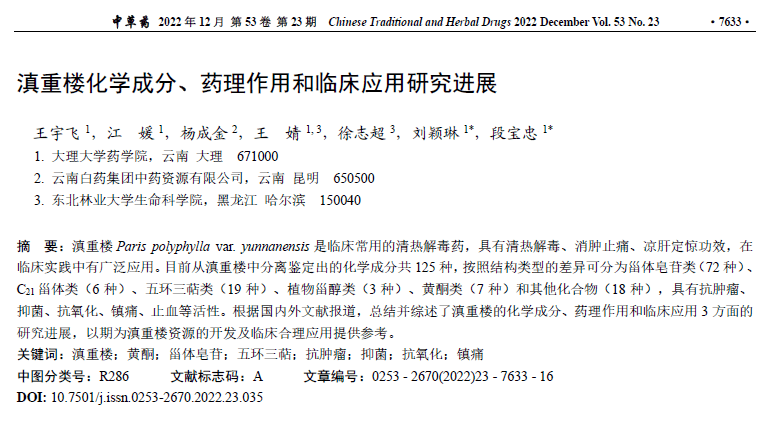
Research Progress on chemical constituents, pharmacological effects and clinical application of Paris polyphylla var.yunnanensis
Release Date:2022/12/15 10:15:27
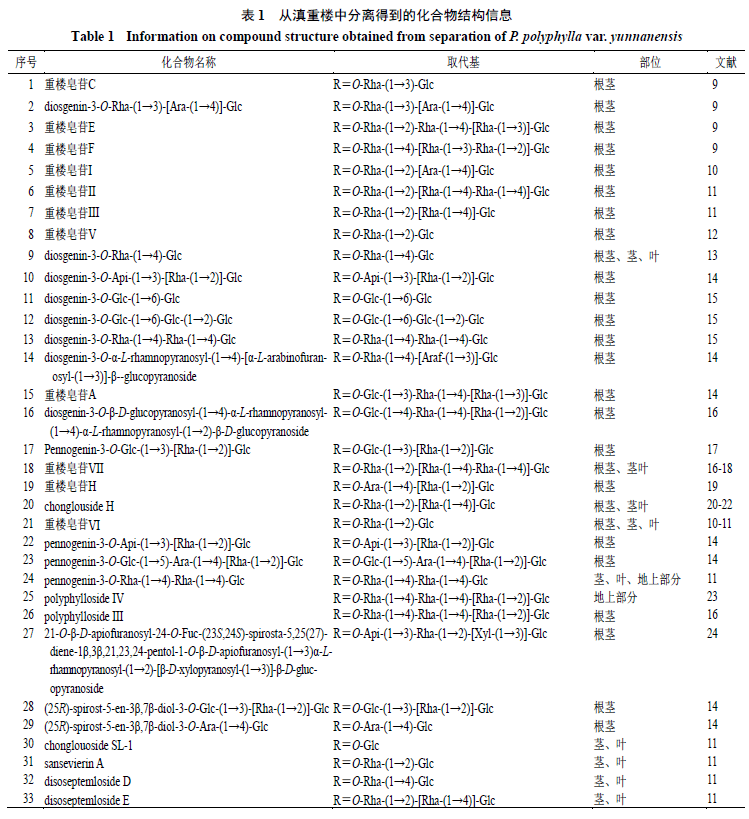
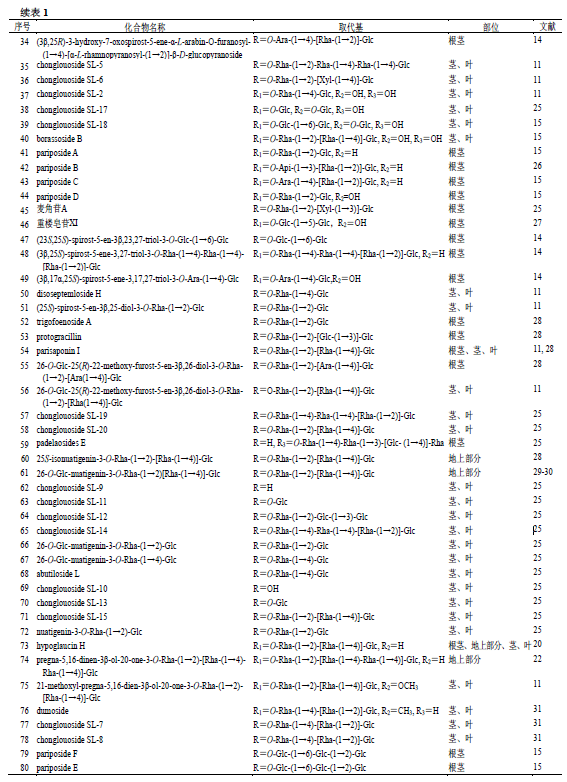
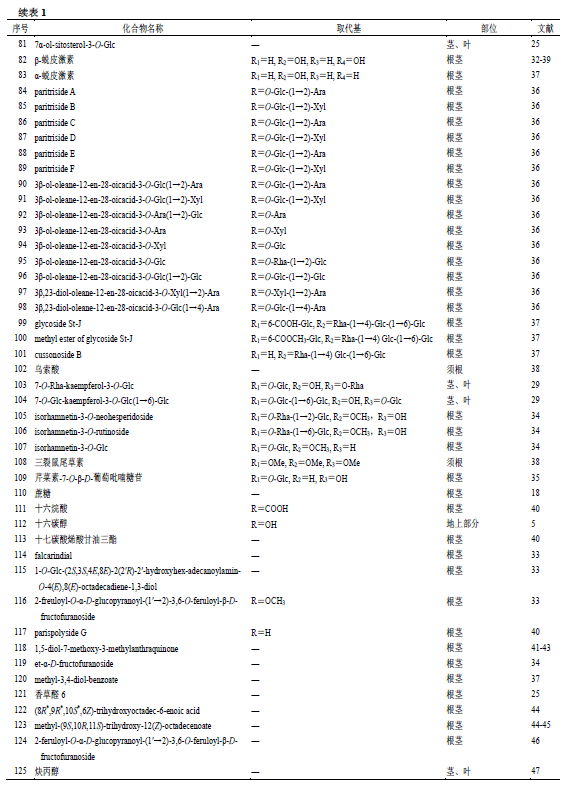
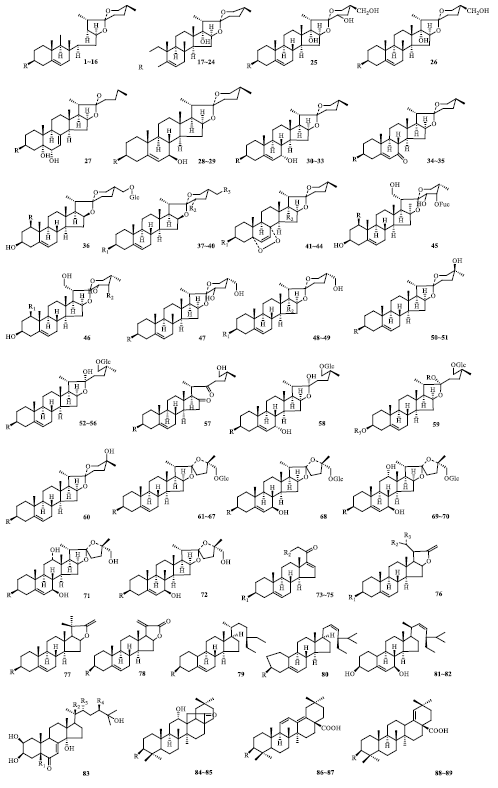
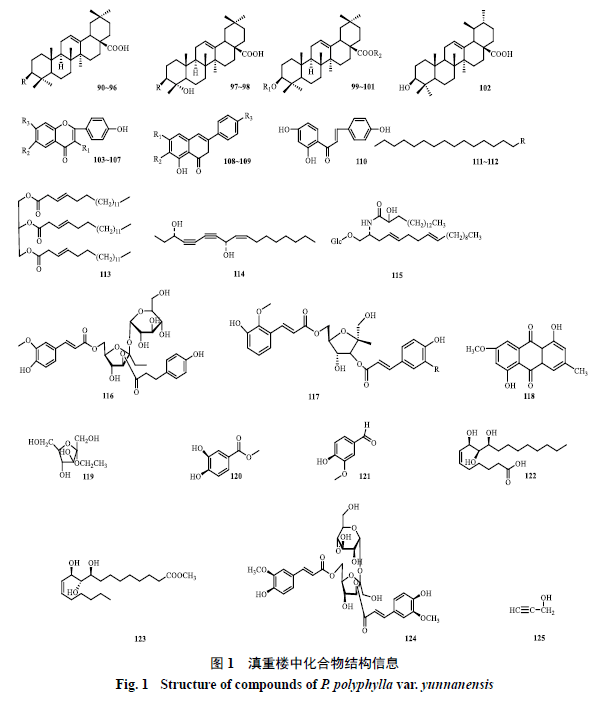
Paris polyphylla var. yunnanensis is a plant belonging to Paris genus of LiliaceaeParis polyphylla Smith var. yunnanensis (Fr.) Hand.-Mazz.Chinese Pharmacopoeia2020It is one of the original plants of Paris polyphylla, with a slightly cold nature and bitter taste. It belongs to the liver meridian and has the effects of clearing heat and detoxification, detumescence and pain relief, cooling the liver and calming the shock. It is mainly used for prickly sores and carbuncle, sore throat, snakebite, falling pain, convulsion and convulsion[1]According to modern research, the main chemical components of Paris polyphylla var. yunnanensis are steroidal saponins, flavonoids, triterpenoids and polysaccharides[2]At present, there are nearly 100 kinds of Chinese patent medicines and health care products produced from Paris polyphylla or its extract, such as Gongxuening capsules, antiviral particles, Jidesheng snake tablets, etc., which are widely used in the treatment of diseases such as prickly sores, carbuncle, snakebite, sore throat, etc[3]In recent years, with the development of modern technology, the research on Paris polyphylla var. yunnanensis has been deepened. At present, scholars have studied the chemical composition, pharmacological effects and quality control of Paris polyphylla var. yunnanensis[4-5], in addition, He Jun et al[6]Deng Zichao, et al[7], talking about documents, etc[8]This paper reviews the related research of Paris polyphylla var. yunnanensis. . In view of this, this paper systematically summarizes the chemical composition, pharmacological effects, clinical application and mechanism of Paris polyphylla var. yunnanensis, in order to provide reference for the development and clinical rational application of Paris polyphylla var. yunnanensis resources.1 Chemical constituents of Paris polyphylla var.yunnanensisParis polyphylla var. yunnanensis has various chemical constituents, and has been isolated and identified100Several compounds, including steroidal saponins(1~72)、C21Steroids(73~78), sterols(79~81)Ecdysone(82~83), pentacyclic triterpene(84~102), flavonoids(103~109)And others(110~125). The names of chemical components are shown in table1See the figure for structure1。
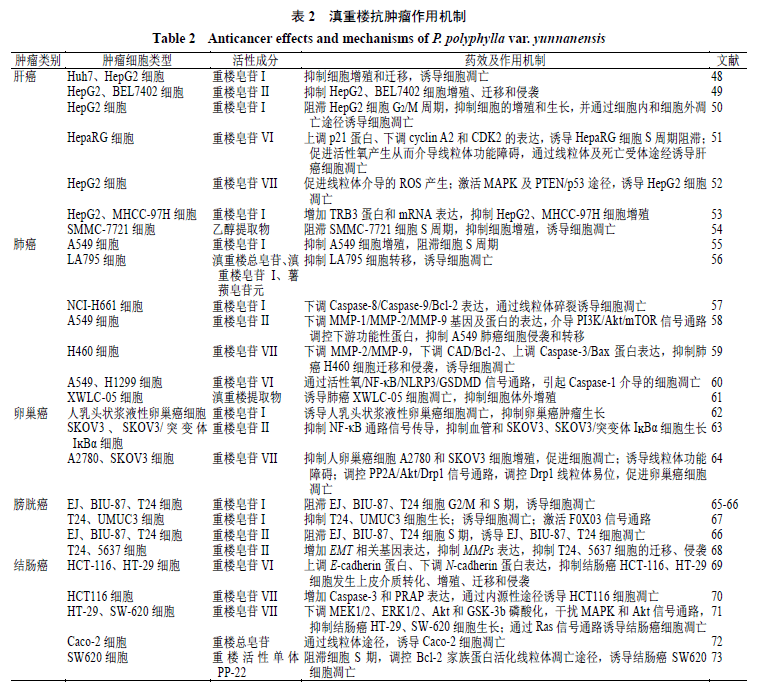
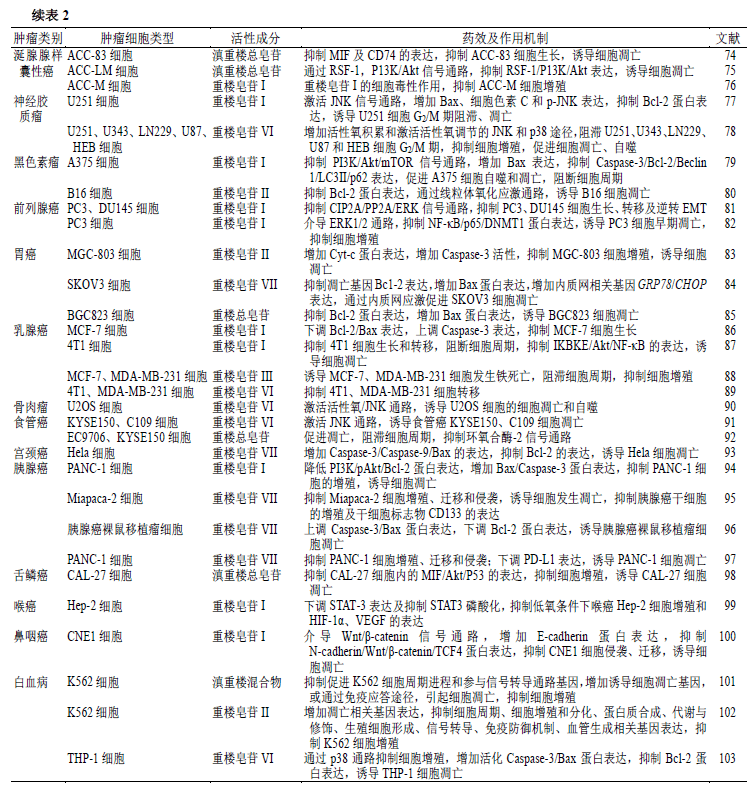
1.1steroidal saponins Steroidal saponins are the main component of Paris polyphylla var. yunnanensis, which has been isolated from Paris polyphylla var. yunnanensis72Steroidal saponins, mainly isospirostanol type compounds, and diosgenin and pinosigenin[9-27],Of these compoundsParis polyphylla saponinI、Paris polyphylla saponinII、Paris polyphylla saponin VI、Polyphyllin VII By Chinese Pharmacopoeia2020; In addition, a few spirostanol forms were isolated[11,14], furostanol type[11,25,28]And variant spirostanol steroidal saponins[25,28-29]。1.2C21SteroidsC21Steroids are a class of compounds containing21Steroidal derivatives with carbon atoms whose aglycone is pregnane or its isomer[30]In recent years, chenchangxiang et al[17]Obtained from the stems and leaves of Paris polyphylla var. yunnanensis6individualC21Steroidal compounds, including2Pregnane saponins and4individualC22-Steroidal lactone saponins[11,20,29,31]。1.3FlavonoidsFlavonoids are a class of polyphenolic compounds that exist in a variety of plants[32]It has been isolated from Paris polyphylla var. yunnanensis6The main types of flavonoids are flavonols, and the aglycones are kaempferol and isorhamnetin[25,29,33-35]。1.4pentacyclic triterpenes It has been isolated from Paris polyphylla var. yunnanensis13Pentacyclic triterpenoids[36-38]Its mother nucleus is oleanane type.1.5Other ingredientsIn addition to the chemical constituents reported above, polysaccharides, amino acids, trace elementsβ-Ecdysone and fatty acids[18,25,33,34,39-42]. shenshian[43], Wu Xia, et al[44]Obtained from Paris polyphylla var. yunnanensis2Homogeneous polysaccharide(PPLP、PPRP), whose structure is based on(1,6)-β-D-GalpArabinogalactan as the backbone. [45]Obtained from Paris polyphylla var. yunnanensis18. Yang Min et al[42]It is found that Paris polyphylla var. yunnanensis contains potassium, sodium, zinc, calcium, magnesium, etc14. In addition,Jenett-Siemsetc.[39]Isolated from Paris polyphylla var. yunnanensisβ-Ecdysone(82); Wu Xia et al[44]Isolated from Paris polyphylla var. yunnanensis2Fatty acids, respectively(8R*,9R*,10S*,6Z)-trihydroxyoctadec-6-enoic acid(121)Andmethyl (9S,10R,11S)-trihydroxy-12(Z)-octadecenoate(122)。2Pharmacological action and mechanism of Paris polyphylla var.yunnanensis2.1antitumor activityThe related research in the field of antitumor is a hot spot in the pharmacodynamic research of Paris polyphylla var. yunnanensis. At present, it mainly focuses on the anti-tumor and its mechanism of action of saponins. Studies have found that saponins have inhibitory effects on liver cancer, lung cancer, ovarian cancer, bladder cancer, colon cancer, salivary adenoid cystic cancer, glioma, melanoma, prostate cancer, gastric cancer, breast cancer, osteosarcoma, esophageal cancer, cervical cancer, pancreatic cancer, tongue squamous cell carcinoma, laryngeal cancer, nasopharyngeal carcinoma, leukemia and other tumor cells; The main mechanism of action is to inhibit the proliferation of tumor cells, induce tumor apoptosis or hinder the cell growth cycle; The main channels of action are protein kinasesB(protein kinase B,Akt)/nuclear factor-κB(nuclear factor-κB,NF-κB), phosphatidylinositol-3-Kinases(phosphatidylinositide 3-kinases,PI3K)/Akt/Target molecule of rapamycin(mammalian target of rapamycin,mTOR)And mitogen activated protein kinase(mitogen-activated protein kinase,MAPK)/AktThe relevant pharmacological effects and mechanisms are shown in table2。
2.2 anti-inflammatory effectInflammation is closely related to the occurrence of many diseases such as cancer and diabetes[104]The study showed that steroidal saponins, ecdysterone and extracts from Paris polyphylla var. yunnanensis had anti-inflammatory effects. As Zhang Yuan et al[105]Xiao Yang et al[106]Discovery of Paris polyphylla saponinI、VI、VII、H. Studies have found that ecdysterone contained in Paris polyphylla var. yunnanensis has anti-inflammatory effects, and its mechanism is to inhibitNF-κBandMAPKPathway activation, improvementHaCaTCytokine TNF-α(tumour necrosis factor-α,TNF-α)Inflammation after stimulation[107]. through further research,Huangetc.[108]Discovery of Paris polyphylla saponinIBy changing apoptotic markersCaspase, caspase-3(cystein-asparate protease-3,Caspase-3)、BLymphoblastoma2(B-cell lymphoma 2,Bcl-2)、Bcl-2correlationXProtein(Bcl-2 associated X protein,Bax); Inflammatory cytokinesTNF-α, interleukin-6(interleukin-6,IL-6), inducible nitric oxide synthase(inducible nitric oxide synthase,iNOS)、IL-10; expression of oxidative stress markers, inhibition of nuclear proteinsNF-κB p65Phosphorylation activity, thereby alleviating inflammation formed by myocardial ischemia and reperfusion injury;Zhangetc.[109]Paris polyphylla saponins was studied by enzyme-linked immunosorbent assayVIIInduced by lipopolysaccharideRAW264.7The effect of inflammatory factors released by cells revealed that Paris polyphylla saponinVIIadoptNF-κBandMAPKsPathway, reducing nitric oxide and prostaglandinsE2(prostaglandin E2,PGE2)Production, inhibition of inflammatory cytokines(TNF-α、IL-1βandIL-6)And enzymes(iNOS, cyclooxygenase-2、MMP-9)Protein andmRNA;And the study found that Paris polyphylla saponinVIIIt can inhibit xylene induced ear edema and cotton ball induced granuloma formation in mice, and inhibit lipopolysaccharide andCuSO4Induced swelling of zebrafish embryos. Lujunkun[110]、Dong Wei et al[111]Studies have shown that Paris polyphylla cataplasm downregulates inflammatory factorsIL-1βWithTollLike receptor4; In addition, Xiong Wei et al[112-113]The correlation between Paris polyphylla var. yunnanensis and systemic inflammatory response was explored by using the rat model of intestinal mucosal dysfunction. It was found that compared with the control group, the content of creatine kinase, thrombin and blood urea nitrogen in the whole blood of the model group rats increased, the content of arterial blood carbon dioxide decreased, and the survival rate and intestinal propulsion rate of the rats decreased significantly. The mechanism was through the downregulation of late inflammatory factorsHMGB1Expression, inhibit systemic inflammatory response, thereby improving intestinal mucosal barrier permeability and playing an anti-inflammatory protective role.2.3analgesia、SedationPain is a common symptom in many clinical diseases[114]. Liu Jiang et al[114], Wang Qiang, et al[115]The analgesic effects of various Paris polyphylla extracts were studied, and it was found that Paris polyphylla var. yunnanensis had the best analgesic effect. Several scholars have found Paris polyphylla saponinsI、VIAnd alcohol extract can inhibit acetic acid-induced writhing reaction in mice, and the mechanism is to prolong the latency of pain threshold and increase the pain threshold[105-116]And the analgesic effect was stronger than that of total saponins; It has also been shown that the total saponins in the aerial parts, fruits and rhizomes of Paris polyphylla var. yunnanensis have no significant difference in analgesic effect on acetic acid-induced writhing in mice[117]. in addition, xuhaiwei et al[118-119]The study found that Paris polyphylla saponin may enhance morphine analgesia after the formation of acute tolerance to morphine, and its mechanism may be through the influence of adrenocorticotropic hormone andβ-Endorphins and other factors affect the formation of tolerance. In terms of sedation, it was found that Paris polyphylla saponin can inhibit the level of adrenocorticotropic hormone in the hypothalamus, has sedative and analgesic effects, and the intensity of action is not lower than that of diazepam[118]Paris polyphylla var. yunnanensis can also exert analgesic synergism with barbital sodium, shorten the sleep time of mice and prolong the sleep time[120]。2.4Bacteriostatic and antiviral effectsThe antibacterial effect of Paris polyphylla var. yunnanensis has been widely reported. Studies have shown that the methanol extract of Paris polyphylla var. yunnanensis can inhibit Shigella sonnei, Serratia marcescens, Escherichia coli, Staphylococcus aureus[121]The ethanol extract has a good inhibitory effect on Propionibacterium acnes, Staphylococcus epidermidis, Staphylococcus aureus, some gram positive cocci, negative bacilli, Alternaria citri, Phytophthora brown rot, anthrax, etc[122-125]; n-butanol extract can inhibit Candida albicans[126], and can inhibit Candida albicans biofilm formation, reduce biofilm thickness, and downregulateHWP1、MP65、SUN41Gene expression; Ethyl acetate extract also has certain antibacterial activity against Klebsiella pneumoniae, Bacillus subtilis, Escherichia coli and other bacteria[72]It has also been found that the aqueous extract of Paris polyphylla var. yunnanensis can inhibit the growth of common pathogenic bacteria in the mouth[127]And it can inhibit Streptococcus mutans, Streptococcus sanguis and Lactobacillus acidophilus in dental plaque biofilm[128]The antiviral effect of Paris polyphylla var. yunnanensis has been reported mainly for its saponins and polysaccharides. Puxiuying et al found that Paris polyphylla saponinII、Paris polyphylla saponinVIandParis polyphylla saponinVIIIt has good anti -AInfluenza A virus(Influenza A Virus,IAV)Active, Paris polyphylla saponinIIt has good anti -IAVActivity, which can be significantly reducedIAVMortality of infected mice[129]Shi Xiaofeng and others found that the alcohol extract of Paris polyphylla var. yunnanensis was effective against a variety of viruses and had the effect of killing leptospirosis virus in vitro; [130]In addition, mice were nasal instilled with Paris polyphylla extract,5 hAfter inoculation, the mortality of mice was reduced; [131]。2.5Hemostatic effectBlood coagulation is the result of various coagulation factors participating in enzymatic reaction[132]. Wang Qiang et al[121], Luo Gang, et al[133]It was found that Paris polyphylla saponins contained in Paris polyphylla var. yunnanensisCIt has a significant hemostatic effect, and its mechanism may be to induce vasoconstriction, reduce capillary permeability, and shorten plasma coagulation and recalcification time. Buwei et al[117]It was found that the total saponin extracts from different parts of Paris polyphylla var. yunnanensis could significantly shorten the bleeding time of mouse tail tip, and the hemostatic effect of rhizome was stronger than that of stem, leaf and fruit. Liu Jiang[114]Zhang Haizhu, et al[134]Compared the7According to the hemostatic effect of the extracts of Paris polyphylla, it was found that the bleeding time and coagulation time of mice in the Paris polyphylla group were the shortest; In addition, Cong Yue et al[135], fuyali et al[136]Studies have shown that Paris polyphylla saponinsHAnd total steroidal saponins can induce platelet aggregation, which is dependent on platelet activationADPRelease andTXA2Generation of[135]。2.6ImmunomodulationThe immune regulation of Paris polyphylla var. yunnanensis mainly shows immune enhancement[6,137]. lichunjiang et al[138]It was found that Paris polyphylla saponin could increase the thymus index of tumor bearing nude mice, and the mechanism was offsetTCell balance, lower serumTNF-αExpression levels. Paris polyphylla saponinsIIIt can inhibit the local immune response of lupus nephritis and regulateTcellTGF-β、IL-10Protein expression, induction and regulation of autophagy and apoptosis[139]; can also be increasedBax/Bcl-2Levels, reduce extracellular matrix accumulation, thereby inducing mesangial apoptosis or inhibiting its abnormal proliferation[140]In addition, liugongcheng[141]Studies have shown that Paris polyphylla polysaccharide can regulate spleen index and enhance spleen immune function in mice, and its mechanism is to improveGATA-3、T-bet、IL-2、IL-10Other immune related genesmRNAExpression level; Research shows that Paris polyphylla var. yunnanensis containsC21Steroidal glycosides also have immunomodulatory effects[142], can preventT、BProliferation of lymphocytes as well as splenocytes, inducing activated lymphoid apoptosis[143-145]The compound preparation of Paris polyphylla can regulate the immune function of the body and improve the cytotoxicity in miceTLymphocyte activity[146]。2.7antioxidantSaponins, polysaccharides and flavonoids in Paris polyphylla var. yunnanensis are rich in phenolic hydroxylBase, is a natural antioxidant with great potential. Numerous studies have found that the total saponins and polysaccharides contained in Paris polyphylla var. yunnanensis have significant effects on superoxide anion, hydroxylDPPHAnd other free radicals have strong scavenging ability[147-150]. shenshian[43]Research found that Paris polyphylla polysaccharide(PPLP、PPRP)It has strong antioxidant activity, and its mechanism is to regulate the expression of antioxidant enzyme related genes, reduce the content of malondialdehyde in serum, heart, liver and other tissues, and enhance the activity of total superoxide dismutase, catalase andGSHPxEtc; Paris polyphylla polysaccharide can also improve the aging model mice'sCuZn-SOD、T-SOD、GSH-PxAnd catalase activity, reduce the content of malondialdehyde, hydroxyl radical, superoxide anion, scavenging ability of superoxide anion and hydroxyl radical and vitaminCThere was no significant difference between treatments[141]In addition, the study showed that the total flavonoids of Paris polyphylla var. yunnanensis also had significant effects onDPPH, hydroxyl radical and superoxide anion have good scavenging ability, and the activity is similar to that of vitaminCQuite[151]。2.8Organ protectionManetc.[152-153]; Shenshian[43]Studies have shown that polysaccharides from Paris polyphylla var. yunnanensis can reduce the content of malondialdehyde in the liver of mice and increaseT-SODandGSH-Px. It has also been shown that dioscin and pinoside in Paris polyphylla var. yunnanensis can regulate the release of neuroendocrine system under stressGCAnd catecholamines, which have a protective effect on the kidneys of mice with microcystin induced abnormal nephron structure[154]. zhoumanhong et al[155]It was found that the total saponins of Paris polyphylla var. yunnanensis could alleviate acute lung injury in multiple trauma model rats and protect the lungs of rats, and the mechanism was to down regulate the levels ofTNF-α/IL-1β/IL-6Level; At the same time, the total saponins of Paris polyphylla var. yunnanensis can also improve the microstructure characteristics of bone trabeculae in the epiphysis of femoral shaft in osteoporotic rats, and promote the proliferation and differentiation of primary osteoblasts in rats. The mechanism is to regulate osteoprotegerin/Nuclear factorκBReceptor activating factor ligand(OPG/RANKL)signaling pathway, increaseOPGExpression, decreasedRANKLExpression of[156]In addition, the study found that the extract of Paris polyphylla var. yunnanensis also had a better protective effect on digestive organs, such as the aqueous extract could inhibit the contraction of isolated gastric smooth muscle in rats and excite the contraction of isolated small intestinal smooth muscle in rats, and had a bidirectional regulating effect on the gastrointestinal motility induced by atropine and acetylcholine in vitro; It can also regulate gastric spasm and intestinal dysfunction, improve the permeability of small intestinal mucosal barrier, and reduce abdominal distension, diarrhea, abdominal pain and other symptoms in patients with intestinal mucosal dysfunction[112,157-159]。2.9otherIn addition to the above pharmacological effects, the chemical constituents of Paris polyphylla var. yunnanensis have other pharmacodynamic effects. Such as affecting angiogenesis, Biwei et al[160]The study found that Paris polyphylla saponinI、IIThe ethanol extract of chicken embryo chorioallantoic membrane can reduce the number of small blood vessels, and has the activity of inhibiting angiogenesis; Hu Jing et al[161]Studies have shown that the ethanol extract of Paris polyphylla can inhibit the angiogenesis of human umbilical vein, and its mechanism is to inhibit the proliferation, migration and lumen formation of endothelial cells, and induce endothelial apoptosis. In addition, Paris polyphylla saponin can act as an inhibitor of oncoprotein, weaken its inhibitory effect on protein phosphatase, and help alleviate the symptoms of Alzheimer's disease[162]It can also resist pulmonary hypertension by inhibiting endothelin induced cellsG0/G1Phase directionSPeriodSPhase directionG2/MPhase transformation, resulting in proliferation and migration of rat pulmonary artery smooth muscle cells[163]。3 clinical application. Polyphylla yunnanensis compound for the treatment of malignant tumors and heat syndrome, such as Zhang Wenjing et al[164]It was found that Paris polyphylla with bee hive can significantly improve the symptoms of adverse reactions of gastric cancer recurrence after surgery, and has obvious effect in the treatment of lymphatic tuberculosis; [165]The application of Dian Chong Lou powder combined with anti tuberculosis drugs in the treatment of superficial lymph node tuberculosis can significantly improve the short-term curative effect, especially the curative effect of abscess type and invasive lymph node tuberculosis. [166]In terms of anti-virus, clinical research found that Chonglou Jiedu tincture was applied externally to treat neonatal toxic erythema[167]And infantile hand foot mouth disease rash caused by enterovirus[167], or combined with fire needle in the treatment of multiple plantar warts[168], the curative effect is remarkable;62Clinical observation of cases showed that Jidesheng Sheyao tablet had good effect on anti herpes simplex virus and varicella zoster virus; The external application of Paris polyphylla ointment combined with electroacupuncture in the treatment of herpes zoster pain has good analgesic effect and safety, and its mechanism may be related to the improvement ofTLymphocyte expression correlates[169]In terms of analgesia, Chonglou Jiedu Decoction, oral administration and retention enema were used to treat early perianal abscess at the same time, which was found to significantly improve patients' anal pain andC-(C-reactive protein,CRP)、PGE2Plasma fibrinogen regulation level, with good safety[170]Paris polyphylla extract can improve the pain and abscess of chemotherapy leakage[171];External application of Paris polyphylla cataplasm combined with conventional oral diclofenac sodium sustained-release capsules has obvious curative effect than oral diclofenac sodium sustained-release capsules alone in reducing joint pain and swelling, and no local and systemic adverse reactions may be caused by external application were found[110]In addition, Chonglou Shenghua decoction was used to treat uterine involution after cesarean section, which was found to promote uterine incisionISimilar healing rate, and improve blood routine and serumCRP、TNF-α、IL-1βExpression level[172]; maolihua[173]The self-made Chonglou decoction combined with Xiaokui powder was used to treat ulcerative colitis, which was found to improve the symptoms of patients and reduce the serumTNF-α、IL-6Level of[173]Gongxuening Capsule, a preparation of Paris polyphylla, can treat abnormal uterine bleeding caused by a variety of reasons with obvious curative effect[174]。4 epilogueParis polyphylla var. yunnanensis, as a traditional Chinese medicine with a long history in China, has a rich base of clinical application, and its chemical composition is rich. At present, it has been found that125Chemical constituents, including saponins, flavonoids, pentacyclic triterpenoids, fatty acids and polysaccharides, have attracted extensive attention in terms of biological activity, antitumor, analgesic, anti-inflammatory and other aspects. At present, some progress has been made in the research on the chemical constituents, pharmacological effects and mechanisms of Paris polyphylla var. yunnanensis, but there are still some problems in the research of Paris polyphylla var. yunnanensis, especially in the field of anti-tumor. Although a large number of studies have been carried out, most of them focus on in vitro experiments, and there is still a lack of relevant research based on systems biology and integrative pharmacology, which deviates from the holistic view and clinical practice of traditional Chinese medicine; Secondly, the pharmacokinetics of Paris polyphylla var. yunnanensis and its active ingredients in vivo is still in the primary exploration stage, and further in-depth research is needed; In addition, Paris polyphylla var. yunnanensis has small poisons, and there is no in-depth report on its toxicology at present. In the follow-up, we should further study its toxicology, control the dose relationship between its efficacy and toxicity, and strengthen the research on the mechanism of processing and toxicity reduction, so as to enhance the safety of clinical medication. In the future, the research can be combined with clinical practice to find the lead compounds with therapeutic effects against diseases, lay the foundation for the later clinical development of new drugs, and fully explore the medicinal value of Paris polyphylla var. yunnanensis.References (omitted) Come ; Yuan, Yang Chengjin, Wang Jing, xuzhichao, liuyinglin, duanbaozhong. Research progress on chemical constituents, pharmacological effects and clinical applications of Paris polyphylla var. yunnanensis [J] . Chinese herbal medicine, 2022, 53 (23): 7633-7648