Introduction/Overview
Natural products have always been an important source of innovative drug discovery, and their unique chemical structures provide valuable molecular frameworks for developing new therapies for complex diseases. Among numerous natural compounds with biological activity, hyacinths (Efetaal, CAS number 2556-10-7) have attracted much attention in recent years due to their multi-target and multi pathway inhibitory potential in the field of anti-tumor. As a relatively small molecular weight compound, hyacinths exhibit broad-spectrum anti-tumor activity by intervening in multiple key biological processes such as cell apoptosis, signal transduction, angiogenesis, and extracellular matrix degradation. Its target areas cover multiple key nodes from apoptosis regulatory proteins (such as MCL1, BCL2), transcription factors (such as STAT3, HIF1A) to enzymes (such as TOP1/2A, MMP2, CYP19A1), suggesting that it may overcome the limitations of traditional single target drugs that are prone to drug resistance. This article aims to systematically review the chemical properties, plant sources, pharmacological activities, molecular mechanisms of action, pharmacological evaluation, and clinical application prospects of hyacinths, in order to provide comprehensive scientific references for the in-depth research and subsequent drug development of this natural product.
Chemical structure and physicochemical properties
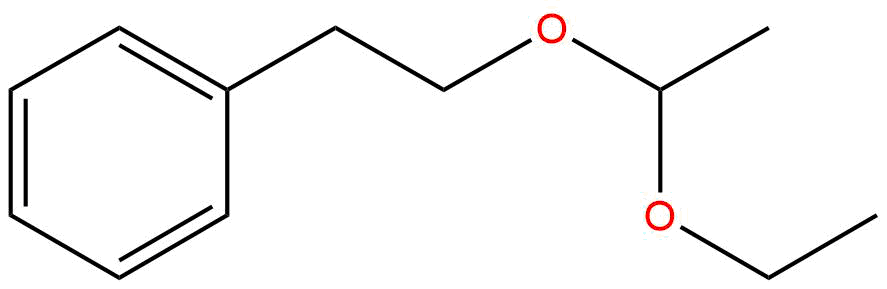
Efetaal is an organic small molecule compound with a specific parent nucleus structure. Its molecular formula is C ₁₁ H ₁₄ O3, and its molecular weight is 194.2740 g/mol. From a chemical structure perspective, it usually contains one or more aromatic rings and specific oxygen-containing functional groups (such as methoxy, hydroxyl, etc.), which are the basis for its interactions with various biological targets and determine its basic physicochemical properties.
According to the provided pharmacological parameters, the lipid water partition coefficient (LogP) of hyacinths is 2.8275, indicating that the compound has moderate lipophilicity, which facilitates its penetration of cell membranes and binding to intracellular targets. The topologically polar surface area (TPSA) is 18.4600 Å ², which is a relatively low value, further confirming its good membrane permeability. Its water solubility is 0.1747 mg/mL, which belongs to the category of slightly soluble to poorly soluble. This may be a key aspect that needs to be considered and optimized in the development process of its formulation. It is worth noting that calculations or experimental predictions show that hyacinths have a high blood-brain barrier permeability, providing a favorable physicochemical basis for their potential application in the treatment of central nervous system tumors. In early safety screening, hyacinths did not show significant hERG potassium channel inhibitory activity (hERG inhibition: no), which reduces its potential risk of inducing QT interval prolongation and apical torsion type ventricular tachycardia, and is a positive drug signal. In addition, its Ames test result is 0.9 (usually expressed as mutation rate, close to 1 indicates a low risk of mutagenicity), suggesting that its genetic toxicity risk is controllable.
Plant sources and extraction methods
Hyacinth extract is mainly isolated from specific parts of plants in the Hyacinth family or related Liliaceae family. Early research mostly focused on the genus Hyacinth(Hyacinthus)It is found in the bulbs or roots of plants, which is also the source of its common Chinese name "hyacinth". However, subsequent studies have also shown that this compound or structurally similar compound may be widely present in other bioactive medicinal plants.
Its extraction and separation usually follow the standard process of natural product chemistry. Firstly, plant materials (such as dried bulbs) are crushed and subjected to cold soaking or heating reflux extraction using appropriate solvents (such as methanol, ethanol, or ethanol water mixed solvents) to maximize the dissolution of secondary metabolites including hyacinths. After filtration and concentration, the crude extract is preliminarily enriched using liquid-liquid extraction method (such as ethyl acetate or chloroform extraction). Further purification mostly depends on column chromatography technology. Silica gel, reverse phase silica gel (such as C18) or gel (such as Sephadex LH-20) are often used as stationary phases, and gradient elution is carried out with solvent systems of different polarity. The separation process is monitored by thin layer chromatography (TLC) or high-performance liquid chromatography (HPLC), and the isolated monomer compounds are structurally identified by spectroscopic methods such as nuclear magnetic resonance (NMR) and mass spectrometry (MS) to confirm hyacinths. Modern technology also explores the use of preparative chromatography techniques such as high-speed counter current chromatography (HSCCC) to improve separation efficiency and yield. To ensure sustainability and protect wild plant resources, utilizing plant cell culture or synthetic biology methods to produce hyacinths is also an important research direction in the future.
Pharmacological activity research
The most notable pharmacological activity of hyacinths is its extensive anti-tumor effects. A large number of in vitro studies have shown that it has significant proliferation inhibition and cytotoxicity effects on a variety of human tumor cell lines, including breast cancer, prostate cancer, liver cancer, lung cancer, colon cancer and glioma, and its IC50 values are mostly in the micromolar or even nanomolar level, showing a strong potency.
Its anti-tumor activity is not only reflected in directly inhibiting tumor cell growth, but also in the following aspects:
1. Inducing cell apoptosis Hyacinth can significantly increase the apoptosis rate of tumor cells, manifested by typical apoptotic features such as phosphatidylserine eversion, caspase cascade activation, and nuclear condensation.
2. Inhibit cell invasion and migration In transwell and wound healing experiments, hyacinths can effectively inhibit the invasion and migration ability of tumor cells, indicating its potential for anti metastasis.
3. Inhibit angiogenesis In chicken embryo chorioallantoic membrane (CAM) experiments or human umbilical vein endothelial cell (HUVEC) luminal formation experiments, hyacinths exhibit inhibitory effects on neovascularization.
4. Reverse multidrug resistance Preliminary studies suggest that hyacinths may enhance the sensitivity of drug-resistant tumor cells to traditional chemotherapy drugs by regulating the expression or function of certain ABC transporters, such as P-glycoprotein.
In addition, since its targets include CYP19A1 (aromatase) and ESR1 (estrogen receptor alpha), hyacinth has potential application value in the treatment of hormone dependent tumors, especially estrogen receptor positive breast cancer. In addition to its anti-tumor activity, based on the diversity of its targets, the activity of hyacinths in other disease fields (such as inflammatory diseases, where STAT3 is a key inflammatory signaling hub) is also worth exploring, but there are currently few related research reports.
Mechanism of action and molecular targets
The anti-tumor effect of hyacinths is not achieved through a single pathway, but as a multi-target regulator that synergistically interferes with multiple key stages of tumor occurrence and development. Existing research has preliminarily revealed its interactions with the following important targets:
-
Regulating the apoptotic pathway (targeting MCL1 and BCL2)Hyacinth extract can downregulate the expression or interfere with the function of anti apoptotic proteins MCL1 and BCL2, thereby relieving their inhibition of pro apoptotic proteins such as BAX and BAK, and inducing cell apoptosis through the mitochondrial pathway. This is one of the core mechanisms by which it directly kills tumor cells.
-
Inhibition of signal transduction and transcriptional activation (targeting STAT3, MAPK1)Hyacinth extract can effectively inhibit the phosphorylation (activation) of STAT3 and the transcription of downstream target genes (such as Cyclin D1, Bcl xL, VEGF). At the same time, it can also affect the MAPK/ERK pathway (such as inhibiting the activity of MAPK1/ERK2), interfering with cell proliferation and survival signals.
-
Interference with DNA metabolism and topological structure (targeting TOP1, TOP2A)As a potential inhibitor of topoisomerase I (TOP1) and topoisomerase II alpha (TOP2A), hyacinths may cause single or double strand breaks in DNA by stabilizing enzyme DNA cleavage complexes, hindering DNA replication and transcription, and leading to cell death.
-
Inhibiting tumor invasion and angiogenesis (targeting MMP2, HIF1A)Hyacinth can reduce the expression and activity of matrix metalloproteinase 2 (MMP2), thereby inhibiting the degradation and invasion of extracellular matrix by tumor cells. At the same time, it inhibits the stable or transcriptional activity of hypoxia inducible factor 1 alpha (HIF1A), downregulates the expression of angiogenic factors such as vascular endothelial growth factor (VEGF), and suppresses tumor angiogenesis.
-
Intervention in hormone signaling pathway (targeting ESR1, CYP19A1)In hormone dependent cancers, hyacinths may act as modulators (possibly antagonists) of estrogen receptor alpha (ESR1), blocking estrogen induced proliferation signals. In addition, by inhibiting the activity of aromatase (CYP19A1), the biosynthesis of estrogen is reduced, cutting off hormone stimulation from the source.
These multi-target effects together form the molecular network basis for the anti-tumor activity of hyacinths, enabling it to simultaneously attack multiple weaknesses of tumor cells, which may help overcome drug resistance and improve treatment efficacy.
Evaluation of drug properties and pharmacokinetics
The pharmacological evaluation based on calculations and preliminary experimental data shows that hyacinths have some good drug like properties. Its molecular weight is less than 500, the LogP value is around the ideal range (1-3), the TPSA value is low, and it meets the basic criteria of Lipinski's five rules for drug properties, indicating that it has good oral absorption potential. The higher blood-brain barrier permeability prediction is a significant advantage that distinguishes it from many anti-cancer drugs.
However, its poor water solubility (0.1747 mg/mL) is a key technical challenge that needs to be addressed when developing it into oral or injectable formulations. Possible strategies include making salt forms, using solubilizers (such as cyclodextrin inclusion, surfactants), or developing nanomaterials (such as liposomes, polymer nanoparticles). The absence of hERG inhibition and lower risk of Ames mutagenicity have given the green light for its safety assessment, but a comprehensive preclinical safety evaluation (such as acute toxicity, chronic toxicity, reproductive toxicity, etc.) still needs to be completed in subsequent studies.
The pharmacokinetic study of hyacinths is currently not systematic, and publicly available data is limited. Based on its physicochemical properties, it is speculated that there may be moderate absorption in the gastrointestinal tract after oral administration, but bioavailability may face challenges due to first pass effects. Its distribution in the body may be widespread, especially in brain tissue. In terms of metabolism, as a small molecule containing phenolic hydroxyl groups and other functional groups, it is likely to be metabolized through phase I (such as CYP450 enzyme system) and phase II (such as glucuronidation and sulfation) reactions in the liver. The excretion pathway may mainly be through the kidneys (metabolites) and bile. In the future, it is necessary to use in vitro and in vivo models (such as liver microsomes and pharmacokinetic animal experiments) to study in detail its ADME (absorption, distribution, metabolism, excretion) characteristics, clarify its main metabolic enzymes and metabolites, and evaluate potential drug drug interaction risks.
Clinical application prospects and prospects
As a multi-target anti-tumor natural lead compound, hyacinths have promising clinical application prospects, but also face a series of challenges and directions that need to be further explored.
prospect:
1. Multi target combination therapy strategy Its unique multi-target mechanism of action makes it a potential candidate drug for treating malignant tumors that are resistant to single target drugs or prone to recurrence and metastasis, especially targeting "difficult to drug" targets such as STAT3 and HIF1 α.
2. Treatment of central nervous system tumors The excellent oral absorption potential makes it a potential drug for treating central nervous system tumors such as gliomas.
3. Combination therapy sensitizer Combined use with existing chemotherapy drugs (such as topoisomerase inhibitors, hormone therapy drugs) may produce synergistic effects, reduce chemotherapy drug dosage and toxic side effects, and reverse drug resistance.
4. Excellent starting point for pharmaceutical chemistry optimization By using it as the core skeleton for structural modification and optimization, it is expected to develop derivatives or analogues with stronger activity, higher selectivity, and better pharmacokinetic properties.
Challenges and Prospects:
1. Deep analysis of the mechanism of action At present, more biochemical, structural biology (such as eutectic structure), and systems biology research are needed to clarify the precise regulation of the direct binding mode, binding strength, and downstream signal network of hyacinths with various targets.
2. In vivo efficacy and safety verification It is urgent to validate its in vivo anti-tumor efficacy in more and more clinically relevant animal tumor models, such as the human derived tumor xenograft PDX model, and complete a systematic preclinical safety evaluation.
3. Formulation development Solving the problem of poor water solubility is a necessary path to promote its clinical research. The development of a new drug delivery system is crucial.
4. Source and synthesis It is necessary to establish a stable, economical, and sustainable supply channel for hyacinths, whether through total synthesis, semi synthesis, or biosynthesis methods.
5. Exploration of clinical translation: In the future, we can consider exploring its clinical development path in breast cancer (especially ER+), liver cancer, glioma and other specific tumors, and looking for possible biomarkers to predict patient response.
Conclusion
In summary, Efetaal is a natural small molecule compound derived from plants with multi-target anti-tumor activity. It exhibits great potential in inhibiting tumor cell proliferation, inducing apoptosis, resisting invasion and metastasis, and resisting angiogenesis by synergistically acting on multiple key targets such as MCL1, BCL2, STAT3, TOP1/2A, MMP2, HIF1A, ESR1, and CYP19A1. Its excellent drug like properties, high blood-brain barrier penetration potential, and initially controllable safety risks have laid a solid foundation for its further development. However, the full validation of its water solubility, systemic pharmacokinetics, in vivo efficacy, and fine mapping of its mechanism of action remain key bottlenecks in current research. In the future, through interdisciplinary collaboration and combining the strengths of medicinal chemistry, pharmacy, pharmacology, and clinical medicine, hyacinths are expected to gradually develop from a promising natural lead compound into a new weapon against malignant tumors, providing new ideas and directions for the modernization of natural products and the development of anti-tumor drugs.