Introduction/Overview
Natural products, as an important source of drug discovery, play an irreplaceable role in the long history of human struggle against diseases. From ancient plant medicine to modern medicinal chemistry, the secondary metabolites contained in nature, with their unique chemical structures and diverse biological activities, continue to provide valuable lead compounds for the development of innovative drugs. Among the numerous natural products with biological activity, the Polygonaceae plant, Polygonaceae, is the source of water Polygonum(Polygonum hydropiper L. The sesquiterpene compound of Polygonatum sibiricum, Polygonatum sibiricum, has attracted widespread attention from scholars at home and abroad due to its unique spicy taste and significant pharmacological activity, especially its potential as an antifungal enhancer and analgesic.
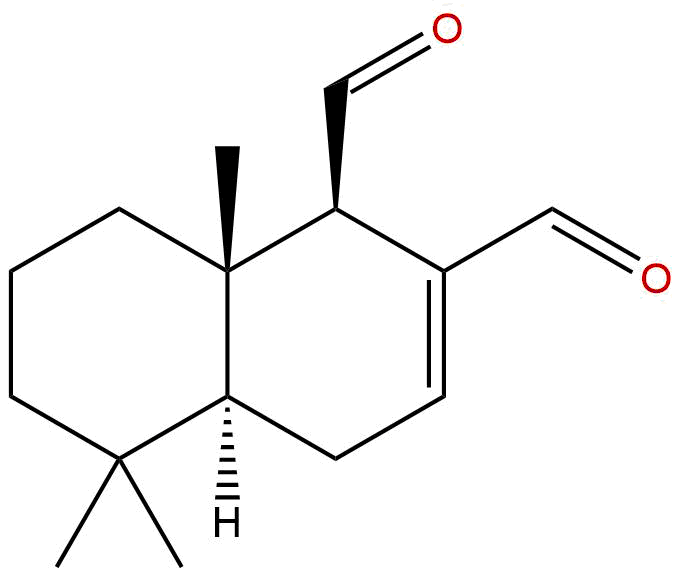
Polygonatum sibiricum, also known as Polygonal, with a CAS number of 6754-20-7, is a sesquiterpene compound with a double aldehyde structure. Its name comes from its plant source, Polygonum hydropipes(Polygonum hydropiper)This plant is often used in traditional medicine to treat inflammation, pain, and infections. Water Polygonatum sibiricum was first isolated and identified in the 1950s, and its chemical structure was subsequently confirmed to have a unique drimane skeleton. This structural feature, especially the two aldehyde functional groups in its molecule, is considered a key pharmacophore for its various biological activities.
In recent years, with the deepening of research on the pharmacological mechanisms of natural products, the biological activity spectrum of Polygonatum sibiricum extract has been continuously expanded. In addition to the initially discovered strong spicy taste and anti herbivorous animal defense function, research has confirmed its significant antifungal, antibacterial, anti-inflammatory, analgesic, anti allergic, anti-tumor, and insecticidal activities. What is particularly noteworthy is that berberine has been proven to be an efficient antifungal enhancer, which can significantly enhance the killing effect of traditional antifungal drugs (such as amphotericin B, fluconazole, etc.) on drug-resistant fungal strains. At the same time, its potential in the field of analgesia has also attracted attention, exhibiting unique anti hyperalgesia effects by acting on the transient receptor potential (TRP) channel family. These findings make Polygonatum sibiricum not only an interesting natural product chemical probe, but also a highly promising drug lead compound. This article aims to comprehensively review the chemical structure, physicochemical properties, plant sources, extraction methods, pharmacological activity, mechanism of action, pharmacological evaluation, and clinical application prospects of Polygonatum sibiricum, in order to provide a systematic reference for the in-depth research and development of this compound.
Chemical structure and physicochemical properties
The chemical structure of Polygonal belongs to the typical drimane type sesquiterpene, and its core skeleton is the decalin system. Its chemical name is usually (1R, 4aS, 8aS) -1,4-a, 5,6,7,8,8a, 9-octahydro-1,4a-dimethyl-1,2-naphthalene formaldehyde, or simply referred to as hydropyraldehyde. Its molecular formula is C ₁₅ H ₂₂ O ₂, and its molecular weight is 234.3390 g/mol. The most prominent feature in the structure is the presence of two adjacent aldehyde groups (- CHO) at positions C-8 and C-9 (or C-11 and C-12 according to different numbering rules), as well as one methyl group connected to position C-4 and one methyl group connected to position C-1. The presence of these two aldehyde groups endows water caltrophin with high chemical reactivity, enabling it to undergo reversible or irreversible covalent binding with nucleophilic groups in organisms, such as cysteine thiol groups and lysine amino groups in proteins or enzymes. This is considered the molecular basis for its multiple pharmacological activities.
In terms of physicochemical properties, Polygonatum sibiricum exhibits typical lipophilic small molecule characteristics. The calculated lipid water partition coefficient (LogP) is 3.3354, indicating that it has strong lipid solubility and is easy to penetrate biofilms. This property is closely related to its defense function in plants and its ability to interact with membrane receptors or intracellular targets in organisms. Its topological polar surface area (TPSA) is 34.14 Å ², far below the upper limit of 140 Å ² typically required for oral drugs, indicating good cell membrane permeability. However, its water solubility (0.0606 mg/mL) is poor, making it a poorly soluble compound, which to some extent limits its bioavailability and formulation development. At room temperature, the capsaicin in Polygonum hydropipes is usually a colorless or pale yellow oily liquid or low melting point crystal, with a strong spicy taste. It is the main contributor to the "spicy taste" of its plant derived Polygonum hydropipes. In terms of stability, due to the presence of active aldehyde groups, berberine is sensitive to light, heat, and oxidation conditions. During storage and experimentation, attention should be paid to avoiding light, low temperatures, and inert gas protection. In addition, its blood-brain barrier (BBB) penetration rating is "high", which provides the possibility for its development into drugs that act on the central nervous system (such as analgesics), but may also bring risks of central nervous system related side effects. The hERG inhibition assessment is' no ', indicating a low risk of cardiac toxicity such as prolonged QT interval. The Ames test result is 0.0, indicating that it did not show significant mutagenicity in the bacterial recovery mutation test, and the preliminary genetic toxicity risk is low.
Plant sources and extraction methods
Water Polygonatum sibiricum was originally derived from the Polygonaceae plant Water Polygonum(Polygonum hydropiper L., Also known as spicy polygonum, it was isolated from it. Water Polygonum is an annual herbaceous plant widely distributed in temperate and subtropical regions around the world, commonly found in water bodies, wetlands, and rice fields. In addition to Polygonatum sibiricum, Polygonatum sibiricum also exists in various other plants, such as certain Winteraceae plants (e.g Drimys winteri)In the Myristicaceae family, as well as some mosses and lichens. among which,Drimys winteri The bark of (Chilean cinnamon) is another important natural source of water chestnut capsaicin, and its content is sometimes even higher than that of water chestnut. The content of berberine in plants is influenced by various factors, including plant species, growth environment, harvest season, plant parts, etc. Usually, the aboveground parts of Polygonum hydropipes (especially leaves and inflorescences) and D. winteri The content in the bark is relatively high.
The traditional extraction method mainly relies on organic solvent extraction. Due to the good lipid solubility of Polygonatum sibiricum, commonly used extraction solvents include ethanol, methanol, acetone, ethyl acetate, or their mixed solvents. The typical extraction process is to crush the dried plant material, soak or percolate it with a certain concentration of ethanol or methanol at room temperature or heating conditions, and repeat several times. Combine the extraction solutions and concentrate under reduced pressure to obtain the crude extract. Subsequently, the crude extract was preliminarily separated using liquid-liquid extraction, such as defatting with petroleum ether or n-hexane, and then extracting the target components with ethyl acetate or chloroform. Further purification usually requires the use of various chromatographic techniques. The classic separation methods include silica gel column chromatography, using gradient elution systems such as n-hexane ethyl acetate or petroleum ether acetone, combined with thin-layer chromatography (TLC) detection, which can separate dihydroquercetin. In addition, preparative high-performance liquid chromatography (Prep HPLC) has also been used to obtain high-purity compounds.
In recent years, in order to improve extraction efficiency and reduce the use of organic solvents, some green extraction techniques have also been applied to the extraction of Polygonatum sibiricum. For example, supercritical fluid extraction (SFE), especially using carbon dioxide as a solvent, can efficiently extract thermosensitive water chestnut at lower temperatures, and the product purity is high. In addition, microwave-assisted extraction (MAE) and ultrasound assisted extraction (UAE) can significantly shorten extraction time and improve yield by disrupting plant cell walls, accelerating solvent penetration. In terms of analysis and detection, high performance liquid chromatography (HPLC) combined with ultraviolet detector (UV) or mass spectrometry detector (MS) is the main method for quantitative analysis of water content in plant extracts or biological samples. With the advancement of separation and analysis techniques, the acquisition of Polygonatum sibiricum has gradually shifted from laboratory scale to industrial production, laying a material foundation for its in-depth pharmacological research and potential clinical applications.
Pharmacological activity research
The pharmacological activity spectrum of Polygonatum sibiricum is very broad, covering multiple aspects such as antimicrobial, anti-inflammatory, analgesic, anti-tumor, etc. Among them, its antifungal enhancement effect and analgesic activity are particularly prominent.
1. Antifungal activity and enhancing effect: Water Polygonatum sibiricum itself has certain antifungal activity and is effective against various pathogenic fungi such as Candida albicans(Candida albicans)Cryptococcus neoformans(Cryptococcus neoformans)Aspergillus fumigatus(Aspergillus fumigatus*All of them have inhibitory effects. However, its more notable feature is its potential as an "antifungal enhancer". Research has shown that berberine can significantly enhance the activity of traditional antifungal drugs such as amphotericin B, fluconazole, itraconazole, etc., especially in combating drug-resistant fungal strains. For example, in the presence of sub inhibitory concentrations of berberine, the minimum inhibitory concentration (MIC) of fluconazole against drug-resistant Candida albicans can be reduced by tens or even hundreds of times. The mechanism of this synergistic effect is believed to be related to the disruption of fungal cell membrane integrity by berberine. It increases the permeability of the cell membrane by interfering with the biosynthesis of ergosterol or directly interacting with membrane phospholipids, thereby promoting the accumulation of antifungal drugs in the fungal body and overcoming drug resistance.
2. Analgesic activity: Water Polygonatum sibiricum extract has shown significant analgesic effects in various pain models. Its analgesic mechanism is unique, mainly involving the regulation of transient receptor potential (TRP) channels. In particular, berberine is a potent agonist of the TRPA1 channel and also an antagonist of the TRPV1 channel. This dual regulatory effect gives it an advantage in treating inflammatory pain and neuropathic pain. In formalin induced pain models, inflammatory pain models induced by complete Freund's adjuvant (CFA), and neuropathic pain models induced by chronic sciatic nerve compression injury (CCI), berberine can effectively alleviate mechanical hyperalgesia and thermal hyperalgesia. The analgesic effect is related to the desensitization of sensory neurons caused by the activation of TRPA1 channel and the inhibition of pain signal transduction mediated by TRPV1 channel. In addition, the study suggests that its analgesic effect may partially involve indirect activation of the cannabinoid receptor (CB1, encoded by the CNR1 gene) and opioid receptor (such as μ - opioid receptor OPRM1, δ - opioid receptor OPRD1, and κ - opioid receptor OPRK1) systems, as well as reducing prostaglandin synthesis by inhibiting cyclooxygenase (COX, encoded by PTGS1/PTGS2) activity, thereby exerting anti-inflammatory and analgesic effects. Its potential effects on dopamine receptor D2 (DRD2) and serotonin transporter (SLC6A4) also deserve further exploration.
3. Anti inflammatory activity: Water Polygonatum sibiricum exhibits anti-inflammatory activity in various acute and chronic inflammation models. It can inhibit the production of nitric oxide (NO), prostaglandin E2 (PGE2), and pro-inflammatory cytokines (such as TNF - α, IL-1 β, IL-6) in macrophages induced by lipopolysaccharide (LPS). Its anti-inflammatory mechanism is closely related to the inhibition of key inflammatory signaling pathways such as nuclear factor kappa B (NF - κ B) and mitogen activated protein kinase (MAPK) activation. By inhibiting these pathways, berberine can downregulate the expression of inducible nitric oxide synthase (iNOS) and cyclooxygenase-2 (COX-2), thereby exerting anti-inflammatory effects.
4. Other activities: In addition to the aforementioned activities, Polygonatum sibiricum also exhibits anti-tumor activity and can induce apoptosis in various cancer cells, such as leukemia, melanoma, colon cancer, etc. Its mechanism may be related to the activation of caspase and mitochondrial dysfunction. In addition, it also has anti allergic, anti ulcer, insecticidal, and anti food activities. These diverse biological activities make it a highly valuable natural product for research.
Mechanism of action and molecular targets
The various pharmacological activities of Polygonatum sibiricum stem from its unique chemical structure, especially its two active aldehyde groups, which enable it to interact with various biomolecules. Its mechanism of action is complex, involving multiple molecular targets and signaling pathways, among which the regulation of transient receptor potential (TRP) channels is one of its most core mechanisms of action.
1. Adjustment of TRP channel: Water Polygonatum sibiricum is an important regulator of the TRP channel family. It was first identified as a potent agonist of the TRPA1 channel. TRPA1 is a non selective cation channel primarily expressed in sensory neurons and can be activated by various spicy substances (such as mustard oil, cinnamaldehyde) and inflammatory mediators. Water chestnut capsaicin covalently modifies cysteine residues (especially Cys621, Cys665, and Cys775) on the TRPA1 channel protein, opening its channel and causing calcium ion influx. This sustained excitatory effect triggers desensitization and functional antagonism of sensory neurons, thereby inhibiting subsequent pain signal transmission, which is considered one of the key mechanisms for its analgesic effect. Meanwhile, Polygonatum sibiricum is also an antagonist of TRPV1 channel. TRPV1 (i.e. capsaicin receptor) is another important pain receptor that can be activated by capsaicin, heat (>43 ° C), and acid. Water Polygonatum sibiricum can inhibit TRPV1 channel activation induced by capsaicin or low pH, thereby blocking thermal hyperalgesia. This dual mode of action of stimulating TRPA1 and antagonizing TRPV1 gives it a unique advantage in analgesia.
2. Mechanism of antifungal action: The antifungal activity of Polygonatum sibiricum extract, especially its role as an antifungal enhancer, is mainly related to its ability to disrupt fungal cell membranes. Research has shown that Polygonatum sibiricum can bind to ergosterol in fungal cell membranes, interfere with membrane fluidity, and may inhibit key enzymes in the biosynthesis pathway of ergosterol, such as squalene cyclooxygenase. This disturbance to the membrane increases the permeability of the cell membrane, which not only directly leads to the leakage of fungal cell contents, but more importantly, it promotes the entry of other antifungal drugs (such as fluconazole and amphotericin B) into the fungal cell interior, thereby overcoming drug resistance caused by overexpression of drug efflux pumps (such as Cdr1p and Mdr1p). In addition, Polygonatum sibiricum can inhibit the synthesis of fungal cell walls and induce the production of reactive oxygen species (ROS), further exacerbating fungal cell damage.
3. Other targets related to anti-inflammatory and analgesic effects: In addition to the TRP channel, the anti-inflammatory and analgesic effects of Polygonatum sibiricum involve multiple other targets. It can inhibit the activity of cyclooxygenase-1 (COX-1, encoded by PTGS1) and cyclooxygenase-2 (COX-2, encoded by PTGS2), reduce the synthesis of prostaglandins (such as PGE2), and thus exert peripheral anti-inflammatory and analgesic effects. In addition, research suggests that its analgesic effect may be partially achieved by activating the endogenous opioid system. Although hydroxacin itself does not directly bind to opioid receptors (OPRM1, OPRD1, OPRK1), it may indirectly activate downstream signaling pathways of opioid receptors by regulating the release of endogenous opioid peptides or by interacting with other receptors (such as CB1 receptor, encoded by CNR1). The potential effects on dopamine receptor D2 (DRD2) and serotonin transporter (SLC6A4) may be related to their regulation of emotion and pain perception, but their specific mechanisms still need further investigation.
4. Mechanism of anti-tumor effect: The mechanism by which Polygonatum sibiricum induces apoptosis in tumor cells involves multiple pathways. It can activate the mitochondrial apoptosis pathway, leading to a decrease in mitochondrial membrane potential, release of cytochrome c, and subsequently activate caspase-9 and caspase-3. At the same time, it can upregulate the expression of pro apoptotic protein Bax and downregulate the expression of anti apoptotic protein Bcl-2. In addition, berberine can also induce apoptosis by activating the death receptor pathway (such as Fas/FasL). Its inhibition of survival promoting signaling pathways such as NF - κ B and STAT3 also promotes tumor cell death.
In summary, water chestnut capsaicin forms a complex, multi-target network by covalently modifying cysteine residues on key proteins (especially TRP channels) and non covalently acting on various enzymes and receptors. This multi-target mode of action is the fundamental reason for its broad pharmacological activity, but it also poses challenges for its development as a single target drug.
Evaluation of drug properties and pharmacokinetics
To develop the natural product Polygonatum sibiricum into a clinical drug, a systematic evaluation of its drug properties (Druglikeness) and pharmacokinetic (ADME) characteristics is required. Based on the provided parameters and existing research, its pharmacological properties have both advantages and challenges.
1. Evaluation of drug properties: Water Polygonatum sibiricum meets most of the requirements of Lipinski's Rule of Five: molecular weight of 234.34 (<500), LogP of 3.34 (<5), number of hydrogen bond donors (aldehyde groups can act as weak hydrogen bond acceptors, but are usually not counted as donors) of 0 (<5), and number of hydrogen bond acceptors of 2 (<10). This indicates that it has good oral absorption potential. The TPSA is 34.14 Å ², much lower than 140 Å ², further supporting its good membrane permeability. In addition, hERG has a low risk of inhibition (no) and a negative Ames test (0.0), which preliminarily excludes the risk of severe cardiac and genetic toxicity, indicating its positive signal as a drug candidate compound. However, its poor water solubility (0.0606 mg/mL) is a significant shortcoming, which may lead to low oral bioavailability and affect the efficacy of the drug in vivo. In addition, high blood-brain barrier penetration (high) is a double-edged sword, which is beneficial for the development of central nervous system drugs (such as analgesics), but may also increase the risk of central nervous system side effects (such as dizziness and sedation). Therefore, Polygonatum sibiricum is a lead compound with a good skeleton but needs further optimization.
2. Pharmacokinetic characteristics: At present, there is relatively limited systematic research on the pharmacokinetics of Polygonatum sibiricum in vivo, but some preliminary findings have been made.
- Absorption: Due to its strong lipid solubility, water soluble capsaicin can theoretically be absorbed by the gastrointestinal tract through passive diffusion. However, its extremely low water solubility is the main limiting step in absorption. After oral administration, its absolute bioavailability may be low. Potential strategies for improving oral absorption include using solubilizers such as cyclodextrin inclusion complexes, lipid nanoparticles, or preparing them as prodrugs.
- Distribution: High LogP values and high BBB penetration suggest that berberine is widely distributed in the body and can quickly penetrate cell membranes and enter tissues, including the brain. This is consistent with the targets that need to act on the central nervous system in analgesic models, such as TRPA1. Its apparent distribution volume may be relatively large.
- Metabolism: The two aldehyde groups of Polygonatum sibiricum are its most active metabolic sites. Aldehyde groups are easily oxidized by aldehyde dehydrogenase (ALDH) and aldehyde oxidase (AOX) in the body to form corresponding carboxylic acids, or reduced by aldose reductase to alcohols. These metabolites may lose or alter their original biological activity. In addition, aldehyde groups may also undergo non enzymatic binding with nucleophilic substances such as glutathione (GSH) to form adducts, which is not only one of the mechanisms by which they exert biological activity, but also an important pathway for their detoxification metabolism. The liver cytochrome P450 enzyme system (CYP450) may also be involved in its oxidative metabolism. Therefore, Polygonatum sibiricum may have a high first pass effect and a short half-life.
- Excretion: Metabolites such as carboxylic acid derivatives and GSH adducts are mainly excreted through urine and bile. The excretion of prototype drugs may be less.
Overall, Polygonatum sibiricum exhibits the characteristics of "high potential and high risk" in terms of medicinal properties. The core challenge lies in improving water solubility, optimizing metabolic stability (especially protecting aldehyde groups from rapid metabolism), and controlling BBB penetration. Future pharmaceutical chemistry research should focus on modifying its structure, such as converting aldehyde groups into prodrug forms (such as aldehydes, thioaldehydes), or introducing polar groups to balance lipophilicity, in order to optimize its ADME properties and enhance drug efficacy while retaining its key pharmacological activity.
Clinical application prospects and prospects
The unique pharmacological activity of Polygonatum sibiricum extract, especially its potential for antifungal synergy and analgesic effects, has opened up broad prospects for its clinical application, but it also faces many challenges.
1. Antifungal therapy: Given the increasingly severe issue of fungal resistance worldwide, there is an urgent need to develop new antifungal drugs or enhancers. As a highly effective antifungal enhancer, the clinical application prospects of Polygonatum sibiricum are very promising. It can be used in combination with existing azole (such as fluconazole), polyene (such as amphotericin B), or echinocandin antifungal drugs to treat invasive fungal infections caused by drug-resistant Candida albicans, Cryptococcus neoformans, etc. This combination therapy is expected to reduce the effective therapeutic dose of existing drugs, thereby reducing their toxic side effects (especially the nephrotoxicity of amphotericin B) and overcoming drug resistance. However, to promote its clinical application, the following key issues need to be addressed: firstly, a stable and controllable formulation needs to be established to solve its poor water solubility and stability problems. New delivery systems such as liposomes, nanoemulsions, or polymer micelles may be ideal carriers. Secondly, rigorous in vivo pharmacological and toxicological studies are required to determine the optimal combination therapy regimen, dosage, and route of administration, and to evaluate its long-term safety. Finally, it is necessary to clarify its pharmacokinetic characteristics in the human body, especially its interactions with other drugs when used in combination.
2. Analgesic treatment: Chronic pain, especially neuropathic pain, is a difficult clinical treatment problem. Existing drugs, such as opioids and nonsteroidal anti-inflammatory drugs, have limited efficacy and significant side effects. Water Polygonatum sibiricum exerts analgesic effects by regulating TRPA1 and TRPV1 channels. Its mechanism is novel and independent of opioid receptors, making it a highly promising non addictive analgesic drug. Its high BBB penetration allows it to directly target pain targets in the central nervous system. Future research directions include the development of more selective and metabolically stable analogues of Polygonatum sibiricum through structural modification, in order to enhance its analgesic effect and reduce potential side effects (such as initial stinging sensation that may be caused by TRPA1 activation). In addition, the development of topical preparations is also a direction worth exploring, as TRP channels are highly expressed in the sensory nerve endings of the skin, and local administration can directly act on the painful area, avoiding systemic side effects.
3. Other potential applications: Based on its anti-inflammatory and anti-tumor activities, Polygonatum sibiricum has also shown potential in the treatment of inflammatory diseases such as arthritis and enteritis, as well as certain types of cancer. However, the application research in these fields is still in a very early stage. In addition, its insecticidal and anti food activities also indicate its potential application value in the agricultural field and can be used as a candidate ingredient for green biopesticides.
Outlook: Water Polygonatum sibiricum is a highly valuable natural product lead compound for development. Future research should focus on the following areas:
- Pharmaceutical chemistry optimization: A systematic structure-activity relationship (SAR) study was conducted around the key pharmacophore of aldehyde groups, and a series of derivatives were designed and synthesized with the aim of enhancing activity, improving water solubility, enhancing metabolic stability, and reducing toxicity.
- In depth mechanism research: By utilizing chemical biology, structural biology, and other methods, accurately analyze the interaction patterns between water chestnut capsaicin and key target proteins such as TRP channels and COX enzymes, providing a molecular basis for rational drug design.
- Advanced delivery system: Develop a novel delivery system based on nanotechnology to overcome its solubility and stability issues, achieving targeted delivery and controlled release.
- Comprehensive toxicological evaluation: Conduct systematic research on acute and chronic toxicity, reproductive toxicity, neurotoxicity, etc., to ensure the safety of its clinical use.
Conclusion
Water Polygonatum sibiricum, a natural sesquiterpene derived from traditional medicinal plants, occupies an important position in the field of natural product pharmacology due to its unique aldehyde structure and extensive biological activity. From its initial discovery as a spicy ingredient in plants to its current revelation as a multi-target bioactive molecule, the research process of Polygonatum sibiricum vividly demonstrates the enormous potential of natural products in drug discovery. Its unique mechanism of action as an antifungal enhancer and TRP channel regulator provides new ideas and candidate molecules for solving the two major challenges of clinical resistance pain and fungal infection.
Despite facing challenges such as poor water solubility and unstable metabolism in the development of medicinal properties, the excellent drug like properties, low hERG risk, and low genetic toxicity of Polygonatum sibiricum provide a foundation for its further development. Through modern medicinal chemistry methods for structural optimization and advanced formulation technology, there is full hope to overcome these obstacles and transform them into clinically usable drugs. Future research requires collaborative efforts from multiple disciplines such as chemistry, biology, pharmacology, and pharmacy to uncover their mechanisms of action, optimize their physicochemical properties, and systematically evaluate their safety and efficacy.
In short, Polygonatum sibiricum is a natural product full of hope but also full of challenges. It is not only a valuable molecular probe for understanding biological chemical defense and signal transduction, but also a key to developing new antifungal and analgesic drugs. With the continuous deepening of research, we have reason to believe that berberine and its derivatives will play an important role in future clinical treatments and contribute to human health.