Introduction/Overview
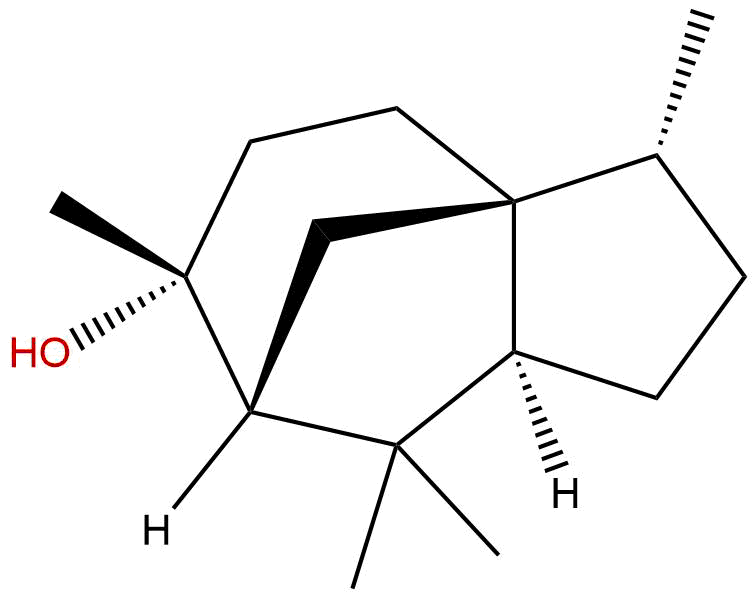
Natural products have long been an important treasure trove for innovative drug discovery, with their structural diversity and wide range of biological activities providing a constant source of inspiration for modern pharmacological research. Terpenes, as one of the major classes, occupy a central position in plant secondary metabolites and exhibit various pharmacological activities including anti-inflammatory, antibacterial, anti-tumor, and neuroprotective effects. Cedrol, also known as (1S, 2R, 5S, 8R) -2,6,6,8-tetramethyltricyclo [5.3.1.0 ¹, ⁵] undecane-8-ol, is a sesquiterpene alcohol with a unique tricyclic skeleton. Its CAS number is 77-53-2, and it is one of the main aroma components in various coniferous wood essential oils, especially in Cedrus and Juniperus plant essential oils, giving it a warm and dry woody aroma.
Traditionally, essential oils rich in cedarwood alcohol have been used in aromatherapy to soothe emotions, relieve anxiety, and as preservatives. With the deepening of modern pharmacological research, the biological activity spectrum of cedarwood alcohol far exceeds its aromatic uses. Research has shown that it is not only an effective competitive inhibitor of cytochrome P450 enzymes, affecting drug metabolism, but also exhibits significant potential in multiple areas such as anti-tumor, neuroprotection, anti anxiety, antibacterial, and skin health. Its mechanism of action involves inducing tumor cell cycle arrest and apoptosis, regulating the neurotransmitter system, inhibiting oxidative stress and inflammatory pathways, and other complex processes. More importantly, its excellent blood-brain barrier permeability lays a key foundation for its application in central nervous system related diseases such as neuropathic pain and anxiety. This article aims to systematically review the chemical properties, plant sources, pharmacological activities, molecular mechanisms of action, medicinal characteristics, and clinical application prospects of cedarwood alcohol, in order to provide comprehensive scientific references for the deep development and utilization of this natural product.
Chemical structure and physicochemical properties
The molecular formula of cedarwood alcohol is C ₁₅ H ₂₆ O, with a molecular weight of 222.3720 g/mol. Its core structure is a highly rigid tricyclic [5.3.1.0 ¹, ⁵] undecane skeleton, belonging to the eucalyptol type sesquiterpenes. This structure contains three fused rings (two hexagonal rings and one pentagonal ring), with four methyl substituents and one hydroxyl group. Its stereochemical configuration is (1S, 2R, 5S, 8R), and this specific spatial arrangement is crucial for its biological activity and interaction with target proteins.
The physicochemical properties of cedarwood alcohol are closely related to its pharmacological activity and pharmacokinetic behavior. The calculated lipid water partition coefficient (LogP) is 4.2382, indicating that the compound has a high degree of lipophilicity. This characteristic is consistent with its enrichment in plant essential oils and its ability to easily penetrate biofilms, including the blood-brain barrier. The topologically polar surface area (TPSA) is relatively low, at 20.23 Å ², further confirming its characteristics of low molecular polarity and strong hydrophobicity. The water solubility is extremely low, about 0.0169 mg/mL, which limits its direct application in aqueous media. It usually requires the use of organic solvents, solubilizers, or formulation techniques (such as cyclodextrin inclusion, nanoemulsions, liposomes) to improve its bioavailability.
In terms of stability, cedarwood alcohol is relatively stable to light and heat, but may undergo structural changes under strong acid or alkali conditions. Its hydroxyl group can undergo typical chemical reactions such as esterification and etherification, providing the possibility for structural modification to optimize its physicochemical and pharmacological properties. Its moderate volatility is the physical basis for its effectiveness through the olfactory pathway in aromatherapy.
Plant sources and extraction methods
Cedarwood alcohol is widely present in cypress plants and is a signature component of various wood essential oils.
Main plant sources including:
1. Cedar genus Cedrus atlantica and Cedrus deodara have essential oils in their heartwood and branches, which can contain up to 20% -50% cedarol. They are the main source of commercial extraction.
2. Cypress genus Some Juniperus varieties also contain a significant proportion of cedarwood in their essential oils.
3. Other plants A small amount has also been found in some Cupressus, Chamaecyparis, as well as mosses and lichens.
extraction method Mainly dependent on its volatility:
1. steam distillation This is the most traditional and commonly used industrial method for extracting cedarwood alcohol from wood debris and branches. By using water vapor to remove volatile components from plant materials, crude essential oil is obtained through condensation and oil-water separation, with cedarwood alcohol as one of the main components. This method has a low cost and is suitable for large-scale production, but may cause changes in some thermosensitive components due to high temperatures.
2. Organic solvent extraction method Using solvents such as petroleum ether and ethanol for extraction, suitable for laboratory scale or extraction from non woody parts. The obtained extract has complex components and requires further distillation and purification to obtain cedarwood alcohol.
3. Supercritical CO ₂ extraction method This is a modern green extraction technology. Selective extraction of cedarol using CO ₂ fluid in supercritical state. This method has mild conditions (low temperature), no solvent residue, high extraction efficiency, and can better preserve the natural configuration and biological activity. It is suitable for the preparation of high-purity and high value-added products, but the equipment investment and operating costs are relatively high.
The crude product extracted usually needs to go through fractionation and Crystallization Wait for the refining steps to obtain high-purity cedarwood alcohol. Gas chromatography-mass spectrometry is a standard analytical method for identifying its purity and content.
Pharmacological activity research
A large number of in vitro and in vivo studies have revealed the extensive and diverse pharmacological activities of cedarwood alcohol, providing a scientific basis for its multi-purpose development.
1. Antitumor activity
Cedarwood alcohol exhibits inhibitory effects on various cancer cells. Research has shown that it can inhibit the proliferation of human liver cancer cells, lung cancer cells, colon cancer cells, etc. by inducing cell cycle arrest (such as G0/G1 phase or G2/M phase) and activating Caspase dependent apoptosis pathways. Its function is related to the decrease in mitochondrial membrane potential, upregulation of pro apoptotic proteins (such as Bax), and downregulation of anti apoptotic proteins (such as Bcl-2). In addition, as a competitive inhibitor of CYP450 enzyme, cedanol may affect the metabolic activation of certain pre carcinogens or alter the in vivo metabolism of other anticancer drugs, with the potential to serve as a chemotherapy sensitizer.
2. Neuroprotective and analgesic activity
Cedarwood alcohol exhibits clear protective effects in neurological disease models. In the neuropathic pain model induced by chronic sciatic nerve constriction injury, cedarwood treatment can significantly alleviate mechanical hyperalgesia and thermal hyperalgesia. Its mechanism is mainly related to Inhibit oxidative stress(Reduce the level of reactive oxygen species and enhance the activity of antioxidant enzymes such as superoxide dismutase) and anti-inflammatory(Inhibiting the activation of spinal dorsal horn microglia and downregulating pro-inflammatory cytokines such as tumor necrosis factor - α, interleukin-1 β, interleukin-6, etc.) is closely related.
3. Anti anxiety and central regulatory activity
Cedriol is one of the most extensively studied central activities. Behavioral experiments (such as elevated maze, open dark box, and open field experiments) consistently indicate that inhalation or systemic administration of cedarwood alcohol can produce anti anxiety effects similar to diazepam, and does not cause significant sedation or motor coordination disorders within a certain dose range. Its anti anxiety effect does not rely on the classical benzodiazepine site, but is regulated through a more complex neurotransmitter system.
4. Antibacterial and anti-inflammatory activity
Cedar alcohol has inhibitory effects on various Gram positive bacteria (such as Staphylococcus aureus), Gram negative bacteria (such as Escherichia coli), and certain fungi (such as Candida albicans). Its antibacterial mechanism may involve disrupting the integrity of microbial cell membranes, leading to leakage of contents. Meanwhile, it has also shown inhibitory effects on the production of inflammatory mediators in non neurological inflammatory models.
5. Other activities
Preliminary research suggests that cedarwood alcohol may have a preventive effect on androgenic alopecia by improving scalp microcirculation, anti-inflammatory effects, and possibly anti androgen related mechanisms. In addition, there have been reports of its application in skin care (as a mild preservative and aromatic ingredient) and deworming.
Mechanism of action and molecular targets
The multiple pharmacological activities of cedarwood alcohol stem from its regulation of multiple molecular targets and signaling pathways.
1. Key target network for anti anxiety effects
Anti anxiety is the most systematic direction of cedarwood alcohol research, and its effects involve a complex network of neurotransmitters and neurotrophic factors:
* Monoamine energy system Cedriol may inhibit Monoamine oxidase A Reduce the degradation of monoamine neurotransmitters such as serotonin (5-HT) and norepinephrine, thereby increasing synaptic cleft concentration and improving mood. Meanwhile, it may regulate 5-hydroxytryptamine transporter The activity affects the reuptake of 5-HT. Correct 5-HT1A receptor The excitatory effects related to anti anxiety and anti depression, as well as their impact on 5-HT2A receptor The antagonism or downregulation of (overactivation related to anxiety) jointly coordinates the function of the 5-HT system. Correct Dopamine D2 receptor The regulation of emotions may also be involved in its stabilizing effect.
* GABAergic system Gamma aminobutyric acid is the main inhibitory neurotransmitter in the central nervous system. Research suggests that cedarol may undergo conformational modulation GABAA receptor Some subtypes of GABA, such as receptors containing alpha 1, beta 2, and gamma 2 subunits, enhance the effects of GABA, resulting in central inhibition and anti anxiety effects, but their binding sites are different from benzodiazepines.
* Neurotrophic signals Cedarwood alcohol can be upregulated Brain-derived neurotrophic factor Expressing and activating through cAMP response-element protein Waiting for transcription factors to promote gene expression related to neuronal survival and plasticity may be the basis for its long-term anti anxiety and neuroprotective effects.
2. Anti cancer mechanism
* cell cycle regulation By upregulating cyclin dependent kinase inhibitors such as p21 and p27, it activates cell cycle checkpoints and blocks cell cycle progression.
* Mitochondrial apoptosis pathway Inducing changes in mitochondrial membrane permeability, release of cytochrome c, and subsequently activating Caspase-9 and effector Caspase-3, executing the cell apoptosis program.
* Enzyme inhibition As a CYP450 competitive inhibitor, it may interfere with the metabolism of carcinogens or drugs.
3. Mechanisms for relieving neuropathic pain
* antioxidant Directly or indirectly eliminate free radicals and activate the Nrf2/ARE antioxidant defense pathway.
* anti-inflammatory Inhibiting the activation of the nuclear factor kappa B signaling pathway, thereby reducing the pro-inflammatory cytokines produced by microglia and astrocytes in the spinal dorsal horn.
4. Effects on immune cells
Cedriol can act as a weak agonist of neutrophils, desensitizing them to subsequent strong stimuli such as N-formyl peptides, which may be a potential mechanism for regulating excessive inflammatory responses.
Evaluation of drug properties and pharmacokinetics
Based on the provided parameters and existing research, the preliminary evaluation of the pharmacological properties of Xuesongol is as follows:
Advantage:
1. Good blood-brain barrier permeability High LogP value and low TPSA indicate that it has High BBB permeability This has been confirmed through in vitro and in vivo experiments and is a prerequisite for its central anti anxiety and analgesic effects.
2. High potential for safety The data shows that it No hERG inhibition Risk (indicating low risk of cardiac toxicity),The Ames test result is negative(indicating no mutagenicity), providing preliminary benefits for its safety. The history of traditional use also suggests that it has good tolerance.
3. Clear pharmacological activity and multi-target effects Effective for multiple disease models and involving multiple pathways, it may be beneficial for treating complex diseases.
Challenge:
1. Extremely low water solubility This is the biggest obstacle to its development as an oral or injectable formulation, seriously affecting its bioavailability. Advanced drug delivery systems must be utilized.
2. Metabolism and elimination As a CYP450 inhibitor, there is a potential risk of interaction with other drugs. Further systematic research is needed on its metabolic pathways (mainly liver hydroxylation and glucuronidation) and pharmacokinetic characteristics (such as half-life and tissue distribution) in the body.
3. Dosage and Formulation The effective dosage range and optimal administration route (inhalation, transdermal, oral formulation) still need to be optimized. Its volatility is an advantage of inhalation administration, but it also poses challenges to the stability of other dosage forms.
Prospects of Pharmacokinetic Research In the future, systematic ADME research is needed to clarify its absorption, distribution, metabolism, and excretion patterns under different administration routes, especially its concentration time curves in target tissues such as the brain and spinal cord, providing key data for preclinical to clinical translation.
Clinical application prospects and prospects
The diverse biological activities of cedarwood alcohol have brought broad application prospects in multiple therapeutic fields, but at the same time, it also faces challenges in the transformation from natural products to drugs.
Potential application directions:
1. Adjuvant therapy for neurological disorders:
* Anxiety disorders and stress-related disorders Developing inhalers, transdermal patches, or oral sustained-release formulations based on cedarwood alcohol as alternatives or supplements to traditional benzodiazepines may have the advantages of low dependence and fewer side effects.
* neuropathic pain As a novel analgesic, especially suitable for chronic neuropathic pain patients who are insensitive or tolerant to opioid drugs, its anti-inflammatory and antioxidant mechanisms provide a new treatment strategy.
* Neurodegenerative diseases Its neurotrophic and anti-inflammatory properties are worth exploring in models such as Alzheimer's disease and Parkinson's disease.
2. neoadjuvant therapy As a sensitizer for chemotherapy or radiotherapy, or for developing topical skin cancer treatment formulations. Its CYP450 inhibitory properties need to be carefully evaluated when used in combination therapy.
3. Dermatology and daily chemical products Cedarwood alcohol can be used as a safe and effective natural active ingredient in hair loss prevention products, antibacterial and anti-inflammatory skin topical preparations (such as acne treatment), functional cosmetics, and aromatherapy products.
4. Medical Devices and Accessories As an antibacterial coating or sustained-release component for medical materials.
Future research and development strategies:
1. Structural optimization and derivative development To address the issue of poor water solubility, water-soluble prodrugs (such as phosphate esters and amino acid esters) or derivatives with higher activity are prepared through chemical synthesis, and structure-activity relationship studies are conducted to optimize activity and pharmacokinetic properties.
2. Research on Advanced Delivery Systems This is the key to promoting its commercialization. Focus on developing delivery systems based on liposomes, nanoemulsions, polymer nanoparticles, and cyclodextrin inclusion complexes to improve their solubility, stability, and targeting.
3. In depth study on the mechanism of action Using chemical biology methods such as photoaffinity labeling and proteomics to identify its direct target of action; Using network pharmacology and systems biology methods, comprehensively elucidate its "multi-component multi-target multi pathway" action network.
4. Standardized preclinical and clinical evaluation Complete a systematic toxicological evaluation (acute toxicity, chronic toxicity, reproductive toxicity, etc.) in accordance with international standards, and design rigorous clinical trials to verify its effectiveness and safety in specific indications (such as mild anxiety, chemotherapy-induced neuropathic pain).
Conclusion
Cedar alcohol, as a natural sesquiterpene alcohol with abundant sources, has evolved from a traditional aromatic component to a star molecule with multiple pharmacological activities. Its significant effects in anti-tumor, anti anxiety, neuroprotection, analgesia, etc. reveal the complex mechanism of its action on multiple targets such as cell cycle, apoptosis, neurotransmitters, oxidative stress, and inflammation. Although its extremely low water solubility and incomplete understanding of in vivo metabolic processes are the main bottlenecks towards drug development, its outstanding blood-brain barrier permeability, good initial safety, and clear multi-target effects constitute its unique development advantages. In the future, through the interdisciplinary integration of modern medicinal chemistry, pharmacy, and pharmacology, structural modification of resveratrol, development of new delivery systems, and in-depth research in translational medicine are expected to transform this ancient natural molecule into modern drugs or functional products for treating neurological diseases, chronic pain, and even tumors, fully realizing its potential value as a treasure trove of natural products.