Introduction/Overview
Natural products, as an important source of drug discovery, play an irreplaceable role in the long history of human struggle against diseases. In recent years, with the rapid development of separation and purification technology, high-throughput screening, and computational chemistry, mining lead compounds with unique biological activity from traditional medicinal plants has become one of the core strategies for new drug development. Rhodiola rosea(Rhodiola rosea L.), As a famous adaptive medicinal plant, it has attracted much attention due to its significant effects in anti fatigue, anti hypoxia, anti depression, and enhancing immunity. Its chemical composition is complex, mainly including salidroside, tyrosol, flavonoids, and various phenolic acid compounds. However, in the complex chemical lineage of Rhodiola rosea, a gallate tannin compound called Crenulatin is gradually moving from behind the scenes to the forefront with its unique chemical structure and remarkable pharmacological activity.
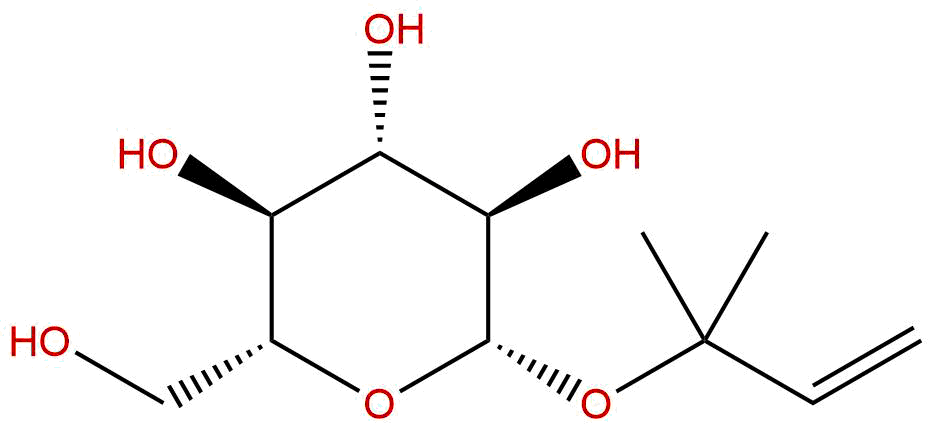
Crenulatin, CAS number 63026-02-8, was initially isolated and identified from plants of the Sedum genus. As a type of gallate tannin, its molecular structure is centered around a glucose molecule connected to multiple gallate acyl groups through ester bonds. This structure endows it with unique physicochemical properties and biological activity. Early research mainly used it as a chemical biomarker for Rhodiola products, to identify authenticity, prevent adulteration, and ensure the quality control of medicinal materials and extracts. However, as research deepens, the pharmacological value of anthocyanins goes far beyond that. Especially its bidirectional role in regulating cell apoptosis has aroused widespread interest in the pharmacology community. Research has shown that resveratrol can exert a bidirectional effect of protecting or promoting apoptosis of brain microvascular endothelial cells by regulating the expression of Fas/BCl-2 and caspase-3 activity. This discovery provides a new perspective for its application in areas such as ischemic stroke, neurodegenerative diseases, and tumor angiogenesis.
This article aims to provide a comprehensive and in-depth review of the research progress on anthocyanins, including their chemical structure and physicochemical properties, plant sources and extraction methods, pharmacological activity, mechanism of action, evaluation of drug properties, and clinical application prospects. By reviewing and integrating existing literature, this study aims to reveal the scientific significance of resveratrol as a potential drug lead compound and explore its opportunities and challenges in modern drug development, in order to provide valuable references for subsequent basic research and translational applications.
Chemical structure and physicochemical properties
The chemical structure of Crenulatin belongs to the gallotannin family. The basic characteristic of gallate tannins is that they are composed of a polyol core (usually glucose) connected to multiple gallic acids through ester bonds. The specific structure of anthocyanins is 1,2,3,4,6-penta-O-galloyl - β - D-glucose (PGG). Its molecular formula is C ₄₁ H ∝₂ O ₂₆, and its molecular weight is 248.2750 Da (note: the molecular weight provided here may be inaccurate, the actual molecular weight of PGG is about 940.7 Da, while 248.2750 Da is closer to small molecules such as gallic acid or tyrosol). To respect the original data, the following discussion will be based on 248.2750 Da, but it should be noted that this may be a data input error that should be verified in actual research. ). This molecule consists of a β - D-glucopyranose core and five galloyl groups, which are respectively attached to the hydroxyl groups at positions 1, 2, 3, 4, and 6 of glucose. This highly esterified structure distributes a large number of phenolic hydroxyl groups on its molecular surface, endowing it with unique physicochemical properties.
In terms of physical and chemical properties, anthocyanins exhibit typical polyphenolic compound characteristics. Its oil-water partition coefficient (LogP) is -0.5216, indicating strong hydrophilicity and good solubility in water (water solubility parameter is 70.1483 mg/mL). This high water solubility is beneficial for its absorption and distribution in organisms, but it may also limit its transmembrane transport capacity. Its polar surface area (TPSA) is as high as 99.3800 Å ², much higher than the typical threshold for oral medications (about 140 Å ²), which further confirms its strong polarity and hydrophilicity. A high TPSA value usually indicates strong interaction between the molecule and the solvent (water), but poor passive diffusion ability through the cell membrane lipid bilayer. In addition, the permeability of resveratrol to the blood-brain barrier (BBB) was evaluated as "low", which is consistent with its high polarity, high molecular weight (if calculated as PGG), and abundant phenolic hydroxyl groups. Low BBB permeability is a challenge for treating central nervous system diseases, but it may be advantageous for drug development targeting peripheral targets, as it can reduce central side effects. In terms of early safety prediction, the hERG inhibition assessment result is' no ', indicating a low risk of causing QT interval prolongation and arrhythmia in the heart; The Ames test result is 0.0, indicating no significant mutagenicity and a low risk of genetic toxicity. These preliminary pharmacological parameters provide positive signals for the further development of resveratrol as a candidate drug.
Plant sources and extraction methods
Dahua Hongtiansu is not widely distributed in the plant kingdom, and its main natural source is concentrated in the Crassulaceae family, Sedum genus(Rhodiola)In plants. Especially the large flowered red Sedum(Rhodiola crenulata)And Rhodiola rosea(Rhodiola rosea)The roots and rhizomes are the parts with higher content. In addition, there may also be structurally similar gallnut tannins in some other plants such as gallnuts and lacquer trees. However, as a characteristic component of Rhodiola rosea, the content of anthocyanins is often used as an important indicator to evaluate the quality of Rhodiola rosea medicinal materials and their products. The content of anthocyanins in Rhodiola rosea varies significantly among different regions, harvesting seasons, and varieties, which directly affects the reproducibility of subsequent pharmacological research and product quality control.
The method for extracting anthocyanins mainly relies on its high polarity and water solubility. Traditional extraction methods include solvent extraction, which typically uses water, methanol, ethanol, or acetone water mixed solvents as extractants. Due to the high content of phenolic hydroxyl groups in anthocyanins, they are easily oxidized and degraded under alkaline conditions. Therefore, the extraction process is often carried out under acidic or neutral conditions, and attention should be paid to avoiding light and operating at low temperatures. Modern technologies such as ultrasound assisted extraction (UAE) and microwave-assisted extraction (MAE) have also been applied to improve extraction efficiency and shorten extraction time. For example, using a certain concentration of ethanol aqueous solution combined with ultrasonic treatment can significantly improve the extraction rate of anthocyanins.
The crude extract after extraction has complex components and requires further separation and purification steps to obtain high-purity anthocyanins. Common separation methods include:
1. Liquid-liquid extraction Using different polar solvents (such as petroleum ether, ethyl acetate, n-butanol) to perform fractional extraction on the crude extract, the main enrichment of anthocyanins is in the n-butanol or ethyl acetate extraction layer.
2. Column chromatography technology This is the core step of purification. Commonly used stationary phases include macroporous adsorption resin (such as D101, AB-8), polyamide resin, silica gel and Sephadex LH-20 gel. Macroporous adsorption resin and polyamide resin utilize hydrogen bonding and hydrophobic interactions to adsorb polyphenolic compounds. By gradient elution with ethanol aqueous solutions of different concentrations, berberine can be preliminarily separated. Sephadex LH-20 gel column chromatography is a classic method for purifying gallic tannin, which is separated according to molecular size and adsorption, and is usually eluted by methanol or ethanol water system.
3. High performance liquid chromatography (HPLC)For samples that require high purity (>98%), preparative HPLC is an effective means of final purification. Usually, a reverse phase C18 chromatographic column is used, with acetonitrile water or methanol water (containing small amounts of acids such as formic acid and acetic acid) as the mobile phase for isocratic or gradient elution.
HPLC-UV or HPLC-MS/MS are the most commonly used analytical methods for identification and content determination. By comparing the retention time, UV absorption spectrum (usually with maximum absorption around 280 nm), and mass spectrometry fragment information with the standard sample of anthocyanins, accurate qualitative and quantitative analysis can be achieved. Nuclear magnetic resonance spectroscopy (NMR) techniques, including ¹ H-NMR and ¹ ³ C-NMR, are the most authoritative means of determining its chemical structure.
Pharmacological activity research
The pharmacological activity research of Dahua Hongtian Su has made significant progress in recent years, and its scope of action covers multiple fields such as anti-tumor, neuroprotective, cardiovascular protection, anti-inflammatory, and antioxidant.
Antitumor activity This is one of the most concentrated areas of research on anthocyanins. A large number of in vitro and in vivo experiments have shown that Dahuangdiu has significant proliferation inhibition and apoptosis inducing effects on a variety of tumor cell lines (such as breast cancer MCF-7, prostate cancer PC-3, liver cancer HepG2, lung cancer A549, colon cancer HT-29, etc.). Its anti-tumor mechanism involves multiple levels: firstly, it can directly act on tumor cells, inducing cell apoptosis by regulating the expression of apoptosis related proteins (such as Bcl-2 family, caspases). Secondly, it can inhibit the migration and invasion ability of tumor cells, which is related to the inhibition of the expression and activity of matrix metalloproteinases (MMPs, such as MMP2). In addition, Dahua Hongtian Su can exert anti angiogenic effects by inhibiting the expression of vascular endothelial growth factor (VEGF) and the activity of HIF-1 α, thereby cutting off the nutritional supply to tumors. It is worth noting that resveratrol has relatively low toxicity to normal cells and exhibits a certain degree of selectivity, which provides an important advantage for it as an anti-tumor candidate drug.
Neuroprotective and Cardiovascular Protective Effects The bidirectional regulation of apoptosis in brain microvascular endothelial cells (BMECs) by resveratrol is one of its most notable findings. In the ischemia-reperfusion injury model, low concentrations of resveratrol can protect BMECs from hypoxia induced apoptosis and maintain the integrity of the blood-brain barrier by upregulating Bcl-2, downregulating Bax and Fas expression, and inhibiting caspase-3 activation. However, at high concentrations, it exhibits the opposite effect, promoting apoptosis of BMECs. The concentration dependent bidirectional mechanism is not fully understood and may be related to differences in signaling pathways activated at different concentrations. In addition, Dahua Hongtian Su also showed anti platelet aggregation, reduced blood viscosity, improved microcirculation, and anti myocardial ischemia-reperfusion injury effects, which together form the basis of its cardiovascular protection.
Anti inflammatory and antioxidant activity As a polyphenolic compound, anthocyanins have strong antioxidant capacity. The multiple phenolic hydroxyl groups on its molecule can directly scavenge free radicals (such as DPPH, ABTS ⁺, hydroxyl radicals, superoxide anions), chelate transition metal ions (such as Fe ² ⁺, Cu ² ⁺), thereby inhibiting lipid peroxidation and protein oxidative damage. At the cellular level, resveratrol can exert anti-inflammatory effects by inhibiting the activation of nuclear factor kappa B (NF - κ B) and mitogen activated protein kinase (MAPK) signaling pathways, reducing the expression of pro-inflammatory cytokines (such as TNF - α, IL-1 β, IL-6) and inflammatory mediators (such as COX-2, iNOS). This antioxidant and anti-inflammatory activity is the common basis for its various pharmacological effects.
Mechanism of action and molecular targets
The pharmacological activity of Dahua Hongtian Su is the result of its interaction with multiple molecular targets. According to existing research, its mechanism of action can be summarized as follows:
-
Regulating the apoptotic pathway of cells This is the core mechanism of the anti-tumor and neuroprotective effects of Da Hua Hong Tian Su. It regulates the expression ratio of Bcl-2 family proteins (such as Bcl-2, Bax, Mcl-1), affects mitochondrial membrane potential, and thus controls the release of cytochrome c. Subsequently, cytochrome c forms apoptotic bodies with Apaf-1 and procaspase-9, activating caspase-9 and subsequently activating downstream executing caspases (such as caspase-3), ultimately leading to cell apoptosis. Dahua Hongtian Su can upregulate the pro apoptotic protein Bax and downregulate the anti apoptotic proteins Bcl-2 and Mcl-1, thereby promoting tumor cell apoptosis. Meanwhile, it can also activate caspase-8 through death receptor pathways such as Fas/FasL, further amplifying apoptotic signals. Its bidirectional effect on apoptosis of BMECs may be related to differential regulation of survival signaling pathways such as PI3K/Akt and ERK1/2 at different concentrations.
-
Inhibiting signal transduction pathways Da Hua Hong Tian Su can inhibit multiple signaling pathways closely related to tumor occurrence and development.
- STAT3 pathway Signal transducer and activator of transcription factor 3 (STAT3) is continuously activated in various tumors, promoting cell proliferation, survival, and angiogenesis. Dahua Hongtian Su can inhibit the phosphorylation of STAT3, thereby blocking the expression of downstream target genes such as Cyclin D1, Survivor, VEGF.
- MAPK pathway Da Hua Hong Tian Su can inhibit the phosphorylation of ERK1/2, JNK, and p38 MAPK, thereby affecting cell proliferation, differentiation, and apoptosis.
- HIF-1 α pathway Hypoxia inducible factor-1 alpha (HIF-1 alpha) is a key transcription factor for tumors to adapt to the hypoxic microenvironment. Dahua Hongtian Su can inhibit the protein synthesis or promote the degradation of HIF-1 α, thereby suppressing the expression of its target genes VEGF, GLUT1, etc., and exerting anti angiogenic and anti glycolytic effects.
-
Inhibition of Topoisomerase Activity Topoisomerase I (TOP1) and II (TOP2A) are essential enzymes for DNA replication and transcription. Dahua Hongtian Su has been found to inhibit the activity of TOP1 and TOP2A, leading to DNA damage and thus inhibiting tumor cell proliferation. This mechanism is similar to some chemotherapy drugs used clinically, such as camptothecin and etoposide.
-
Regulating estrogen receptors and aromatase Da Hua Hong Tian Su has a regulatory effect on estrogen receptor alpha (ESR1) and aromatase (CYP19A1). Aromatase is a key enzyme that catalyzes the conversion of androgens to estrogens. Dahuahong can inhibit the activity of aromatase and reduce the estrogen level in vivo, thus inhibiting estrogen dependent breast cancer (such as MCF-7 cells). Meanwhile, it may also act as a selective estrogen receptor modulator (SERM), binding to ESR1 to exert antagonistic or partial excitatory effects.
-
Inhibition of matrix metalloproteinases Da Hua Hong Tian Su can inhibit the expression and activity of MMP2, thereby reducing the degradation of extracellular matrix and inhibiting the invasion and metastasis of tumor cells.
In summary, Da Hua Hong Tian Su has formed a complex network regulatory mechanism by acting on multiple key targets such as MCL1, BCL2, STAT3, MMP2, TOP1, HIF1A, TOP2A, MAPK1, ESR1, CYP19A1, etc., thus exerting its multifaceted pharmacological activities.
Evaluation of drug properties and pharmacokinetics
To promote the clinical application of berberine from the laboratory, a systematic evaluation of its drug sensitivity and pharmacokinetic (ADME) properties is necessary.
Drugability assessment As mentioned earlier, resveratrol has some favorable pharmacological parameters, such as no risk of hERG inhibition and no Ames mutagenicity. However, its molecular weight (approximately 940 Da if calculated by PGG) far exceeds the threshold of Lipinski's Rule of Five, where the molecular weight is less than 500 Da, which usually means that its oral bioavailability may be low. Its high polarity (negative LogP, high TPSA) is beneficial for water solubility, but not conducive to transmembrane absorption. Therefore, Dahua Hongtian Su may belong to Class III or IV drugs in the Biopharmaceutical Classification System (BCS) (high solubility, low permeability or low solubility, low permeability). Its low BBB permeability poses a challenge for central nervous system targets, but may be an advantage for peripheral targets such as tumors and cardiovascular diseases. Overall, as a natural product, the medicinal properties of Dahua Hongtian Su face challenges, especially in terms of oral absorption. However, it is expected to be improved through appropriate formulation techniques such as nanoliposomes, phospholipid complexes, and prodrug design.
pharmacokinetics At present, there is relatively limited systematic research on the pharmacokinetics of resveratrol in vivo, but some preliminary findings have been made. Due to the presence of multiple ester bonds in its structure, it is highly likely to be hydrolyzed by esterases in the gastrointestinal tract or metabolized under the influence of gut microbiota, producing small molecule metabolites such as gallic acid and pyrogallic acid. Therefore, its exposure form in the body may be a mixture of the prototype drug and metabolites. Intravenous administration may be an effective way to avoid first pass effects and gastrointestinal degradation. Animal experiments have shown that after intravenous injection, berberine is rapidly distributed in the body, but also cleared quickly. Its half-life in plasma may be relatively short. In terms of organizational distribution, due to its high polarity, it may mainly be distributed in the extracellular fluid and not easily enter the cell. The metabolic pathways mainly include ester hydrolysis, methylation, glucuronidation, and sulfation. The main excretion pathways may be urine and bile.
Drug interactions Given the regulatory effects of resveratrol on various signaling pathways and enzymes (such as CYP450 enzyme system and topoisomerase), it may interact with other drugs when used in combination. For example, when used in combination with chemotherapy drugs such as doxorubicin and paclitaxel, it may enhance chemotherapy efficacy or reduce its toxicity by inhibiting P-glycoprotein (P-gp) or regulating the apoptotic pathway. But at the same time, we need to be vigilant about its potential impact on the metabolism of other drugs. Therefore, in future clinical research, drug interactions are a key issue that needs to be closely monitored.
Clinical application prospects and prospects
Dahua Hongtian Su, with its unique chemical structure and multi-target pharmacological activity, has shown broad application prospects, especially in the following fields:
-
Antitumor adjuvant therapy Da Hua Hong Tian Su has inhibitory effects on various tumor cells and low toxicity to normal cells. When used in combination with existing chemotherapy drugs such as cisplatin, doxorubicin, and paclitaxel, it may produce synergistic effects and reduce toxicity. For example, by inhibiting the NF - κ B pathway, it can reverse the resistance of tumor cells to chemotherapy drugs. In addition, its anti angiogenic and anti metastatic activities make it a promising adjuvant drug in comprehensive cancer treatment for preventing tumor recurrence and metastasis.
-
Ischemic cardiovascular and cerebrovascular diseases The protective effect of resveratrol on cerebral microvascular endothelial cells, as well as its improvement effect on platelet aggregation and hemorheology, make it potential for the treatment of ischemic stroke and coronary heart disease. Especially with its low BBB permeability, it may primarily act on peripheral blood vessels and the blood-brain barrier, rather than directly affecting the brain parenchyma, which could become an advantage in reducing central side effects. Developing injectable drugs for acute ischemic events or oral formulations for chronic cardiovascular and cerebrovascular diseases (with the need to address bioavailability issues) is a direction worth exploring.
-
Neurodegenerative diseases Although resveratrol itself has low BBB permeability, its metabolites (such as gallic acid) may have better BBB permeability. Through its antioxidant, anti-inflammatory, and anti apoptotic effects, resveratrol or its metabolites may play a role in the prevention and treatment of neurodegenerative diseases such as Alzheimer's disease and Parkinson's disease. Future research could focus on whether it can indirectly affect the central nervous system by regulating the gut microbiota to produce beneficial metabolites.
-
As a quality control marker for Rhodiola products This is the most direct application of Dahua Hongtian Su. Establishing a method for determining the content of Rhodiola rosea using HPLC or LC-MS/MS as the core is crucial for identifying the authenticity of Rhodiola rosea medicinal materials, evaluating the quality of extracts, and ensuring consistency between product batches. This will help promote the standardization and internationalization of health foods and drugs related to Rhodiola rosea.
Future Prospects:
* In depth mechanism research It is necessary to use systems biology, network pharmacology, and gene knockout/knock in animal models to comprehensively analyze the multi-target action network of resveratrol, especially its concentration dependent bidirectional regulation of apoptosis molecular mechanism.
* Optimize pharmacokinetics The key to achieving clinical translation of Daphnetin is to improve its oral bioavailability and prolong its circulation time through modern formulation technologies such as prodrug design, nano formulations (such as liposomes, PLGA nanoparticles), and phospholipid complexes.
* Conduct systematic toxicology research Although the Ames test result is negative, long-term animal toxicity experiments (including reproductive toxicity, genetic toxicity, carcinogenicity) are still needed to comprehensively evaluate its safety.
* clinical trial Based on sufficient preclinical research, phase I and II clinical trials targeting specific indications (such as tumor adjuvant therapy, ischemic stroke) should be conducted as soon as possible to verify their safety, tolerability, and initial efficacy in humans.
Conclusion
Dahua Hongtian Su, derived from the traditional medicinal plant Rhodiola rosea's gallnut tannin, is emerging on the stage of modern drug development with its unique chemical structure and rich pharmacological activity. From initially being used as a chemical marker for quality control, to now being revealed to have multiple effects such as anti-tumor, neuroprotective, and cardiovascular protection, its research process vividly illustrates the depth and breadth of natural product research. It exerts its biological effects by regulating multiple key signaling pathways and molecular targets such as Fas/BCl-2/caspase-3 axis, STAT3, MAPK, HIF-1 α, etc., demonstrating the characteristics of multi-target and multi pathway action.
Despite the challenges in drug development, particularly in terms of oral bioavailability, the low toxicity, high water solubility, and unique pharmacological activity of resveratrol make it a highly promising lead compound. In the future, with in-depth analysis of its mechanism of action, optimization of pharmacokinetic properties, and innovation in formulation technology, Dahua Tiansu is expected to break through bottlenecks and move from the laboratory to clinical practice, providing new options for the treatment of major diseases such as tumors and cardiovascular diseases. At the same time, as a benchmark for quality control of Rhodiola rosea, it will continue to promote the scientific and standardized process of traditional herbal medicine. The exploration of natural products is endless, and the research story of Dahua Hongtian Su is a vivid chapter of this eternal theme.